
Home improvements can make a property warmer, quieter, and more comfortable. However, changes to windows, walls, roofing, and ventilation can also affect how a chimney operates. Even work completed away from the fireplace may influence airflow or expose hidden chimney problems.
Understanding these effects can help homeowners include the chimney in their renovation plans rather than discovering an issue after the work is complete.
New Windows Can Change Airflow
Older homes often have small gaps around windows and doors that allow outside air to enter. Replacing them with modern, tightly sealed units can reduce uncontrolled draughts and improve energy efficiency.
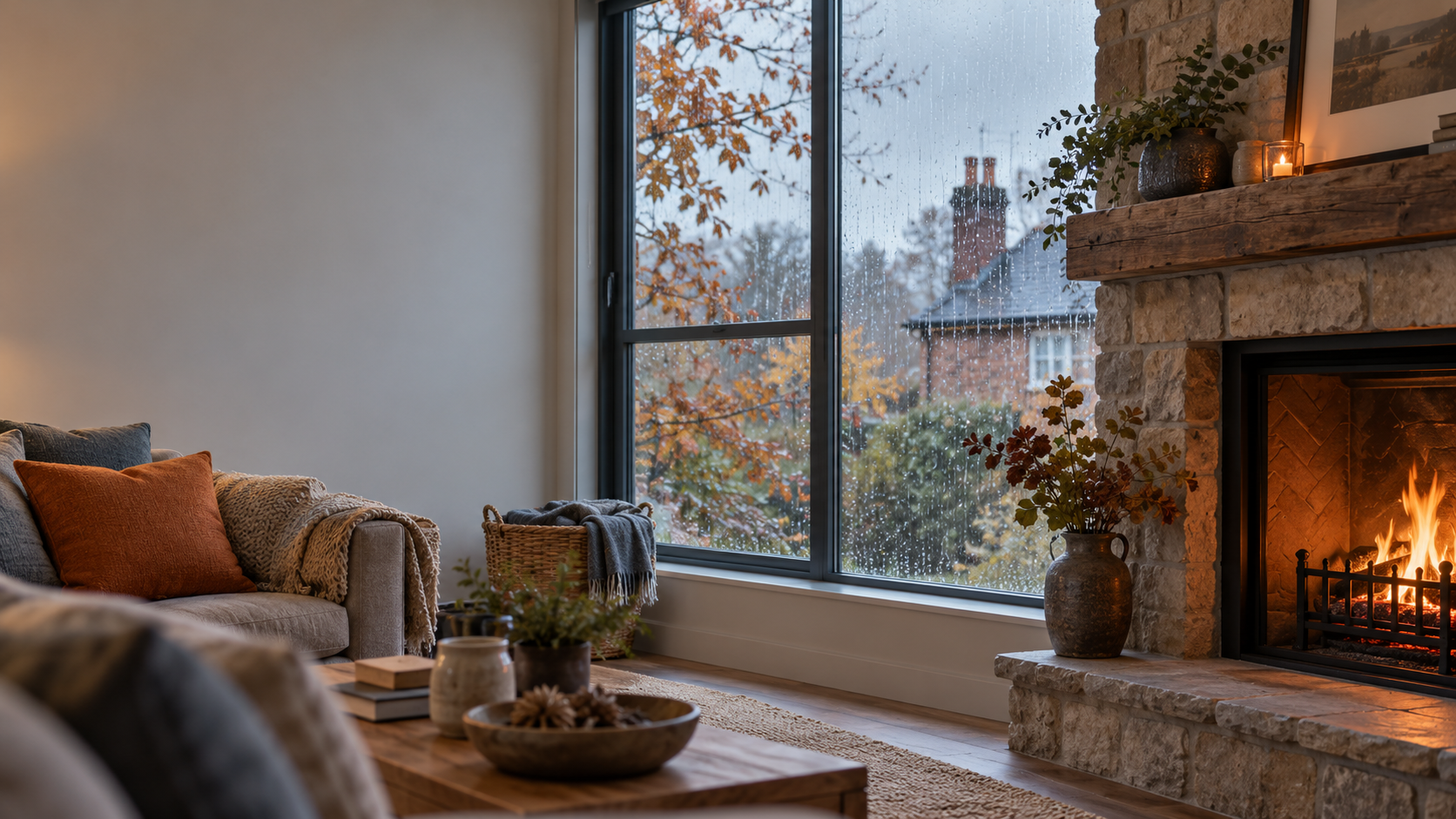
A working fireplace or stove still needs enough air for combustion. If the room becomes too airtight, the chimney may struggle to create a strong upward draught. Smoke could move slowly through the flue or enter the room when the appliance is lit.
A chimney sweep can check for signs of restricted airflow, although ventilation requirements may need to be assessed separately by a qualified installer.
Extractor Fans May Affect Chimney Draught
Kitchen extractors, bathroom fans, and other ventilation systems remove air from the home. In some properties, a powerful fan can create negative pressure and compete with the chimney for available air.
This does not mean extractor fans cannot be used in a home with a fireplace. It means their location and power should be considered, particularly during a log burner installation. Testing the appliance while fans are running may reveal whether additional ventilation is required.
Building Work Can Introduce Debris
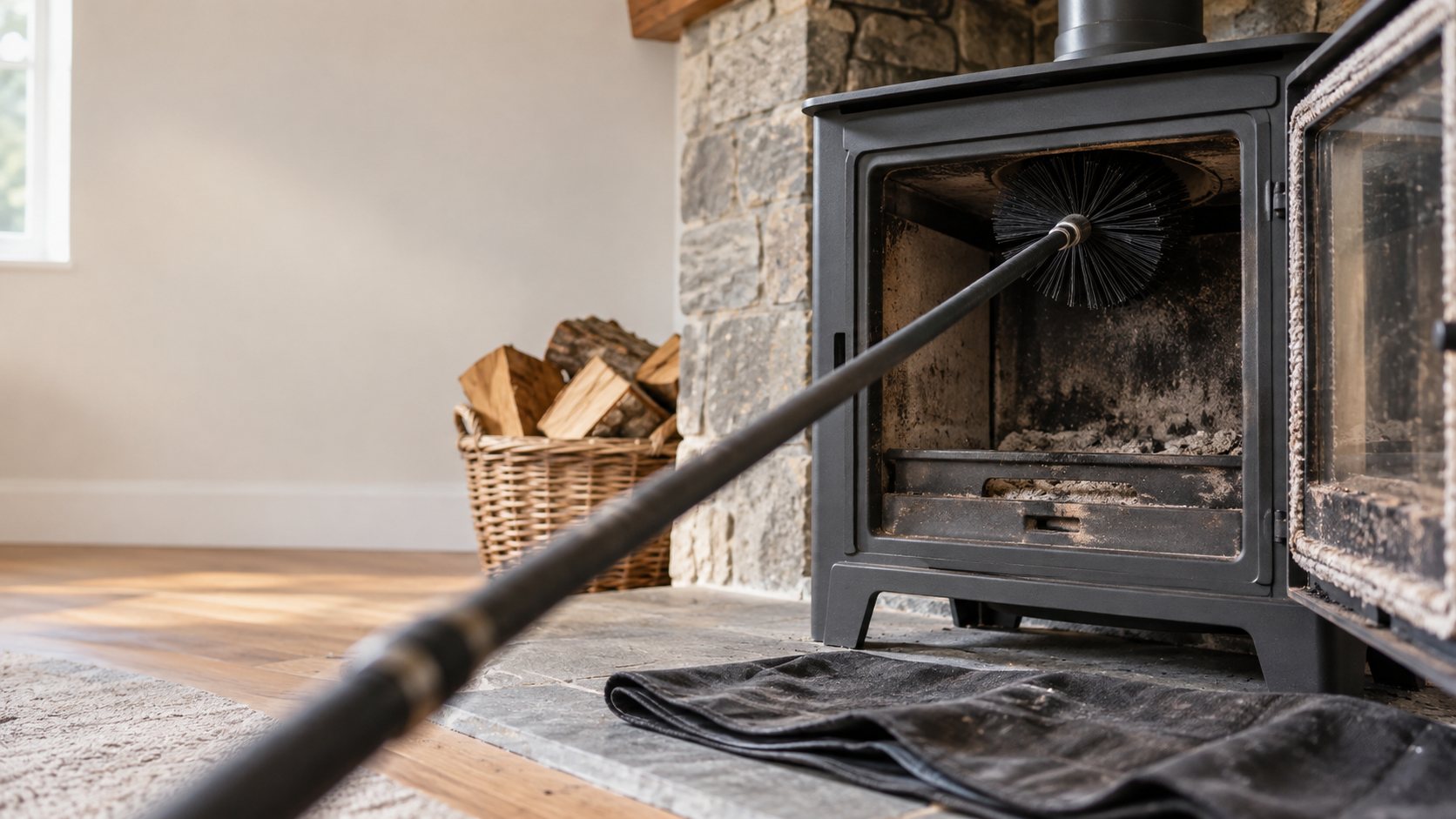
Renovation work can loosen old mortar, soot, and masonry inside a chimney. Dust sheets may protect the room, but they do not prevent material from falling within the flue.
Birds may also enter an open chimney while roof work is taking place. If nesting material is discovered, bird nest removal must be handled carefully because active nests, birds, and eggs can be legally protected.
Arranging a sweep and inspection after major building work can confirm whether the flue remains clear.
Roofing Changes Need Careful Inspection
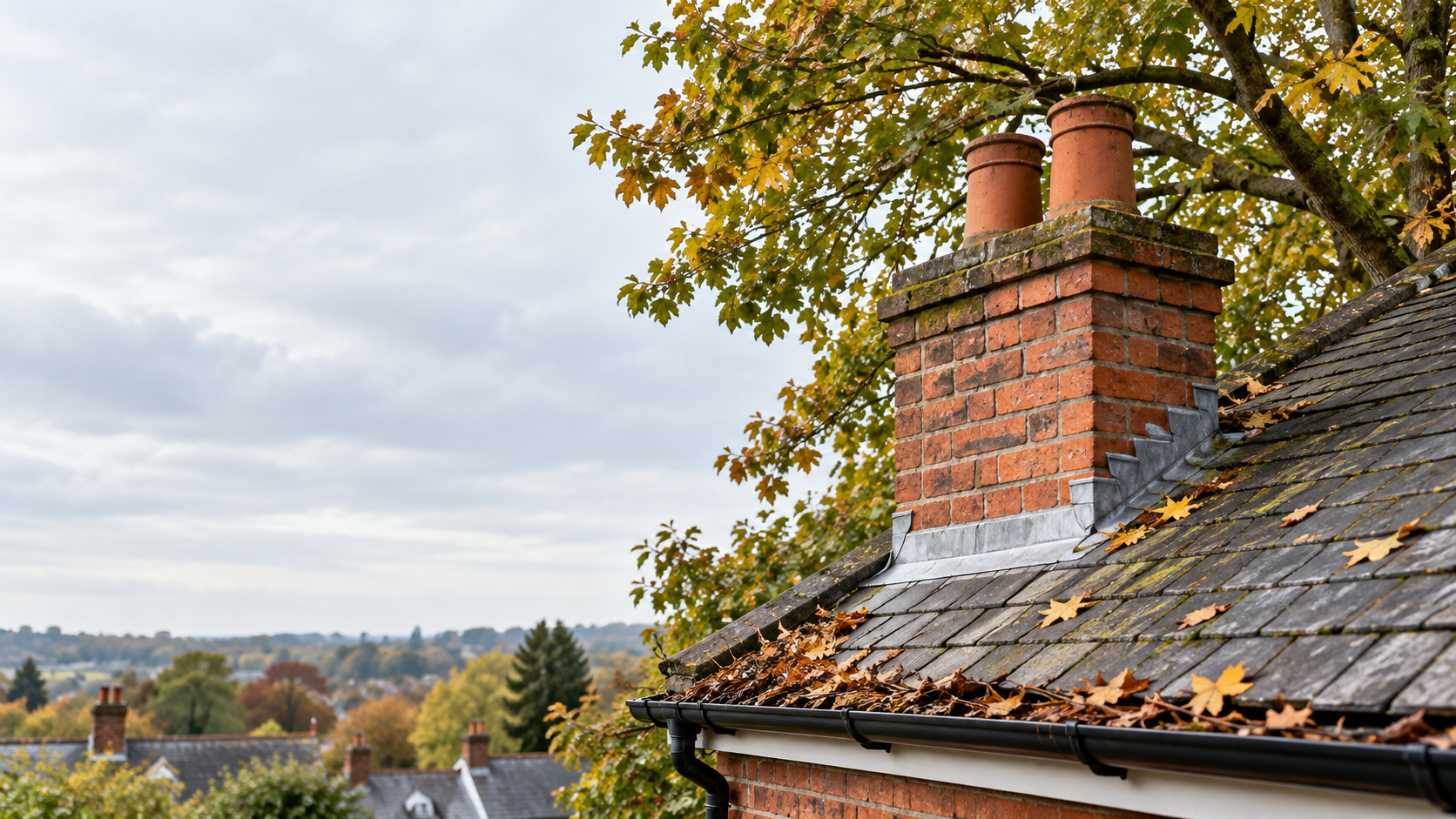
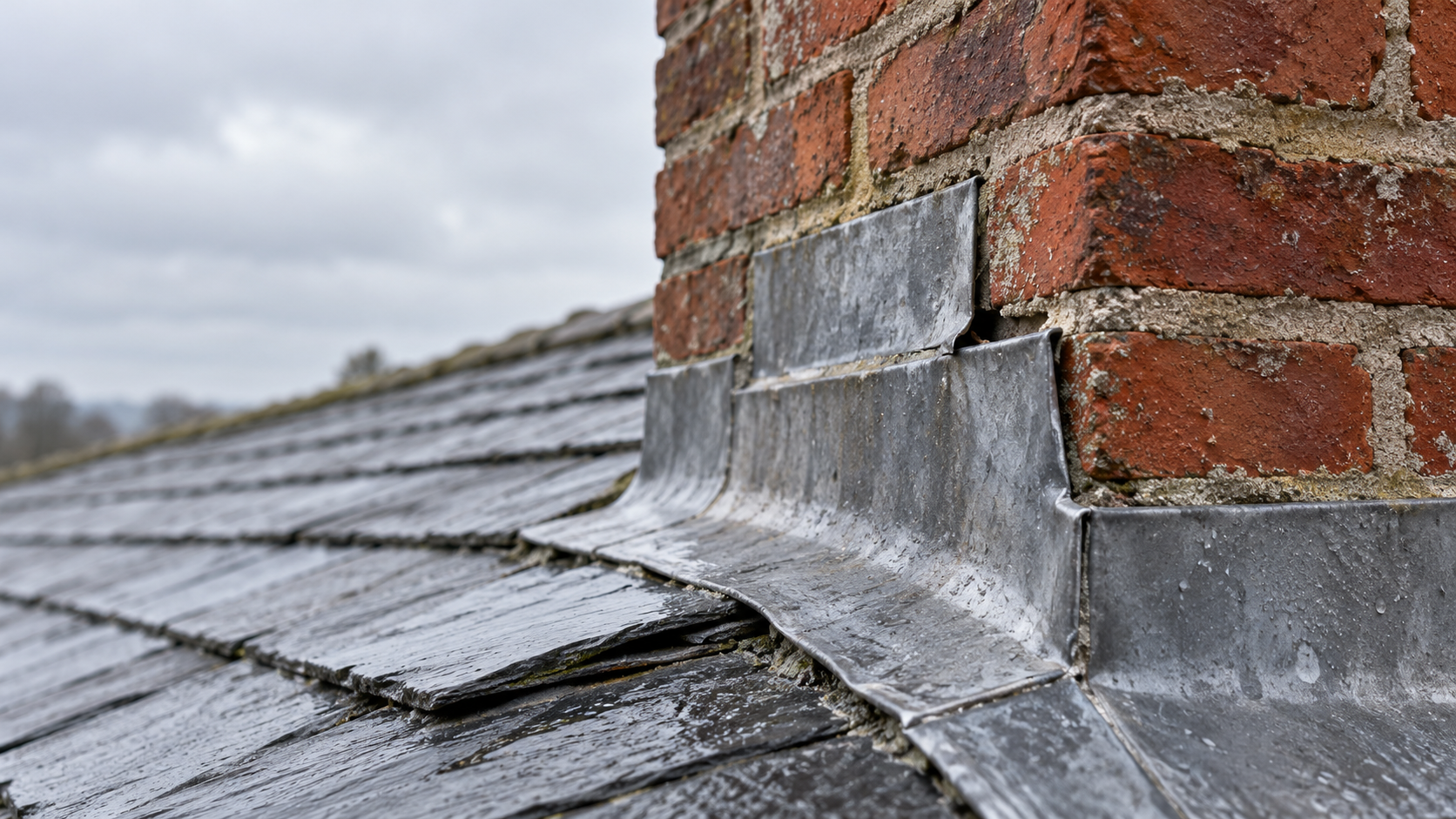
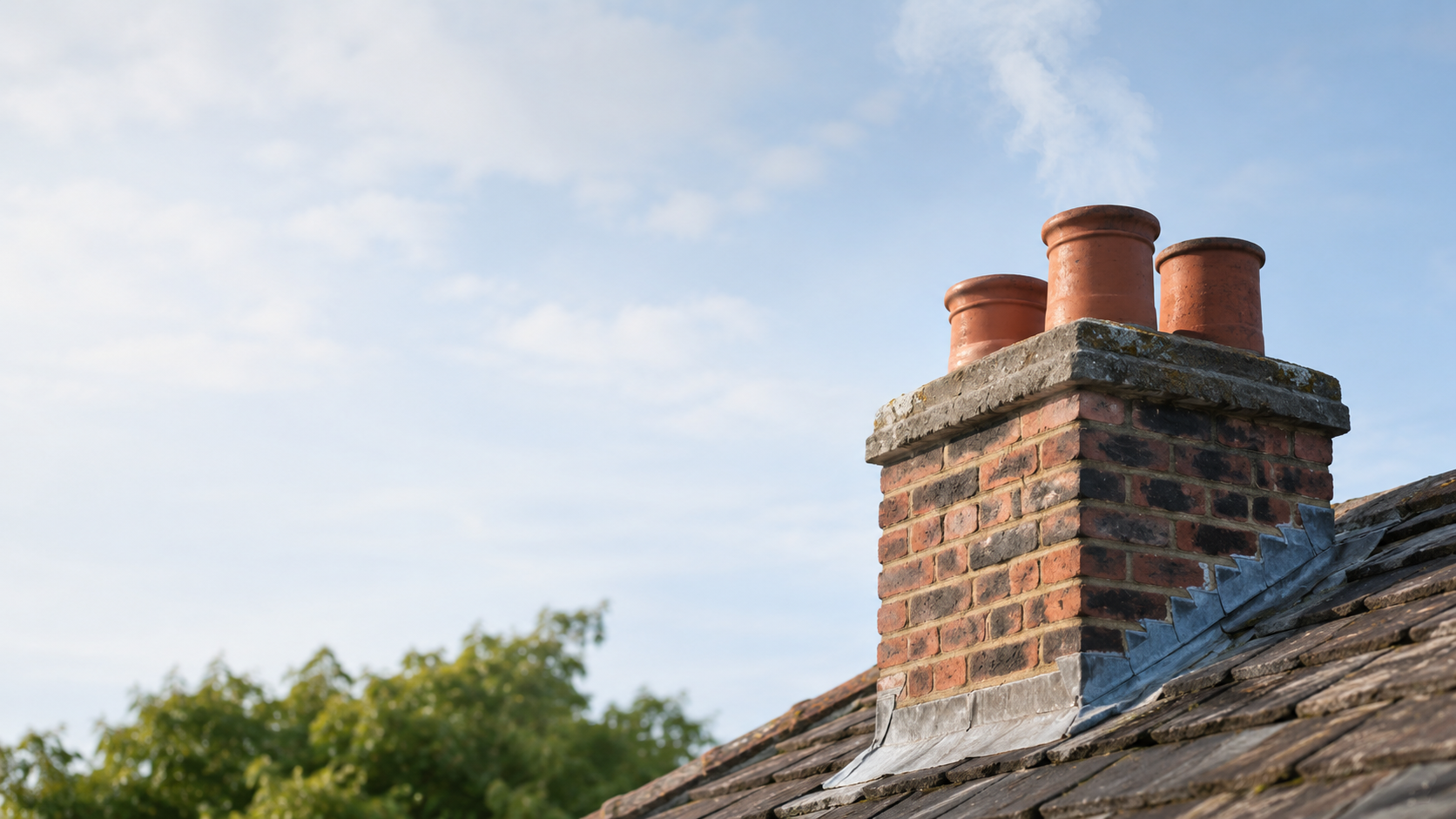
Roof repairs, extensions, and loft conversions may alter the area around a chimney stack. Problems can develop if flashing is disturbed, masonry is damaged, or the chimney becomes too close to a new roofline.
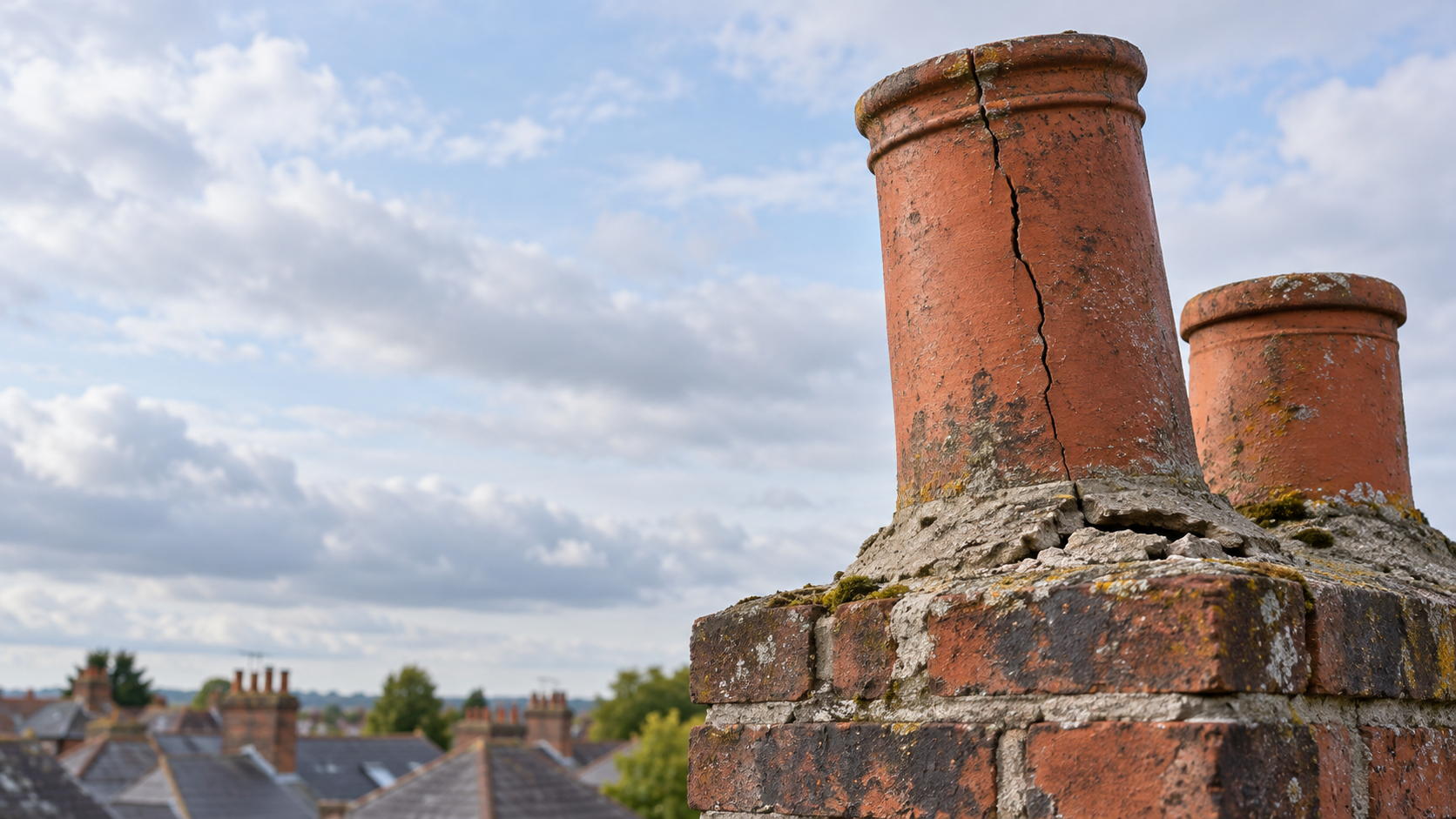
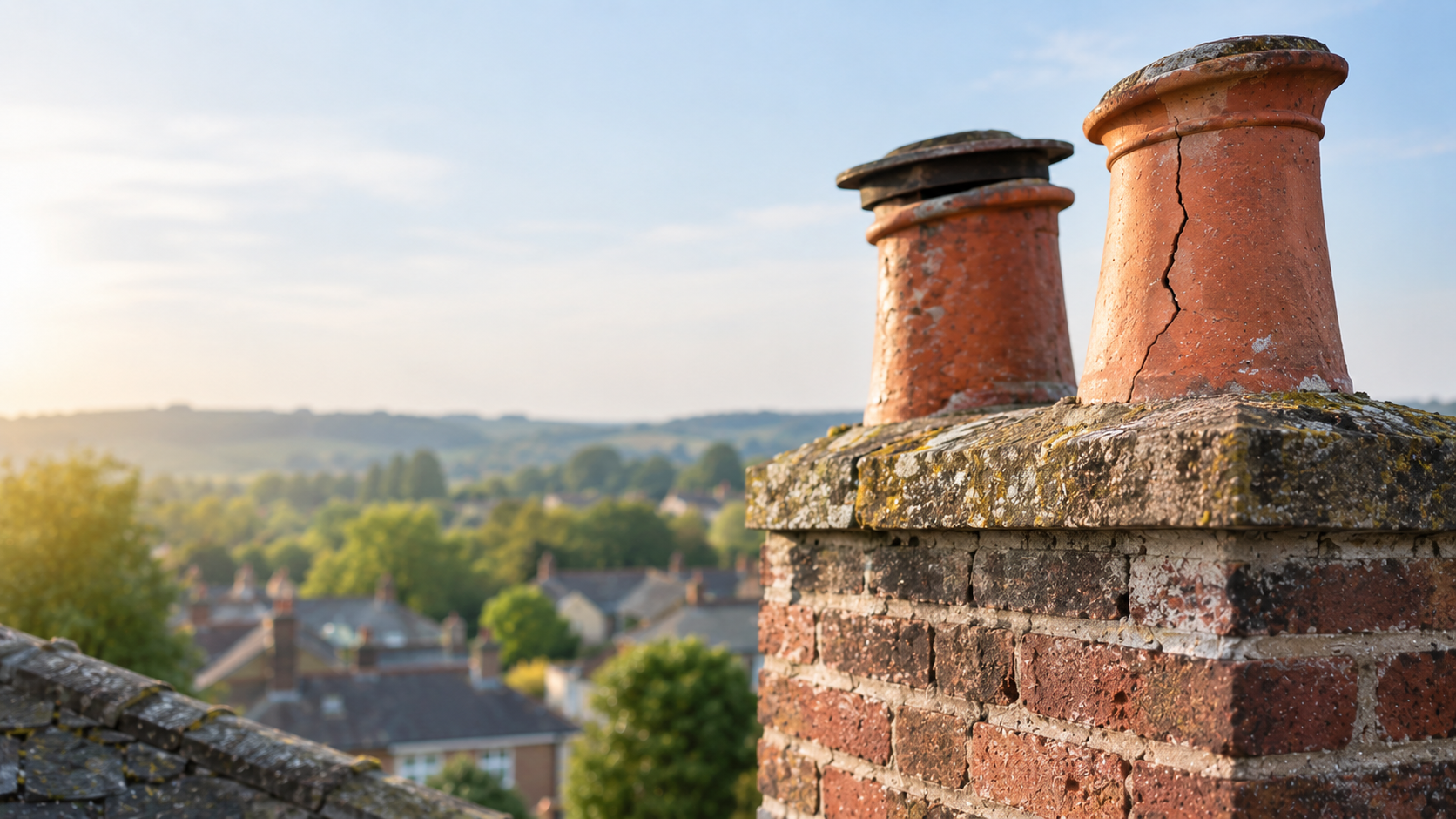
A drone inspection and roof inspection can help examine chimney pots, leadwork, pointing, and hard-to-reach surfaces. Drone imagery provides a useful overview, while a closer inspection may still be needed before repairs are planned.
Check the Condition Inside the Flue
External renovation work can make an old chimney appear sound while internal damage remains hidden. Cracked joints, damaged liners, and partial blockages may affect how gases travel through the system.
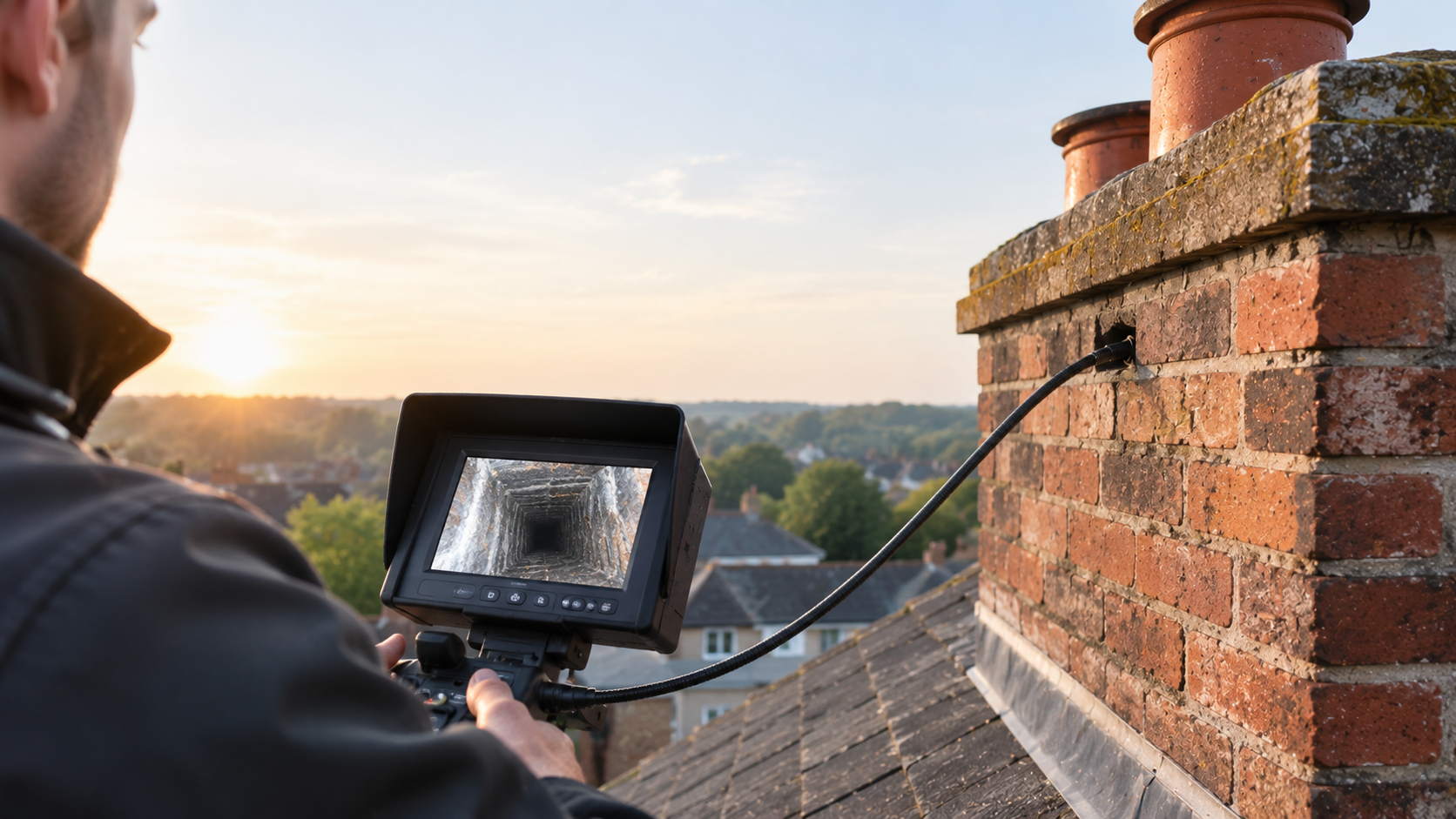
A CCTV and drone inspection can examine both internal and external areas. If the existing liner has deteriorated, flue liner installation may be considered. The correct liner depends on the appliance, fuel, chimney size, and condition, so it should be professionally assessed.
Plan Before Closing an Old Fireplace
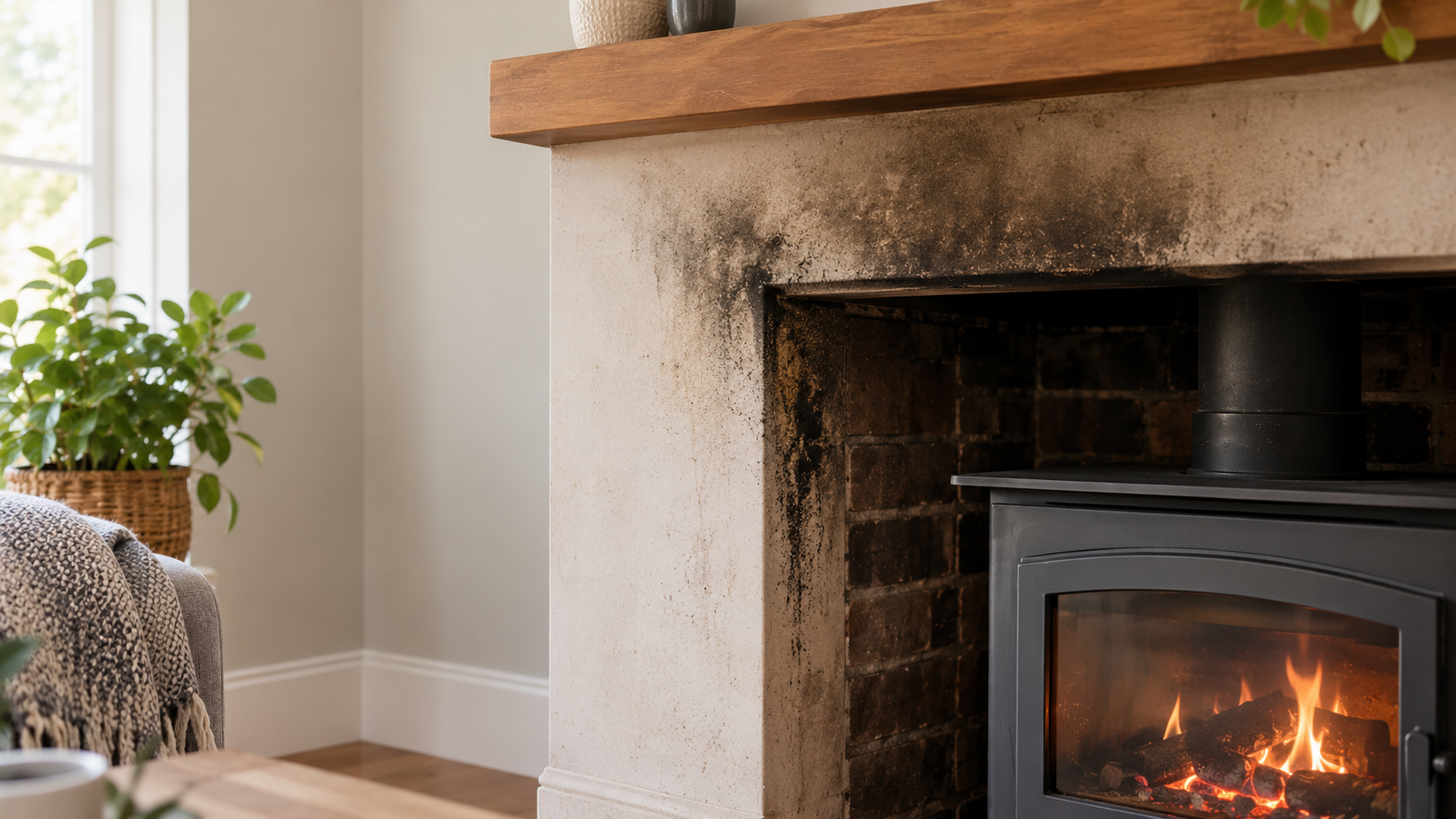
Some renovations involve removing a fireplace or sealing an unused chimney opening. Completely blocking the chimney without ventilation may trap moisture and contribute to damp or staining.
If the fireplace may be used again later, keeping accurate records of alterations can be helpful. Photographs and inspection findings provide useful information for future owners or installers.
Midlands Sweeps deals with chimney sweeping and inspection work, but every renovation presents different conditions. Advice should be based on the property rather than a standard solution.
Conclusion
Renovation can change airflow, ventilation, and the physical condition of a chimney. Including the fireplace, flue, and chimney stack in the planning process helps reduce avoidable problems. Checks before and after building work can confirm whether the system remains clear, dry, and suitable for future use.
Frequently Asked Questions
Should a chimney be swept after renovation work?
It may be sensible after dusty building work, roof repairs, or alterations near the fireplace.
Can new windows cause fireplace smoke problems?
Highly sealed windows can reduce replacement air, which may affect chimney draught in some homes.
Does an unused chimney need ventilation?
Usually, some ventilation is helpful to reduce trapped moisture, but the right arrangement depends on the chimney.