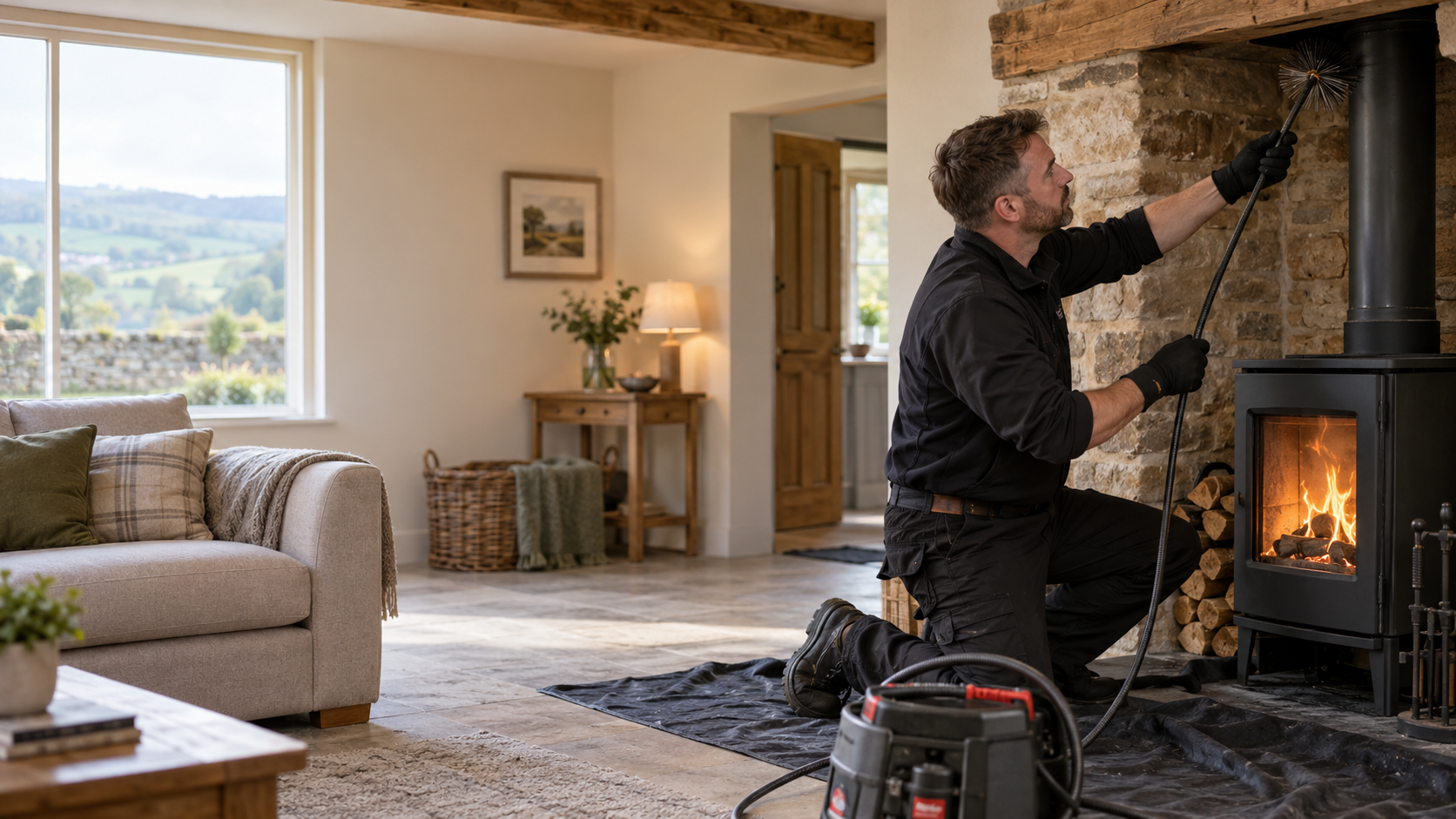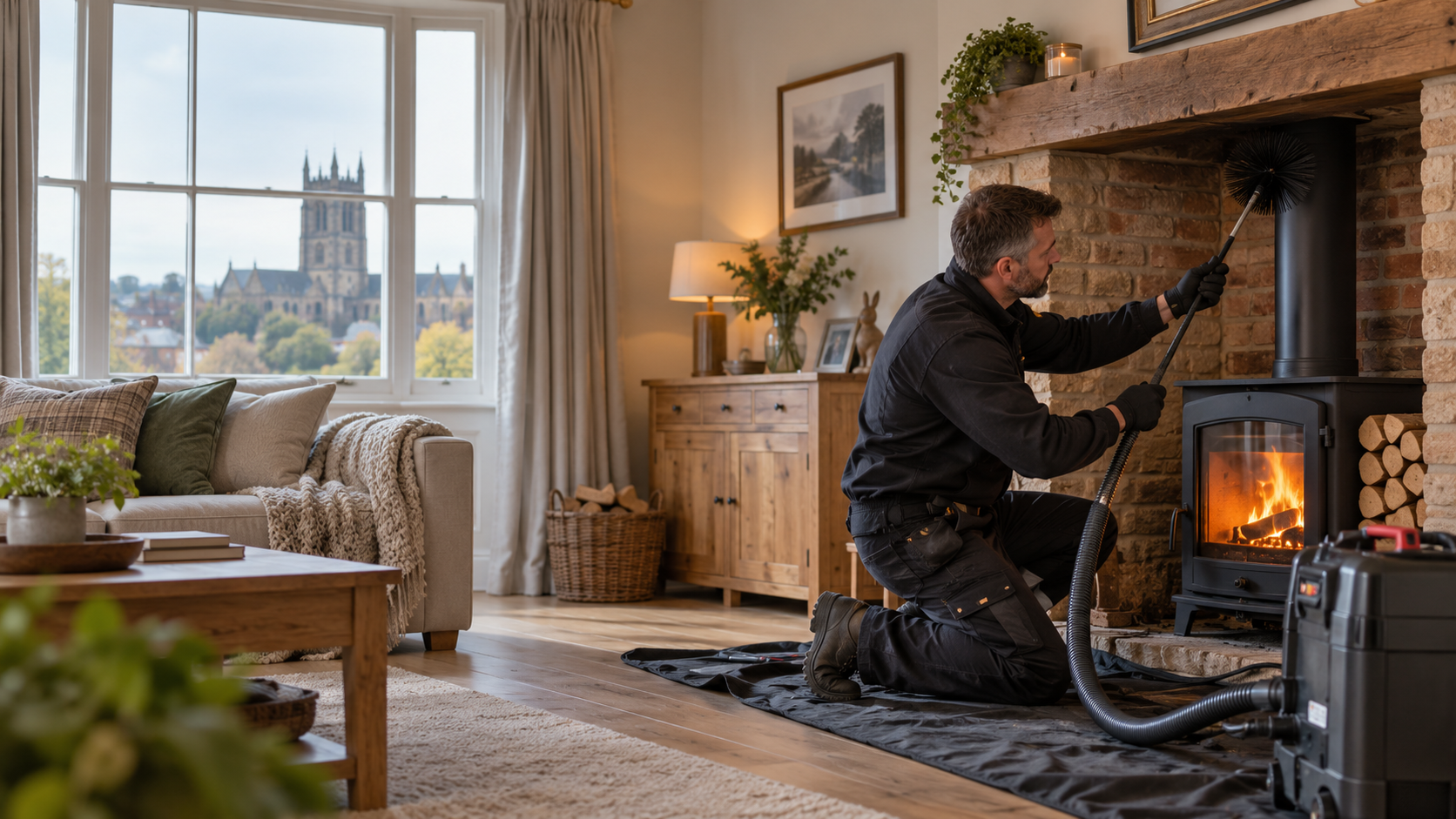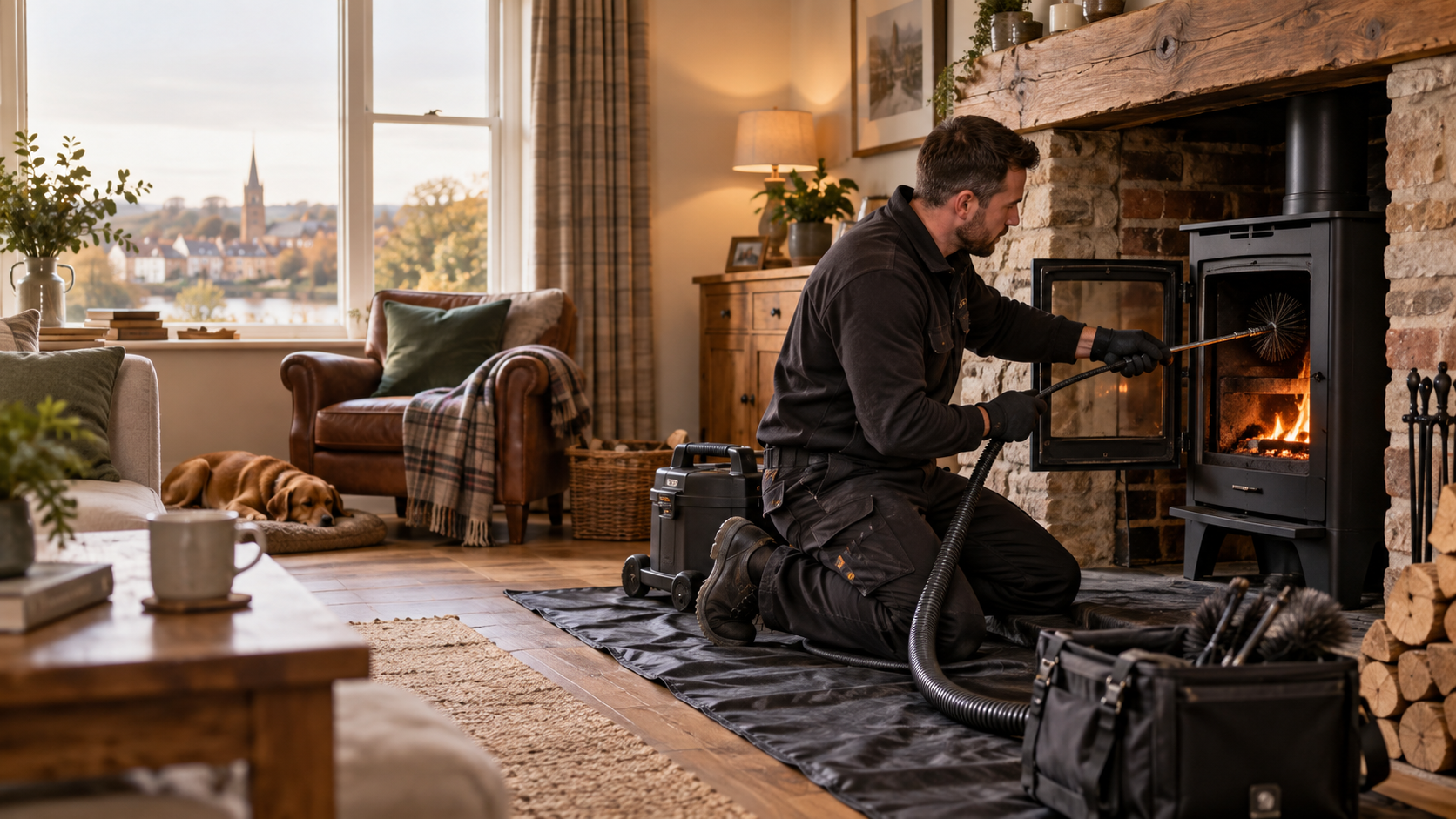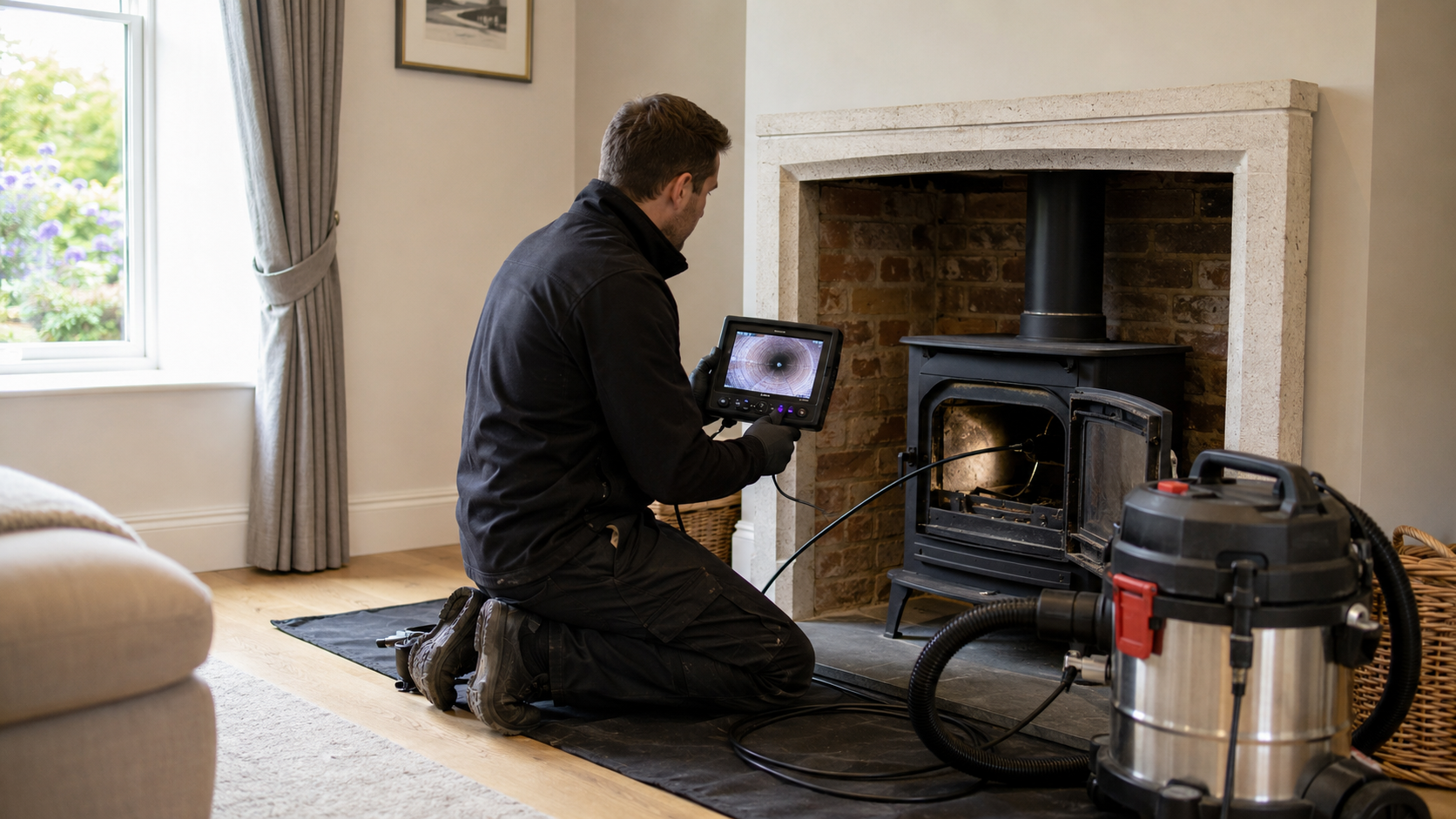
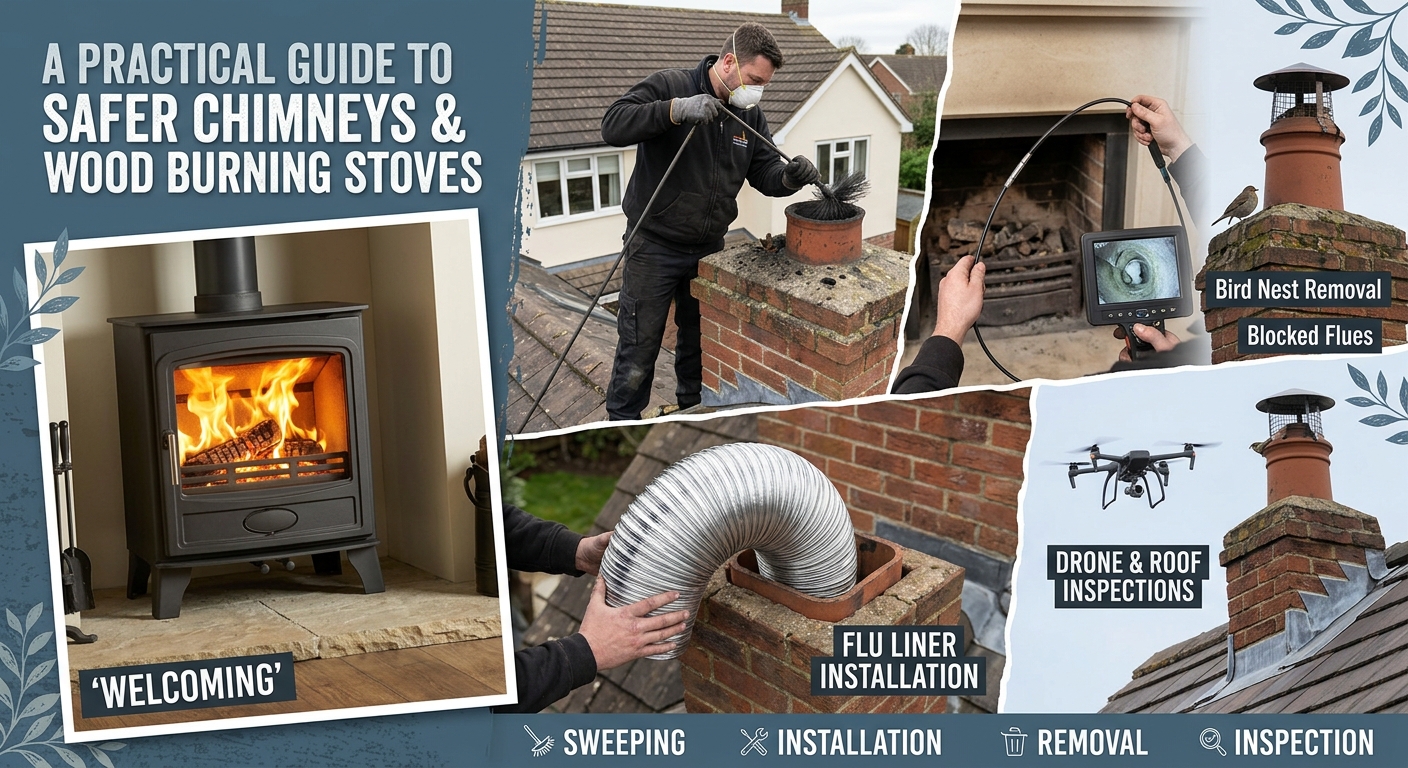
A fireplace or wood burning stove can make a home welcoming, but the system behind it needs regular attention. Soot, tar, damaged masonry, blocked flues, and weathered chimney pots can affect how safely smoke and gases leave a property. Understanding the areas of chimney care helps householders identify problems early and plan suitable maintenance.
Why Routine Chimney Care Matters
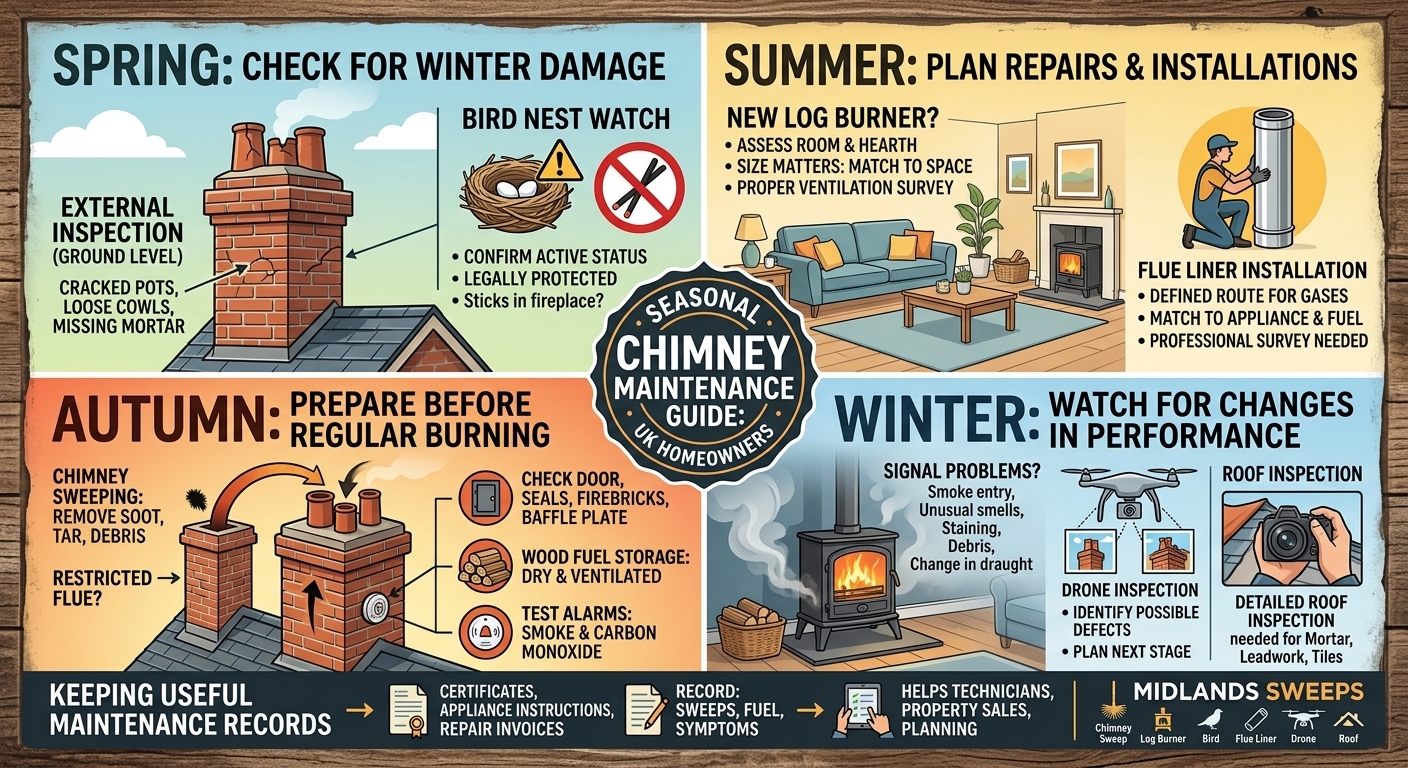
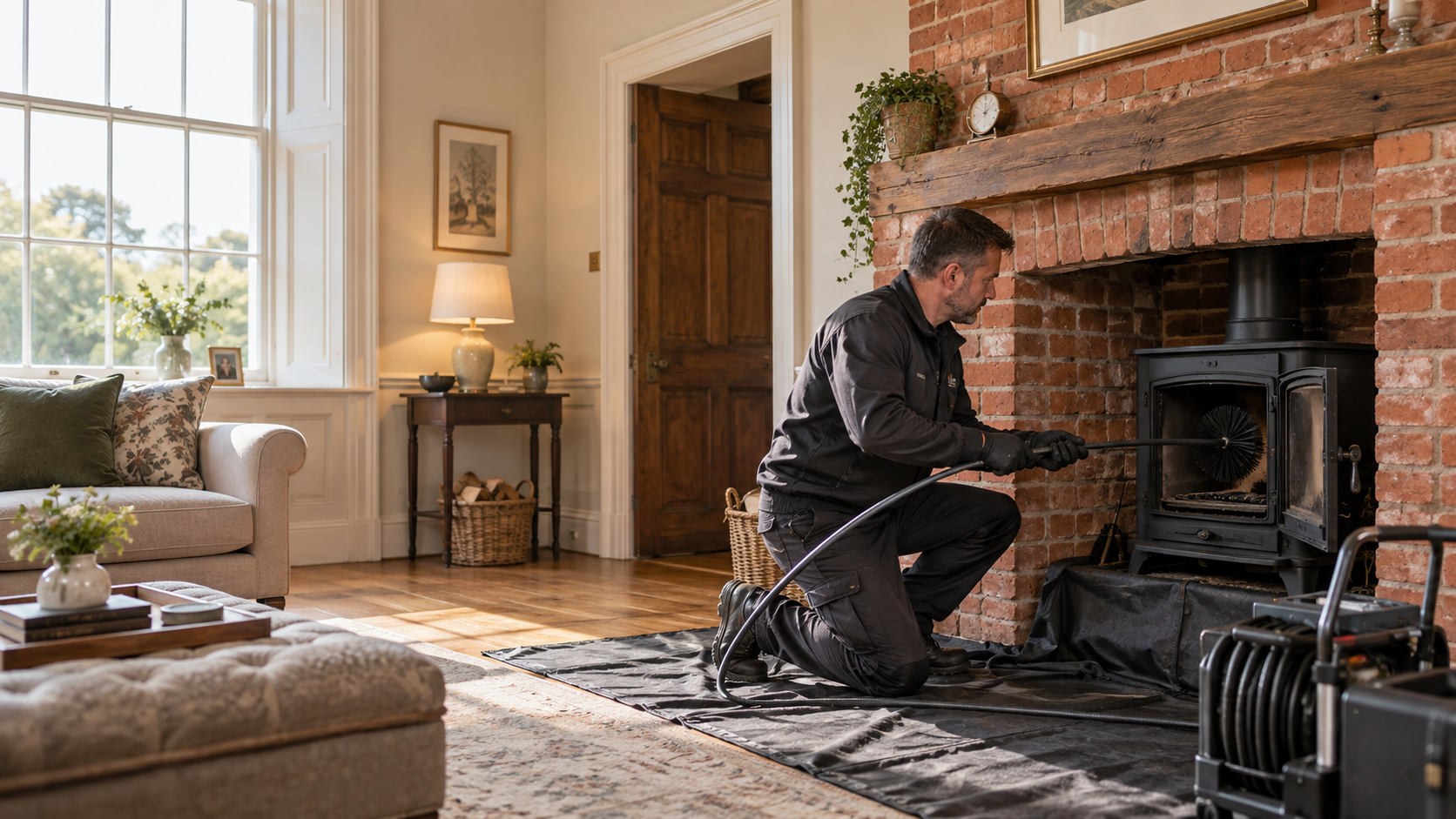
Burning wood creates deposits that collect inside a chimney or flue. If they become excessive, airflow may reduce, and the risk of a chimney fire can increase. Warning signs include smoke entering the room, smells, falling debris, and staining around the fireplace. Periodic sweeping and inspection remain important because some defects are hidden from view.
Planning a Log Burner Installation
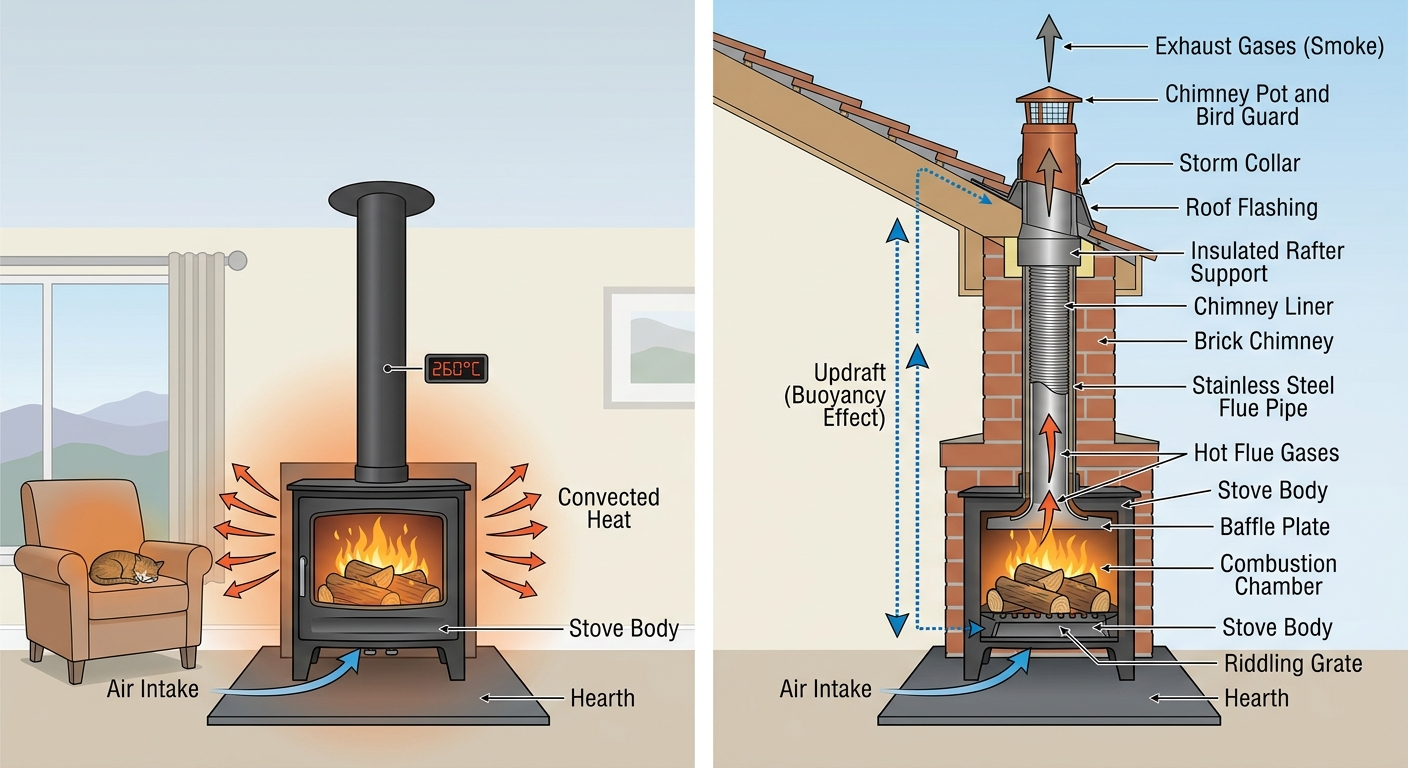
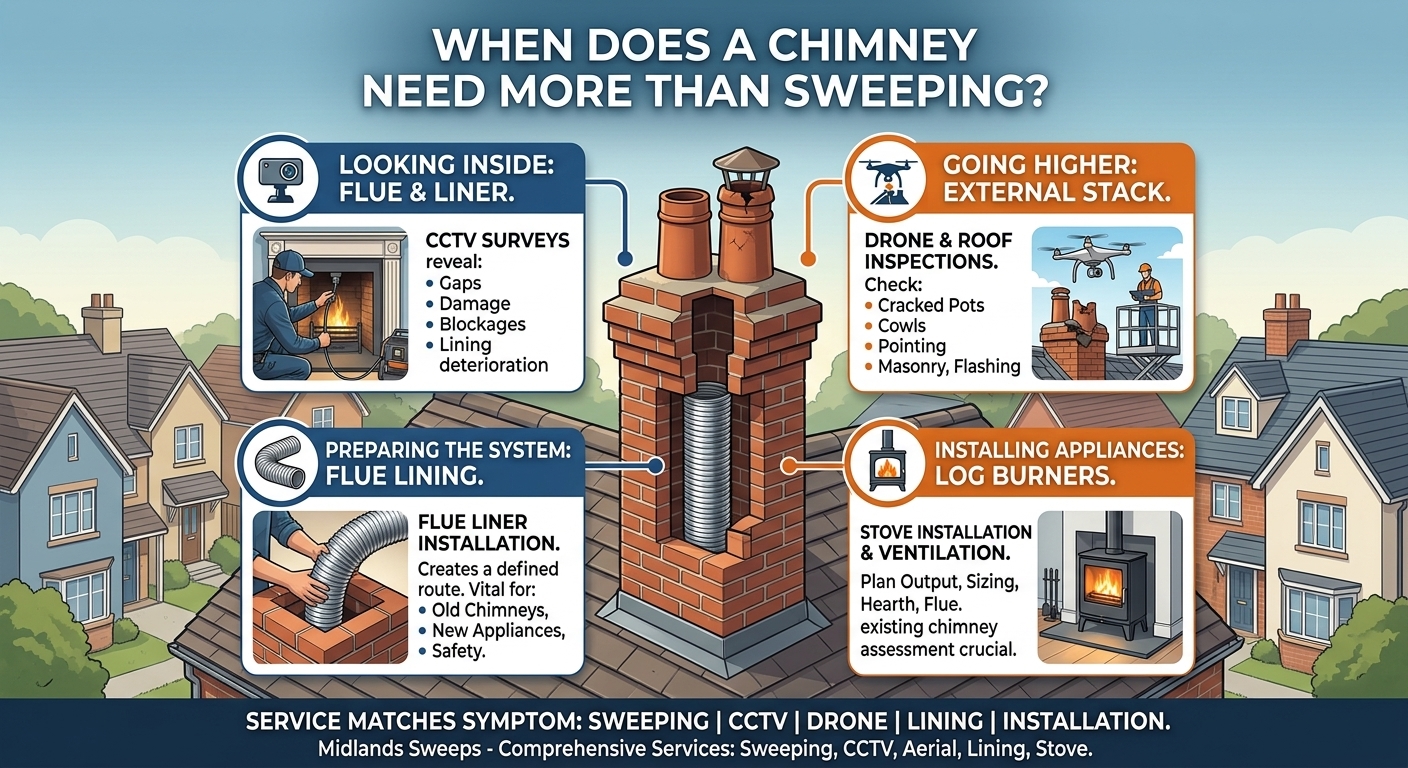
A safe log burner installation involves more than placing a stove in a fireplace. The chimney, hearth, ventilation, and flue route must suit the appliance and the property. Stove output should match the room; an oversize appliance may be uncomfortable and inefficient. Before work begins, the installer should assess the chimney and explain any preparation, lining, or alterations required.
When a Flue Liner May Be Needed
A flue liner provides a defined passage through which combustion gases can travel. Older chimneys may have deteriorated mortar joints, unsuitable dimensions, or no effective lining. Flue liner installation may be considered when fitting a new appliance or when an inspection reveals leakage or deterioration. The correct liner type and diameter depend on the appliance, fuel, and chimney arrangement, so professional assessment is essential.
Dealing With Birds and Blockages
Birds sometimes build nests in open chimney pots, creating partial or complete obstructions. Twigs, feathers, and nesting material can restrict ventilation and may introduce insects or unpleasant smells. Bird nest removal must be approached carefully because active nests, eggs, and wild birds can be legally protected. Work should only proceed at an appropriate time and after the situation has been checked. Once cleared, a suitable cowl may help prevent future nesting without restricting the flue.
Using Drone and Roof Inspections
A drone inspection can provide useful images of chimney pots, flashing, masonry, and hard to reach roof areas without immediately relying on ladders or scaffolding. It can highlight cracked pots, missing mortar, damaged lead work, and vegetation. However, it does not replace a close roof inspection when repairs or detailed testing are required. Used together, drone and roof inspection findings can help determine the safest next step.
Conclusion
Effective chimney care combines cleaning, observation, and timely investigation. Midlands Sweeps covers services including sweeping, log burner installation, bird nest removal, flue liner installation, drone inspection, and roof inspection. Homeowners should base maintenance decisions on the condition of their property, how often the appliance is used, and the advice of a qualified professional.
Frequently Asked Questions
How often should a chimney be swept?
Frequency depends on the fuel, appliance, and level of use. A professional can recommend a suitable schedule after assessing the system.
Can a drone fully assess a chimney?
A drone can record external defects and inaccessible areas, but internal CCTV, testing, or hands on examination may also be necessary.
What should I do if smoke enters the room?
Stop using the appliance, ventilate the space, and arrange an inspection. Do not relight it until the cause has been identified.