
Birds Nesting in Your Chimney: What Should You Do?
If birds are nesting in your chimney, you should stop using the fireplace, stove, or log burner until the chimney has been checked by a professional.
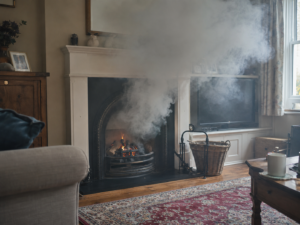
A bird nest can block the flue and stop smoke, gases, and fumes from leaving your home safely. This can cause smoke to come back into the room and may increase the risk of chimney fires or carbon monoxide problems.
However, bird nests are protected by law in the UK while they are active. This means you should not try to remove a nest yourself if birds, eggs, or chicks are present.
Why Do Birds Nest in Chimneys?
Chimneys can be attractive nesting places because they are high, sheltered, warm, and protected from many predators.
Birds may choose a chimney because it offers:
- Shelter from wind and rain
- A safe place to build a nest
- Warmth from the property below
- Protection from ground predators
- A quiet space during nesting season
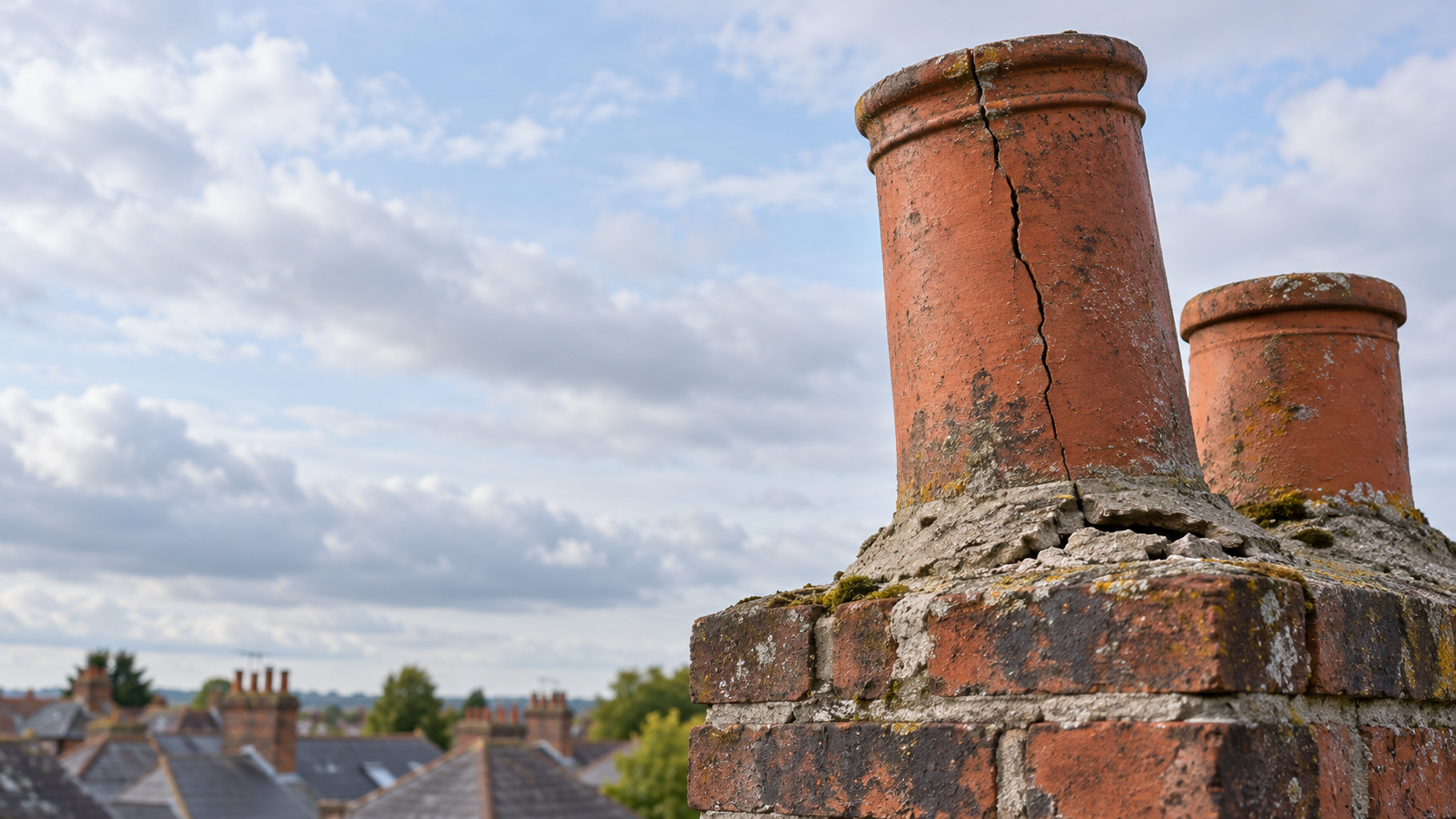
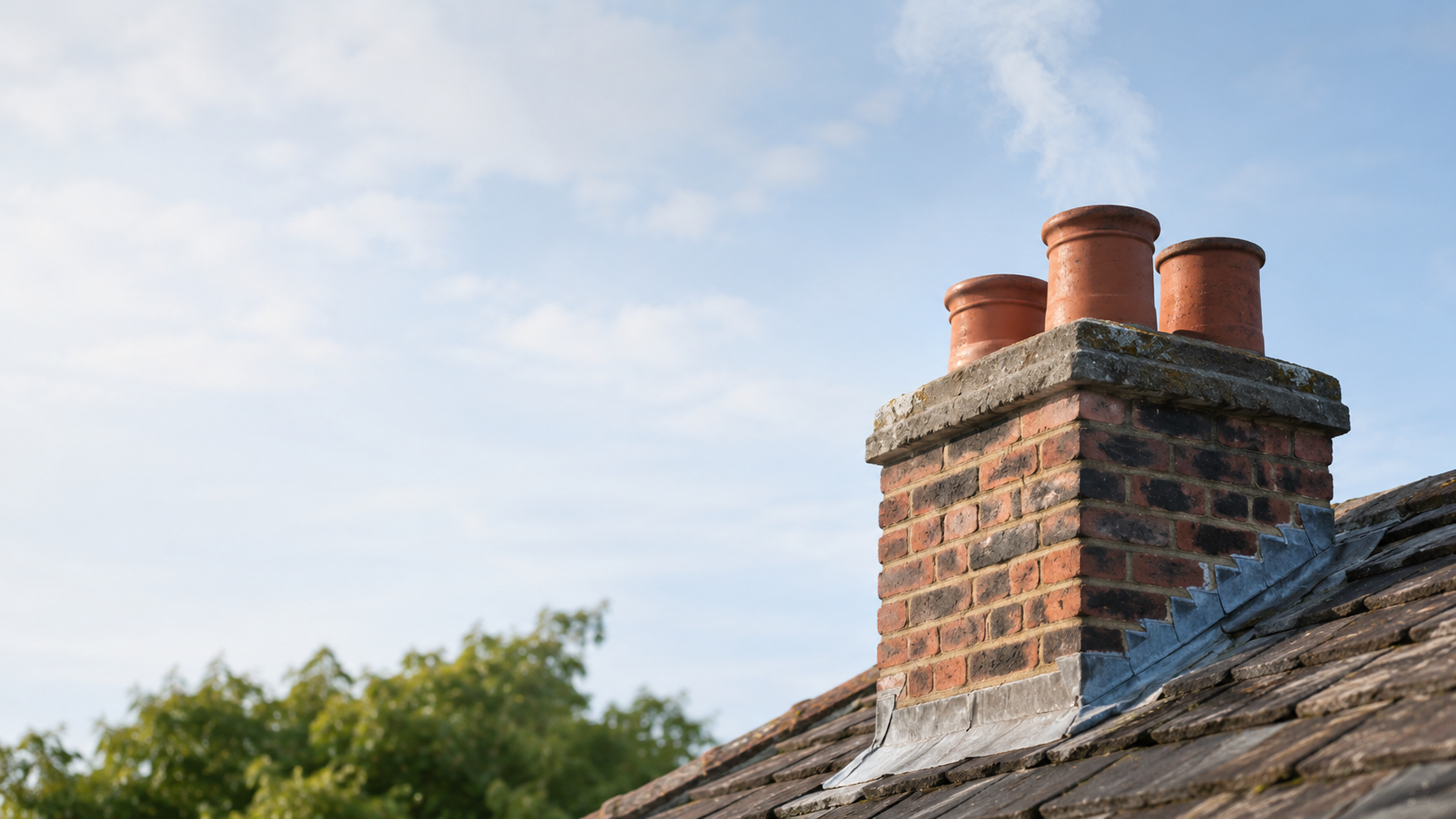
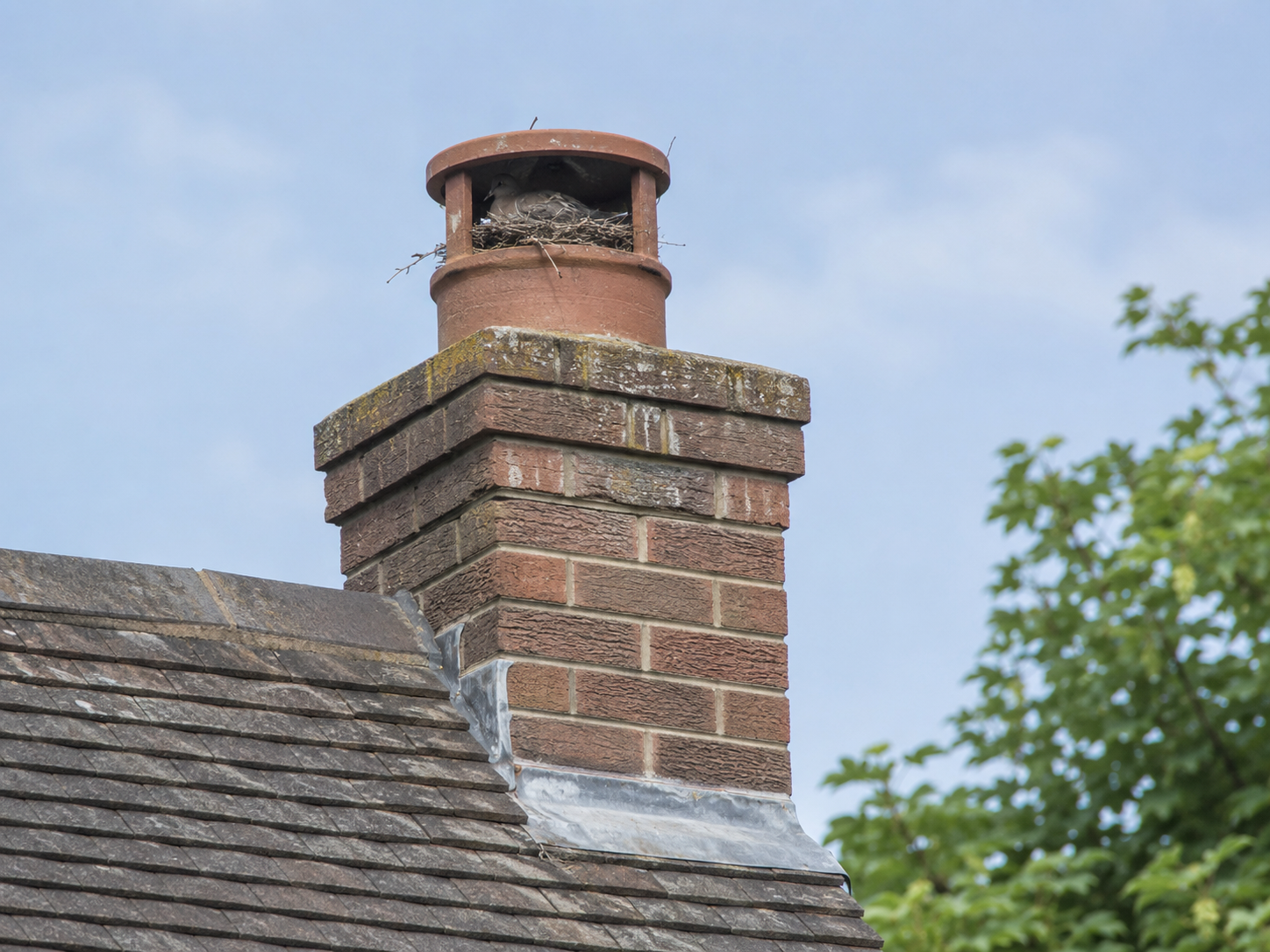
Jackdaws, starlings, pigeons, and other birds may use chimneys for nesting, especially if there is no chimney cowl, bird guard, or cap fitted.
Signs There May Be a Bird Nest in Your Chimney
You may have birds nesting in your chimney if you notice:
- Birds flying in and out of the chimney pot
- Scratching, flapping, or chirping sounds
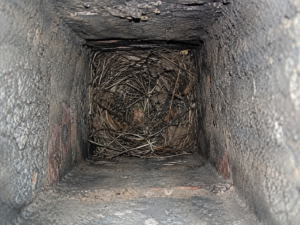
- Twigs, leaves, or nesting material falling into the fireplace
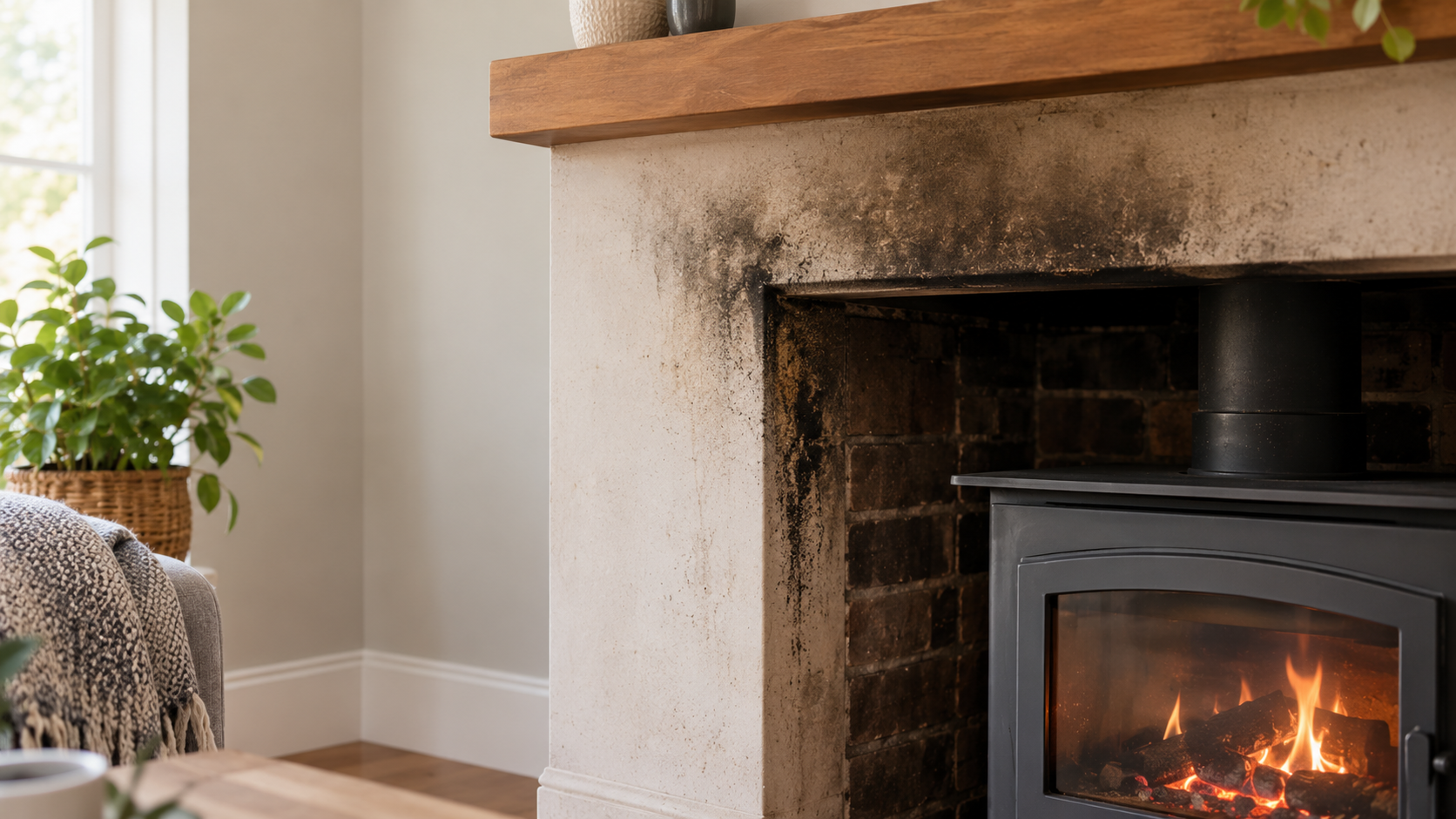
- Smoke coming back into the room
- Poor draught when lighting a fire
- A strong smell from the fireplace
- Insects around the chimney or fireplace
- Debris visible in the firebox or stove
If you suspect a nest, do not light the fire to “test” the chimney. A blocked flue can be dangerous.
Is a Bird Nest in the Chimney Dangerous?
Yes, a bird nest in the chimney can become a serious safety risk.
A nest can:
- Block smoke from escaping
- Reduce chimney draught
- Cause smoke to enter the room
- Increase the risk of chimney fires
- Trap carbon monoxide and combustion gases
- Attract insects and pests
- Leave debris inside the flue
- Damage chimney performance
Even after the birds have left, old nesting material can remain inside the chimney and should be removed by a professional chimney sweep.
Can You Remove a Bird Nest From a Chimney?
You should not remove an active bird nest yourself.
In the UK, wild birds, their eggs, and active nests are protected by law. If a nest is being built or is in use, it should usually be left alone until the birds have finished nesting and the young have left.
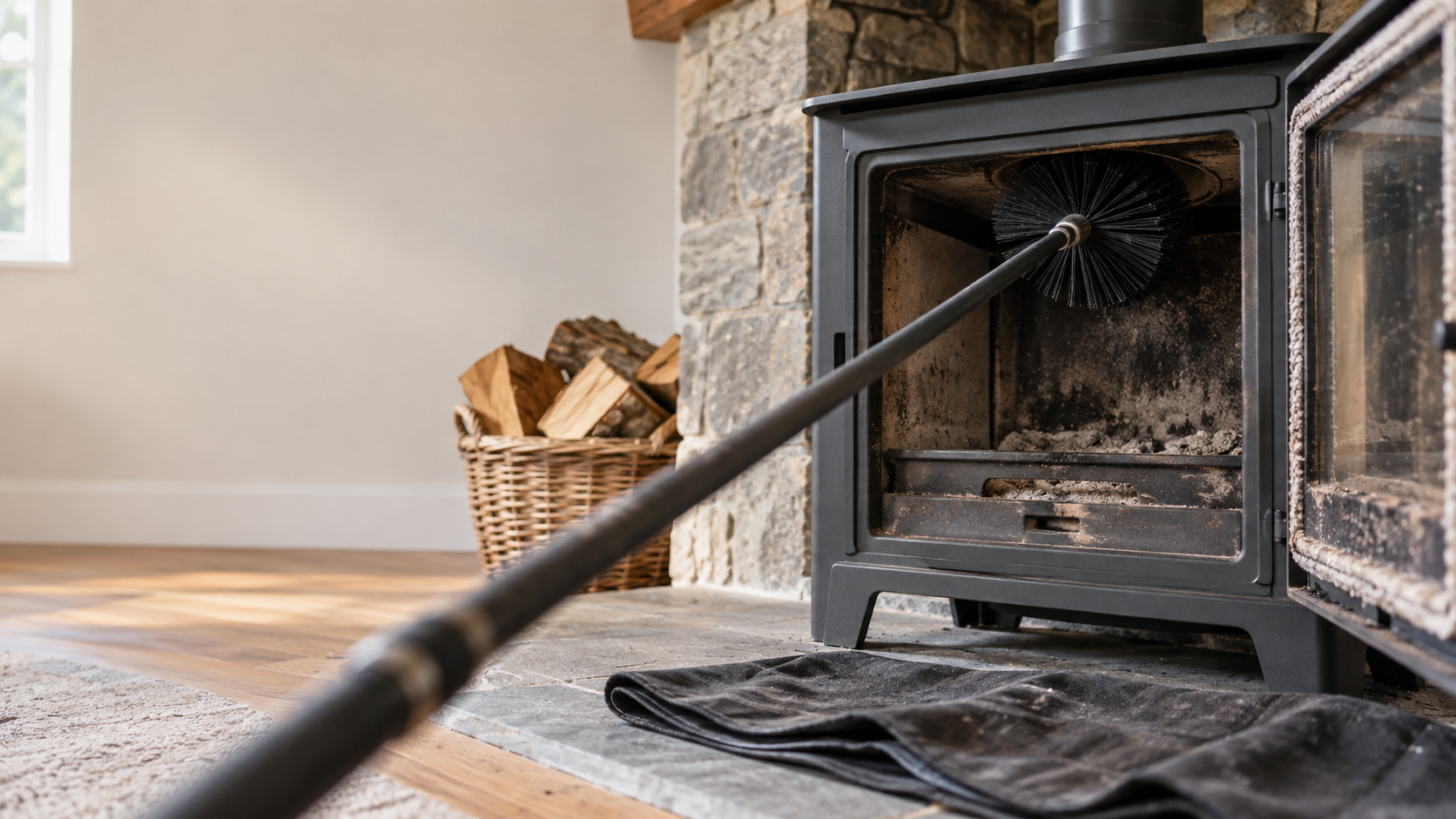
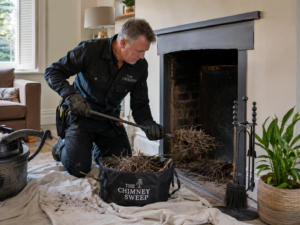
Once the nest is no longer active, a professional chimney sweep can remove the nesting material safely and clean the flue.
What Should You Do If Birds Are Nesting in Your Chimney?
If you think birds are nesting in your chimney, follow these steps:
1. Stop Using the Fireplace or Stove
Do not light a fire if you suspect a bird nest is blocking the chimney.
Burning a nest out is dangerous and can cause a chimney fire. It can also fill your home with smoke or harmful gases.
2. Look for Signs of Activity
Watch from a safe distance to see if birds are entering and leaving the chimney.
Do not climb onto the roof or try to inspect the chimney yourself.
3. Wait Until the Nest Is No Longer Active
If birds are nesting, you may need to wait until the chicks have left before removal can take place.
Nesting times can vary depending on the bird species and weather conditions.
4. Call a Professional Chimney Sweep
A chimney sweep can remove old nesting material once it is legal and safe to do so.
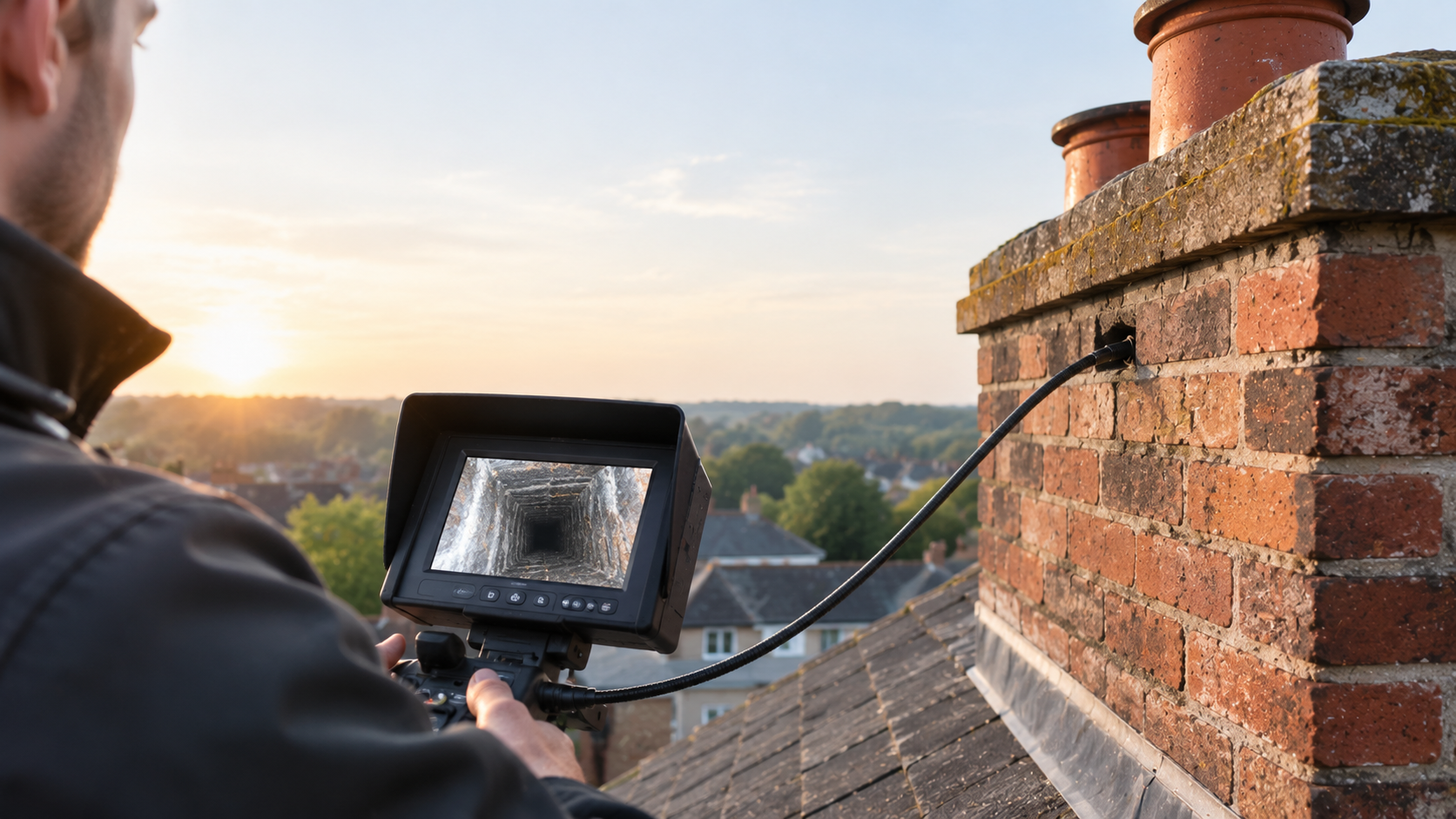
They can also sweep the flue, check for blockages, and advise whether a bird guard or cowl should be fitted.
5. Fit a Chimney Cowl or Bird Guard
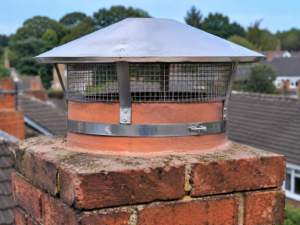
After the chimney has been cleared, a suitable chimney cowl or bird guard can help prevent birds from nesting there again.
This should be fitted correctly so it does not restrict airflow or affect the chimney’s performance.
What Should You Not Do?
If birds are nesting in your chimney, do not:
- Light a fire to smoke them out
- Try to burn the nest away
- Push rods up the chimney yourself
- Block the chimney while birds are inside
- Climb onto the roof without proper equipment
- Remove an active nest with eggs or chicks
- Use the fireplace until the chimney has been checked
These actions can be dangerous, harmful to birds, and may create legal problems.
When Can a Chimney Nest Be Removed?
A chimney nest can usually only be removed once it is no longer active.
This means there should be no birds, eggs, or chicks in the nest. A professional can advise when removal is appropriate.
In many cases, homeowners wait until after the main nesting season before arranging removal and chimney sweeping.
Can Birds Get Trapped in a Chimney?
Yes, birds can sometimes fall or become trapped inside a chimney.
If you hear flapping or distress sounds inside the chimney, do not light a fire. Keep the fireplace closed if possible and contact a professional chimney sweep or wildlife rescue organisation for advice.
A trapped bird may need careful removal by someone with the right experience.
How to Prevent Birds Nesting in Your Chimney Again
Once the chimney is clear, prevention is the best solution.
You can reduce the risk of future nesting by:
- Installing a suitable chimney cowl
- Fitting a bird guard or mesh terminal
- Having the chimney swept regularly
- Checking unused chimneys before spring
- Booking chimney maintenance before winter
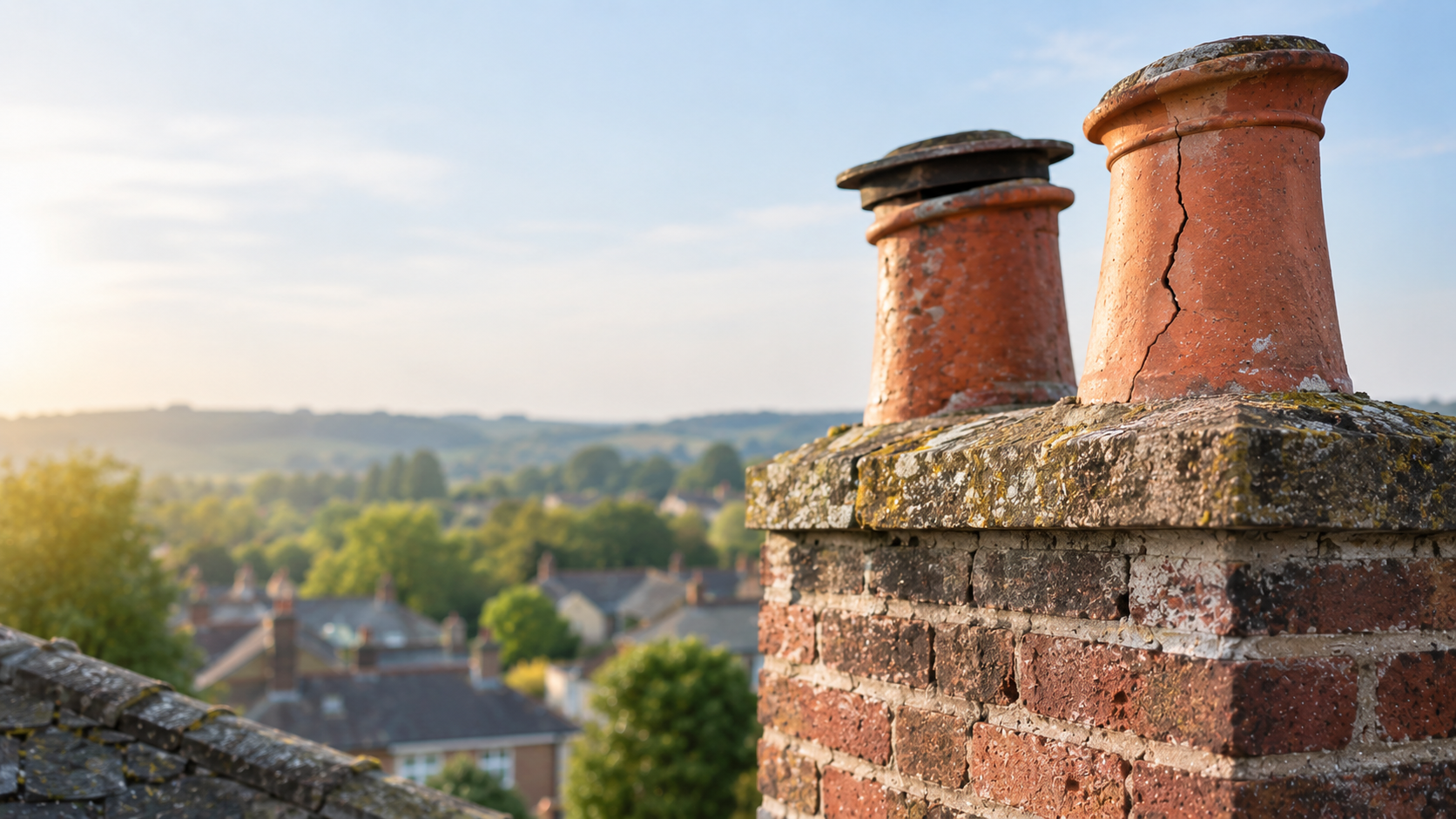
- Asking a professional to inspect the chimney pot
A chimney cowl should always be suitable for your fireplace, stove, or appliance. The wrong type of cowl can affect ventilation and flue performance.
Should You Sweep the Chimney After a Bird Nest?
Yes. Once the nest has been removed, the chimney should be professionally swept.
Bird nests can leave behind:
- Twigs
- Leaves
- Feathers
- Droppings
- Insects
- Soot and debris
- Flammable nesting material
Sweeping helps clear the flue and makes sure smoke and gases can escape safely.
Can a Bird Nest Cause Smoke to Come Back Into the Room?
Yes. A bird nest can block or restrict the chimney flue, causing smoke to come back into your room.
If your fire suddenly starts smoking badly, burns poorly, or smells unusual, a blockage could be the reason.
Stop using the appliance and arrange a chimney inspection.
Final Answer: What Should You Do About Birds Nesting in Your Chimney?
If birds are nesting in your chimney, do not use the fireplace or stove and do not try to remove the nest yourself.
Wait until the nest is no longer active, then call a professional chimney sweep to remove the nesting material and clean the flue. After the chimney has been cleared, consider fitting a suitable chimney cowl or bird guard to stop birds from nesting there again.
Need Help With a Bird Nest in Your Chimney?
If you suspect birds are nesting in your chimney, a professional chimney sweep can advise you on the safest next step.
Once the nest is no longer active, they can remove the debris, sweep the chimney, and help prevent the problem from returning.
Book a chimney inspection today and keep your chimney safe, clear, and ready to use.