Hiring a professional chimney sweep involves much more than simply pushing a brush up the chimney. A thorough chimney sweeping service should remove soot and flammable deposits, check for visible problems, assess whether smoke can travel safely through the flue and leave your fireplace area clean.
Regular chimney maintenance can help reduce the risk of chimney fires, smoke entering your room and potentially dangerous carbon monoxide problems. It can also help your fireplace or log burner operate more efficiently.
In this guide, we explain what a professional chimney sweep includes, what happens during the appointment and which additional services may cost extra.
What Happens During a Professional Chimney Sweep?
Although the exact process may vary depending on your chimney, appliance and fuel type, a professional chimney sweeping appointment will usually include the following steps.
1. Initial Fireplace and Chimney Assessment
Before beginning the sweep, the chimney professional will normally inspect the fireplace or heating appliance from the accessible areas.
They may ask:
- What type of fuel do you burn?
- How often do you use the fire or stove?
- When was the chimney last swept?
- Have you noticed smoke entering the room?
- Have you experienced unusual smells or poor draught?
- Have there been any previous chimney fires?
This information helps the sweep understand the condition of the chimney and select the correct equipment and cleaning method.
The sweep may also look for visible warning signs around the fireplace, such as damaged firebricks, loose components, excessive deposits or signs of a blocked flue.
2. Protection of the Room and Fireplace Area
A professional chimney sweep should take appropriate steps to protect your home before cleaning begins.
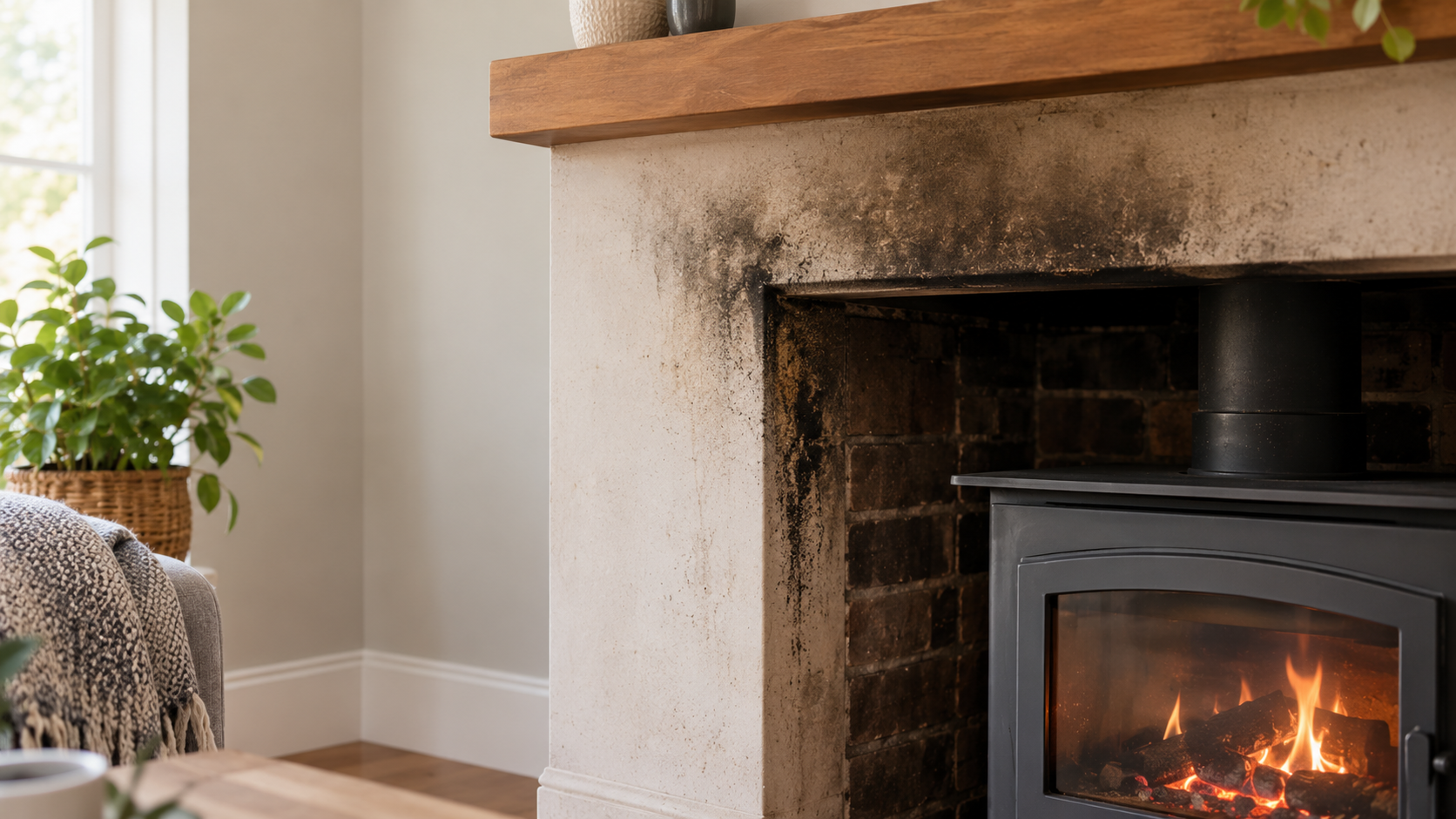
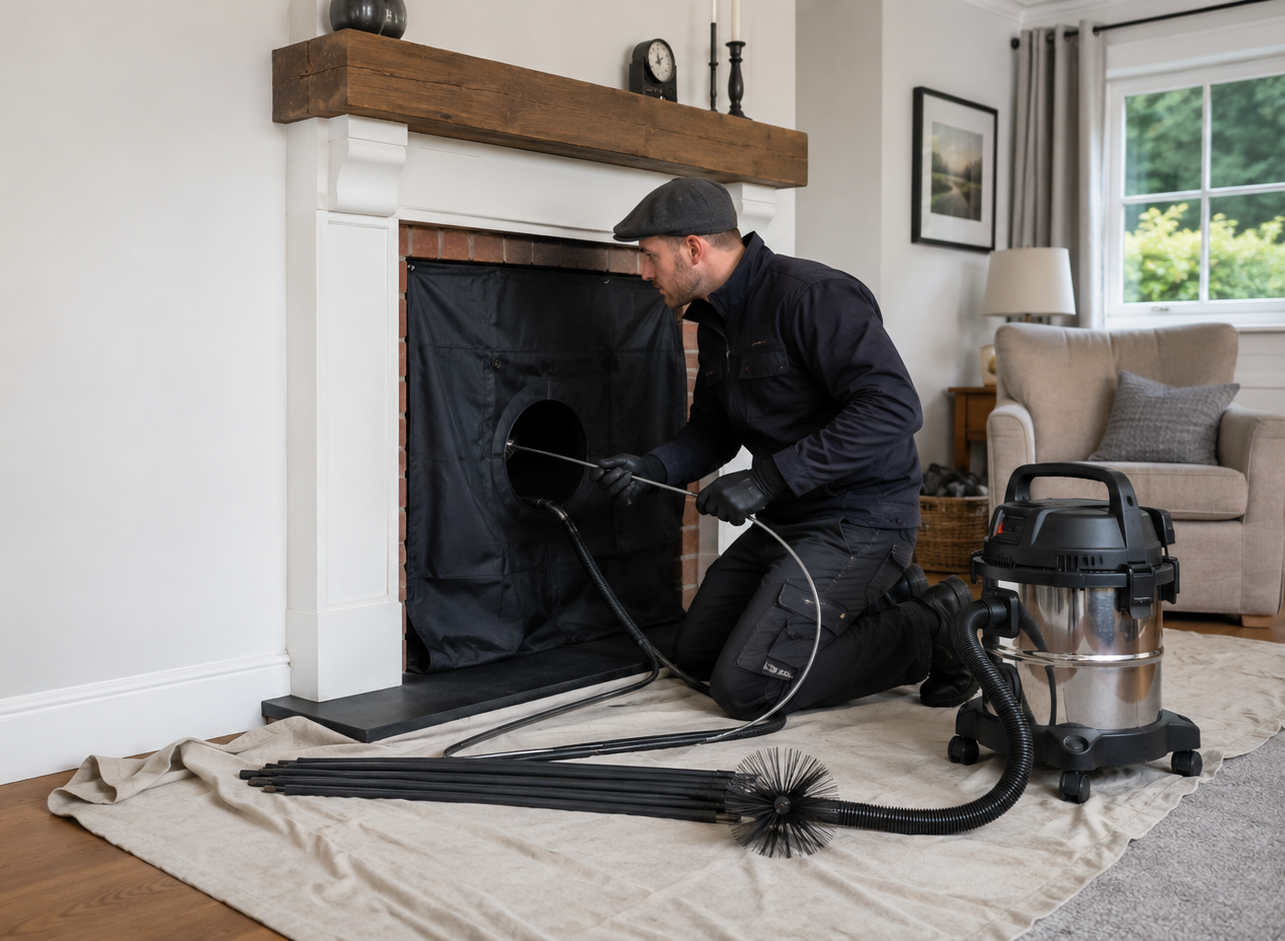
Protective sheets or floor coverings are normally placed around the fireplace. The opening may then be sealed using a specialist sheet, foam block or suitable covering to prevent soot and dust from escaping into the room.
Professional sweeps also use industrial vacuum equipment designed to safely contain fine soot particles. HETAS notes that chimney sweeps may carry HEPA-rated industrial vacuums, protective sheets, rods, brushes, inspection cameras and smoke-testing equipment.
When carried out correctly, chimney sweeping should create very little mess inside your property.
3. Sweeping the Chimney or Flue
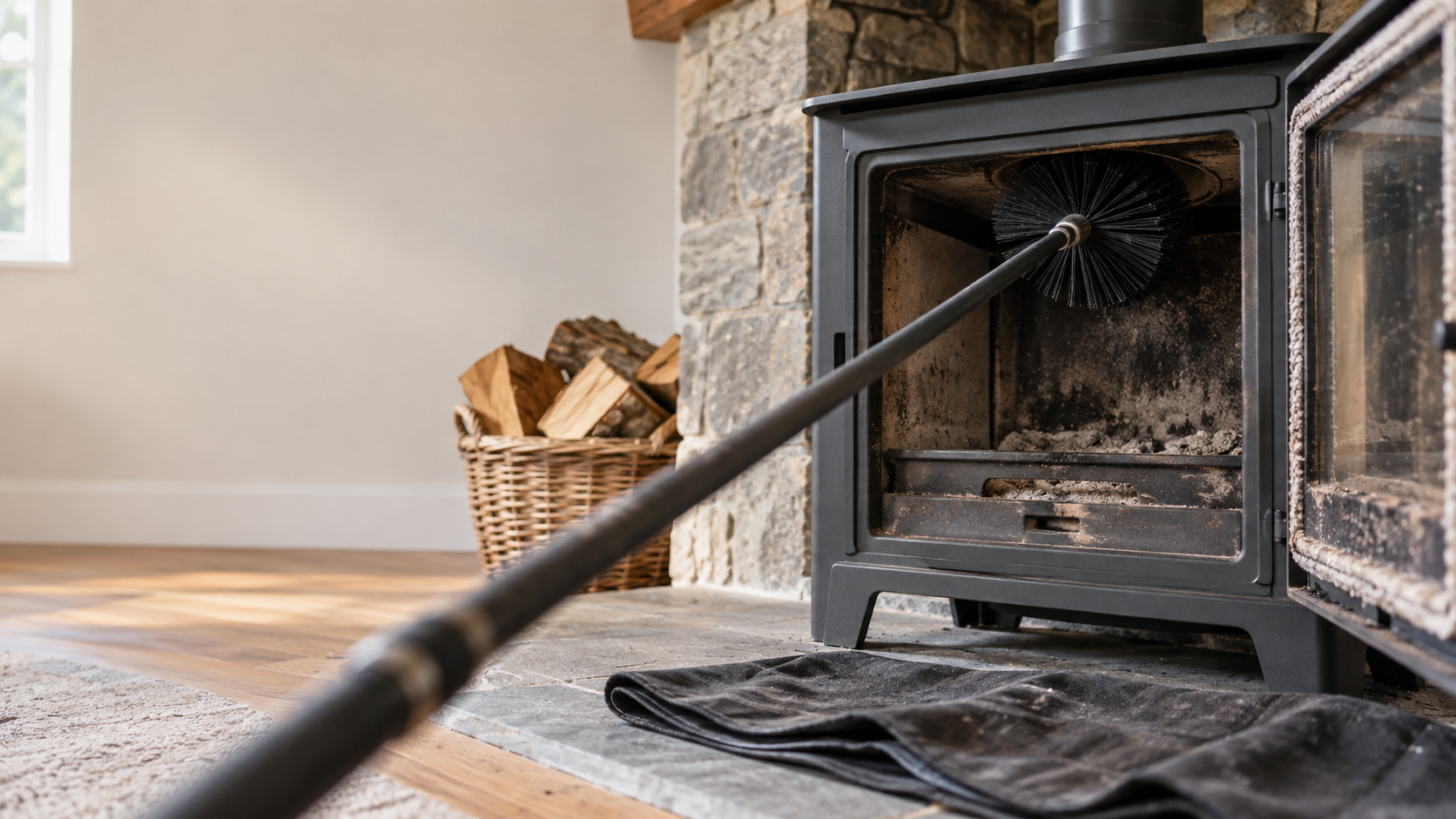
The main part of the service involves cleaning the chimney or flue using specialist brushes, rods or rotary sweeping equipment.
The sweep may work from the fireplace upwards or, in certain circumstances, from the chimney opening downwards. The most suitable method will depend on:
- The design of the chimney
- The type of flue liner
- The fireplace or stove installed
- The level and type of deposits
- Access to the chimney
- Any suspected blockage
The equipment is passed through the flue to loosen soot and other deposits from the internal walls. These materials fall into the fireplace area, where they are collected and removed using a specialist vacuum.
A professional sweep should use equipment that is appropriate for the chimney. Using an unsuitable or overly aggressive brush could potentially damage some chimney liners.
4. Removal of Soot and Combustion Deposits
Burning wood, coal and other solid fuels creates deposits inside the chimney.
A professional sweep may remove:
- Loose soot
- Ash
- Flue debris
- Cobwebs
- Small amounts of creosote
- Loose nesting material
- Fallen mortar or masonry fragments
Removing these deposits helps create a clearer route for combustion gases to leave the property.
However, hard, glazed tar or severe creosote deposits may not be removable through standard brushing alone. Specialist chemical treatment, additional cleaning appointments or further investigation may be required.
5. Checking for Chimney Blockages
During the sweeping process, the professional should assess whether anything is preventing the brush from travelling properly through the flue.
Common chimney blockages include:
- Bird nests
- Leaves and twigs
- Fallen masonry
- Heavy soot deposits
- Damaged flue liners
- Old chimney terminals or caps
- Construction debris
- Dead birds or other animals
Minor loose debris may be removed during a standard sweep. Larger bird nests and difficult obstructions normally require additional work and may not be included in the original sweeping price.
Active bird nests should not be disturbed during the nesting season because wild birds, their nests and eggs are legally protected. A professional sweep should advise you on the appropriate next step rather than immediately removing an active nest.
6. Basic Visual Chimney Inspection
A standard chimney sweep normally includes a basic visual inspection of the accessible parts of the fireplace, appliance and flue.
The sweep may identify signs such as:
- Cracks or damage around the fireplace
- Loose stove components
- Deteriorated fire cement
- Signs of water entering the chimney
- Excessive tar or creosote
- Damaged or displaced flue liners
- Evidence of previous chimney fires
- Poorly fitted chimney components
- Inadequate ventilation
- Unusual levels of soot
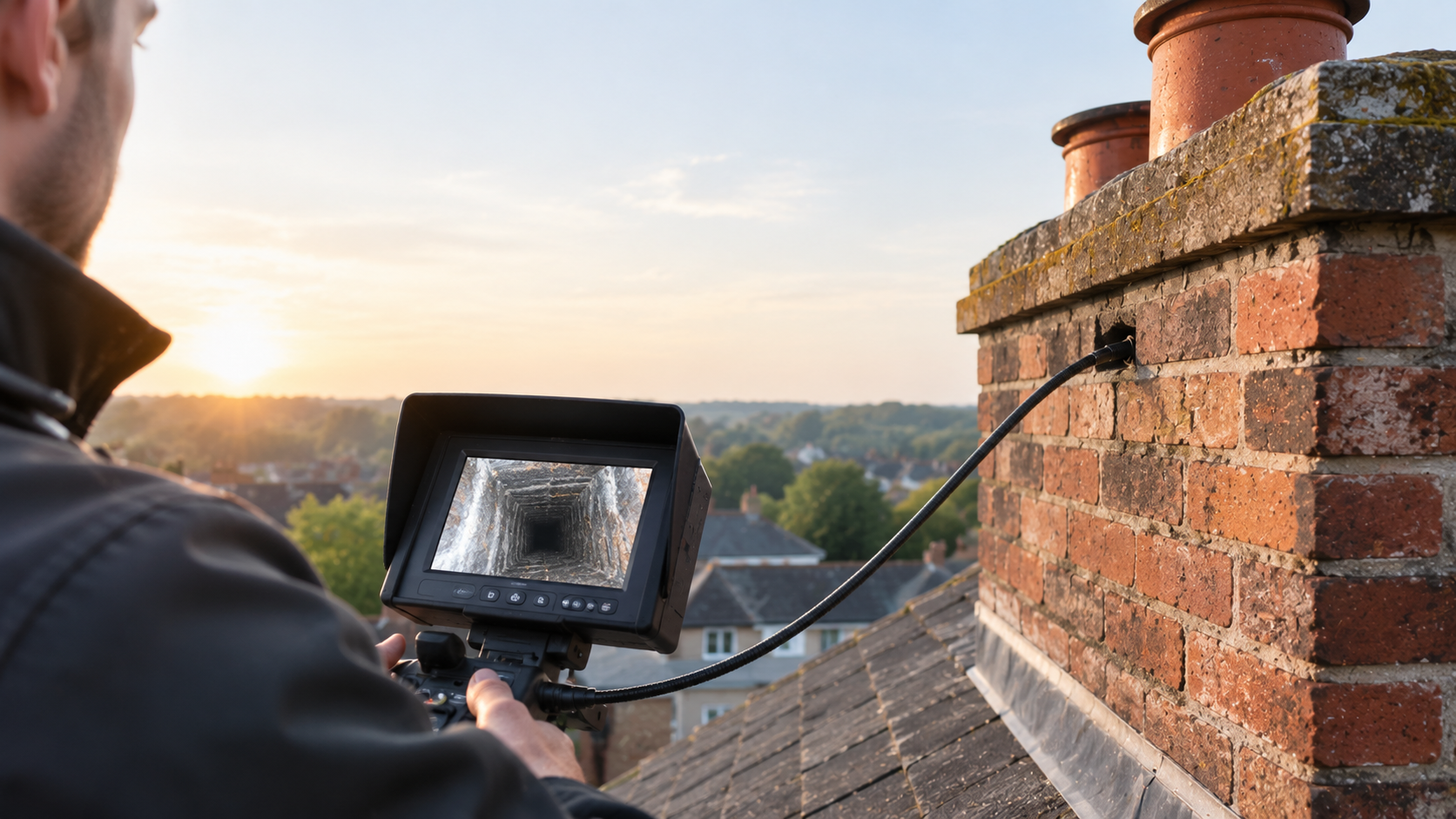
It is important to understand that a basic visual check is not the same as a full CCTV chimney survey or structural inspection.
If the sweep suspects hidden damage, they may recommend a camera inspection, smoke pressure test, flue integrity test or assessment by another qualified professional.
7. Chimney Draught and Smoke Testing
After the chimney has been cleaned, the sweep may carry out a smoke evacuation or draught test where appropriate.
A smoke pellet can be used to check whether smoke rises through the chimney and exits correctly from the terminal. The test may also help identify obvious problems with poor draught or smoke spilling back into the room.
Smoke testing can be especially helpful when:
- A chimney has not been used for a long time
- Smoke has previously entered the room
- A blockage was found
- The chimney’s performance is uncertain
- The appliance has recently been installed or altered
A basic smoke test does not confirm that the entire flue is structurally sound. A more detailed flue integrity test may be required when leakage or damage is suspected.
8. Cleaning the Fireplace Area
Once the sweep has finished, the soot and debris should be collected and removed from the fireplace.
Protective coverings should be carefully taken away, and the immediate working area should be left clean and tidy.
Professional equipment and proper sealing methods help prevent soot from spreading onto carpets, furniture and surrounding surfaces.
9. Chimney Sweeping Certificate
After a successful sweep, you should receive appropriate documentation recording the work completed.
The certificate or service record may include:
- The property address
- Date of sweeping
- Chimney or appliance swept
- Fuel type
- Cleaning method used
- Condition of the chimney
- Any defects or concerns identified
- Recommended date for the next sweep
- Details of the chimney sweeping company
HETAS Approved Chimney Sweeps provide documentation following a successful sweep. NACS members are required to issue a NACS Certificate of Chimney Sweeping, or a warning notice where a dangerous defect is identified, for every chimney they clean.
Keep your certificate in a safe place. It provides a useful maintenance record and may be requested by your landlord, insurer or property manager.
10. Advice on Chimney and Appliance Use
A professional sweep should explain any problems found and provide practical advice for keeping the chimney cleaner and safer.
This may include guidance on:
- How frequently the chimney should be swept
- Using properly seasoned firewood
- Avoiding unsuitable fuel
- Operating a log burner correctly
- Improving ventilation
- Preventing birds from entering the chimney
- Arranging repairs or further testing
- Checking smoke and carbon monoxide alarms
- Reducing tar and creosote formation
Professional sweeping can also help homeowners understand how to use their stove more effectively, which may improve performance and reduce unnecessary deposits.
What Is Not Normally Included in a Standard Chimney Sweep?
Some services may require extra time, specialist equipment or a separate quotation.
Unless clearly stated by the company, a standard chimney sweep may not include:
- Full stove servicing
- Replacement of firebricks or door seals
- CCTV chimney surveys
- Flue pressure or integrity testing
- Removal of large bird nests
- Removal of severe tar or glazed creosote
- Chimney liner repairs or replacement
- Chimney pot or cowl installation
- External roof inspection
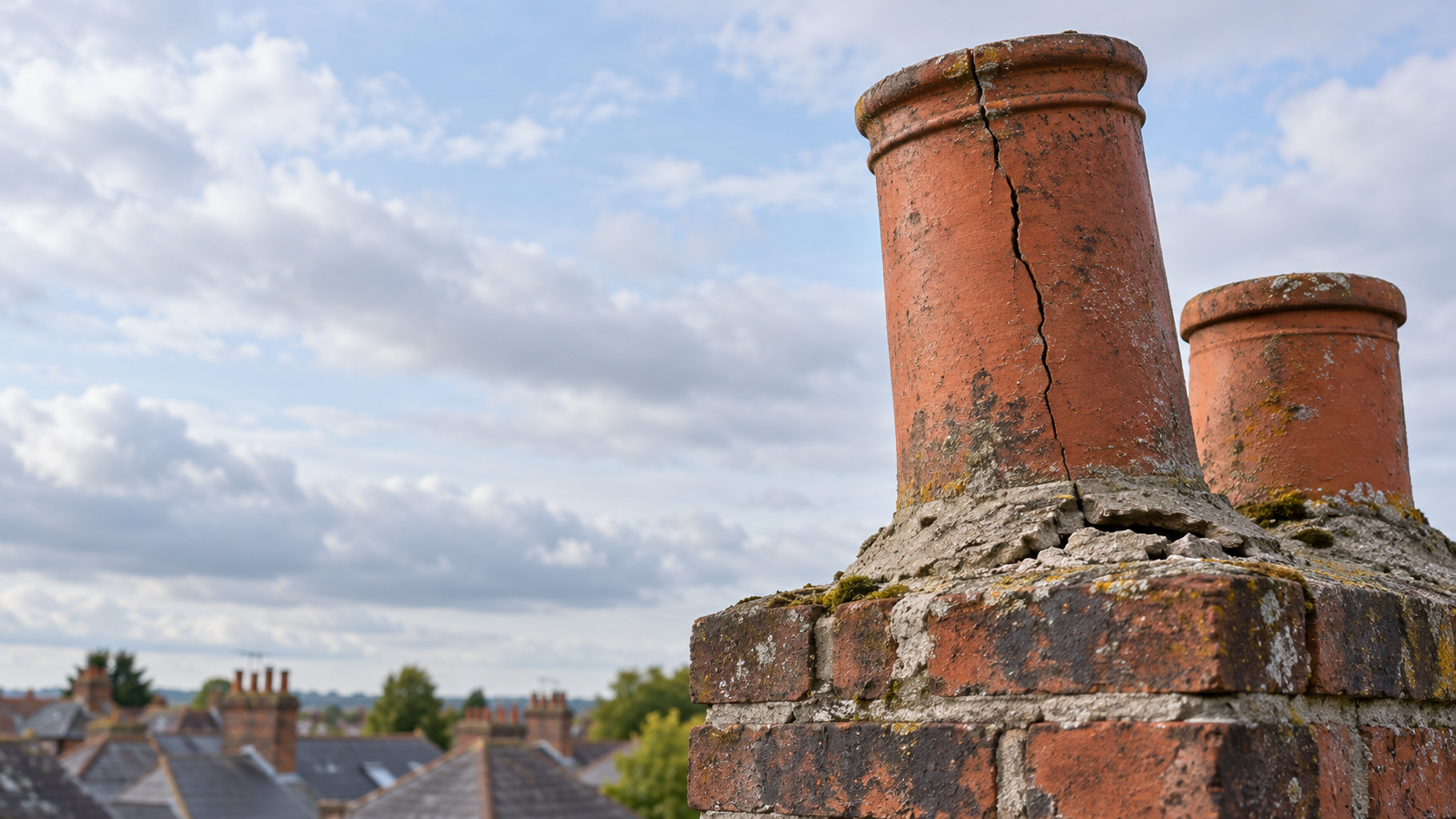
- Chimney stack repairs
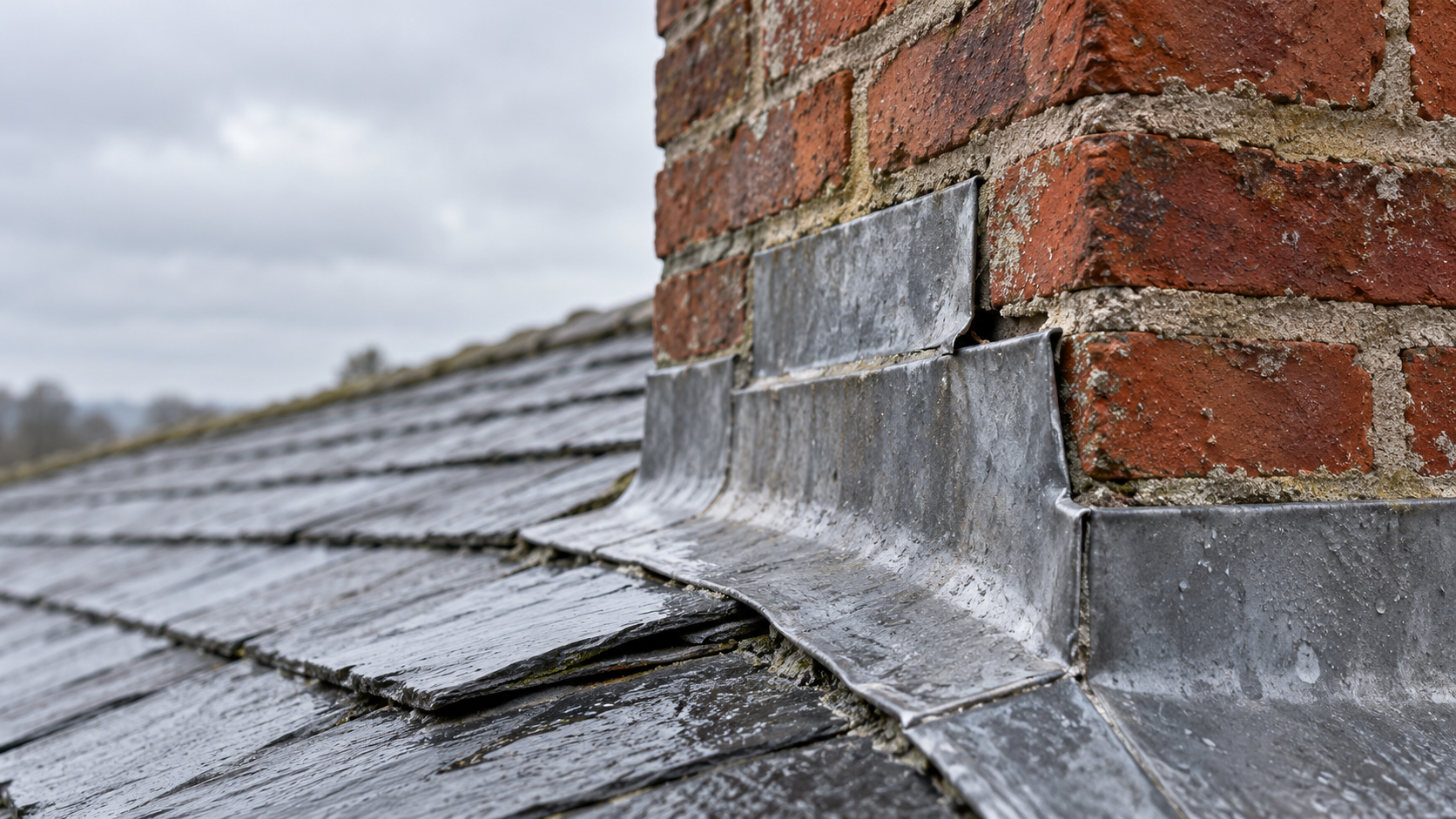
- Waterproofing or lead flashing work
- Removal of construction debris
- Appliance installation or modification
Ask what is included when booking so that you understand the price and whether additional work may be required.
How Long Does a Professional Chimney Sweep Take?
A straightforward chimney sweep will often take approximately 45 minutes to an hour.
However, the appointment may take longer when:
- The chimney has not been swept for several years
- Heavy deposits are present
- The flue has difficult bends
- A blockage is discovered
- The appliance is difficult to access
- Additional testing is required
- More than one chimney needs cleaning
A careful sweep should not rush the work simply to complete the appointment quickly.
How Often Should You Book a Chimney Sweep?
The correct sweeping frequency depends on the fuel, appliance, level of use and chimney condition.
Common UK guidance recommends:
- Wood: Up to four times a year or quarterly while in regular use
- Bituminous coal: At least twice a year
- Smokeless fuel: At least once a year
- Oil: Once a year
- Gas: Once a year where the chimney is designed to be swept
Your chimney sweep may recommend a different schedule based on your individual system and how frequently it is used. UK fire and rescue services consistently recommend regular inspection and cleaning to reduce chimney-fire risks.
How Should You Prepare for a Chimney Sweep?
Before the appointment:
- Stop using the fireplace or stove and allow it to cool completely.
- Remove ornaments, logs and fireplace accessories.
- Clear a reasonable working space around the appliance.
- Move delicate furniture away from the fireplace.
- Make sure the sweep can access the property and appliance.
- Let the company know about any previous problems.
- Keep pets and young children away from the working area.
You should not need to carry out extensive cleaning or dismantle the appliance unless the sweep specifically asks you to do so.
Why Choose a Qualified Professional Chimney Sweep?
A qualified and insured sweep should have the training, equipment and knowledge to clean the chimney without damaging the flue or spreading soot through your home.
Professional organisations such as HETAS and NACS allow homeowners to search for approved or registered chimney sweeps. HETAS states that its approved sweeps have received relevant training and provide documentation after a successful sweep, while NACS members are required to hold appropriate insurance and equipment.
Before booking, consider checking:
- Professional registration or qualifications
- Public liability insurance
- Customer reviews
- Whether a certificate is provided
- What is included in the quoted price
- Experience with your type of appliance and flue
Frequently Asked Questions
Will chimney sweeping make a mess?
A professional sweep should use protective sheets, fireplace seals and specialist vacuum equipment to contain soot. When performed correctly, there should be minimal disruption or mess.
Does a chimney sweep inspect the chimney?
A standard service usually includes a basic visual assessment of accessible areas. A complete structural assessment or internal CCTV survey is normally a separate service.
Will the sweep clean my log burner too?
Basic loose soot may be removed from accessible areas, but a complete stove service is different from chimney sweeping. Confirm whether appliance servicing is included when booking.
Can a chimney sweep remove a bird nest?
Some sweeps offer nest removal, but it may cost extra. Active nests containing birds or eggs should not be disturbed during the nesting season.
Will I receive a chimney sweeping certificate?
A qualified or registered sweep should provide suitable documentation following the service. Ask about certification before confirming the appointment.
Can a chimney sweep repair the chimney?
Some companies also provide repairs, lining and chimney maintenance. However, repair work is not normally included in the cost of a standard sweep.
Book a Professional Chimney Sweep
A professional chimney sweep should leave you with more than a cleaner flue. The service should include careful room protection, appropriate sweeping, removal of soot and debris, basic safety checks, clear advice and documentation of the work completed.
Regular sweeping helps keep your fireplace or log burner operating safely and reduces the chance of soot build-up, chimney fires and smoke-related problems.
If your chimney is due for cleaning, has not been used for a long time or is showing signs of poor draught, contact Midland Sweeps to arrange a professional chimney sweeping service.
Our team can inspect and clean your chimney, identify visible concerns and advise you on the appropriate maintenance schedule for your fireplace or log burner.