Many homeowners assume that a chimney only needs sweeping when the fireplace or log burner is used regularly. However, even a rarely used chimney can develop blockages, collect debris and become unsafe over time.
If you only light your fire occasionally, you may not need your chimney swept as frequently as someone who uses it every day. However, it should still be inspected and cleaned at suitable intervals.
In this guide, we explain why occasional-use chimneys still need attention, how often they should be swept and which warning signs mean you should book a professional chimney sweep.
Does a Rarely Used Chimney Still Need Sweeping?
Yes, a chimney may still need sweeping even if you rarely use it.
Every time you burn wood, coal or another solid fuel, soot and combustion deposits can build up inside the flue. Although the build-up may happen more slowly with occasional use, it does not disappear on its own.
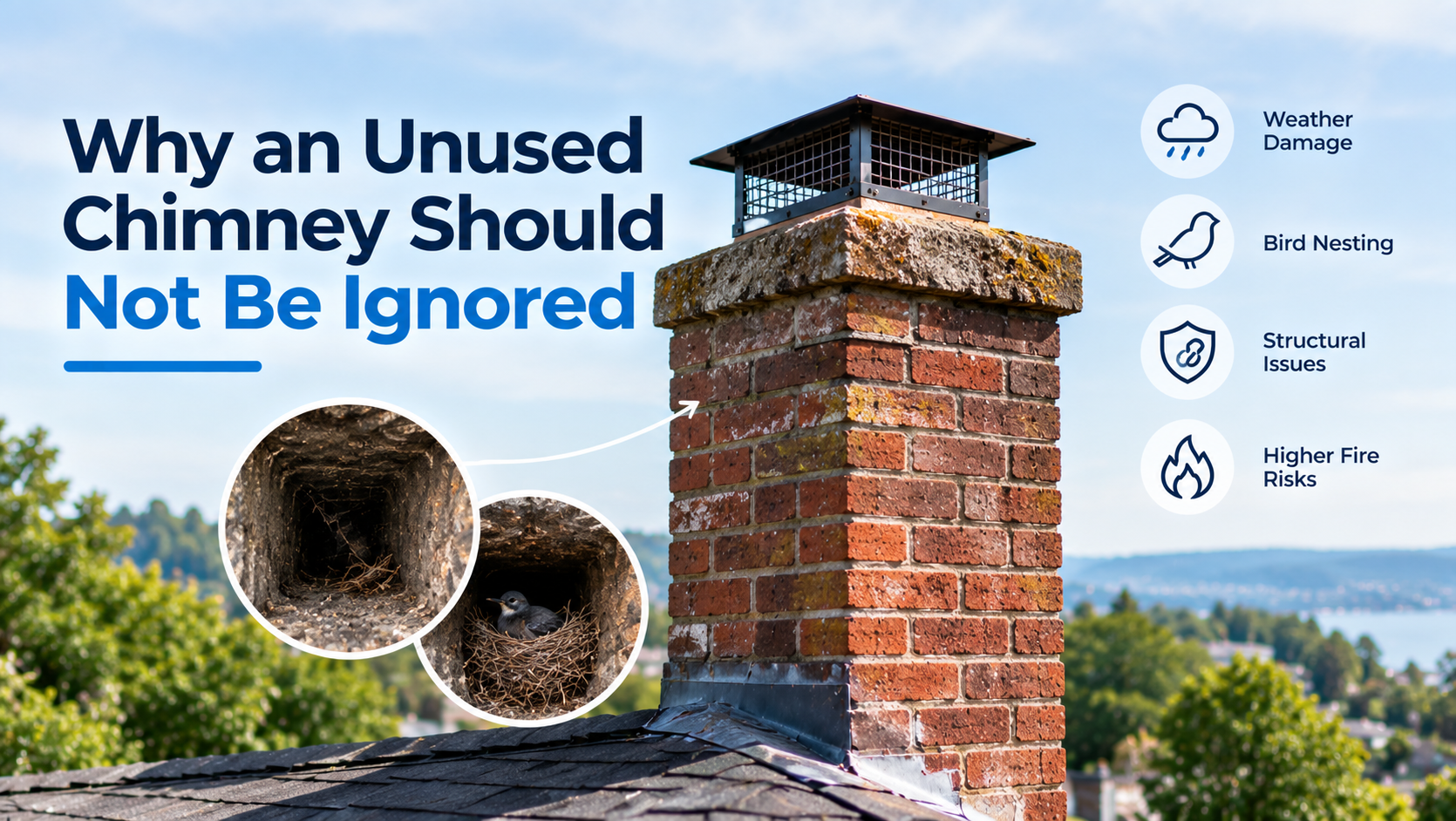
A chimney can also become blocked when it is not being used. Leaves, twigs, cobwebs, bird nests, fallen masonry and other debris may collect inside the flue.
This means a chimney that has not been used for months can still develop problems that affect safety and ventilation.
Why Do Unused or Rarely Used Chimneys Become Blocked?
A chimney is exposed to weather, animals and gradual deterioration throughout the year.
Common causes of blockage include:
- Bird nests
- Leaves and twigs
- Cobwebs
- Dead birds or small animals
- Loose mortar
- Fallen chimney lining
- Rainwater damage
- Soot left from previous use
- Debris from building work
Even when no fire is being used, these materials can restrict airflow and prevent smoke from leaving the property safely.
Old Soot Can Still Be a Fire Risk
Soot and creosote left inside a chimney can remain flammable for a long time.
If you suddenly use a fireplace after a long period of inactivity, old deposits may heat up and increase the risk of a chimney fire.
Creosote is especially common in chimneys connected to wood-burning appliances. It can form when wood is damp, the fire burns at a low temperature or the chimney does not draw properly.
Rare use does not necessarily mean the chimney is clean. A few poorly managed fires can sometimes produce more deposits than frequent, efficient burning.
Bird Nests Are Common in Unused Chimneys
Birds often choose quiet, unused chimneys as nesting locations.
A nest can completely block a chimney and cause smoke or carbon monoxide to enter the room when the fire is lit.
Signs of nesting activity may include:
- Birds entering or leaving the chimney
- Scratching or fluttering sounds
- Twigs falling into the fireplace
- Strong or unusual smells
- Feathers or nesting material in the hearth
- Poor chimney draught
Active bird nests should not be disturbed. Wild birds, their nests and eggs are legally protected while the nest is in use.
A professional chimney sweep can advise whether the nest is active and when it can be safely removed.
Moisture Can Damage an Unused Chimney
Unused chimneys can also suffer from moisture problems.
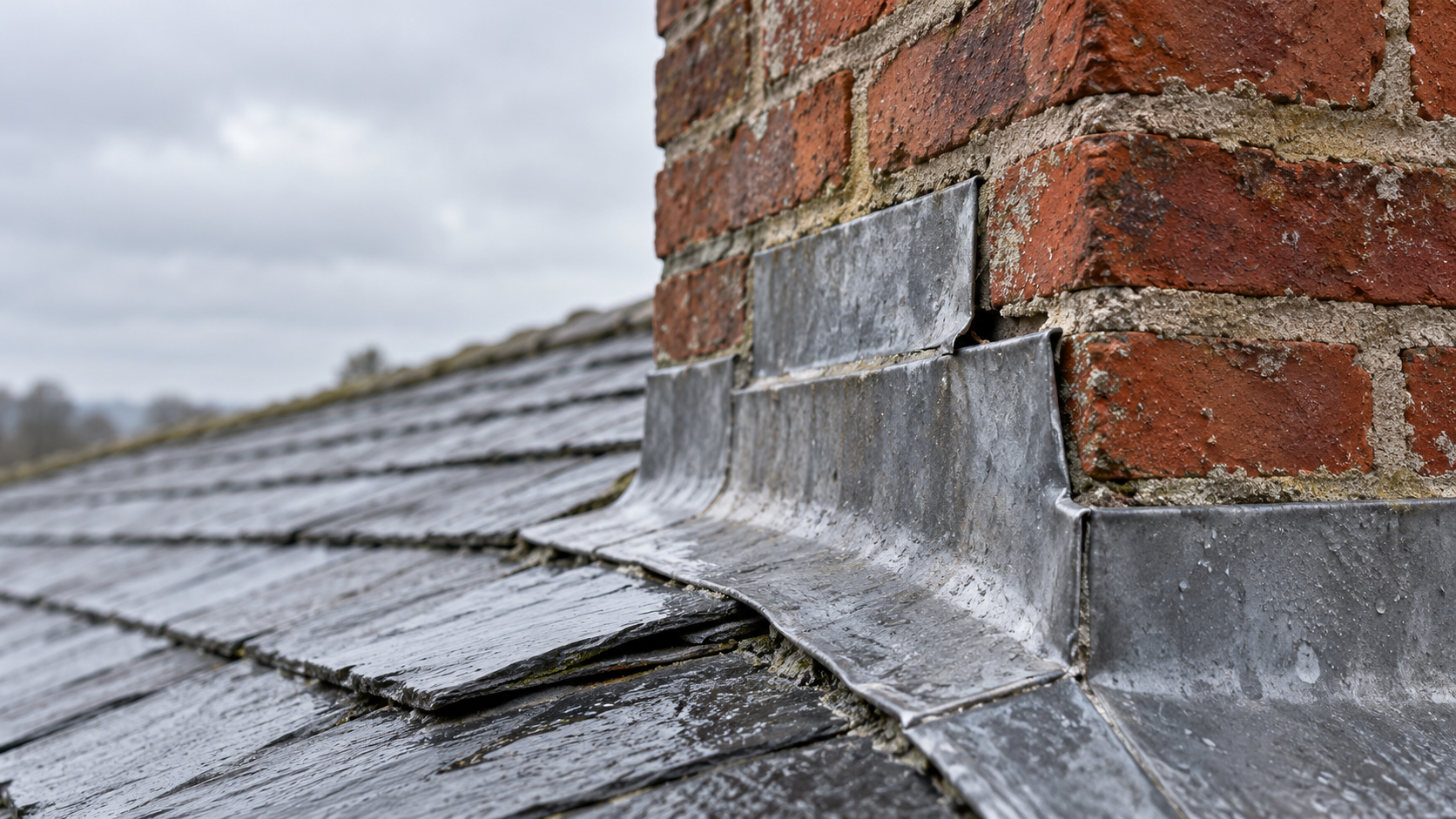
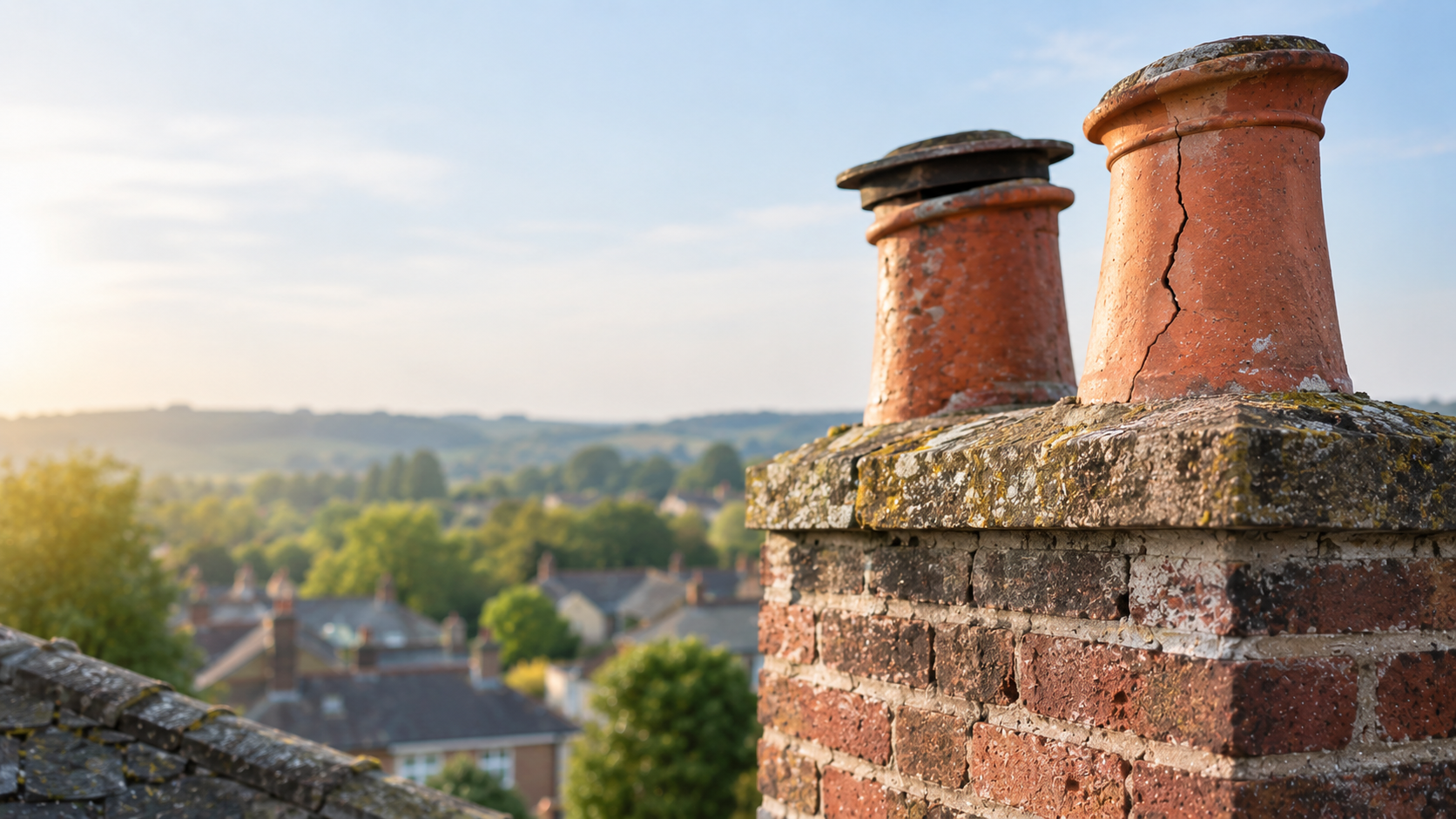
Rain may enter through a damaged chimney pot, missing cowl, cracked chimney crown or defective flashing. Moisture can loosen mortar, damage flue liners and cause debris to fall into the chimney.
Common signs of water damage include:
- Damp patches near the chimney breast
- Peeling paint or wallpaper
- White staining on brickwork
- Musty smells
- Rust on stove components
- Pieces of mortar in the fireplace
A chimney sweep may identify visible signs of deterioration, but roof repairs or a detailed chimney inspection may be required.
How Often Should a Rarely Used Chimney Be Swept?
The correct sweeping frequency depends on the fuel type, chimney condition, appliance and amount of use.
If you only use your fireplace occasionally, an annual inspection is a sensible approach. The chimney sweep can then decide whether cleaning is required based on its condition.
You should also arrange a sweep before using the chimney if:
- It has not been swept for more than a year
- You do not know when it was last cleaned
- The property has recently been purchased
- The chimney has not been used for several years
- You suspect a bird nest or blockage
- Smoke has entered the room
- Building work has taken place nearby
- The fireplace smells strongly of soot or damp
For regularly used solid-fuel appliances, more frequent sweeping may be required.
Should I Sweep the Chimney Before Using It After a Long Break?
Yes, it is advisable to have the chimney inspected and swept before using it after a long period of inactivity.
A chimney can change considerably while it is unused. Birds may build nests, debris may fall into the flue and moisture may damage internal components.
Lighting a fire without checking the chimney could result in:
- Smoke entering the room
- Carbon monoxide exposure
- Poor combustion
- A chimney fire
- Damage to the appliance
- Burning smells or falling soot
A professional sweep can remove loose deposits, check for obvious blockages and confirm whether the flue appears to draw correctly.
Signs Your Rarely Used Chimney Needs Sweeping
You should arrange a professional sweep if you notice any of the following warning signs.
Smoke Coming Back Into the Room
Smoke spilling from the fireplace may indicate a blockage, poor draught, ventilation problem or damaged flue.
Stop using the fire until the cause has been investigated.
Soot Falling Into the Fireplace
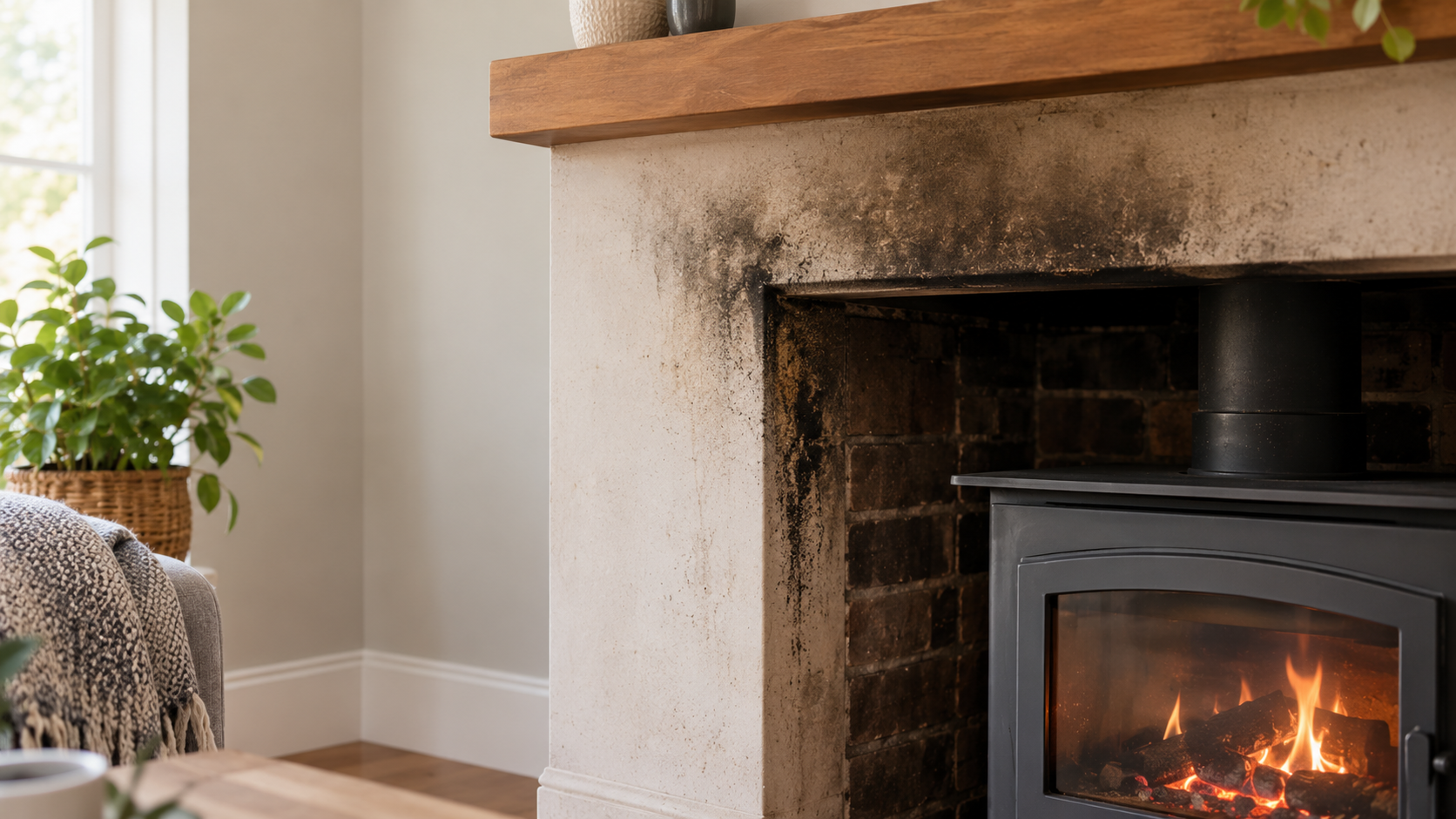
Loose soot or black debris in the hearth can indicate deposits inside the chimney.
It may also suggest that parts of the flue are deteriorating.
Strong Sooty or Smoky Smells
A strong fireplace smell can become more noticeable during warm or damp weather.
The odour may come from old soot, creosote, moisture or nesting material inside the chimney.
Birds or Animals in the Chimney
Scratching, chirping or fluttering sounds may indicate that birds or animals are trapped or nesting inside the flue.
Do not light a fire until the chimney has been checked.
Poor Fire Performance
A fire that is difficult to light, burns weakly or produces excessive smoke may be affected by poor chimney draught.
A blockage or restricted flue can reduce the amount of air moving through the system.
Debris in the Hearth
Twigs, feathers, pieces of mortar or other debris falling into the fireplace are clear signs that the chimney needs inspection.
What Does a Professional Chimney Sweep Include?
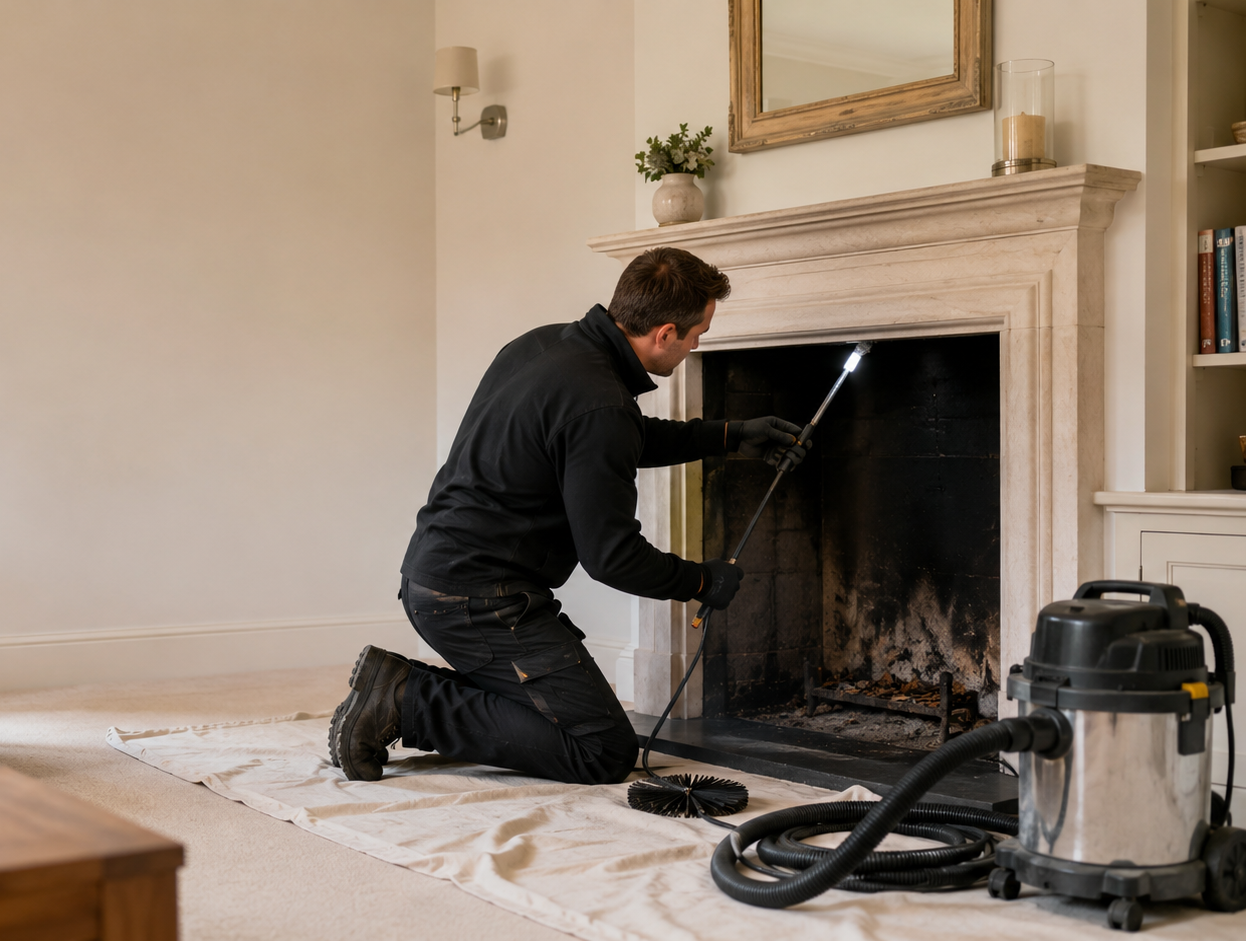
A professional chimney sweeping appointment will usually involve:
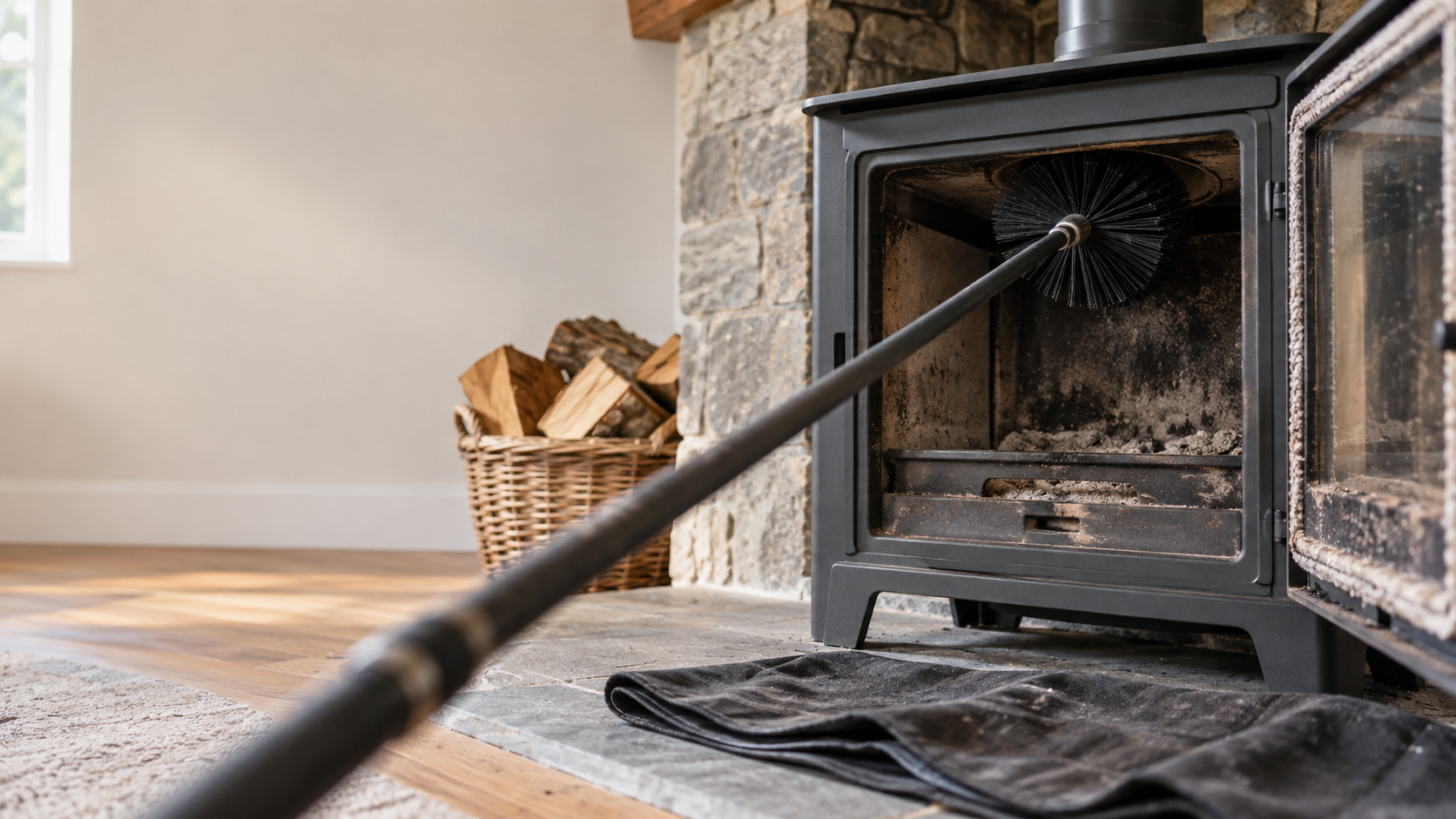
- Protecting the room and fireplace area
- Sealing the fireplace opening where necessary
- Cleaning the flue with suitable brushes or rotary equipment
- Removing soot and loose debris
- Checking for visible blockages
- Inspecting accessible fireplace and chimney components
- Carrying out an appropriate smoke or draught check
- Providing advice on any identified problems
- Issuing a sweeping certificate or service record
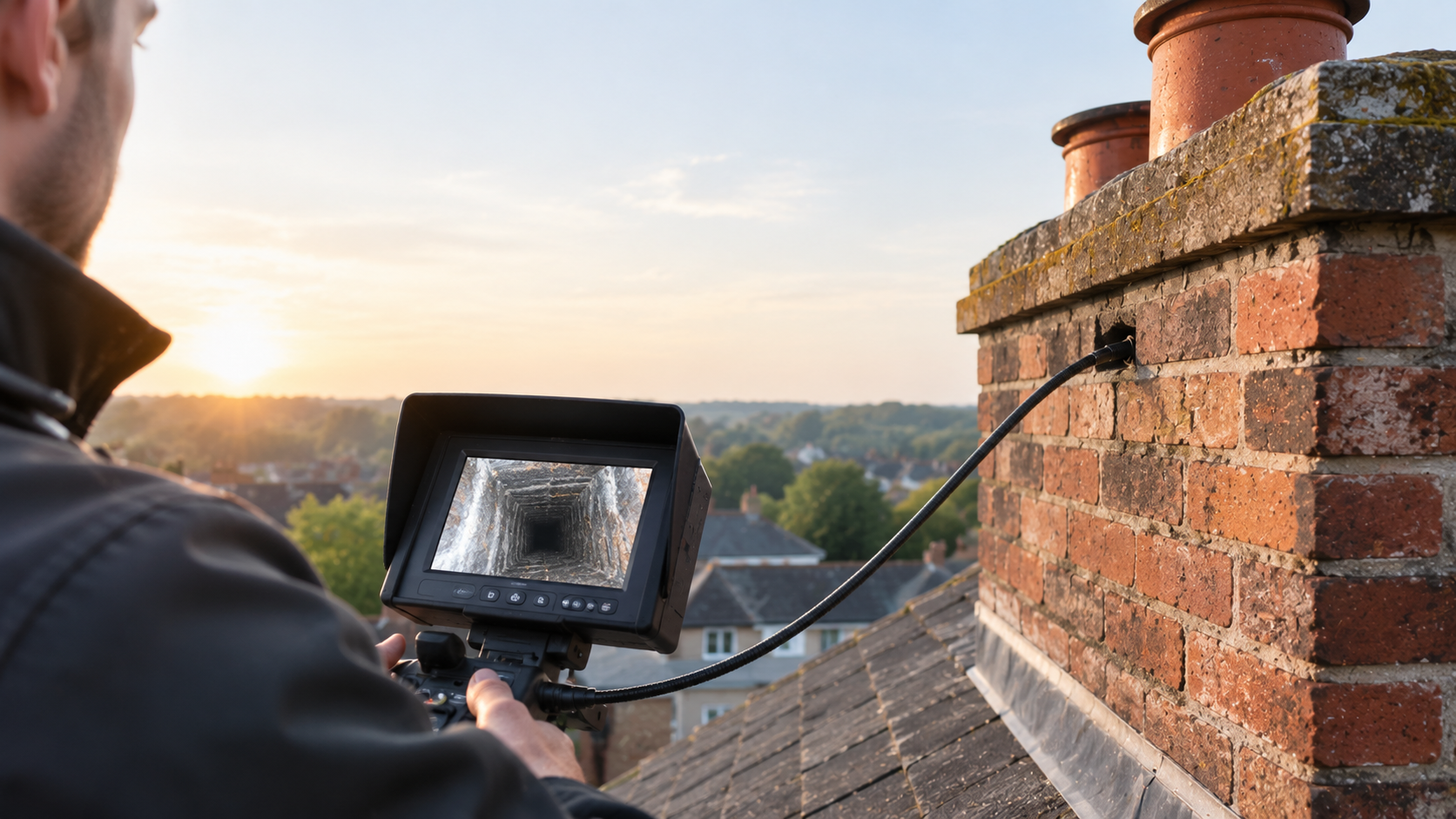
A standard sweep does not always include a full CCTV survey, structural inspection or chimney repair.
Additional investigation may be recommended if the chimney has been unused for many years or shows signs of damage.
Can I Check the Chimney Myself?
You can look for obvious warning signs, but a visual check from the fireplace is not enough to confirm that the entire flue is clear.
Many blockages and defects occur higher up inside the chimney, where they cannot be seen from the room.
You should not rely on lighting a small fire as a test. If the chimney is blocked, smoke and carbon monoxide could enter your home.
Professional chimney sweeps have the equipment and experience to clean the flue safely and identify common problems.
What About Decorative Fireplaces?
If the fireplace is completely decorative and will never be used, routine sweeping may not be necessary in the same way as an active chimney.
However, the chimney may still need ventilation and occasional inspection to prevent:
- Damp
- Condensation
- Unpleasant smells
- Bird entry
- Falling debris
- Internal deterioration
If there is any possibility that the fireplace will be used again, arrange a professional inspection before lighting a fire.
Should a Chimney Be Capped If It Is Not Used?
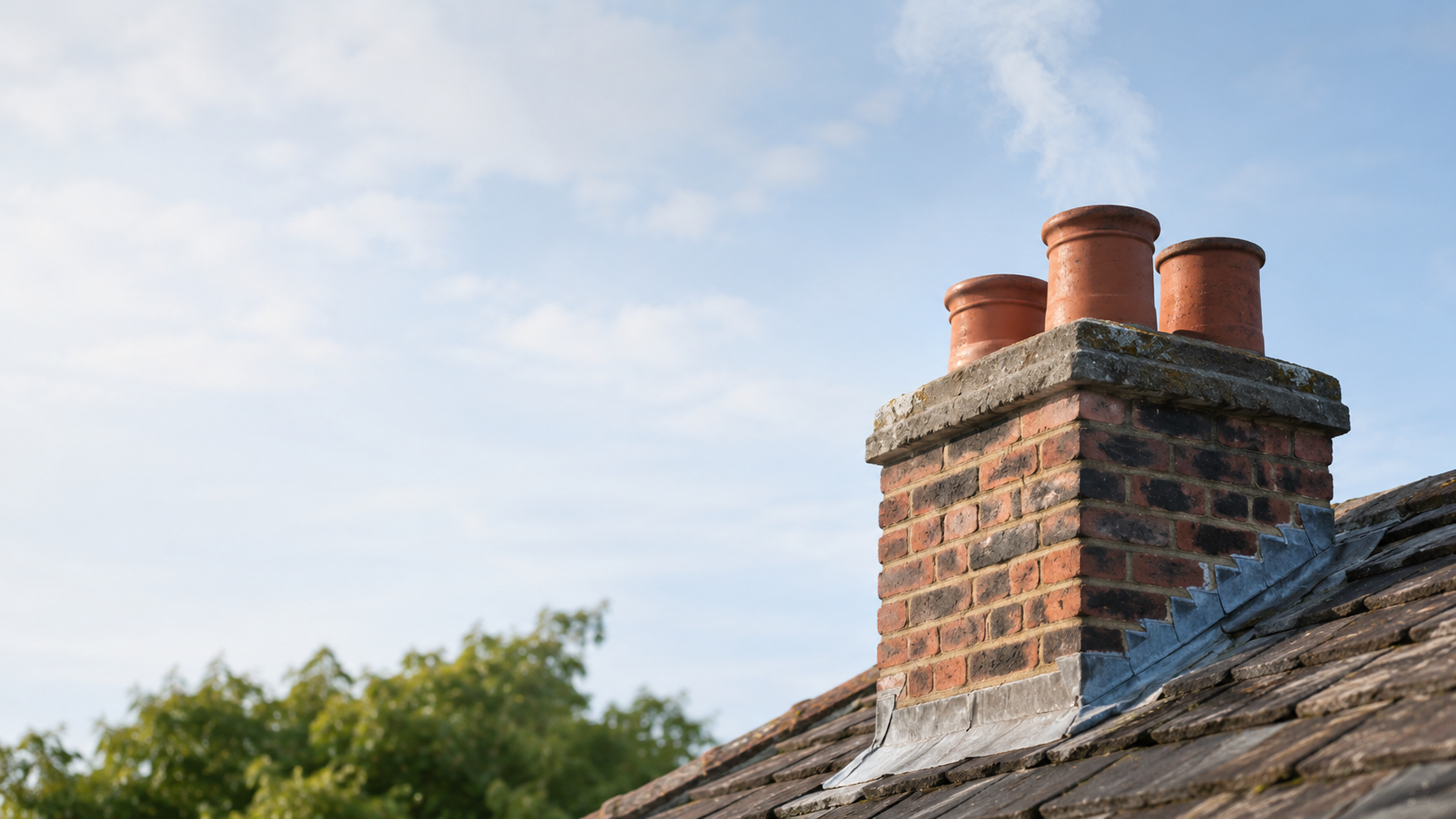
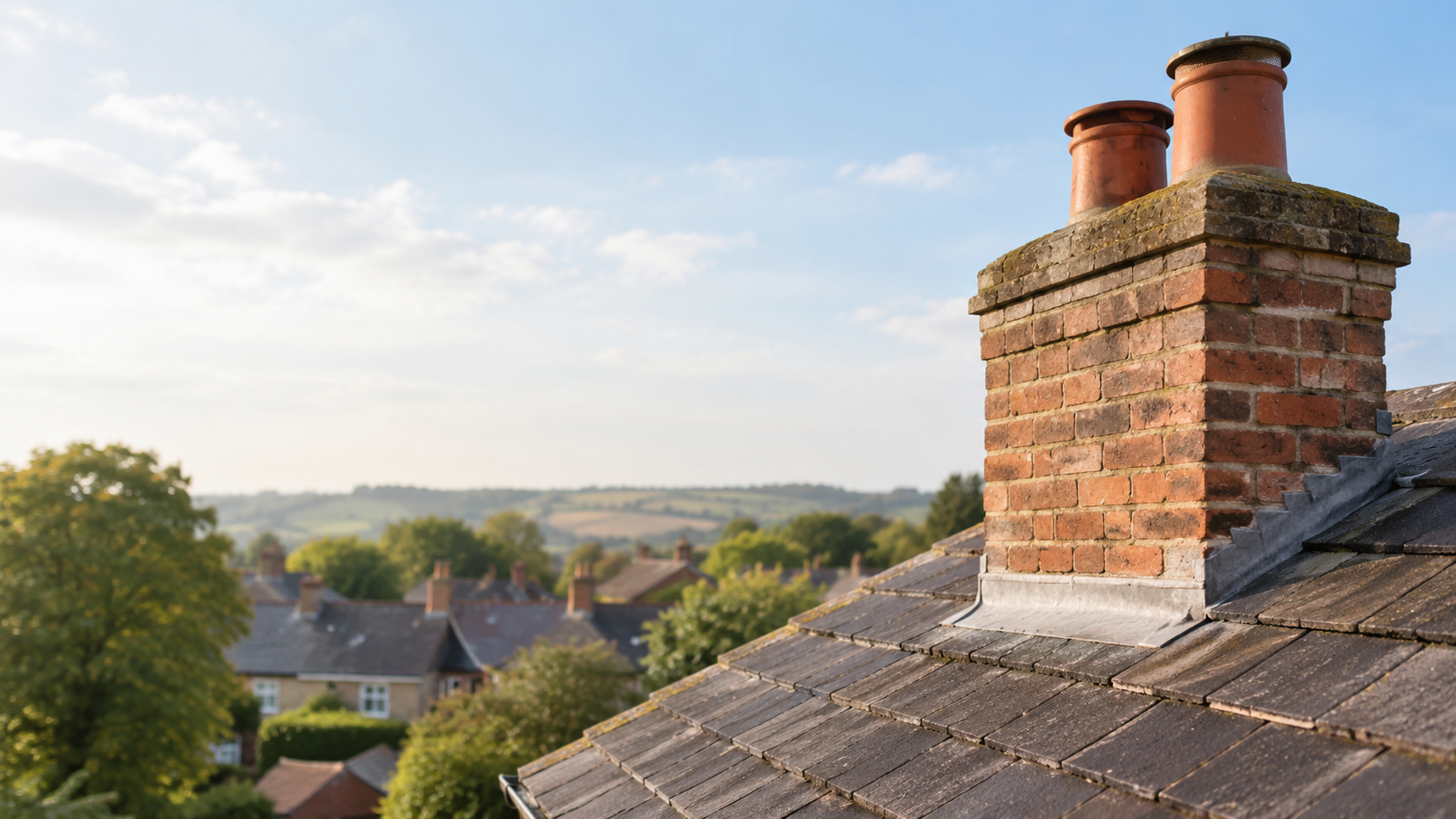
An unused chimney may benefit from a suitable ventilated cap or cowl.
This can help prevent birds, rain and debris from entering while still allowing airflow through the chimney.
A chimney should not usually be sealed completely without proper ventilation. Trapped moisture and condensation can cause damp and damage inside the chimney breast.
A chimney professional can recommend the correct solution based on the chimney’s condition and future use.
Do Gas Fire Chimneys Need Sweeping?
Some gas appliances still use a chimney or flue to remove combustion gases.
Although gas does not create soot in the same way as wood or coal, the chimney can still become blocked by debris, nesting material or structural damage.
Gas appliances should be checked by an appropriately qualified Gas Safe registered engineer. A chimney sweep may also be required where the flue is designed to be swept.
Never use a gas fire if you suspect the chimney is blocked.
Carbon Monoxide Safety
Any appliance that burns fuel can produce carbon monoxide if it is not operating or ventilating correctly.
Carbon monoxide is colourless and odourless, which makes it difficult to detect without an alarm.
Make sure your property has a working carbon monoxide alarm installed in the appropriate location. Test it regularly and replace it according to the manufacturer’s instructions.
If an alarm sounds or anyone experiences headaches, dizziness, nausea or unusual tiredness while a fire is burning, leave the property and seek urgent assistance.
How to Keep a Rarely Used Chimney Safe
Even if you only use your fireplace occasionally, a few simple steps can help reduce problems:
- Arrange regular chimney inspections.
- Have the chimney swept before using it after a long break.
- Burn only suitable, dry fuel.
- Avoid burning household rubbish or treated wood.
- Install an appropriate chimney cowl where recommended.
- Keep ventilation openings clear.
- Check for signs of birds, damp and falling debris.
- Maintain working smoke and carbon monoxide alarms.
- Stop using the fire if smoke enters the room.
Frequently Asked Questions
Does a chimney need sweeping if it is only used once a year?
It may still need sweeping or inspection. Even limited use can produce deposits, while debris and bird nests can enter the chimney during the rest of the year.
Can I use a fireplace that has not been used for years?
You should have the chimney professionally inspected and swept before using it. A long-unused flue may contain nests, debris or hidden damage.
Does rain clean soot from a chimney?
No. Rain does not safely remove soot or creosote. Moisture can combine with soot, create strong smells and contribute to chimney deterioration.
Can a blocked chimney cause carbon monoxide problems?
Yes. A blocked or poorly drawing chimney can prevent combustion gases from leaving the property safely.
Is an annual chimney inspection necessary?
An annual check is a sensible precaution, particularly if the chimney may be used during winter or after long periods of inactivity.
How do I know when my chimney was last swept?
Previous owners may have left a certificate or maintenance record. If no record is available, it is safer to arrange a professional sweep before using the fireplace.
Final Advice
A rarely used chimney may collect soot more slowly, but it can still become blocked, damaged or unsafe.
Bird nests, moisture, fallen debris and old combustion deposits can all cause problems when the fireplace is used again. For this reason, it is wise to arrange a professional chimney inspection and sweep before lighting a fire after a long break.
If you are unsure when your chimney was last cleaned, contact Midland Sweeps to arrange a professional chimney sweeping service.
A routine visit can help ensure that your fireplace or log burner is ready to use safely when you need it.