In many UK homes, a flue liner is strongly recommended when installing a log burner. In some cases, it may be essential for safety, performance, and building regulation compliance.
A log burner needs a suitable chimney or flue system to remove smoke, fumes, and combustion gases safely from your home. If the existing chimney is damaged, too large, leaking, old, or unsuitable for solid fuel, a flue liner may be required.
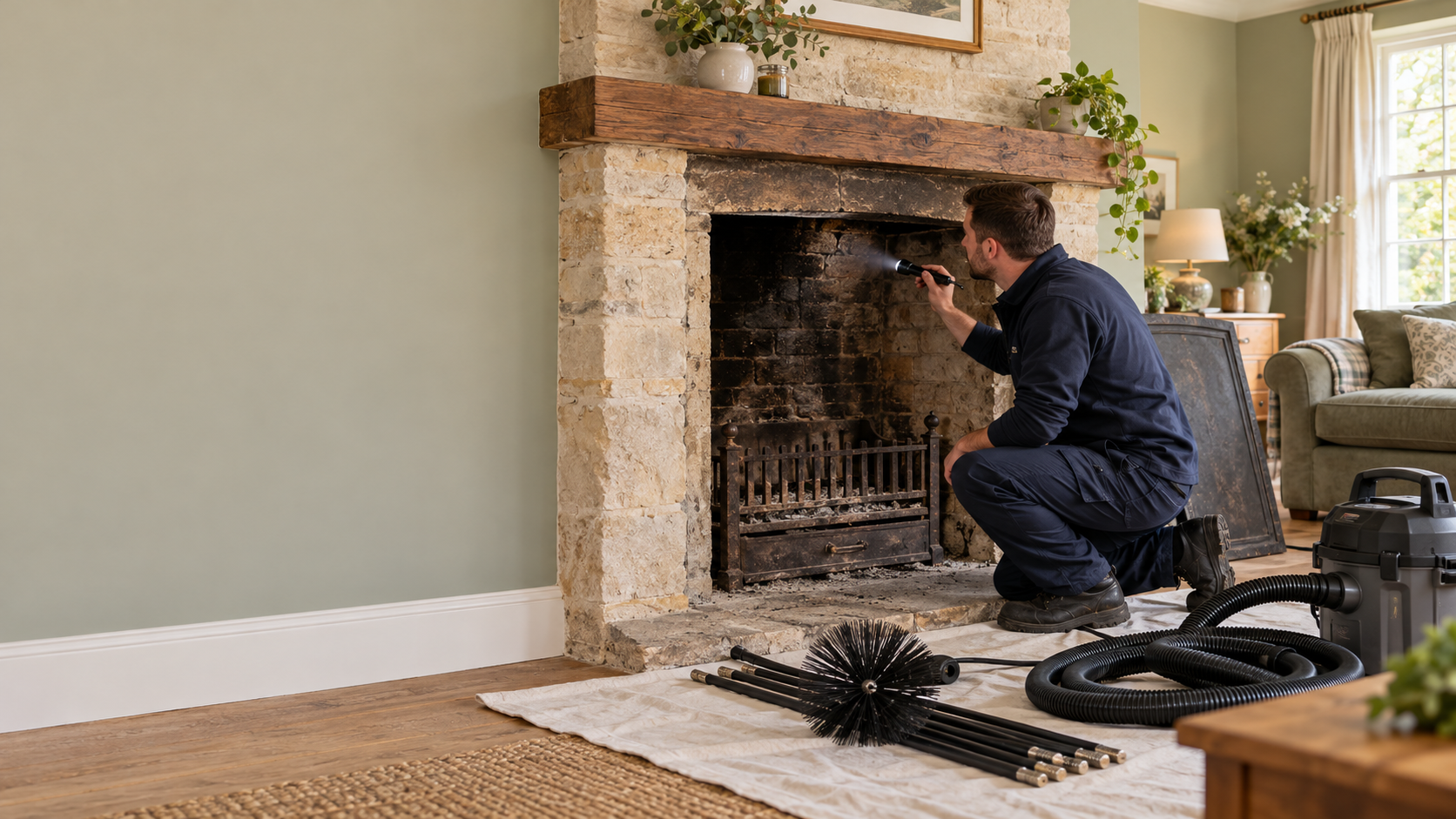
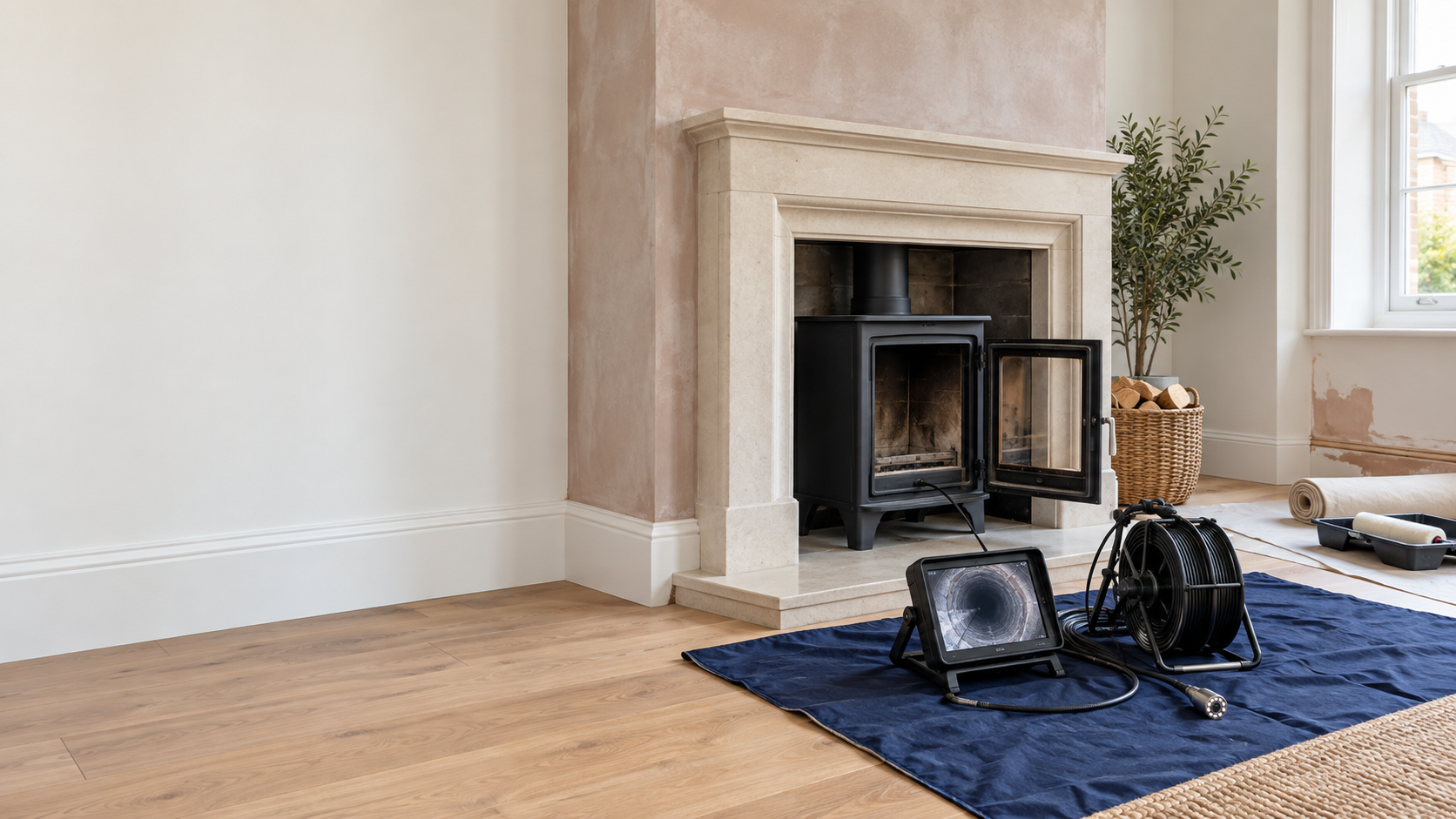
The safest answer is simple: your chimney should always be inspected by a qualified professional before a log burner is installed.
What Is a Flue Liner?
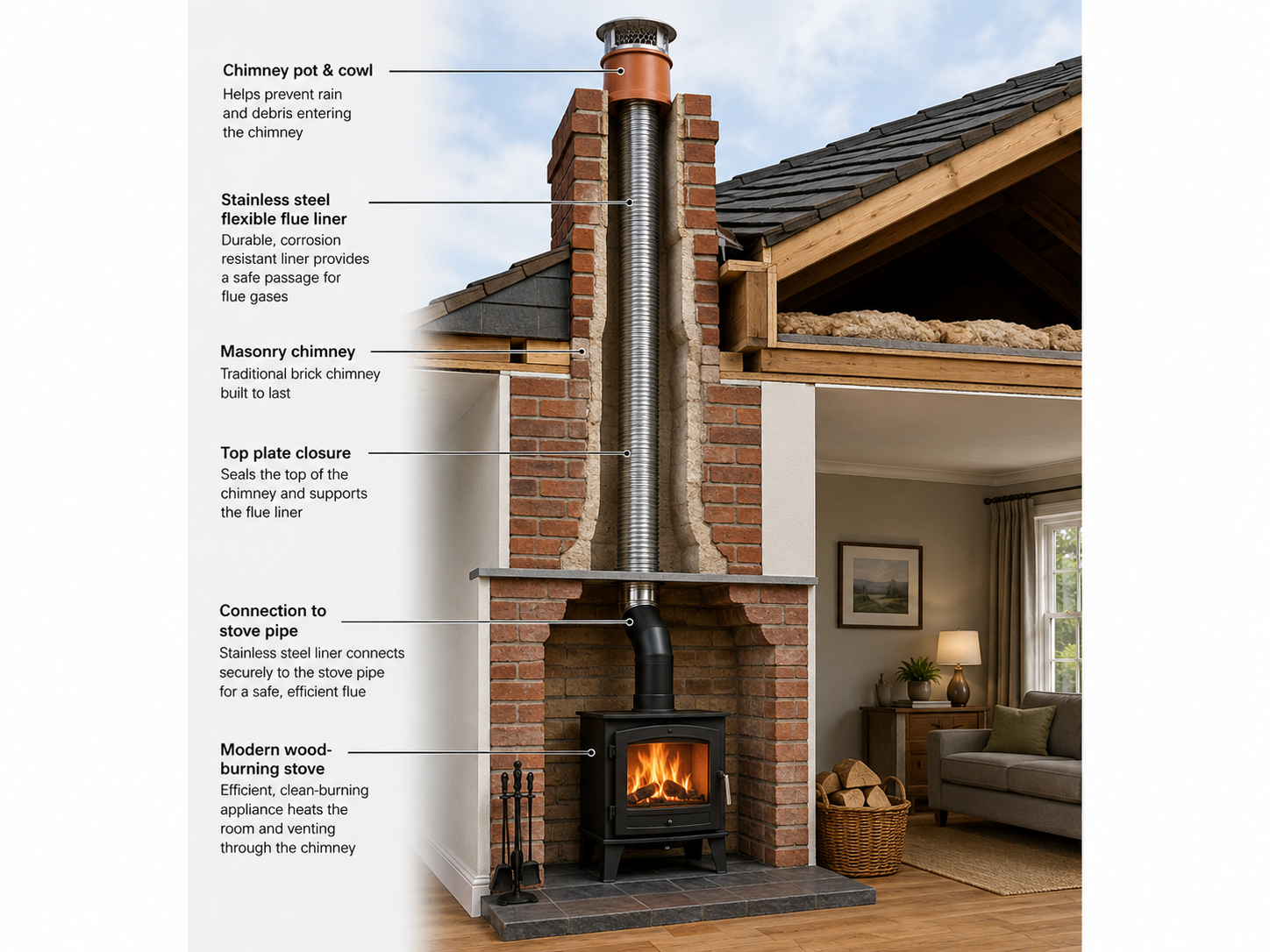
A flue liner is a protective tube or lining fitted inside a chimney. It creates a clear, safe passage for smoke and gases to travel from the log burner to the outside of the property.
Flue liners are commonly made from stainless steel, clay, concrete, or pumice, depending on the chimney type and appliance.
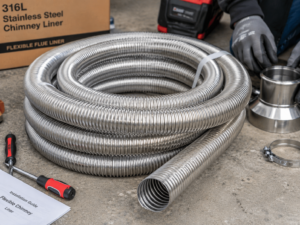
For many existing chimneys, a flexible stainless steel liner is often used when installing a wood-burning stove.
Why Is a Flue Liner Important?
A flue liner helps improve the safety and efficiency of your log burner installation.
It can help:
Carry smoke and gases safely out of the property
Reduce the risk of fumes leaking through damaged chimney walls
Improve chimney draught
Help the stove burn more efficiently
Protect the chimney structure from tar and condensates
Reduce staining caused by smoke or tar seepage
Make the flue size more suitable for the appliance
Without a suitable flue system, a log burner may smoke, burn poorly, produce more deposits, or become unsafe to use.
When Might You Need a Flue Liner?
You may need a flue liner if:
Your chimney is old or damaged
The flue is leaking smoke or fumes
The chimney has cracks or missing mortar
The existing flue is too large for the stove
The chimney has poor draught
Tar or staining is appearing on chimney walls
The chimney was previously used for a different fuel type
The stove manufacturer requires a specific flue size
A professional installer says the chimney is not suitable without lining
Many older chimneys were not designed for modern log burners. A liner can help make the chimney safer and more suitable for solid fuel use.
Can You Use a Log Burner Without a Flue Liner?
In some cases, yes, but only if the chimney is in good condition and suitable for the appliance.
The chimney must be able to safely contain and remove smoke, gases, and combustion products. If there is any risk of fumes leaking into the property, poor draught, or chimney defects, a liner may be needed.
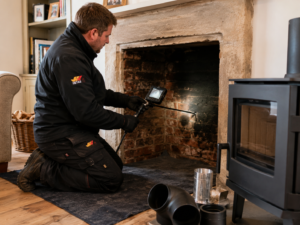
This is why a chimney inspection is important before installation.
You should not assume an existing chimney is safe just because it looks fine from the fireplace opening.
Building Regulations and Log Burner Flue Liners
Log burner installations in the UK must comply with building regulations. This includes the stove, hearth, chimney, flue, ventilation, and carbon monoxide safety requirements.
If a new stove or flue liner is installed, the work may need to be signed off by a competent installer or approved by local Building Control.
A HETAS registered installer can usually self-certify the installation and provide the correct compliance paperwork.
This paperwork can be important for:
Home insurance
Future property sale
Safety records
Proof of compliant installation
What Size Flue Liner Do You Need for a Log Burner?
The correct flue liner size depends on the stove, manufacturer instructions, fuel type, and building regulations.
Common flue liner sizes for log burners include:
Stove / Appliance Type Common Flue Size
Many DEFRA-approved wood burners 5 inch / 125mm
Many standard wood-burning or multi-fuel stoves 6 inch / 150mm
Larger appliances May require a larger flue
The flue should not be smaller than the stove outlet, and manufacturer instructions should always be followed.
A qualified installer will confirm the correct liner size for your appliance.
What Happens If You Do Not Have the Right Flue Liner?
If your chimney is unsuitable and no liner is fitted, you may experience problems such as:
Smoke coming back into the room
Poor stove performance
Difficulty lighting the fire
Excessive soot or tar build-up
Condensation inside the chimney
Staining on chimney walls
Fumes leaking into the property
Increased carbon monoxide risk
A poorly matched or damaged flue system can make a log burner unsafe, even if the stove itself is high quality.
Does a Flue Liner Improve Log Burner Performance?
Yes, a correctly fitted flue liner can improve the performance of a log burner.
A liner can create a more consistent flue size, improve draught, and help smoke leave the stove more efficiently. This can make the stove easier to light and help it burn more cleanly.
However, the liner must be the correct type, size, and grade for the appliance.
Can I Install a Flue Liner Myself?
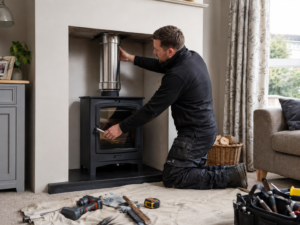
Flue liner installation is not a simple DIY job. It involves working at height, choosing the correct liner, connecting the appliance safely, meeting building regulations, and ensuring the chimney draws correctly.
If the installation is not done properly, it can create serious safety risks.
For most homeowners, it is best to use a qualified chimney professional or HETAS registered installer.
Do You Need a Carbon Monoxide Alarm With a Log Burner?
Yes. A working carbon monoxide alarm is an essential safety measure for any room with a log burner or solid fuel appliance.
Carbon monoxide cannot be seen, smelled, or tasted, which makes it extremely dangerous.
A proper flue system, regular chimney sweeping, and a working carbon monoxide alarm all help protect your home.
Should the Chimney Be Swept Before Installing a Flue Liner?
Yes. The chimney should normally be swept and inspected before a liner is installed.
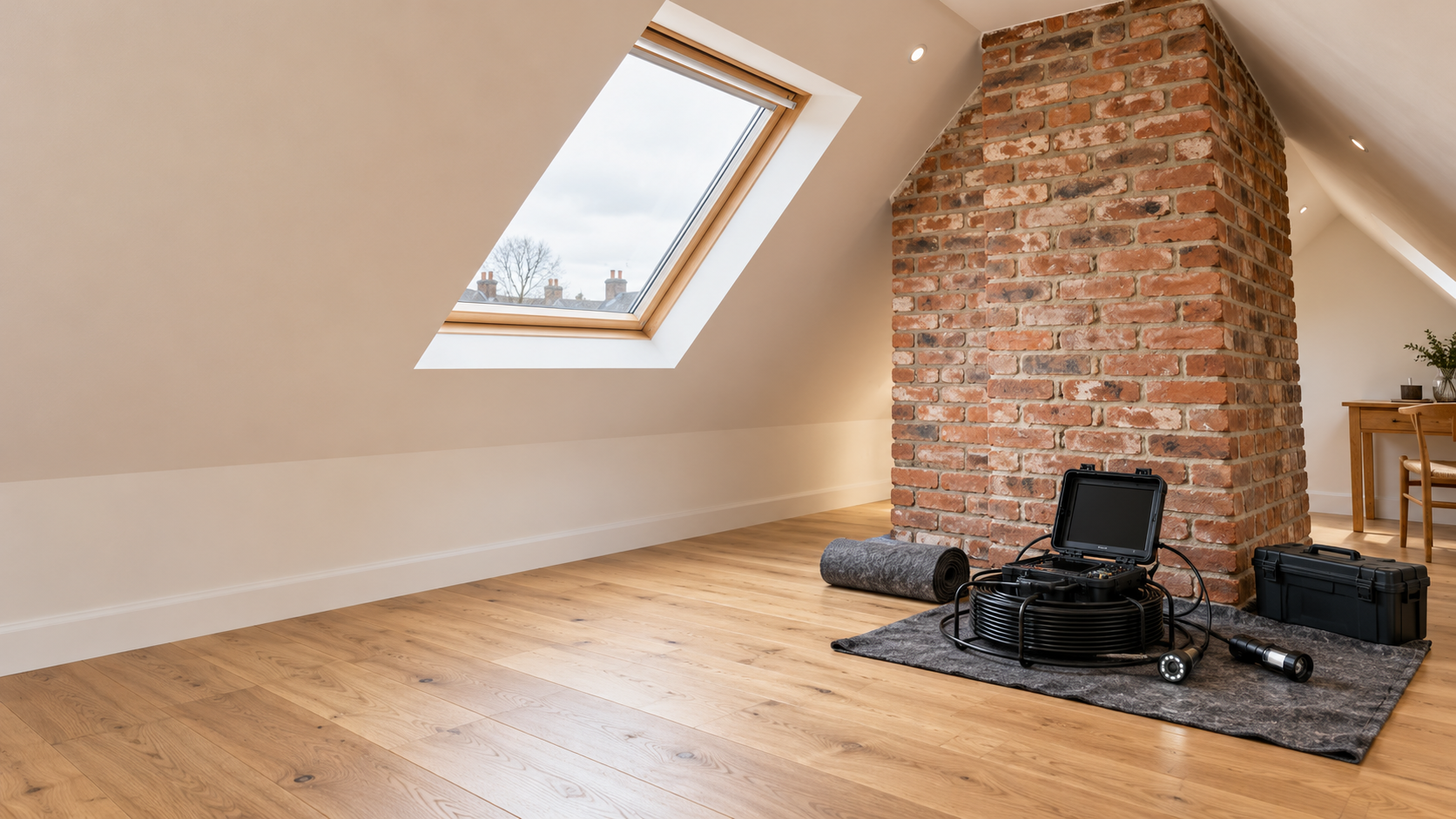
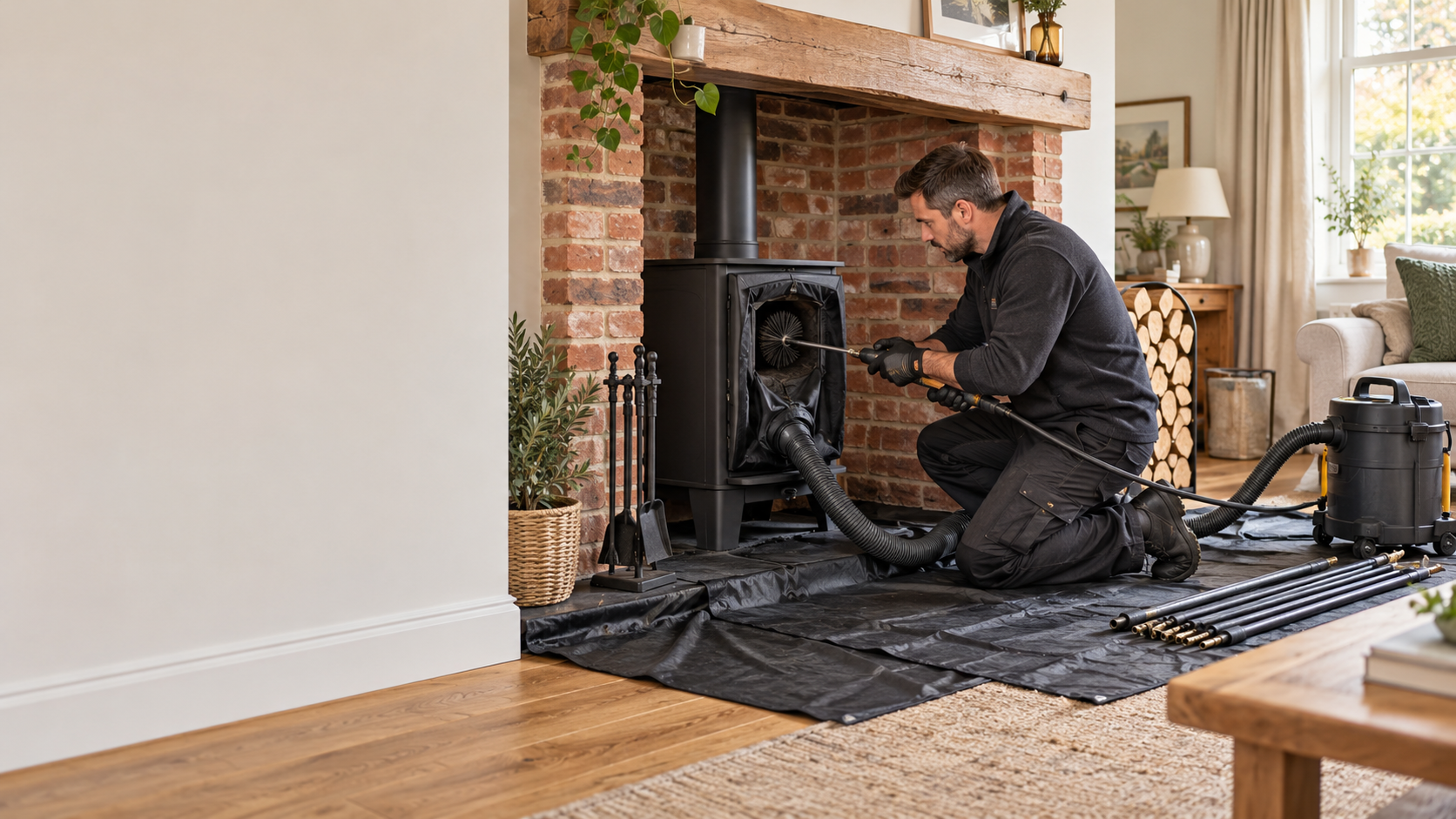
Sweeping helps remove soot, tar, debris, bird nests, and obstructions. It also gives the installer a clearer view of the chimney condition before fitting the liner.
If you are planning to install a log burner, book a chimney sweep first.
Final Answer: Do You Need a Flue Liner for a Log Burner?
You may need a flue liner for a log burner if your chimney is damaged, too large, leaking, old, unsuitable for solid fuel, or not performing correctly.
A flue liner is not just about improving performance. It helps protect your home by safely carrying smoke and gases out of the property.
The best way to know for sure is to have your chimney inspected by a qualified professional before installation.
Need Your Chimney Checked Before Installing a Log Burner?
If you are planning to install a log burner, your chimney should be swept, inspected, and checked for suitability first.
A professional chimney sweep can identify blockages, soot build-up, chimney defects, and flue issues before the installation begins.
Book a chimney inspection today and make sure your log burner installation starts safely.