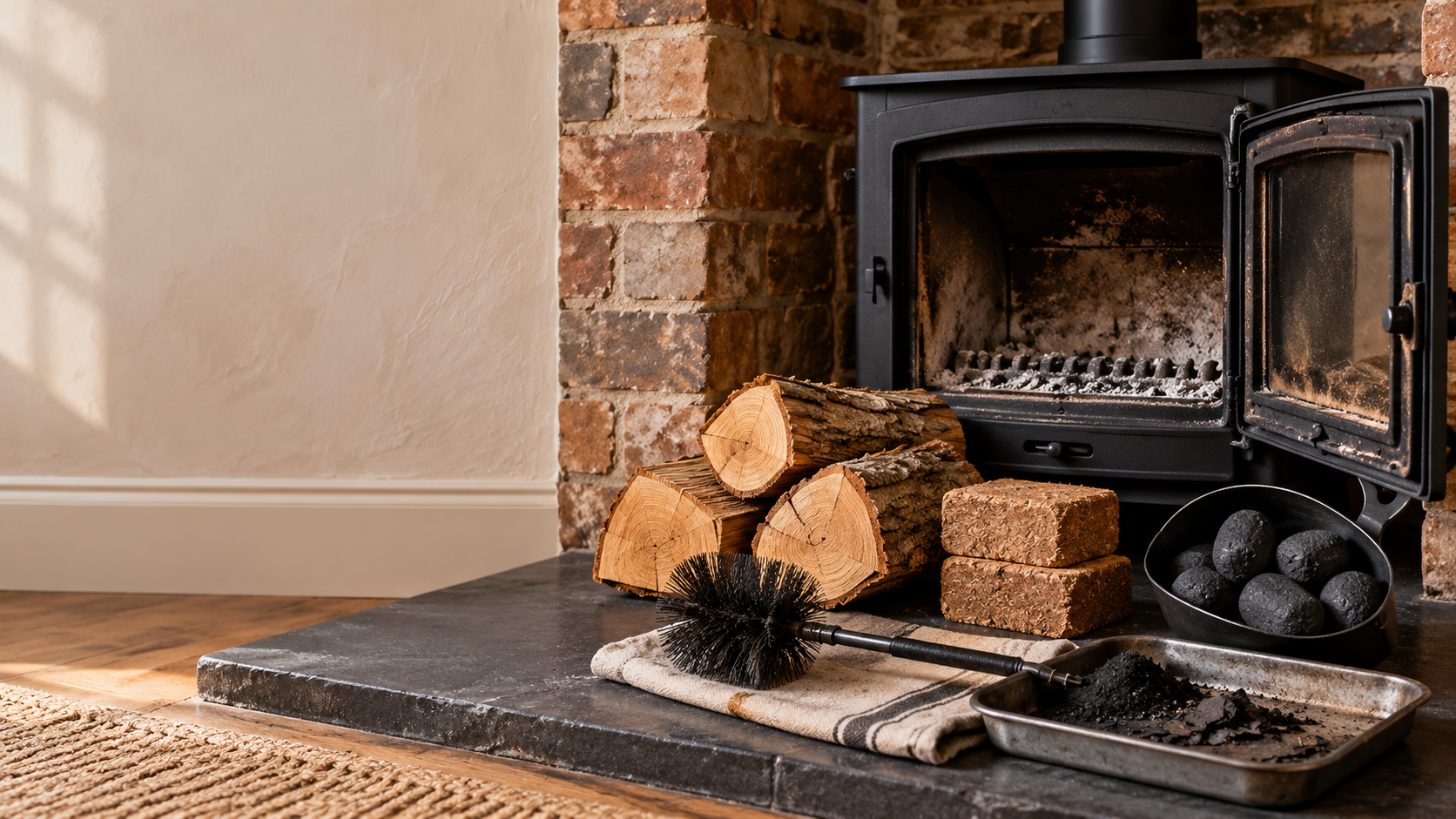
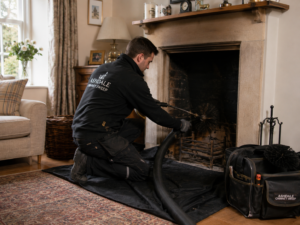
Before winter arrives, many homeowners start using their fireplaces, wood burners, and stoves more often. But if your chimney has not been swept recently, it may contain soot, tar, creosote, leaves, bird nests, or other debris.
A dirty or blocked chimney can reduce airflow, cause smoke to enter your room, increase fire risk, and make your appliance less efficient.
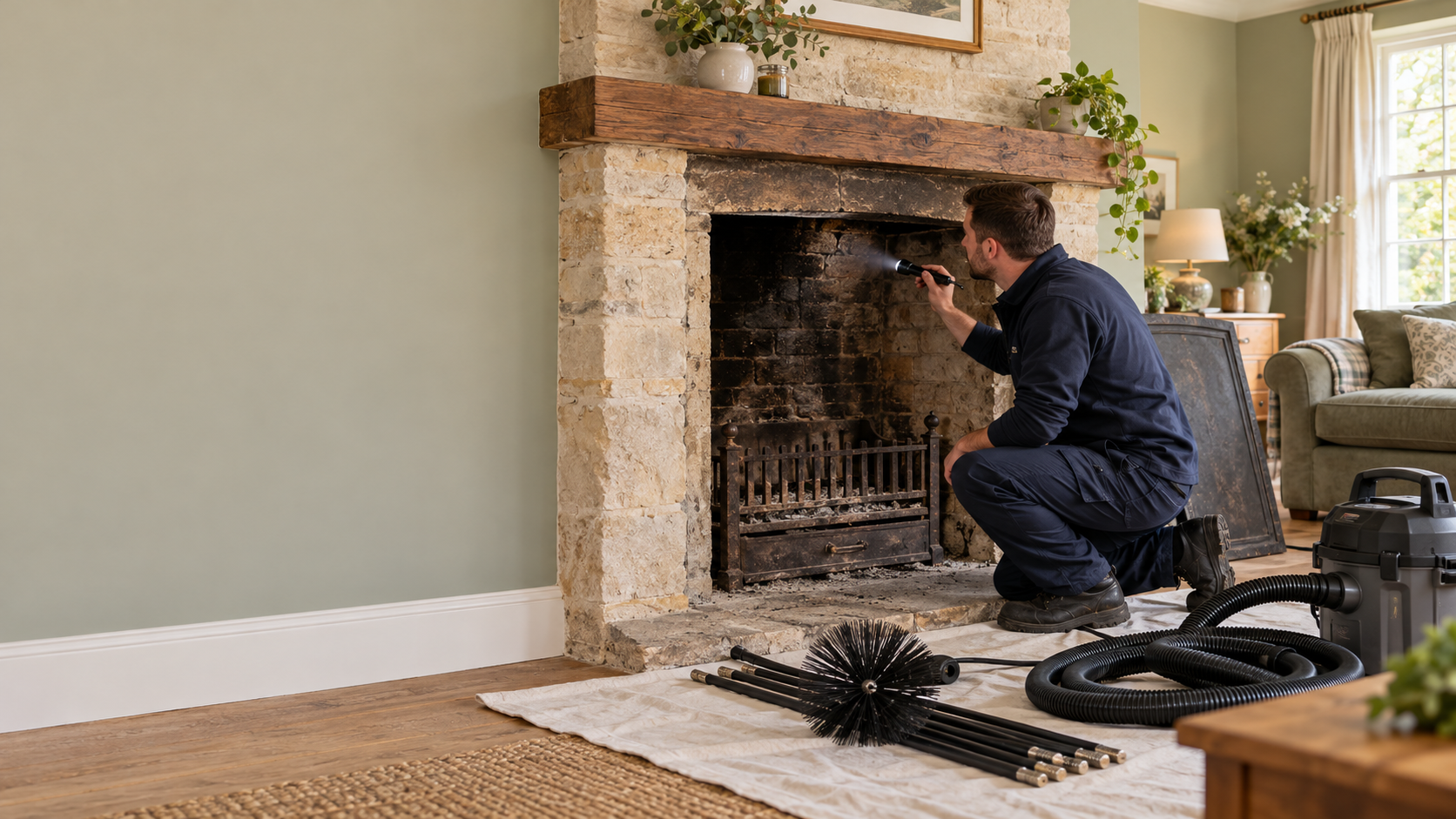
Booking a professional chimney sweep before the colder months helps make sure your fireplace or stove is safe, clean, and ready for regular winter use.
1. Smoke Is Coming Back Into the Room
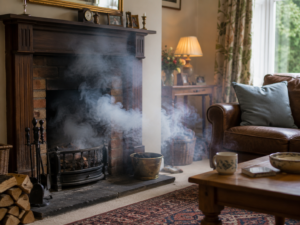
One of the clearest signs your chimney needs sweeping is smoke entering your room instead of going up the flue.
This can happen when soot, creosote, nesting material, or debris restricts airflow inside the chimney. If the smoke cannot escape properly, it may spill back into your living space.
You may notice:
Smoke blowing back when lighting the fire
A smoky smell after use
Smoke marks around the fireplace
Difficulty keeping the fire burning
If smoke is coming back into the room, stop using the fireplace and arrange a chimney inspection or sweep.
2. There Is a Strong Smoky or Sooty Smell
A strong smoky smell from your fireplace can be a sign that soot, tar, or creosote has built up inside the chimney.
This smell may become more noticeable:
When the weather is damp
After rain
When the fireplace has not been used for a while
Before lighting the first fire of the season
If your room smells smoky even when the fire is not lit, your chimney may need cleaning before winter use.
3. Soot Is Falling Into the Fireplace
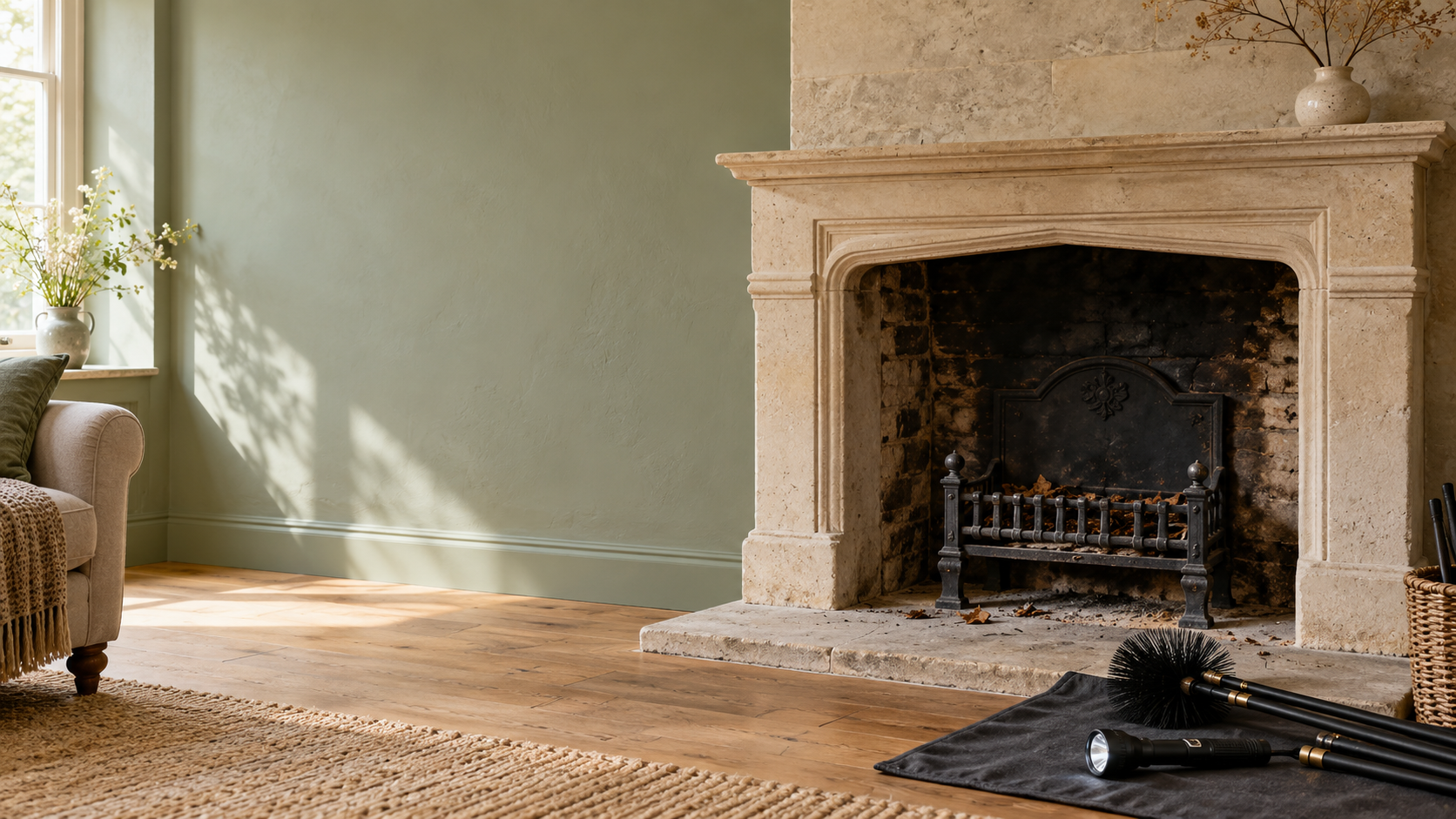
If you see black soot, dust, or flakes falling into your fireplace or stove, your chimney may have a build-up inside the flue.
Small amounts of soot can collect naturally, but visible soot falling down is a warning sign that the chimney needs attention.
Soot build-up can affect airflow and increase the risk of chimney problems during winter.
4. The Fire Is Difficult to Light
If your fire is difficult to start or keeps going out, your chimney may not be drawing properly.
A chimney needs good airflow to pull smoke and gases up through the flue. If the flue is dirty, blocked, cold, or restricted, the fire may struggle to burn.
This can make your fireplace or stove frustrating to use and may also cause more smoke to enter the room.
5. The Fire Burns Poorly or Produces Too Much Smoke
A clean chimney helps your fire burn more efficiently. If your fire produces a lot of smoke, burns slowly, or does not generate much heat, your chimney may need sweeping.
Poor burning can also be caused by wet wood or incorrect fuel, but a dirty chimney can make the problem worse.
For best results, use dry, suitable fuel and keep your chimney properly maintained.
6. You Notice Tar or Creosote Build-Up
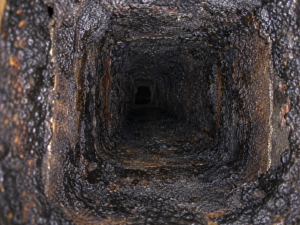
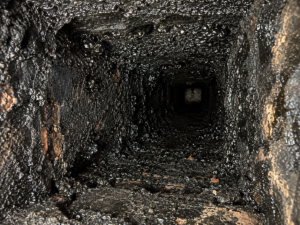
Creosote is a dark, sticky, and highly flammable substance that can build up inside chimneys, especially when burning wood.
It can form more quickly when:
Wet wood is used
The fire burns at a low temperature
The chimney is cold
The appliance is not being used correctly
The chimney has not been swept regularly
Creosote build-up is one of the main reasons regular chimney sweeping is important before winter.
7. You Can See Birds, Twigs, Leaves, or Debris
Bird nests, leaves, twigs, and loose debris can block the chimney and stop smoke from escaping properly.
This is especially common if the chimney has not been used for several months.
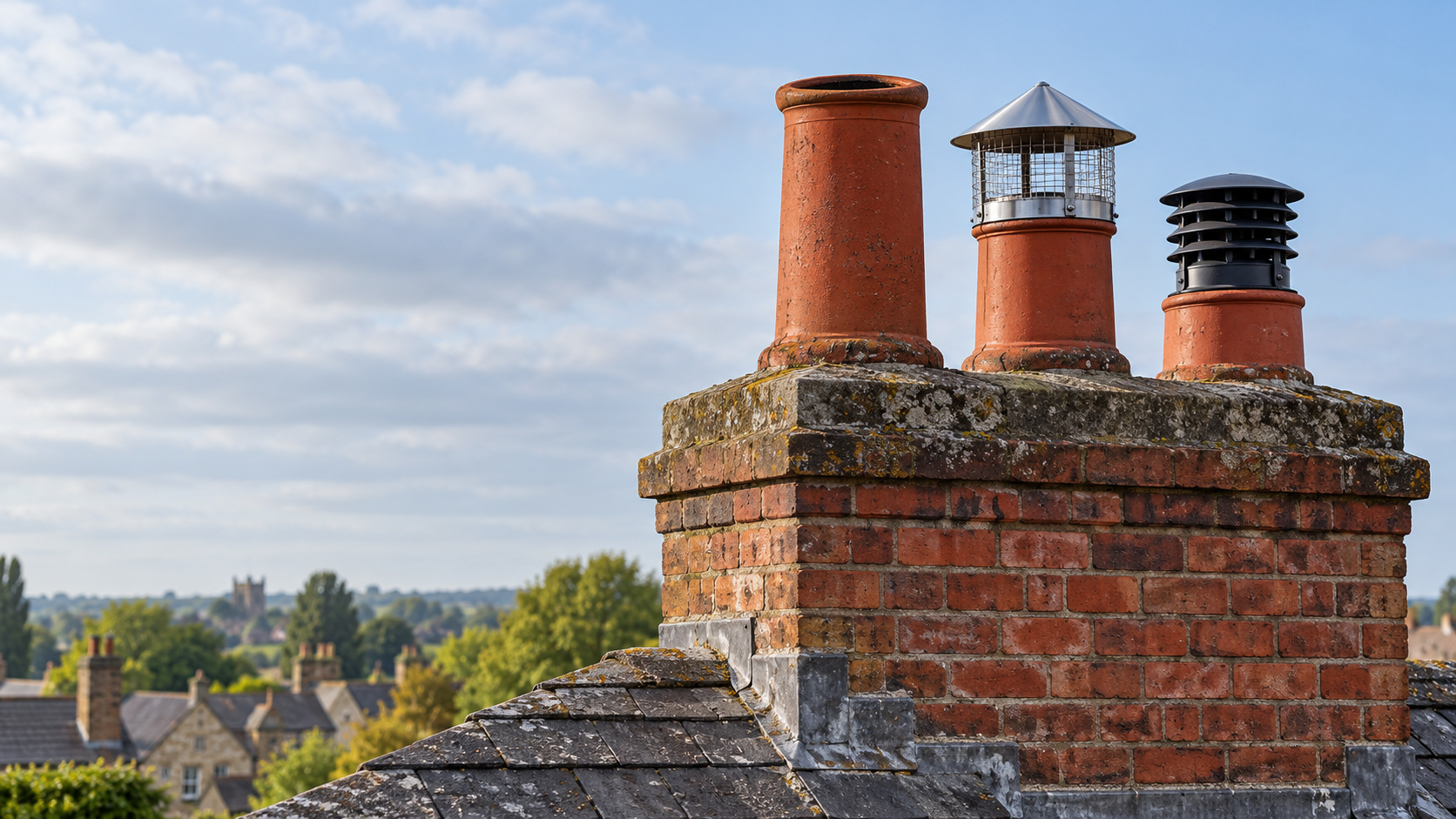
Before winter, it is important to make sure the flue is clear and safe to use. A professional chimney sweep can remove obstructions and advise if a suitable chimney cowl is needed.
8. Your Chimney Has Not Been Swept in the Last Year
Even if everything seems fine, your chimney may still need sweeping if it has not been cleaned recently.
As a general guide:
Fuel Type Recommended Sweeping Frequency
Wood-burning fireplace or stove Up to four times a year when in regular use
Smokeless fuel At least once a year
Bituminous coal At least twice a year
Oil appliance Once a year
Gas appliance Once a year if designed for sweeping
If you are unsure, it is better to book a professional chimney sweep before winter starts.
9. You Have Recently Moved Into the Property
If you have moved into a home with a fireplace, stove, or chimney, do not assume it is safe to use.
You may not know:
When the chimney was last swept
What fuel was previously used
Whether the flue is blocked
Whether there are hidden defects
Whether the appliance was installed correctly
A professional chimney sweep can check the chimney before you start using it.
10. You Notice Staining Around the Fireplace or Stove
Black staining, smoke marks, or discolouration around the fireplace may suggest that smoke is not leaving the chimney properly.
This can happen because of poor draught, a blocked flue, downdraught, or soot build-up.
If you notice staining before winter, book an inspection before using the fireplace regularly.
Why You Should Not Ignore These Signs
Ignoring chimney problems can lead to serious safety risks.
A blocked or dirty chimney can increase the risk of:
Chimney fires
Smoke entering the home
Carbon monoxide issues
Poor appliance performance
Damage to the flue or chimney lining
Higher maintenance costs later
Winter is when fireplaces and stoves are used most often, so it is best to deal with chimney issues before the colder weather arrives.
When Is the Best Time to Sweep a Chimney?
The best time to sweep your chimney is usually before the main heating season begins.
Late summer or early autumn is ideal because your chimney can be checked and cleaned before you start using it regularly in winter.
You should also consider booking a sweep:
After a long period of non-use
After heavy winter use
If smoke enters the room
If you notice soot, debris, or bad smells
Before using a fireplace in a new home
Can You Sweep a Chimney Yourself?
You can clean ash from your fireplace or stove, but this is not the same as sweeping the chimney.
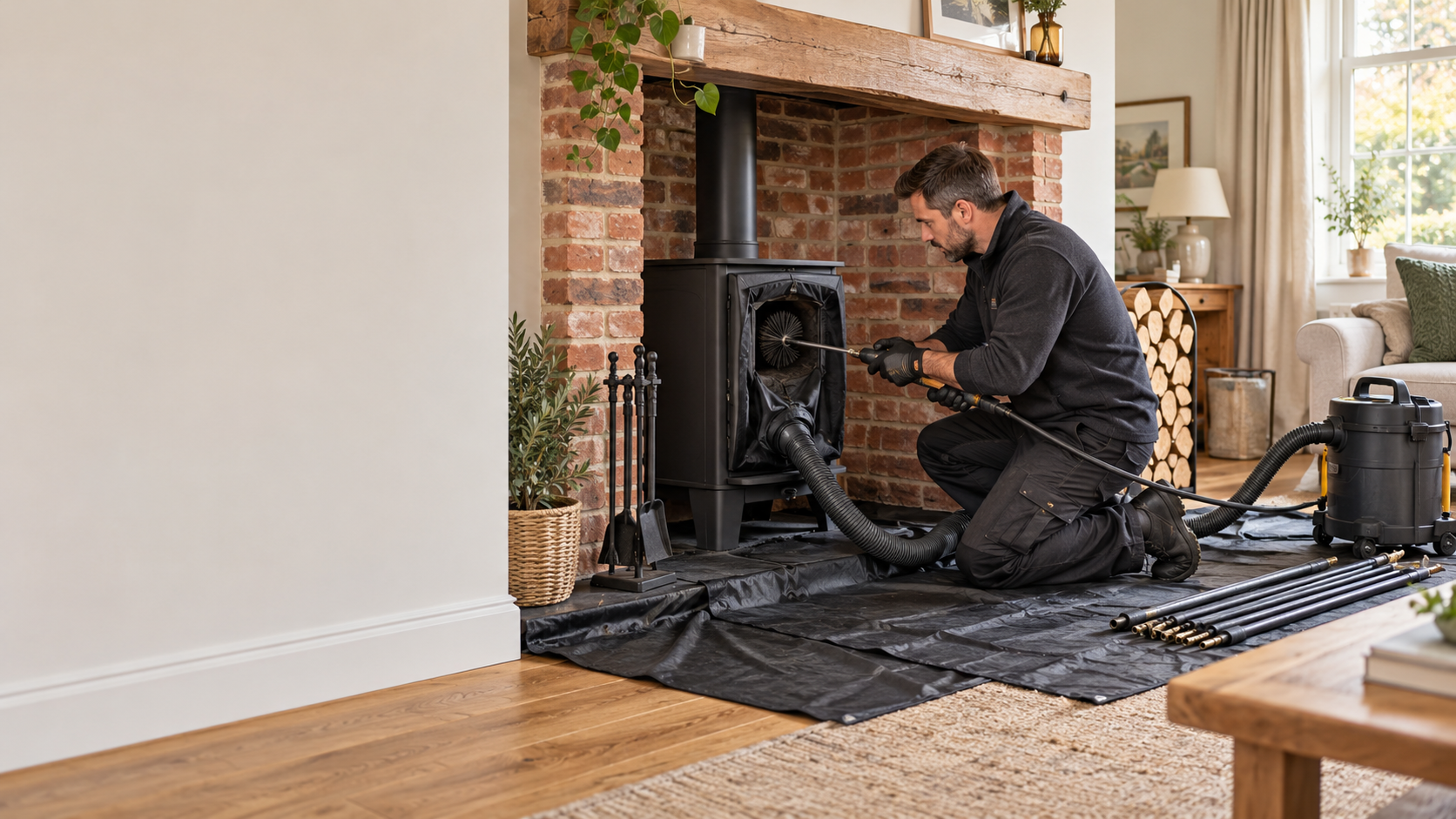
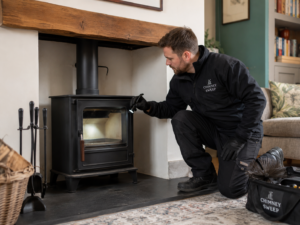
A professional chimney sweep has the correct tools to clean the flue properly and can also spot signs of blockage, damage, poor draught, or unsafe use.
For safety, it is always best to use a trained chimney sweep before winter.
Final Answer: Does Your Chimney Need Sweeping Before Winter?
Your chimney may need sweeping before winter if you notice smoke coming back into the room, a strong smoky smell, soot falling into the fireplace, poor fire performance, visible debris, tar build-up, or staining around the fireplace.
Even if there are no obvious signs, you should still arrange regular chimney sweeping based on the fuel you use and how often you use your fireplace or stove.
Book Your Chimney Sweep Before Winter
If your chimney has not been swept recently, now is the right time to get it checked. A professional chimney sweep can remove soot, debris, and blockages so your fireplace or stove is ready for safer winter use.
Book your chimney sweep today and prepare your home before the cold weather arrives.