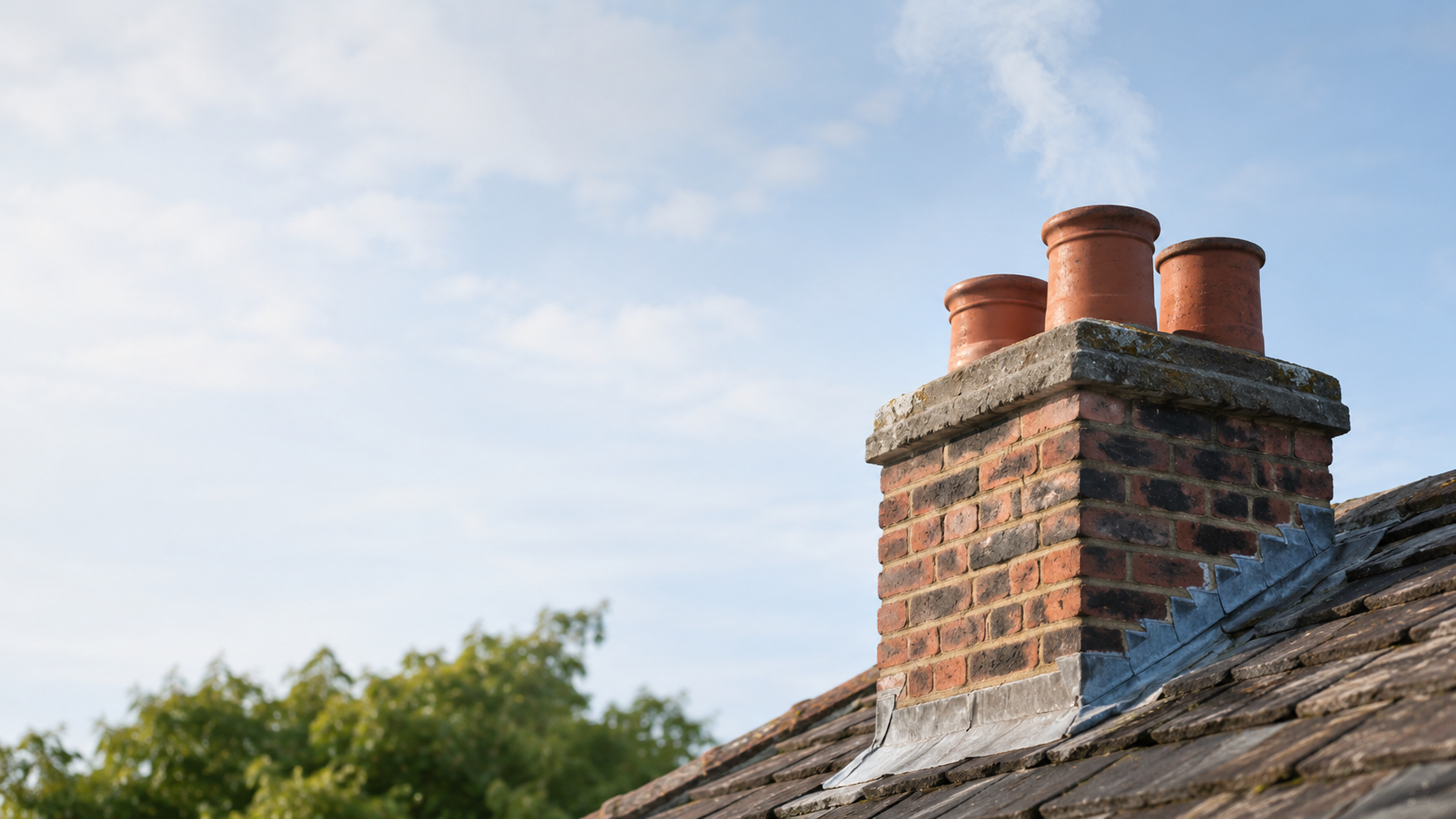
Searching for a chimney sweep near me usually means you need a reliable professional who can clean your chimney safely, arrive on time and leave your home tidy.
Whether you have an open fireplace, wood-burning stove, multi-fuel burner or lined chimney, regular sweeping helps remove soot, creosote, tar and debris that may restrict airflow or increase the risk of a chimney fire.
Midlands Sweeps provides professional chimney and flue liner sweeping in Swadlincote and surrounding areas, including Newhall, Derby, Burton upon Trent, Ashby-de-la-Zouch, Melbourne, Hilton, Etwall, Repton, Willington and Hatton.
Why Should You Choose a Local Chimney Sweep?
Hiring a local chimney sweep provides more than convenience. A professional who regularly works in your area may be familiar with the age, design and condition of local properties.
Homes throughout the Midlands can contain many different chimney systems, including:
- Traditional brick chimneys
- Open fireplaces
- Wood-burning stoves
- Multi-fuel burners
- Stainless steel flue liners
- Older unlined chimneys
- Modern prefabricated flue systems
A local chimney sweep can assess your particular system and recommend the most appropriate cleaning method.
Choosing a nearby company can also make it easier to arrange future sweeping, inspections, bird nest removal or chimney repairs.
Why Is Regular Chimney Sweeping Important?
Every time you use a fireplace or solid-fuel appliance, combustion deposits can collect inside the chimney.
These deposits may include:
- Soot
- Creosote
- Tar
- Ash
- Burnt fuel residue
- Fallen masonry
- Bird nesting material
- Leaves and twigs
As these materials build up, they can restrict the passage through which smoke and combustion gases leave your home.
Regular chimney sweeping can help:
- Reduce the risk of chimney fires
- Improve chimney airflow and draught
- Prevent smoke from spilling into the room
- Remove flammable soot and creosote
- Identify visible blockages
- Improve fireplace or stove performance
- Reduce unpleasant chimney smells
- Maintain a record of chimney maintenance
UK fire and rescue guidance recommends keeping chimneys and flues clean and properly maintained. Infrequent cleaning and soot build-up are common causes of chimney fires.
Signs You Need a Chimney Sweep Near You
You should not always wait until your scheduled annual appointment. Certain warning signs may mean your chimney needs immediate attention.
Smoke Entering the Room
Smoke spilling back into your home may indicate a blocked chimney, poor draught, inadequate ventilation or a damaged flue.
Stop using the fire until the cause has been professionally investigated.
Strong Soot or Tar Smells
A heavy smoky or tar-like smell may come from soot, creosote or damp deposits inside the chimney.
These smells may become more noticeable during warm or humid weather.
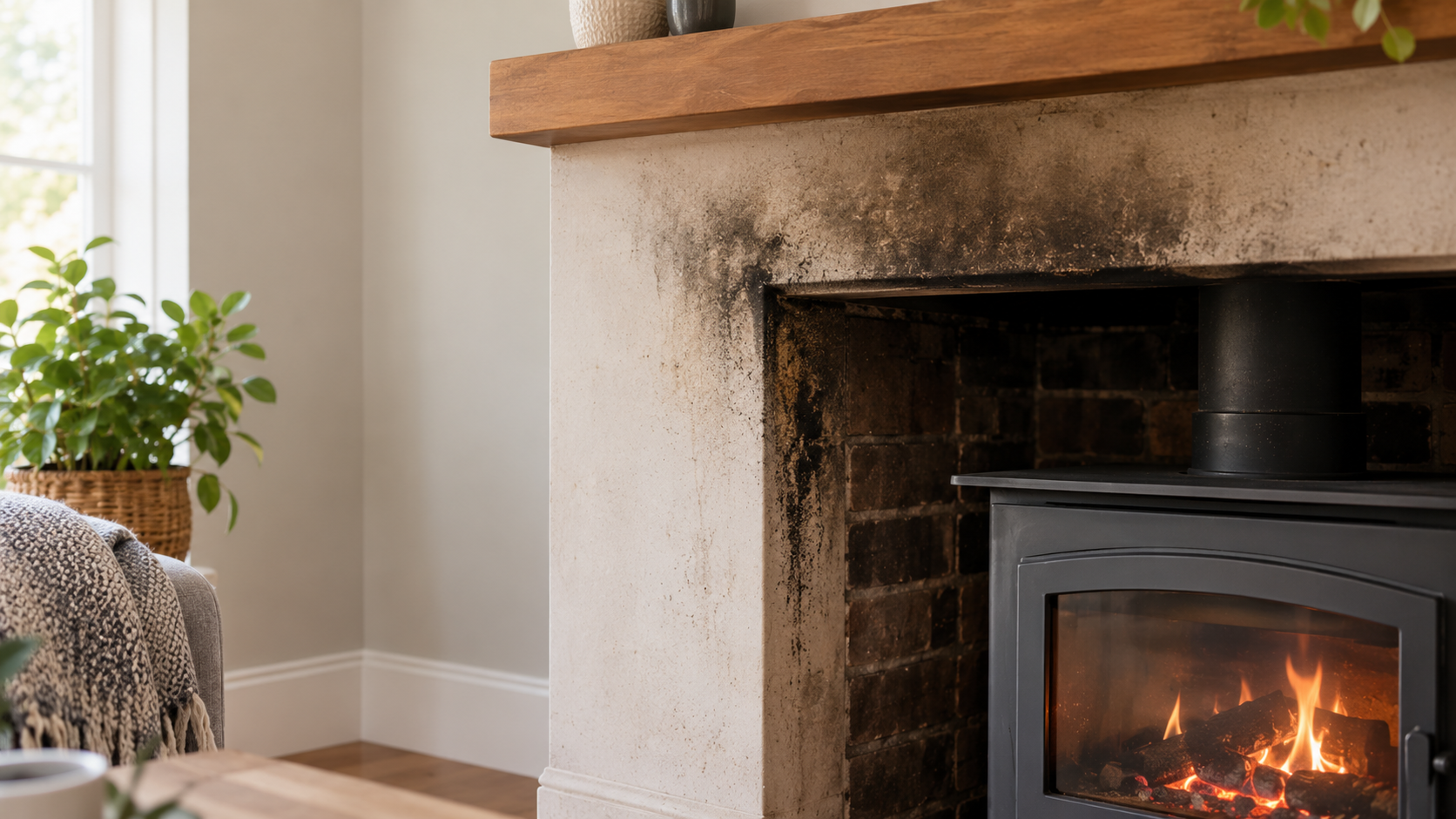
Black Deposits Around the Fireplace
Black staining around your fireplace, stove door or surrounding walls can indicate that smoke is not travelling correctly through the chimney.
Debris Falling Into the Fireplace
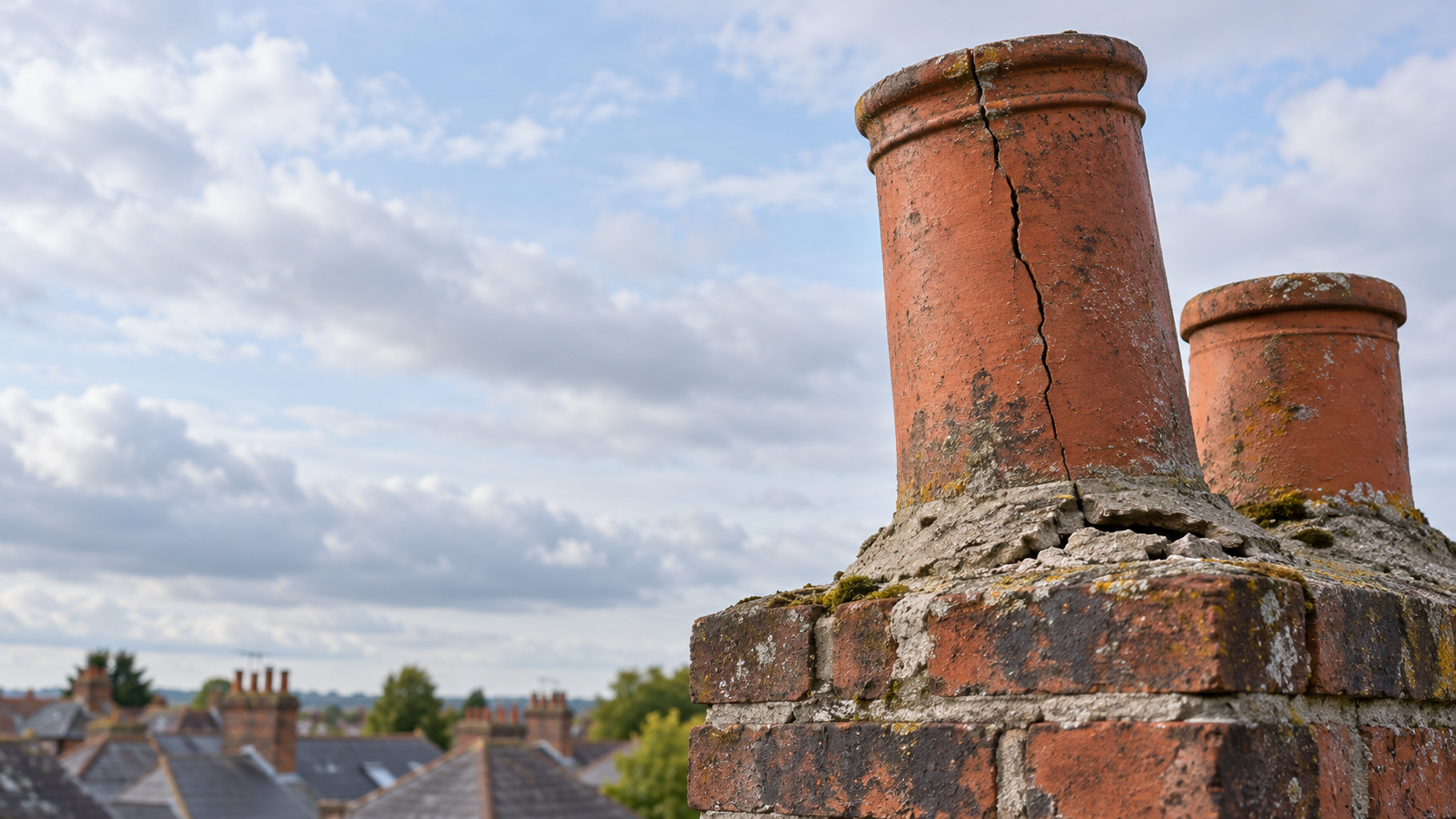
Twigs, leaves, feathers, soot or pieces of mortar falling into the fireplace may indicate a blockage, nesting activity or deterioration inside the chimney.
Poor Chimney Draught
A weak fire, slow ignition or difficulty keeping the appliance burning may be caused by poor airflow through the flue.
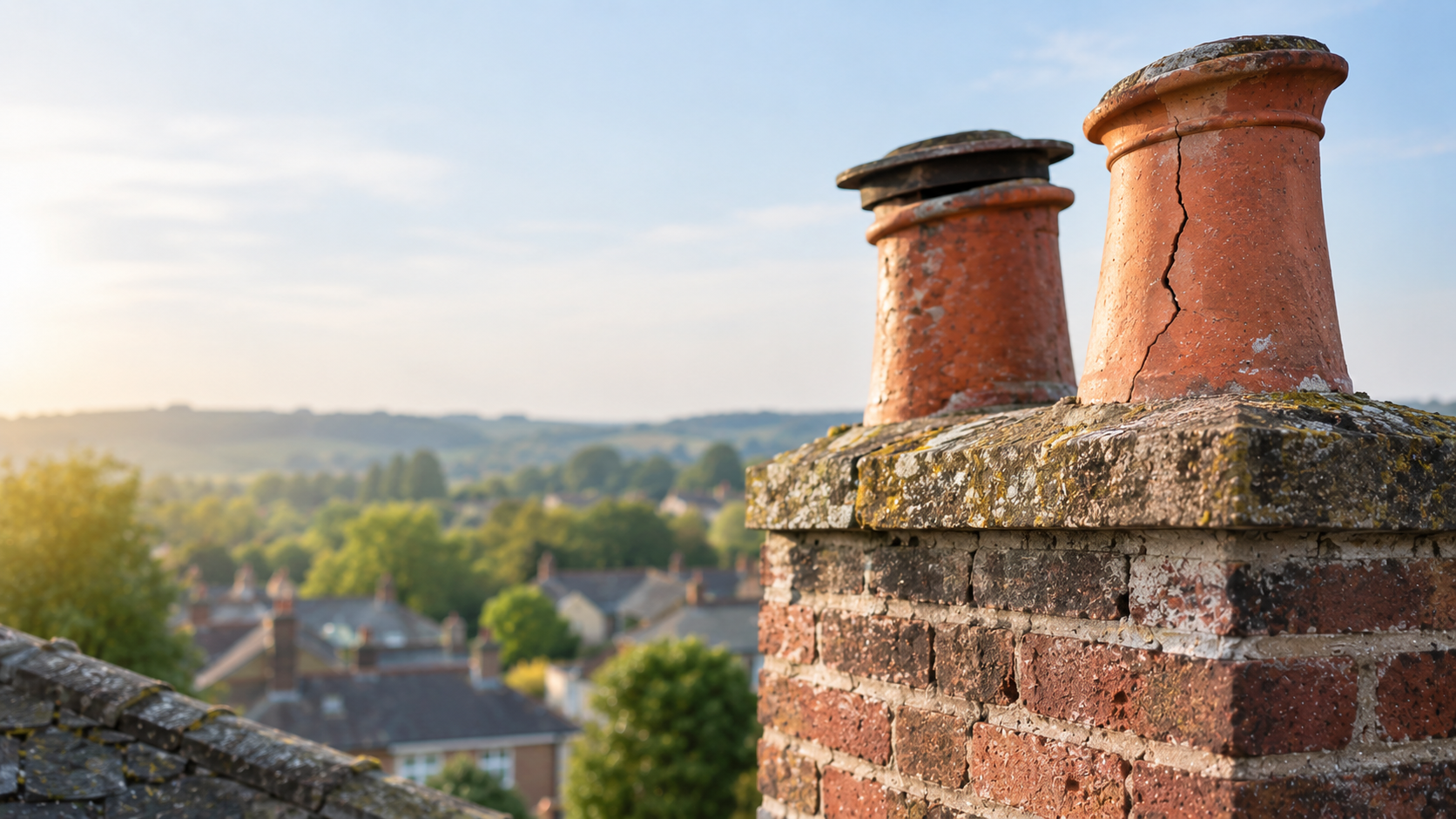
Birds Around the Chimney Pot
Birds entering and leaving the chimney may be building a nest. Jackdaws commonly build large nests inside open chimneys, potentially creating a serious blockage.
Active bird nests should not be disturbed. A professional chimney sweep can assess the situation and advise when removal can legally and safely take place.
The Chimney Has Not Been Used Recently
A rarely used chimney can still become blocked by birds, leaves, cobwebs and fallen debris.
Fire and rescue guidance recommends having a chimney swept before using it again after a prolonged period of inactivity.
What Does a Professional Chimney Sweep Include?
A professional sweeping appointment should involve much more than passing a basic brush through the chimney.
The exact process will depend on your appliance and chimney system, but the service will usually include the following steps.
Initial Chimney Assessment
The sweep may ask when the chimney was last cleaned, what fuel you burn and whether you have experienced smoke, smells or poor performance.
The accessible parts of the fireplace, stove and chimney should also be visually checked.
Protecting the Room
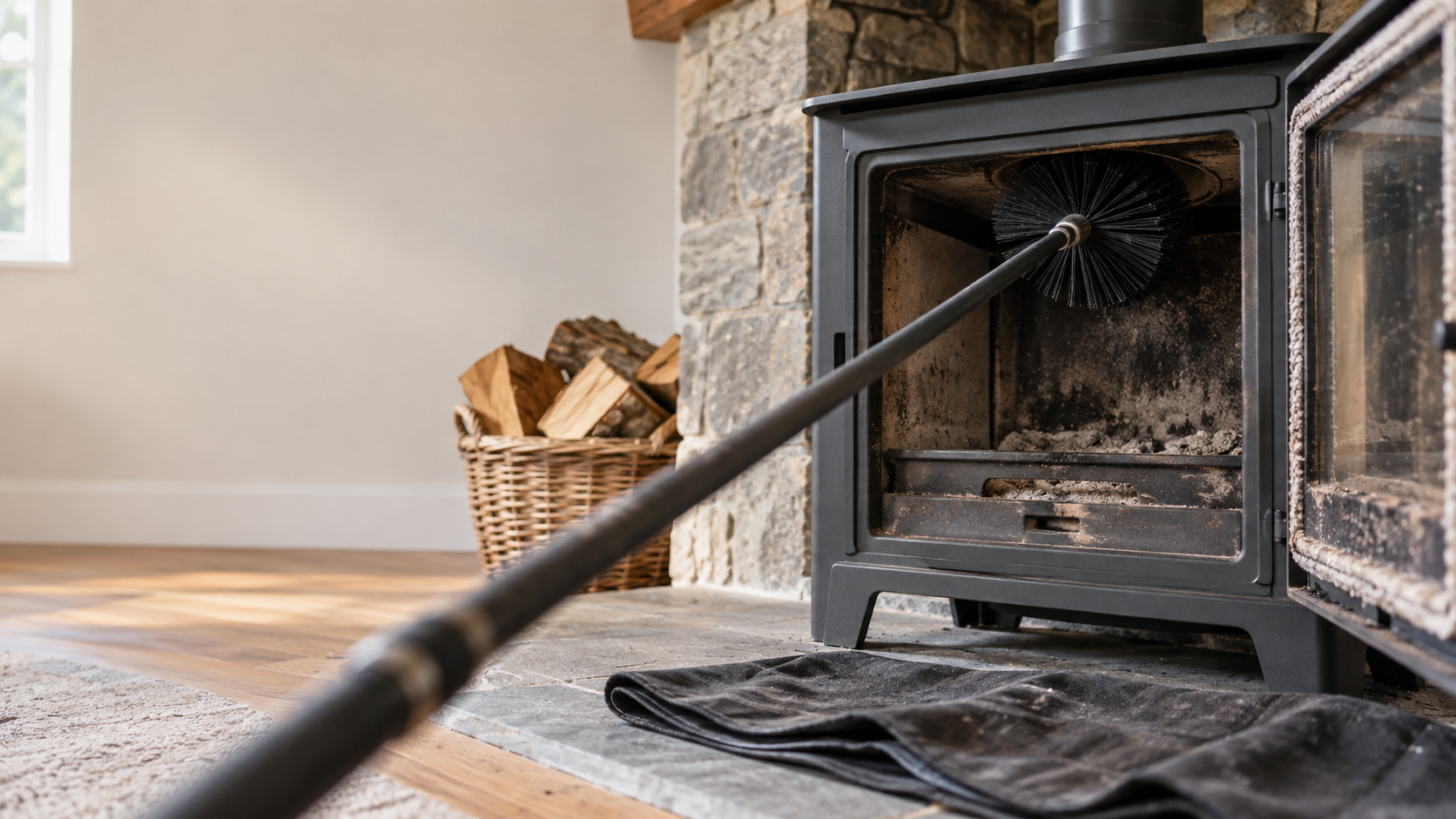
Professional floor coverings and fireplace seals should be used to protect your carpet, flooring and furniture.
Specialist vacuum equipment can help contain fine soot particles and keep the working area clean.
Sweeping the Flue
Suitable rods, brushes or rotary sweeping equipment are passed through the chimney to loosen deposits from the internal surfaces.
The equipment used should be appropriate for the chimney and flue liner to avoid unnecessary damage.
Removing Soot and Debris
Dislodged soot, ash and loose debris are collected from the fireplace and safely removed.
Midlands Sweeps’ chimney service is designed to remove soot, creosote, tar, bird nesting material, fallen debris and other blockages from chimneys and flue liners.
Checking Chimney Airflow
Where appropriate, a smoke or draught test may be carried out to check whether smoke travels correctly through the chimney.
Reporting Visible Problems
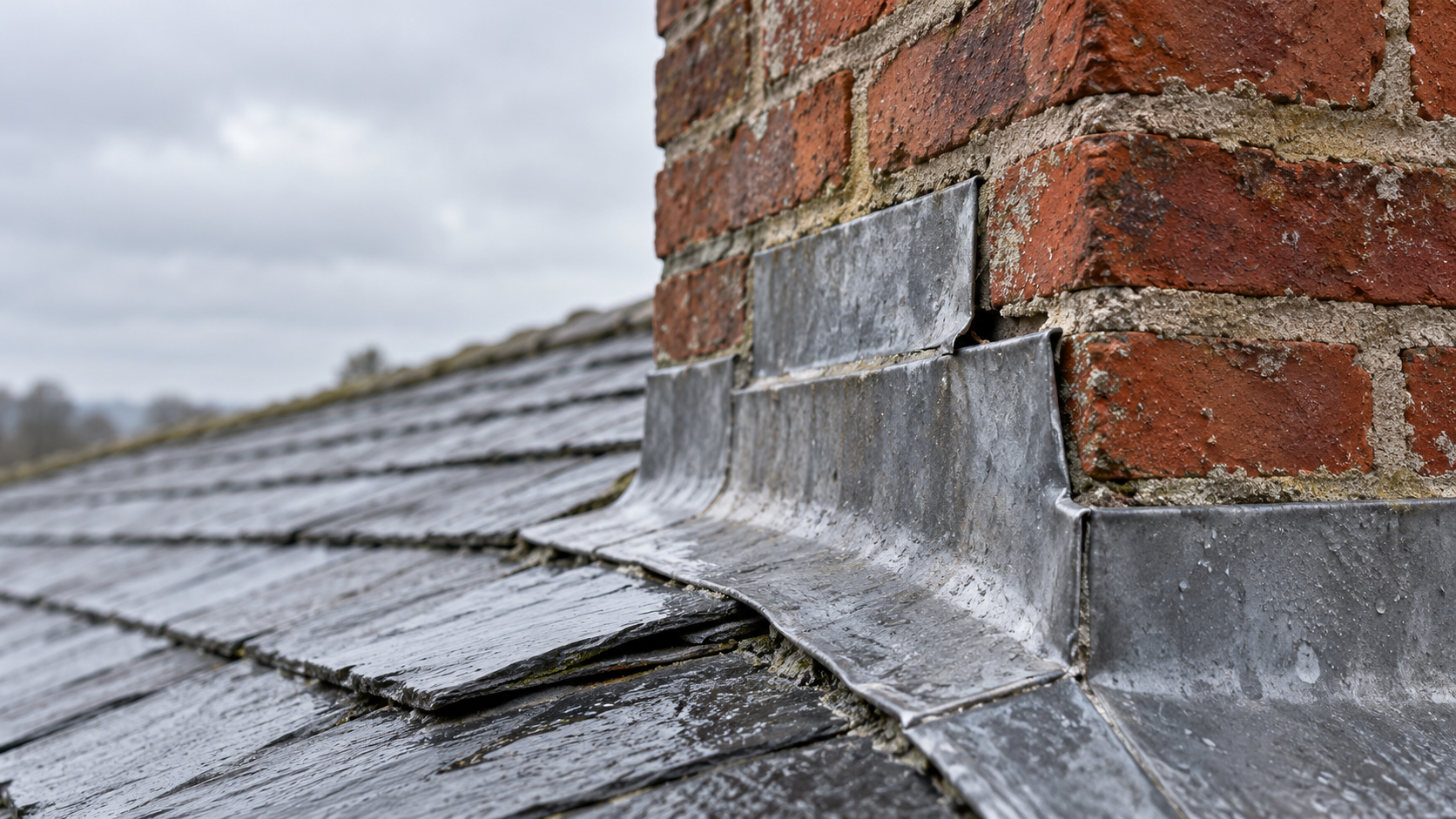
The sweep should inform you about any visible defects or concerns, such as damaged components, heavy tar deposits, fallen lining material or signs of water entry.
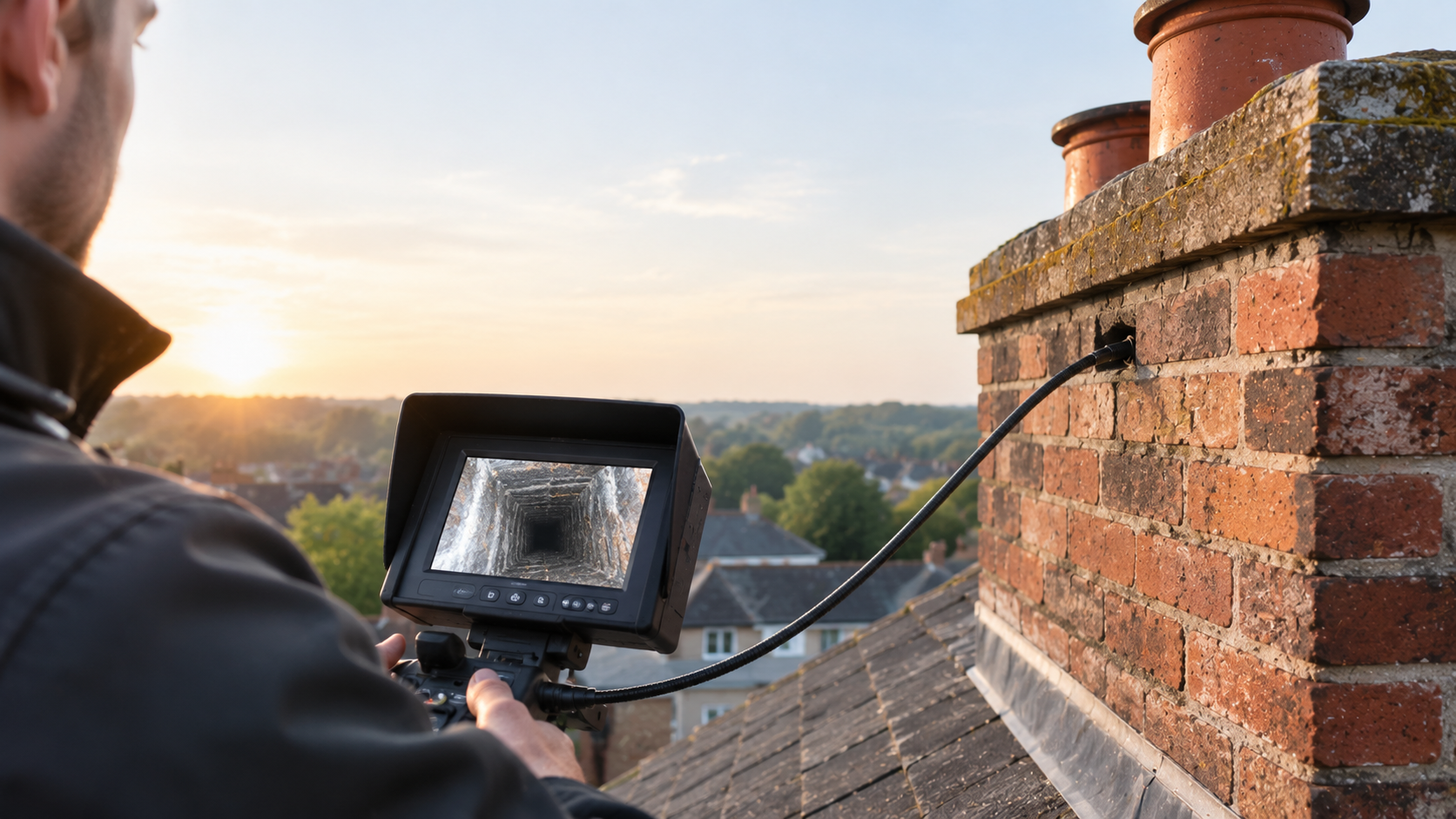
A standard sweep is not the same as a full CCTV or structural inspection. Further investigation may be recommended where hidden damage is suspected.
Providing a Sweeping Certificate
A professional sweep should provide a chimney sweeping certificate or service record after completing the work.
NACS advises customers to request a Certificate of Chimney Sweeping as a record for maintenance, fire safety and possible insurance requirements.
How Often Should You Have Your Chimney Swept?
The appropriate sweeping schedule depends on your appliance, fuel and frequency of use.
General recommendations include:
- Wood: Quarterly when regularly in use
- Bituminous coal: At least twice a year
- Smokeless fuel: At least once a year
- Oil: Once a year
- Gas: Once a year where the chimney is designed to be swept
Your sweep may recommend a different schedule based on the condition of your chimney and how you operate your appliance. NACS provides fuel-specific guidance and recommends that homeowners discuss their individual sweeping frequency with a qualified professional.
How to Choose the Best Chimney Sweep Near You
Not every person advertising chimney cleaning offers the same standard of training, equipment or protection.
Before booking, check the following details.
Professional Registration
Look for membership of a recognised chimney sweeping organisation.
Midlands Sweeps is listed on its website as a registered member of the National Association of Chimney Sweeps.
Insurance
A professional chimney sweep should have suitable insurance to protect the customer and property.
NACS members must hold valid insurance and complete the organisation’s required training.
Suitable Equipment
The sweep should carry appropriate rods, brushes, fireplace seals, protective sheets and specialist vacuum equipment.
Different chimneys and flue liners may require different cleaning methods.
Clear Pricing
Ask whether the quoted price includes:
- Complete chimney sweeping
- Protective floor coverings
- Removal of soot and loose debris
- Basic visual checks
- Smoke or draught testing
- A chimney sweeping certificate
- Disposal of collected soot
You should also ask whether difficult blockages, bird nest removal or additional inspections carry a separate charge.
Customer Reviews
Recent reviews can provide useful information about punctuality, cleanliness, professionalism and communication.
Look for comments from customers with fireplaces or appliances similar to yours.
Knowledge of Your Appliance
Tell the company whether you have an open fire, wood burner, multi-fuel stove or lined chimney.
The sweep should have suitable experience with your type of system.
Questions to Ask Before Booking
When contacting a chimney sweep near you, consider asking:
- Are you professionally trained and insured?
- Are you registered with a recognised chimney sweeping association?
- Do you sweep my type of fireplace or stove?
- Is a sweeping certificate included?
- Will you use protective sheets and specialist vacuum equipment?
- Is smoke testing included where appropriate?
- Do you remove bird nests or difficult blockages?
- Do you offer CCTV or drone chimney inspections?
- Which areas do you cover?
- What is included in the quoted price?
Clear answers can help you choose a reliable local company and avoid unexpected charges.
What Should You Do Before the Chimney Sweep Arrives?
A few simple preparations can make the appointment easier.
Before your sweep arrives:
- Stop using the fireplace and allow it to cool completely.
- Remove ornaments from the mantelpiece.
- Clear logs, fuel and accessories from the hearth.
- Create a clear route to the fireplace.
- Move delicate items away from the working area.
- Keep pets and children away during the appointment.
- Tell the sweep about smoke, smells or previous chimney problems.
- Make sure parking is available where possible.
You should not need to cover the entire room. A professional sweep should bring suitable protective equipment.
Can You Sweep a Chimney Yourself?
Homeowners may be able to remove loose ash from a fireplace, but cleaning the visible area is not the same as sweeping the complete chimney.
A domestic vacuum should not be used to collect chimney soot. Fine soot can damage the vacuum and escape back into the room.
Professional sweeps use specialist equipment designed to reach the full length of the chimney and contain fine particles safely. UK fire safety guidance recommends leaving chimney cleaning to a properly equipped professional.
Attempting to sweep the chimney yourself may also mean that hidden blockages, tar deposits or damaged components are overlooked.
Additional Chimney Services You May Need
During a sweep, the professional may identify a problem that requires further investigation or specialist work.
Midlands Sweeps also provides services including:
- Bird nest removal
- Log burner installation
- Flue liner installation
- CCTV chimney inspections
- Drone and roof inspections
- Chimney and flue assessments
These services can help when a standard sweep reveals a difficult blockage, suspected liner damage, water entry or an issue with the external chimney stack.
Chimney Sweep Near Me in Swadlincote and Surrounding Areas
Midlands Sweeps is based in Swadlincote and serves homes across the surrounding Midlands area.
Service areas include:
- Swadlincote
- Newhall
- Derby
- Burton upon Trent
- Ashby-de-la-Zouch
- Melbourne
- Hilton
- Etwall
- Repton
- Willington
- Hatton
- Nearby surrounding areas
If your location is not listed, contact the team with your postcode to check availability.
Why Choose Midlands Sweeps?
Midlands Sweeps provides professional chimney and flue care for homeowners throughout Swadlincote and the surrounding areas.
Customers choose Midlands Sweeps for:
- Professional chimney and flue liner sweeping
- Fully insured service
- NACS membership
- Veteran-owned operation
- Careful protection of the home
- Friendly and reliable communication
- Experience with open fires, stoves and flue liners
- Additional CCTV and drone inspection options
- Bird nest removal services
- Log burner and flue liner installation
The company’s chimney sweeping service covers open fireplaces, wood-burning stoves, multi-fuel burners, flue liners and domestic heating appliances.
Frequently Asked Questions
How much does a chimney sweep near me cost?
The price depends on your chimney, appliance, location, accessibility and the amount of cleaning required. Bird nests, severe tar deposits and difficult blockages may cost more than a standard sweep.
Request a clear quote before confirming the appointment.
How long does chimney sweeping take?
A straightforward chimney sweep will often take approximately 45 minutes to an hour. It may take longer if the chimney is heavily blocked, difficult to access or requires additional testing.
Will chimney sweeping make my room dirty?
A professional chimney sweep should use floor coverings, fireplace seals and specialist vacuum equipment to contain soot.
When carried out properly, the service should create minimal mess.
Should I have my chimney swept before winter?
Yes. Booking before the colder months helps ensure the chimney is clear before fireplace and stove use increases.
Fire services recommend cleaning chimneys before winter and after extended periods when they have not been used.
Do unused chimneys need sweeping?
An unused chimney may still become blocked by birds, leaves, fallen masonry or other debris.
Arrange an inspection before using a chimney that has been inactive for a long time.
Can a chimney sweep remove a bird nest?
Some professional sweeps provide bird nest removal as a separate service. Active nests containing birds or eggs must not be disturbed.
Will I receive a certificate?
A professional NACS chimney sweep should issue a Certificate of Chimney Sweeping or an appropriate warning notice when a dangerous defect is identified.
Can a sweep inspect the inside of my chimney?
A standard appointment includes basic checks, but a detailed internal inspection may require specialist CCTV equipment.
Midlands Sweeps offers CCTV and drone inspection services for chimneys, roofs, stacks and chimney pots.
Book a Chimney Sweep Near You
When searching for a chimney sweep near me, choose a professional who is trained, insured, properly equipped and experienced with your type of fireplace or stove.
Regular chimney sweeping helps remove soot, creosote, tar and debris while supporting safer airflow and more efficient appliance performance.
Midlands Sweeps provides professional chimney sweeping throughout Swadlincote, Newhall, Derby, Burton upon Trent, Ashby-de-la-Zouch and surrounding Midlands locations.
To arrange an appointment, contact Midlands Sweeps on 07824 830604 or submit your postcode and service request through the website.