

A chimney is constantly exposed to changing weather conditions. Rain, wind, frost, and heat can gradually affect its structure, even when the fireplace is not used regularly. Understanding these effects can help homeowners recognize early warning signs and arrange suitable maintenance before minor issues become more serious.
Rain and Water Damage
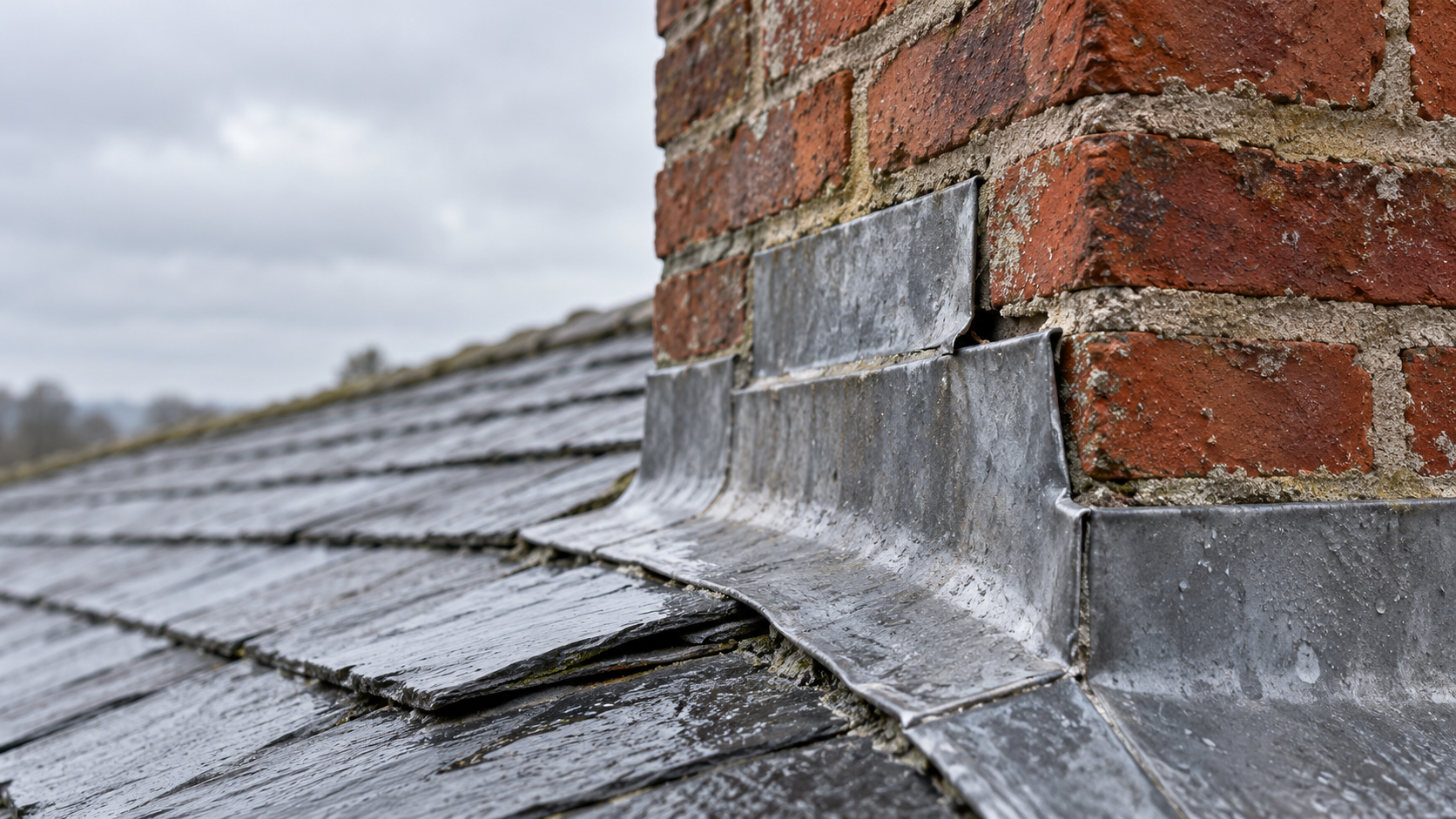
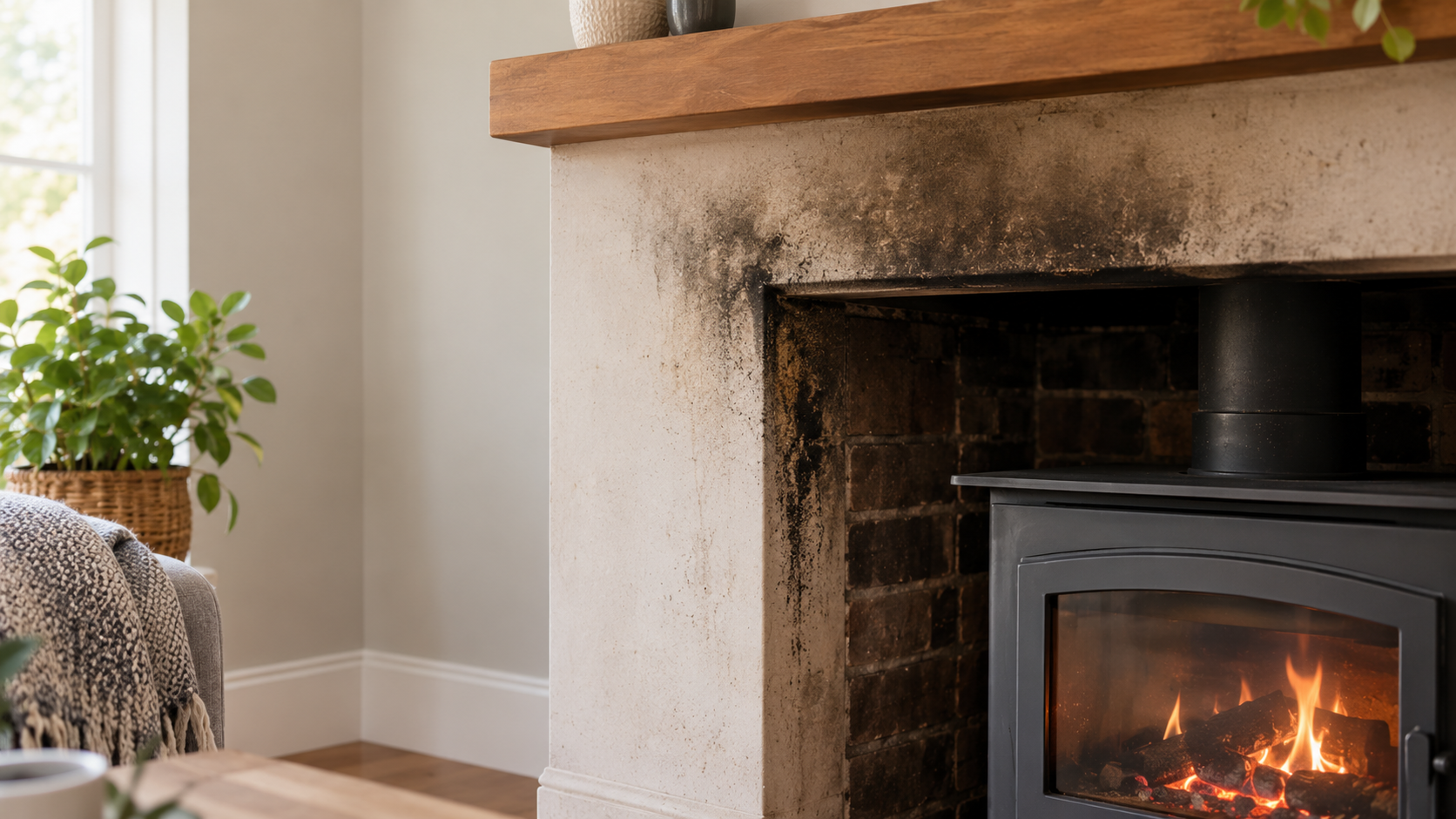
Rainwater can enter a chimney through an uncovered or damaged chimney pot. It may also find its way through cracked mortar, worn flashing, or porous brickwork. Over time, this moisture can cause damp patches, unpleasant smells, and staining around the fireplace.
Water may also damage the internal surface of a flue. If the chimney has an existing liner, prolonged exposure to moisture and corrosive deposits can affect its condition. A professional assessment can determine whether repairs or flue liner installation should be considered.
Frost and Crumbling Masonry
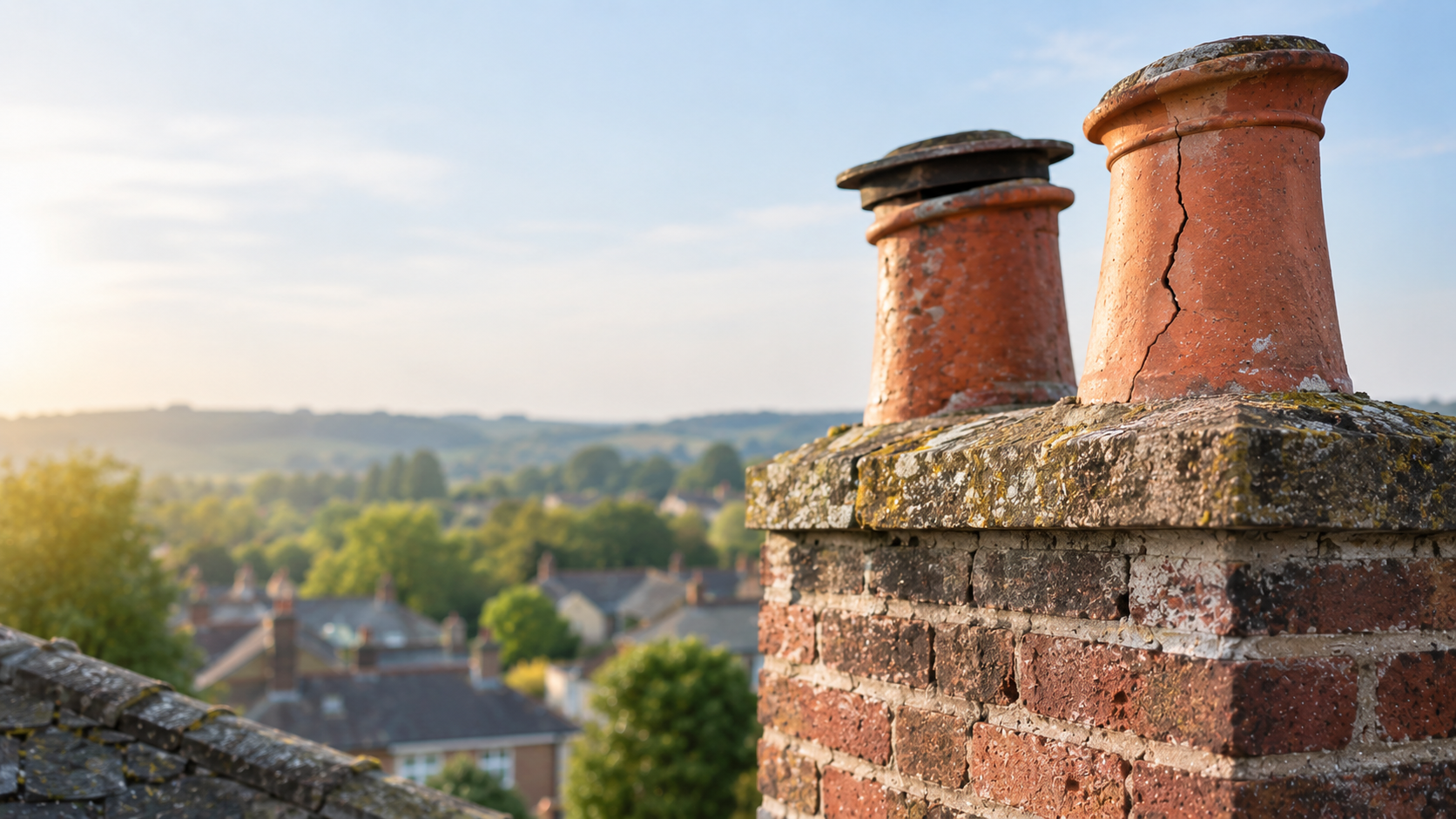
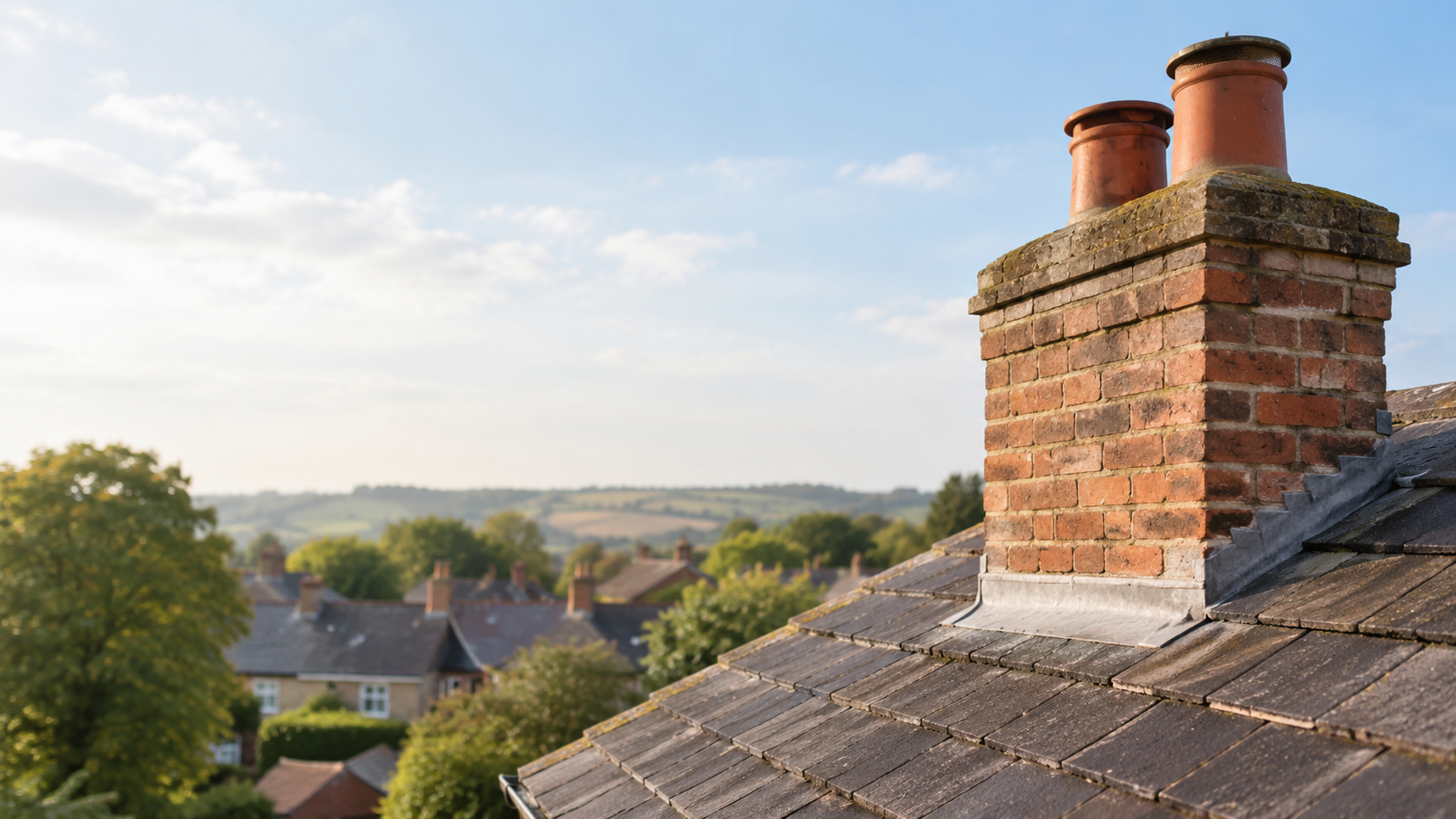
Cold weather creates another challenge. Bricks and mortar can absorb moisture during wet conditions. When temperatures fall, the trapped water freezes and expands. Repeated freezing and thawing may cause brick faces to crack, mortar joints to weaken, or sections of masonry to loosen.
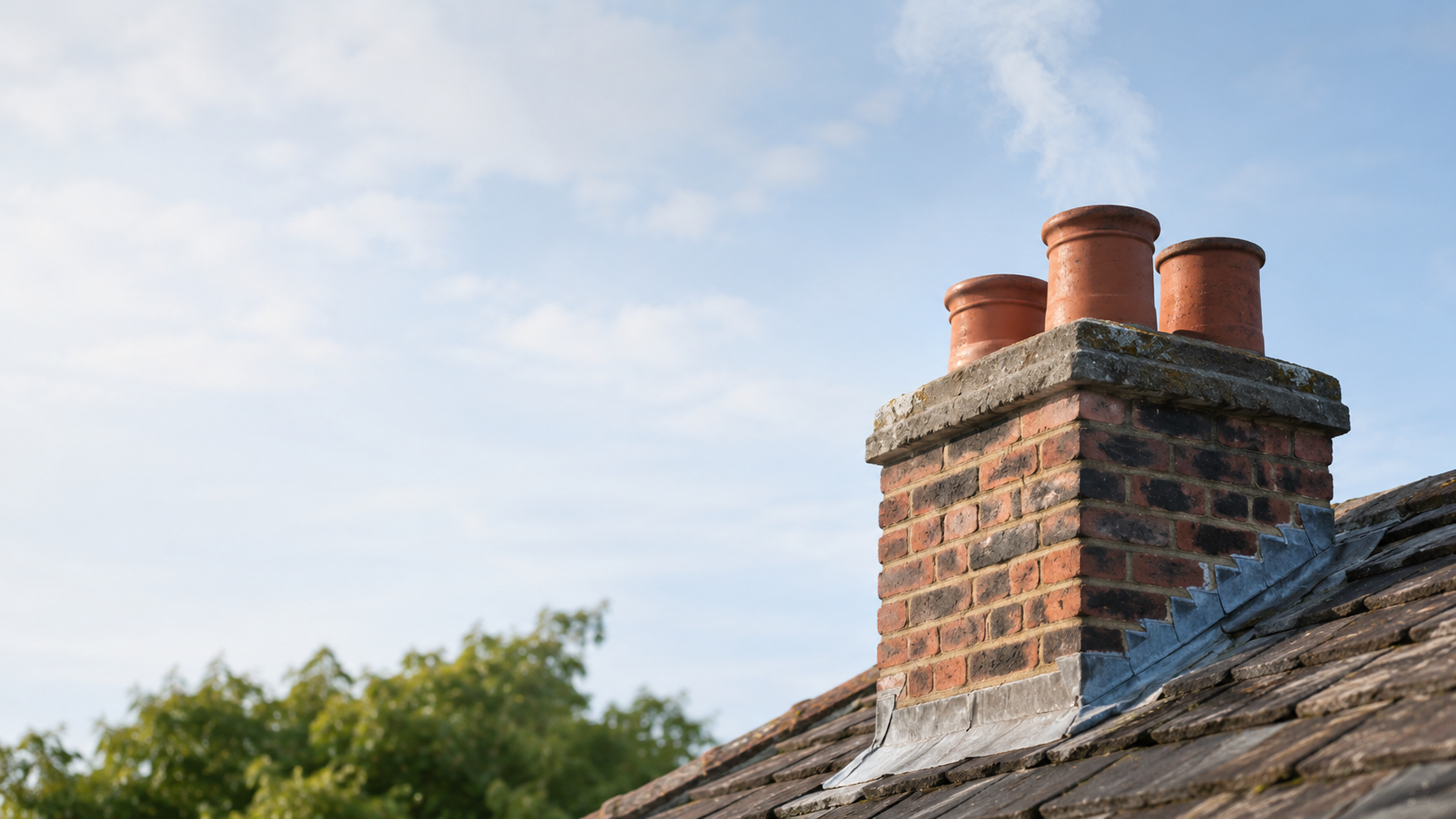
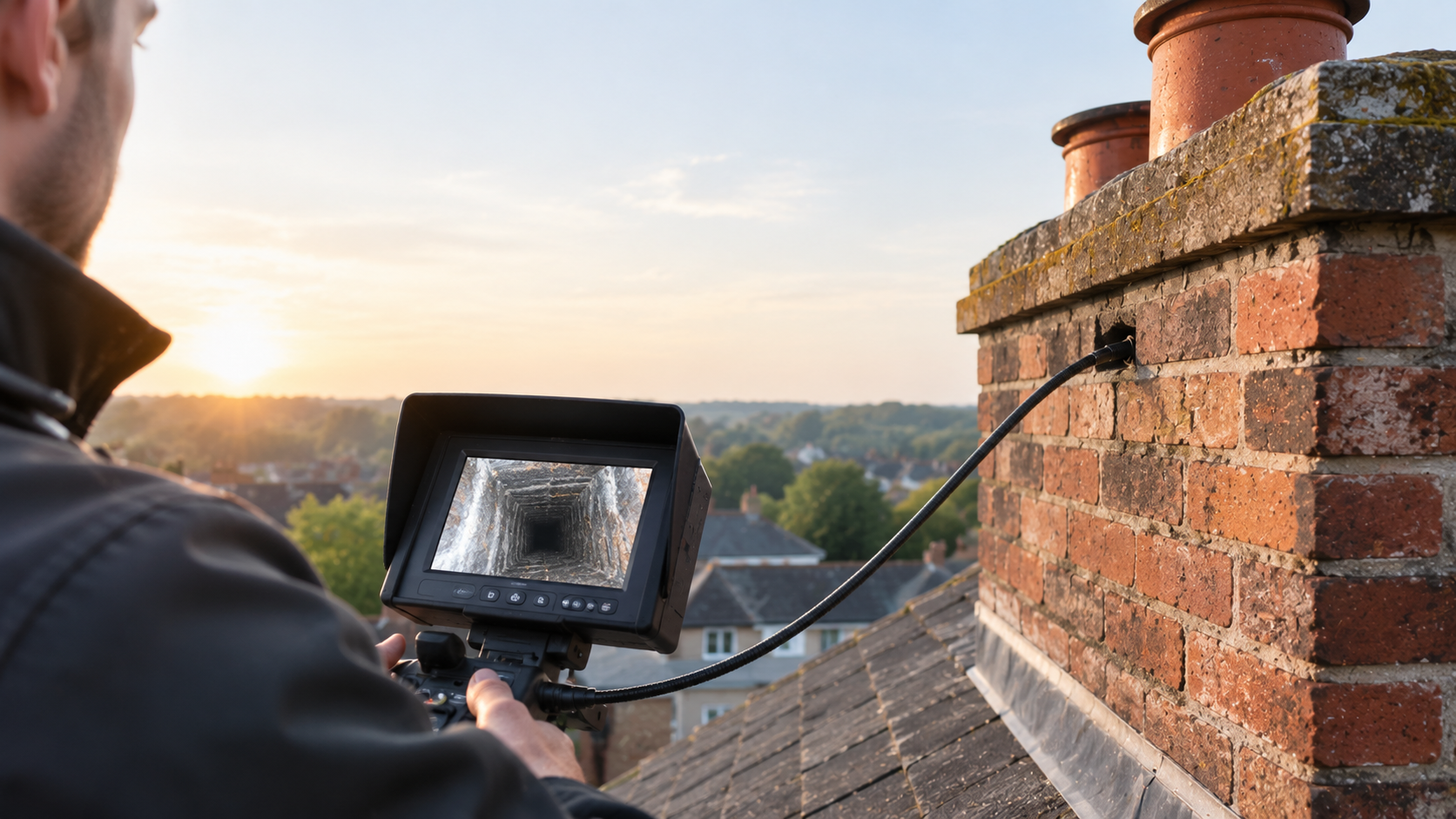
Small cracks are not always easy to see from ground level. A drone inspection and roof inspection can provide clear images of the chimney stack, pots, pointing, and surrounding roof area. If closer examination is needed, safe access may still be required.
Wind and Chimney Draught
Wind influences how smoke and combustion gases travel through a chimney. In some properties, certain wind directions may create a downdraught, pushing smoke back towards the room. Nearby trees, roof shapes, and surrounding buildings can also affect airflow.
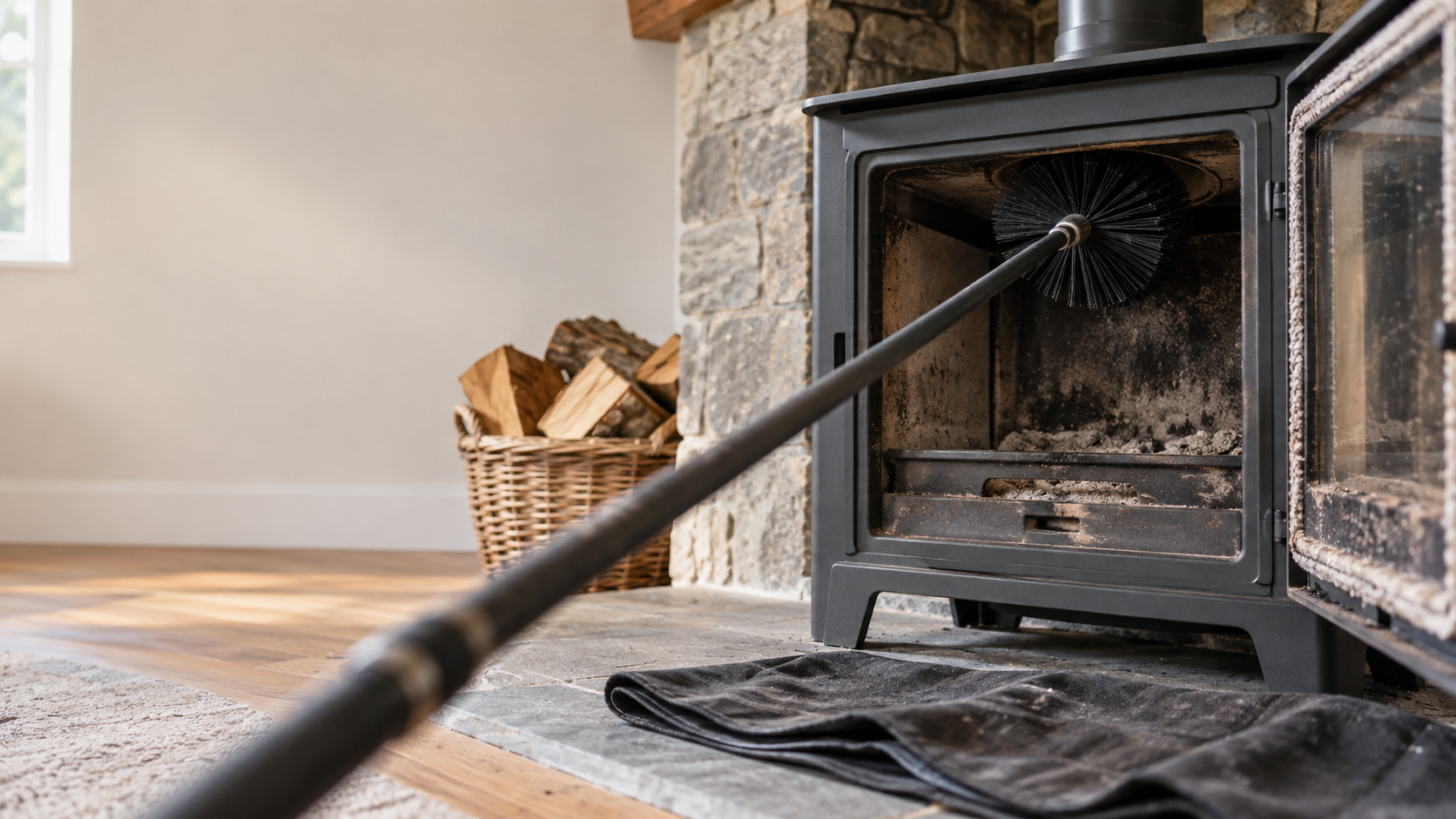
Persistent smoke problems should not be ignored. A chimney sweep can check for soot, debris, and other restrictions. If the cause is not visible, a CCTV and drone inspection may help examine both the internal flue and exterior chimney.
Hot Weather and Unused Chimneys
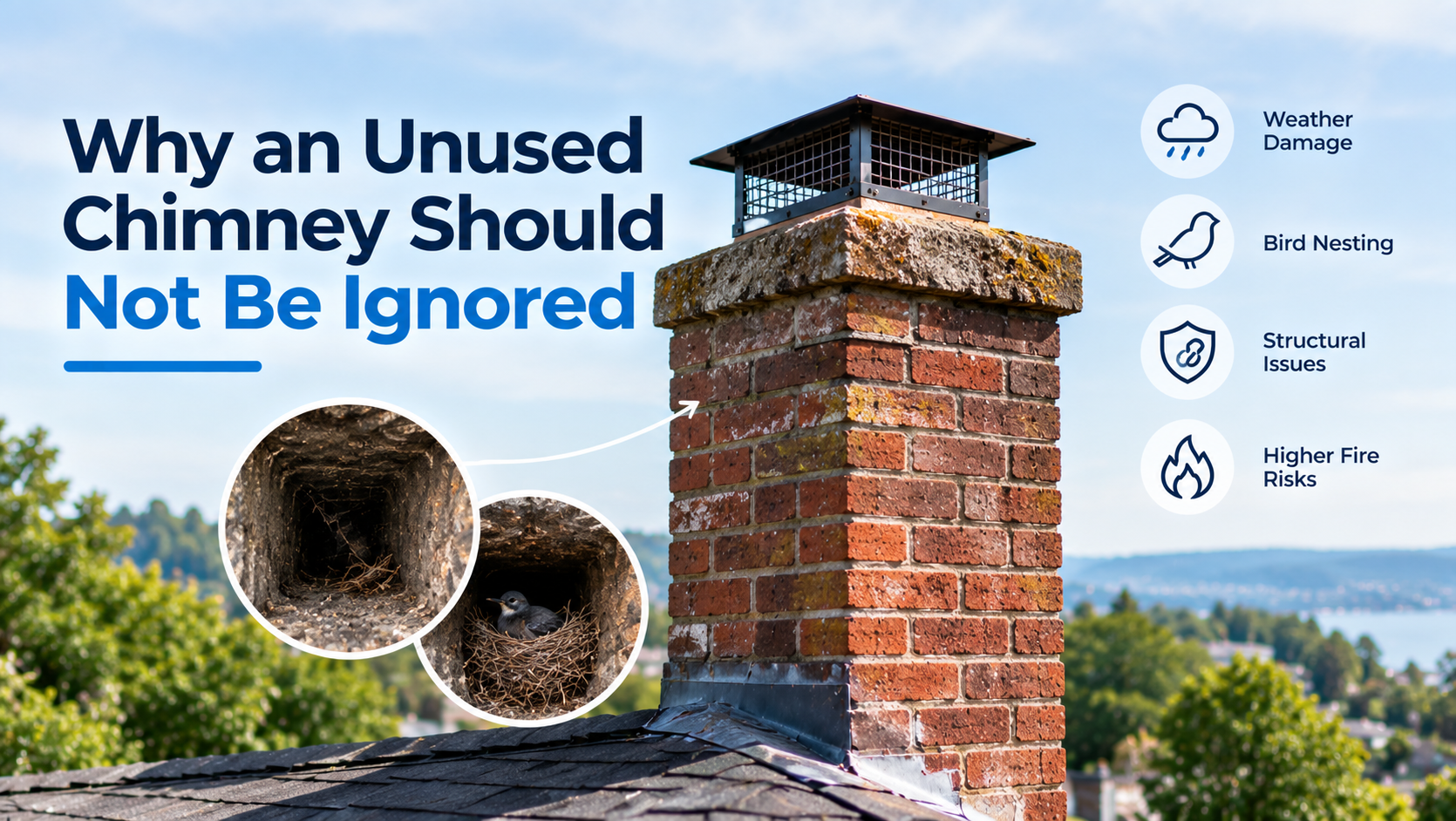
Chimney problems are not limited to winter. During spring and summer, birds may look for sheltered places to build nests. A nest can partially or completely block a flue, preventing gases from escaping when the fireplace is used again.
Bird nest removal must be handled carefully because active nests, eggs, and wild birds may be legally protected. The chimney should be checked before any removal work begins. Once the flue is clear and no protected nesting activity remains, a suitable chimney cowl may help reduce the chance of birds returning.
Preparing Before the Burning Season
Late summer or early autumn is often a practical time to inspect a chimney and prepare it for colder weather. Arranging maintenance early allows time to deal with soot, blockages, damaged masonry, or worn components before the heating season begins.
Homeowners considering a log burner installation should also have the existing chimney assessed. The appliance, ventilation, hearth, and flue must work together safely. Weather-related damage may need attention before the stove is fitted.
Services associated with Midlands Sweeps may include sweeping, inspections, and investigations into common chimney problems. However, maintenance needs will depend on the property, fuel type, appliance, and frequency of use.
Signs That Weather May Have Affected a Chimney
Possible warning signs include damp smells, water in the fireplace, loose debris, cracked chimney pots, and staining on walls or ceilings. Smoke entering the room, unusual noises, and poor appliance performance can also suggest that further investigation is needed.
External damage may not always produce immediate indoor symptoms. Periodic checks are therefore useful, particularly after storms, heavy rainfall, or freezing weather.
Conclusion
Weather can affect every part of a chimney, from the exposed stack to the internal flue. Rain may introduce moisture, frost can damage masonry, wind can disrupt airflow, and warmer months may encourage birds to nest. Regular observation, professional sweeping, and appropriate inspection methods can help homeowners identify these issues early and keep their fireplace or stove operating safely.
Frequently Asked Questions
Can rain enter an open chimney?
Yes. Rain can enter through an open pot or through damaged masonry and flashing. A suitable cowl may help, but it must not restrict ventilation.
Should a chimney be checked after a storm?
An inspection may be sensible if there are fallen branches, visible damage, leaks, or loose materials around the fireplace.
Can a chimney be swept during summer?
Yes. Summer can be a convenient time for sweeping because problems can be addressed before regular winter use begins.