A fireplace can add character to a home, but the chimney above it may bring maintenance responsibilities that are easy to overlook during a property viewing. A chimney can appear sound from the room while hiding internal blockages, moisture damage, or deteriorated masonry.
Before purchasing a property with an open fire or stove, it is useful to understand which parts of the chimney may need closer attention.
Look for Signs Around the Fireplace
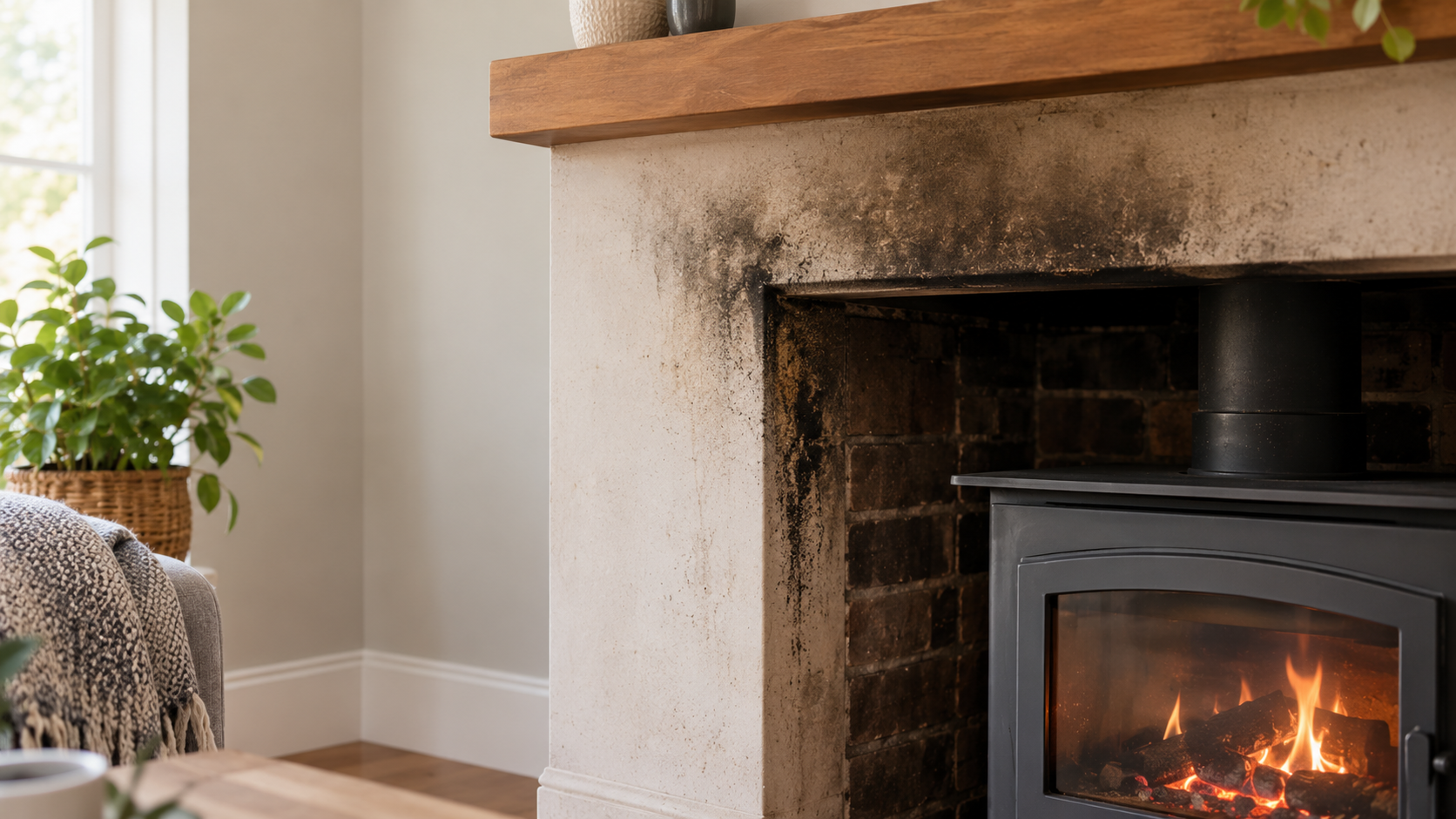
Begin by checking the walls and ceiling near the chimney breast. Yellow or brown staining, peeling wallpaper, and damaged plaster may indicate moisture. A strong smoky or musty smell can suggest old soot, poor ventilation, or water entering the flue.
Loose debris inside the fireplace may come from deteriorated mortar, a damaged liner, or material entering through the chimney pot. These signs do not always mean major repairs are required, but they should not be ignored.
Ask When the Chimney Was Last Swept
The seller may know when the chimney was last used, swept, or inspected. If records are unavailable, it is safer to treat its condition as unknown.
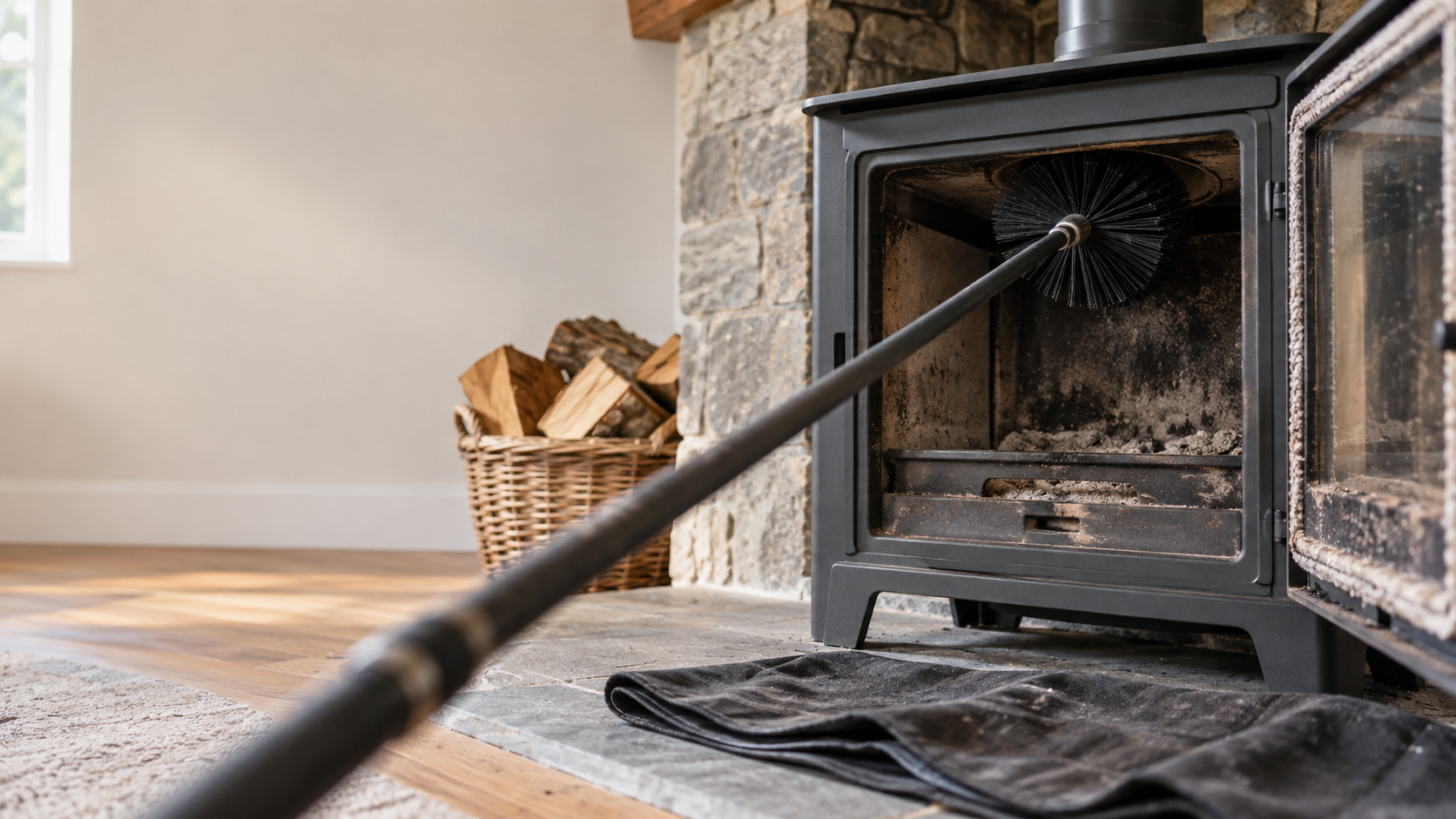
A professional chimney sweep can remove soot and loose deposits while checking for visible obstructions. However, sweeping alone cannot confirm the condition of every hidden part of the chimney. Further investigation may be required if there are signs of structural damage or an unsuitable liner.
Check for Birds and Other Blockages
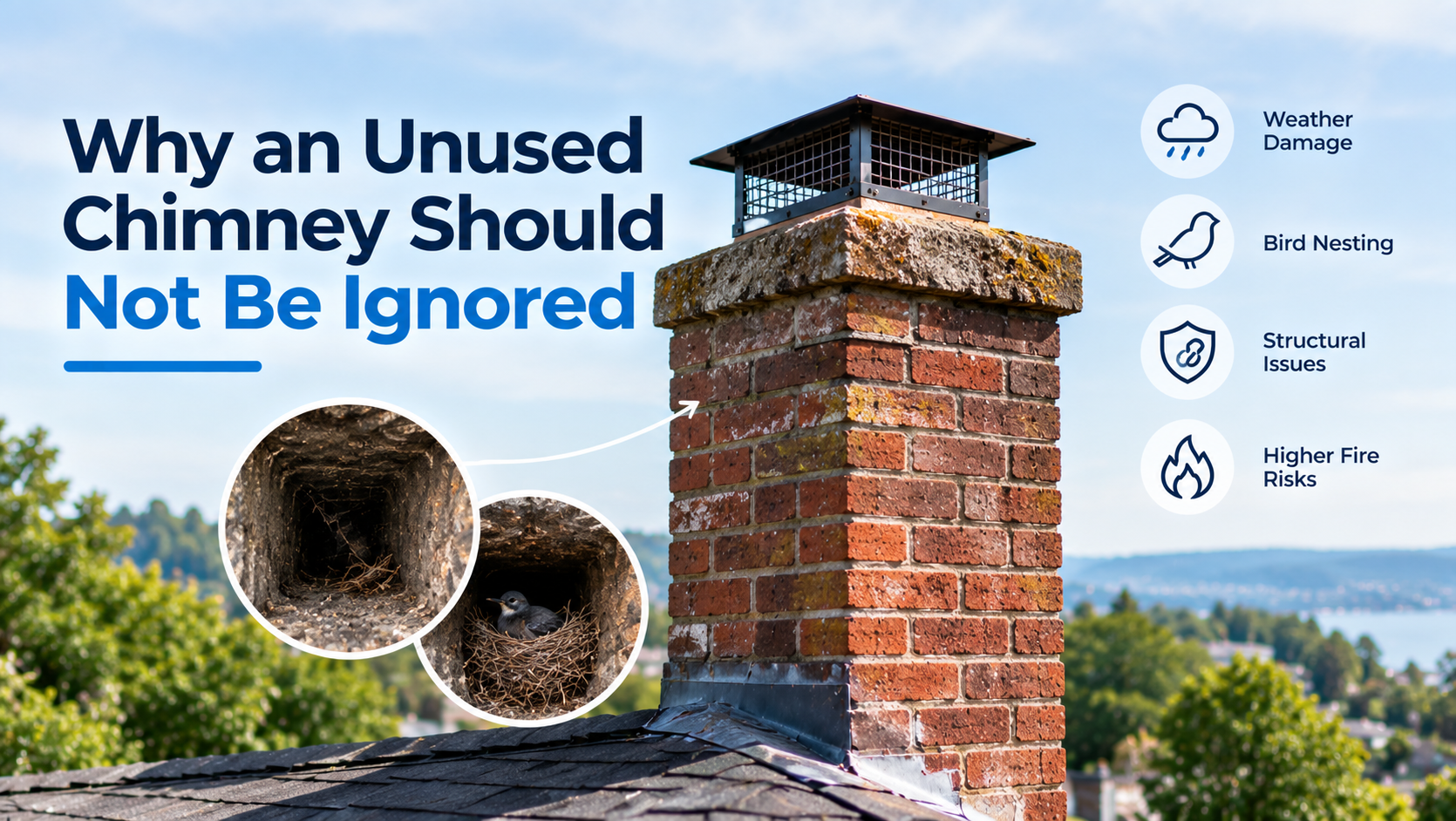
Birds may build nests inside open chimney pots, especially when a fireplace has not been used for some time. Twigs, feathers, and leaves can restrict the flue and prevent smoke from escaping safely.
Professional bird nest removal must follow wildlife rules because active nests, eggs, and birds may be legally protected. A chimney should not be used until any suspected obstruction has been assessed and safely cleared.
Examine the Chimney Stack and Roof
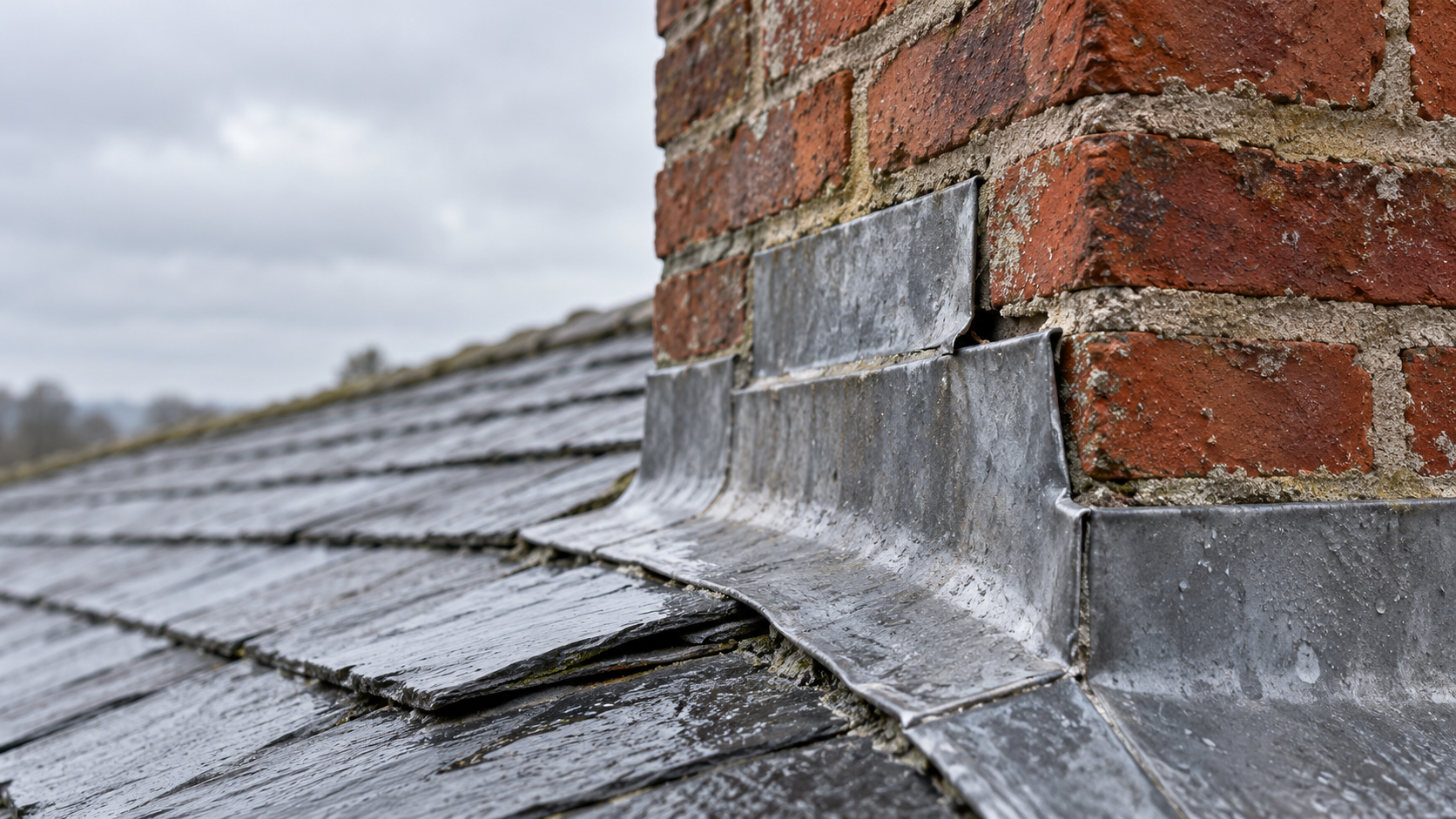
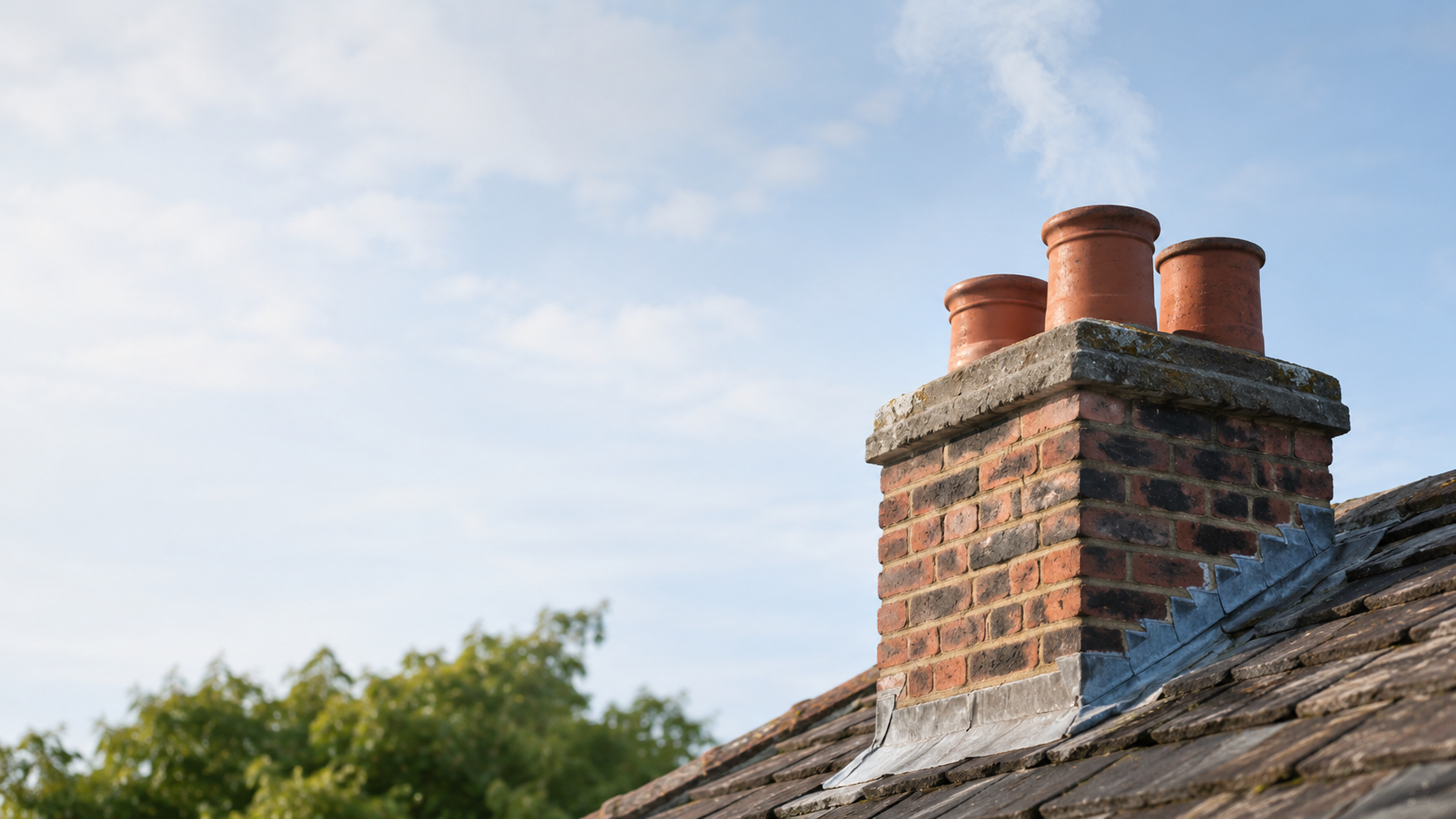
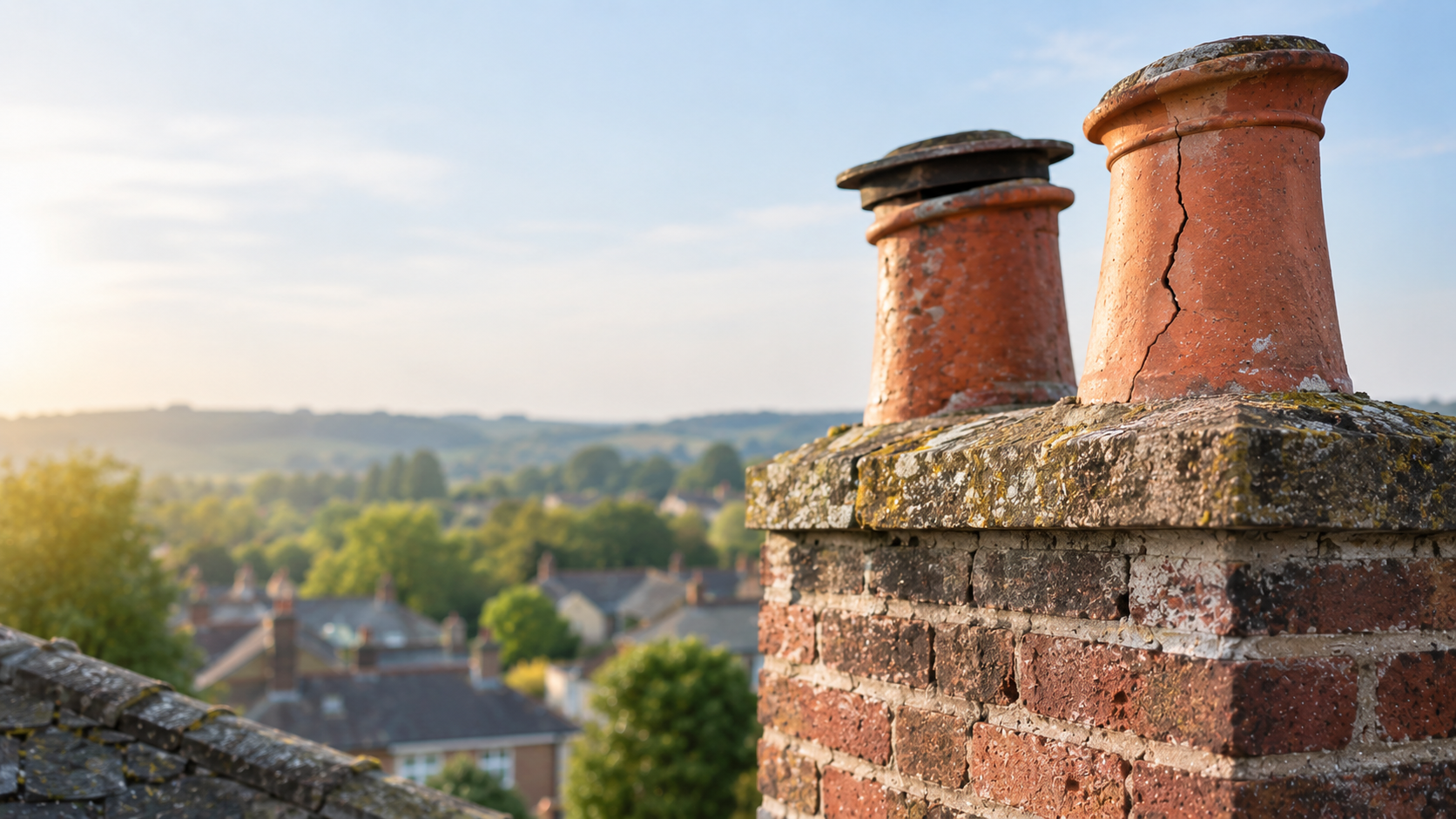
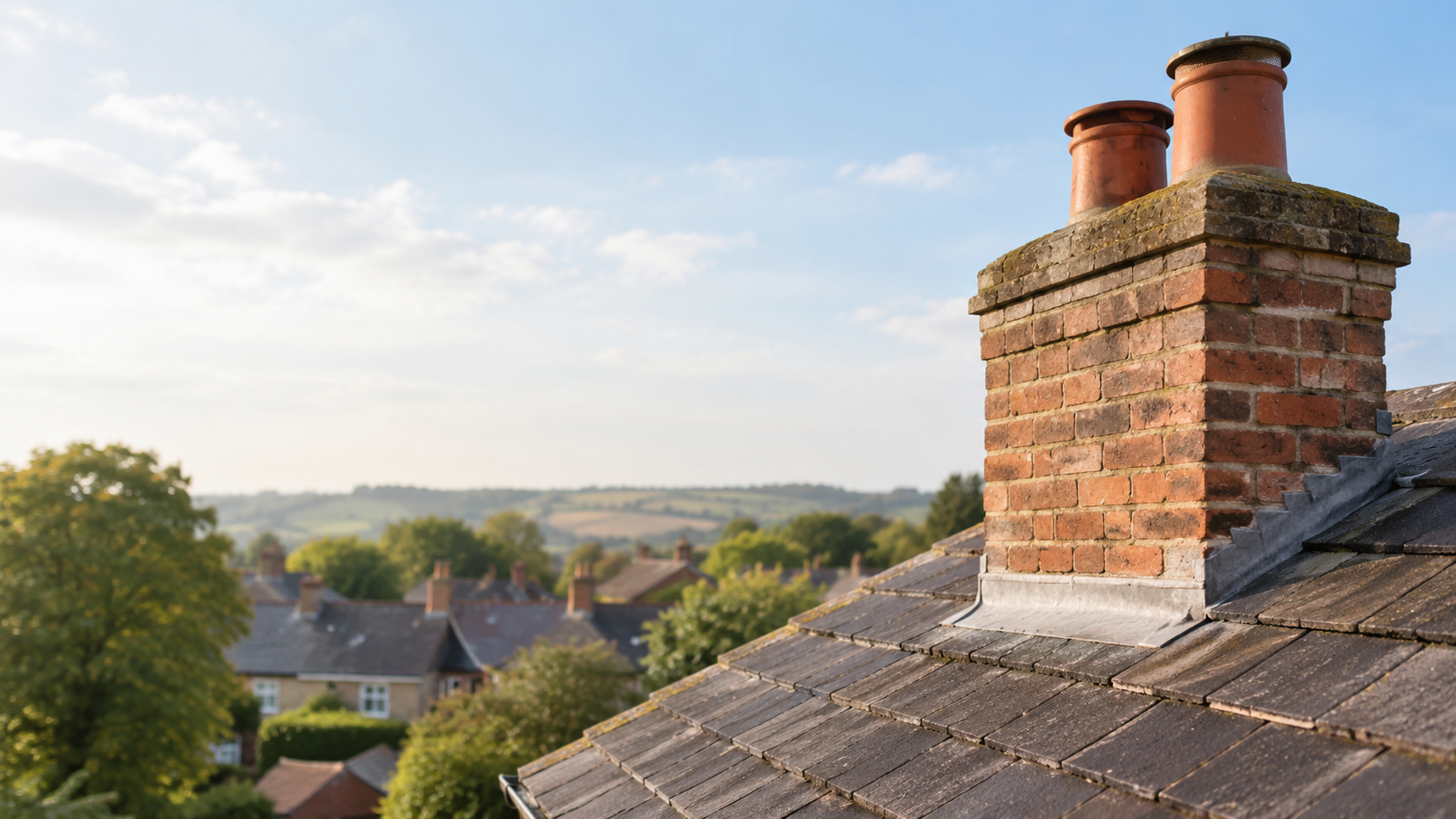
From ground level, look for leaning pots, missing mortar, vegetation, and visible cracks. Also check whether the flashing around the stack appears loose or damaged.
A drone inspection and roof inspection can provide clearer images of areas that are difficult to see during an ordinary property viewing. Drone footage may identify damaged pointing or chimney pots, while a closer roof inspection can help establish whether repairs are necessary.
Investigate the Inside of the Flue
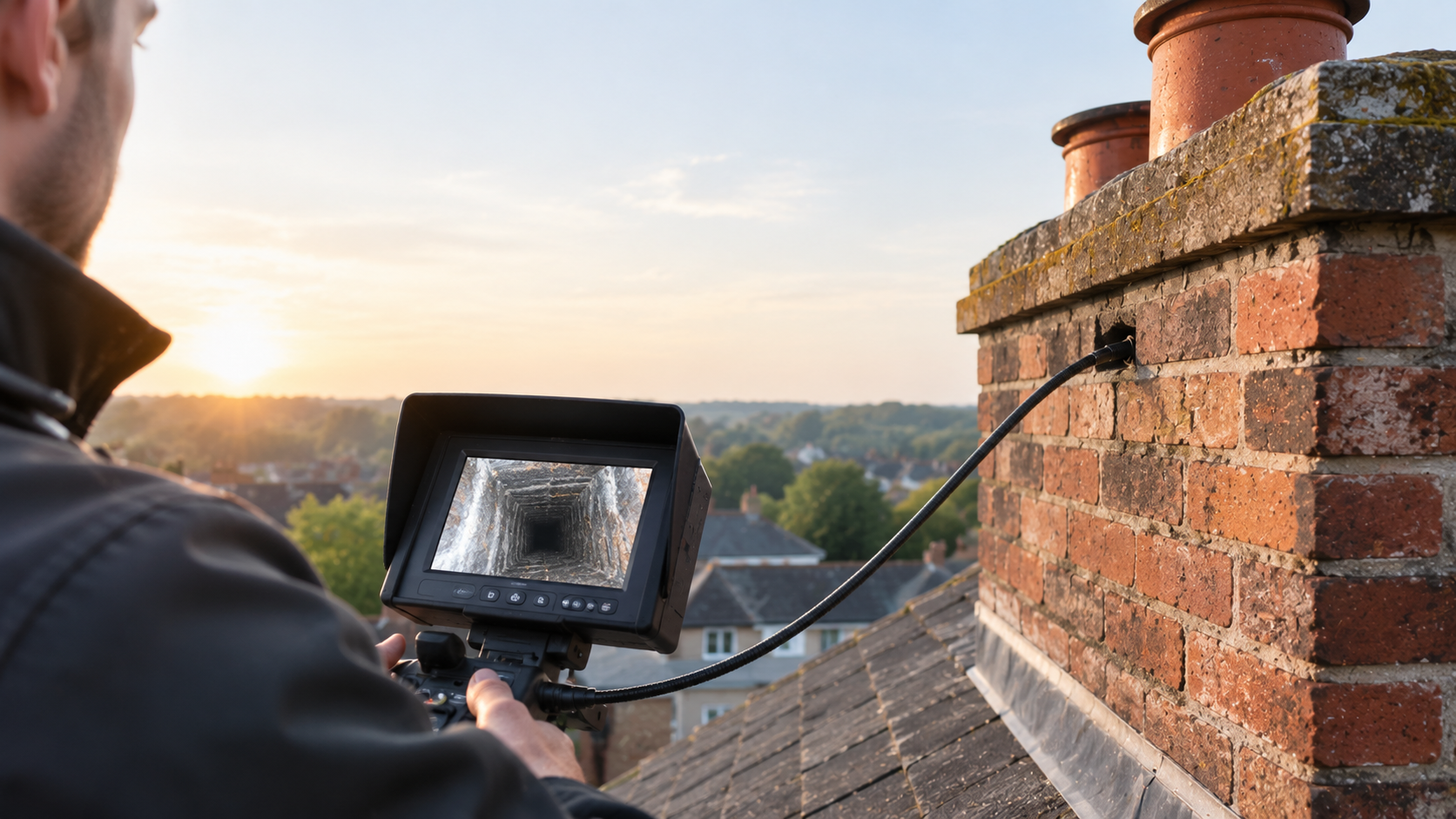
An internal camera inspection can reveal damage that is not visible from the fireplace opening. A CCTV and drone inspection offers information about both the flue and the external chimney stack.
If the existing liner is cracked, incorrectly sized, or unsuitable for the intended appliance, flue liner installation may need to be considered. The appropriate liner depends on the fuel, appliance, chimney dimensions, and overall condition of the system.
Consider Plans for a Log Burner
A fireplace opening does not automatically mean that a stove can be installed without additional work. A log burner installation requires consideration of the chimney, flue, hearth, ventilation, and appliance output.
The room may need a permanent air vent, and older building alterations may affect the available space. Obtaining an assessment before installation can give the new owner a clearer understanding of the work involved.
Midlands Sweeps provides chimney sweeping and inspection services, but buyers should also consider findings from their property survey and any specialist assessments.
Conclusion
A chimney should be included in the checks made before buying a home. Asking about its history and examining both the internal and external structure can reveal maintenance needs early. This information helps buyers budget realistically and decide whether the fireplace can be used safely.
Frequently Asked Questions
Is a standard home survey enough to assess a chimney?
A survey may identify visible concerns, but a specialist inspection may be needed to examine the flue internally.
Can I use the fireplace immediately after moving in?
It is better to have an unknown chimney swept and inspected before lighting a fire.
Does every old chimney need a new liner?
No. The need for a liner depends on its condition, intended appliance, fuel, and chimney construction.