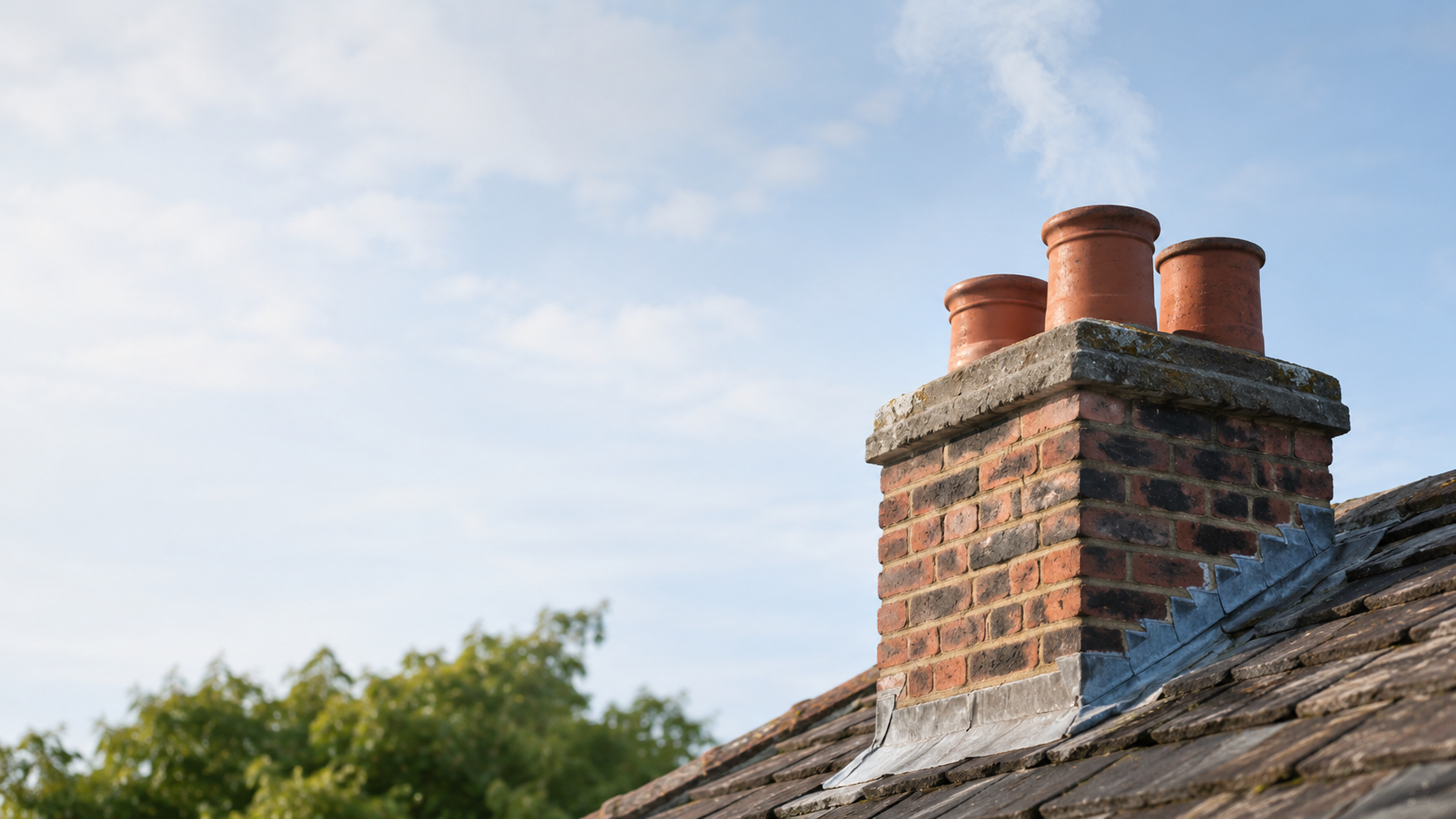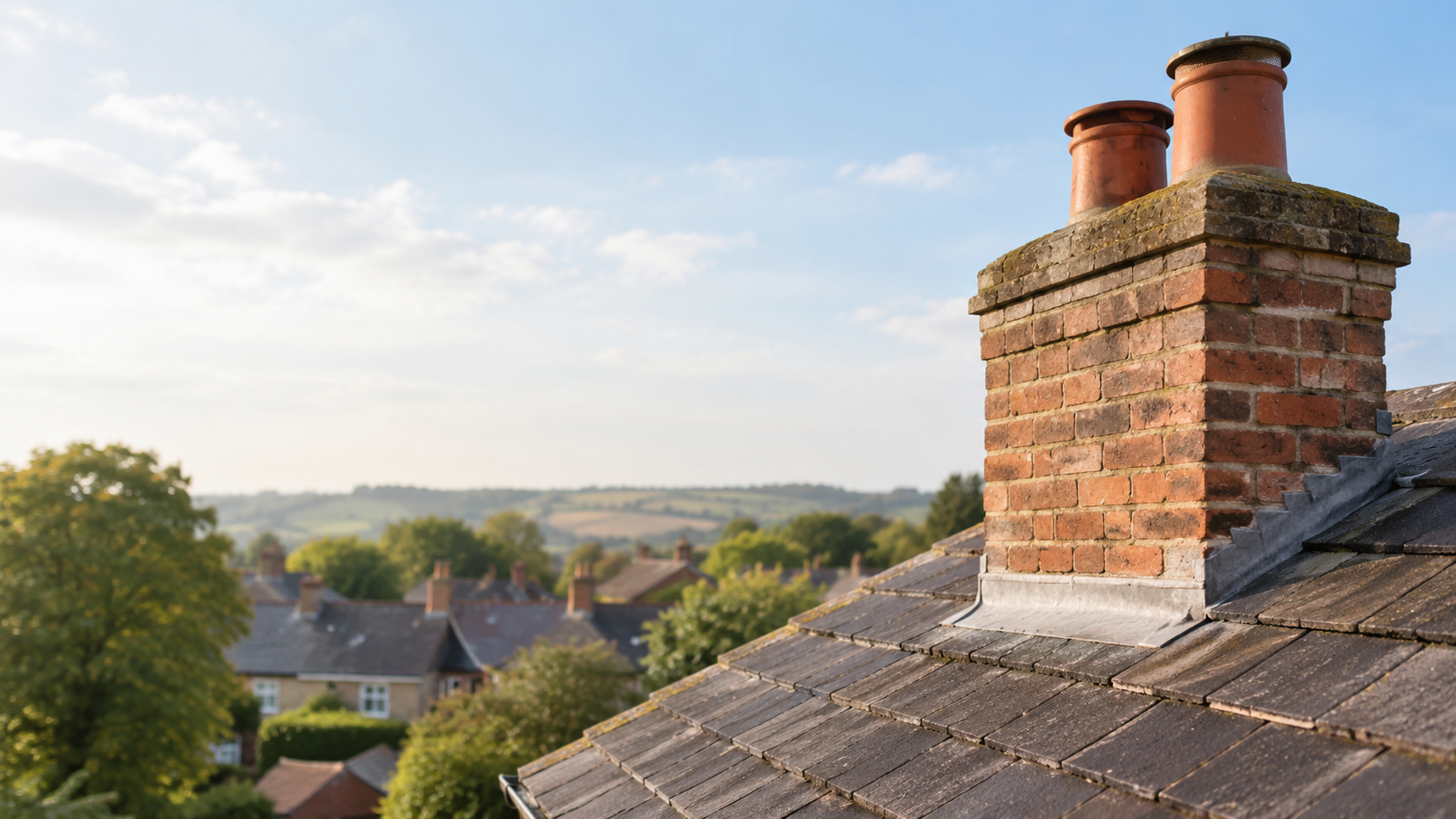

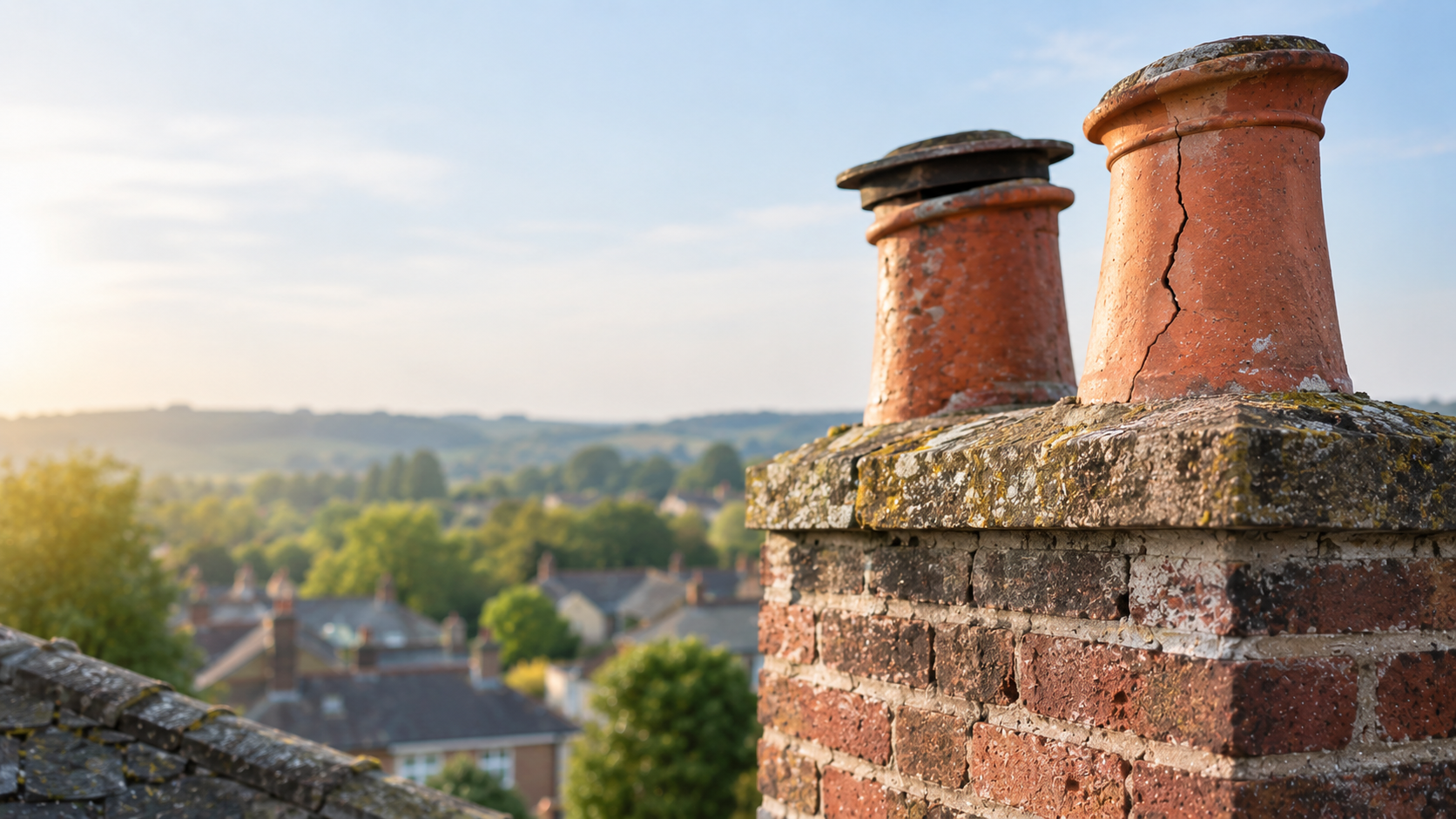
A chimney pot sits at the highest and most exposed part of a property. Throughout the year, it faces rain, frost, strong winds, and changing temperatures. Although chimney pots are designed to withstand outdoor conditions, they can crack, loosen, or deteriorate over time.
Damage may be difficult to notice from ground level, but an unstable chimney pot can allow water into the flue, affect ventilation, and create a risk of falling debris.
Frost and Temperature Changes
Clay and masonry can absorb small amounts of moisture. During cold weather, trapped water may freeze and expand, gradually creating cracks in the chimney pot or surrounding mortar.
Repeated heating and cooling can also place stress on older materials. The inside of the chimney becomes warm when a fire is used, while the external surface remains exposed to cold air. Over time, this temperature difference can contribute to deterioration.
Weather and General Aging
Strong winds can loosen chimney pots, cowls, and surrounding mortar. Driving rain may enter existing cracks and make them worse. Older chimney stacks may also have pointing that has eroded after years of exposure.
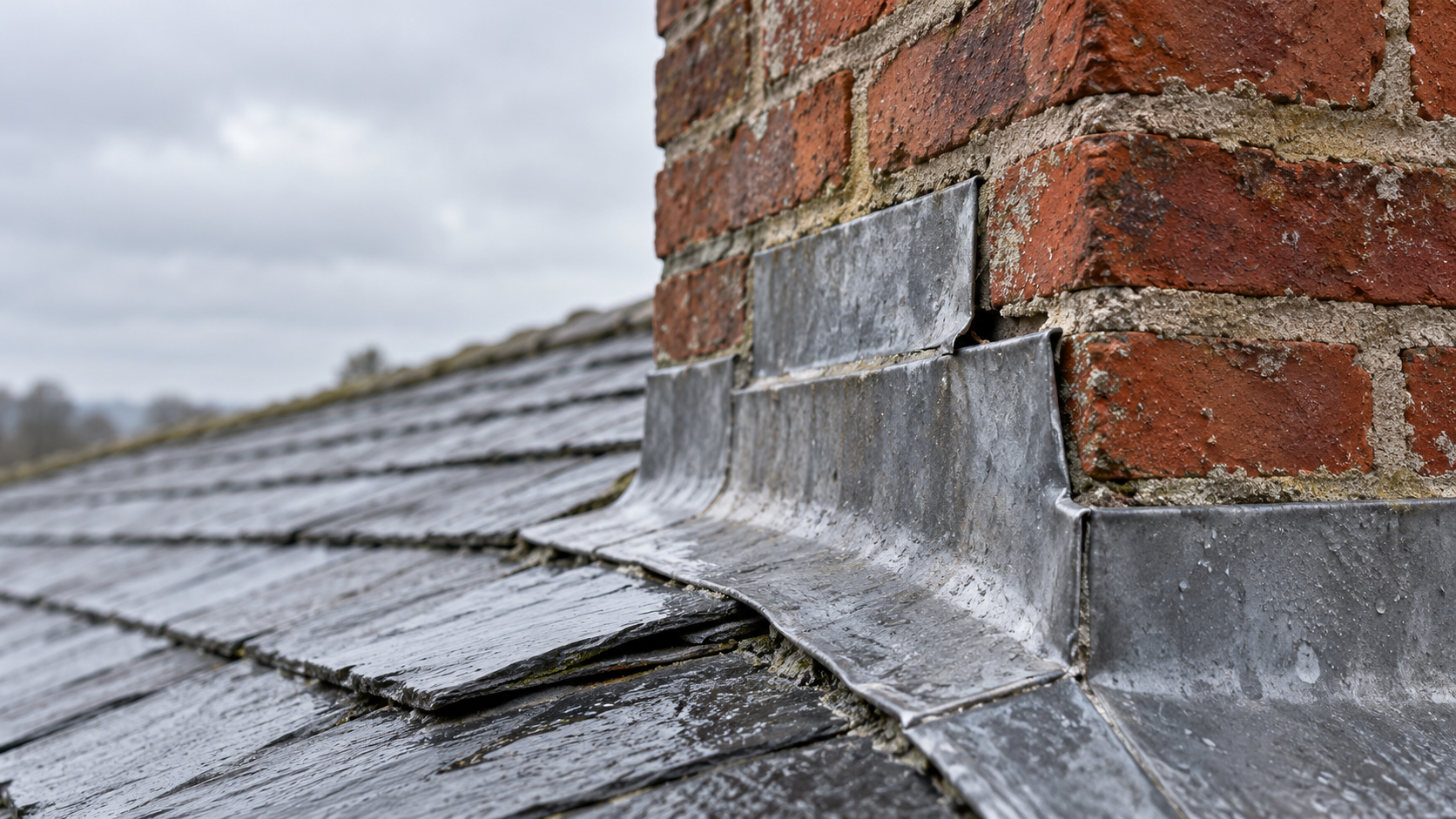
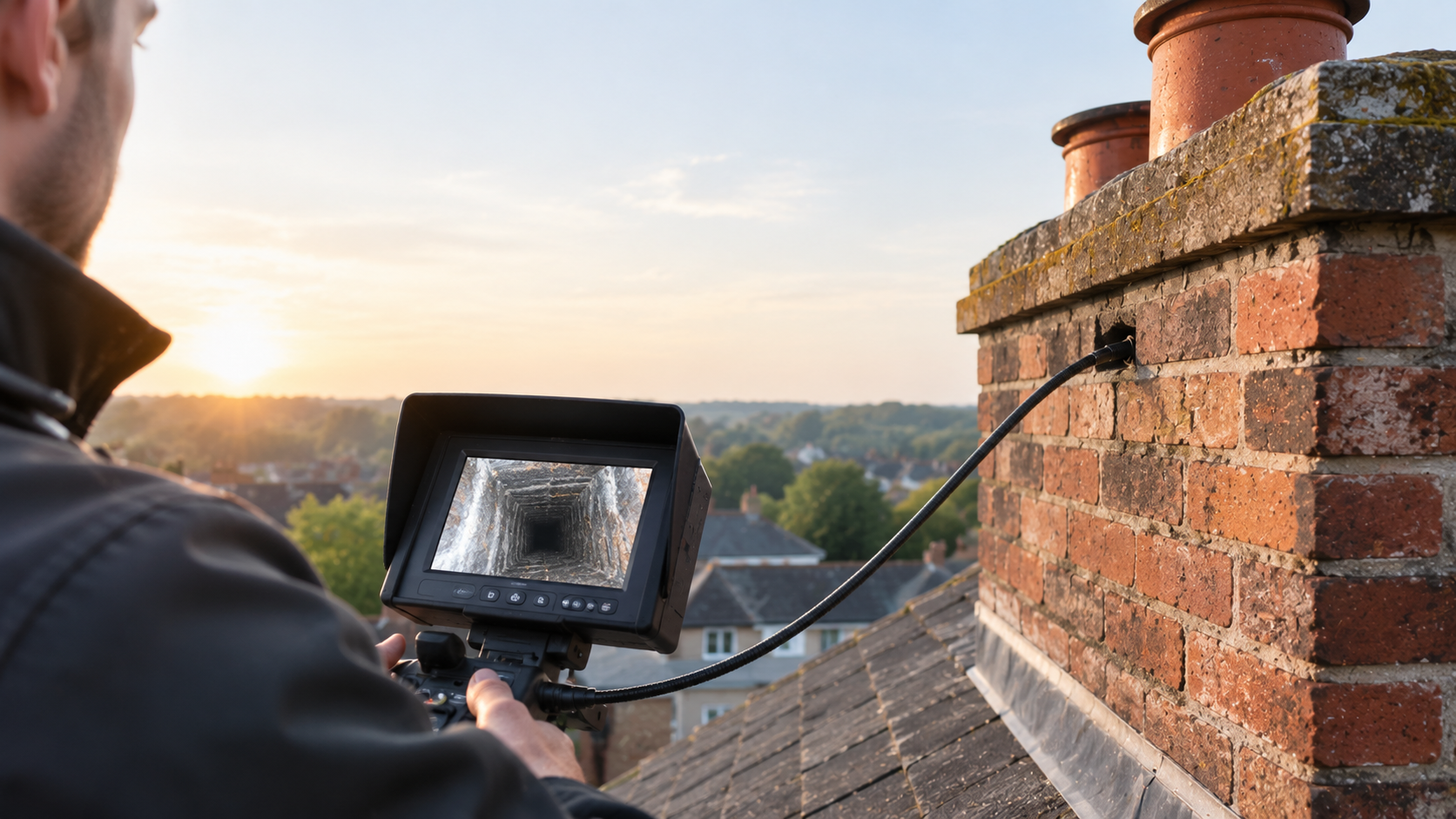
A drone inspection and roof inspection can provide a clearer view of the chimney pot, crown, pointing, and nearby flashing. Drone imagery may highlight visible damage, while a closer roof inspection can determine whether the pot is secure.
Signs of a Damaged Chimney Pot
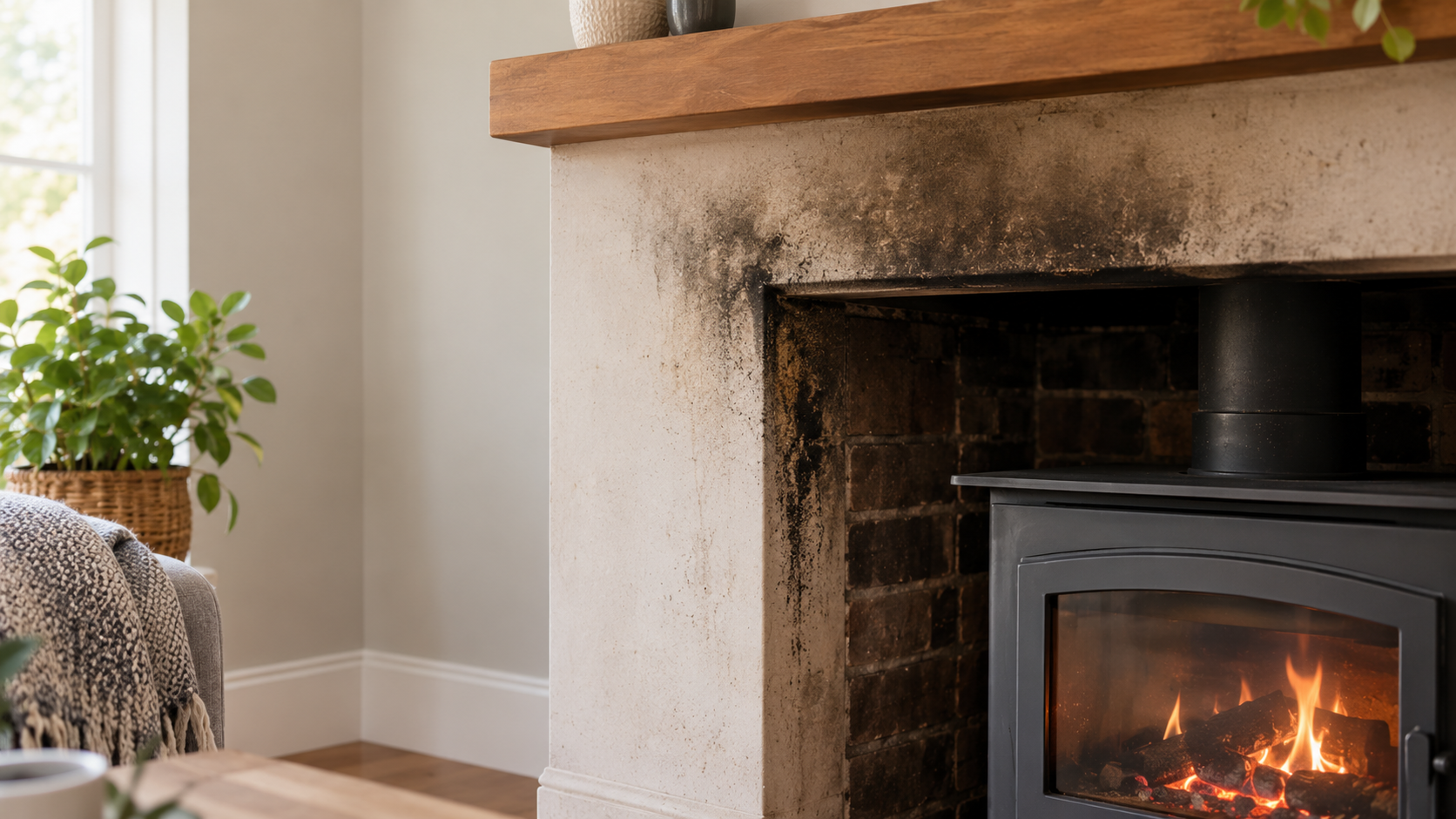
A cracked pot does not always produce an obvious indoor warning. However, homeowners may notice damp patches, pieces of clay in the fireplace, or increased debris inside the flue.
Whistling noises during strong winds may indicate a loose cowl or fitting. Smoke behaving differently can also suggest that the chimney terminal has been altered or obstructed, although airflow problems can have several causes.
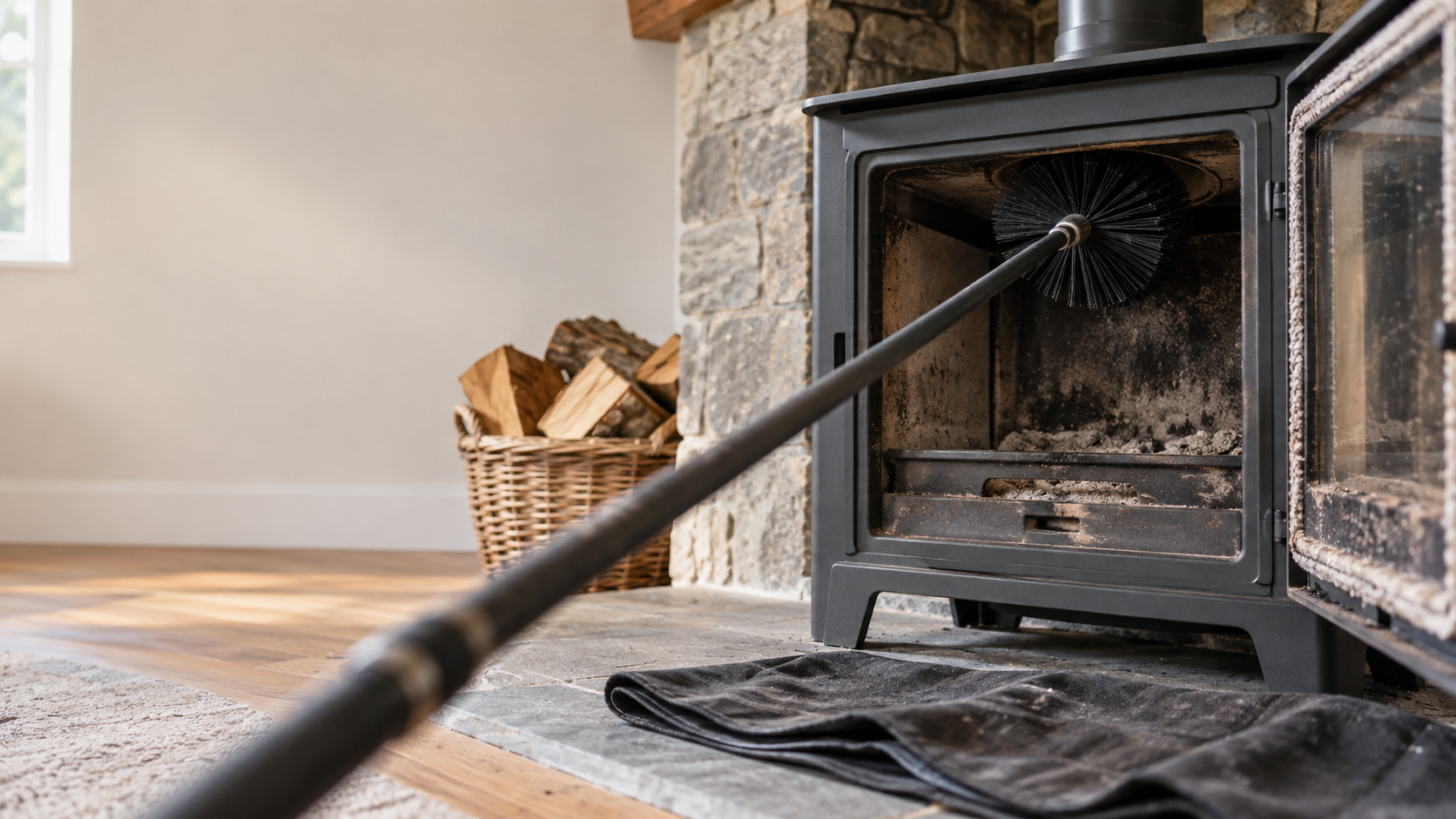
A professional chimney sweep can examine accessible areas while cleaning the flue and advise when further investigation is appropriate.
Birds and Open Chimney Pots
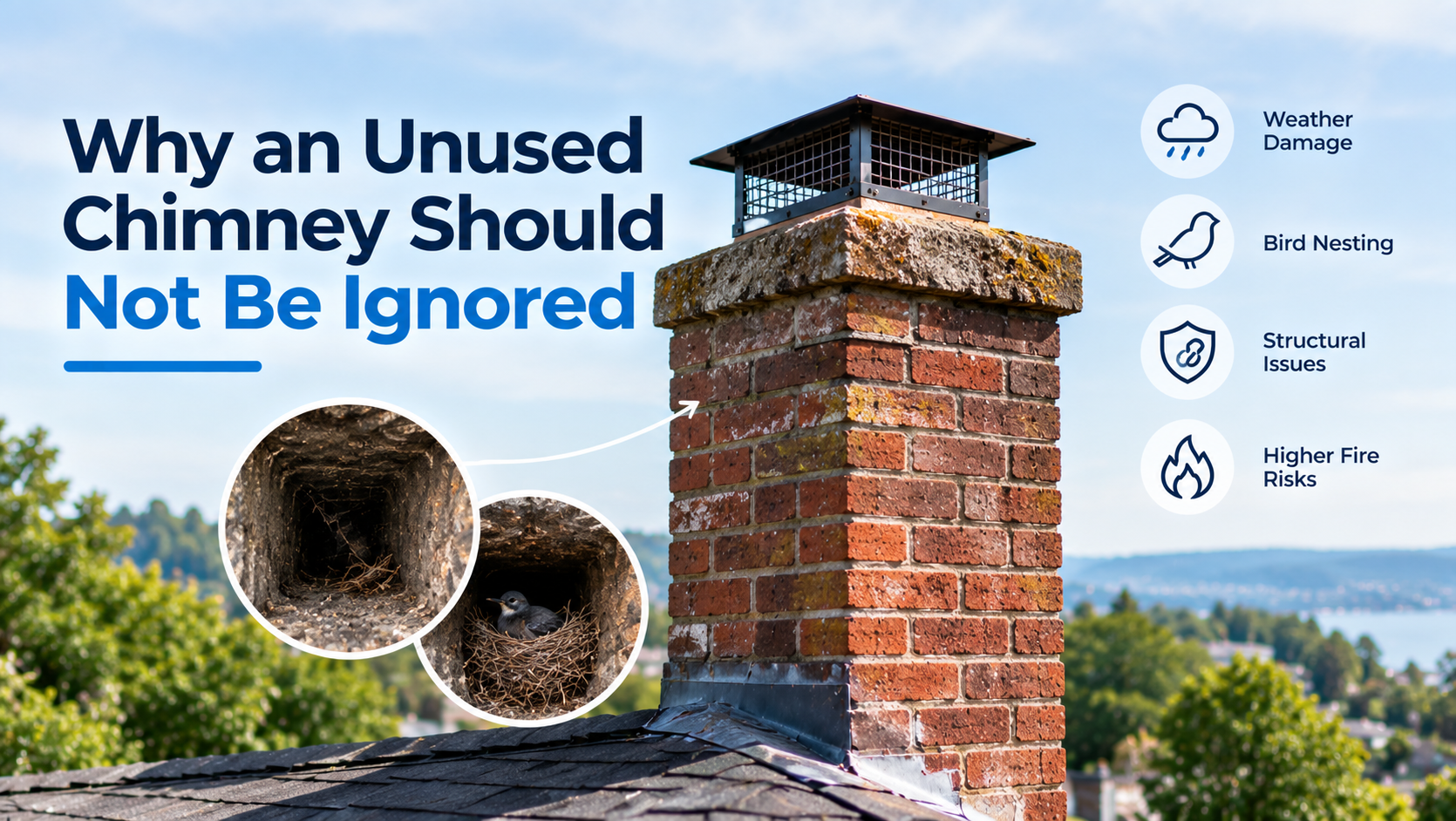
A damaged or uncovered chimney pot may allow birds to enter the flue. Nesting materials can reduce airflow and prevent smoke and combustion gases from escaping correctly.
Any bird nest removal must be handled carefully. Active nests, eggs, and wild birds may be protected under UK law. Once removal can legally proceed, an appropriate bird guard or cowl may help reduce the chance of future nesting.
Checking the Flue Below
External damage can sometimes affect the inside of the chimney. Pieces of clay or mortar may fall into the flue, while moisture can damage existing lining materials.
A CCTV and drone inspection can examine both the internal flue and the external chimney pot. If the liner has deteriorated, flue liner installation may be considered. The correct liner depends on the appliance, fuel, chimney dimensions, and overall condition.
Chimney Pots and Log Burners
The chimney terminal must be suitable for the appliance below it. During a Log burner installation, the installer should consider the chimney height, flue route, ventilation, and terminal arrangement.
Simply adding a new cowl may not resolve smoke problems if the real cause is a blocked flue, poor ventilation, or an unsuitable chimney design. The complete system should be assessed before changes are made.
Midlands Sweeps covers chimney sweeping and inspection work, but each damaged pot requires an individual assessment. The repair method will depend on its material, location, and surrounding masonry.
Conclusion
Chimney pots can crack because of frost, moisture, strong winds, and general aging. Early inspection can identify loose fittings, damaged mortar, and internal debris before the problem becomes more serious. Homeowners should avoid attempting roof-level repairs without suitable access, equipment, and experience.
Frequently Asked Questions
Can a cracked chimney pot cause damp?
Yes. Cracks may allow water to enter the chimney, although flashing and masonry defects can also cause damp.
Does a damaged chimney pot always need replacement?
Not always. The correct solution depends on the extent of damage and whether the pot remains secure.
Can a drone confirm that a chimney pot is safe?
A drone can show visible defects, but a close physical inspection may still be needed.