
A chimney is not completely silent. Wind, rain, and normal changes in temperature can produce occasional sounds. However, repeated whistling, rattling, scratching, or falling noises may indicate an airflow problem, a loose fitting, nesting birds, or deteriorating masonry.
The type of sound and the conditions in which it appears can provide useful clues. Homeowners should avoid climbing onto the roof or reaching into the flue, as both areas may contain hidden hazards.
Whistling During Windy Weather
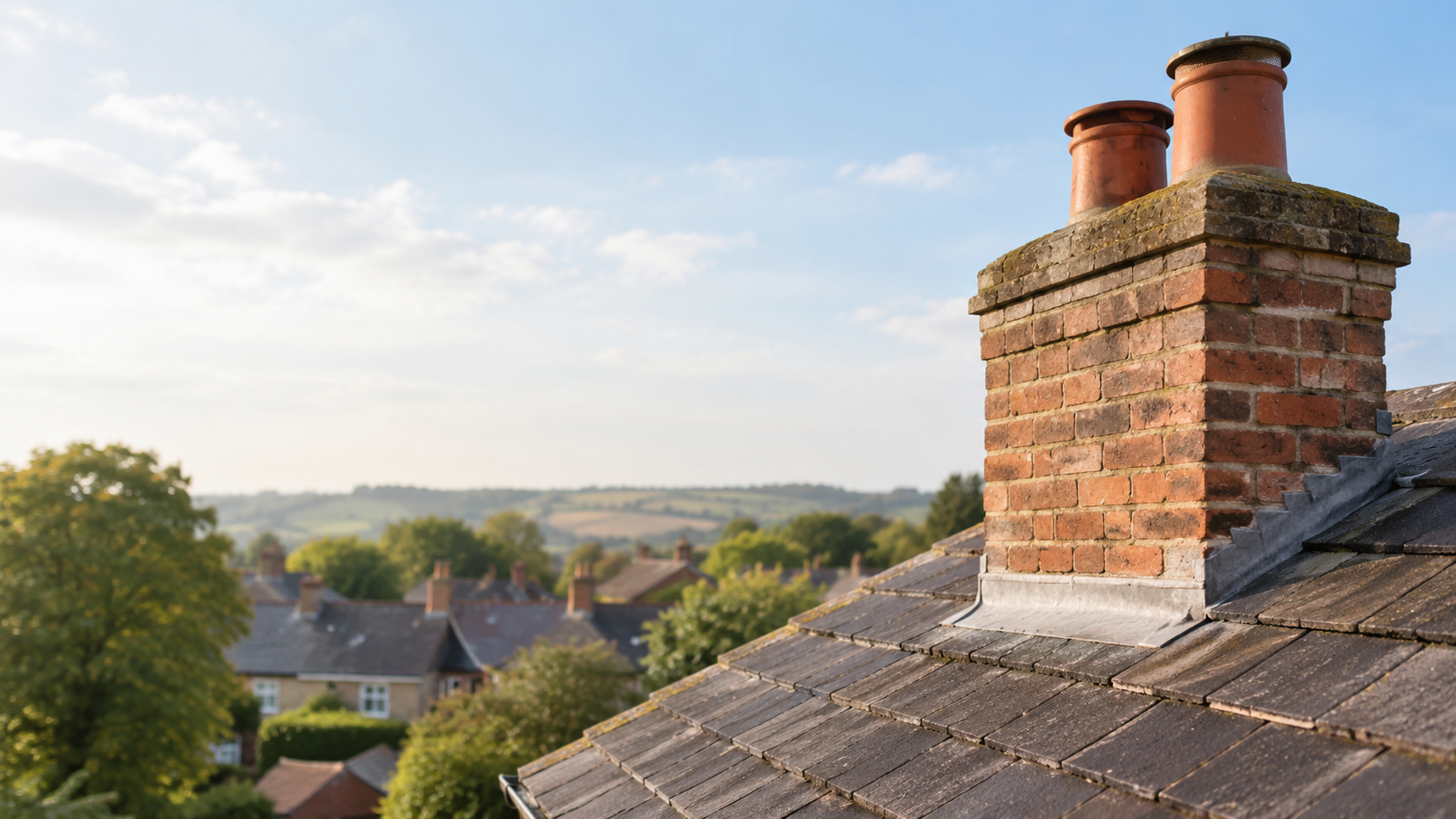
A whistling sound often occurs when wind passes across the chimney pot or through a small gap in a cowl. It may become louder during storms or when the wind approaches the property from a particular direction.
Changes in air pressure can also push air down the chimney. In some homes, this creates a low humming or whistling sound around the fireplace opening. An unsuitable or damaged chimney terminal may contribute, but the full flue and ventilation arrangement should be assessed before a replacement is selected.
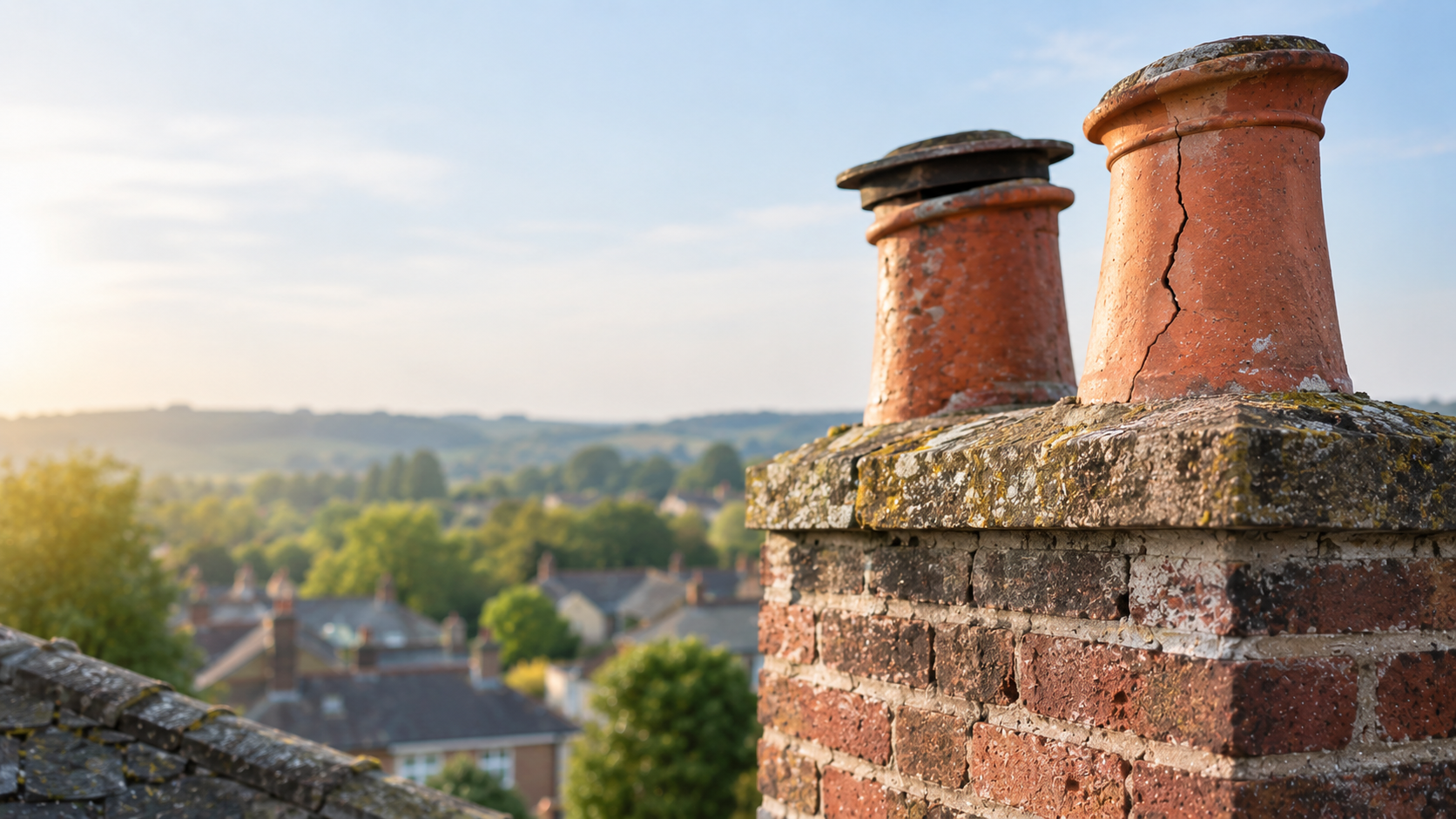
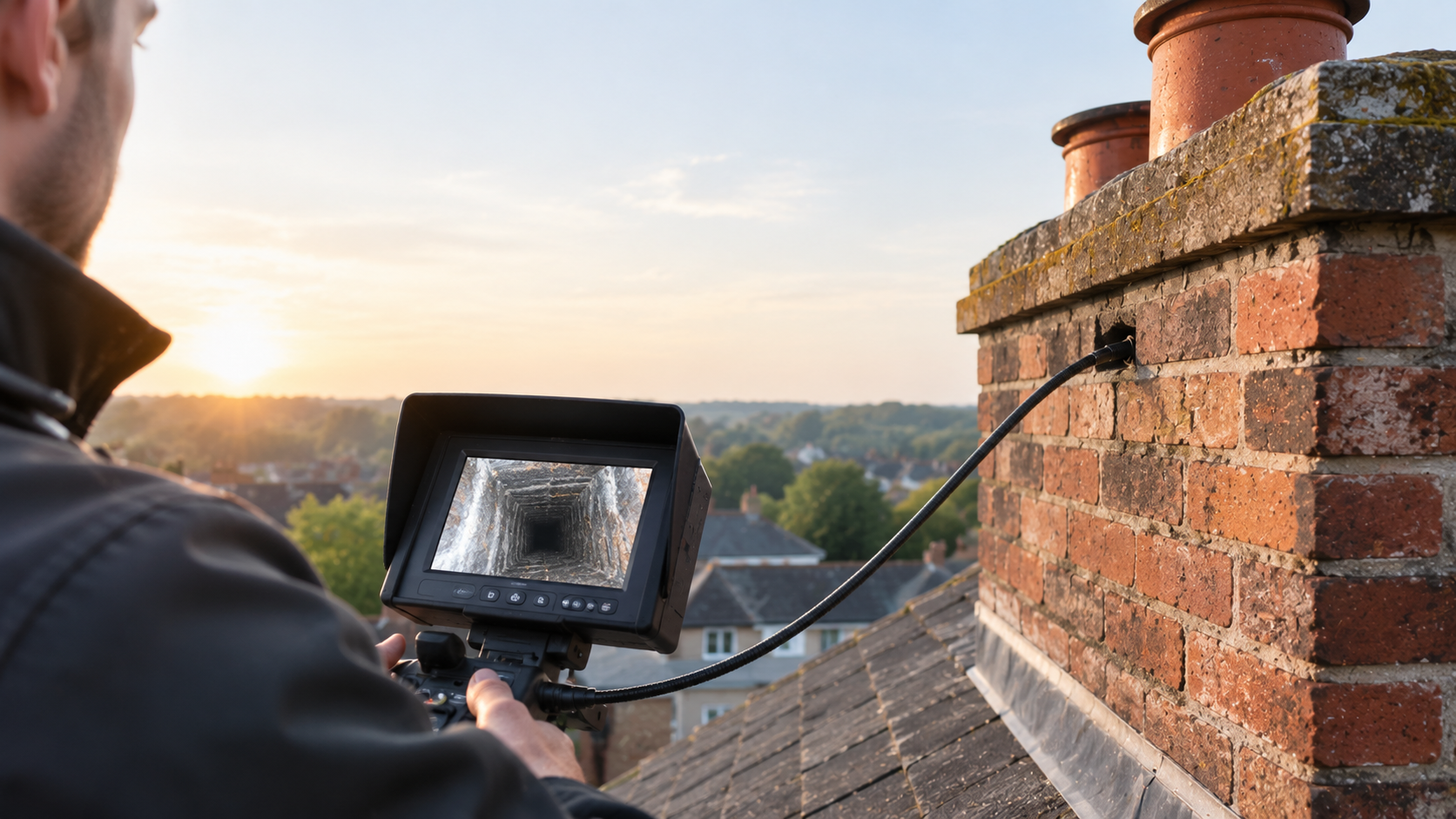
A drone inspection and roof inspection can help identify loose cowls, cracked pots, or damaged mortar without relying only on a ground-level view.
Rattling From the Chimney Top
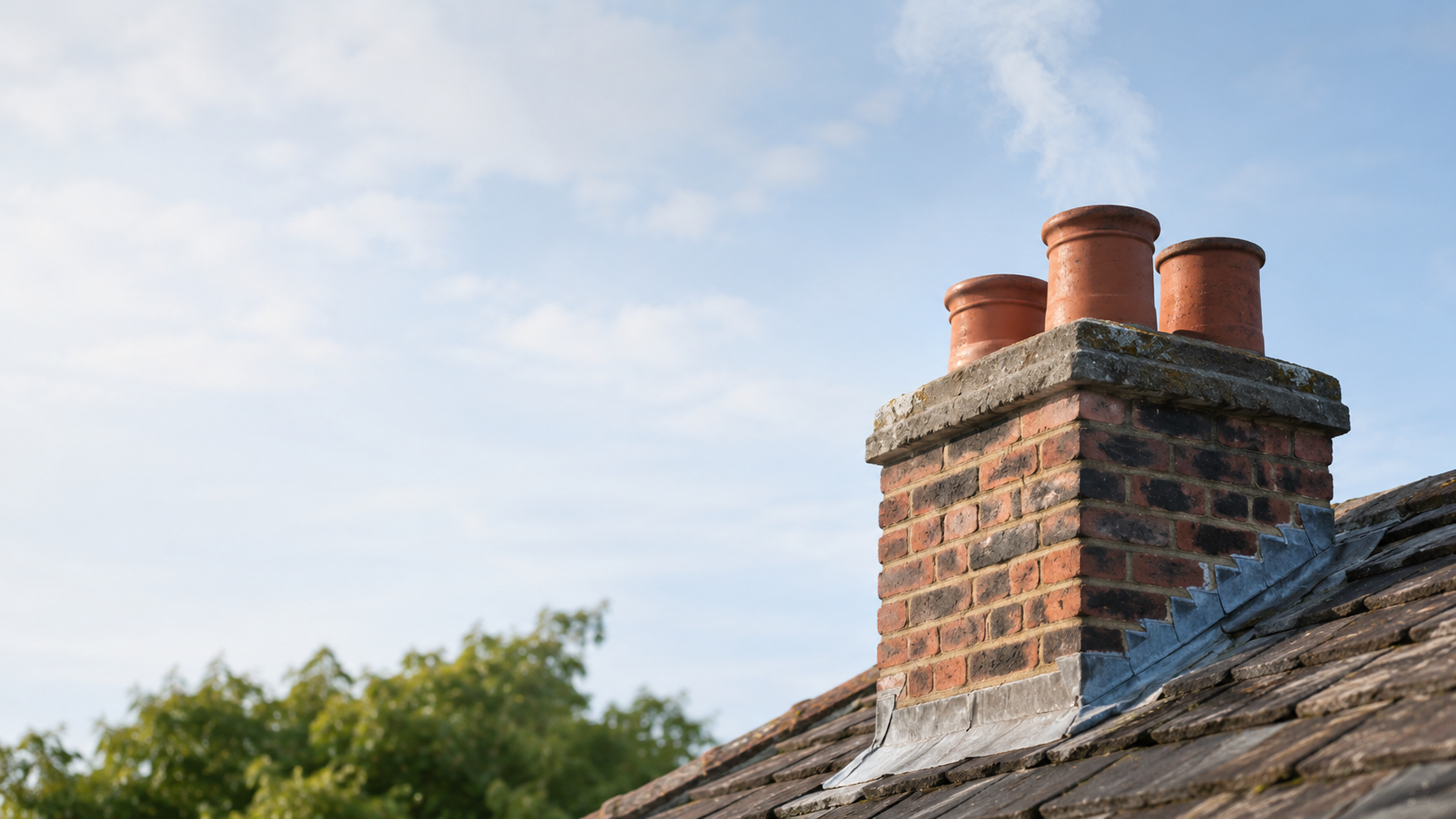
Metal cowls, rain caps, and bird guards may rattle when their fixings become loose. Repeated movement can gradually damage the fitting or surrounding chimney pot.
A rattling noise should not automatically be treated as a minor annoyance. If part of the terminal becomes detached, it may fall onto the roof or nearby ground. Drone imagery can help locate the source, although a close roof inspection may still be required to confirm whether the fitting is secure.
Scratching or Fluttering Sounds
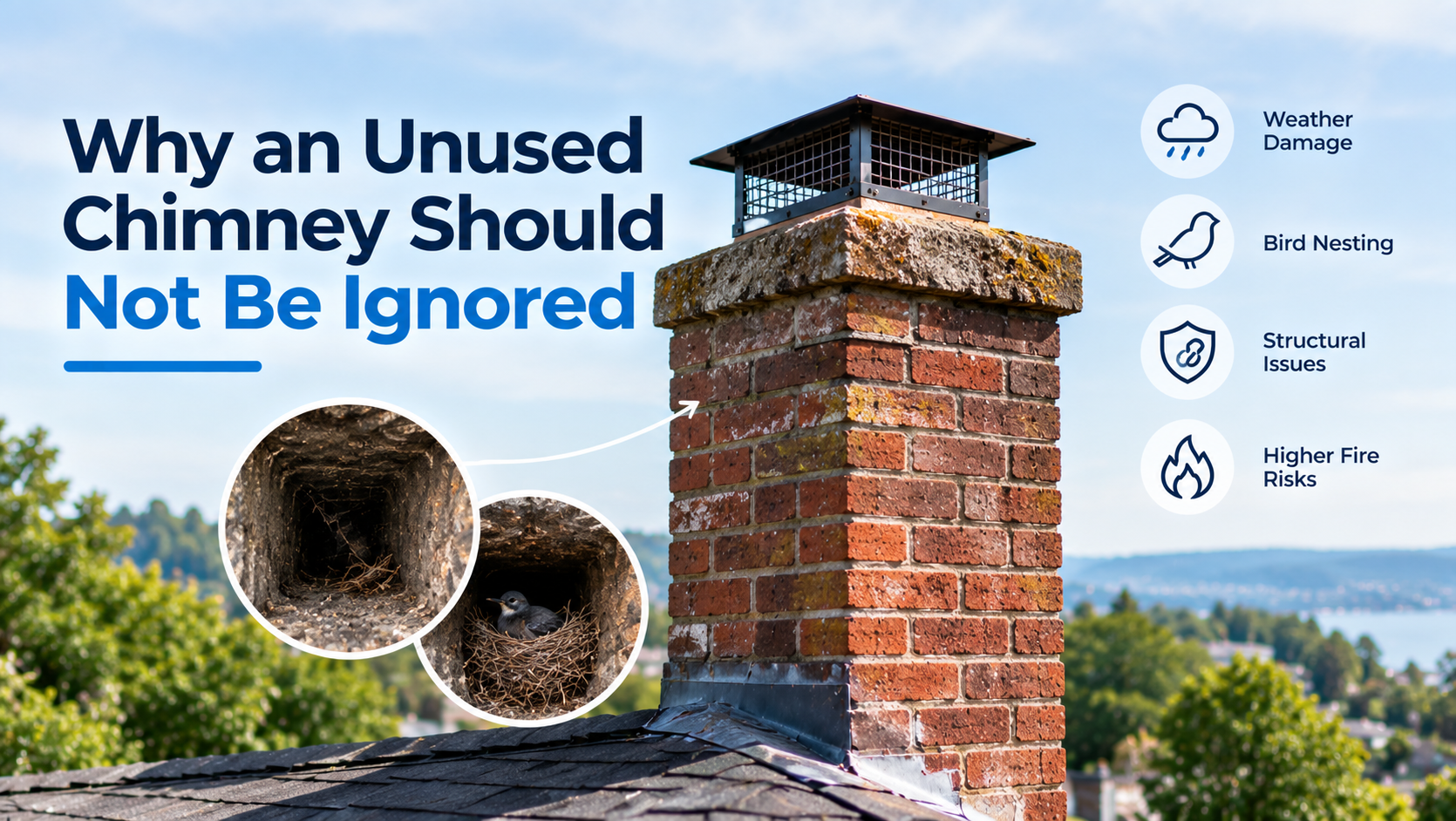
Scratching, fluttering, or chirping may suggest that a bird has entered the chimney. Birds may also build nests inside open pots, particularly when a fireplace is used infrequently.
Professional bird nest removal must follow UK wildlife law. Active nests, eggs, and wild birds may be protected, so work should only proceed when it is legally appropriate. A suitable guard may help prevent future nesting, provided it does not restrict the flue.
Falling Debris Inside the Flue
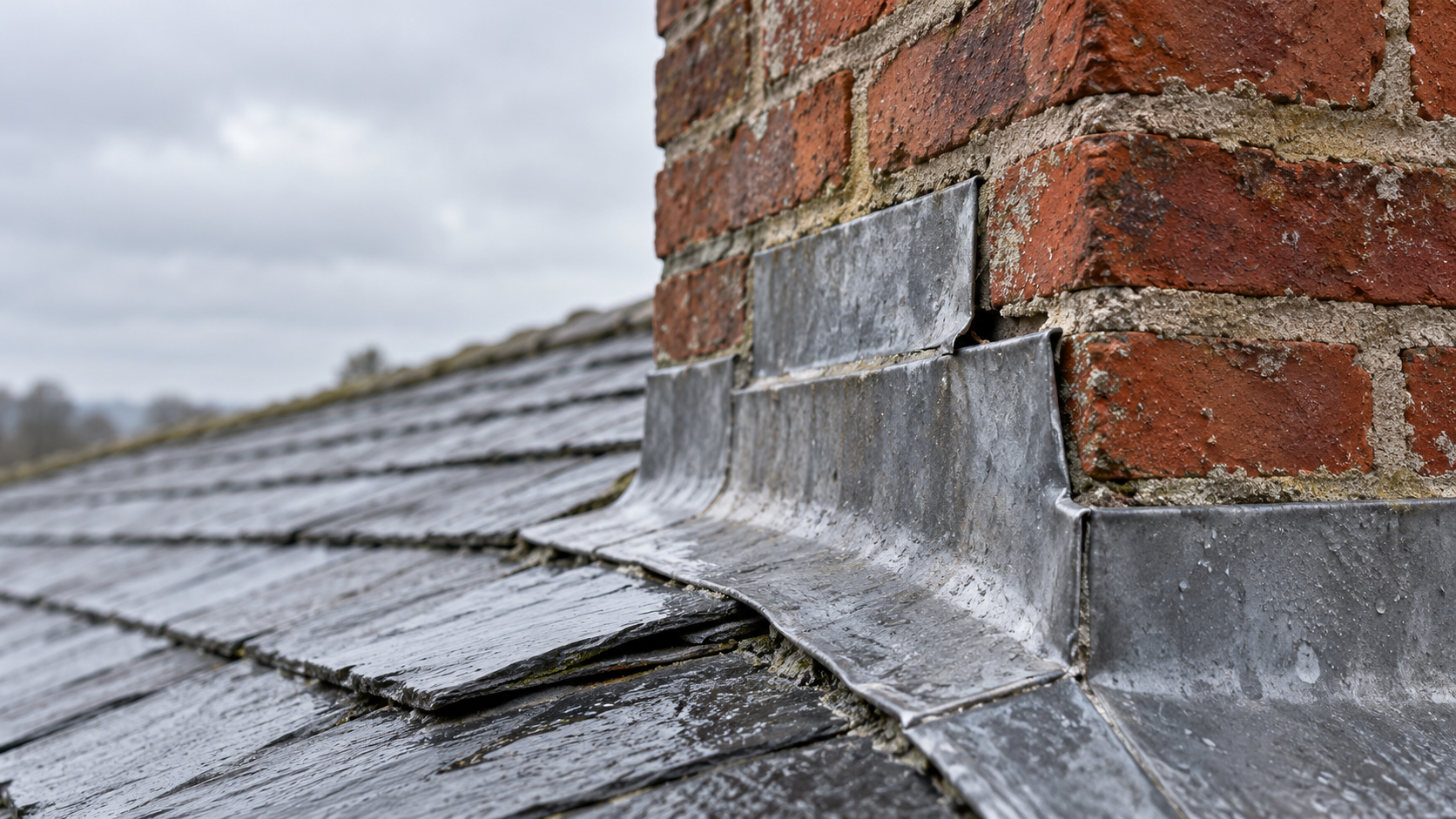
Tapping or falling sounds may come from small pieces of mortar, soot, or nesting material moving down the chimney. Occasional particles can appear in older systems, but repeated debris may indicate deterioration.
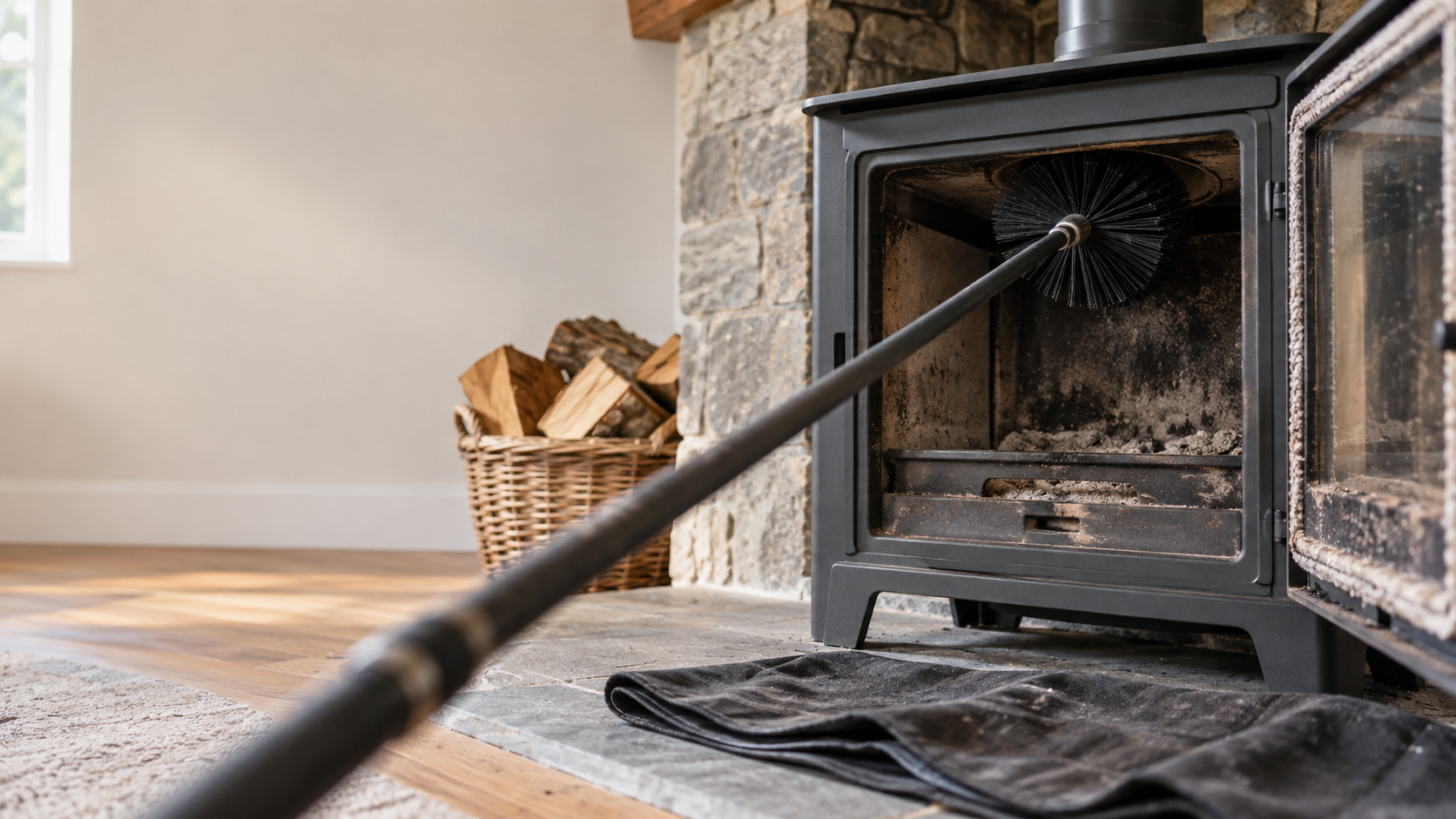
A professional chimney sweep can remove soot and loose material from accessible areas. If the source remains unclear, a CCTV and drone inspection can examine the internal flue and external chimney stack.
Camera footage may reveal damaged joints, obstructions, or problems with an existing liner. Where deterioration is confirmed, flue liner installation may be considered. The correct liner depends on the appliance, flue, and chimney arrangement.
Noises After Lighting a Fire
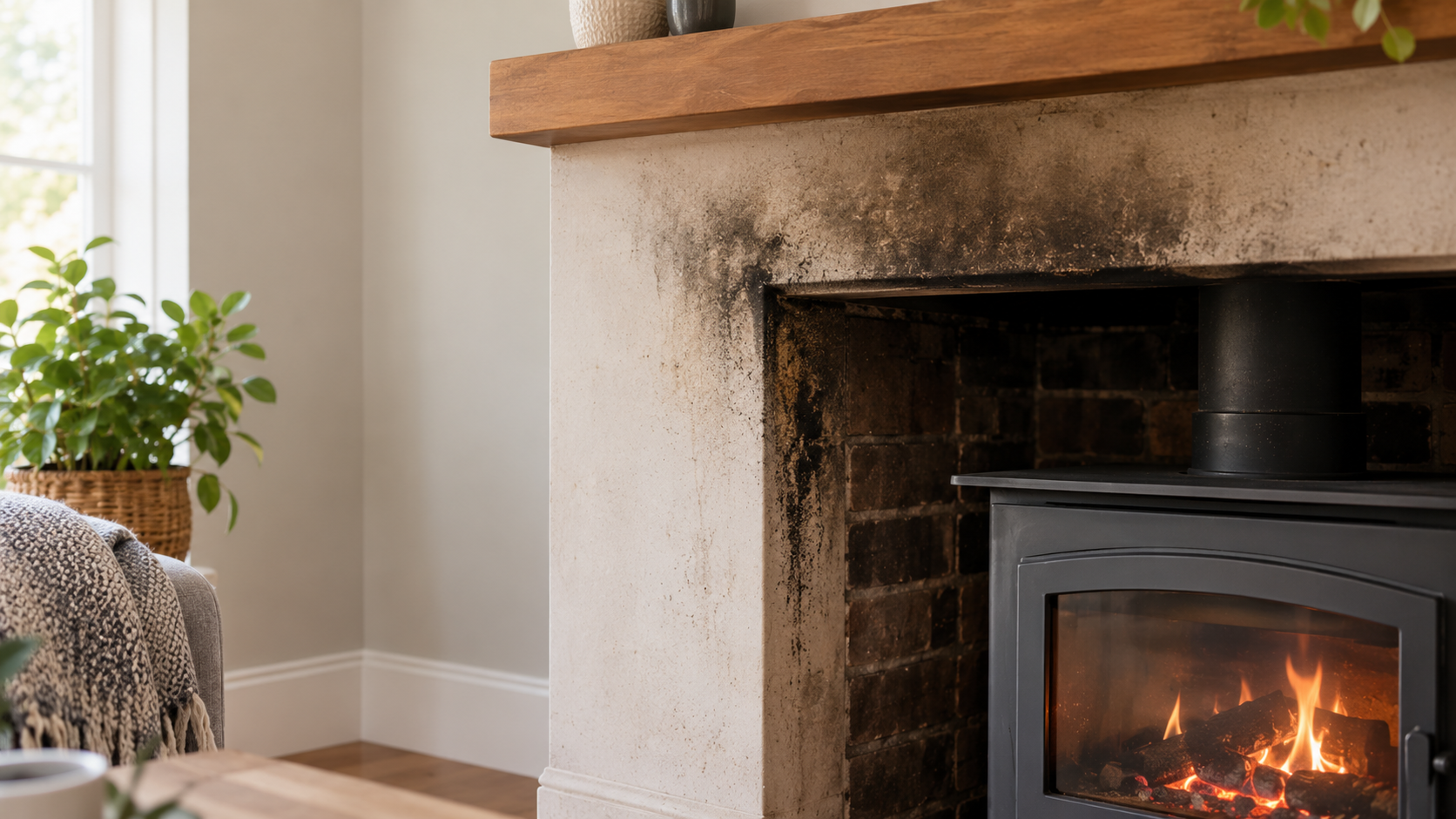
Some sounds occur as metal stove parts and flue components expand when heated. Light ticking can be normal, but loud bangs, persistent vibration, or new noises should be investigated.
During a Log burner installation, the stove, connecting pipe, liner, ventilation, and chimney terminal should work as one system. Incorrectly fitted or unsuitable components may move, vibrate, or affect airflow when the appliance becomes hot.
Midlands Sweeps provides chimney sweeping and inspection services, but each noise should be assessed according to when it occurs and how the chimney is constructed.
Conclusion
Chimney noises may be caused by wind, loose fittings, birds, falling debris, or expanding metal components. Noting the sound, weather, and whether the fire is in use can help narrow down the cause. Persistent or worsening noises should be checked before they develop into airflow, moisture, or structural problems.
Frequently Asked Questions
Is chimney whistling dangerous?
Not always, but persistent whistling may indicate a damaged fitting, airflow issue or unsuitable chimney terminal.
What should I do if I hear a bird in the chimney?
Stop using the fireplace and arrange an assessment. Do not light a fire to force the bird out.
Is ticking from a log burner normal?
Light ticking can occur as metal heats and cools. Loud, sudden, or unfamiliar noises should be inspected.