
There is no single sweeping schedule that suits every chimney. Two neighboring homes may use similar fireplaces but produce very different amounts of soot and tar. The correct frequency depends on the appliance, fuel, chimney design, and how often the fire is used.
Understanding these factors can help homeowners recognize why one chimney stays relatively clean while another develops deposits more quickly.
The Type of Fuel Makes a Difference
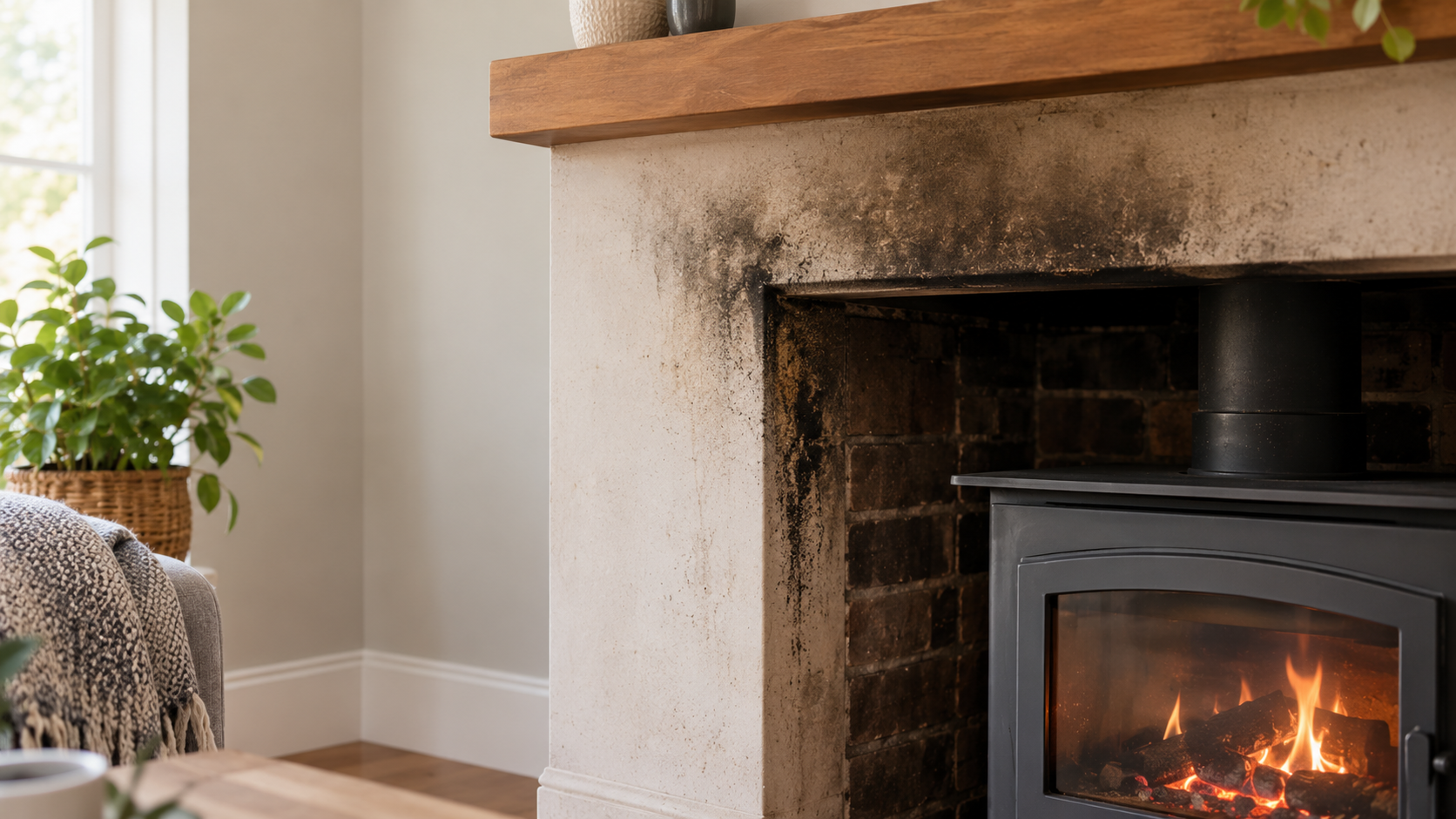
Different fuels create different combustion deposits. Wood that contains too much moisture can burn at a lower temperature and produce more smoke. This may contribute to a faster build-up of soot and tar inside the flue.
Dry, suitable fuel generally burns more effectively, but it does not remove the need for regular sweeping. Coal, smokeless fuels, and other approved fuels can also leave deposits, depending on the appliance and how they are burned.
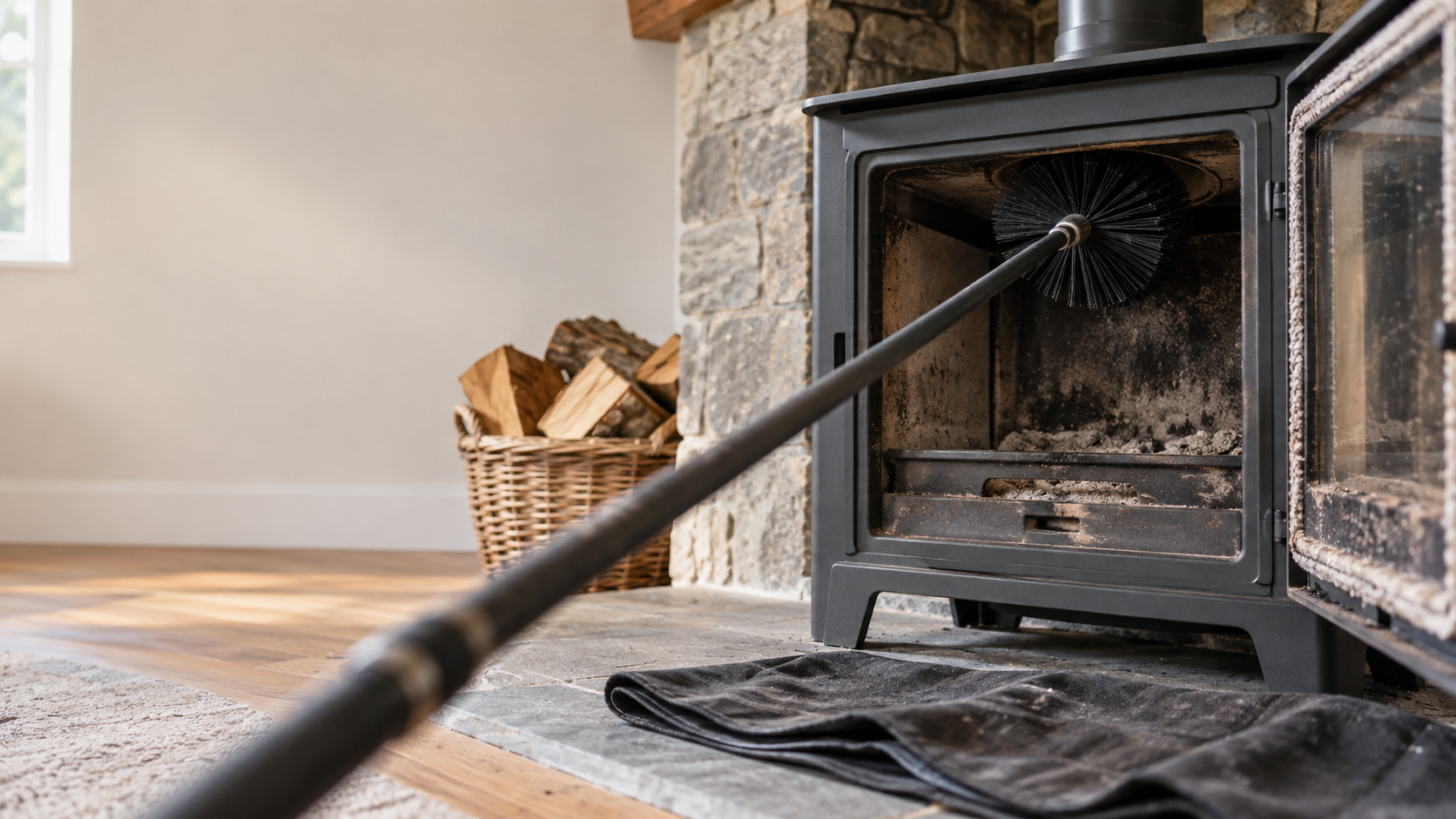
A professional chimney sweep can assess what is being removed and suggest a suitable maintenance interval based on actual use.
Frequent Use Creates More Deposits
A stove used every evening throughout winter will usually require more attention than a fireplace lit only occasionally. Long burning periods mean a greater volume of combustion gases travels through the chimney.
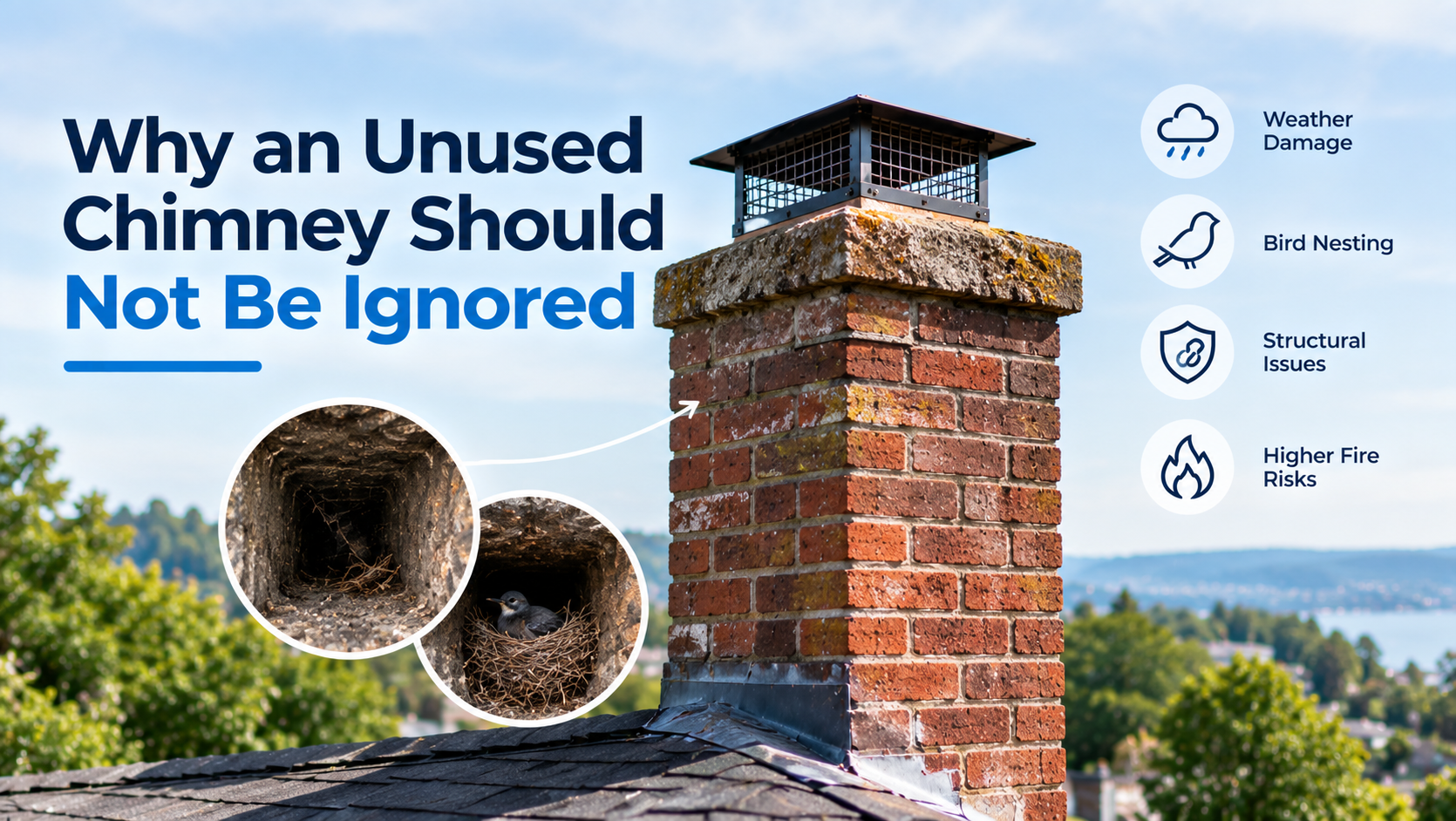
However, occasional use does not make a chimney maintenance-free. Birds, leaves, moisture, and loose masonry can affect a flue even when no fire is being used.
Homeowners should keep a simple record of how often the appliance operates and when the chimney was last swept.
Burning Habits Affect the Flue
Allowing a fire to smoulder for long periods can create cooler combustion and heavier deposits. Overloading an appliance or closing the air controls too quickly may also affect how cleanly the fuel burns.
During a Log burner installation, the appliance should be sized appropriately for the room and connected to a suitable flue. An oversized stove may be operated at a low output for extended periods, which can contribute to inefficient burning.
Chimney Design Can Influence Build-Up
Tall, straight chimneys often behave differently from short flues with several bends. Offsets and rough internal surfaces can create areas where soot collects more easily.
The condition of the liner is also important. If an inspection identifies deterioration or an unsuitable flue, flue liner installation may be considered. The appropriate liner depends on the appliance, fuel, chimney dimensions, and overall arrangement.
Blockages Can Change Performance
A partial blockage may reduce airflow and cause deposits to form more quickly. Birds sometimes build nests inside open chimney pots, while leaves and loose material can enter from above.
Professional bird nest removal must follow wildlife rules because active nests, eggs, and birds may be legally protected. The appliance should not be used when a blockage is suspected.
Internal and External Inspections
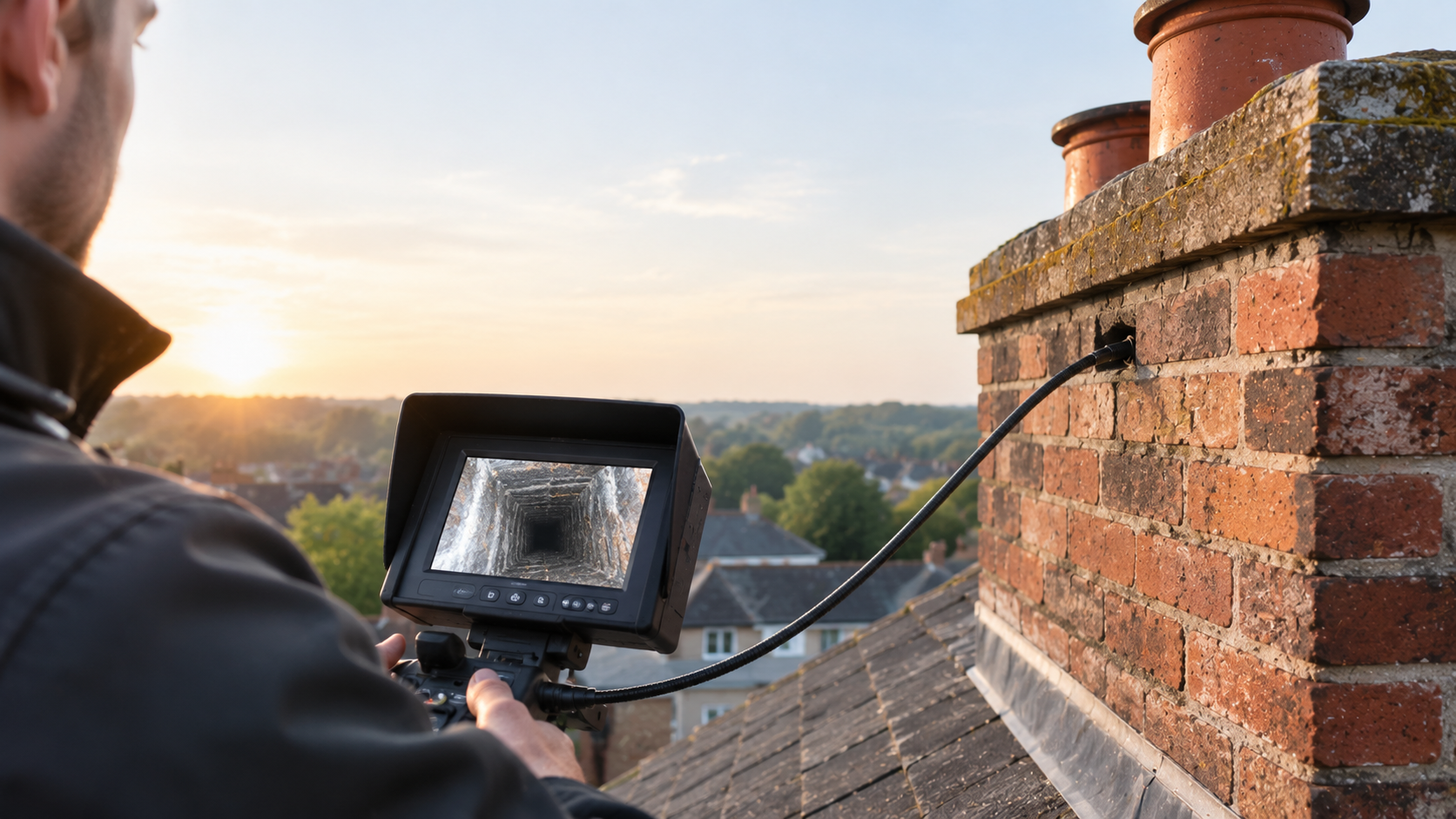
Sweeping removes deposits, but it may not explain every recurring problem. A CCTV and drone inspection can examine hidden sections of the flue and the outside of the chimney stack.
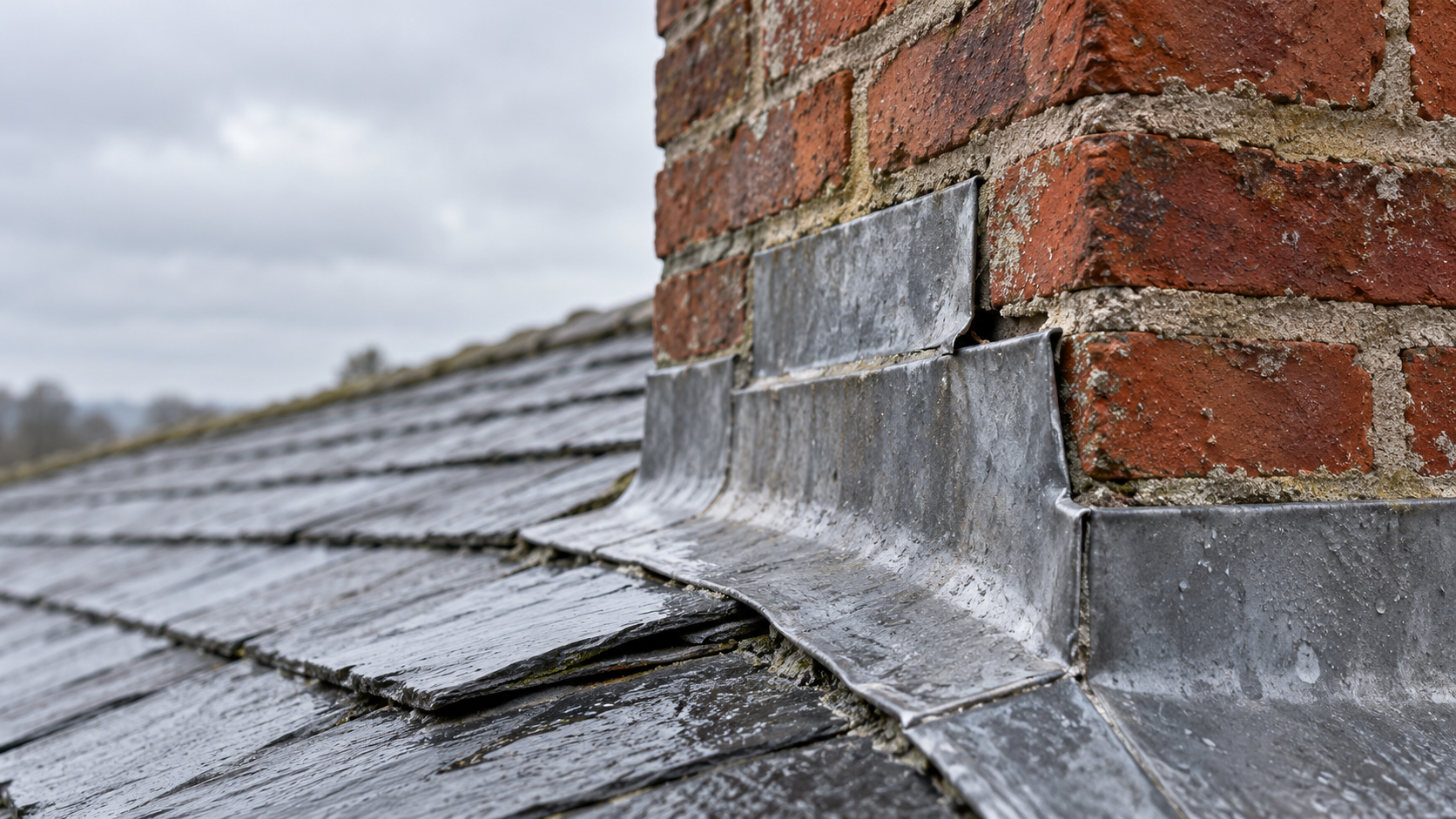
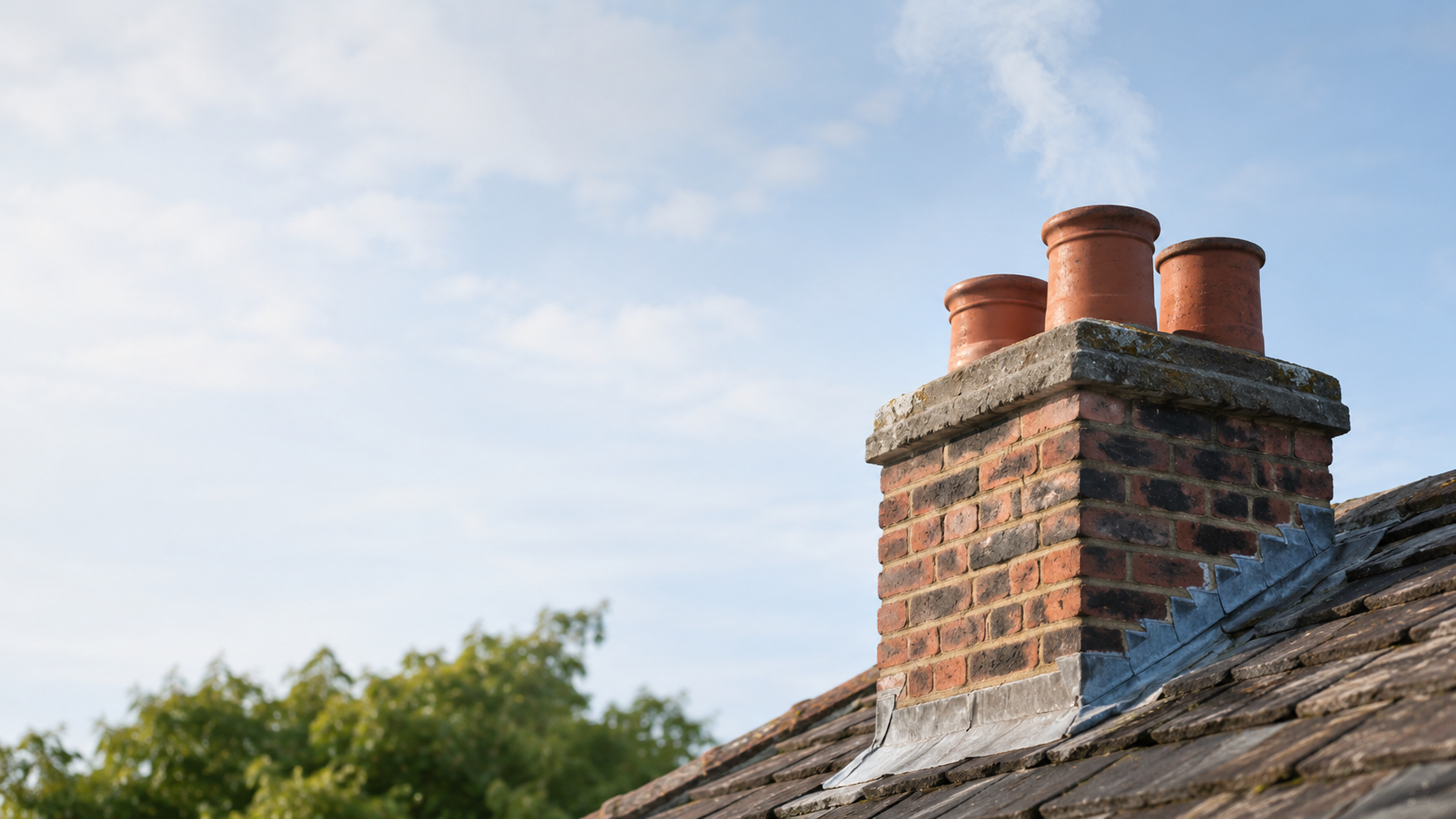
Externally, a drone inspection and roof inspection may identify cracked pots, damaged mortar, loose cowls, or water entry. Moisture can combine with soot and contribute to staining, smells, and deterioration.
Drone footage provides a useful overview, while a close roof inspection may still be necessary before repairs are planned.
Review the Schedule When Something Changes
Sweeping frequency may need to change after a new appliance is fitted, a different fuel is introduced or the fireplace begins to receive heavier use. Smoke entering the room, unusual smells, and falling soot should not be ignored until the next scheduled appointment.
Midlands Sweeps provides chimney sweeping and inspection services, but each recommended schedule should reflect the individual property and appliance.
Conclusion
Chimneys collect deposits at different rates because fuel, usage, burning habits, and flue design all vary. Regular inspection and suitable fuel can help homeowners understand how their system behaves. A maintenance schedule should be reviewed whenever the appliance, fuel, or pattern of use changes.
Frequently Asked Questions
Can a chimney be swept too often?
Unnecessary sweeping is uncommon, but the frequency should reflect the appliance, fuel, and level of use.
Does dry wood stop soot from forming?
No. It may support cleaner combustion, but soot can still develop, and regular sweeping remains necessary.
Should an unused chimney be inspected?
Yes. Unused chimneys may still develop bird nests, moisture problems, and loose debris.