
Chimney pots sit at one of the most exposed points of a property. Throughout the year, they face rain, frost, wind, heat, and changing temperatures. Although they are made to withstand outdoor conditions, age and weather can gradually weaken the pot or the mortar holding it in place.
A chimney pot that looks cracked, loose, or tilted should not be ignored. Apart from affecting the appearance of the roof, it may allow water into the chimney, disturb airflow, or create a risk of falling materials.
What Is the Purpose of a Chimney Pot?
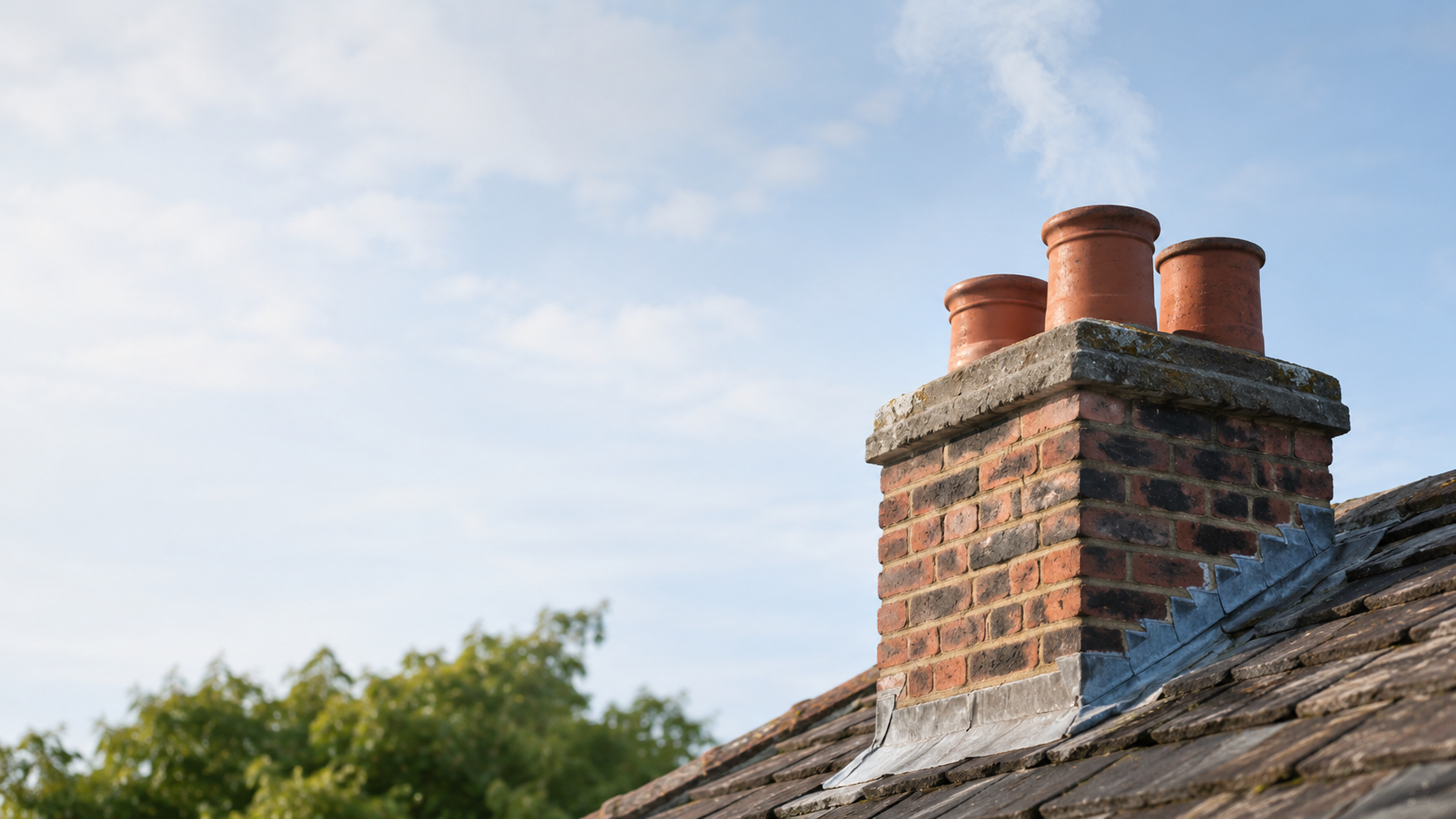
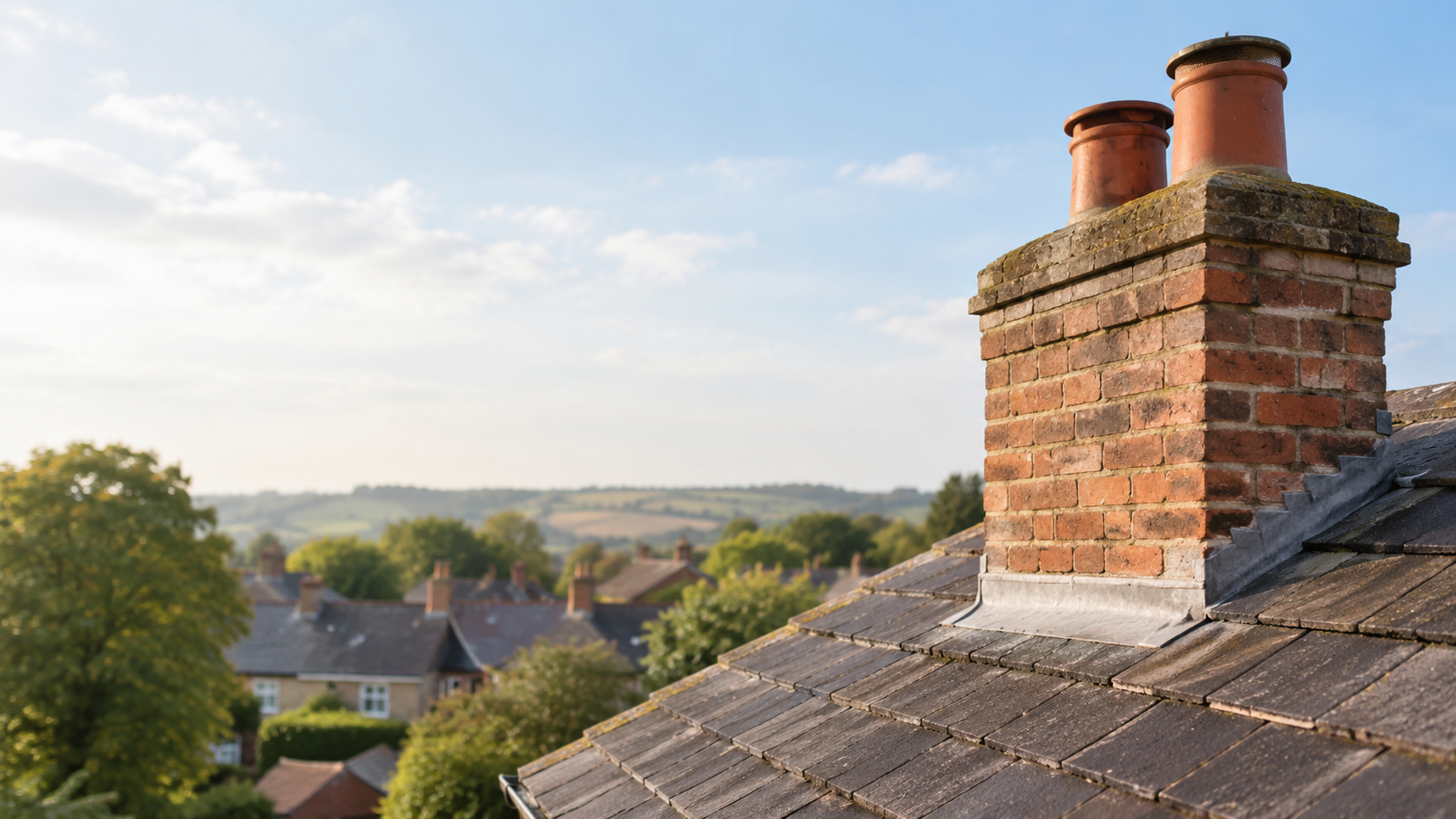
A chimney pot extends the top of the flue above the chimney stack. Its shape can support the movement of smoke and combustion gases while helping the chimney terminate at a suitable height.
Properties may have several pots even when only one fireplace remains in use. Some connect to active flues, while others serve unused or sealed fireplaces. The correct treatment depends on the condition and purpose of each chimney.
Before a log burner installation, the pot, flue route, and chimney stack should be assessed as part of the wider system.
Why Chimney Pots Crack
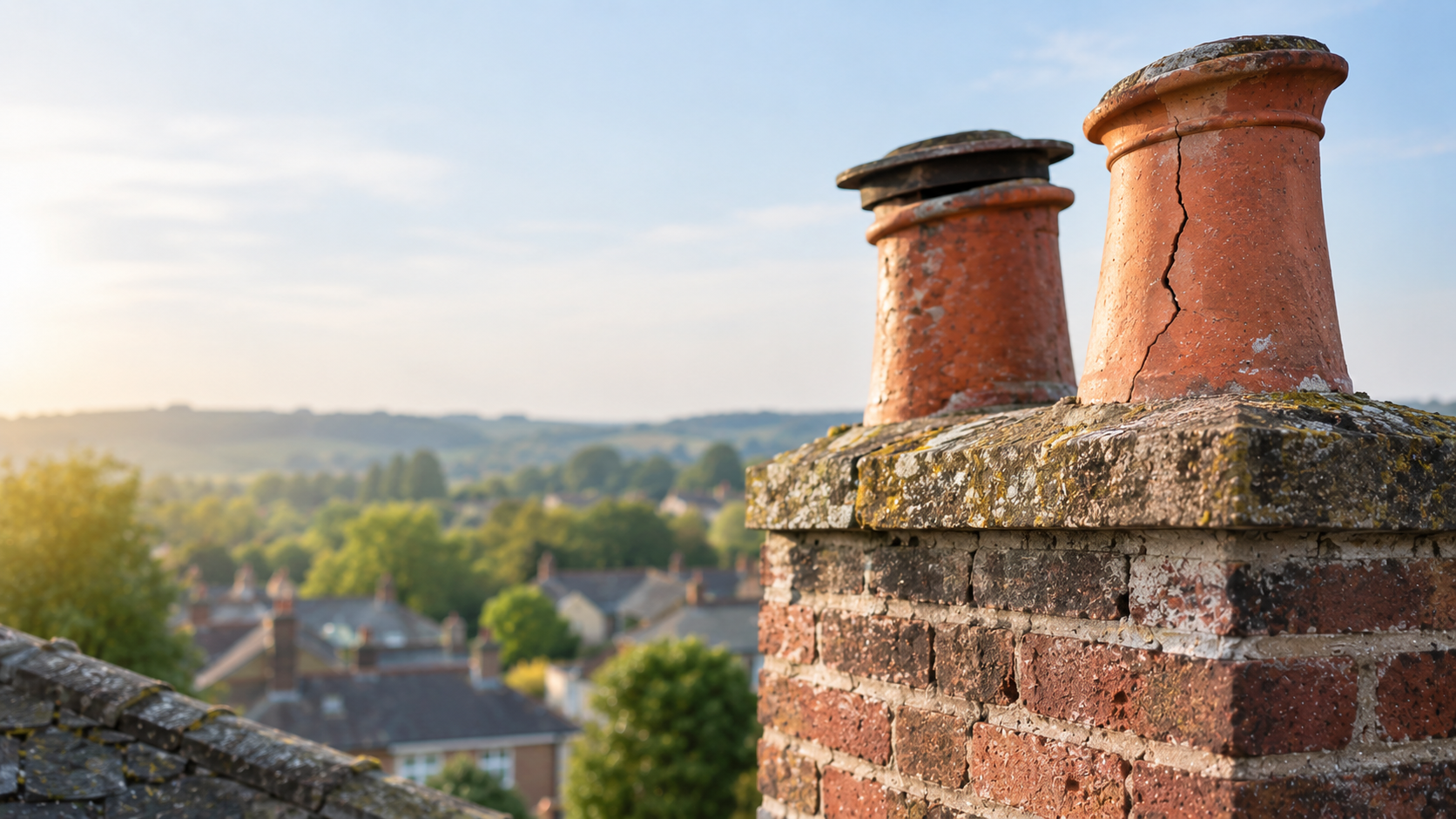
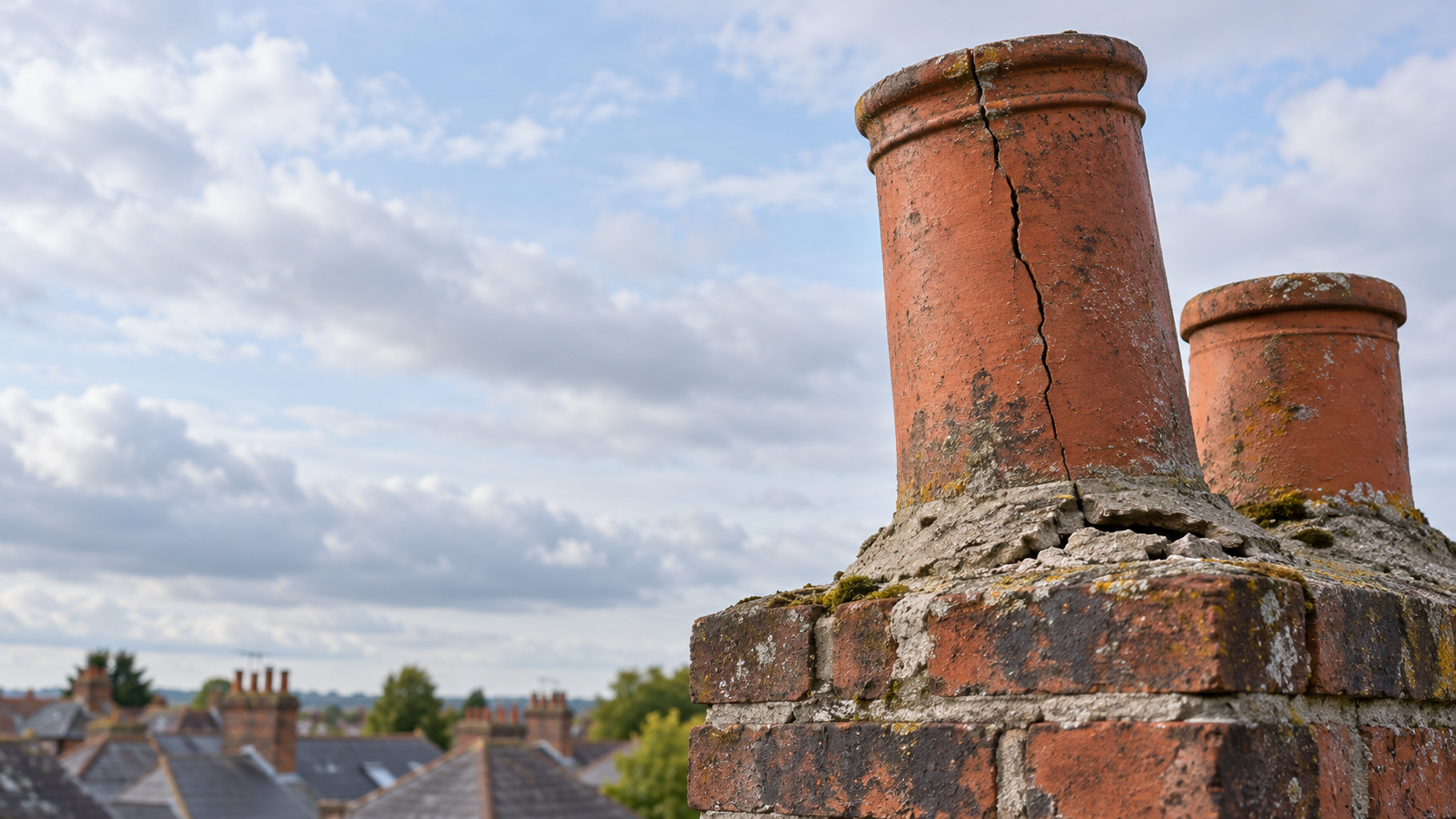
Temperature changes are a common cause of deterioration. A chimney pot can absorb moisture during wet weather. When temperatures fall below freezing, the trapped water expands and may create small cracks. Repeated freezing and thawing can make those cracks larger.
Heat from an active fireplace or stove also creates temperature changes. A pot that is already weakened may deteriorate more quickly when exposed to repeated heating and cooling.
Storm damage, falling branches, and previous repairs can also contribute to cracking.
How Chimney Pots Become Loose or Tilted
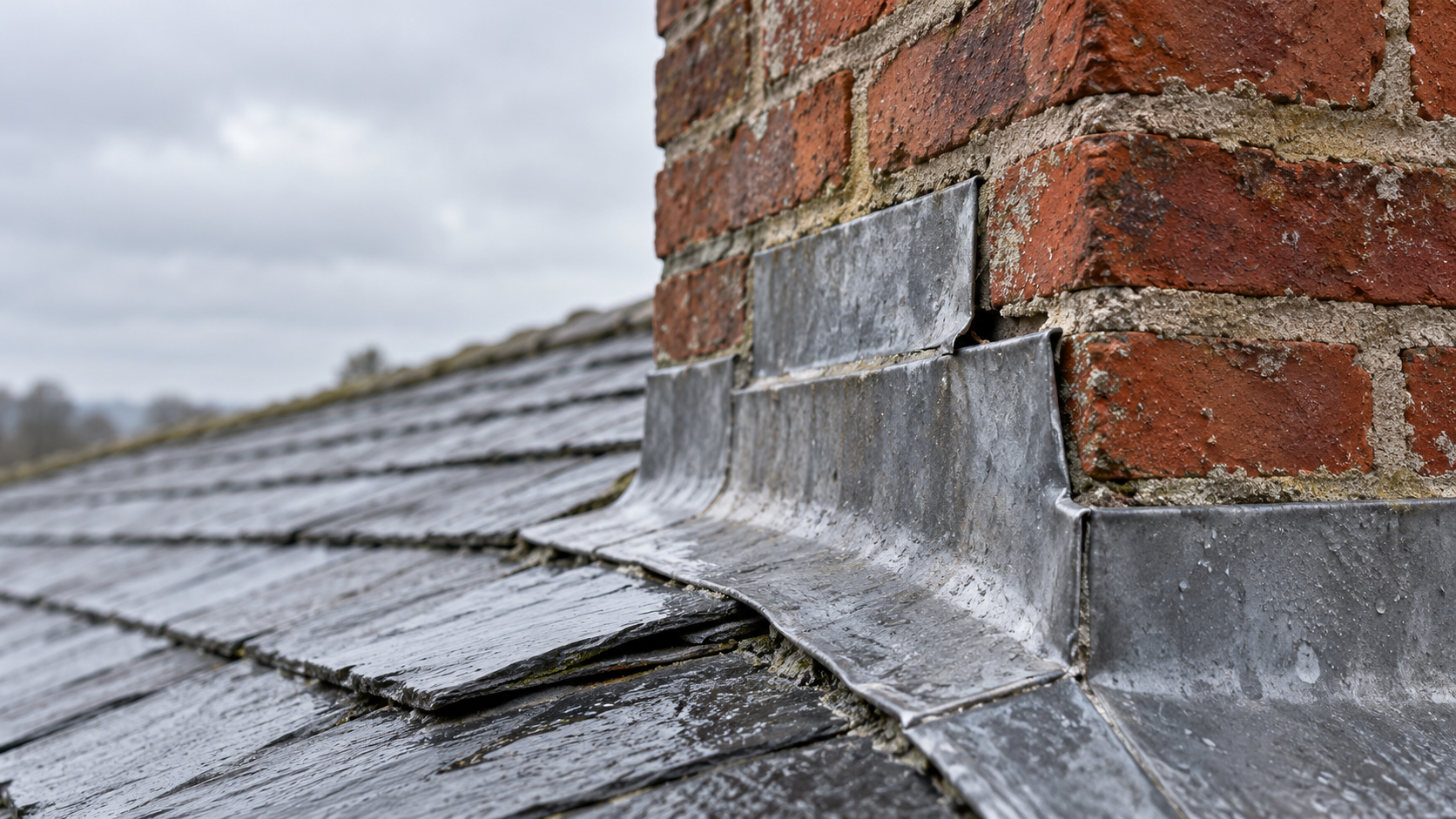
Chimney pots are normally secured with mortar at the top of the stack. Over time, this mortar can weaken because of moisture, frost, wind, and general weathering.
Once the mortar begins to break down, the pot may lean or move slightly. Strong winds can then place additional pressure on it. A visibly tilted pot requires prompt attention because loose masonry or pottery may fall onto the roof or surrounding area.
A drone inspection and roof inspection can provide detailed views of the pot, mortar, and top of the chimney without relying only on observations from ground level. Closer access may still be needed to confirm whether the pot is stable.
Warning Signs Inside the Property
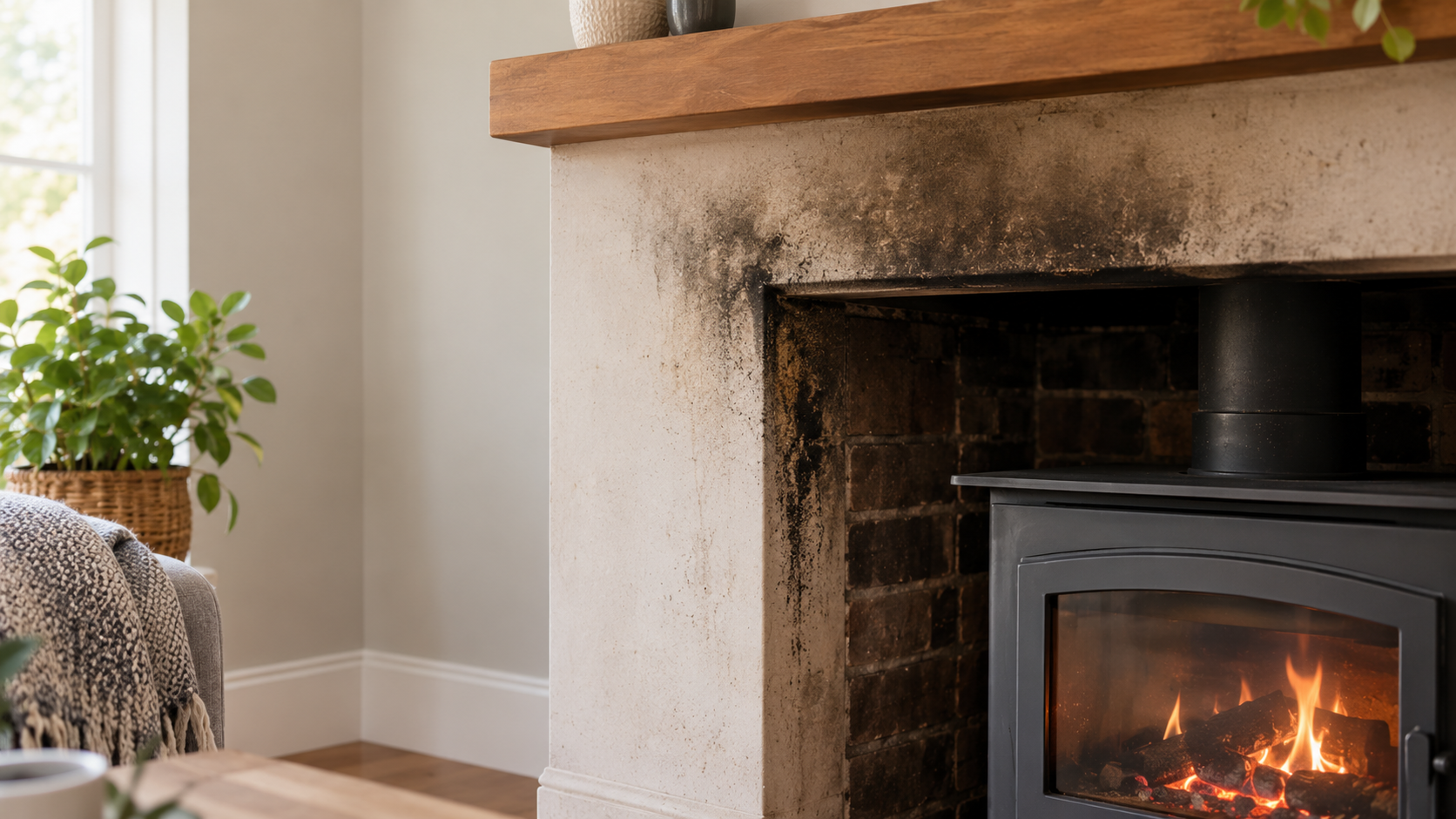
External chimney problems do not always remain outside. A damaged pot may allow more rain into the flue, leading to damp smells, staining, or debris around the fireplace.
Homeowners might also notice pieces of mortar, pottery, or soot falling into the fireplace. Smoke may enter the room if broken materials create an obstruction or interfere with the chimney’s draught.
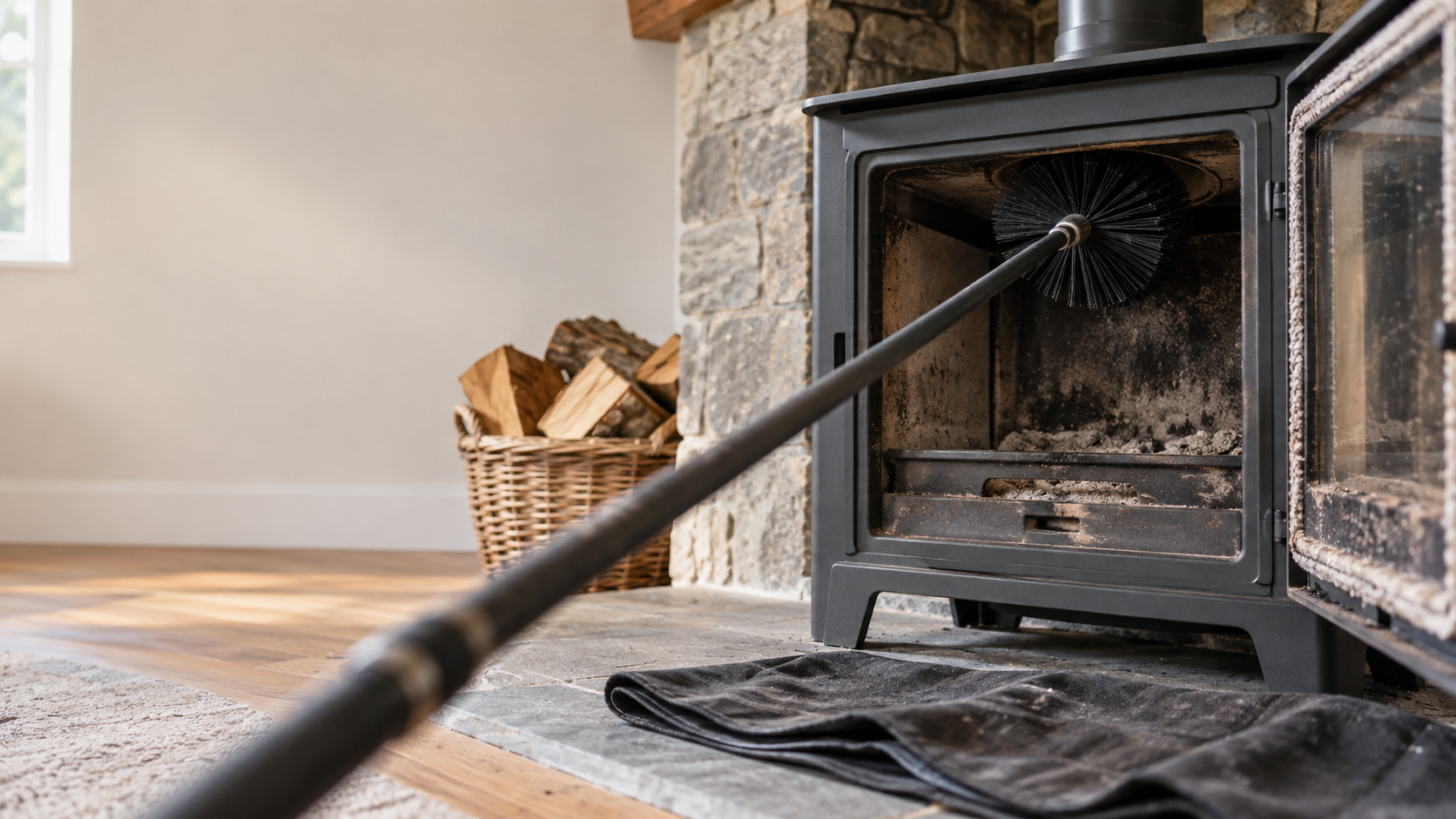
A chimney sweep can clear soot and loose debris from the flue, but sweeping cannot stabilize a damaged pot or repair exterior masonry.
Checking the Flue for Hidden Damage
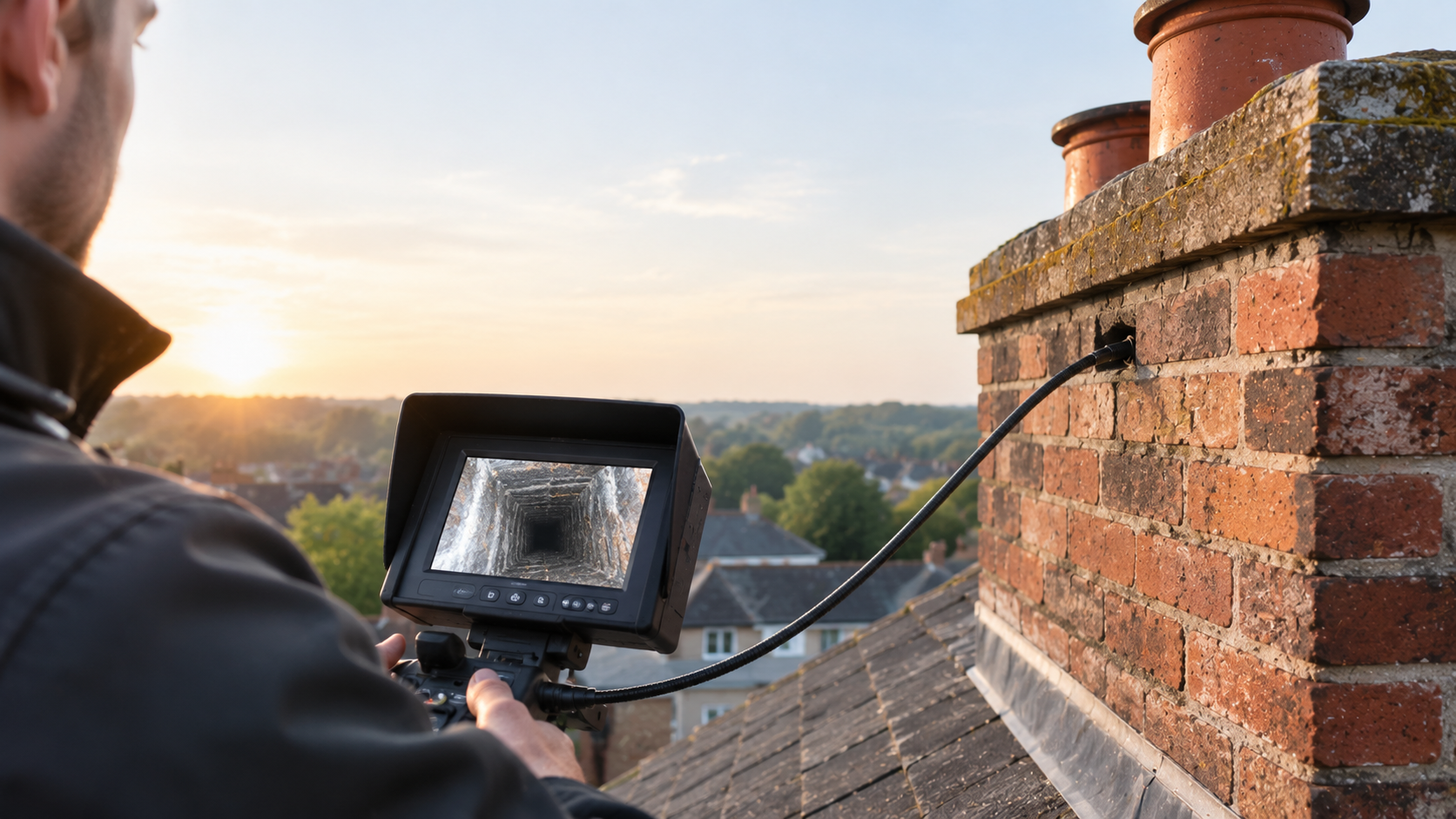
When material has fallen inside a chimney, it is important to understand where it came from and whether the flue remains clear. CCTV and drone inspection methods can examine the chimney internally and externally.
CCTV equipment may identify cracks, displaced masonry, obstructions, or signs of moisture inside the flue. If the internal passage has deteriorated, flue liner installation may be considered after a professional assessment.
A liner should match the appliance, fuel type, and chimney dimensions. External damage should also be repaired rather than covered by internal lining alone.
Bird Nests and Open Chimney Pots
Open or damaged pots may provide sheltered nesting locations for birds. Nesting materials can restrict airflow and prevent smoke or gases from leaving the property correctly.
Any bird nest removal must be approached carefully. Active nests, eggs, and wild birds may be legally protected, so the chimney should be checked before removal work begins.
After the nest is no longer active and the flue has been cleared, a suitable cowl may help prevent future nesting. The cowl must remain compatible with the chimney and any connected appliance.
Should a Damaged Pot Be Repaired or Replaced?
The right solution depends on the type and extent of the damage. Minor mortar deterioration may be repairable, while a badly cracked or unstable pot may need replacement.
If the chimney is no longer used, it should not automatically be sealed without considering ventilation. Completely blocking an unused flue can trap moisture and contribute to damp problems.
An inspection can determine whether the chimney should remain operational, be ventilated, or receive more extensive repairs. Midlands Sweeps may assist with sweeping and chimney investigation, while structural masonry work should be completed by an appropriately experienced professional.
When to Arrange an Inspection
An inspection may be sensible after severe storms, high winds, or periods of freezing weather. It should also be considered if the pot appears to lean, pieces of material are falling, or new damp patches have appeared near the chimney.
Even when there are no obvious indoor symptoms, occasional roof-level checks can help identify deterioration before it becomes more serious.
Conclusion
Chimney pots can crack, loosen, or tilt because of moisture, frost, heat, wind, and aging mortar. These problems may lead to water entry, falling debris, poor airflow, or blockages inside the flue.
External inspection, internal CCTV, and professional sweeping each provide different information about the chimney’s condition. Identifying the source of the problem early makes it easier to plan suitable repairs and keep the fireplace or stove operating safely.
Frequently Asked Questions
Is a cracked chimney pot dangerous?
It can become dangerous if pieces break away, water enters the flue, or the pot becomes unstable. The severity should be assessed professionally.
Can a chimney pot be inspected with a drone?
Yes. A drone can provide useful close-up images of the pot and surrounding masonry, although physical access may still be needed before repairs.
Does a leaning pot always need replacement?
Not always. The problem may involve weakened mortar rather than the pot itself, but both should be examined before deciding on a repair.
Can an unused chimney pot be removed?
It may be possible, but ventilation, weather protection, and the condition of the remaining stack must be considered before changes are made.