Yes, log burners need regular chimney or flue sweeping.
Although a modern wood-burning stove may appear cleaner and more efficient than an open fireplace, burning logs still produces soot, tar and creosote. These deposits can collect inside the flue and gradually restrict the safe passage of smoke and combustion gases.
Regular sweeping helps keep your log burner operating safely and efficiently. It can also reduce the risk of chimney fires, smoke entering your room and carbon monoxide problems.
UK government guidance recommends having the chimney connected to a stove or open fire professionally swept at least once a year. The correct frequency may be higher depending on how often you use the burner, the fuel you burn and the condition of the flue.
Why Does a Log Burner Flue Need Sweeping?
When wood burns, it releases smoke, gases and small particles. These materials travel from the stove through the flue before leaving the property through the chimney.
Some of the particles stick to the inside of the flue and form deposits. The amount produced depends on factors such as:
- The moisture content of the wood
- How efficiently the fire is burning
- The temperature of the flue
- How frequently the burner is used
- The condition and design of the chimney
- Whether the stove has enough ventilation
- How the air controls are operated
Even a properly installed log burner will produce some deposits over time. Sweeping removes this material before it becomes a serious obstruction or fire hazard.
What Builds Up Inside a Log Burner Flue?
A log burner chimney or flue may gradually collect several different materials.
Soot
Soot is a fine black powder created during combustion. It can build up on the internal walls of the flue and restrict airflow if it is not removed.
Creosote
Creosote is a combustible deposit that forms when smoke cools and condenses inside the chimney.
It may appear as:
- A dry, flaky coating
- A sticky tar-like substance
- A hard, shiny glazed deposit
Heavy or glazed creosote can be difficult to remove with ordinary sweeping equipment and may require specialist treatment.
Tar
Tar is often associated with burning wet wood, operating the stove at low temperatures or restricting the airflow too much.
It can create strong smells, damage the flue and increase the risk of a chimney fire.
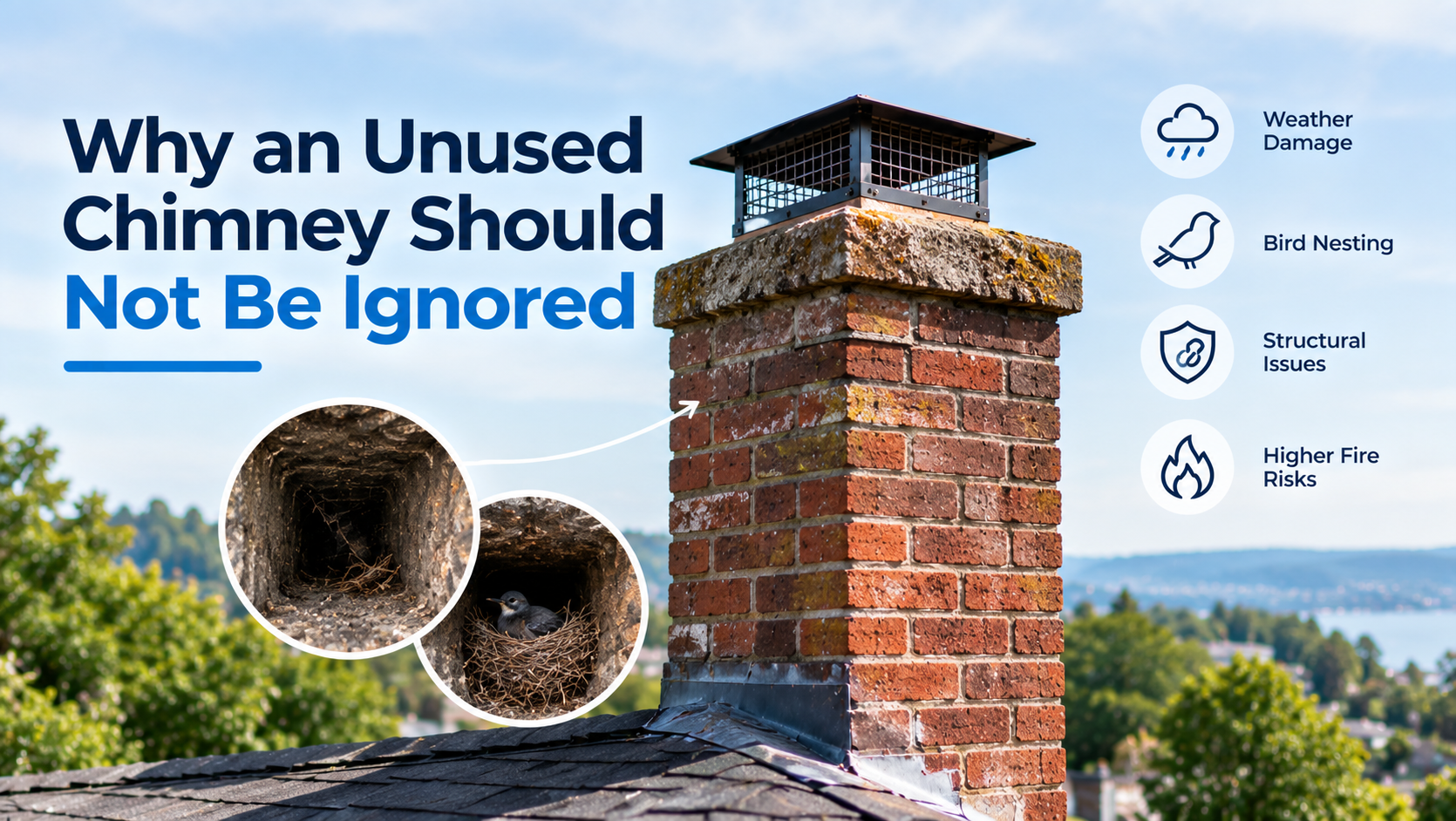
Bird Nests and Outdoor Debris
Birds, leaves, twigs and other debris may enter the chimney even when the log burner is not being used.
A single bird nest can create a major blockage. Midlands Sweeps provides bird nest removal and chimney inspection services where a standard sweep is not enough to clear the problem.
Fallen Chimney Material
Pieces of mortar, brickwork or damaged flue liner can sometimes fall into the chimney. This may indicate that the chimney needs further inspection or repair rather than sweeping alone.
What Happens If You Do Not Sweep a Log Burner?
Failing to sweep a log burner chimney can lead to several safety and performance problems.
Increased Risk of a Chimney Fire
Soot, tar and creosote can ignite when exposed to high temperatures.
A chimney fire may cause:
- Loud roaring or rumbling sounds
- Sparks or flames from the chimney pot
- Excessive heat around the chimney breast
- Smoke entering the property
- Damage to the chimney liner
- Cracked masonry
- Fire spreading into roof timbers or nearby materials
Regular sweeping helps remove combustible deposits before they can ignite. Government guidance specifically warns that soot and tar accumulation can reduce chimney efficiency and increase chimney-fire risk.
Smoke Entering the Room
A restricted or blocked flue may prevent smoke from leaving the property properly.
Instead, smoke can spill from the stove when the door is opened or escape through joints and damaged components.
Smoke entering the room should never be ignored. Stop using the appliance and arrange a professional inspection.
Carbon Monoxide Risk
A blockage or poor chimney draught may prevent combustion gases from escaping safely.
Carbon monoxide is colourless and odourless, making it difficult to detect without a working alarm. Every home with a log burner should have an appropriately positioned carbon monoxide alarm that is tested regularly.
Reduced Heating Performance
A dirty or partially blocked flue can affect chimney draught.
Your fire may become:
- Difficult to light
- Slow to reach temperature
- Smokier than usual
- Less responsive to the air controls
- Less efficient at heating the room
- More likely to go out unexpectedly
Regular stove maintenance and chimney sweeping can help the appliance produce more useful heat while using fuel more effectively.
Damage to the Flue or Chimney
Tar and acidic combustion deposits can contribute to corrosion and deterioration, particularly when combined with moisture.
A chimney fire can also damage stainless steel liners, clay liners, mortar joints and surrounding masonry.
How Often Should a Log Burner Be Swept?
A log burner chimney should generally be swept at least once a year.
However, many wood-burning systems may need sweeping twice a year, particularly when the stove is used regularly throughout the colder months.
A practical schedule is:
- Occasional use: At least once a year
- Regular winter use: Once before the burning season and again after a period of heavy use
- Daily or primary heating use: Potentially more frequently, based on professional advice
- After burning damp or unsuitable fuel: Arrange an earlier inspection
- After a suspected chimney fire: Do not use the stove until the system has been professionally inspected
HETAS advises that sweeping should be carried out at least annually, with the appropriate frequency depending on the appliance and fuel. The condition of your flue and your pattern of use should also be considered.
When Is the Best Time to Sweep a Log Burner?
The best time to arrange a sweep is usually during spring, summer or early autumn, before you begin using the stove regularly.
Booking outside the busiest winter period can make it easier to secure a convenient appointment.
You may also choose to sweep:
- After the winter burning season
- Before the first fire of autumn
- After moving into a new property
- Before using a stove with no maintenance records
- After a prolonged period of inactivity
- Whenever you notice signs of poor performance
Do not wait for a visible problem before arranging maintenance.
Does a Stainless Steel Flue Liner Need Sweeping?
Yes. Stainless steel flue liners still need regular sweeping.
A flue liner does not prevent soot and creosote from forming. It simply provides a defined route through which smoke and gases can leave the property.
Deposits can collect on the internal surface of the liner, especially when damp wood is burned or the stove is repeatedly operated at a low temperature.
The sweep must use tools suitable for the particular liner. Incorrect or overly aggressive equipment could damage it.
Midlands Sweeps provides chimney and stainless steel flue liner cleaning as part of its professional chimney sweeping services.
Does a Twin-Wall Flue Need Sweeping?
Yes. A log burner connected to an insulated twin-wall flue system still needs sweeping.
Twin-wall systems are often installed in properties without a traditional masonry chimney. Although the system is different, combustion deposits can still collect inside it.
The sweep should follow the manufacturer’s requirements and use equipment appropriate for the flue material, diameter and design.
Does a New Log Burner Need Sweeping?
Yes. A newly installed log burner will eventually require sweeping, even if the chimney or flue liner was clean at the time of installation.
Your installer or stove manufacturer should advise you about the first service and sweeping schedule.
The amount of build-up during the first burning season can help identify whether:
- Your wood is sufficiently dry
- The stove is being operated correctly
- The chimney is drawing properly
- The selected fuel is suitable
- The sweeping interval needs adjusting
Midlands Sweeps offers log burner installation alongside chimney preparation, flue liner installation and pre-installation sweeping where required.
Does a Rarely Used Log Burner Need Sweeping?
Yes, although it may not require sweeping as frequently as a stove used every day.
Even an occasionally used burner can contain old soot and creosote. The chimney can also become blocked by birds, leaves, fallen masonry or other debris while it is inactive.
Arrange an inspection before using the stove when:
- It has not been used for more than a year
- You do not know when it was last swept
- You have recently bought the property
- Birds have been seen around the chimney
- Debris has fallen into the stove
- There is a strong damp or smoky smell
- The chimney has been exposed to building work
Do not assume that a chimney is clear simply because the burner has not been used.
Signs Your Log Burner Needs Sweeping
You may need to book a sweep sooner than expected if you notice any of the following warning signs.
The Fire Is Difficult to Light
A restricted flue can create weak chimney draught, making the fire difficult to start or maintain.
Smoke Escapes When You Open the Door
A small amount of disturbance can occur when opening a stove door too quickly, but repeated smoke spillage may indicate a flue or ventilation problem.
The Stove Produces More Smoke Than Usual
Excessive smoke may be caused by damp fuel, poor burning technique, inadequate airflow or restricted chimney draught.
There Is a Strong Tar or Soot Smell
Persistent smells may indicate heavy deposits, moisture or material trapped inside the chimney.
Soot Falls Into the Stove
Loose soot, flakes or debris around the baffle plate may suggest build-up inside the flue.
The Glass Blackens Quickly
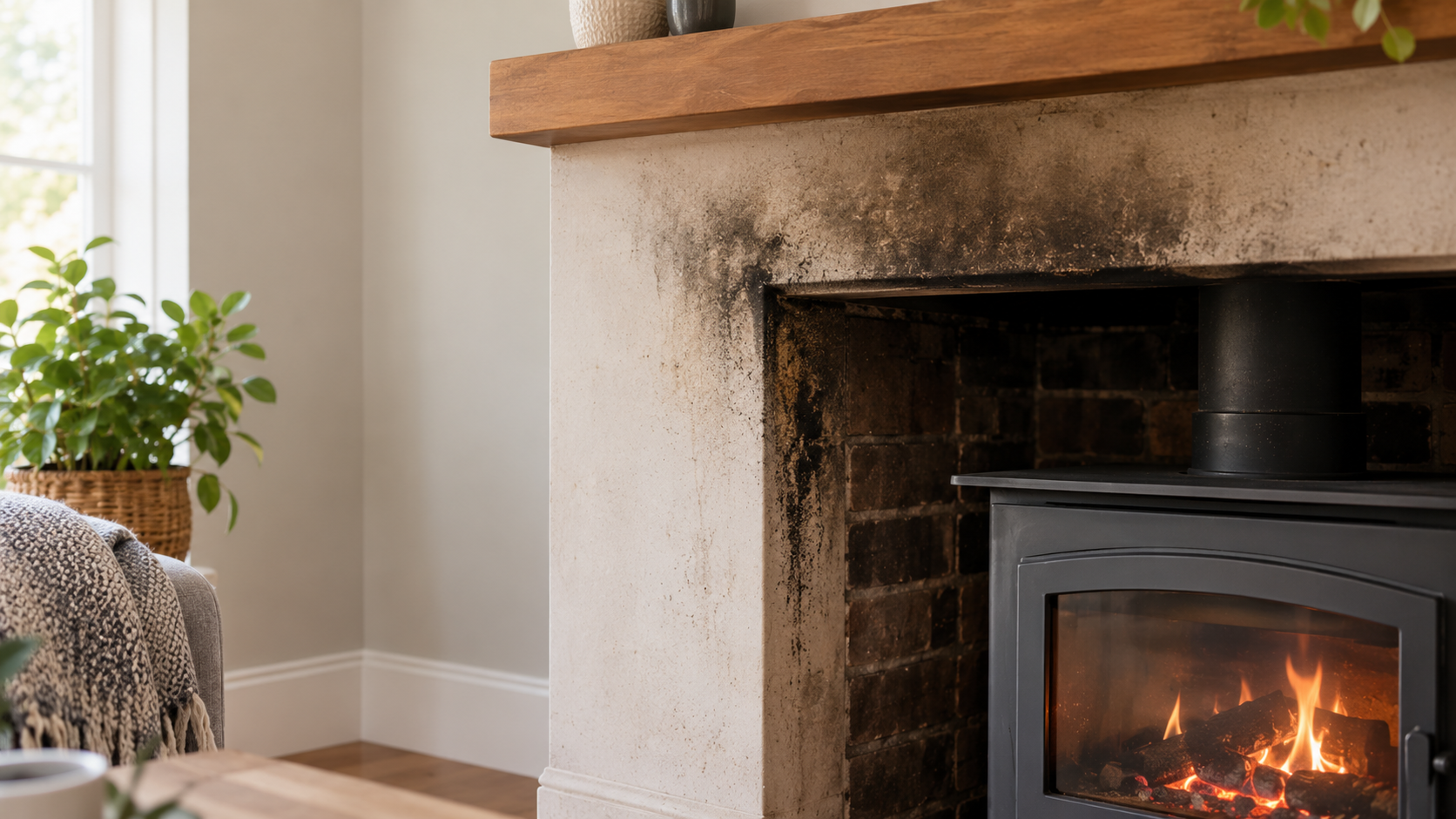
Stove glass can darken for several reasons, including damp wood and restricted airflow. Rapid blackening may indicate that the fire is not burning cleanly.
You Can See Glazed Creosote
Shiny, hard or sticky deposits should be assessed by a professional. Standard sweeping may not be enough to remove severe glazed creosote.
Birds or Debris Are Inside the Chimney
Do not light the burner if you suspect a bird nest or blockage. Active nests must be handled carefully and cannot simply be removed at any time.
What Does a Professional Log Burner Sweep Include?
A professional chimney sweep will normally begin by checking the stove and asking about its use, fuel and recent performance.
The appointment may include:
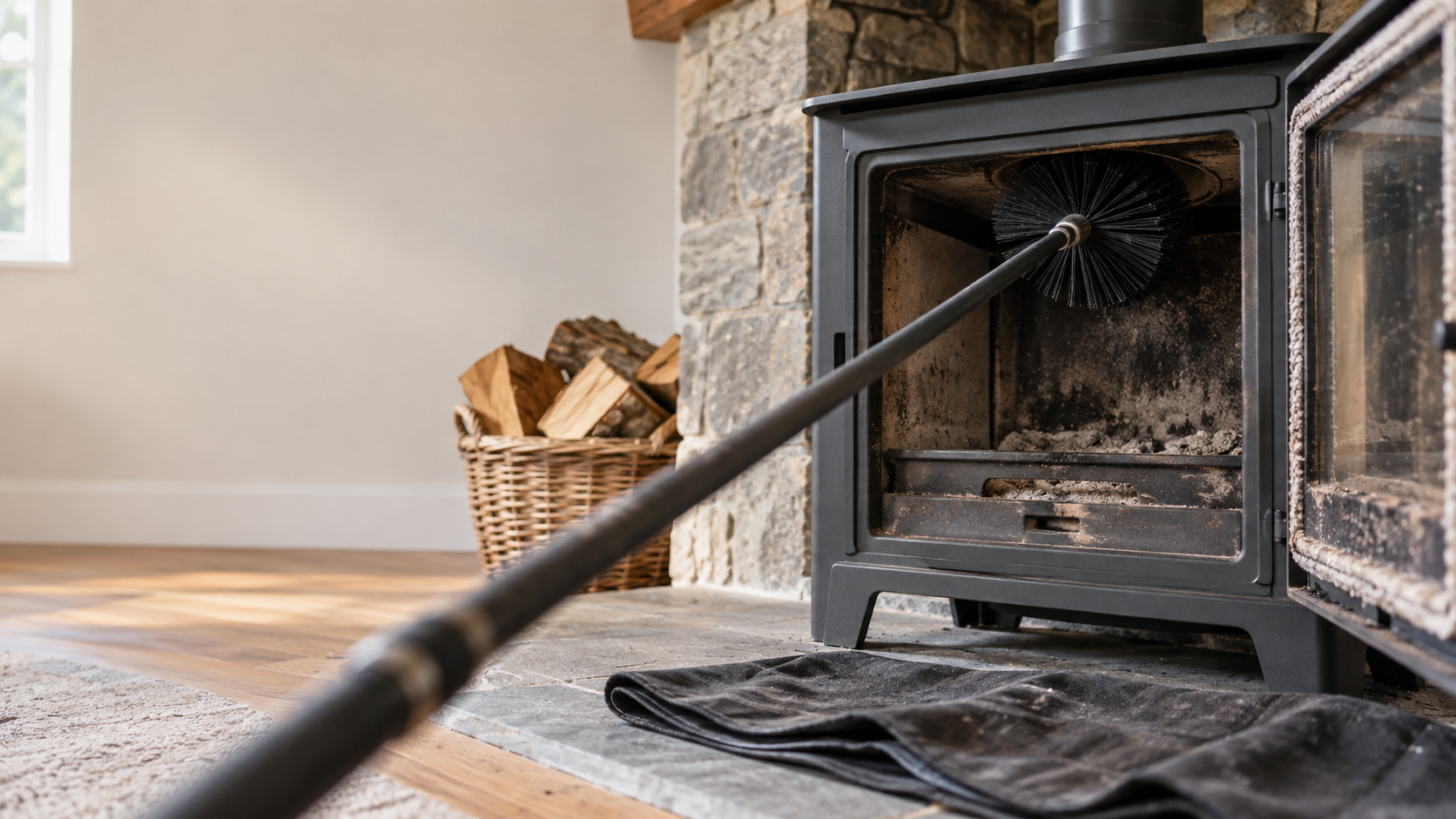
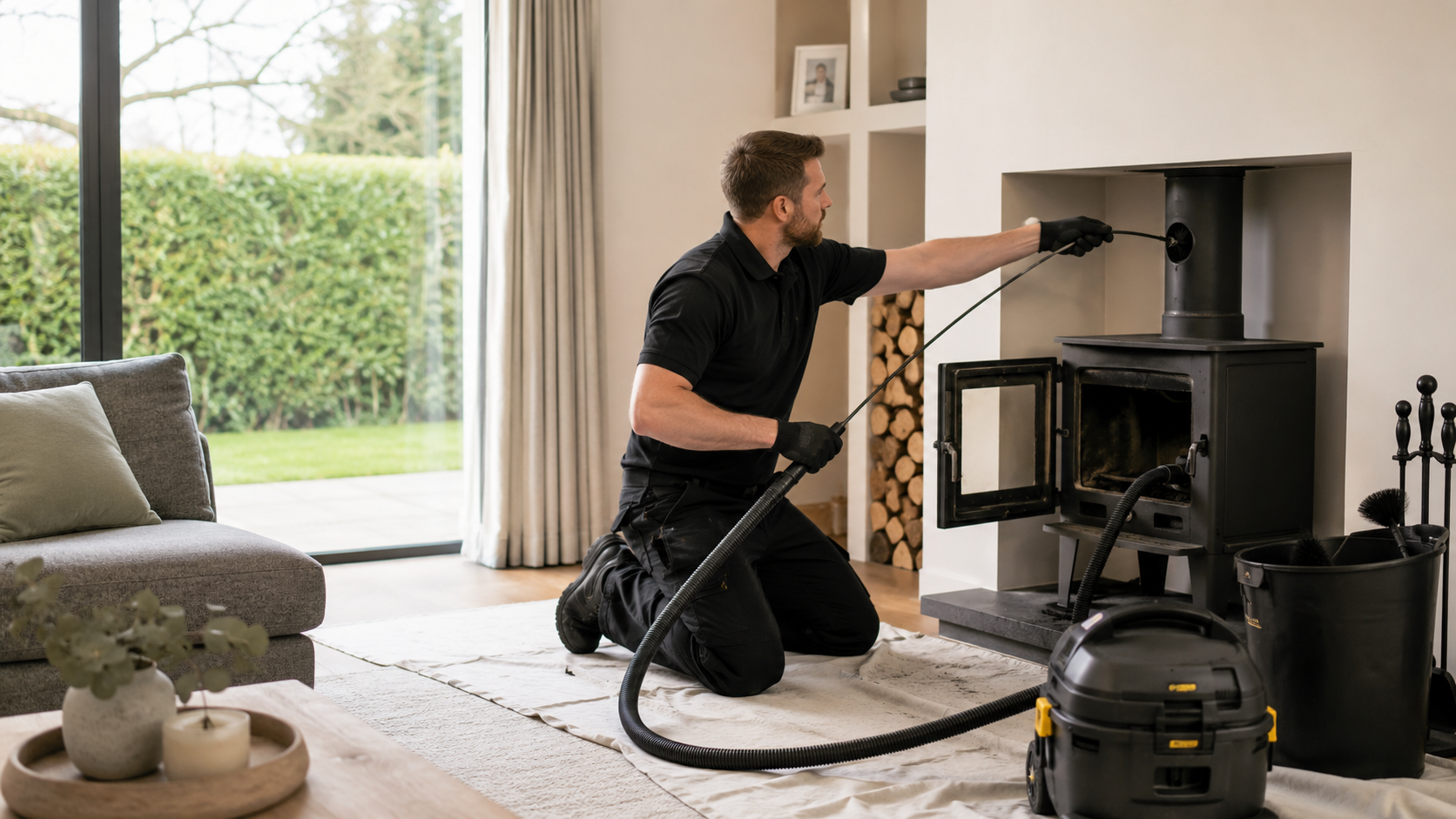
- Protecting the floor and surrounding area
- Removing or accessing the stove’s baffle plate where appropriate
- Sealing the appliance opening to contain soot
- Sweeping the chimney or flue with suitable rods and brushes
- Removing soot, creosote and loose debris
- Checking for obvious blockages
- Inspecting accessible stove and flue components
- Completing an appropriate smoke evacuation or draught check
- Reassembling accessible components correctly
- Providing a certificate or service record
Midlands Sweeps describes its chimney sweeping service as complete flue cleaning that supports fire-hazard prevention, smoke and odour control, safety inspection and heating performance.
Is Sweeping the Same as Servicing a Log Burner?
No. Chimney sweeping and stove servicing are related but different services.
Chimney sweeping focuses on:
- Cleaning the chimney or flue
- Removing soot and creosote
- Clearing loose debris
- Checking the chimney route
- Assessing basic draught and smoke movement
Stove servicing may include:
- Checking door seals
- Inspecting firebricks
- Cleaning internal stove components
- Examining the grate and baffle plate
- Checking moving parts
- Looking for corrosion or heat damage
- Replacing worn components where required
UK government guidance recommends having a stove serviced once a year in addition to professional chimney sweeping.
Ask what is included when booking, as a standard chimney sweep may not include a complete appliance service.
Can You Sweep a Log Burner Yourself?
Cleaning ash from the firebox is normal homeowner maintenance, but it is not a substitute for professional chimney sweeping.
A professional sweep has suitable equipment to clean the complete flue while controlling soot and protecting the appliance.
Trying to sweep the chimney yourself may result in:
- Sections of the flue being missed
- Damage to the liner
- Soot escaping into the room
- The baffle plate being refitted incorrectly
- Serious defects remaining unnoticed
- No professional maintenance certificate
Do not use an ordinary domestic vacuum to collect chimney soot. Fine particles can damage the vacuum and escape back into the room.
How Can You Reduce Soot and Creosote Build-Up?
You cannot eliminate chimney maintenance, but good burning practices can reduce unnecessary deposits.
Burn Dry Wood
Use logs with a moisture content of 20% or less. Wet wood produces more smoke and tar, provides less useful heat and can increase maintenance requirements. Wood carrying the Ready to Burn logo meets the required moisture standard for applicable retail sales.
Do Not Let the Fire Smoulder
Repeatedly operating the stove with insufficient air can create cooler, smokier combustion.
Follow the stove manufacturer’s instructions and avoid closing the air controls too early.
Burn Only Suitable Fuel
Do not burn:
- Painted or treated timber
- MDF or chipboard
- Household rubbish
- Plastic
- Wet logs
- Old furniture
- Inappropriate coal products
- Fuel not approved for your appliance
Burning unsuitable materials can damage the stove and chimney while releasing harmful pollutants.
Maintain Adequate Ventilation
Do not block permanent air vents installed for the stove. Inadequate ventilation can affect combustion and chimney draught.
Arrange Annual Servicing
A stove with damaged seals, cracked firebricks or worn components may not burn as efficiently as intended.
Frequently Asked Questions
Do log burners need sweeping every year?
Yes. At least one professional sweep per year is generally recommended. Regularly used wood burners may need sweeping twice a year or more often, depending on the installation and fuel.
Can I use my log burner if it has not been swept?
It is safer to arrange a sweep before use if the chimney is overdue, its maintenance history is unknown or the stove has been inactive for a long time.
Can a lined chimney still catch fire?
Yes. Soot and creosote can collect inside a chimney liner and ignite. A liner can also be damaged by the extreme heat of a chimney fire.
Will dry wood mean I do not need sweeping?
No. Dry wood generally burns more cleanly than wet wood, but it still produces combustion deposits. Regular sweeping remains necessary.
Should I sweep before or after winter?
Sweeping before winter helps prepare the stove for regular use. Some frequently used systems may also benefit from another sweep after the main burning season.
How long does a log burner sweep take?
A straightforward appointment will often take around an hour. It may take longer if the flue is heavily soiled, blocked, difficult to access or requires additional inspection.
Will sweeping make a mess?
A professional sweep should use protective coverings, suitable seals and specialist vacuum equipment to contain soot and protect the room.
Book a Log Burner Chimney Sweep with Midlands Sweeps
Log burners need regular sweeping to remove soot, tar, creosote and other material from the chimney or flue.
Keeping the flue clean helps support safer smoke removal, better chimney draught and more efficient stove performance. It also gives a professional the opportunity to identify visible blockages or signs that further investigation may be needed.
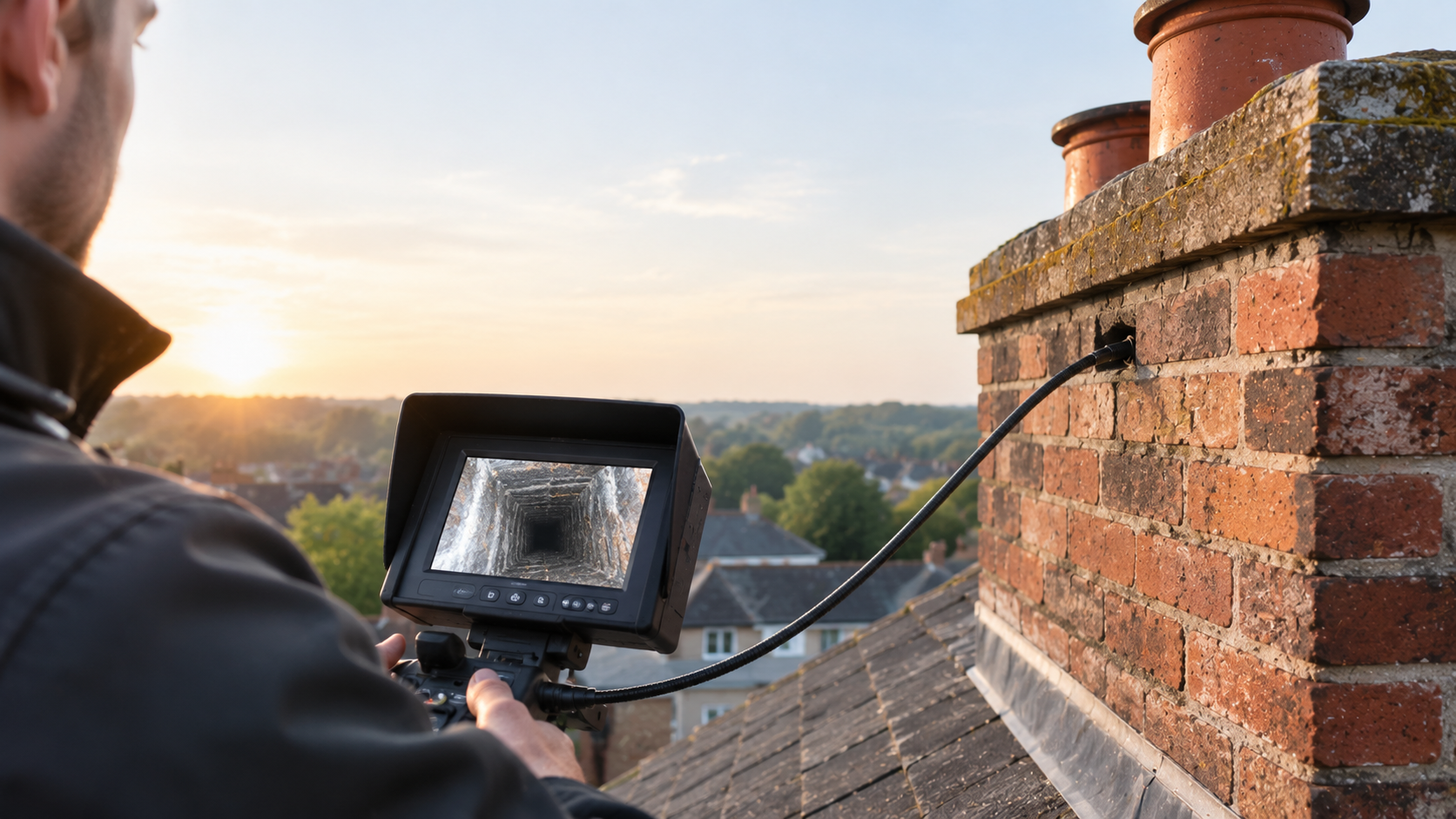
Midlands Sweeps is a veteran-owned, fully insured chimney and stove services company based in Swadlincote. Its services include chimney sweeping, log burner installation, flue liner installation, bird nest removal and CCTV or drone inspections.
To arrange a professional log burner sweep, contact Midlands Sweeps on 07824 830604 or submit an appointment request through the website.