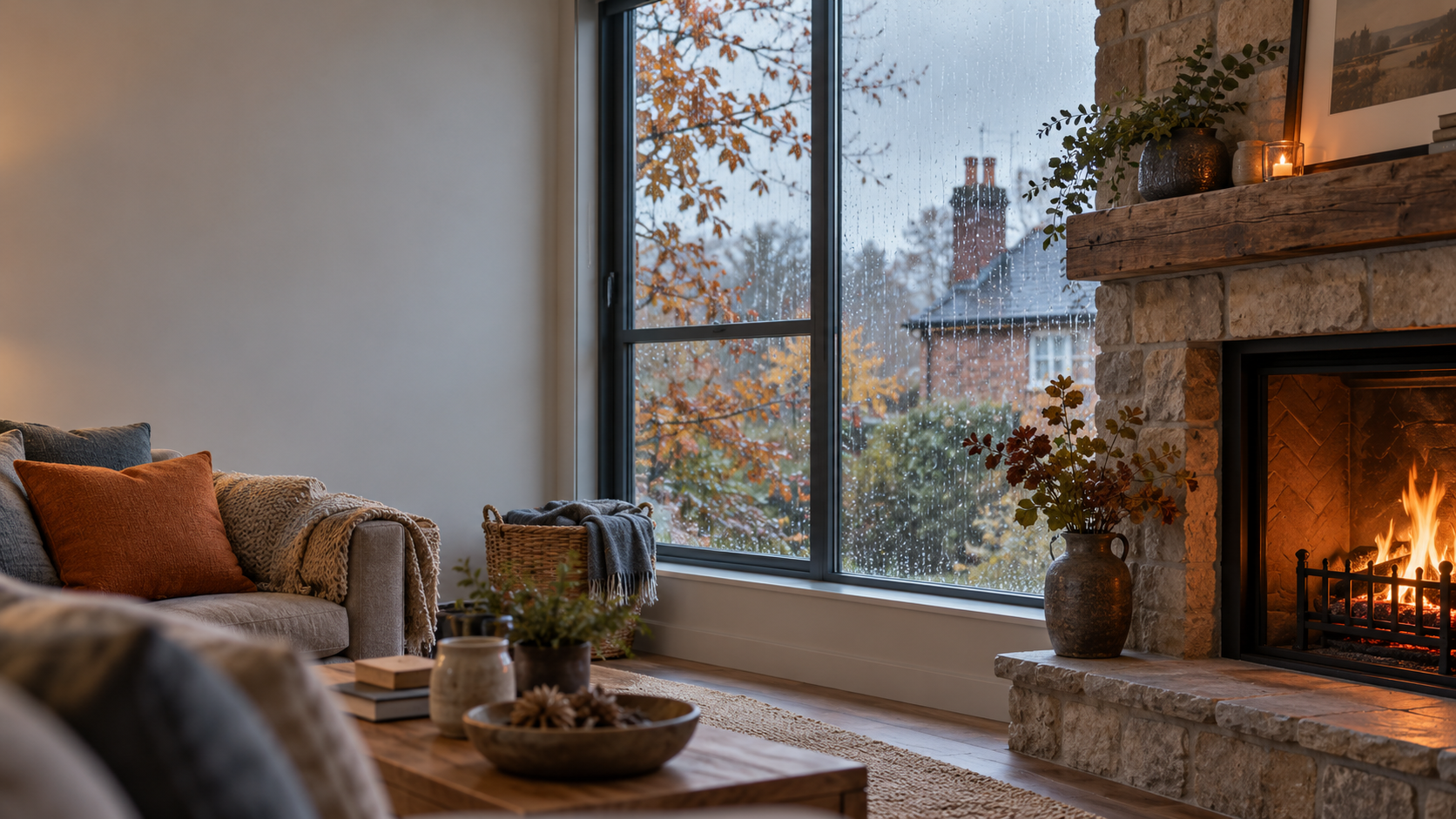

Open fireplaces and log burners both provide warmth, but they work in different ways and have different maintenance needs. An open fire draws air directly from the room, while a log burner controls airflow through a closed appliance. In both cases, smoke and combustion gases must travel safely through the flue and chimney.
Understanding these differences can help homeowners plan suitable cleaning, inspections and repairs.
Maintaining an Open Fireplace
An open fire exposes the chimney directly to smoke, ash and burning fuel. Soot can collect inside the flue, while loose debris may fall into the fireplace when it is not being used.
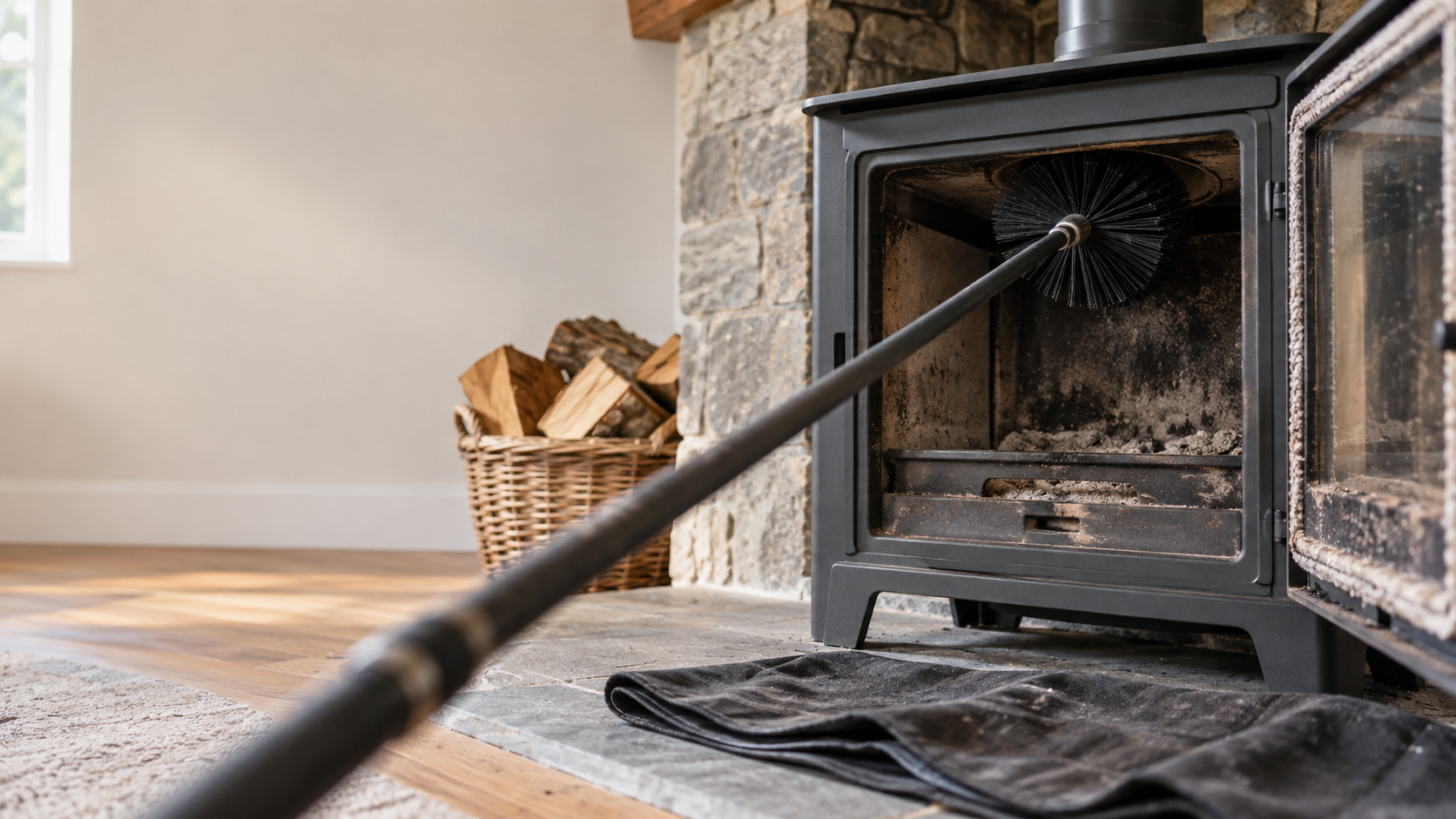
A professional Chimney Sweep removes deposits and checks for obvious signs of a blockage. Sweeping frequency depends on the type of fuel, how often the fire is used and the condition of the chimney. The fire grate, hearth and surrounding masonry should also be checked for cracks or deterioration.
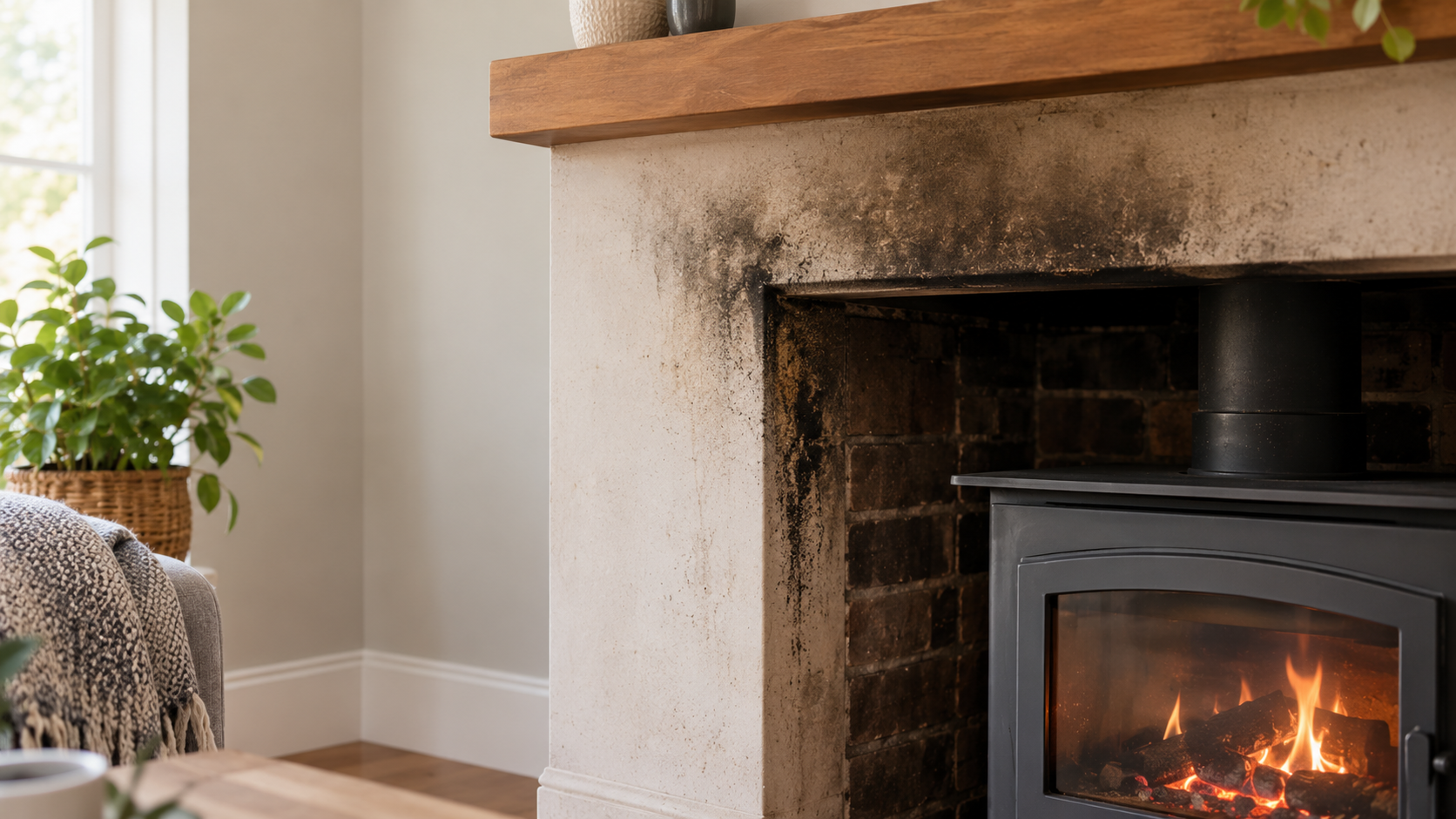
Because an open fireplace draws air from the room, ventilation is important. Smoke entering the room may indicate restricted airflow, a cold chimney, adverse weather or a blockage inside the flue.
Maintaining a Log Burner
A log burner controls combustion through adjustable air vents and a sealed door. Regular maintenance includes checking the door rope, glass, firebricks, baffle plate and air controls.
Deposits still build up inside the flue, even when the stove appears to burn cleanly. Burning suitable, dry wood can reduce excessive smoke and tar, but it does not remove the need for sweeping.
A safe Log burner installation should consider the appliance output, hearth, ventilation and chimney condition. The stove must suit the room and connect correctly to the flue. An appliance that is too large for the space may be difficult to operate efficiently.
Understanding the Flue Liner
Some open chimneys are unlined, while many stove systems use a liner to provide a defined route for combustion gases. Age, corrosion, moisture and heat can affect a liner over time.
Flue liner installation may be required when an existing flue is unsuitable, damaged or being prepared for a new appliance. The liner material and diameter must match the stove, fuel and chimney arrangement. Its condition should be assessed before replacement is recommended.
Dealing With Hidden Blockages
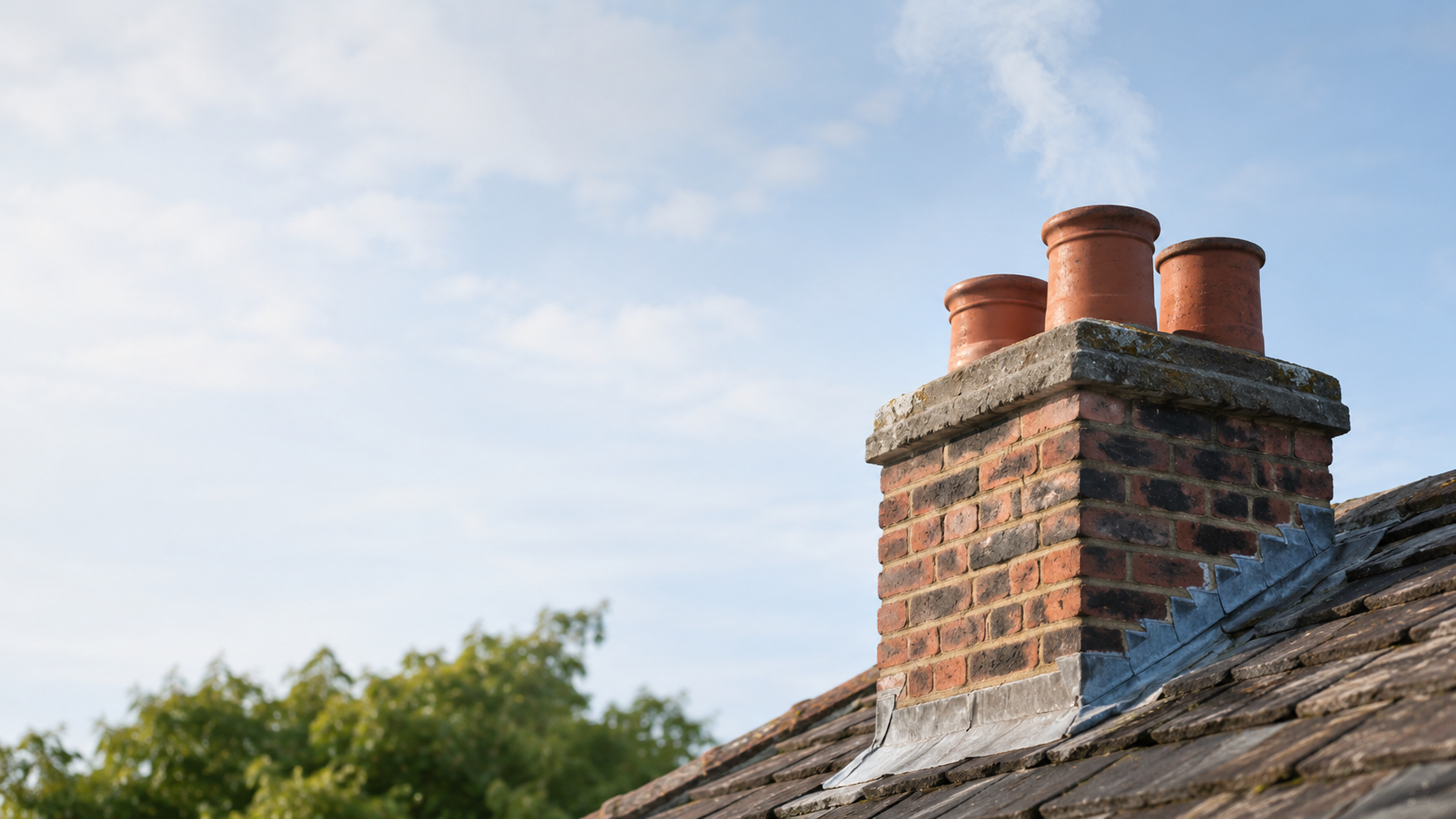
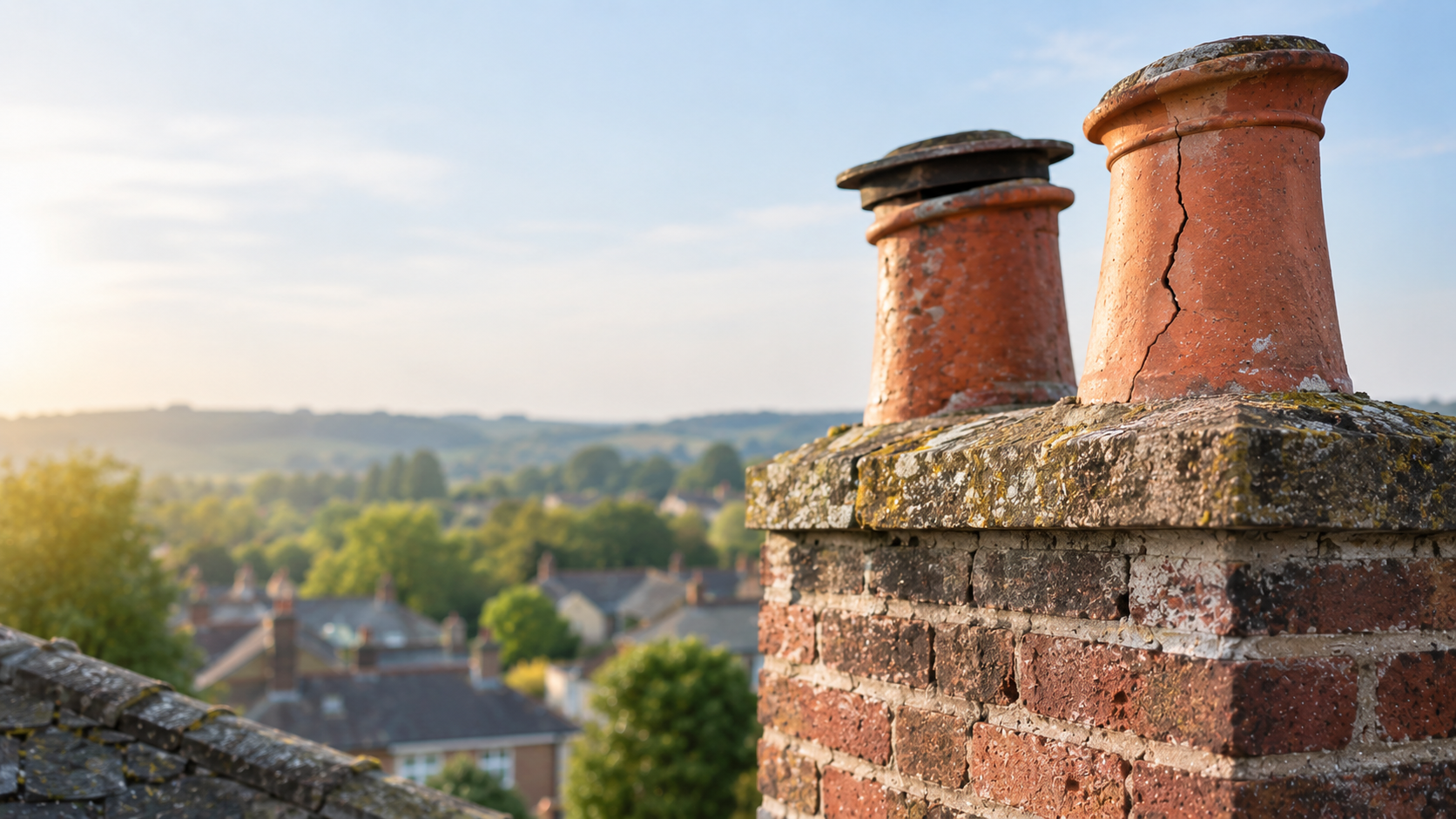
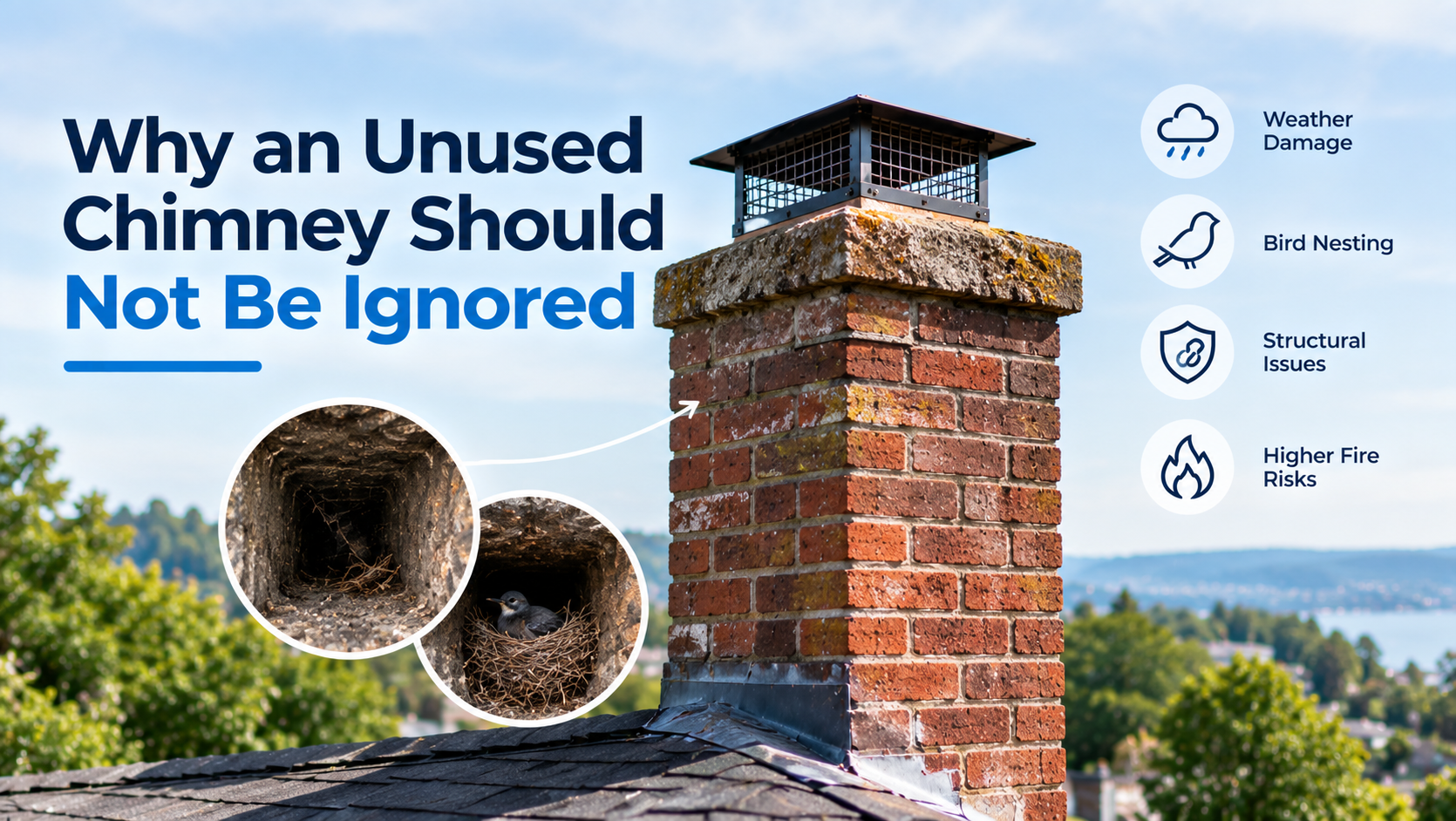
Both open fireplaces and stove flues can become blocked. Birds may build nests in open chimney pots, especially during periods when the system is unused.
Signs can include twigs in the hearth, scratching noises, unpleasant smells or poor draught. Bird nest removal must follow wildlife protection rules because active nests, eggs and wild birds may be protected. Do not light the fire when a nest is suspected.
When a Closer Inspection Helps
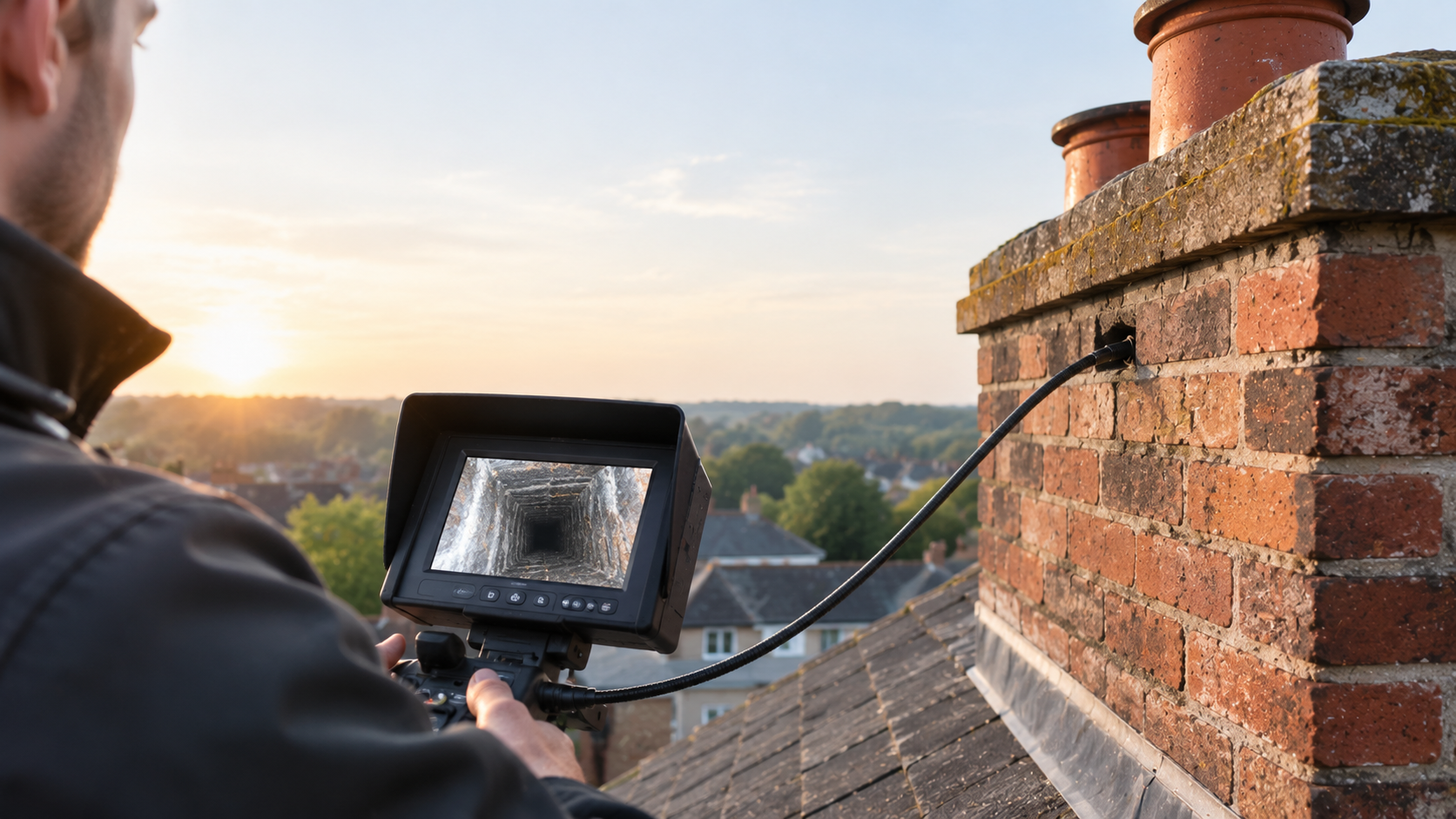
Routine sweeping does not show every part of a chimney. Cracks, displaced liners and hidden obstructions may require an internal camera survey.
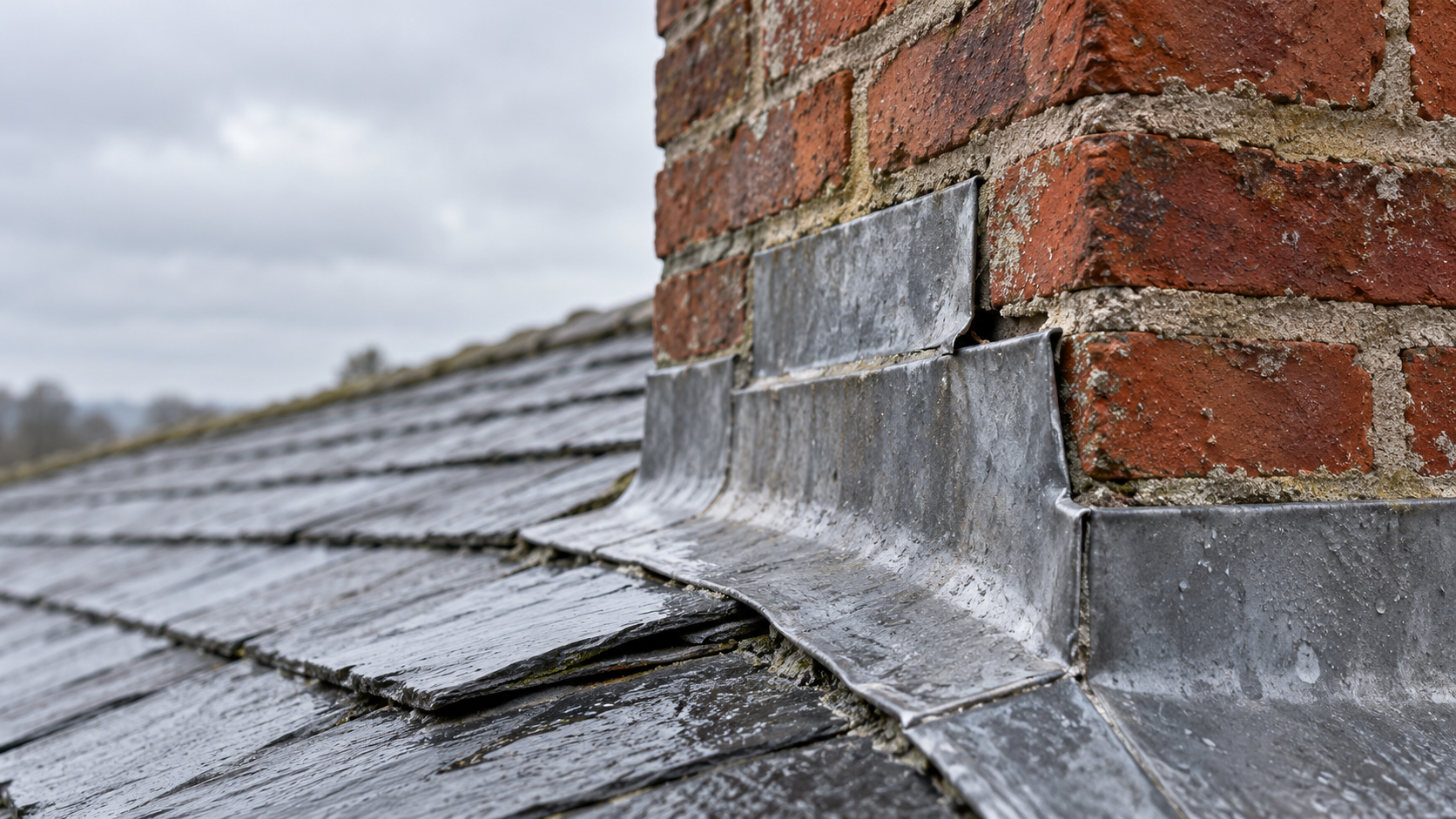
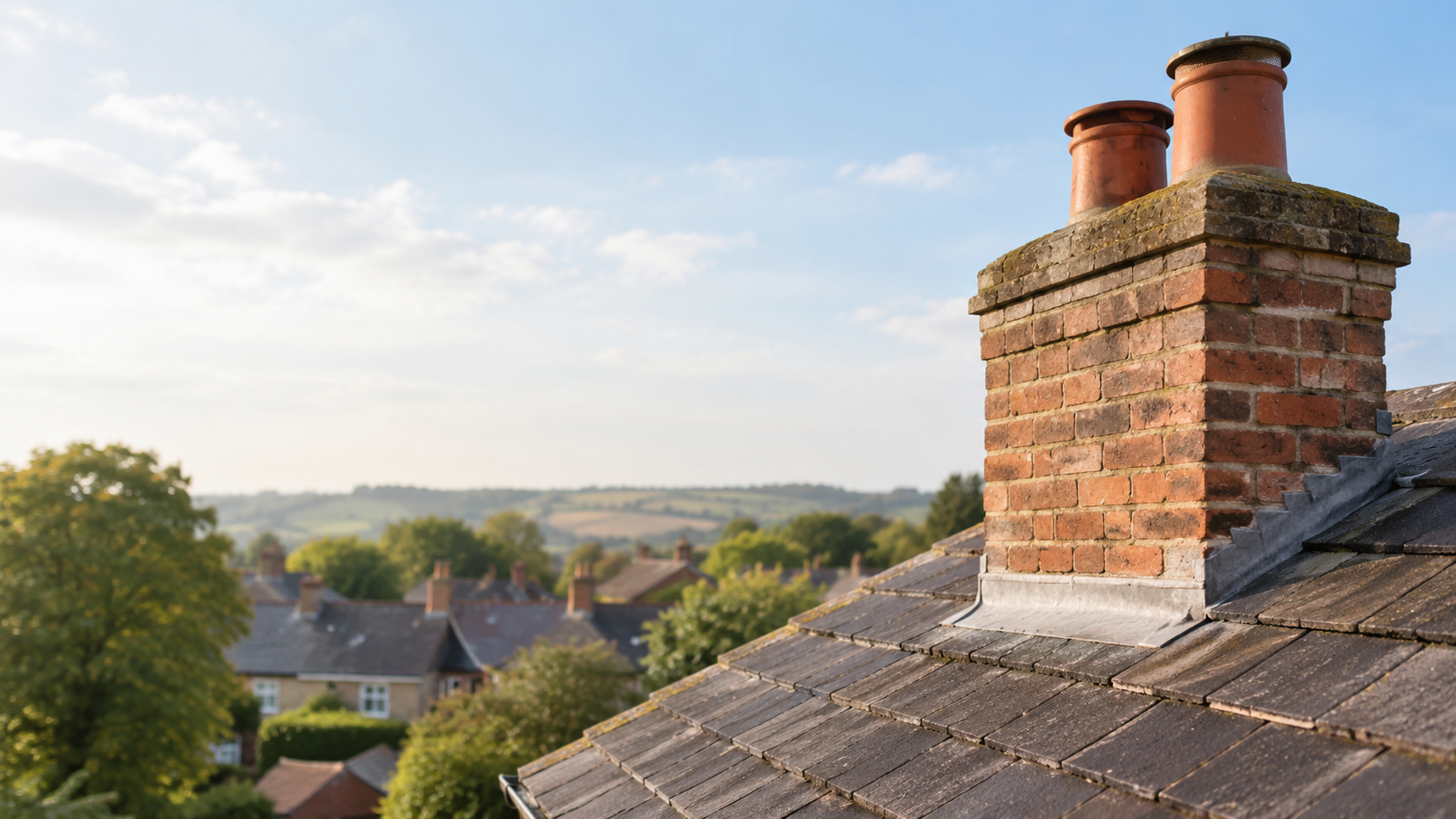
A CCTV and drone inspection can examine the flue internally and the chimney stack externally. Similarly, a drone inspection and roof inspection can help identify damaged pots, cowls, mortar, flashing and nearby roof defects. A close roof inspection may still be needed to confirm the condition of materials shown in aerial images.
Midlands Sweeps provides chimney sweeping, inspection, lining, nest removal and stove installation services across its listed coverage areas. The appropriate work depends on the appliance, chimney design and symptoms found during an assessment.
Conclusion
Open fireplaces and log burners share one essential requirement: a clear and suitable route for smoke and gases. Open fires need careful attention to draught and room ventilation, while log burners also require appliance checks and secure connections. Regular sweeping and timely inspection can help identify problems before the heating season begins.
Frequently Asked Questions
Does a log burner chimney still need sweeping?
Yes. Soot and tar can collect inside the flue regardless of whether the fire is open or enclosed.
Can an open fireplace be converted for a log burner?
In many properties it can, but the chimney, hearth, ventilation and proposed appliance must first be assessed.
Which system needs more maintenance?
Maintenance depends on fuel, use and condition. Both open fires and log burners require regular checks and appropriate sweeping.