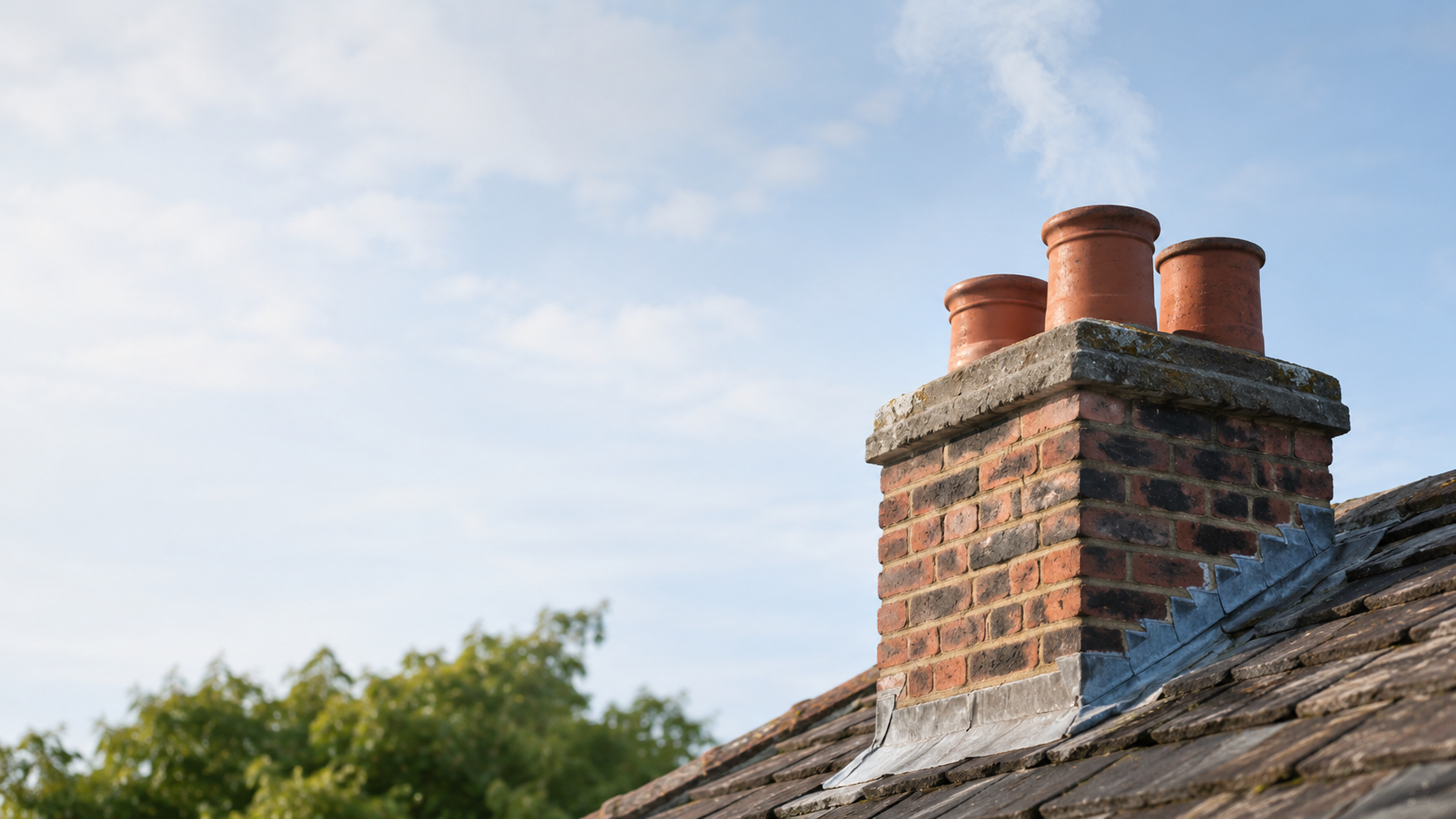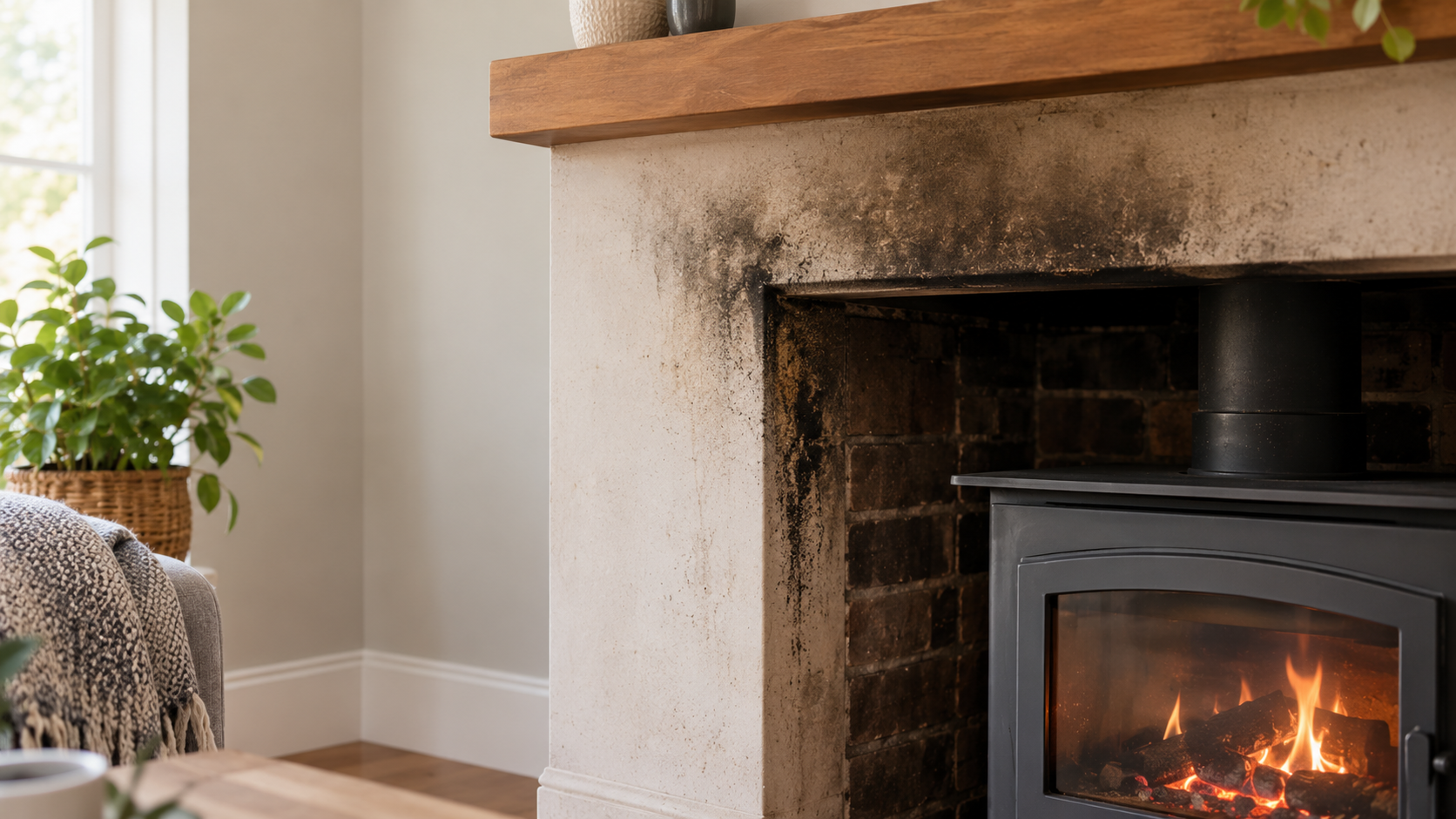
A smoky log burner is not something you should simply put up with.
A correctly installed and properly functioning wood-burning stove should direct smoke safely through the flue and out of the chimney. If smoke is entering your room, escaping when you open the stove door or lingering around the appliance, there may be a problem with the chimney, fuel, ventilation or the way the stove is being operated.
Some causes are relatively simple, such as damp firewood. Others, including a blocked chimney or damaged flue, require professional attention.
In this guide, we explain why your log burner may be smoking, how to identify the likely cause and when it is time to call a professional chimney sweep.
Why Is My Log Burner Smoking?
The most common causes of a smoky log burner include:
- A blocked or dirty chimney
- Poor chimney draught
- Wet or unseasoned firewood
- Insufficient room ventilation
- A cold chimney or flue
- Bird nests or debris
- Incorrect stove operation
- A damaged or unsuitable flue liner
- Negative air pressure inside the property
- An incorrectly sized or installed chimney system
Smoke entering the room is not considered normal stove operation. HETAS advises that you should not expect smoke or combustion products to enter the room while refuelling; recurring smoke problems should be investigated by an appropriate installer or chimney sweep.
1. Your Chimney May Need Sweeping
One of the first things to consider when a log burner is smoking is the condition of the chimney.
Every time you burn wood, soot, tar and creosote can accumulate inside the flue. Over time, these deposits may reduce the space available for smoke and combustion gases to escape.
A partially restricted chimney can result in:
- Weak chimney draught
- Difficulty lighting the stove
- Slow-burning fires
- Smoke entering the room
- Strong soot or tar smells
- Rapidly blackening stove glass
- Increased chimney-fire risk
DEFRA recommends having chimneys serving stoves and open fires professionally swept at least once a year. Soot and tar build-up can reduce chimney efficiency and increase the risk of chimney fires.
If you cannot remember when your log burner chimney was last swept, arranging a professional sweep is a sensible starting point.
2. The Chimney Could Be Blocked
Not every chimney blockage is caused by soot.
Chimneys are exposed to the outside environment throughout the year, and various materials can enter the flue.
Possible blockages include:
- Bird nests
- Twigs
- Leaves
- Fallen masonry
- Dead birds
- Cobwebs
- Damaged flue-liner material
- Heavy creosote deposits
A substantial blockage can dramatically reduce chimney draught and cause smoke to flow back toward the stove.
Signs of a Blocked Log Burner Flue
Possible warning signs include:
- Smoke suddenly entering the room
- A fire that previously worked correctly now struggling
- Twigs or debris falling into the stove
- Birds frequently sitting on or entering the chimney
- Unusual scratching or fluttering sounds
- Strong unpleasant smells
- Little or no visible smoke leaving the chimney when the stove is burning
Do not continue using the stove if you suspect that the chimney is seriously blocked.
A professional sweep can inspect and clean the flue and advise whether further investigation is required.
3. You May Be Burning Wet Wood
Wet firewood is one of the most common causes of excessive smoke from a log burner.
When wood contains too much moisture, much of the fire’s energy is used to evaporate the water rather than creating useful heat.
This creates:
- More smoke
- Lower combustion temperatures
- Increased tar deposits
- More soot
- Poorer stove performance
- Faster chimney contamination
Wood should generally have a moisture content of 20% or less before it is burned.
DEFRA advises that wet wood produces significantly more smoke, particles and tar deposits than properly dried wood. It can also increase maintenance requirements and chimney-fire risk.
How to Check Your Firewood
The most reliable method is to use a moisture meter.
Split a log and test the freshly exposed centre rather than only testing the outside.
If purchasing firewood in England, look for properly certified Ready to Burn wood where applicable.
4. Your Chimney May Be Too Cold
A chimney relies on warm rising gases to create draught.
When you first light a stove, particularly during cold weather, the air inside the chimney may be extremely cold.
This cold column of air can temporarily push downward against the smoke trying to rise.
As a result, you may experience:
- Difficulty starting the fire
- Smoke escaping when lighting
- Smoke lingering in the stove
- Weak initial draught
Once the chimney warms, the draught may improve.
However, persistent smoke after the stove and flue have warmed usually indicates another issue that should be investigated.
5. The Room May Not Have Enough Ventilation
Your log burner needs oxygen to burn properly.
It also needs enough replacement air entering the room to support the upward movement of combustion gases through the chimney.
If the property is extremely airtight, the chimney may struggle to create sufficient draught.
This can be particularly noticeable in modern or renovated homes with:
- Double or triple glazing
- Highly insulated walls
- Sealed doors
- Draught-proofing
- Mechanical extraction systems
Depending on the appliance and property, a permanent air vent may be required.
Never permanently block a ventilation opening installed for a solid-fuel appliance.
6. Extractor Fans Can Affect Chimney Draught
Kitchen extractor fans, bathroom fans and other mechanical ventilation systems can sometimes create negative pressure inside a property.
Essentially, the fan removes air from the house faster than replacement air can enter.
The chimney may then become an alternative route for air to be pulled into the building.
This can cause smoke to travel in the wrong direction.
If your log burner smokes primarily when a kitchen extractor or powerful bathroom fan is operating, pressure differences within the property may be contributing to the problem.
A professional assessment may be needed to determine the correct solution.
7. You Could Be Opening the Stove Door Too Quickly
Smoke entering the room when refuelling does not always mean that the chimney is blocked.
Opening the stove door rapidly can disturb the pressure inside the firebox and allow smoke to escape.
When refuelling:
- Allow the fire to burn down to glowing embers.
- Open the stove’s air control.
- Open the door slightly.
- Pause briefly.
- Then open the door slowly.
- Add the logs without overloading the firebox.
- Close the door securely.
- Allow the new fuel to establish before reducing airflow.
HETAS recommends opening the stove door slightly first and pausing before opening it fully, helping the pressure adjust before refuelling.
If smoke escapes every time you open the door despite using the stove correctly, the chimney draught should be investigated.
8. Your Fire May Be Smouldering
A log burner should not continuously smoulder with very little flame.
Closing the air controls too early can reduce combustion temperature and produce excessive smoke.
This can lead to:
- Blackened stove glass
- Heavy soot
- Tar accumulation
- Poor heat output
- Excessive chimney deposits
- Increased air pollution
After adding new wood, allow it to burn strongly enough to establish proper combustion before reducing the airflow.
Always follow the operating instructions provided by the stove manufacturer.
9. Your Flue Liner Could Be Damaged or Incorrect
A smoky log burner can sometimes indicate a problem deeper within the chimney system.
The flue liner may be:
- Damaged
- Incorrectly sized
- Poorly installed
- Partially collapsed
- Heavily contaminated
- Disconnected
- Obstructed
Flue diameter and chimney height both affect how effectively smoke can leave the appliance.
If the chimney has been swept but the smoke problem continues, further investigation may be needed.
Midlands Sweeps offers professional chimney sweeping along with flue liner work, log burner installation and chimney inspection services for properties throughout its Midlands service area.
10. The Chimney May Not Be Tall Enough
Chimney height and termination position can significantly affect draught.
A chimney that terminates in an unsuitable position may be affected by:
- Nearby roofs
- Extensions
- Tall buildings
- Trees
- Changes in wind direction
- Surrounding structures
Wind moving across a roof can create pressure zones that interfere with the normal upward flow of chimney gases.
If your log burner mainly smokes during certain wind conditions, the external chimney configuration may need to be assessed.
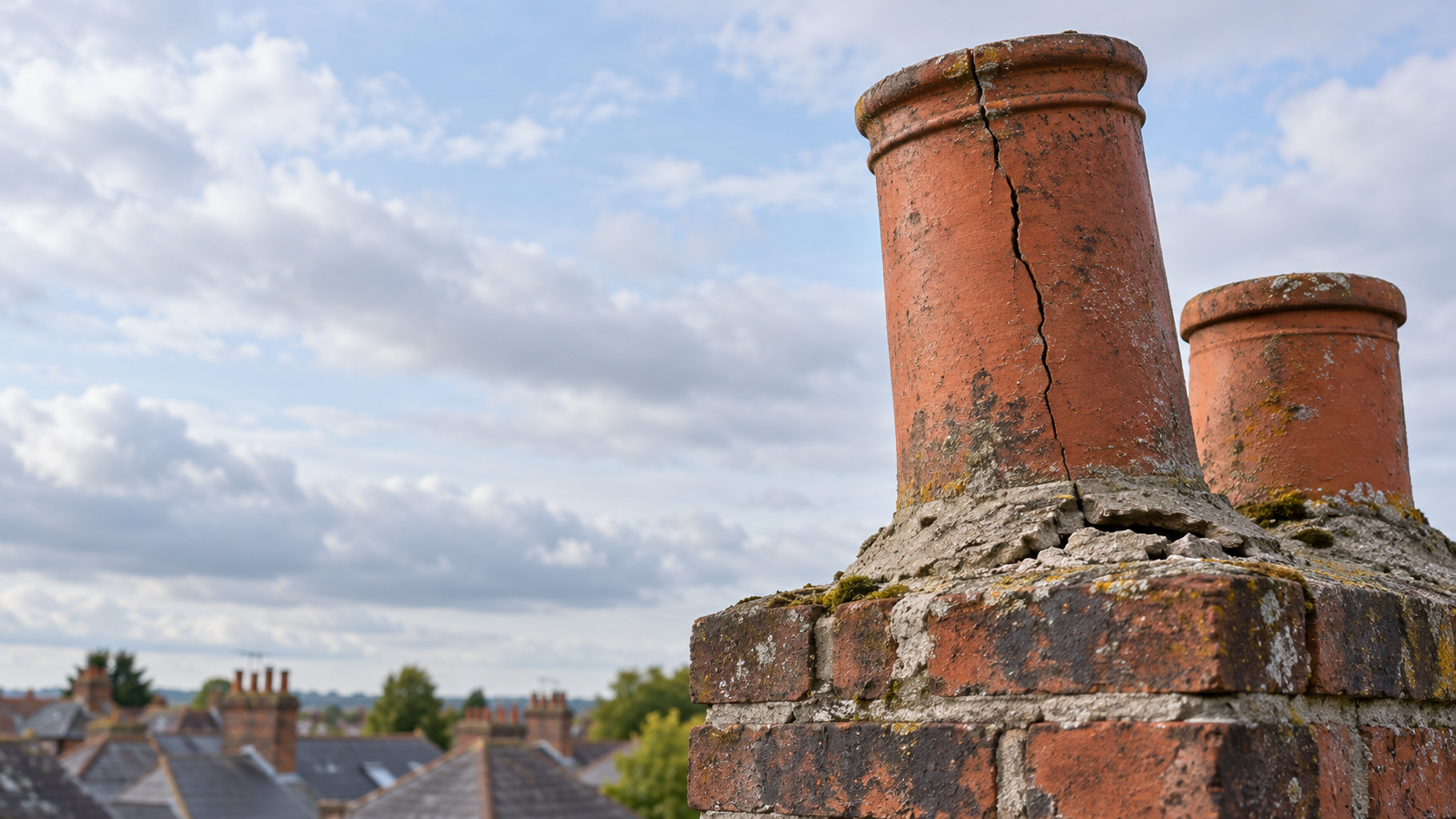
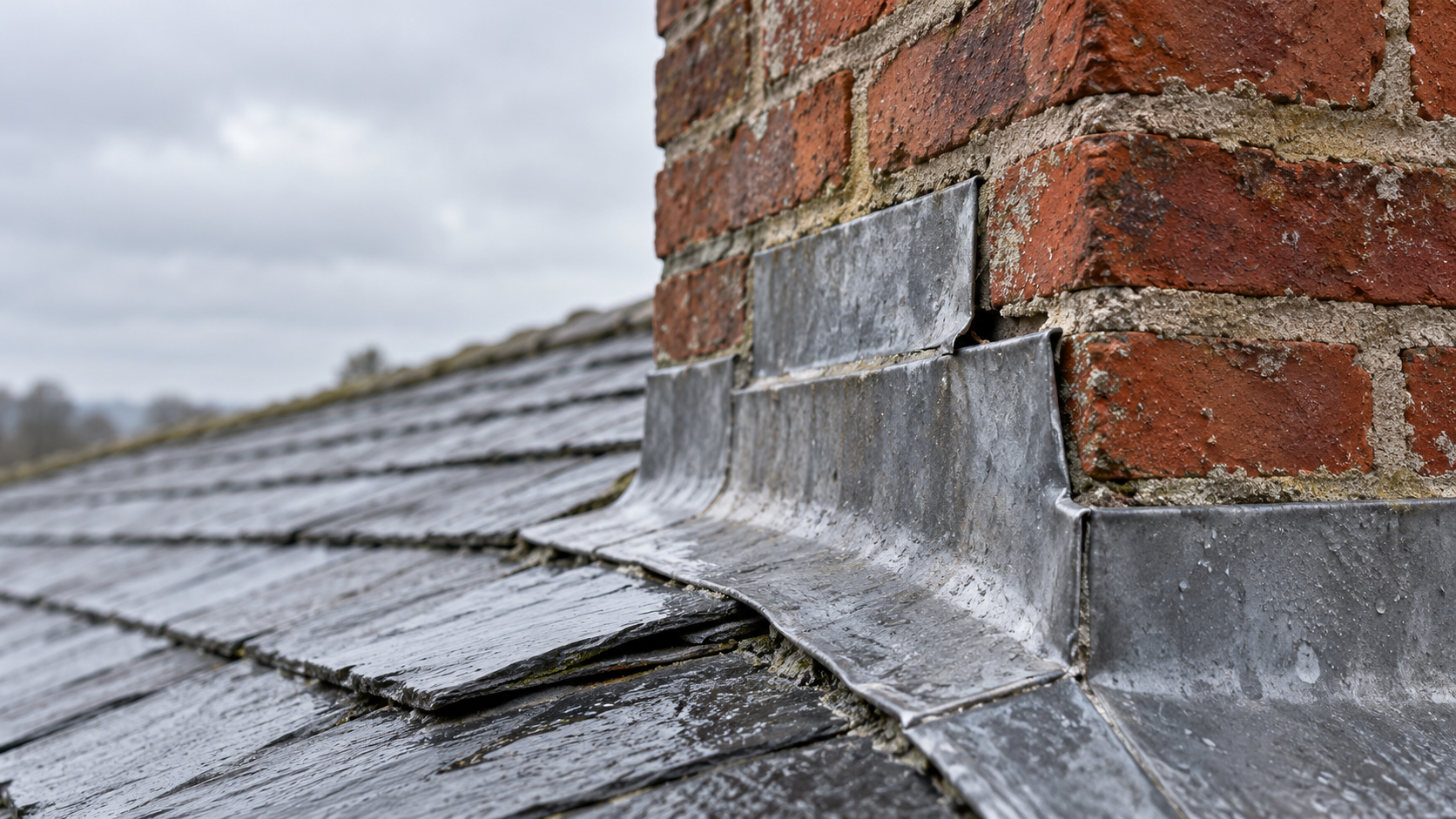
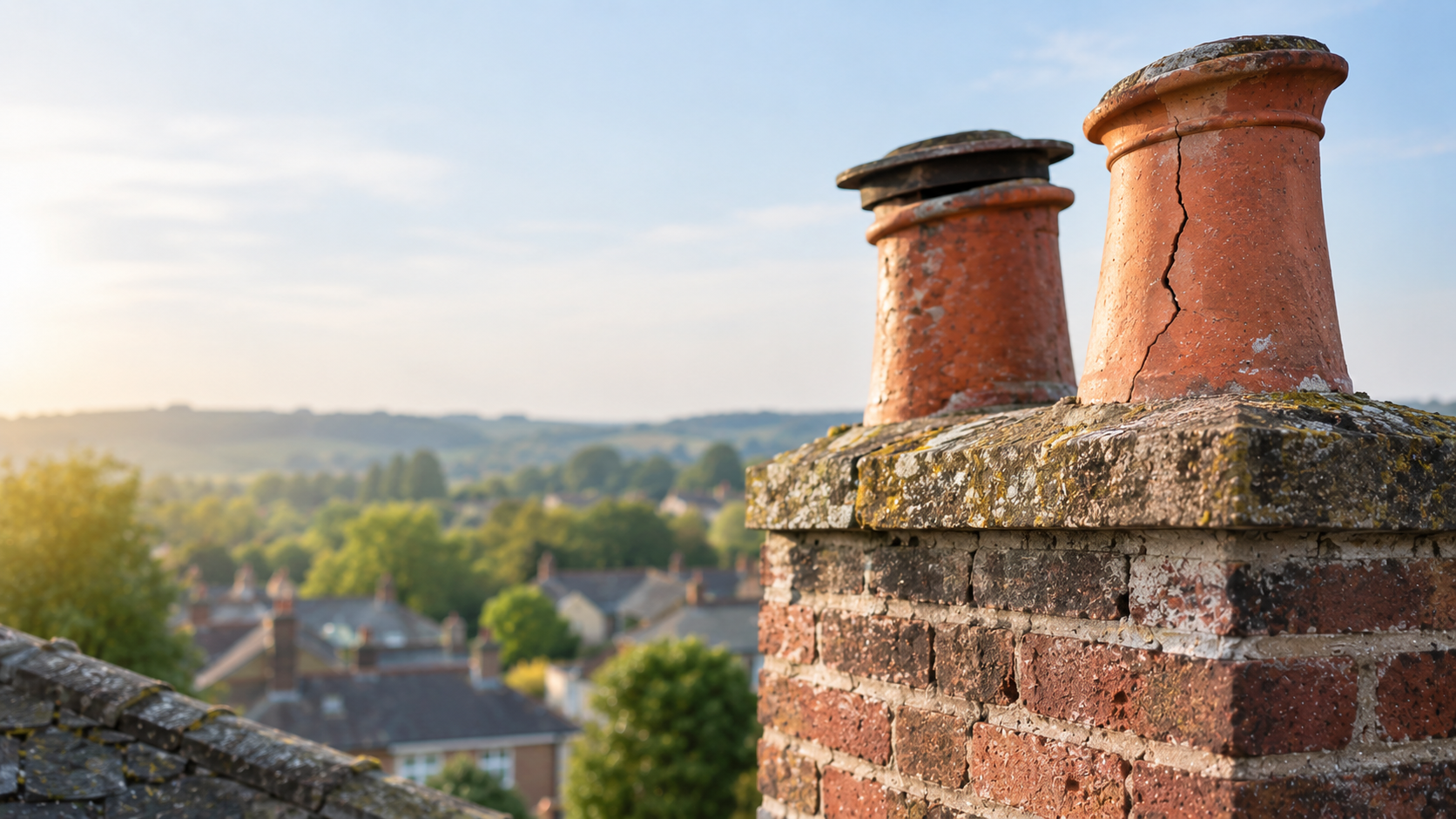
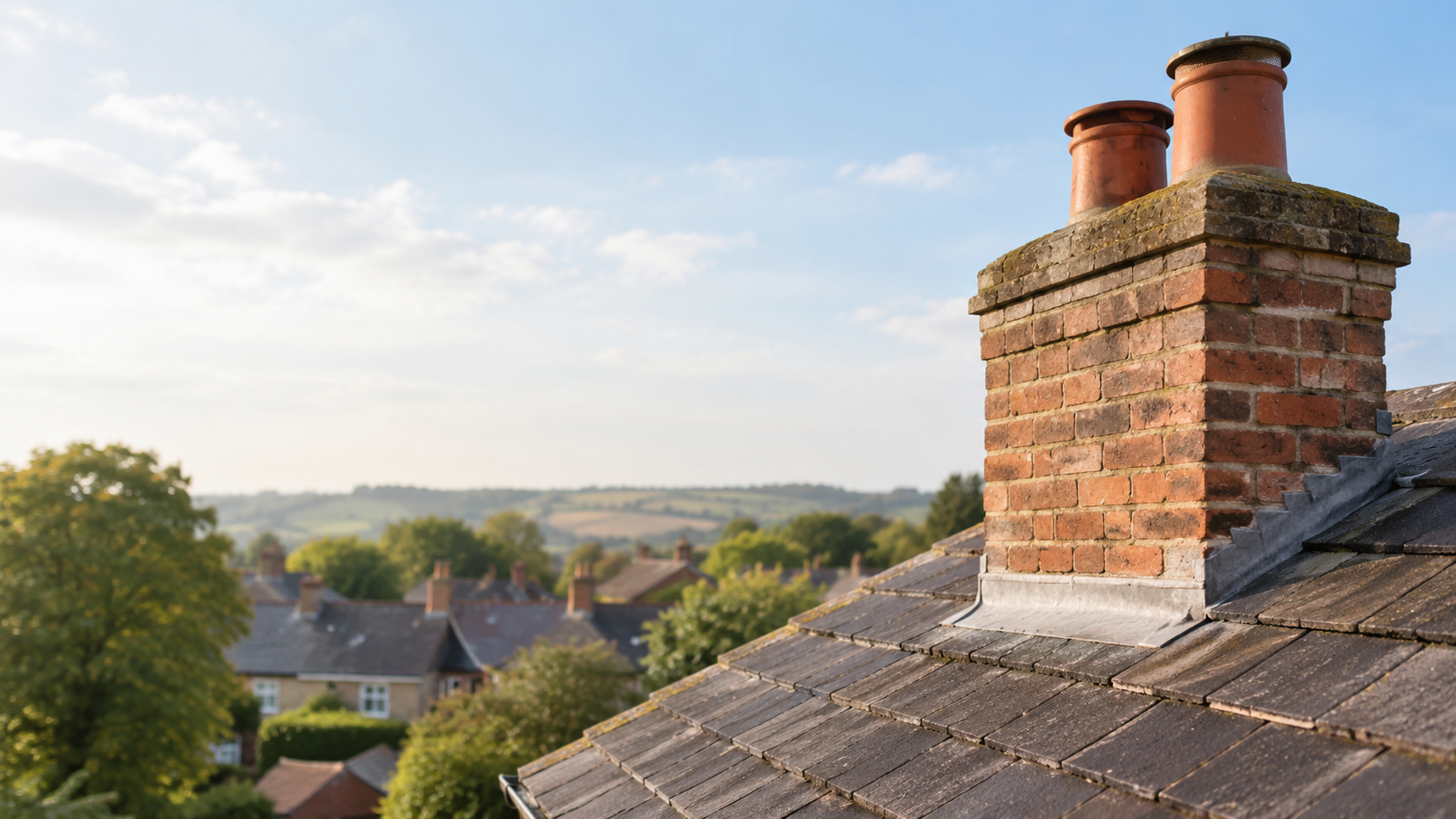
A drone or roof inspection can sometimes help identify chimney-pot, stack and termination issues that are difficult to see from ground level.
11. Your Chimney Pot or Cowl Could Be Causing Problems
A damaged, blocked or inappropriate chimney cowl can interfere with airflow.
Possible problems include:
- Bird guards clogged with debris
- Damaged cowls
- Incorrect cowl type
- Heavy soot accumulation
- Restricted terminals
- Nesting material
Do not automatically fit a different cowl to solve smoke problems.
The underlying cause of poor draught should be identified first.
12. The Stove Could Be Too Large for the Room
A stove that is significantly oversized for the room may regularly be operated at a very low output because the full heat output would make the room uncomfortable.
Repeatedly restricting the stove can encourage inefficient combustion and increased deposits.
A properly sized log burner should be selected according to factors such as:
- Room dimensions
- Insulation
- Property age
- Number of external walls
- Window area
- Desired temperature
- Existing heating system
Professional stove sizing is therefore important during installation.
Why Does My Log Burner Smoke When I Open the Door?
This is one of the most common log burner problems.
If smoke enters the room specifically when the door is opened, possible causes include:
- Opening the door too quickly
- Weak chimney draught
- A partially blocked chimney
- A cold flue
- Insufficient ventilation
- An extractor fan operating nearby
- Wet firewood
- Excessive fuel inside the stove
Occasional slight movement of smoke may occur during refuelling, but repeated smoke spillage should not be ignored.
Why Does My Log Burner Smoke When I First Light It?
Smoke during startup often points toward a cold chimney.
When the chimney contains cold, dense air, the initial smoke may struggle to rise.
The problem should improve as the flue heats.
If it happens every time or continues after the stove becomes hot, arrange an inspection.
Why Is Smoke Coming Out Around My Log Burner?
Smoke should not normally escape around the stove body, flue pipe or joints.
Possible causes include:
- Damaged stove seals
- Poor flue connections
- Blocked chimney
- Incorrect installation
- Damaged components
- Severe negative pressure
- Flue leakage
Stop using the stove and arrange professional inspection if smoke is escaping from joints or areas other than the normal door opening during refuelling.
Why Is My Log Burner Glass Going Black?
Black stove glass is often associated with incomplete combustion.
Common causes include:
- Wet wood
- Closing the air controls too much
- Low stove temperature
- Poor chimney draught
- Insufficient ventilation
- Overloading
- Dirty internal stove components
Some blackening does not necessarily mean your chimney is blocked, but rapid or persistent blackening alongside smoke problems is worth investigating.
Can Wet Wood Cause a Smoky Log Burner?
Absolutely.
Wet logs are harder to burn efficiently because the fire must first use energy to evaporate the water contained in the timber.
The result is often a cooler, smokier fire.
Wet wood can also contribute to tar and creosote accumulation inside the stove and chimney. UK guidance recommends burning dry wood with moisture content of 20% or less.
Is Smoke From a Log Burner Dangerous?
Smoke entering your home should always be taken seriously.
Wood smoke contains fine particles and other pollutants, while incomplete combustion can also create carbon monoxide.
A correctly functioning chimney should carry combustion products away from the room.
If your stove is repeatedly filling the room with smoke:
- Stop using it.
- Ventilate the room.
- Check your carbon monoxide alarm.
- Arrange professional inspection before using the appliance again.
Every room containing a solid-fuel appliance should have an appropriately positioned and functioning carbon monoxide alarm.
Could My Carbon Monoxide Alarm Detect a Chimney Problem?
A carbon monoxide alarm can alert you if dangerous levels of carbon monoxide are present, but it cannot tell you what caused the problem.
Possible causes can include:
- Blocked chimney
- Poor ventilation
- Faulty appliance
- Damaged flue
- Incorrect combustion
- Chimney draught problems
A carbon monoxide alarm is an essential safety device, but it is not a substitute for regular stove maintenance and professional chimney sweeping.
How Often Should a Log Burner Chimney Be Swept?
At minimum, a chimney serving a stove should generally be professionally swept annually. Some regularly used wood-burning systems may require more frequent sweeping depending on usage, fuel and the chimney’s condition. DEFRA recommends professional sweeping at least once a year.
Your chimney sweep can recommend an appropriate schedule after inspecting your system.
You may need an earlier sweep if:
- You use the stove heavily
- You have burned damp wood
- The stove has started smoking
- Chimney draught has weakened
- Soot is falling into the appliance
- The chimney smells strongly
- You suspect bird activity
- You have recently moved into the property
- The previous sweeping history is unknown
What Will a Chimney Sweep Check?
When investigating a smoky log burner, a professional sweep may examine several possible causes.
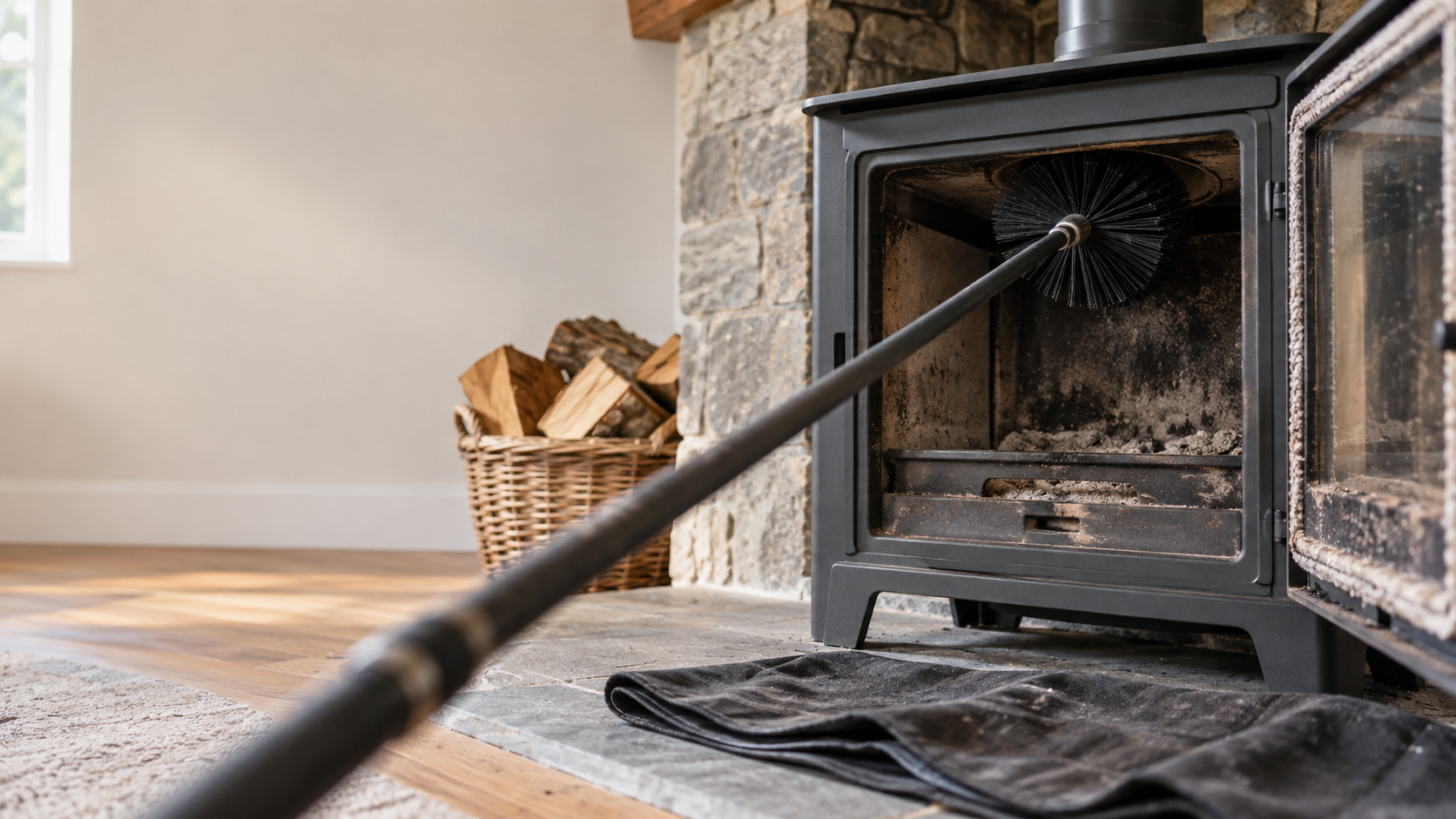
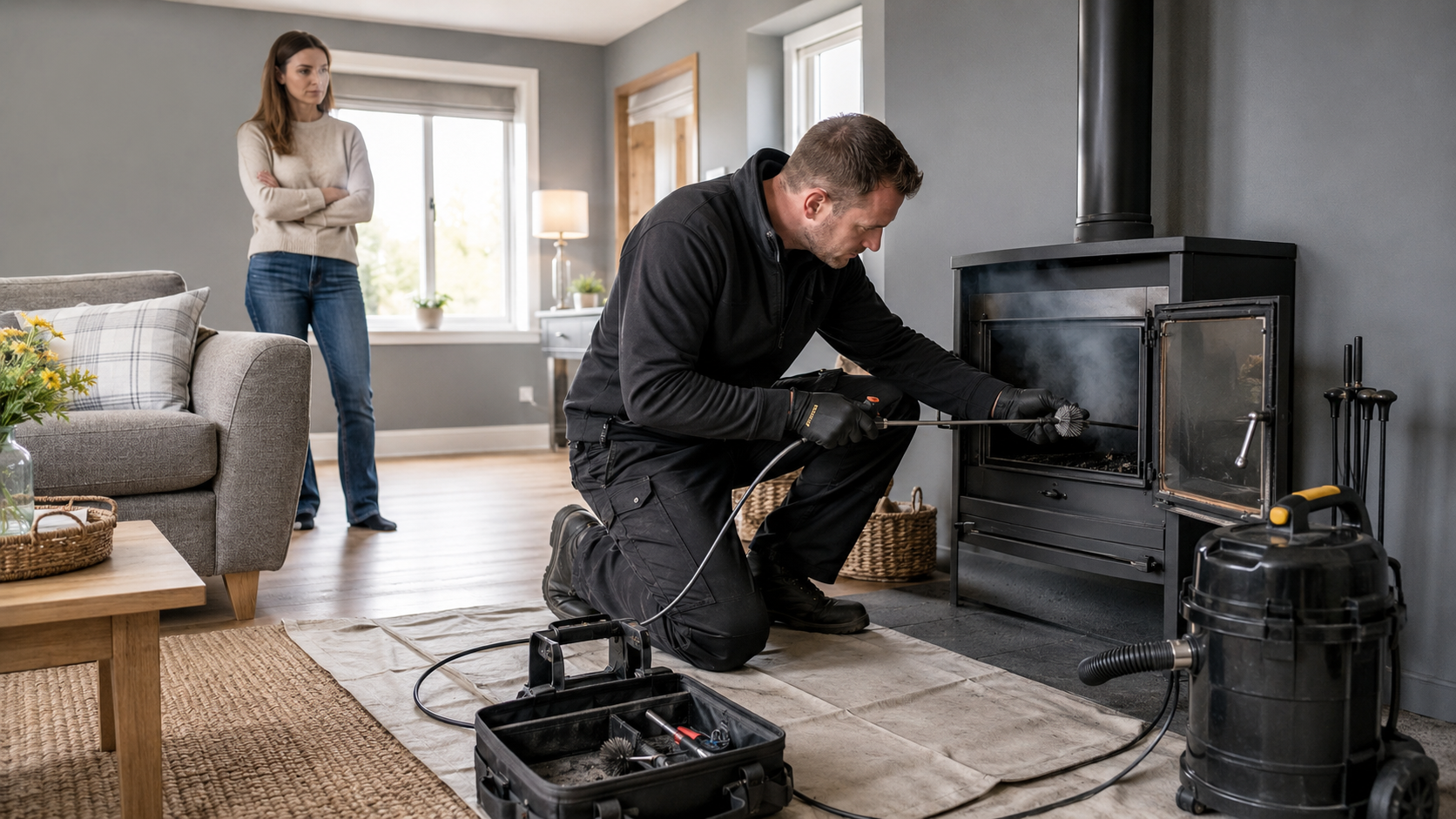
The appointment may involve:
- Checking the stove and fireplace
- Protecting the surrounding room
- Sweeping the complete flue
- Removing soot and loose creosote
- Checking for bird nests
- Removing loose chimney debris
- Looking for unusual deposits
- Assessing basic chimney draught
- Performing an appropriate smoke test
- Checking accessible flue components
- Advising whether further investigation is needed
A standard sweep cannot always identify hidden structural defects.
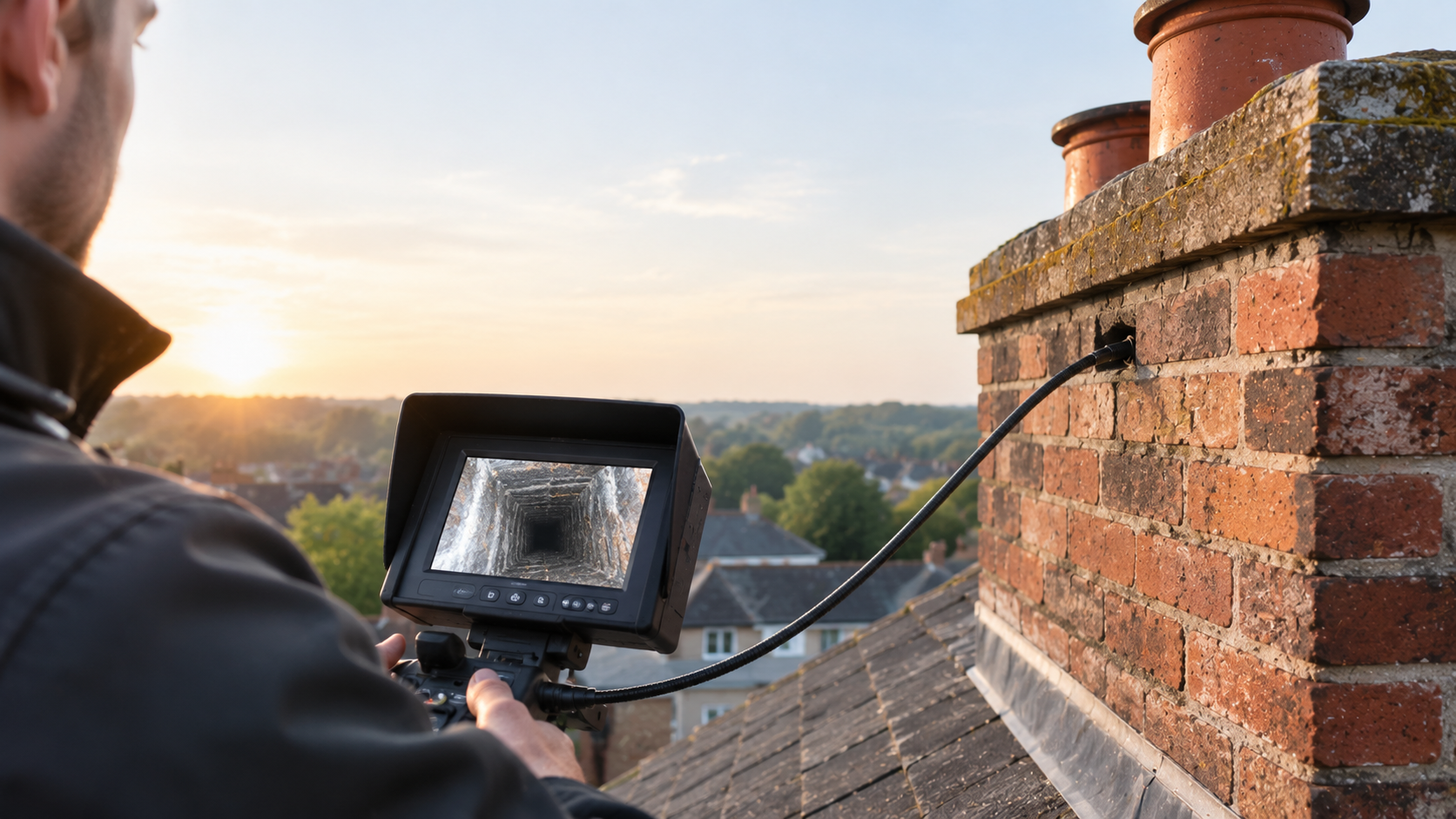
If the problem continues, a CCTV chimney inspection may be recommended.
When Is a CCTV Chimney Inspection Needed?
A chimney camera inspection can be useful when:
- The chimney has already been swept but still performs poorly
- A blockage cannot be identified
- A flue liner may be damaged
- Loose masonry is discovered
- The chimney has experienced a fire
- A new stove is being installed
- Smoke leakage is suspected
- The chimney history is unknown
A camera can provide a clearer view of internal areas that cannot be inspected from the fireplace.
How to Prevent a Smoky Log Burner
You can reduce the likelihood of smoke problems by maintaining both the stove and chimney correctly.
Sweep Your Chimney Regularly
Professional sweeping removes soot, tar and debris before deposits become excessive.
Burn Dry Wood
Use untreated wood with moisture content of 20% or less.
Do Not Overload the Stove
Leave enough room for air to circulate around the fuel.
Keep Ventilation Clear
Never block air vents installed to support your log burner.
Operate the Stove Correctly
Follow the manufacturer’s instructions for lighting, refuelling and air-control settings.
Service the Appliance
Have worn door seals, firebricks and other stove components inspected and replaced when necessary.
Watch for Bird Activity
Birds frequently entering your chimney may indicate nesting.
Maintain a Working Carbon Monoxide Alarm
Test the alarm regularly and replace it according to the manufacturer’s instructions.
Frequently Asked Questions About Smoky Log Burners
Is it normal for a log burner to smoke?
Smoke should remain inside the appliance and pass through the chimney. Persistent smoke entering your room indicates a problem that should be investigated.
Why does my log burner suddenly smoke?
A sudden change may be caused by a blockage, bird nest, changing weather conditions, wet fuel, chimney deposits or changes to ventilation inside your property.
Can a dirty chimney make my log burner smoke?
Yes. Excess soot, creosote and debris can restrict the chimney and weaken draught.
Why does smoke come out when I add logs?
Opening the door too quickly can allow smoke to escape. Open it slightly first, pause and then continue slowly. If smoke continues to enter the room, the chimney draught should be checked.
Can a bird nest cause my log burner to smoke?
Yes. A nest can partially or completely block a chimney and prevent smoke from escaping safely.
Can wet logs cause smoke?
Yes. Damp wood burns at a lower temperature and produces more smoke and tar than properly seasoned wood.
Will sweeping fix a smoky log burner?
It may if the cause is soot, creosote or a removable blockage. If the chimney is already clean, ventilation, installation, flue condition or external chimney factors may need further investigation.
Should I use my stove if smoke is entering the room?
No. Persistent smoke entering the room should be investigated before you continue using the appliance.
Get Your Smoky Log Burner Checked
A smoky log burner can be caused by something as simple as damp firewood, but it can also indicate a blocked chimney, insufficient ventilation, poor draught or a damaged flue.
If changing your burning technique and using properly dried wood does not solve the problem, the chimney should be professionally inspected.
Midlands Sweeps provides chimney sweeping and log burner services from Swadlincote and covers areas including Burton upon Trent, Derby, Ashby-de-la-Zouch, Newhall, Melbourne, Hilton, Etwall, Repton, Willington, Hatton and surrounding locations.
If your log burner is smoking, producing unusual smells or struggling to draw properly, arrange a professional chimney sweep and inspection before continuing to use it.
Call 07824 830604 or contact Midlands Sweeps through the website to arrange an appointment.