
Chimney pots and cowls are easy to overlook because they sit above the roofline. However, these components can influence ventilation, weather protection, and the movement of smoke through a chimney. They may also help prevent certain types of debris or wildlife from entering the flue.
Although pots and cowls perform related roles, they are not the same. Understanding their purpose can help homeowners recognize when inspection or maintenance may be required.
The Purpose of a Chimney Pot
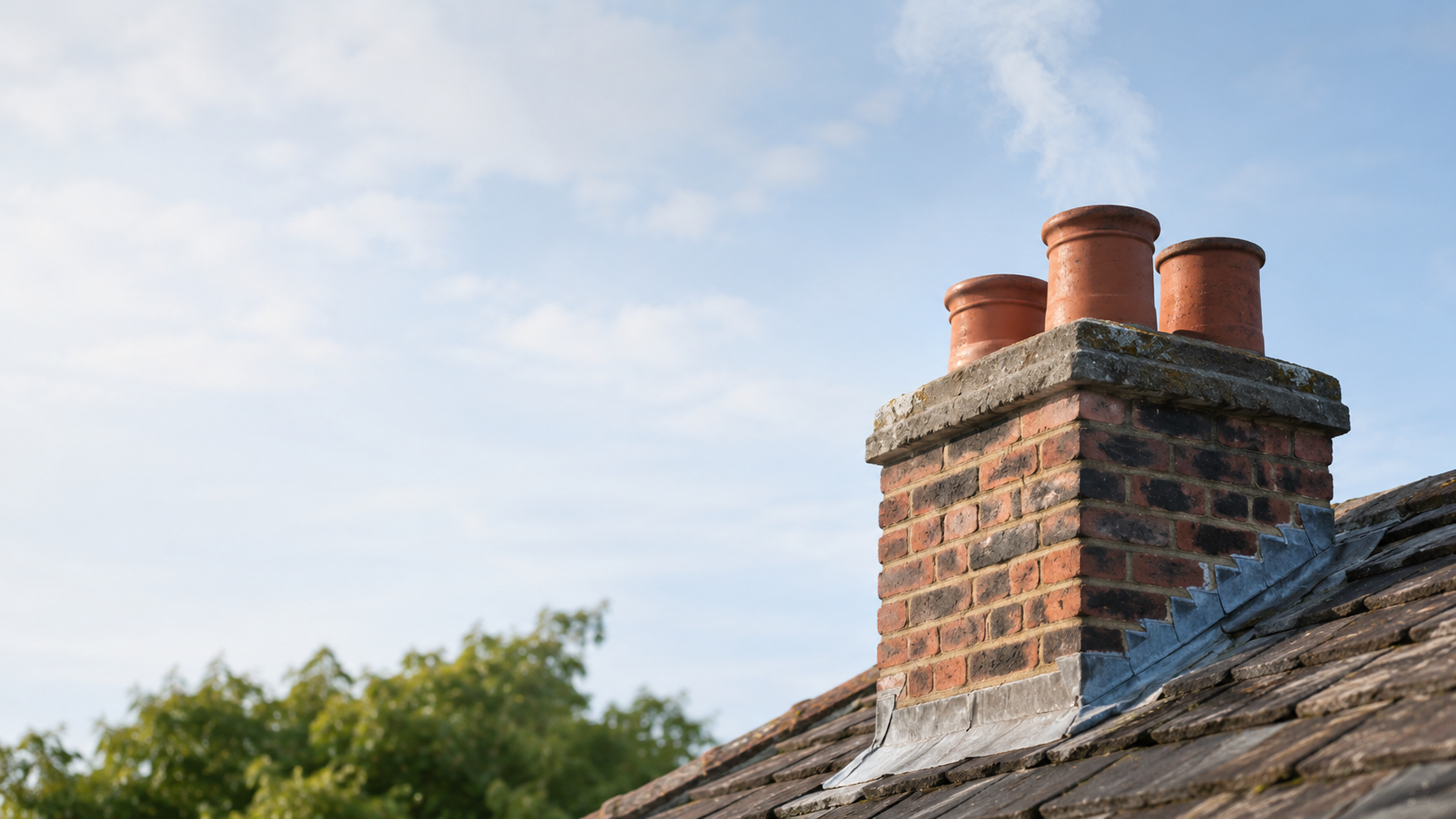
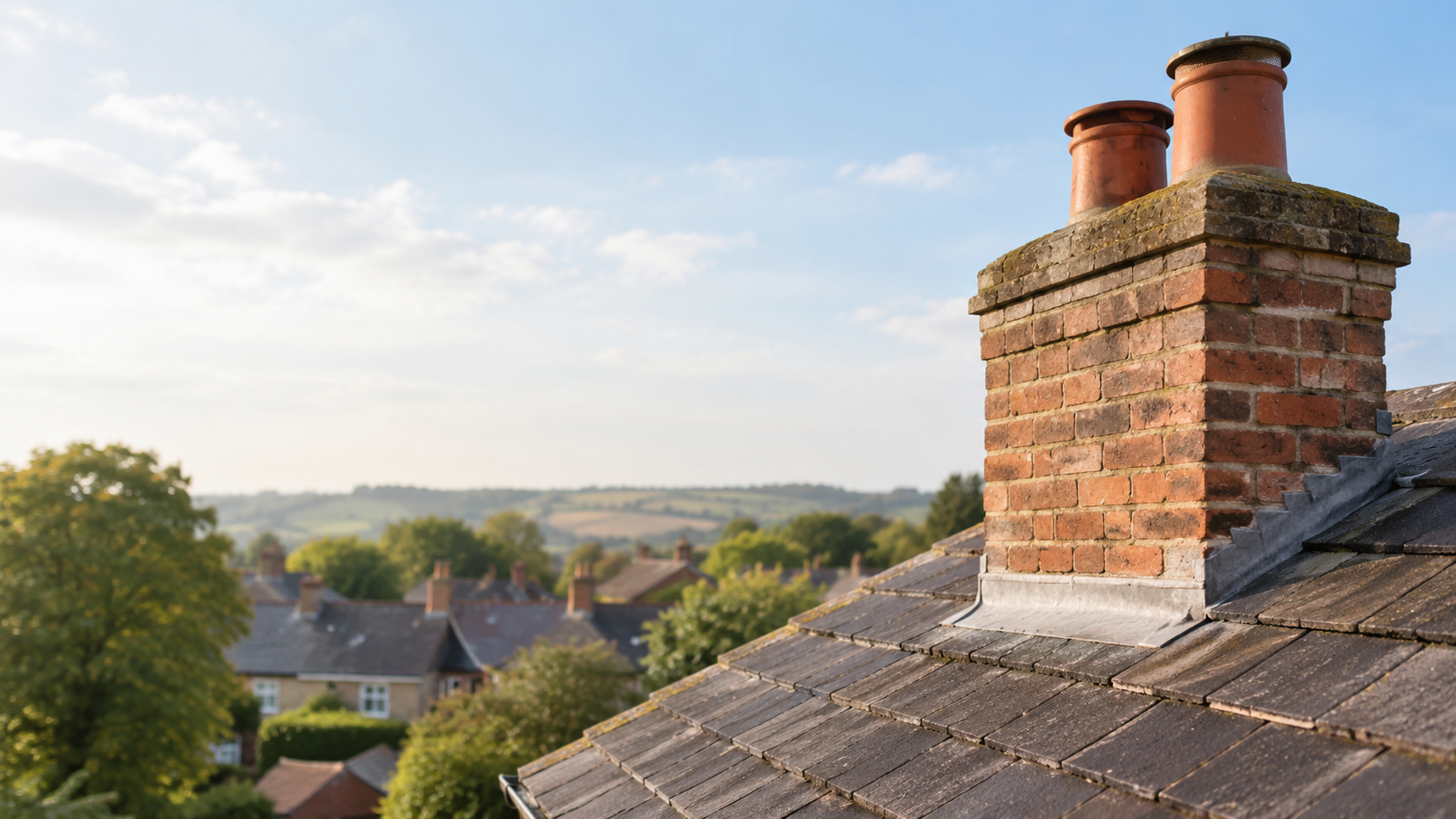
A chimney pot is fitted at the top of a chimney stack. Its shape extends the flue opening above the surrounding masonry, helping smoke and combustion gases disperse into the air.
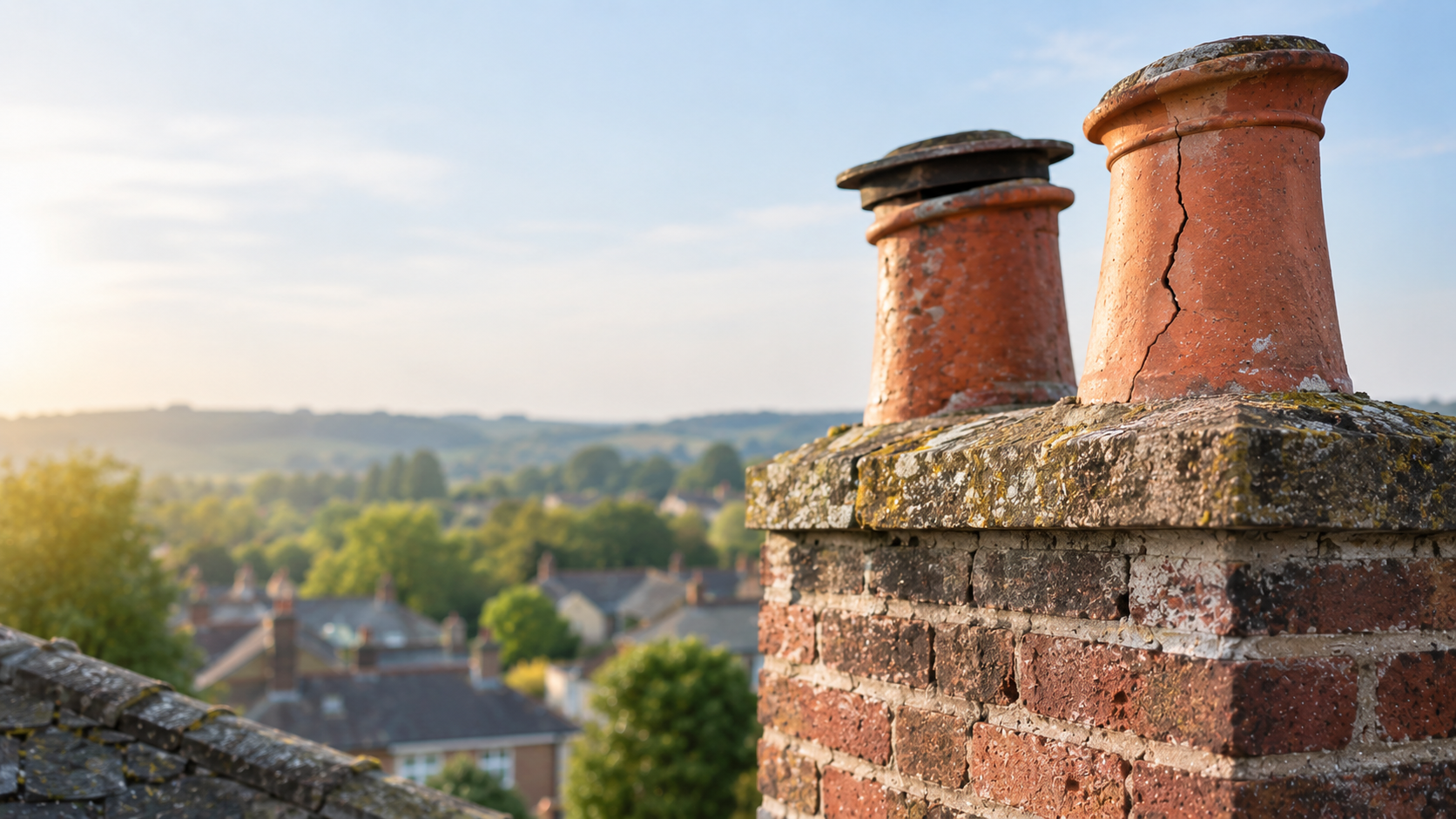
Different properties may have pots of various shapes, sizes, and materials. The correct design depends partly on the chimney and connected appliance. A pot that is cracked, loose, or unsuitable may affect the system and could allow rainwater or debris to enter.
How a Chimney Cowl Works
A cowl is a fitting placed over or around the chimney pot. Depending on its design, it may help reduce rain entry, discourage birds, improve protection from downdraught, or keep leaves and debris out of the flue.
Not every cowl is suitable for every chimney. A fitting designed for an unused flue may not be appropriate for an active fireplace or stove. Using the wrong type could restrict airflow, so the chimney and appliance should be assessed before a cowl is selected.
Cowls and Bird Nest Prevention
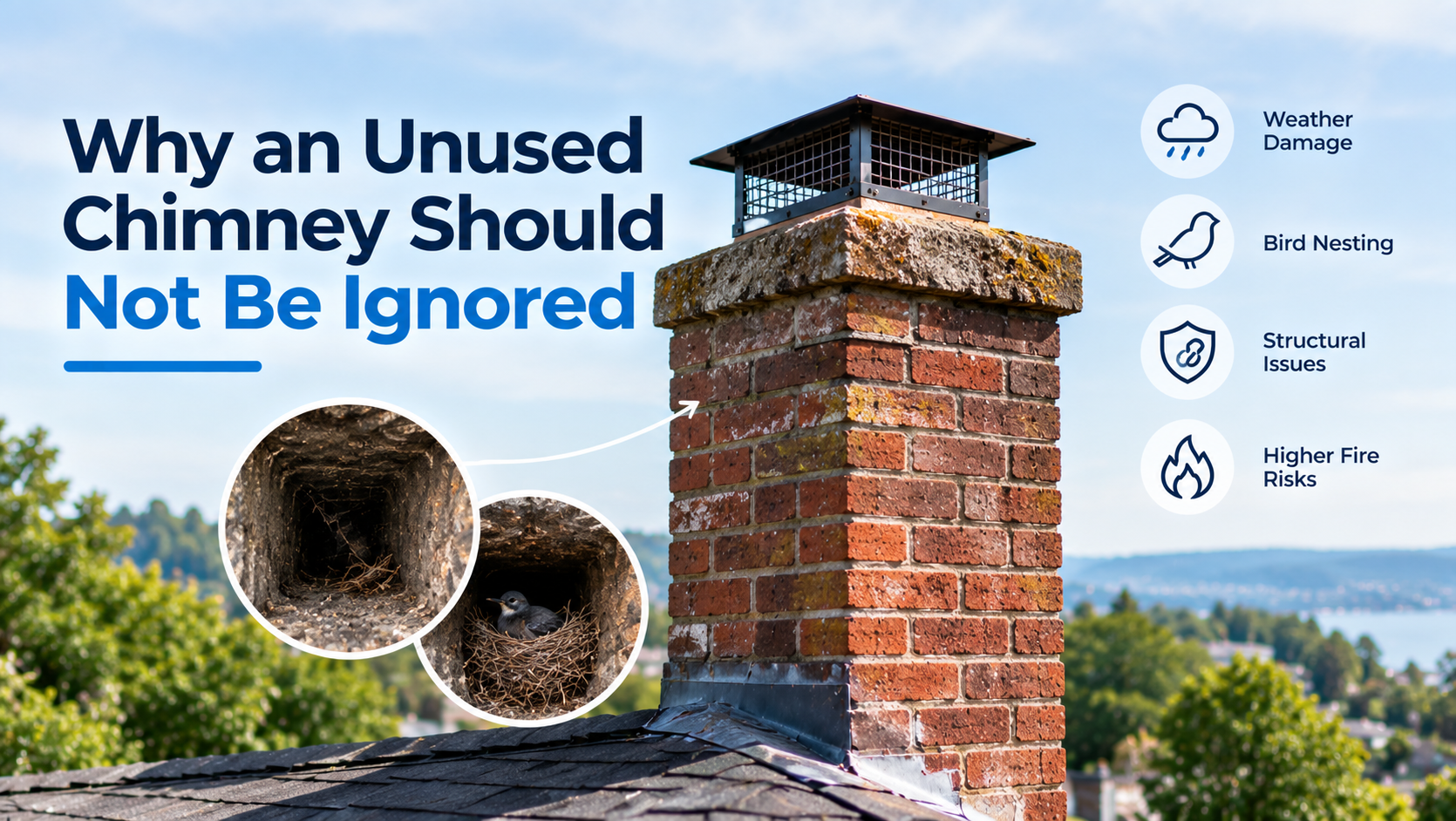
Birds may enter open chimney pots when searching for a sheltered nesting space. Once inside, twigs and other materials can create a serious obstruction.
A suitable bird guard may reduce the risk of future nesting, but it cannot solve an existing blockage. Bird nest removal must also be handled carefully because active nests, eggs, and wild birds may be protected by law. The appliance should not be used when nesting material is suspected inside the flue.
Inspecting Pots and Cowls From the Ground
Damage at roof level is not always visible from the garden. Cracks, loose fittings, and deteriorated mortar can be difficult to recognize without a closer view.
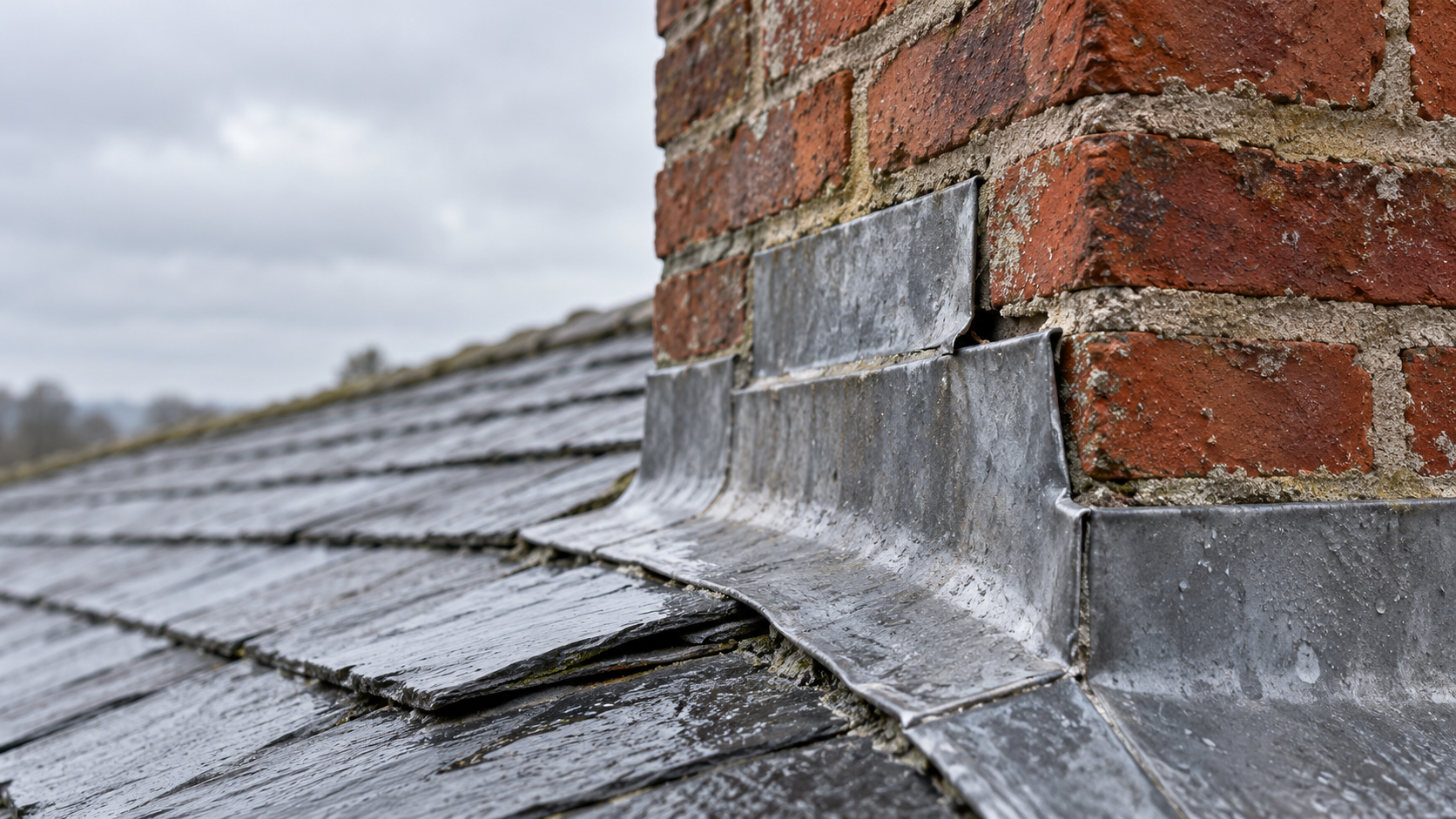
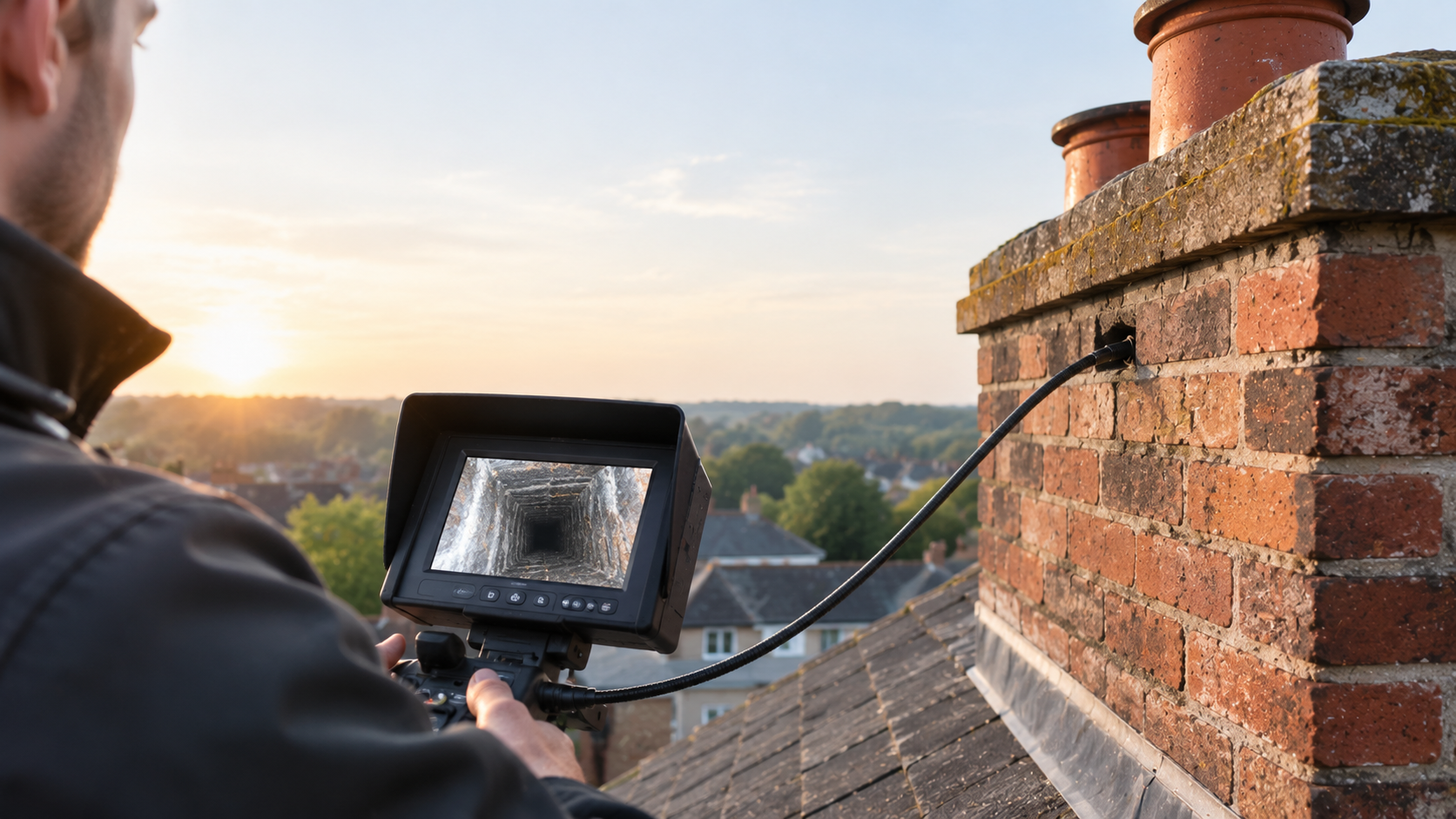
A drone inspection and roof inspection can help examine the chimney stack, pot, cowl, and surrounding flashing. Drone images provide a useful overview, while a physical roof-level examination may be necessary when damage needs to be confirmed or repaired.
Checking the Flue Below
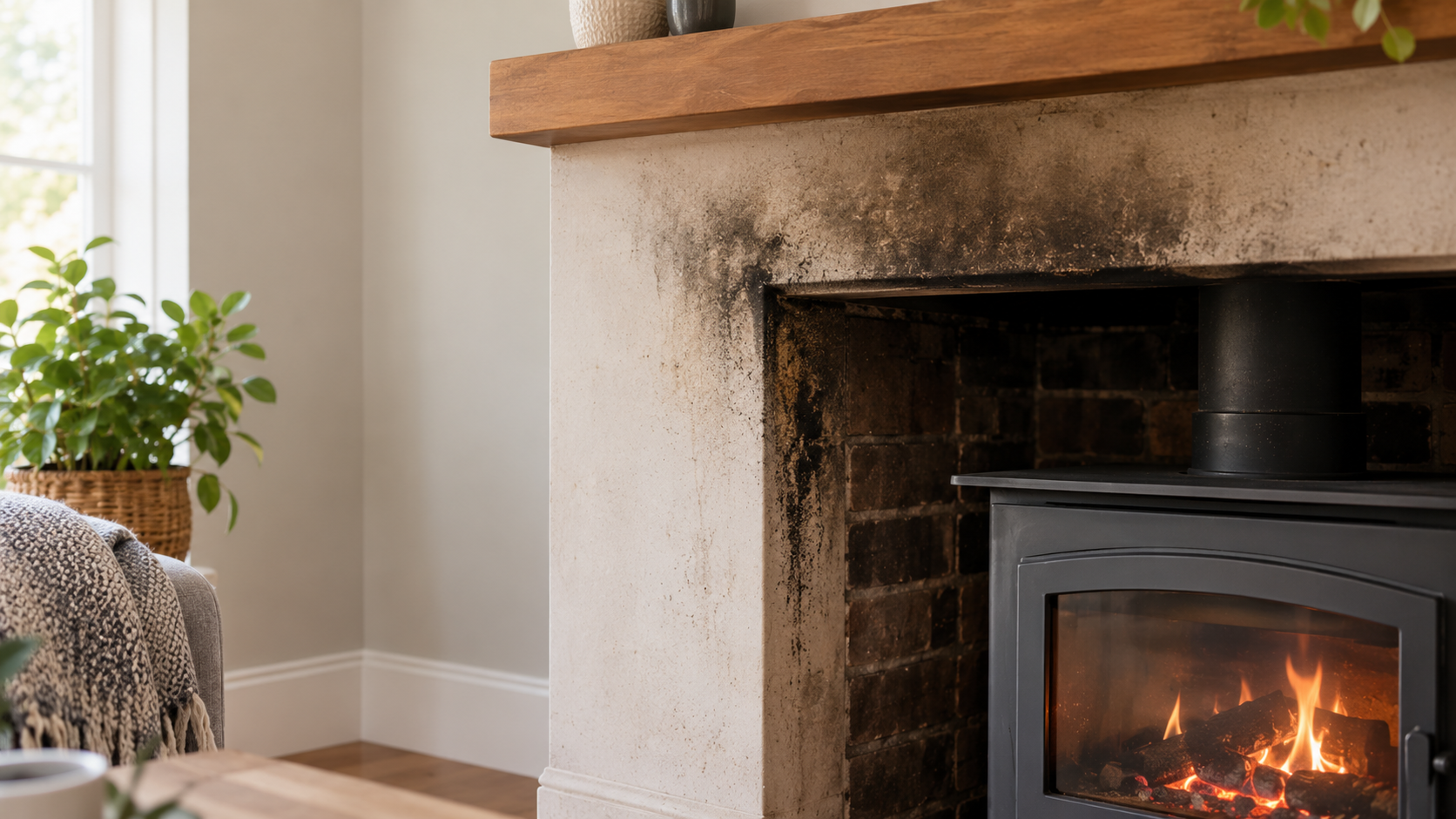
An intact chimney pot does not always mean the entire flue is in good condition. Soot, fallen debris, liner damage, or internal obstructions may still be present.
Combining CCTV and drone inspection allows both internal and external areas to be examined. A camera can identify hidden concerns inside the flue, while the drone records visible conditions around the top of the chimney.
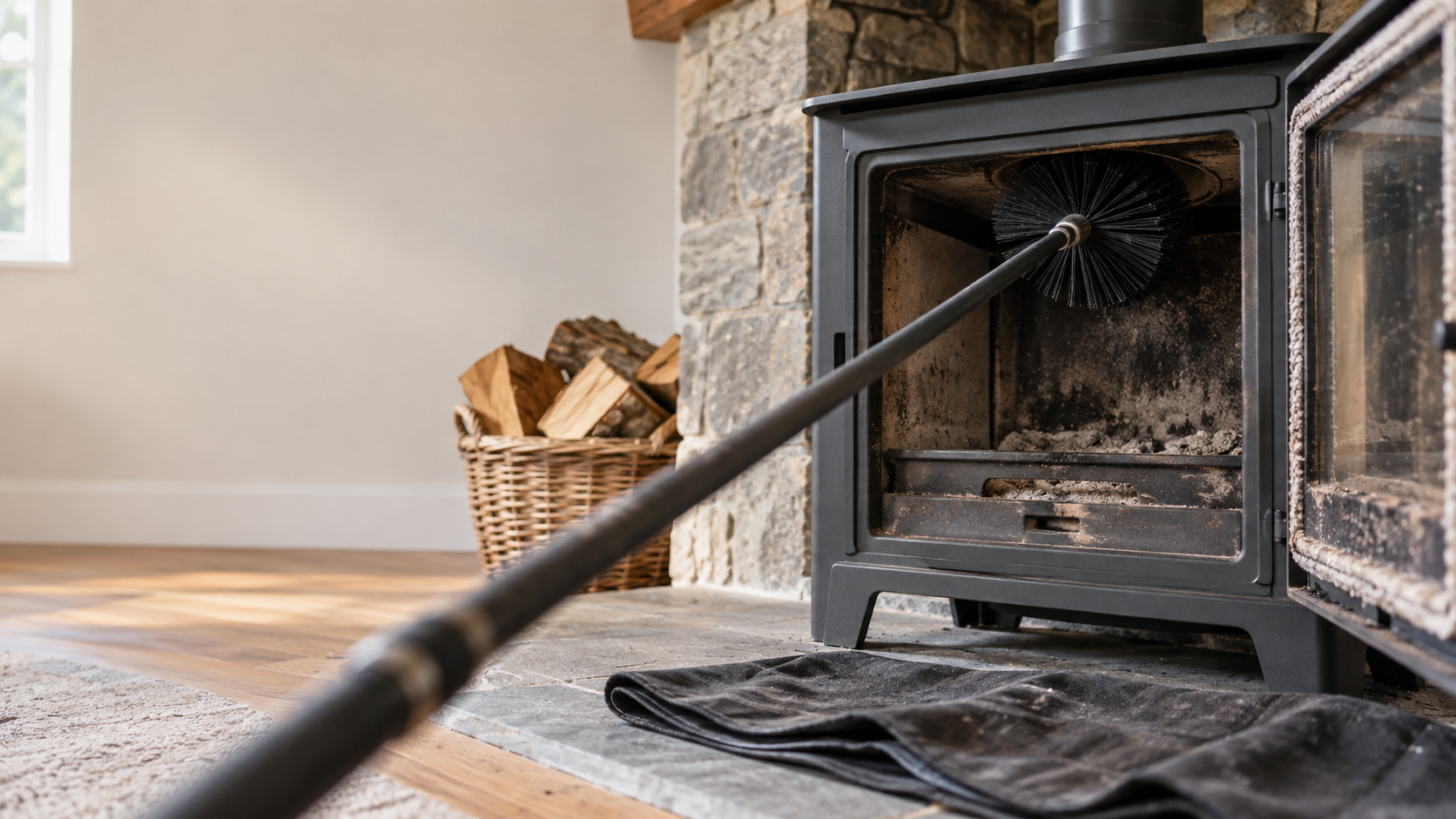
A professional chimney sweep can also remove soot and loose deposits before internal camera work is carried out. Cleaning the flue may make cracks, joints, and other features easier to assess.
Pots, Cowls, and New Appliances
Before a log burner installation, the complete chimney system should be considered, including the terminal at roof level. The chimney pot and cowl must allow combustion gases to escape without creating unnecessary restriction.
If the existing flue is damaged or unsuitable, flue liner installation may form part of the preparation. The liner, appliance, chimney pot, and cowl should work as one connected system rather than being selected separately.
Midlands Sweeps can assess these components and explain whether cleaning, closer inspection, or specialist work may be appropriate.
Conclusion
Chimney pots and cowls help complete the route through which smoke and gases leave a property. They can support ventilation, limit weather entry, and reduce the chance of birds or debris entering the flue. However, their design must suit the chimney and appliance. Regular observation and appropriate inspections can help identify damage before it affects performance.
Frequently Asked Questions
Does every chimney need a cowl?
No. The need for a cowl depends on whether the flue is active, the connected appliance, and the problem being addressed.
Can a cowl stop all rain from entering?
A suitable cowl can reduce rain entry, but it may not prevent moisture caused by damaged masonry, flashing, or condensation.
How can I tell if my chimney pot is damaged?
Visible leaning, cracks, and fallen fragments may indicate damage, although a drone or close roof inspection can provide a clearer view.