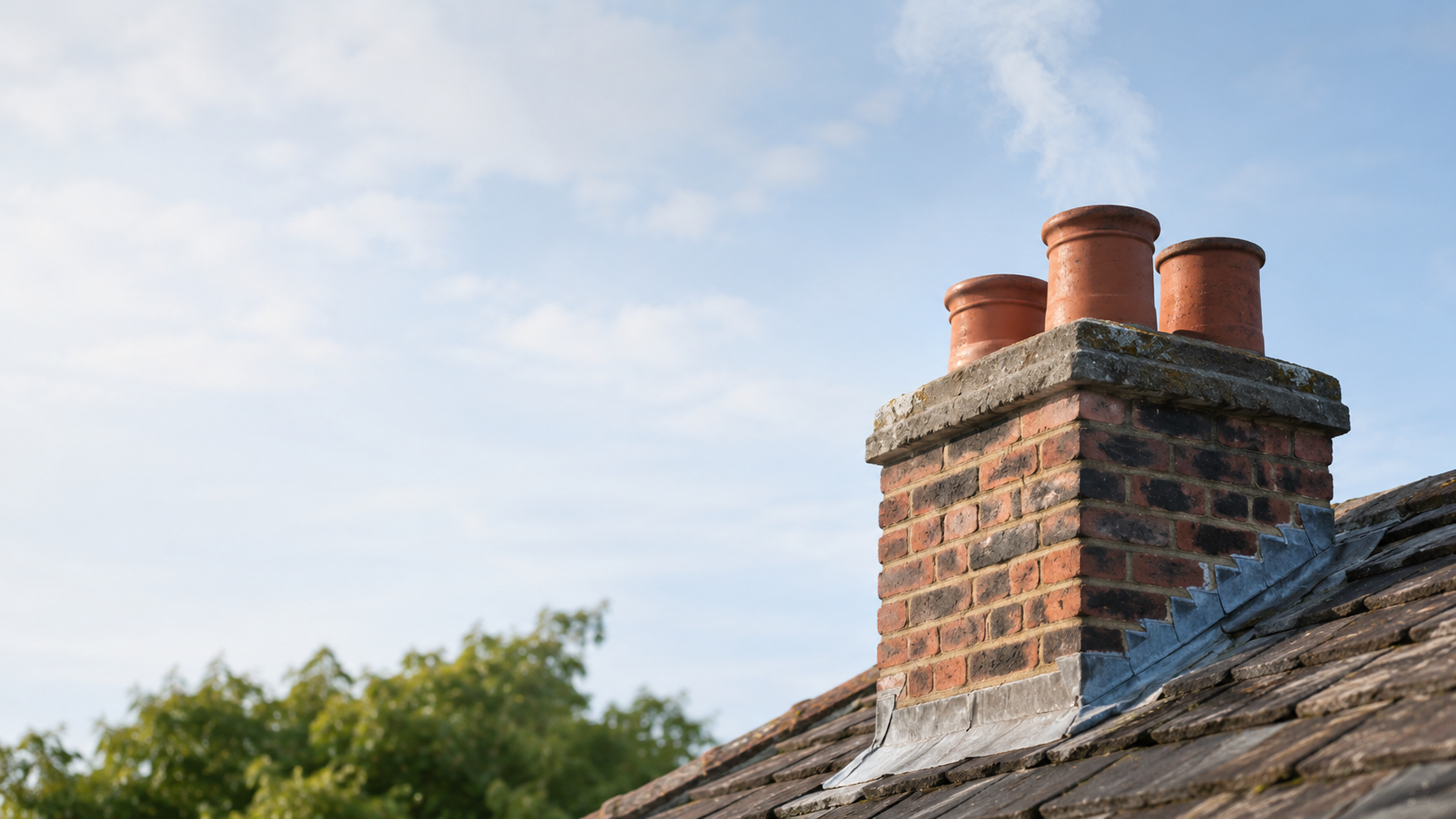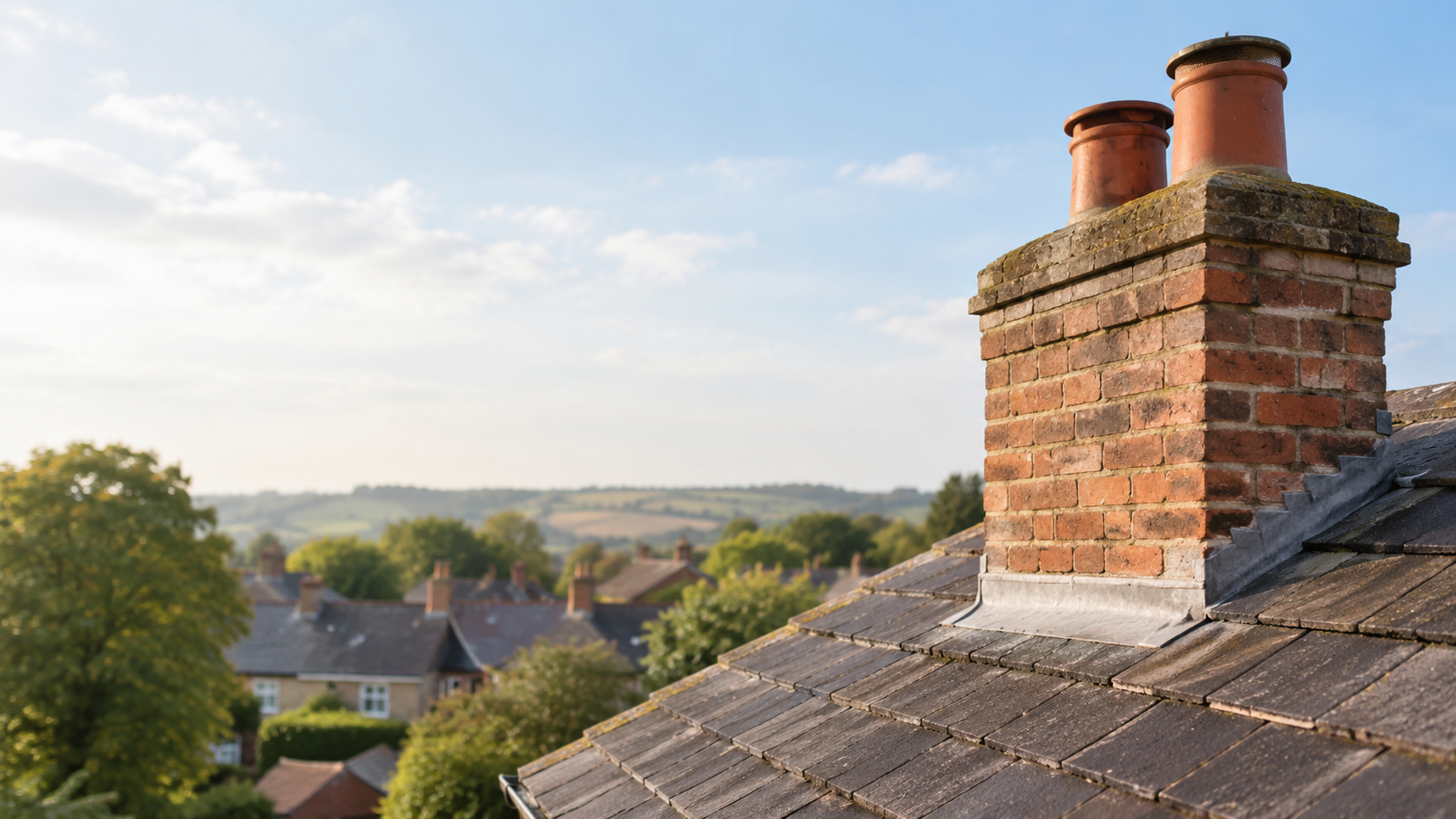
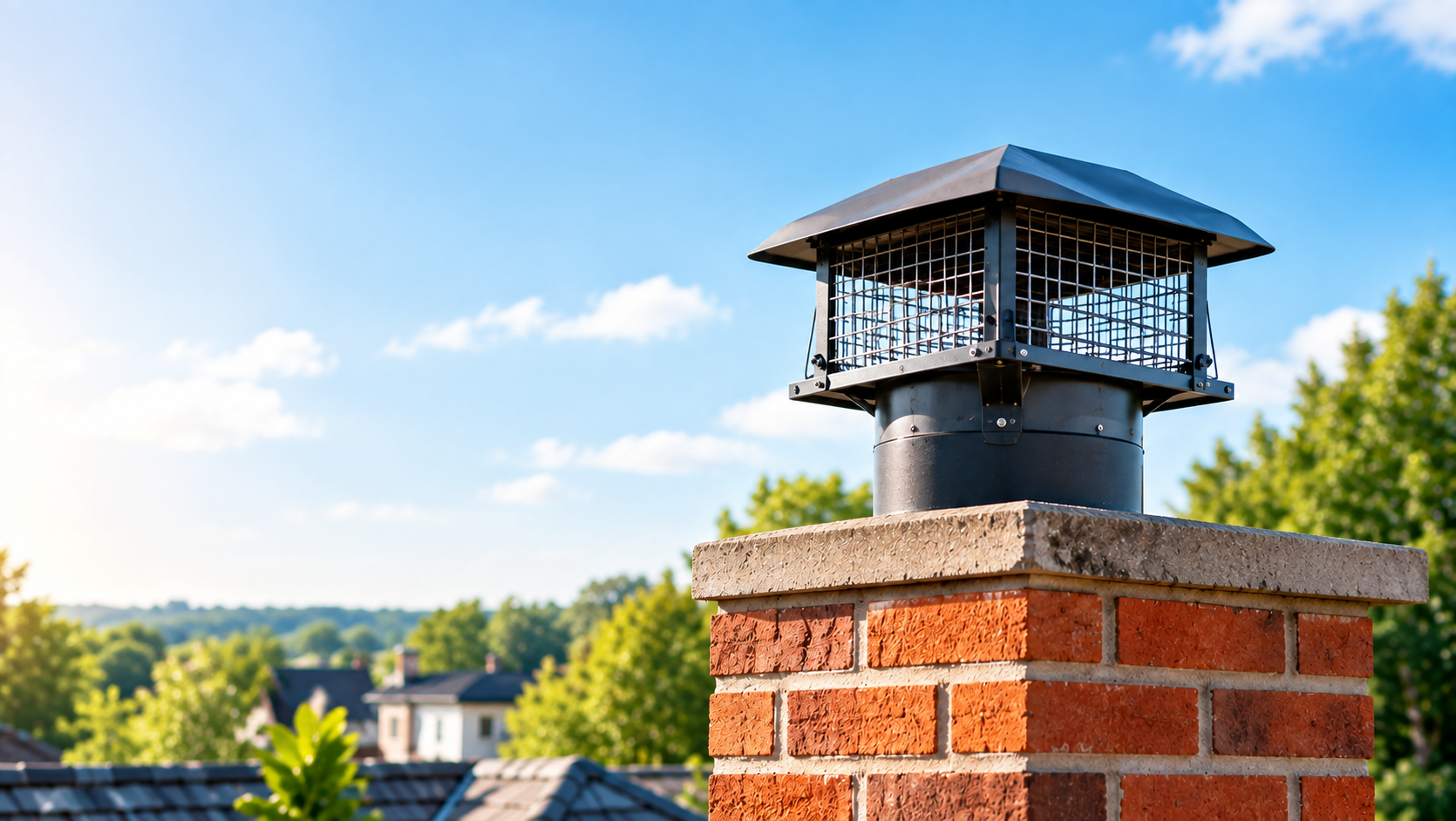
A chimney cowl is a fitting placed over the top of a chimney pot. Although it may look like a simple accessory, the correct cowl can help manage rain, downdraughts, birds, and debris. However, different chimney systems require different cowls, so choosing one without understanding the flue can create new problems.
Here is what UK homeowners should know before adding or replacing a chimney cowl.
Why Chimney Cowls Are Used
An open chimney pot is exposed to changing weather throughout the year. Rainwater, leaves, and small pieces of debris can enter the chimney. Wind may also disturb the natural flow of air, causing smoke to move back towards the room.
Some cowls are designed to reduce rain entry, while others help control downdraughts. Certain models prevent birds from entering an unused or active chimney. The correct option depends on the fuel, appliance, ventilation, and condition of the chimney.
A professional chimney sweep can examine the system and identify whether the existing cowl is suitable.
Preventing Birds From Entering the Chimney
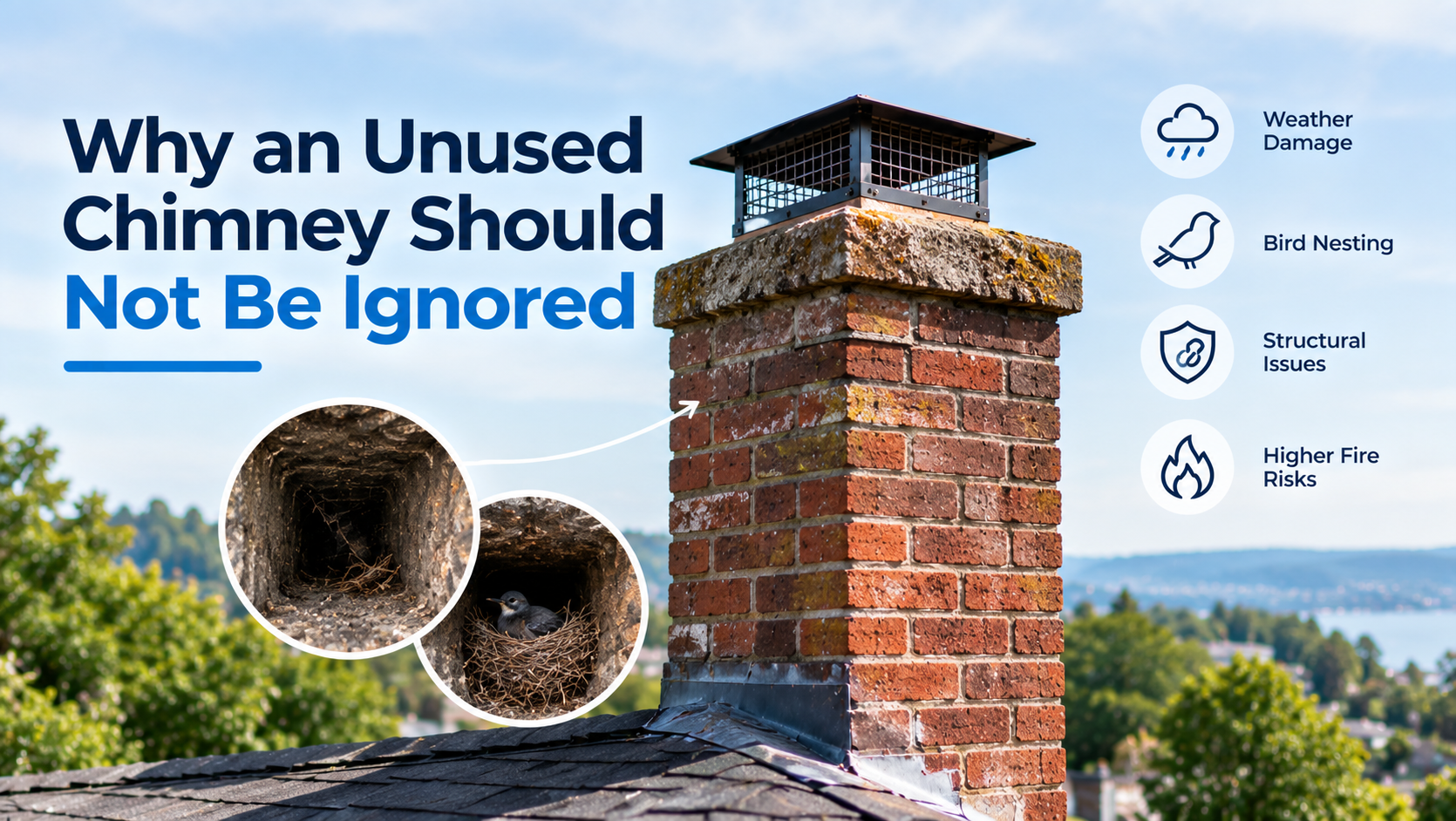
Open chimney pots can provide sheltered nesting spaces for birds. Nesting material may restrict the flue and prevent smoke or combustion gases from escaping properly.
Safe bird nest removal should only take place after checking whether the nest is active. Wild birds, their eggs, and active nests may be protected by UK law. Once removal can legally and safely proceed, a suitable bird guard may help prevent the same problem from returning.
A guard must still allow the chimney to ventilate effectively. Mesh that is too narrow can collect soot and debris, eventually restricting airflow.
Checking the Chimney From Above
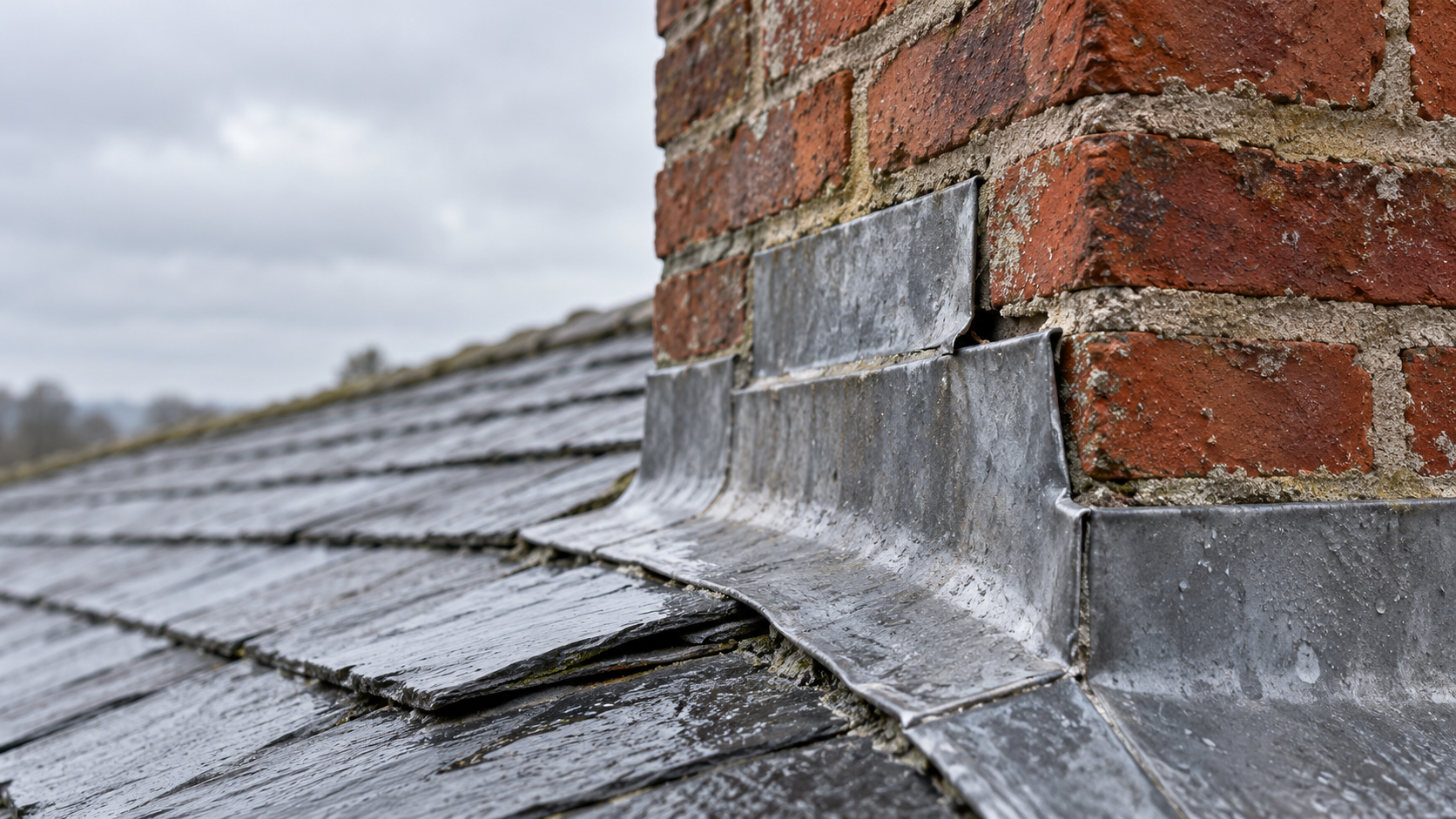
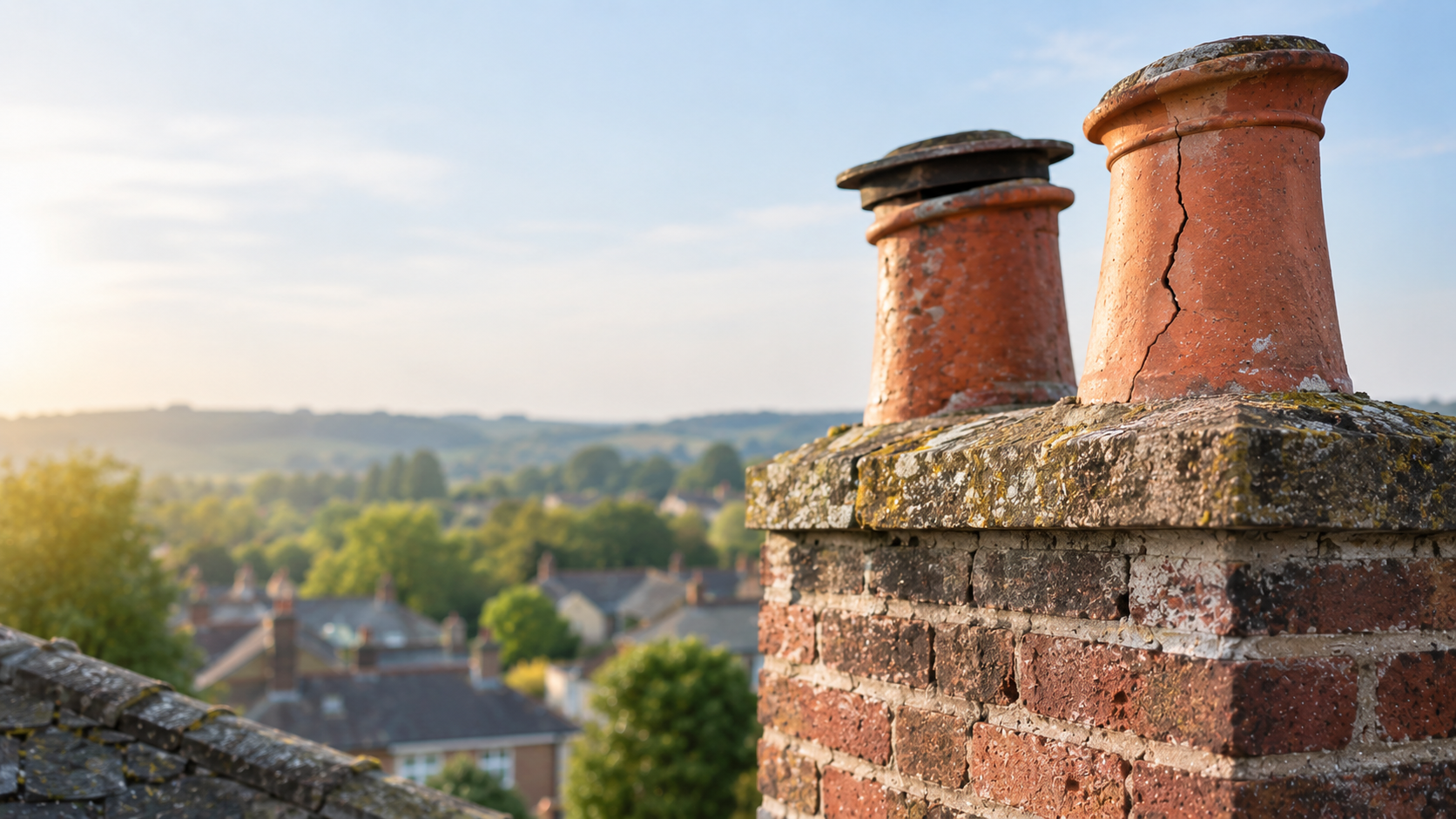
The chimney top can be difficult to assess from ground level. A drone inspection and roof inspection may reveal cracked chimney pots, damaged mortar, loose cowls, or worn flashing.
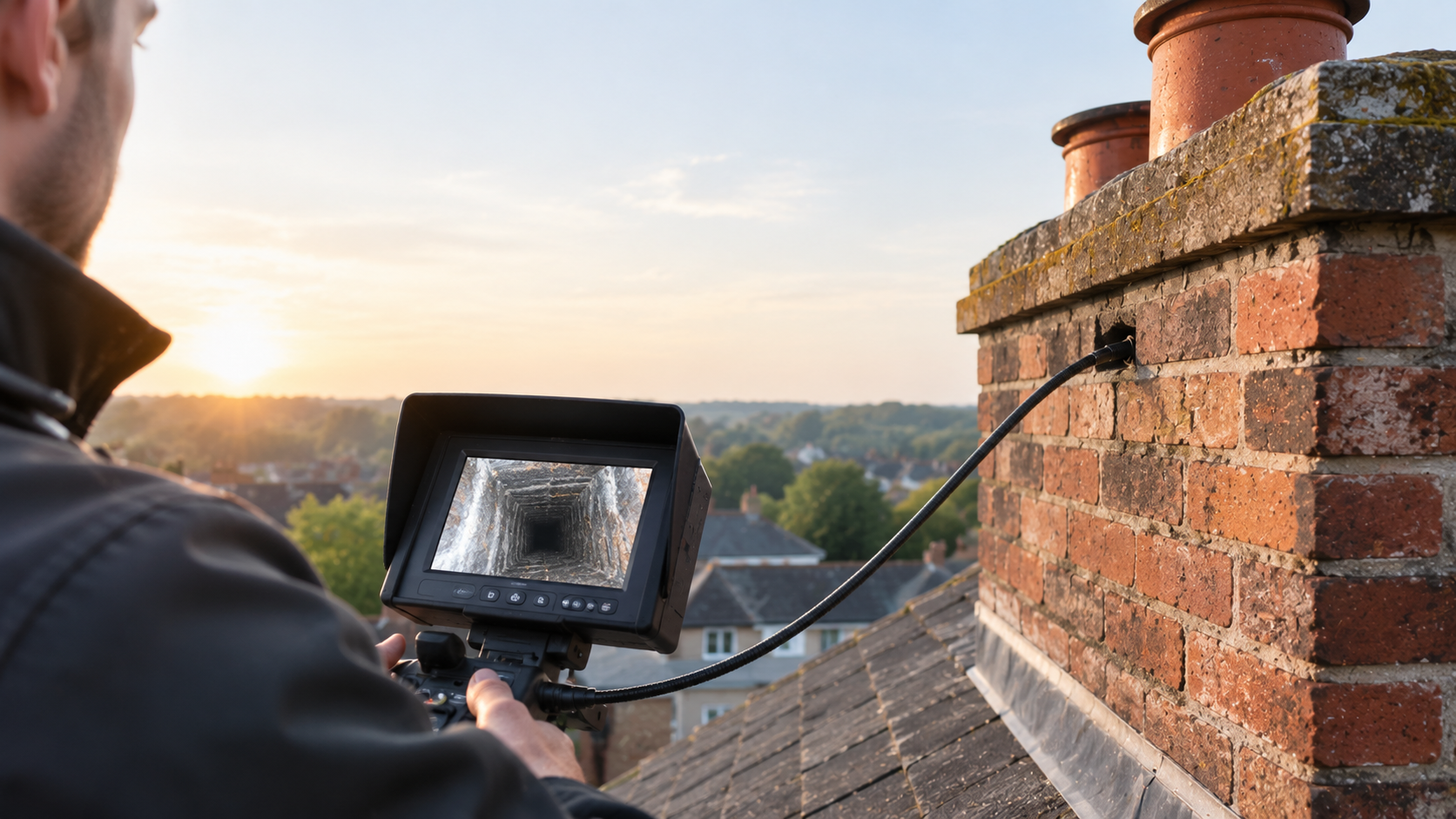
In some cases, a CCTV and drone inspection provides a more complete picture. Drone footage shows the external condition, while a CCTV camera can examine the inside of the flue. Together, these methods can help determine whether the issue is limited to the cowl or extends further into the chimney.
Cowls and Log Burners
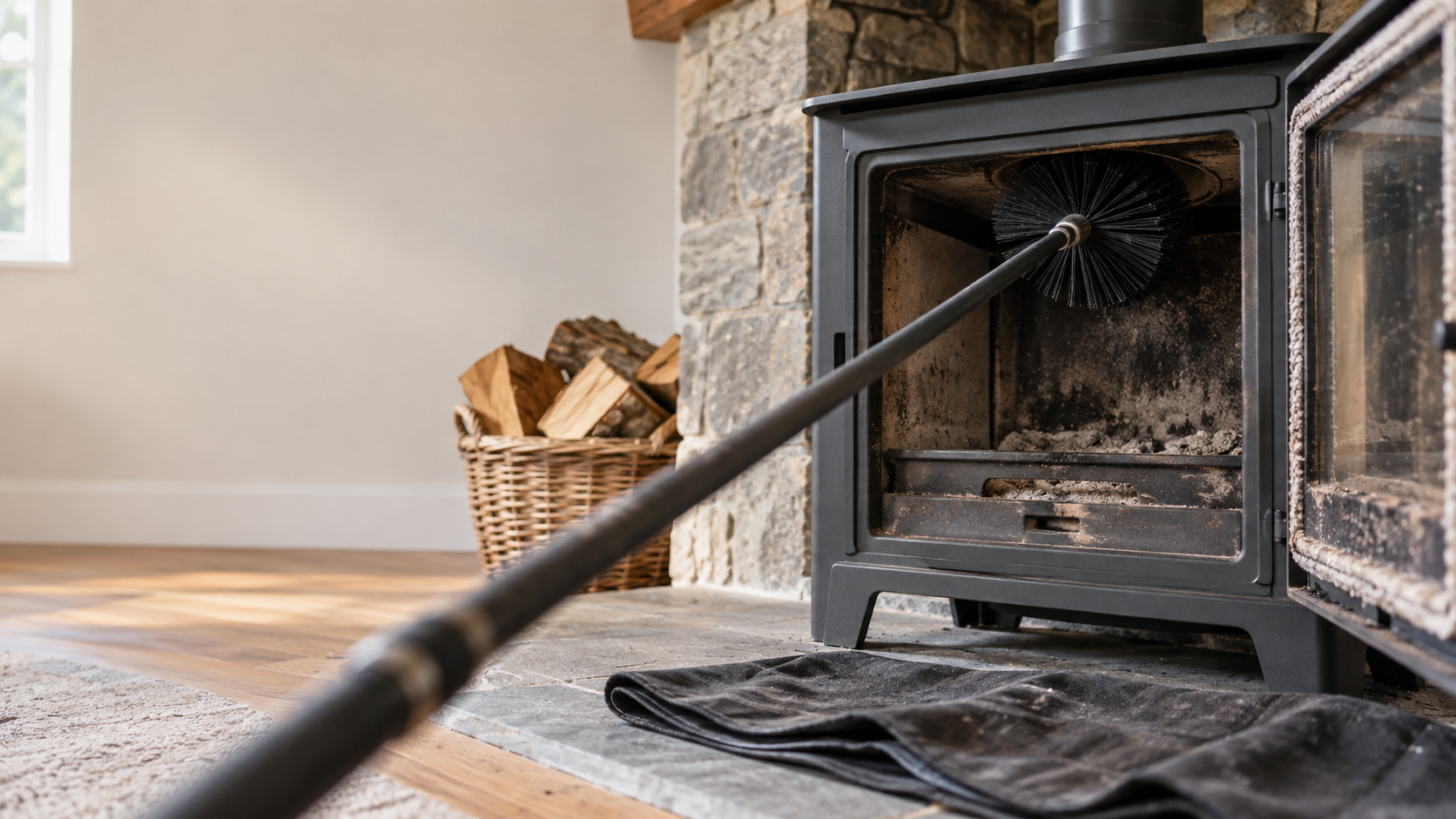
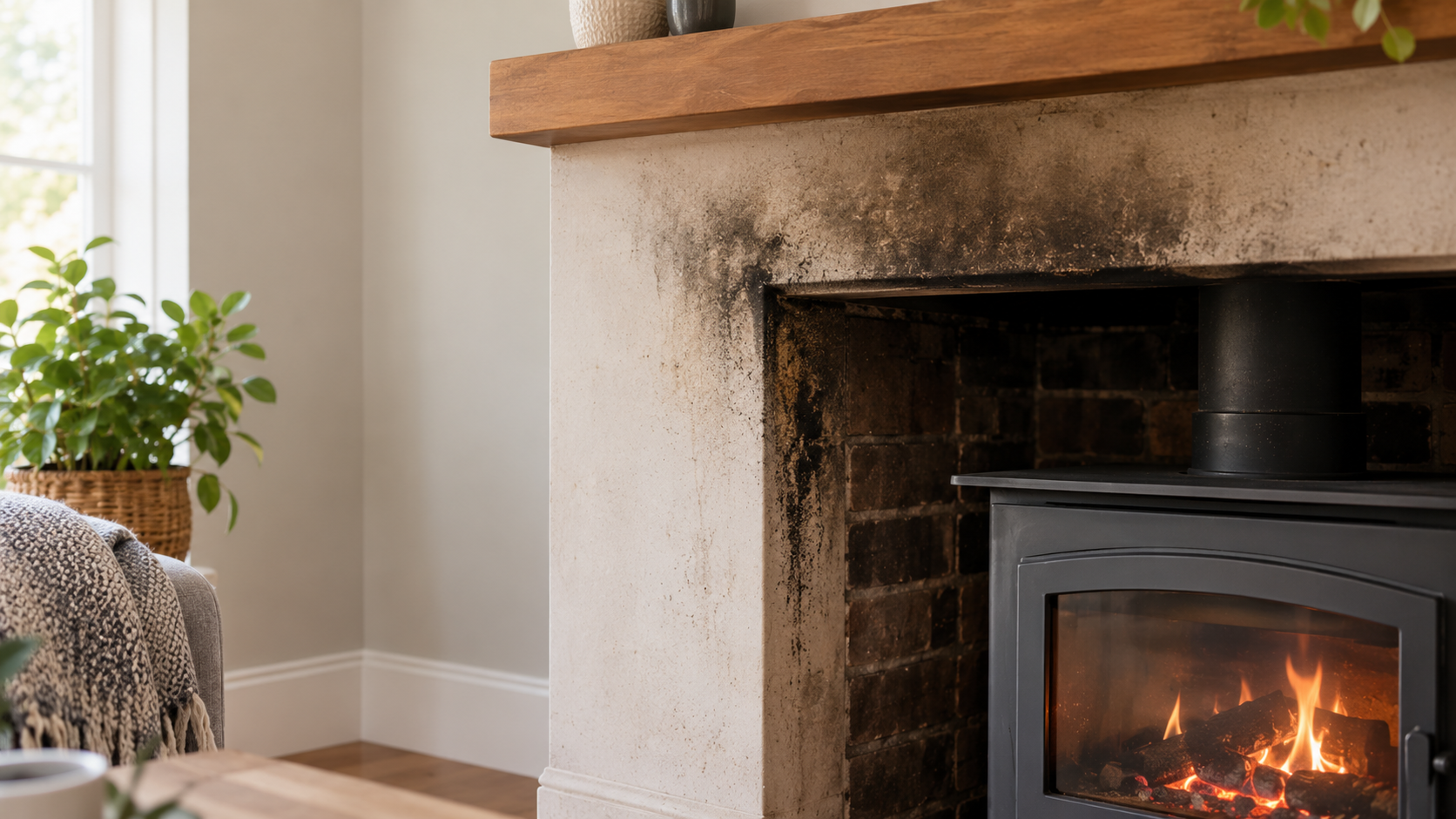
A cowl used with a wood-burning stove must be compatible with the appliance and fuel type. An unsuitable fitting may reduce the chimney’s ability to draw or allow deposits to build up.
During a log burner installation, the chimney, ventilation, hearth, and flue route should all be assessed. The installer can then determine whether a particular terminal or cowl is needed. Cowls should not be treated as a quick solution for smoke entering the room because poor draught may have several possible causes.
How Flue Liners Affect the Choice
The type and size of flue liner can influence which chimney terminal is appropriate. If flue liner installation is being considered, the liner and cowl should form a compatible system.
Older liners may also become damaged or disconnected. Before replacing only the cowl, it may be sensible to inspect the full flue, particularly when there are recurring smells, smoke problems, or signs of damp.
Maintaining a Chimney Cowl
Cowls are exposed to rain, frost, wind, and combustion deposits. Over time, metal parts can corrode, mesh can become blocked, and fixings may loosen. Routine chimney maintenance should therefore include a visual check of the terminal.
Midlands Sweeps covers chimney related work that can help homeowners understand the condition of the cowl, flue, and surrounding roof area. Any decision should be based on the property’s individual chimney system rather than appearance alone.
Conclusion
A chimney cowl can reduce rain entry, discourage nesting birds, and help manage certain airflow problems. Its effectiveness depends on selecting the right design and keeping it clear. Inspection of the chimney, flue, and appliance can establish whether a new cowl is useful or whether another repair is required.
Frequently Asked Questions
Can any cowl be fitted to a chimney?
No. The cowl must suit the chimney, appliance, fuel, and flue arrangement.
Will a cowl stop all chimney leaks?
Not always. Water may enter through damaged flashing, cracked mortar, or porous masonry.
How often should a chimney cowl be checked?
It should be visually checked during regular chimney maintenance and after severe storms.