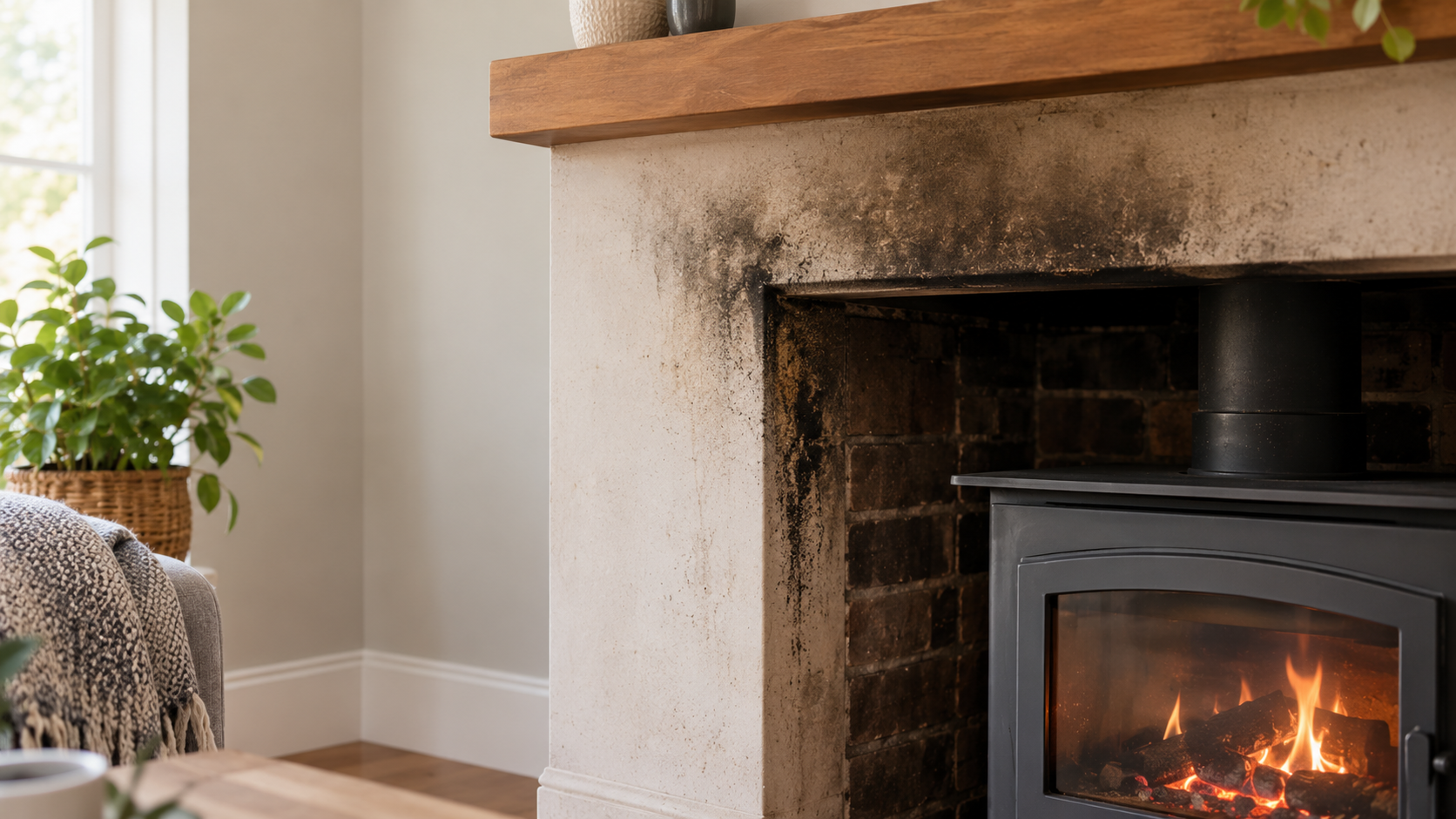


Damp patches around a chimney breast can be confusing, especially when the rest of the room appears dry. Staining may develop near the ceiling, around the fireplace, or on walls in an unused room. In some cases, an unpleasant smoky or musty smell may also become noticeable.
Chimney moisture can have several causes, so identifying the source is important before decorating or attempting repairs.
How Rainwater Enters a Chimney
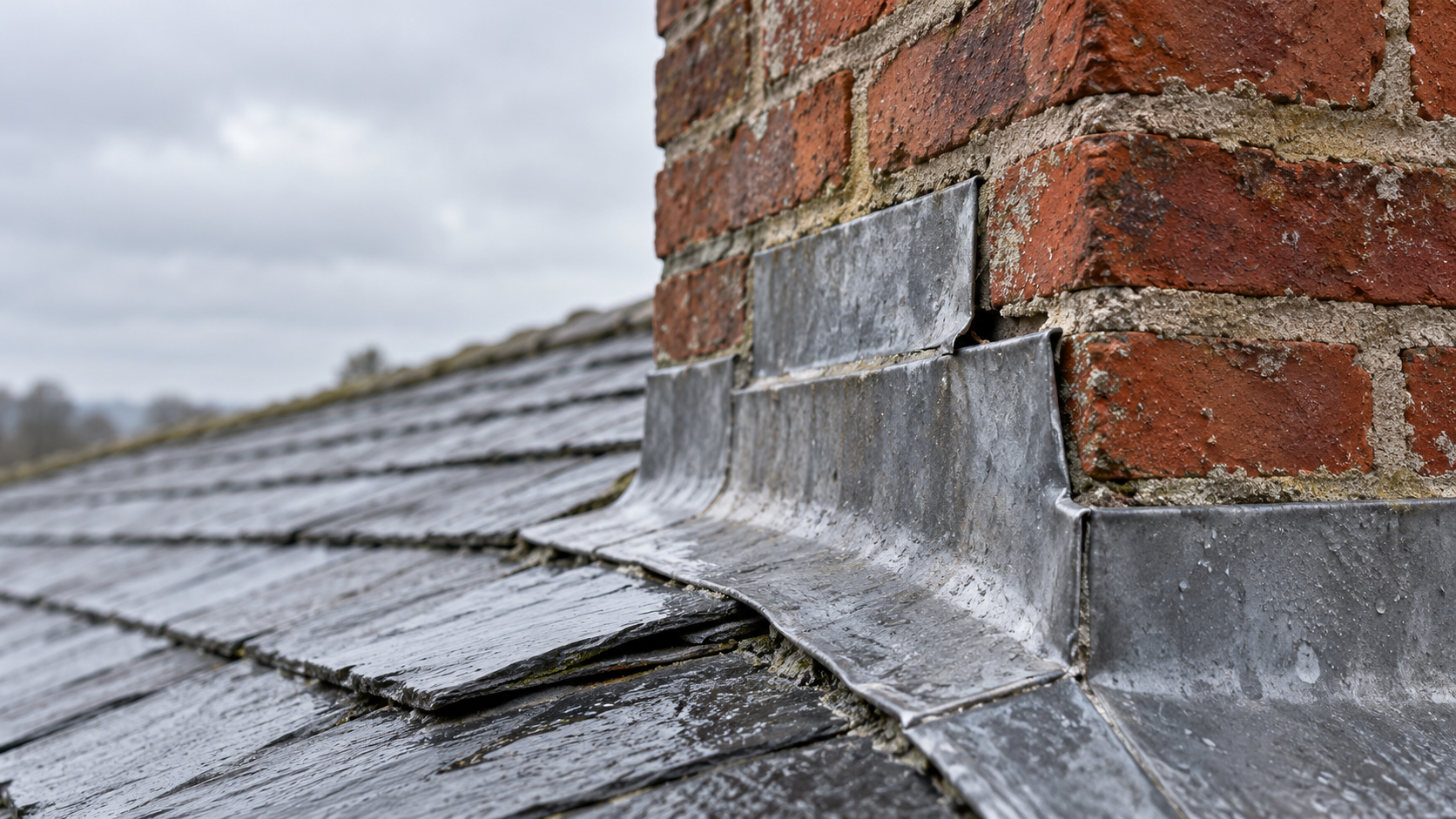
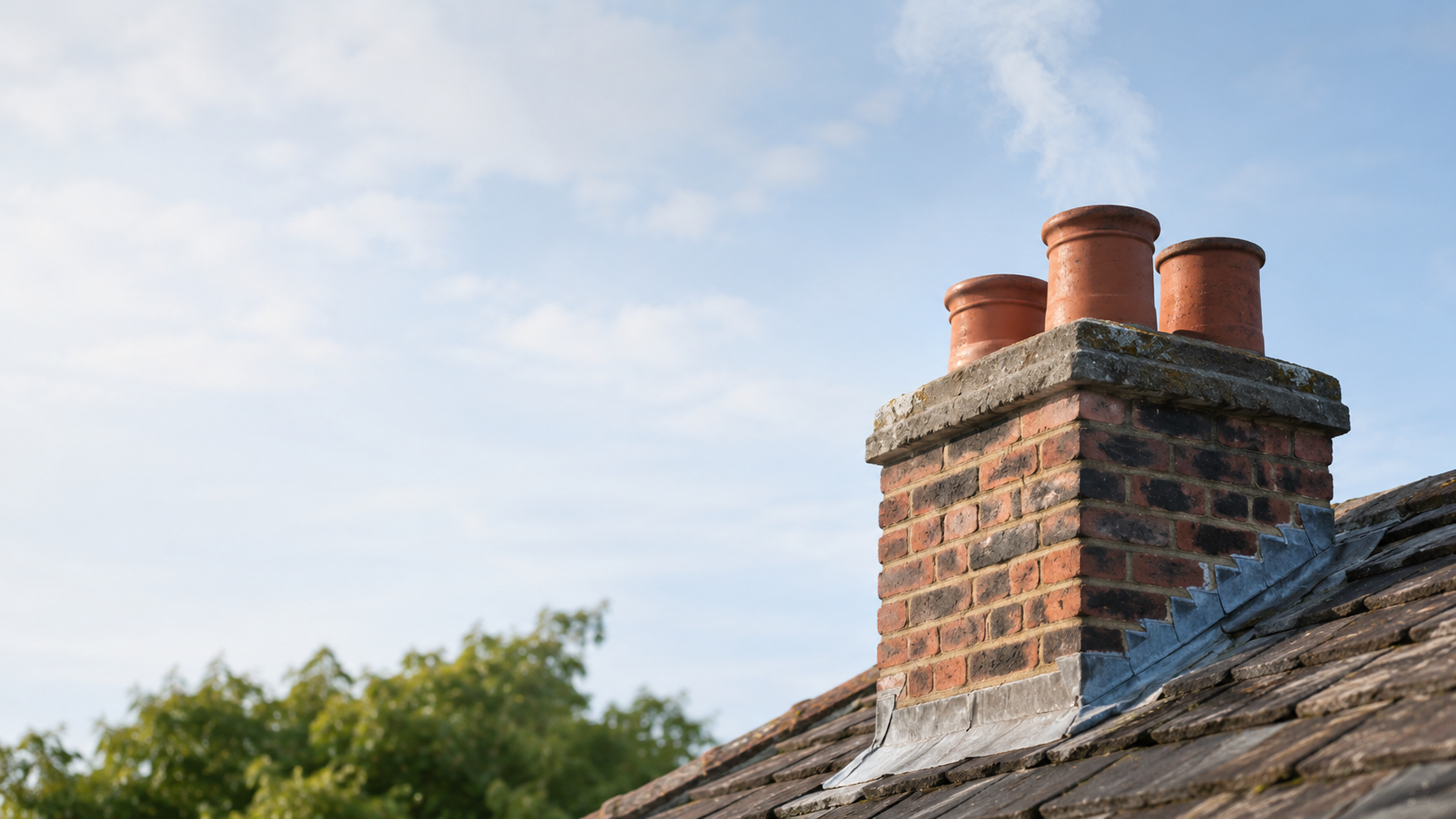
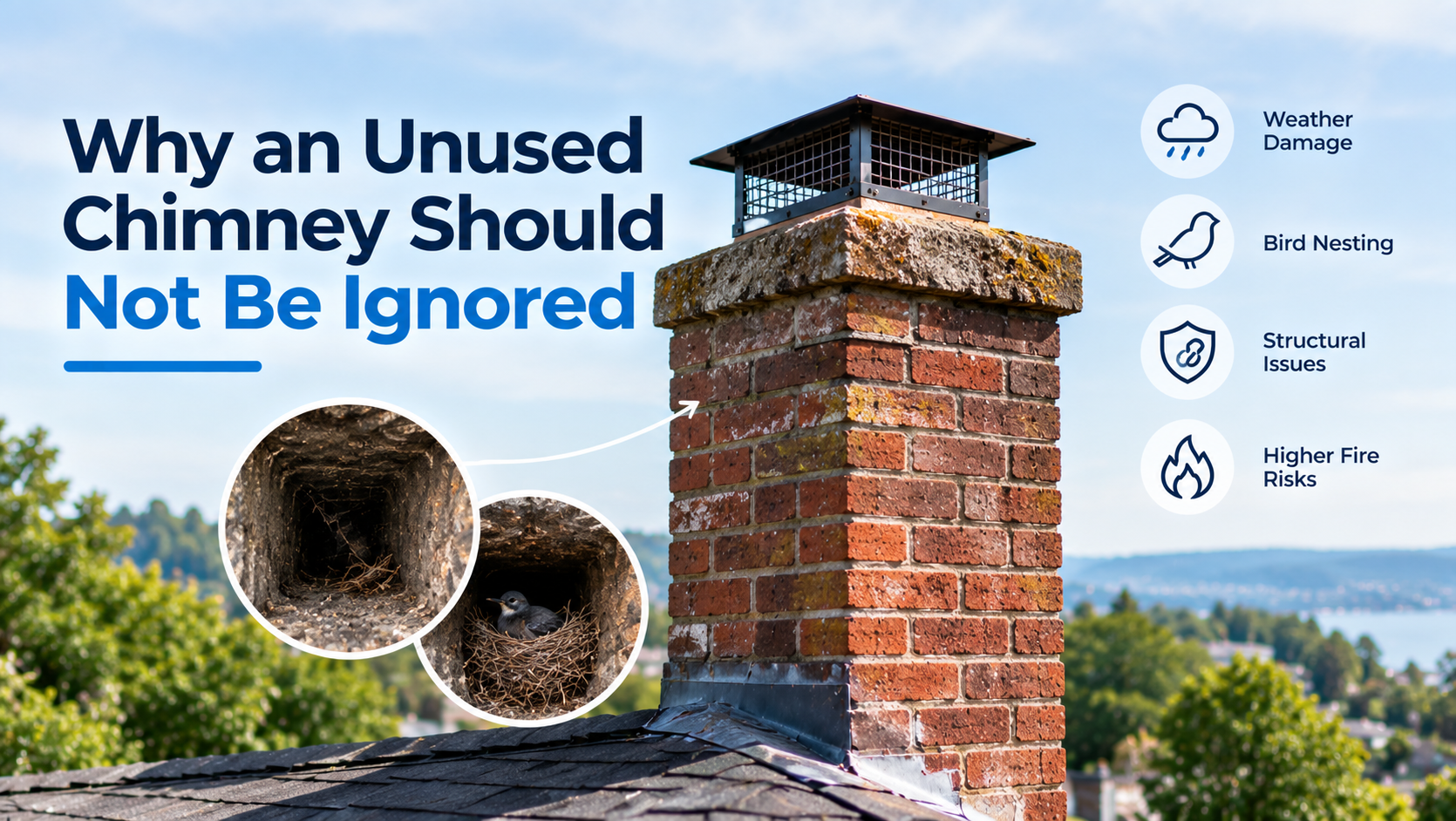
A damaged chimney pot, cracked mortar, or worn flashing can allow rainwater to enter the structure. Chimneys are exposed to wind, rain, and changing temperatures throughout the year, making gradual deterioration difficult to avoid.
A drone inspection and roof inspection can help examine areas that are hard to see from ground level. Drone images may reveal damaged pots, missing mortar, loose cowls, or problems around the chimney stack. A closer physical assessment may then be required to confirm the condition of the materials.
Condensation Inside the Flue
Not all chimney damp comes from rain. Moisture can also form when warm air meets cold surfaces inside the flue. This is more common when a chimney is poorly ventilated, rarely used, or unsuitable for the connected appliance.
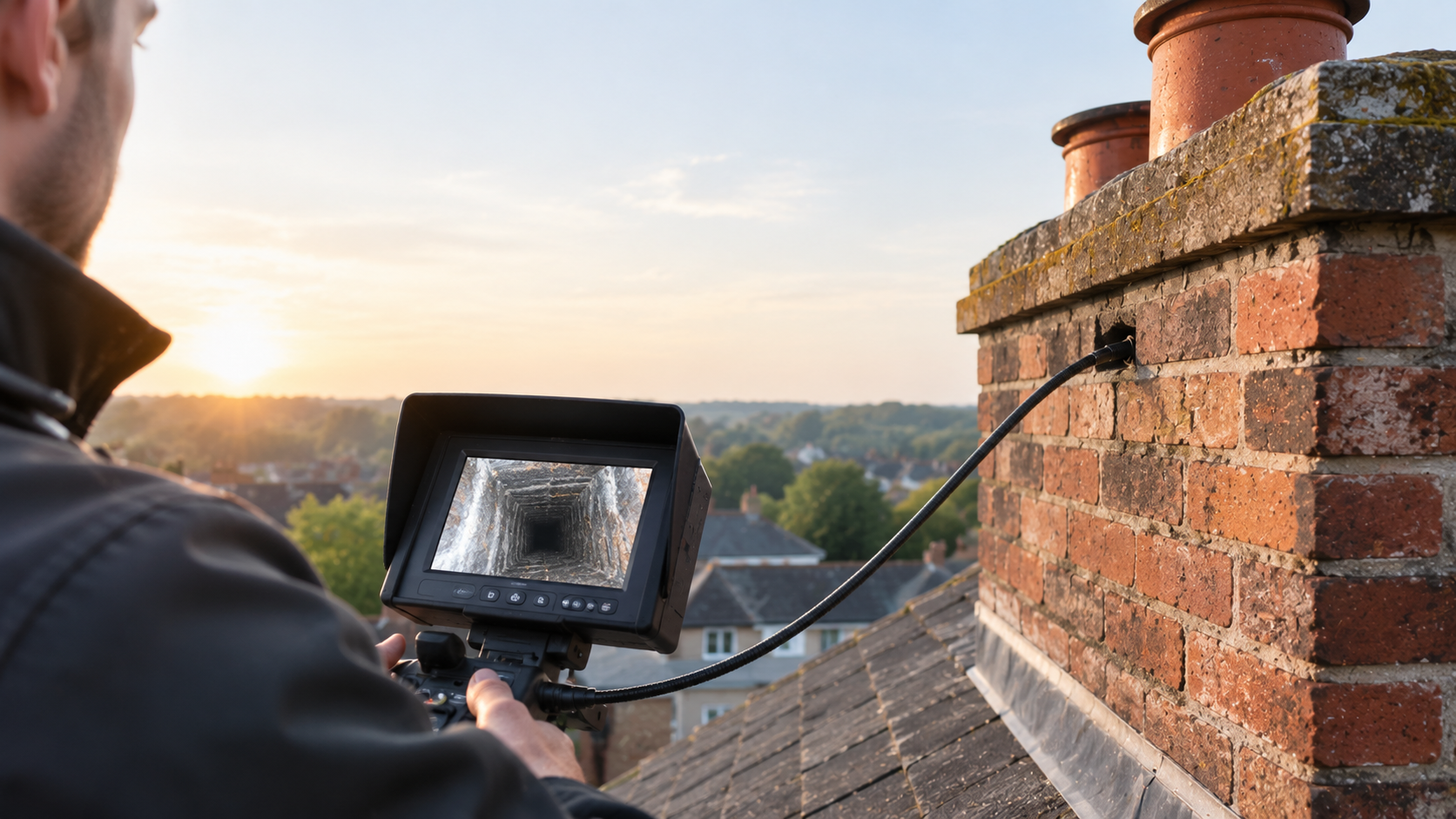
A CCTV and drone inspection provides two different views of the system. CCTV equipment can examine the inside of the flue, while a drone records visible external areas. Together, these methods can help distinguish between internal deterioration and damage caused by outside weather.
Soot Can Make Staining Worse
Old soot deposits can absorb moisture and produce dark or yellow-brown marks on walls. Simply painting over these stains may not provide a lasting solution because the discolouration can return through the new finish.
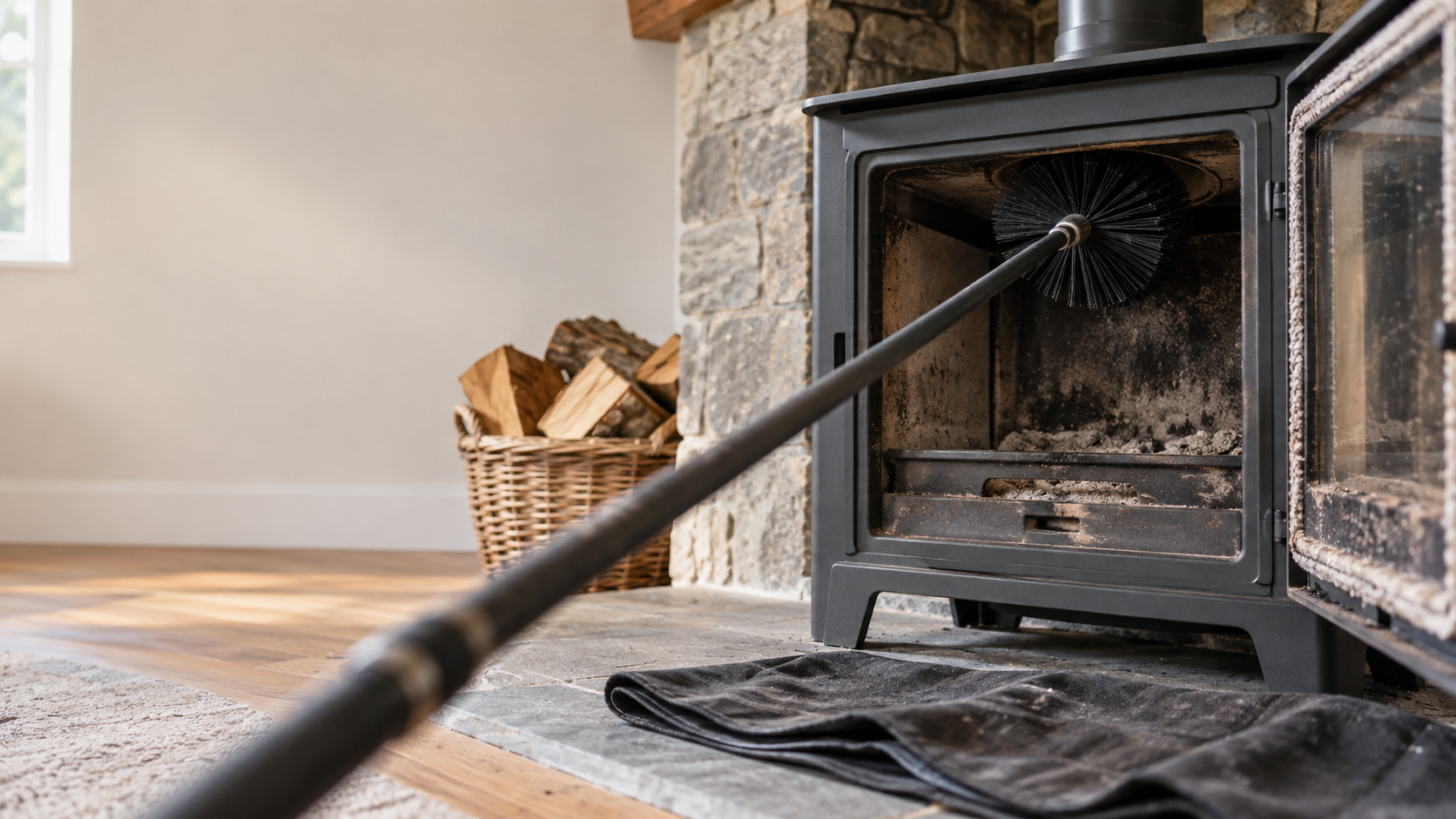
A professional chimney sweep can remove loose soot and deposits from the flue. However, sweeping alone may not resolve damp caused by damaged masonry, poor ventilation, or water entering through the roof. The underlying source should be identified before the affected wall is repaired and redecorated.
When a Flue Liner Requires Attention
A damaged or unsuitable liner may allow moisture and combustion deposits to affect the surrounding chimney structure. Flue liner installation may be considered when an inspection finds significant deterioration or when the existing flue is not appropriate for a new appliance.
The correct liner depends on the chimney, fuel type, and appliance. It should therefore be selected only after a proper assessment rather than as a general solution for every damp chimney.
Blockages and Poor Ventilation
Leaves, debris, and nesting materials can restrict airflow inside a chimney. Reduced ventilation may contribute to condensation and unpleasant smells. Bird nest removal must be approached carefully because active nests, eggs, and wild birds may be protected by law. The chimney should not be used when a blockage is suspected.
A suitable cowl may help reduce future water entry or nesting, but it must allow the chimney to ventilate correctly.
Moisture and New Stove Installations
Before a log burner installation, the chimney should be checked for dampness, blockages, and structural problems. Installing an appliance without correcting existing defects may lead to ongoing performance issues.
Midlands Sweeps can assess the visible fireplace, internal flue, and external chimney condition to help homeowners understand which areas require attention.
Conclusion
Chimney damp can result from rainwater, condensation, blocked ventilation, old soot, or structural deterioration. Because several issues can produce similar stains and smells, the cause should be investigated before repairs begin. A combination of sweeping, internal camera checks, and external inspection can provide a clearer understanding of the chimney’s overall condition.
Frequently Asked Questions
Why does my chimney smell worse during wet weather?
Moisture can react with old soot and deposits, making smoky or musty smells more noticeable.
Can I paint over chimney stains?
You can redecorate after the moisture source has been resolved and the affected area has dried properly.
Does every damp chimney need a new liner?
No. Flue liner installation is only appropriate when an assessment identifies a liner-related problem or appliance requirement.