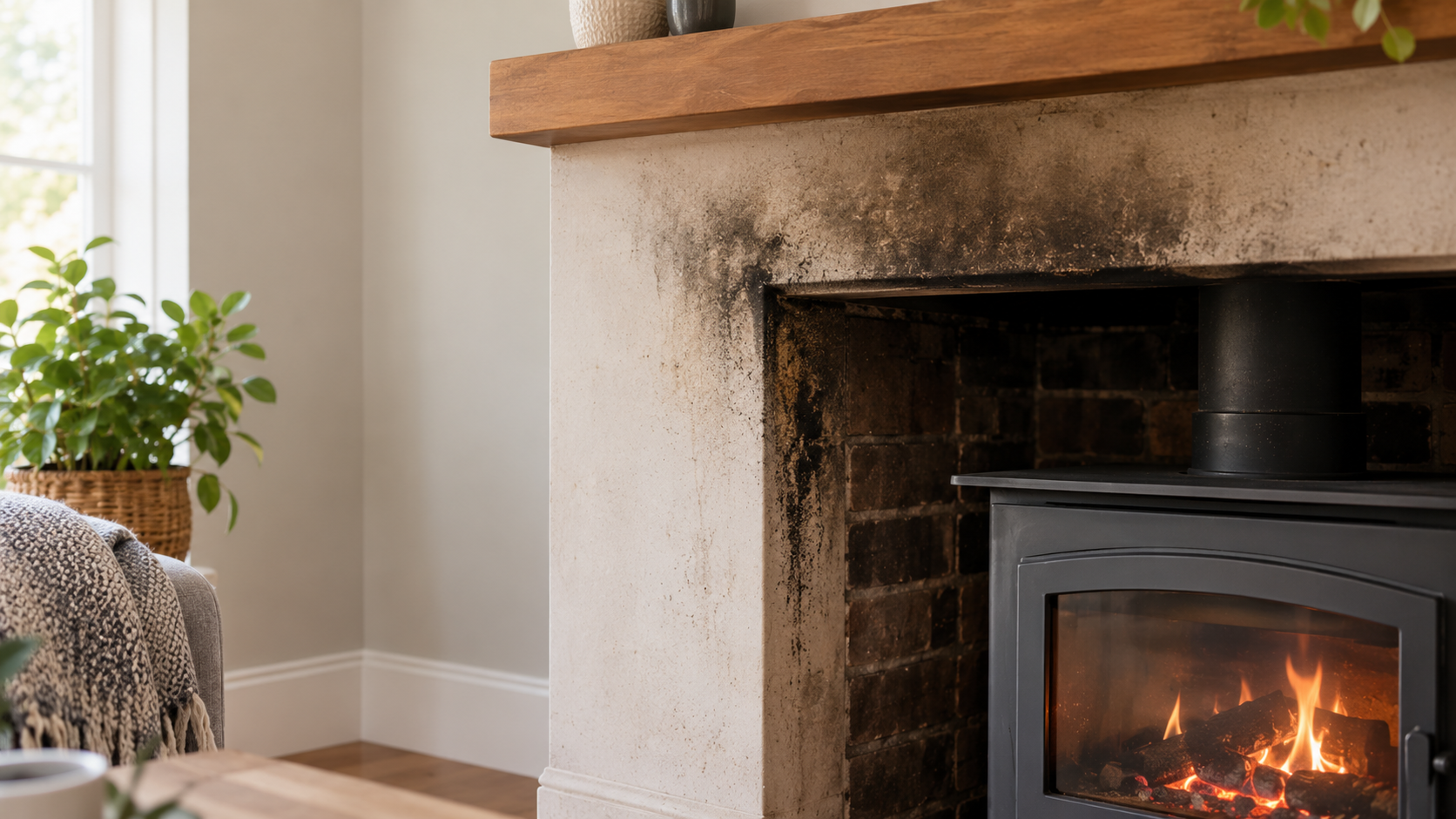
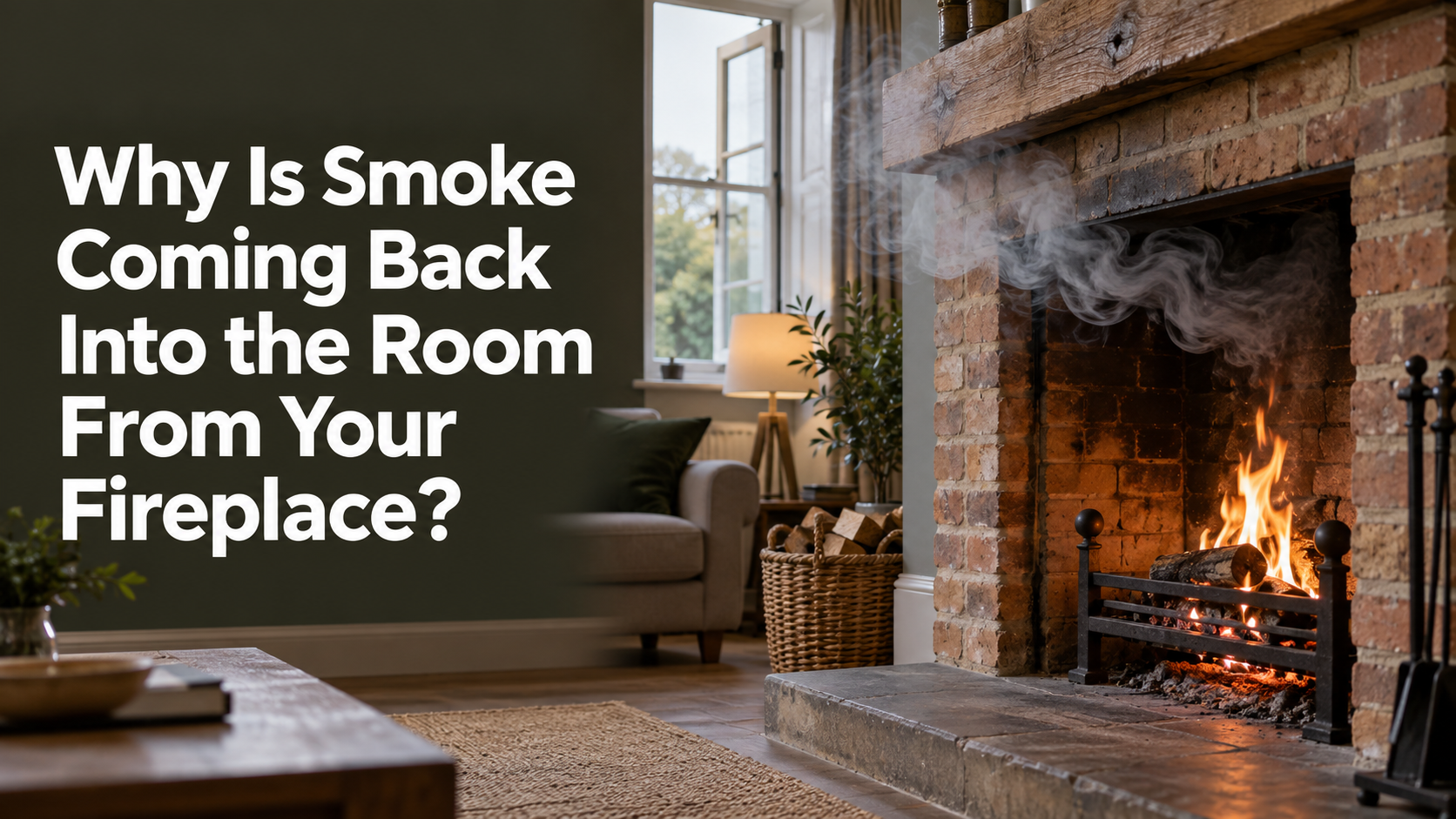
Smoke should travel upward through the flue and leave the property through the chimney. When it enters the room instead, it can indicate a problem with airflow, maintenance, or the chimney itself. The cause may be simple, but smoke entering a living space should never be ignored.
Understanding the common reasons for this problem can help homeowners decide what to check and when to stop using the appliance.
A Blocked or Dirty Chimney
Soot, tar, and loose debris gradually collect inside a working chimney. Heavy deposits can reduce the space available for smoke to escape. A blockage may also be caused by fallen masonry, leaves, or nesting material.
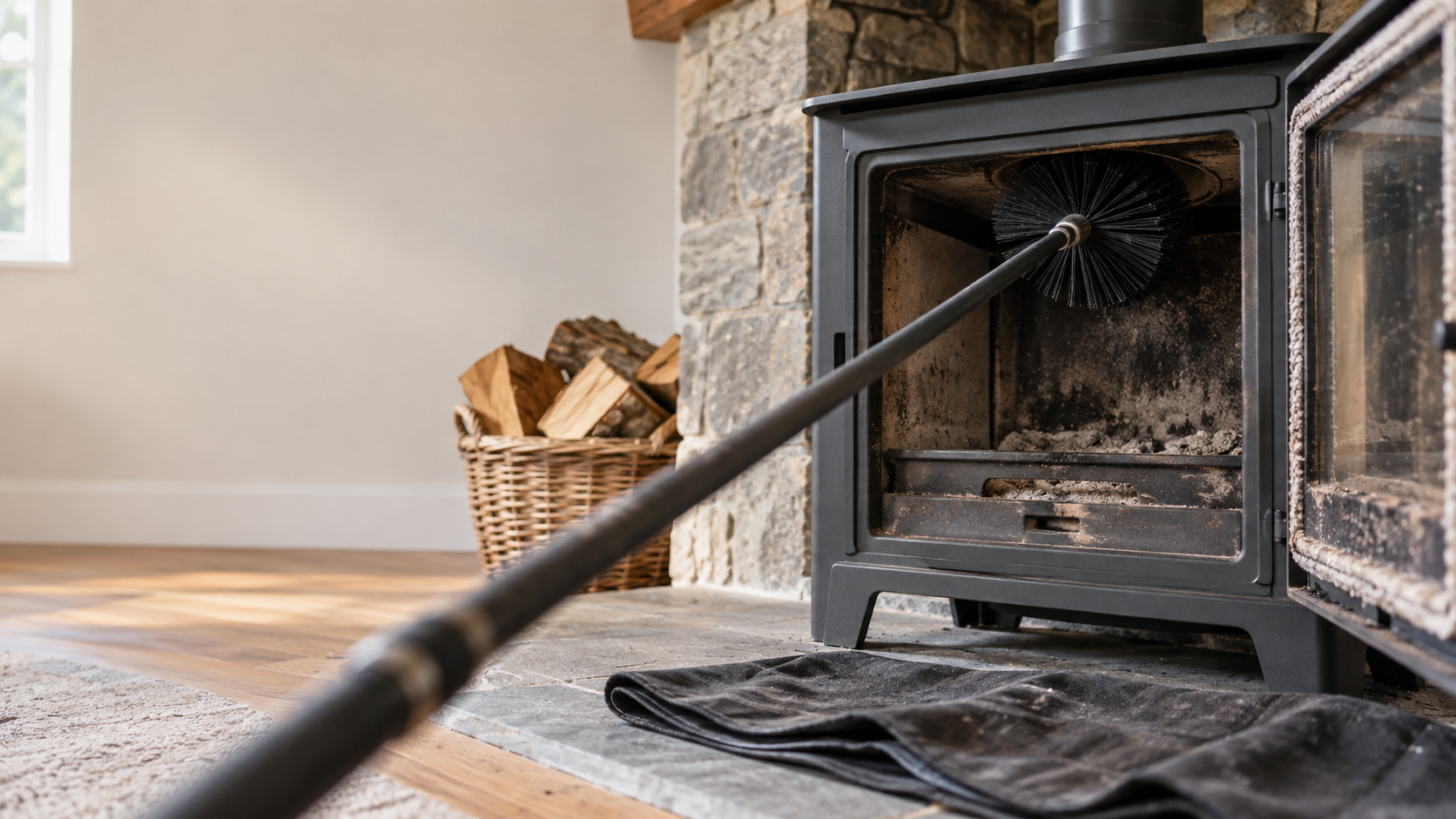
A professional chimney sweep can remove normal deposits and loose debris. If the chimney has not been used for a long time or its maintenance history is unknown, arranging a sweep before lighting a fire is a sensible starting point.
Bird Nests Inside the Flue
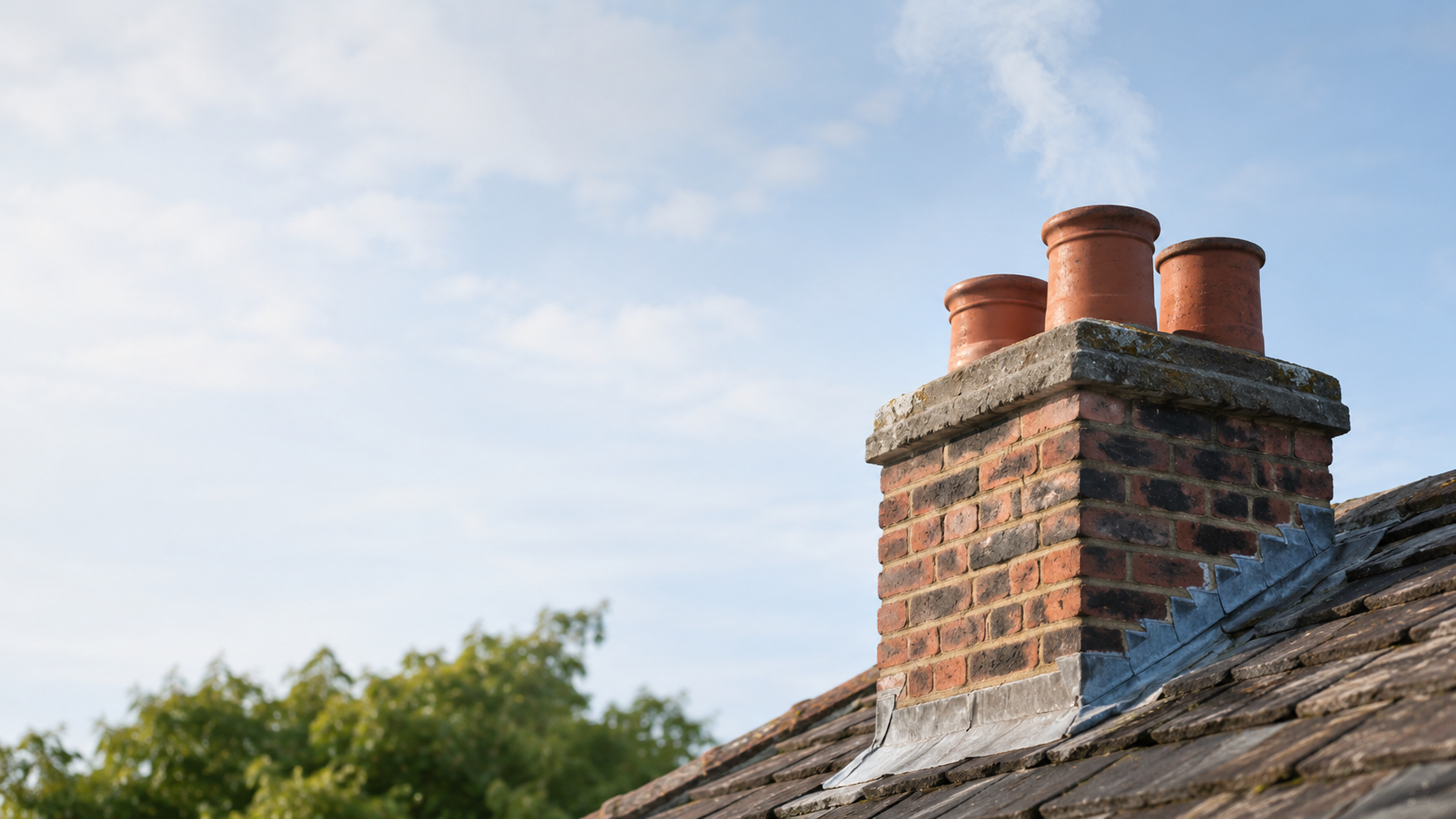
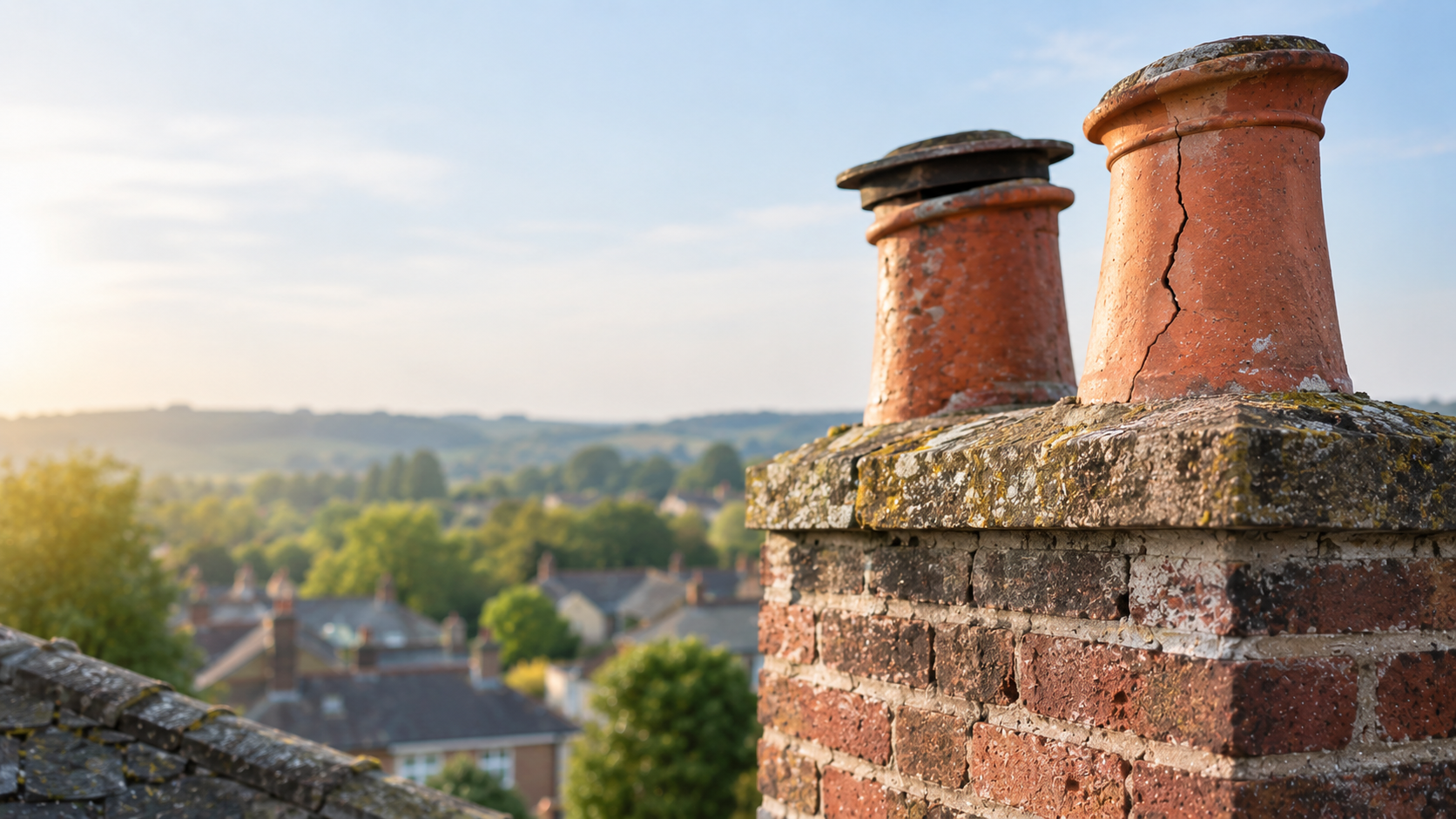
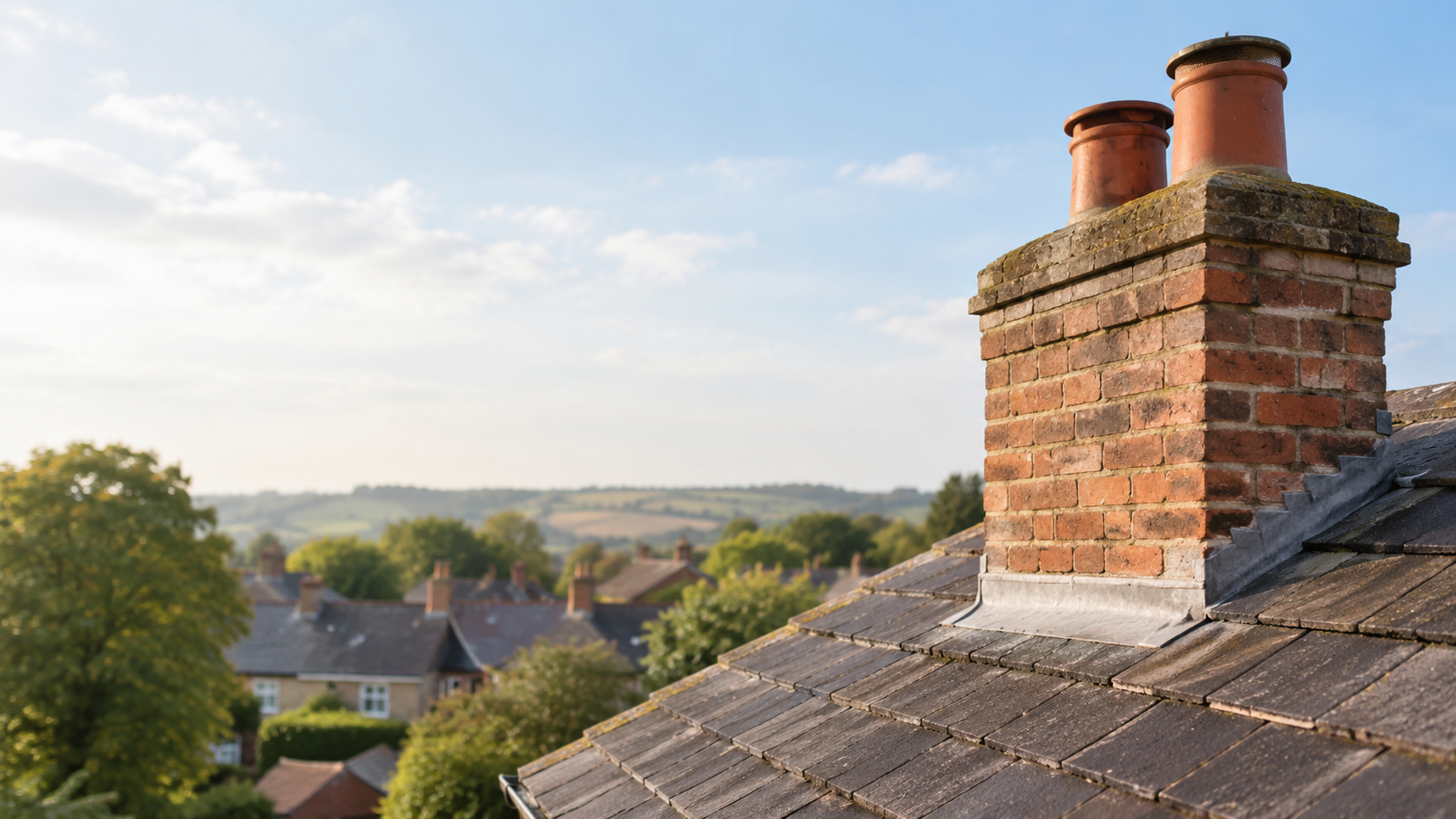
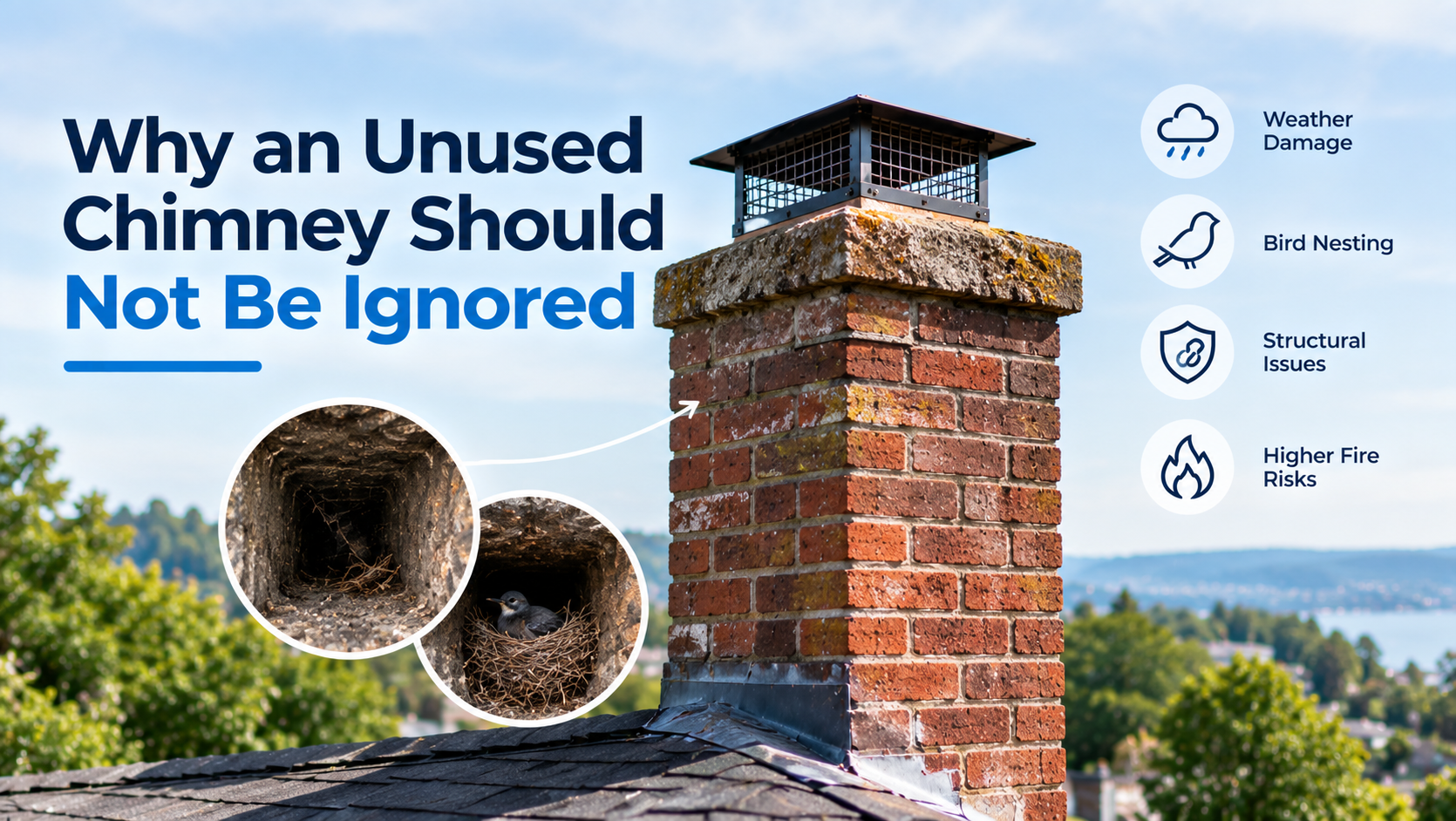
Open chimney pots often provide sheltered places for birds. A nest made from twigs can create a partial or complete obstruction, causing smoke and combustion gases to return down the chimney.
If you hear birds or find nesting material in the fireplace, leave the appliance unlit. Bird nest removal must follow wildlife protection rules because active nests, eggs, and birds may be legally protected. The situation should be assessed before any material is disturbed.
Poor Airflow in the Room
A fire needs enough air to burn properly and create an upward thrust. Modern windows, sealed doors, and extractor fans can change the pressure inside a property. In some cases, an extractor fan may pull air down the chimney instead of allowing smoke to rise.
Opening a window may temporarily reveal whether ventilation is affecting the fire, but recurring problems require proper assessment. Permanent ventilation should be planned according to the appliance and room.
Hidden Damage Inside the Chimney
Cracks, damaged liners, and poor appliance connections may affect how gases move through the system. These defects are not always visible during a standard sweep.
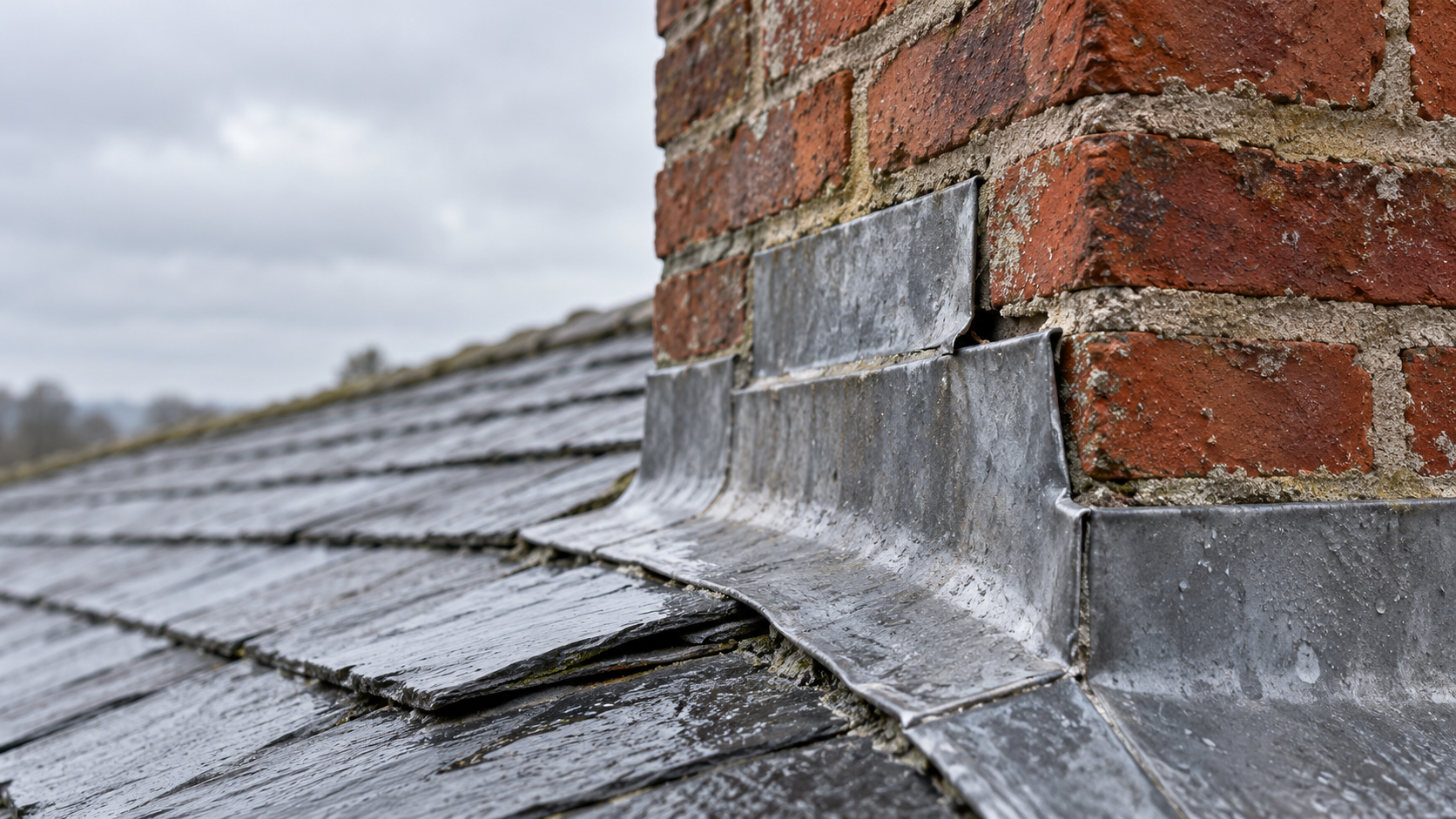
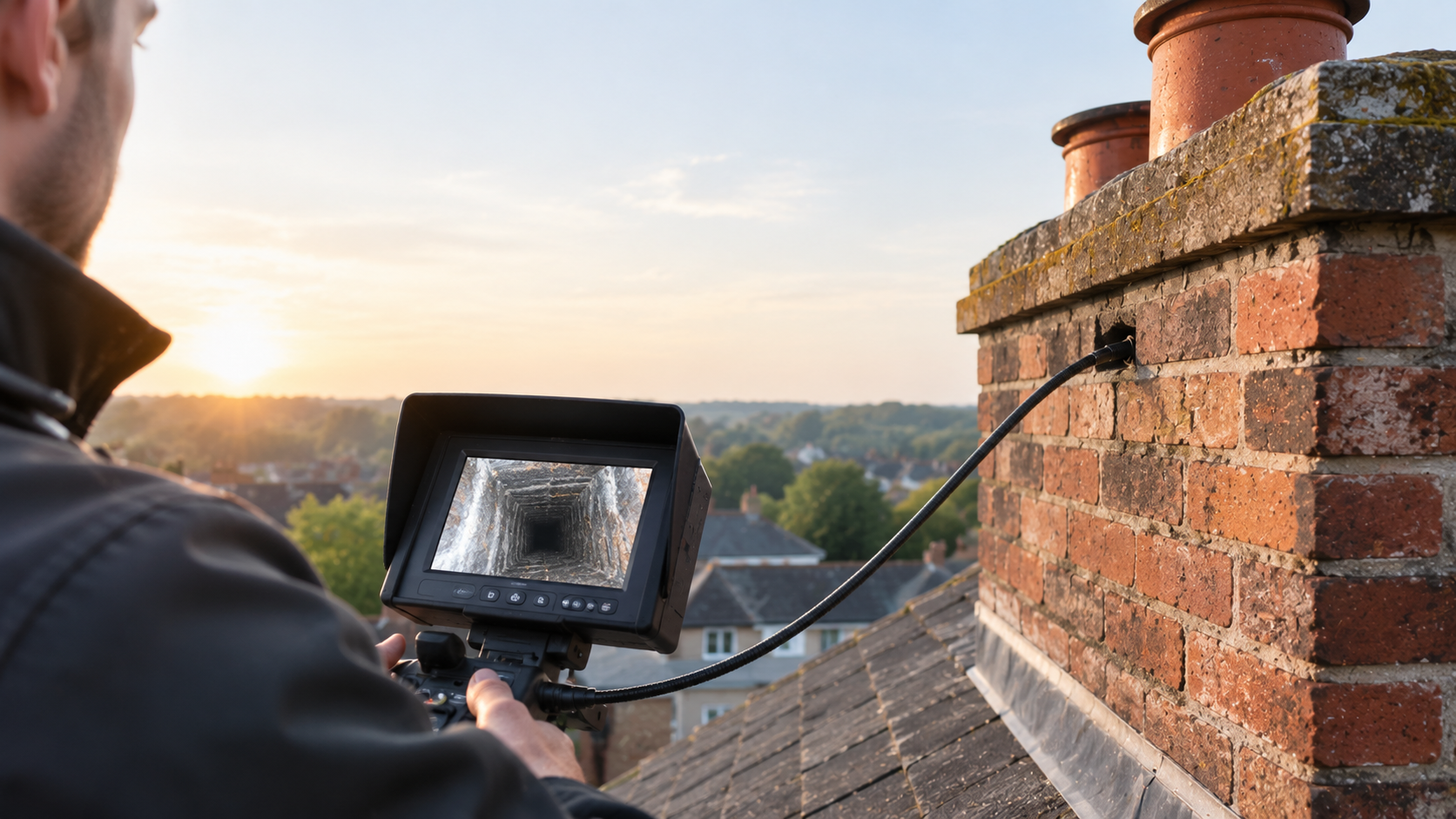
A CCTV and drone inspection can provide two useful views. CCTV equipment examines the internal flue, while aerial images show the chimney pot, stack, and surrounding roof. A drone inspection and roof inspection may identify cracked pots, missing mortar, damaged flashing, or storm damage that cannot be seen safely from the ground.
Problems With the Liner or Stove
An unsuitable or damaged liner may interfere with the chimney’s performance. Flue liner installation may be considered when an inspection finds deterioration or when a new appliance requires a suitable flue route. The liner type and diameter must match the appliance, fuel, and chimney arrangement.
A log burner installation should also account for room size, ventilation, hearth condition, and chimney suitability. Choosing a stove based only on appearance or heat output can lead to performance problems if the complete system is not assessed.
Midlands Sweeps provides chimney sweeping, inspections, lining, nest removal, and stove installation across Swadlincote and surrounding areas. Each service deals with a different part of the system, so the symptoms should guide the investigation.
Conclusion
Smoke entering the room may result from deposits, a bird nest, poor ventilation, internal damage, or an unsuitable appliance connection. Stop using the fire, ventilate the space, and arrange an assessment before relighting it. Identifying the actual cause is safer than repeatedly trying to improve the fire without understanding the chimney.
Frequently Asked Questions
Can weather cause chimney smoke to enter a room?
Yes. Wind direction, cold flue temperatures, and changes in air pressure can affect chimney fraught.
Will sweeping always solve the problem?
Sweeping can clear deposits, but ventilation, structural damage, or liner issues may require further inspection.
What should I do if a carbon monoxide alarm sounds?
Leave the property, follow the alarm manufacturer’s safety guidance, and seek emergency assistance. Do not use the appliance again until it has been checked.