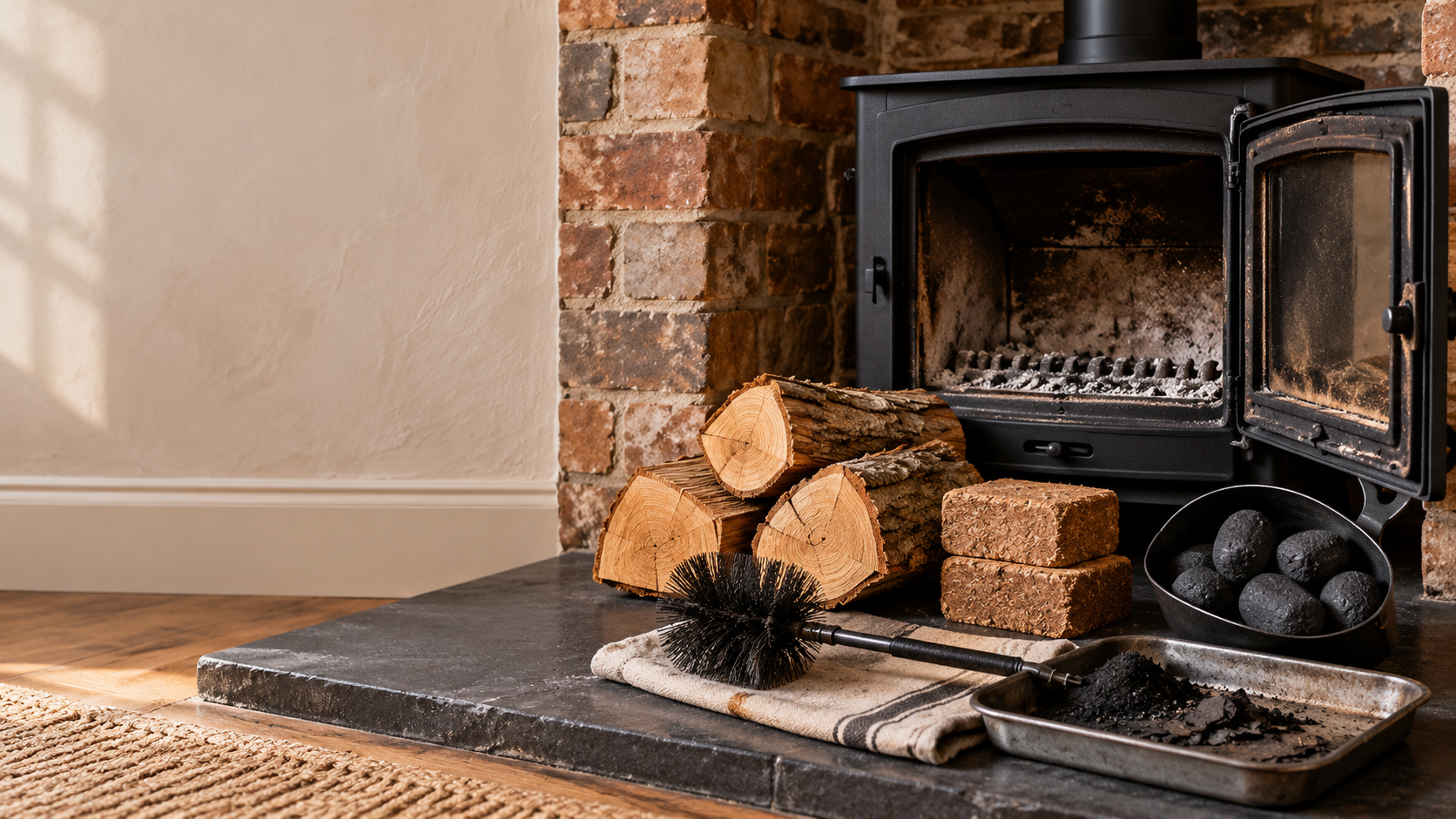
A fireplace or wood-burning stove may remain unused for several years when a property is empty, renovated, or heated by another system. When the household decides to use it again, the chimney should not be treated as though it has simply been resting.
Unused flues can collect debris, attract nesting birds, and develop moisture-related damage. Before lighting a fire, homeowners should arrange suitable checks and confirm that the entire system remains appropriate for use.
Begin With the Fireplace Opening
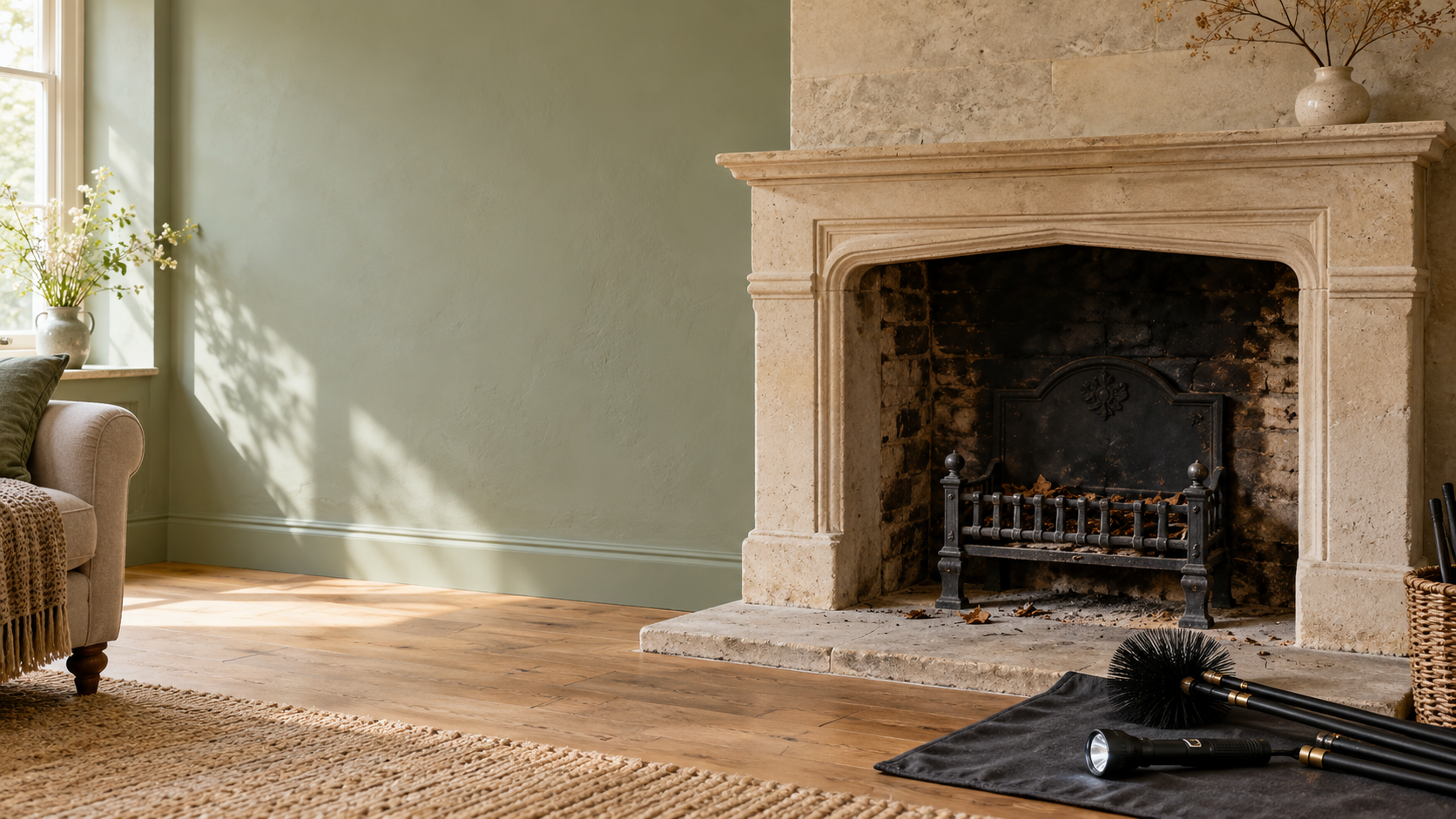
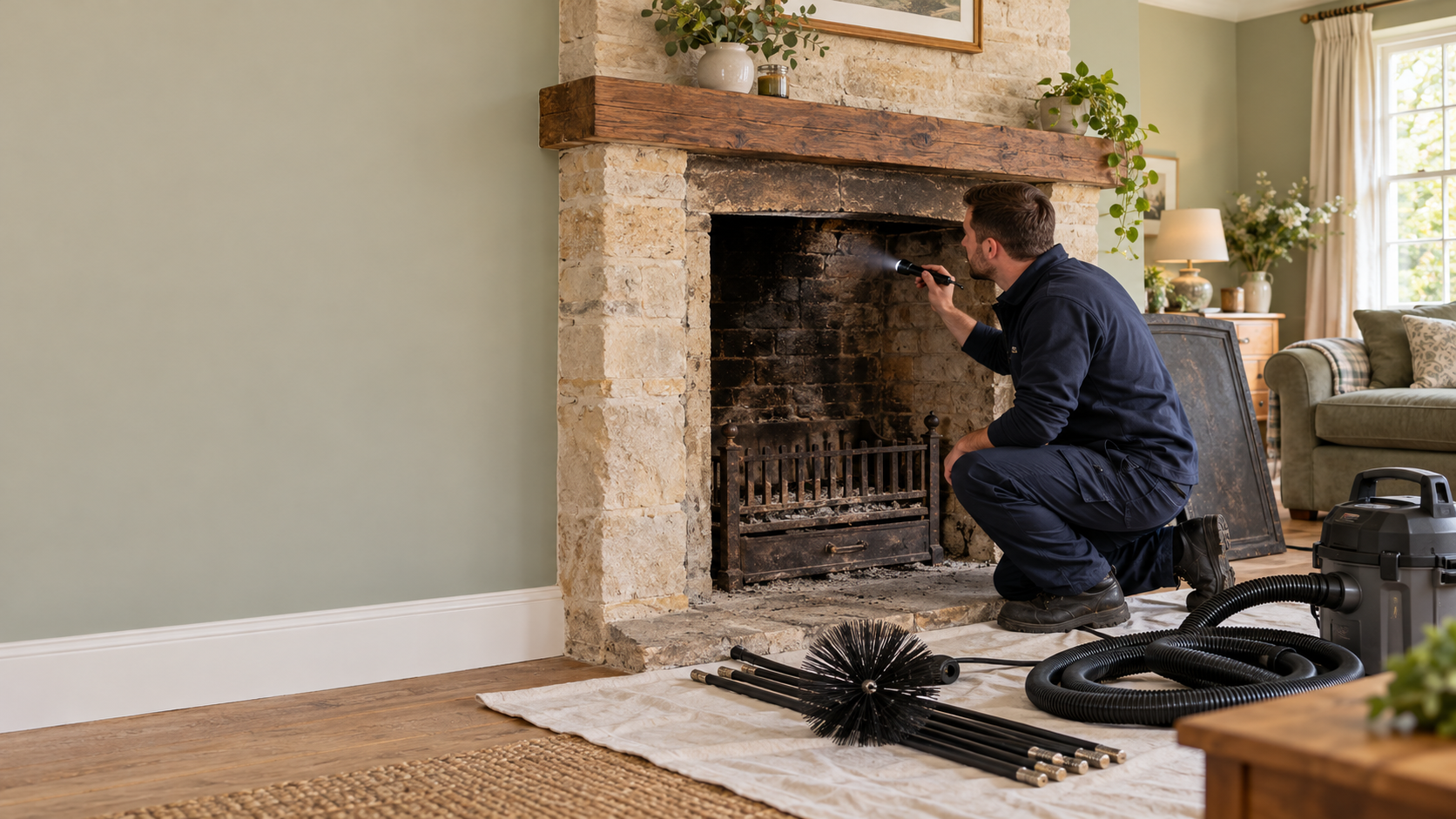
Look for loose debris, staining, unusual smells, or pieces of mortar around the fireplace. These signs do not confirm a specific problem, but they can indicate that the chimney needs closer attention.
Do not reach far into the opening or attempt to clear an unknown blockage yourself. Falling material may be unstable, and the flue could contain sharp objects or animal waste.
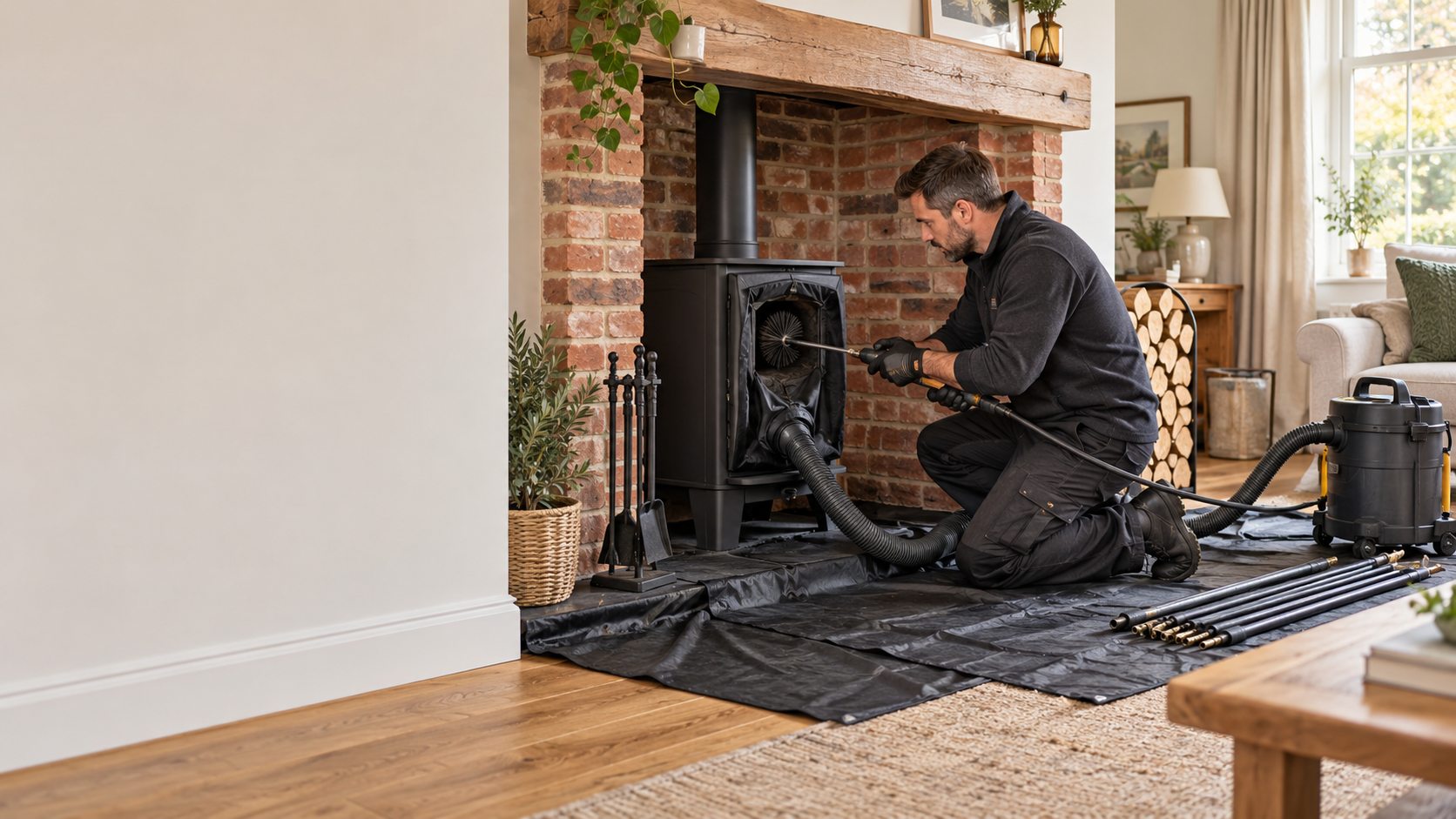
A professional chimney sweep can remove suitable deposits and identify visible concerns that may require further investigation.
Expect Old Deposits to Remain
A chimney does not become clean simply because it has not been used recently. Soot and tar from earlier fires may remain attached to the flue walls for years.
Dust, cobwebs, and small pieces of masonry may also collect inside. Sweeping helps clear appropriate material, but it does not replace inspection when structural damage or liner problems are suspected.
Homeowners should provide any available maintenance records so the chimney professional understands its previous use.
Check for Nesting Material
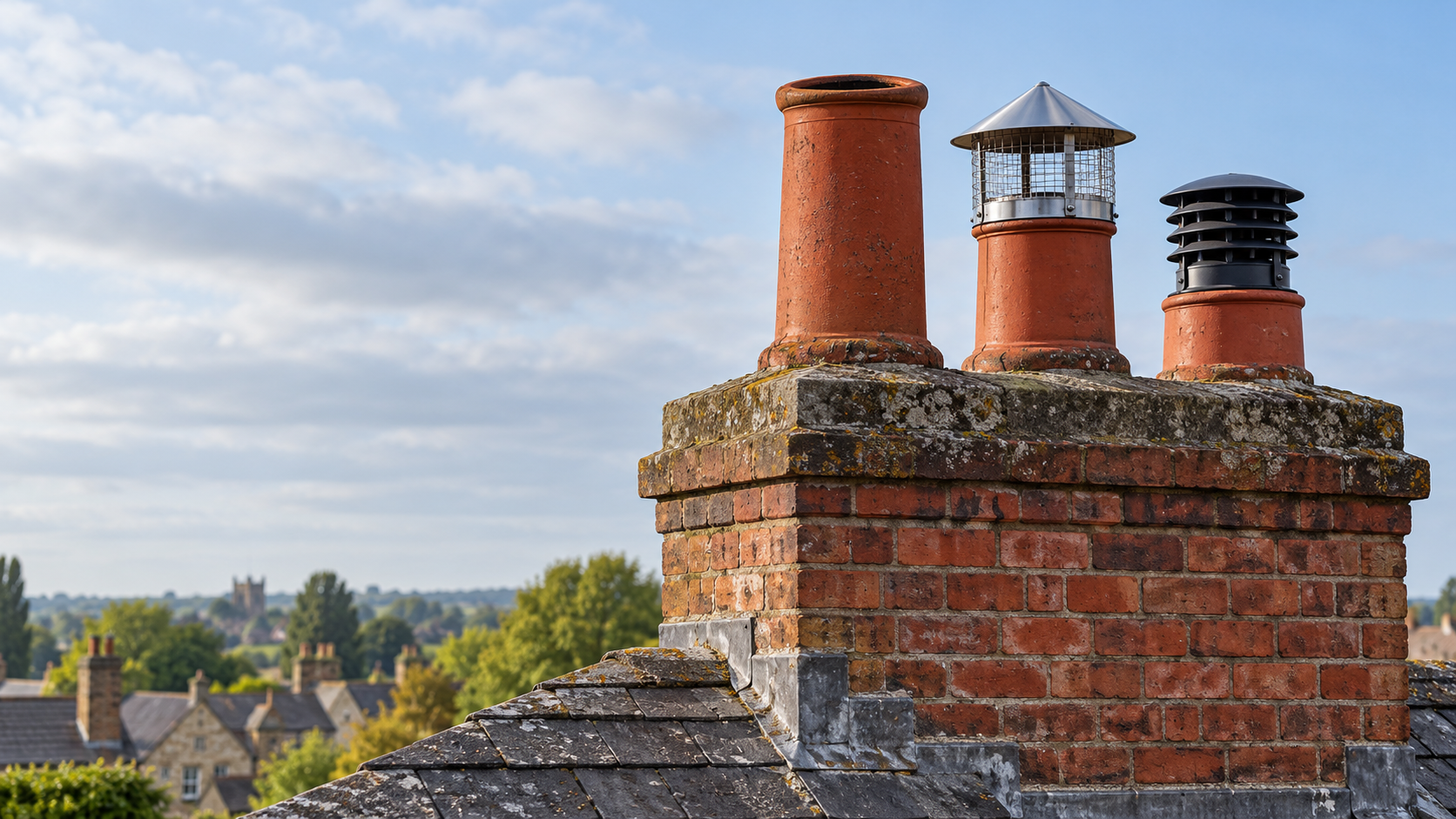
Open chimney pots can provide sheltered spaces for birds. Twigs, feathers, and other material may form a partial or complete obstruction.
Bird nest removal must be approached carefully because active nests may be legally protected. The chimney should be checked before anything is disturbed, and removal should only take place when it is lawful and appropriate.
Once an inactive nest has been properly cleared, a suitable cowl may help reduce future nesting while allowing the chimney to ventilate correctly.
Inspect the Flue Internally
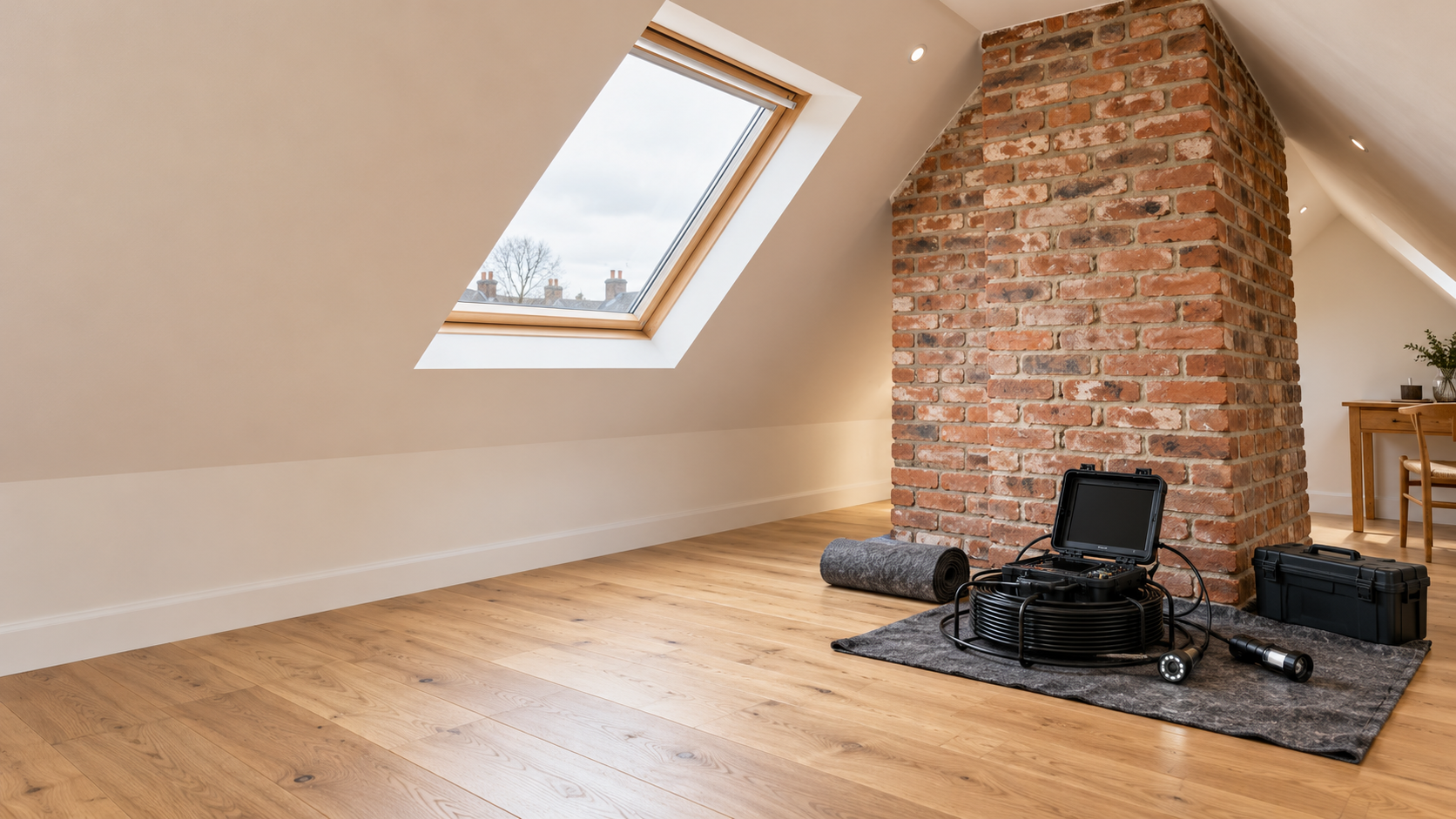
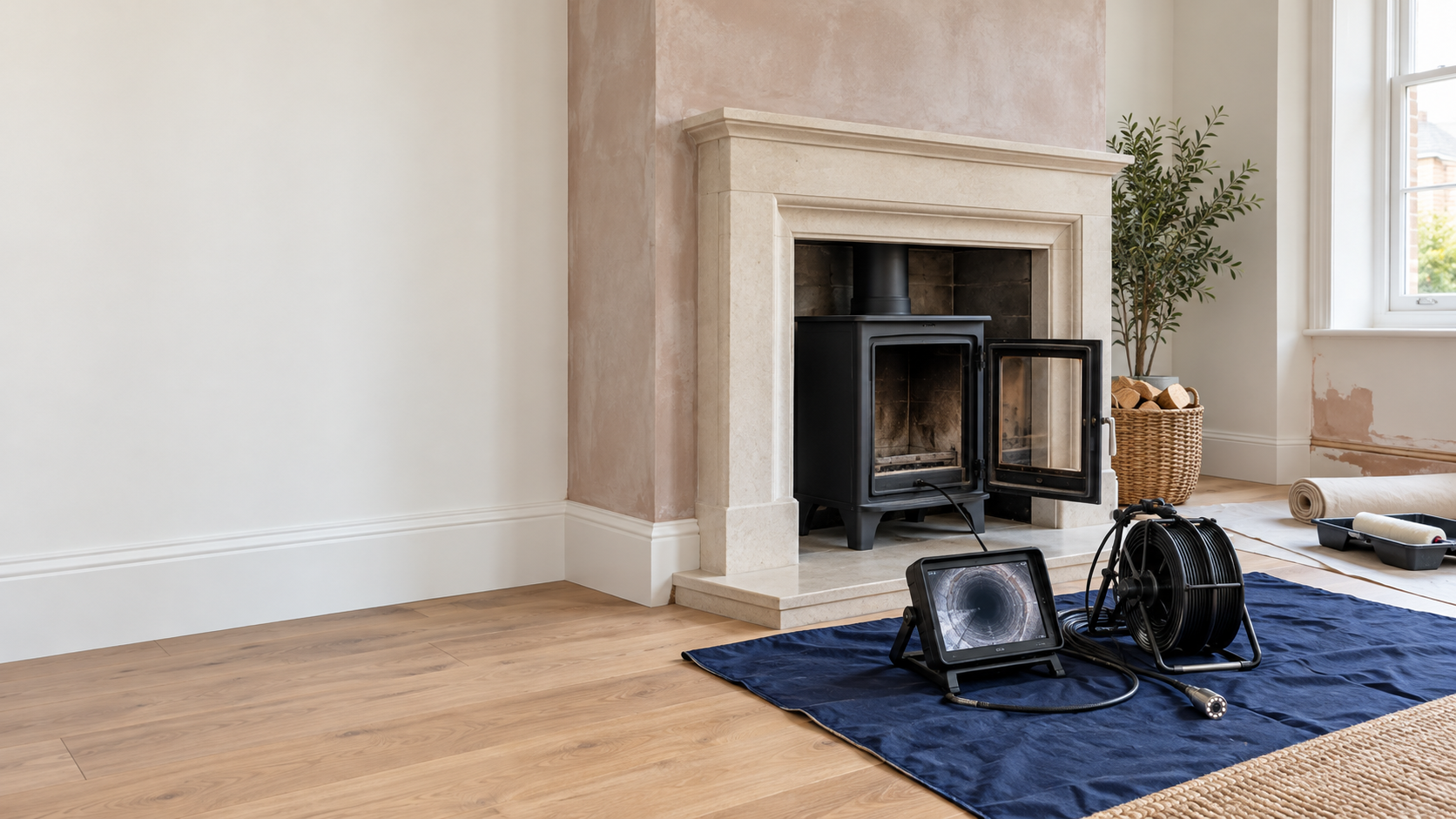
Some defects are hidden beyond the fireplace opening. Loose joints, damaged lining, fallen masonry, and stubborn blockages may not be visible without specialist equipment.
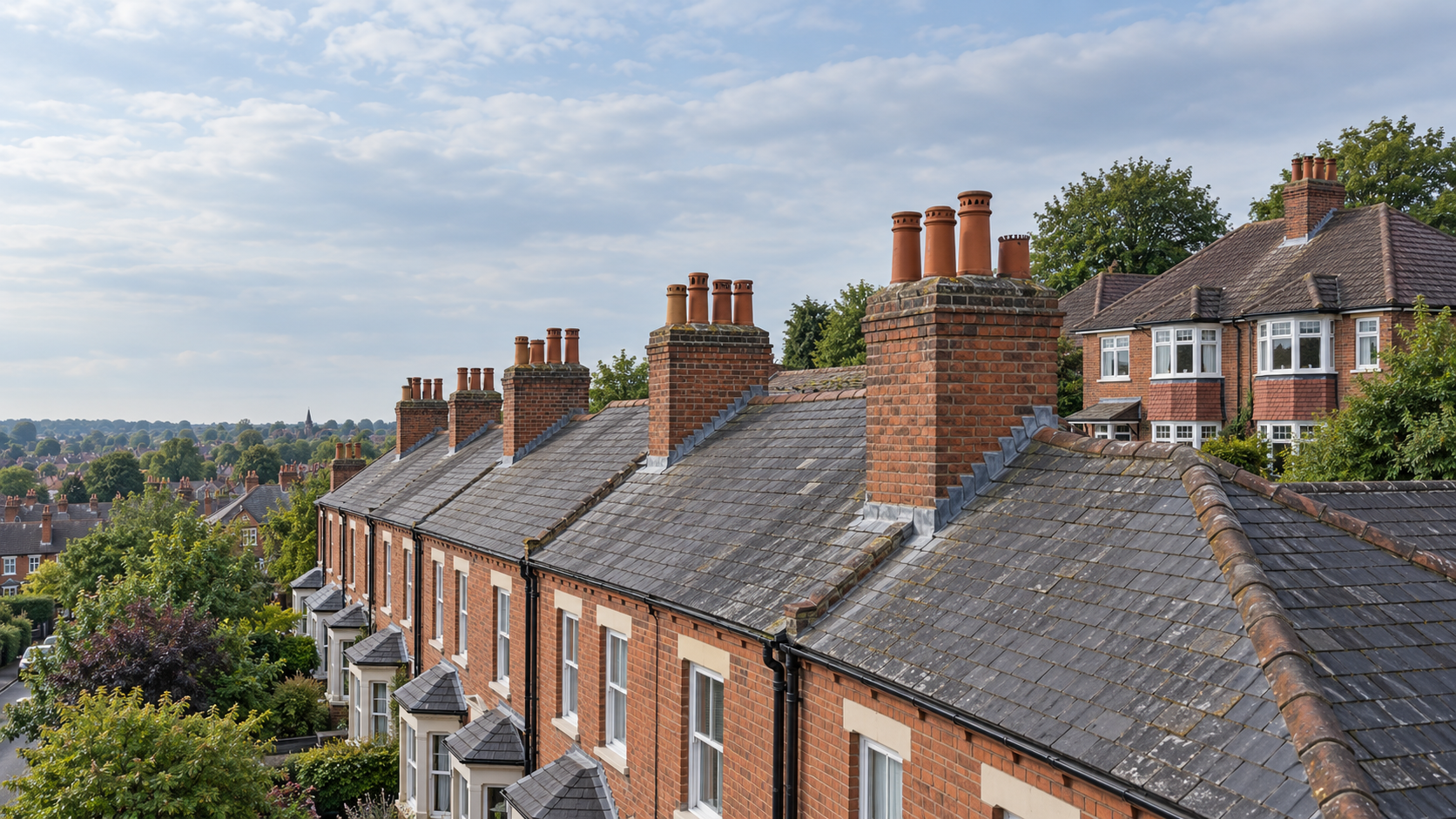
A CCTV and drone inspection can provide information from different parts of the system. CCTV equipment helps examine the internal flue, while a drone records the exterior stack, chimney pots, and nearby roof areas.
The images can help determine whether further testing or repairs are necessary before the chimney returns to use.
Review the Exterior Condition
Years of exposure to rain, frost, and wind can affect chimney masonry, leadwork, and pots even when the fireplace is unused.
A drone inspection and roof inspection may highlight cracked pots, missing mortar, damaged flashing, or vegetation. Drone images are useful for an initial overview, while a close roof inspection may be needed when defects require physical examination.
External problems should be addressed before they allow additional moisture into the property.
Assess the Existing Liner
If the chimney contains a liner, its age and condition should be reviewed. A liner can deteriorate over time, and an older one may not suit a proposed appliance.
Flue liner installation may be considered when inspection or testing identifies a need. The correct type and diameter depend on the appliance, fuel, and chimney arrangement.
Installing a liner without first understanding the system can lead to an unsuitable result, so professional assessment is important.
Plan Carefully for a New Stove
Some homeowners decide to reopen an unused fireplace as part of a Log burner installation. The chimney opening is only one part of the project.
The hearth, ventilation, flue route, appliance output, and clearances must all be suitable. Previous fireplace dimensions or an old stove connection should not be assumed to meet current requirements.
A room that has received new insulation or windows may also behave differently from when the chimney was last used.
Keep a Record of the Work
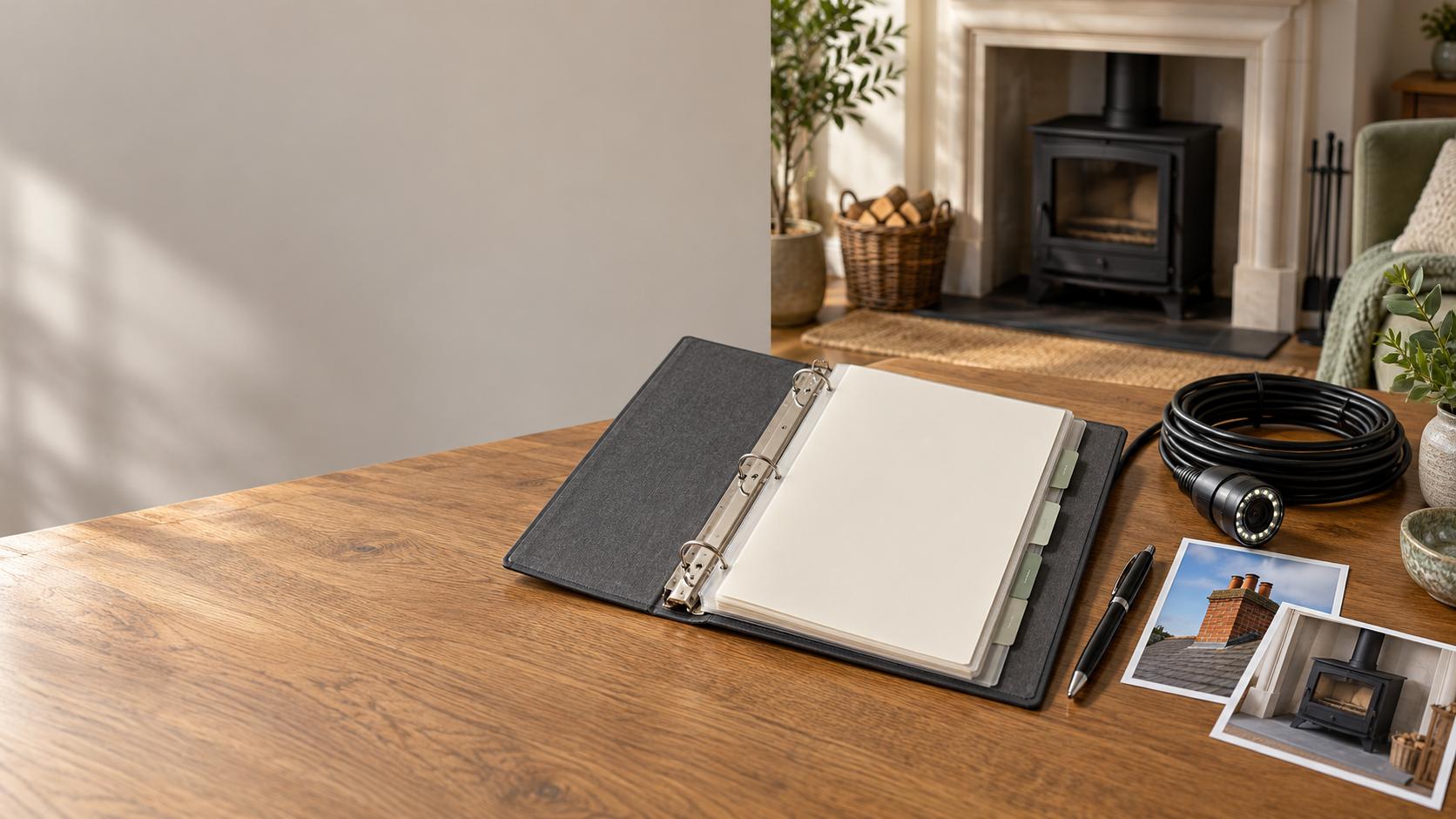
Inspection reports, photographs, sweeping certificates, and installation documents can support future maintenance. They may also be useful when the property is sold or the appliance is changed.
Midlands Sweeps covers chimney sweeping, inspections, nest clearance, flue liners, and stove installation. Whichever provider is selected, homeowners should ask what was checked, what was found, and when the next review is recommended.
Conclusion
An unused chimney can change even when no fires are burning. Deposits may remain, birds can create blockages, and weather can affect the external structure.
Before bringing the chimney back into service, arrange appropriate sweeping and inspection. A careful restart is safer than lighting a test fire and waiting to see whether a problem appears.
Frequently Asked Questions
Can I use a chimney that has been inactive for several years?
It should be checked before use. Its internal condition, ventilation, and external structure may have changed during that time.
Does an unused chimney still need sweeping?
It may still contain old deposits, debris, or nesting material. An assessment can determine the appropriate work.
Can I test the chimney by lighting a small fire?
No. A small fire can still create smoke and combustion gases. The system should be assessed before any fire is lit.