Home renovation can improve comfort, appearance, and energy efficiency, but it may also change how air moves through a property. New windows, added insulation, extensions, and altered fireplaces can all affect an existing chimney or stove system.
Even when builders have not worked directly on the chimney, dust, vibration, and structural changes may create problems that are easy to overlook. A post-renovation check helps confirm whether the fireplace and flue remain suitable for use.
Building Work Can Introduce Debris
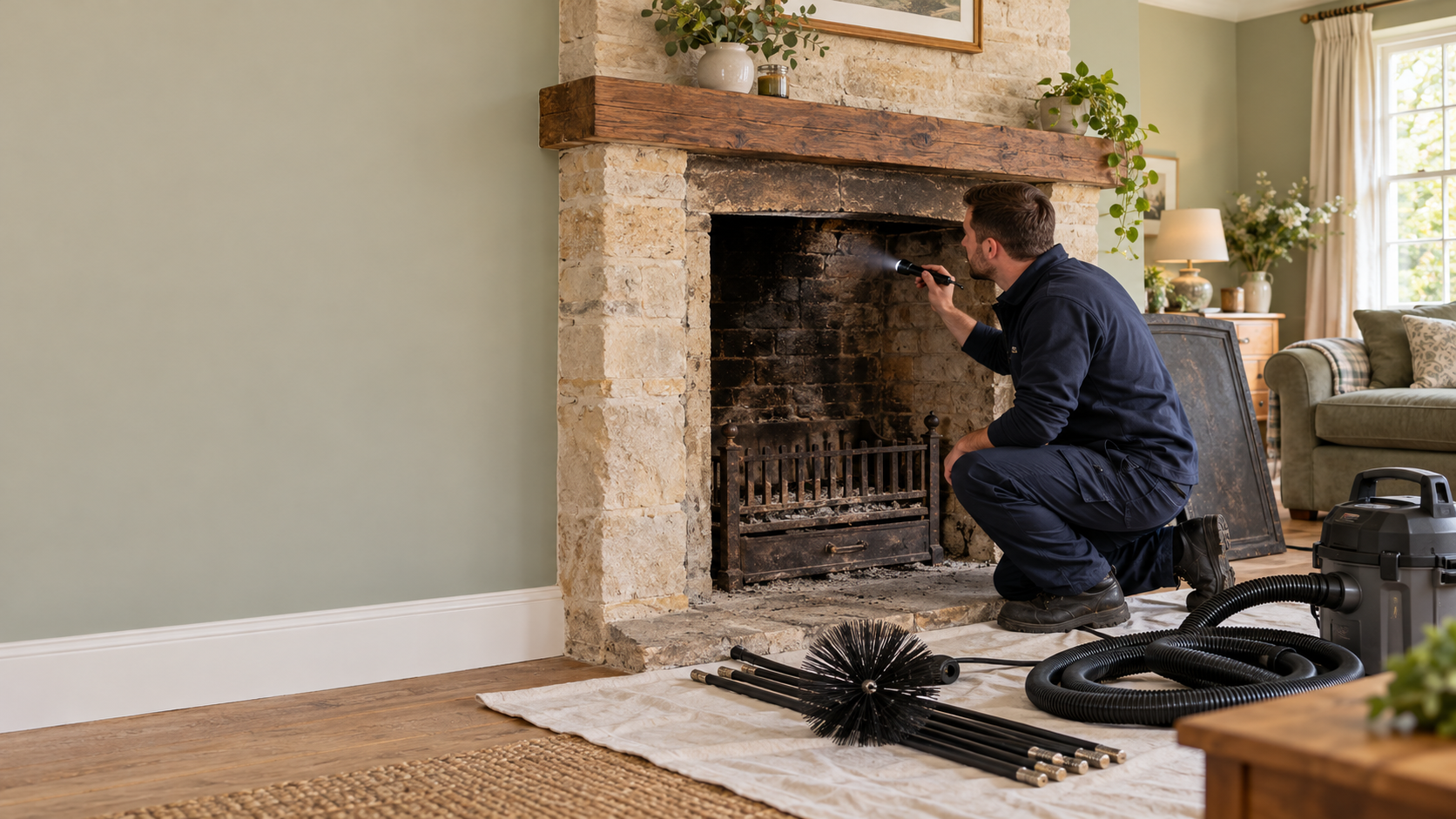
Renovation projects create dust and loose material. When work takes place near a fireplace, roof, or chimney breast, rubble may enter the flue.
Plaster, mortar, and broken masonry can create a partial blockage that restricts airflow. Covering the fireplace during construction may reduce this risk, but it does not protect the chimney from roof-level work.
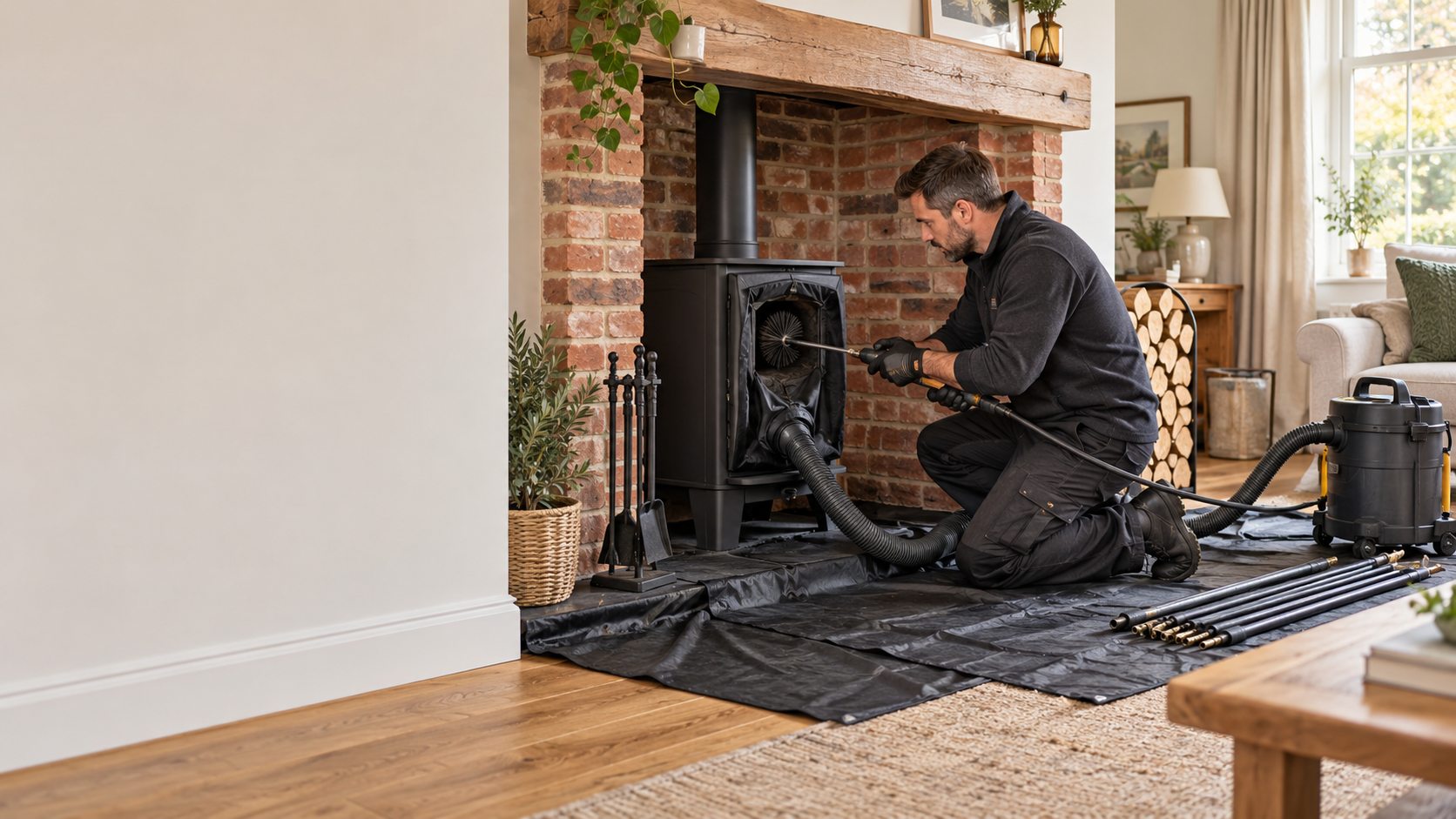
A professional chimney sweep can remove appropriate loose deposits and identify signs that require closer investigation.
New Windows Can Change Ventilation
Older homes often have small gaps around doors and windows that allow air to enter naturally. Modern replacement windows are usually more airtight, which may change the amount of air available to a fire or stove.
Combustion appliances need suitable ventilation to operate correctly. If a room becomes more airtight after renovation, the existing arrangement may need reassessment.
Homeowners should not permanently block vents or assume that opening a window is a complete solution. Ventilation requirements depend on the property and appliance.
Extensions May Affect the Chimney Environment
A new extension or roof alteration can change the air movement around a chimney. Nearby walls, rooflines, and structures may affect how wind passes over the chimney pot.
If smoke begins entering the room after building work, stop using the appliance and arrange an assessment. The cause may involve ventilation, flue condition, chimney height, or another change to the surrounding structure.
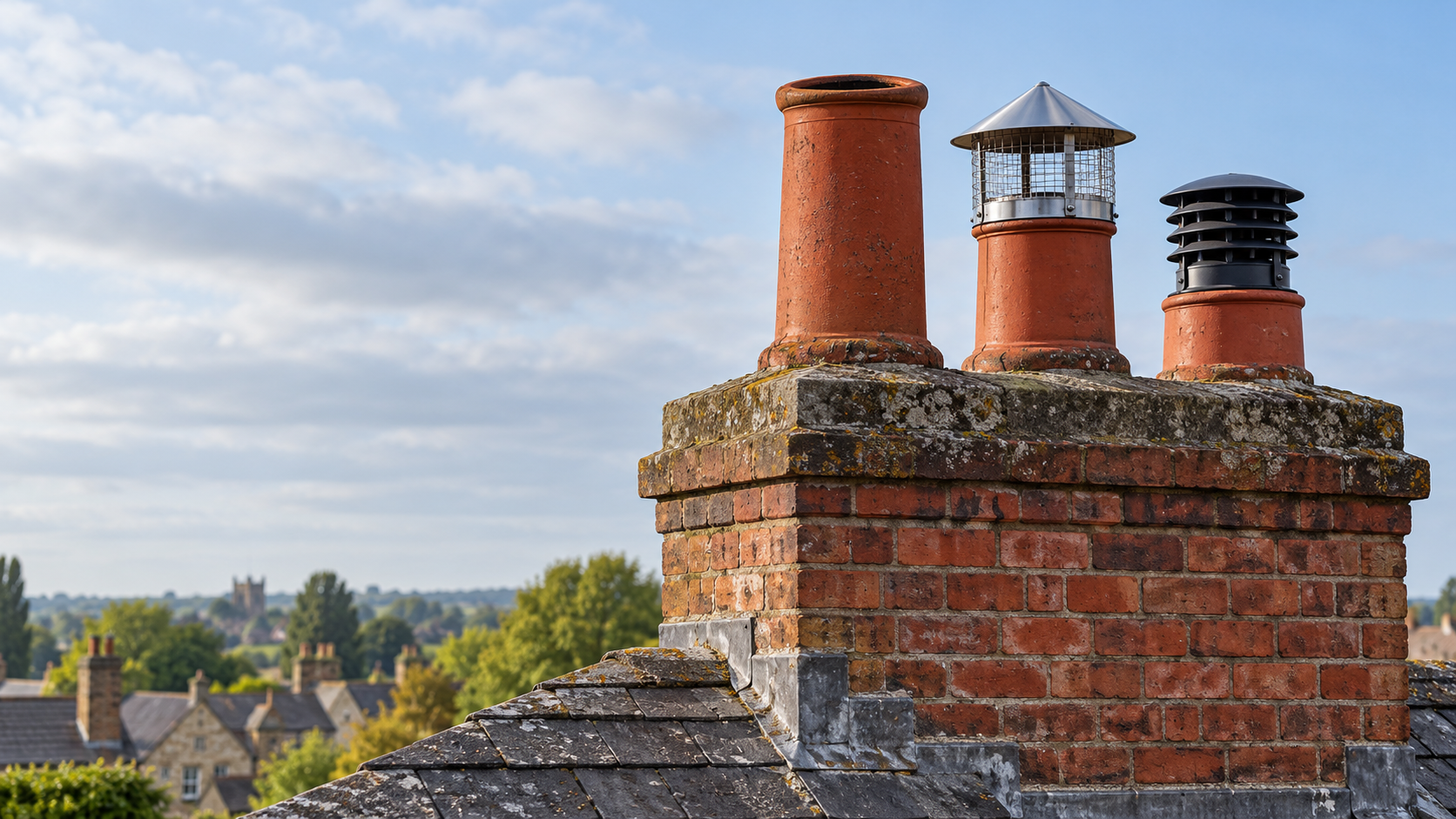
A drone inspection and roof inspection can provide images of the chimney stack, new roof junctions, pots, and flashing. These findings can help determine whether a closer physical examination is necessary.
Internal Alterations May Hide Chimney Problems
Removing walls, opening fireplaces, and modifying chimney breasts can expose or disturb older masonry. Cracks and loose material may not be visible once the room has been replastered.
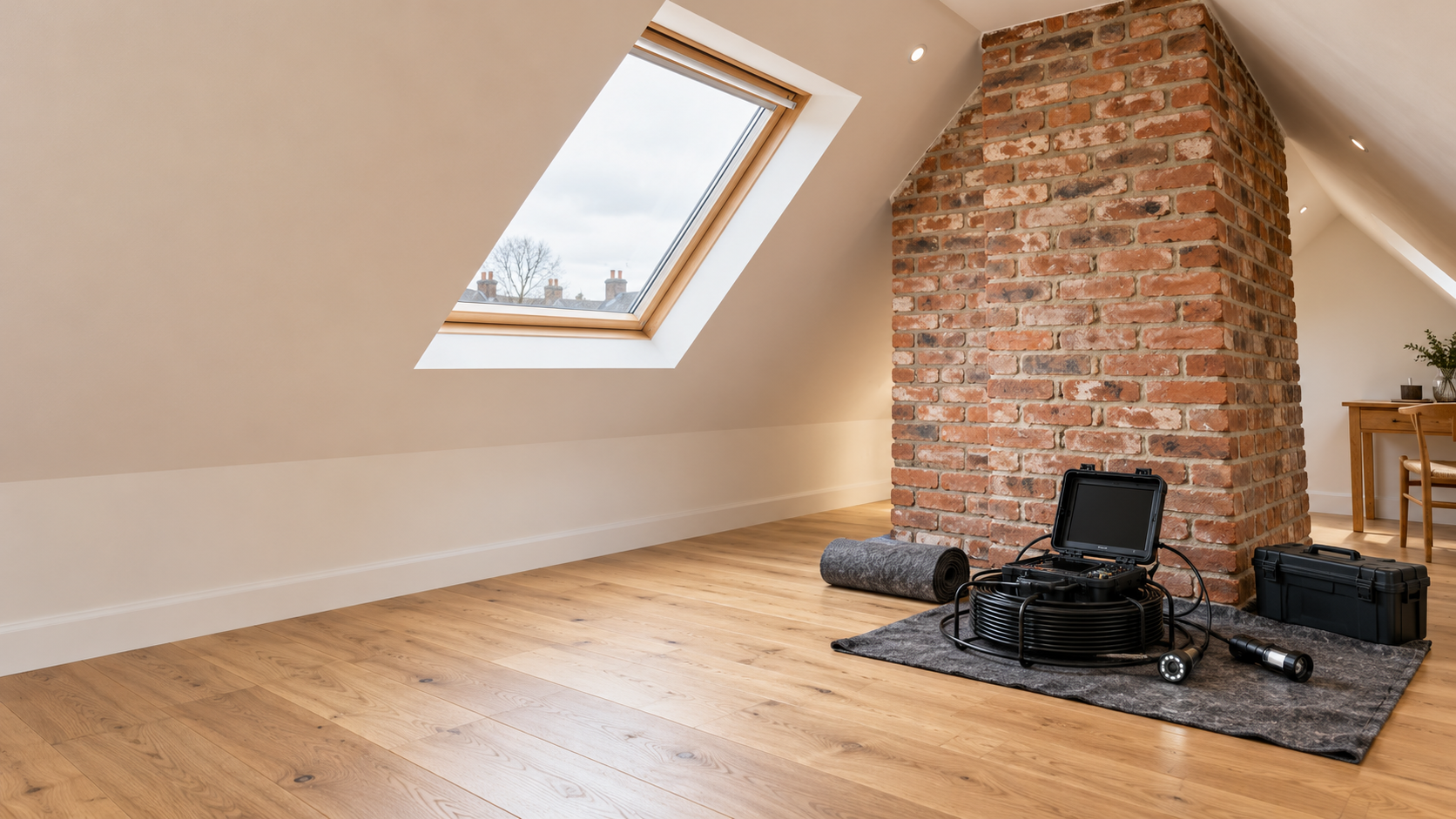
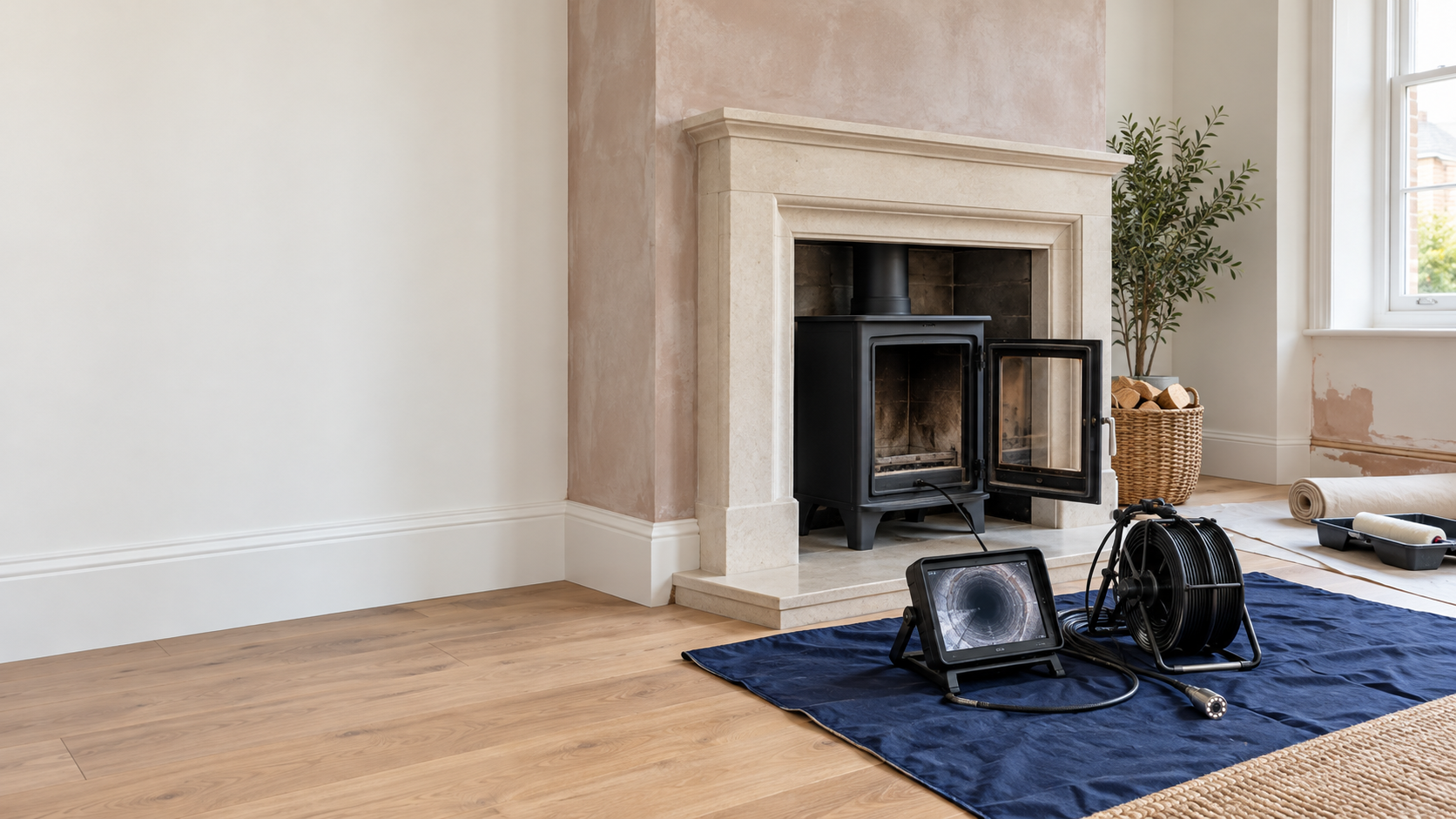
A CCTV and drone inspection can provide information from both inside and outside the chimney. CCTV equipment may reveal internal debris, damaged sections, or changes in the flue, while aerial images show the external stack and roof area.
These tools support investigation, but further testing may still be required before the chimney returns to use.
A New Stove Requires Proper Planning
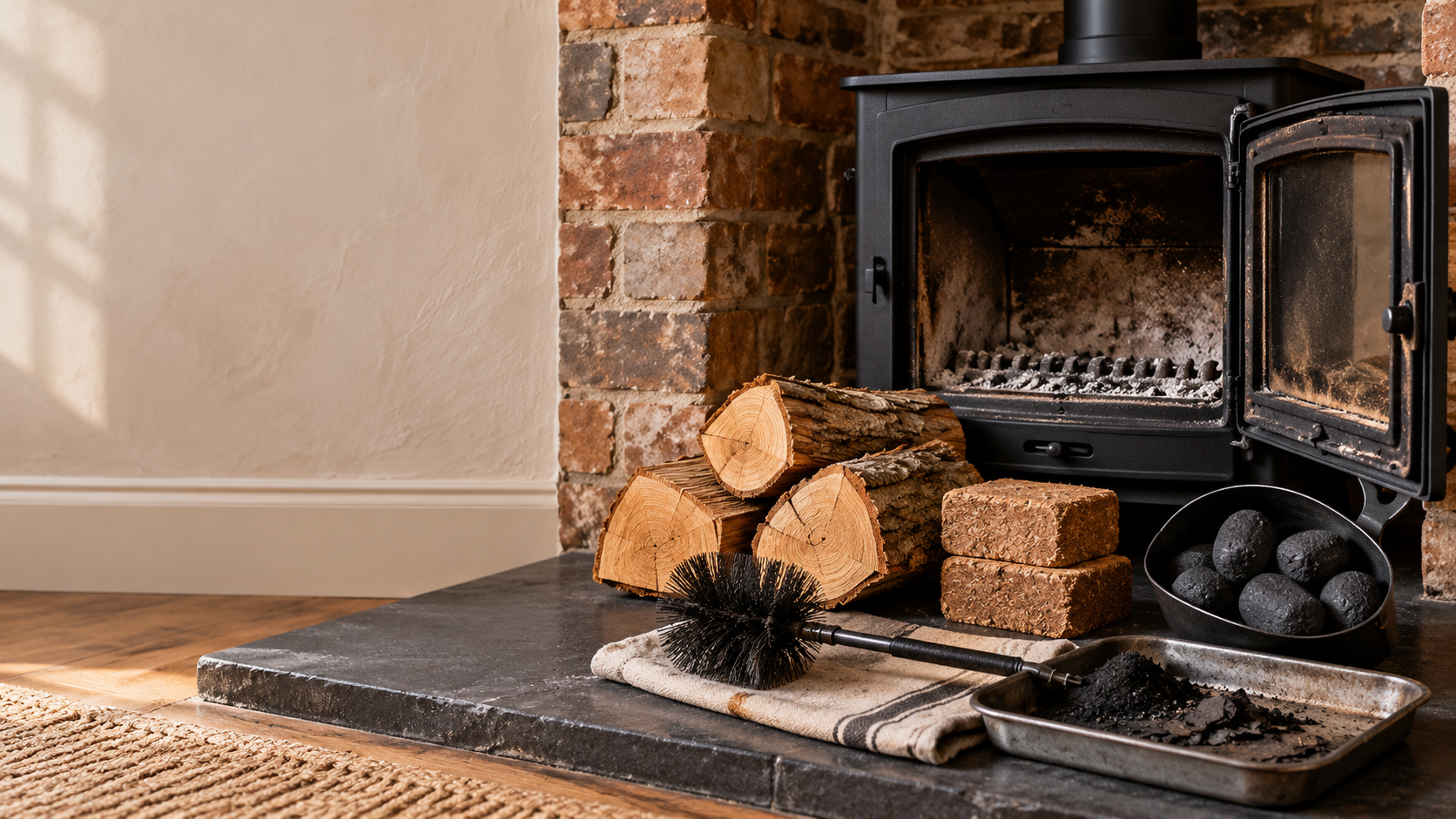
Renovation is a common time to consider a Log burner installation. However, an existing fireplace opening does not confirm that the chimney is ready for a stove.
The hearth, ventilation, clearances, and flue route must suit the selected appliance. The stove output should also be appropriate for the renovated room, particularly when insulation has improved its ability to retain heat.
An appliance chosen before renovation may become oversized once the home is more energy efficient.
Review the Existing Liner
Construction vibration, falling debris, or chimney alterations may affect an older liner. If the chimney has no suitable lining, flue liner installation may be considered as part of the stove project.
A liner should not be installed simply as a routine upgrade. Its type and diameter must match the appliance, fuel, and chimney arrangement.
Any decision should be based on inspection findings and relevant installation requirements.
Check for Birds During Delays
Renovation projects often last longer than expected. If a chimney remains unused and uncovered, birds may enter the pot during the delay.
Twigs, feathers, and nesting material can create a serious obstruction. Bird nest removal must be approached carefully because active nests may be legally protected. The chimney should be checked before removal work begins.
Once an inactive nest has been lawfully cleared, a correctly selected cowl may help reduce the chance of future nesting.
Keep Chimney Work in the Renovation Record
Records are useful when a property is later maintained or sold. Keep certificates, inspection images, installation documents, and information about any alterations.
Midlands Sweeps covers services including sweeping, chimney inspections, liners, bird nest removal, and stove installation. Whichever professional is used, homeowners should request clear documentation explaining what was inspected and what work was completed.
Conclusion
Renovation can affect a chimney even when the work takes place elsewhere in the property. New windows may change ventilation, roof alterations may affect airflow, and building debris may enter the flue.
Before using a fire or stove after significant work, arrange appropriate checks and resolve any concerns. Including the chimney in the renovation plan can prevent an important part of the property from being overlooked.
Frequently Asked Questions
Should a chimney be swept after renovation?
It may be advisable when building dust or debris could have entered the flue. An initial assessment can determine what is needed.
Can new windows affect a wood-burning stove?
Yes. More airtight windows can change the air available for combustion, so ventilation may need to be reassessed.
Is an inspection needed if builders did not touch the chimney?
It can still be sensible after major renovation, particularly when work affected ventilation, the roof, the fireplace, or the surrounding structure.