Booking a chimney appointment may feel unfamiliar, particularly for homeowners using a fireplace or stove for the first time. Knowing what generally happens before, during, and after a visit can make the process easier and help ensure that the chimney is ready for safe use.
A professional Chimney Sweep does more than remove visible soot. The appointment may also reveal blockages, damaged components, or signs that further investigation is needed.
Preparing the Fireplace Before the Appointment
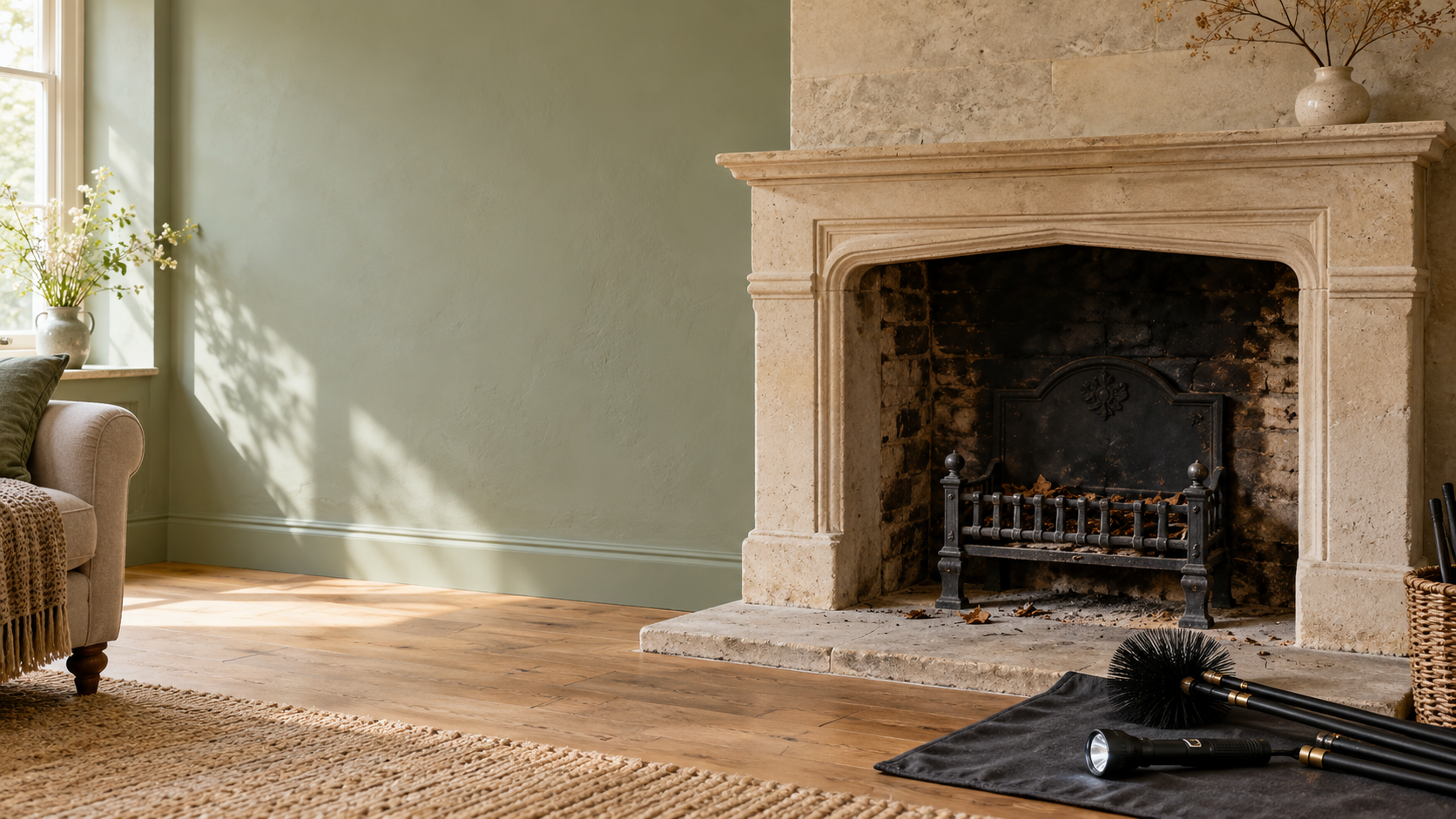
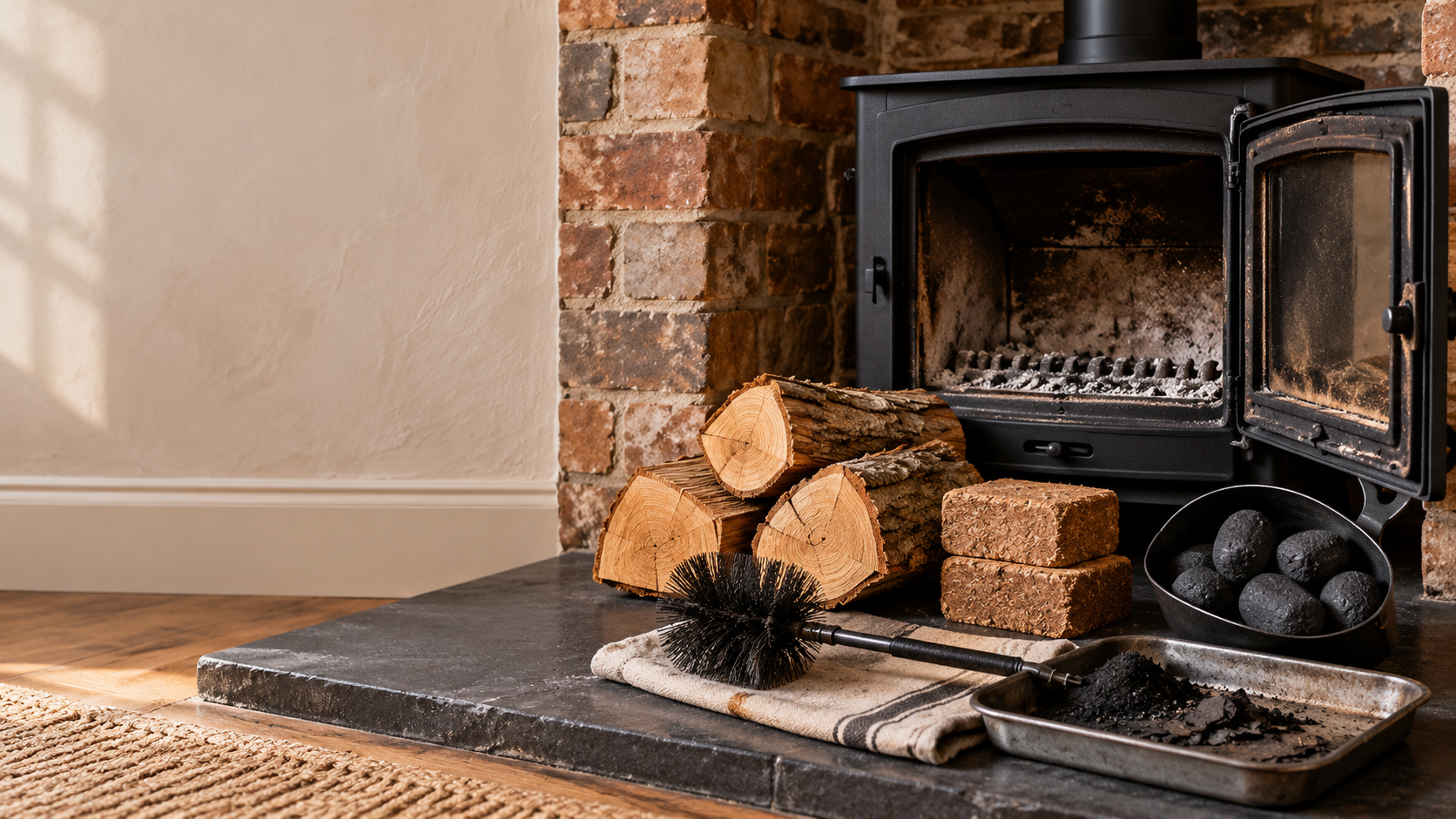
The fireplace or stove should be completely cool before work begins. Avoid using it for at least a full day before the scheduled visit. Remove logs, ash, tools, and decorative items from the immediate area.
It is also helpful to clear a path between the entrance and the fireplace. Although suitable equipment and protective coverings are normally used, moving delicate furniture and ornaments away from the working space can prevent accidental damage.
If there have been unusual smells, smoke entering the room, or pieces of masonry falling into the fireplace, make a note of these issues. This information can help the sweep understand what may be happening inside the system.
The Initial Chimney Assessment
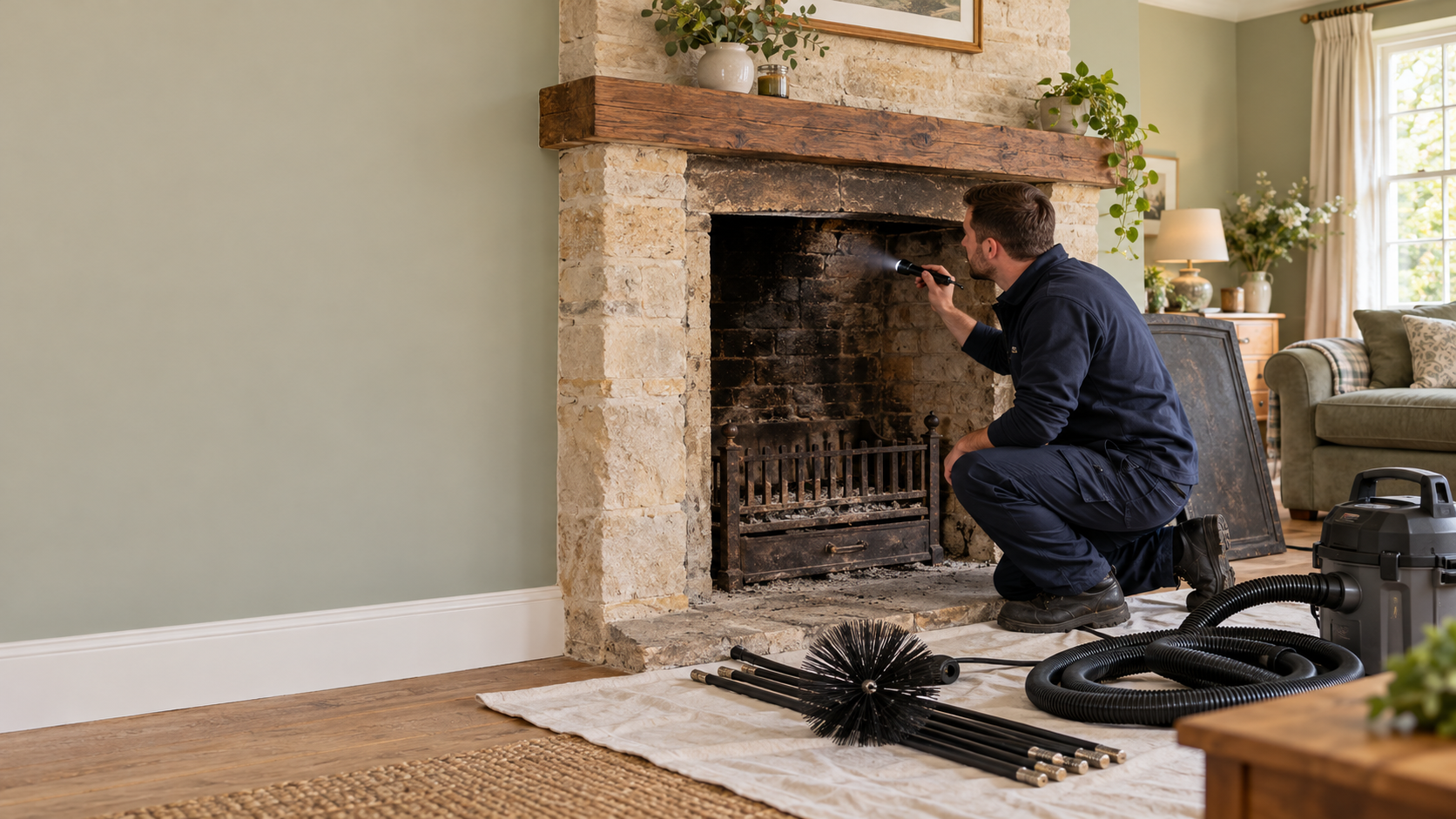
Before sweeping starts, the appliance, fireplace opening, and accessible parts of the chimney are usually examined. The condition of the stove door, register plate, hearth, and visible pipework may also be considered.
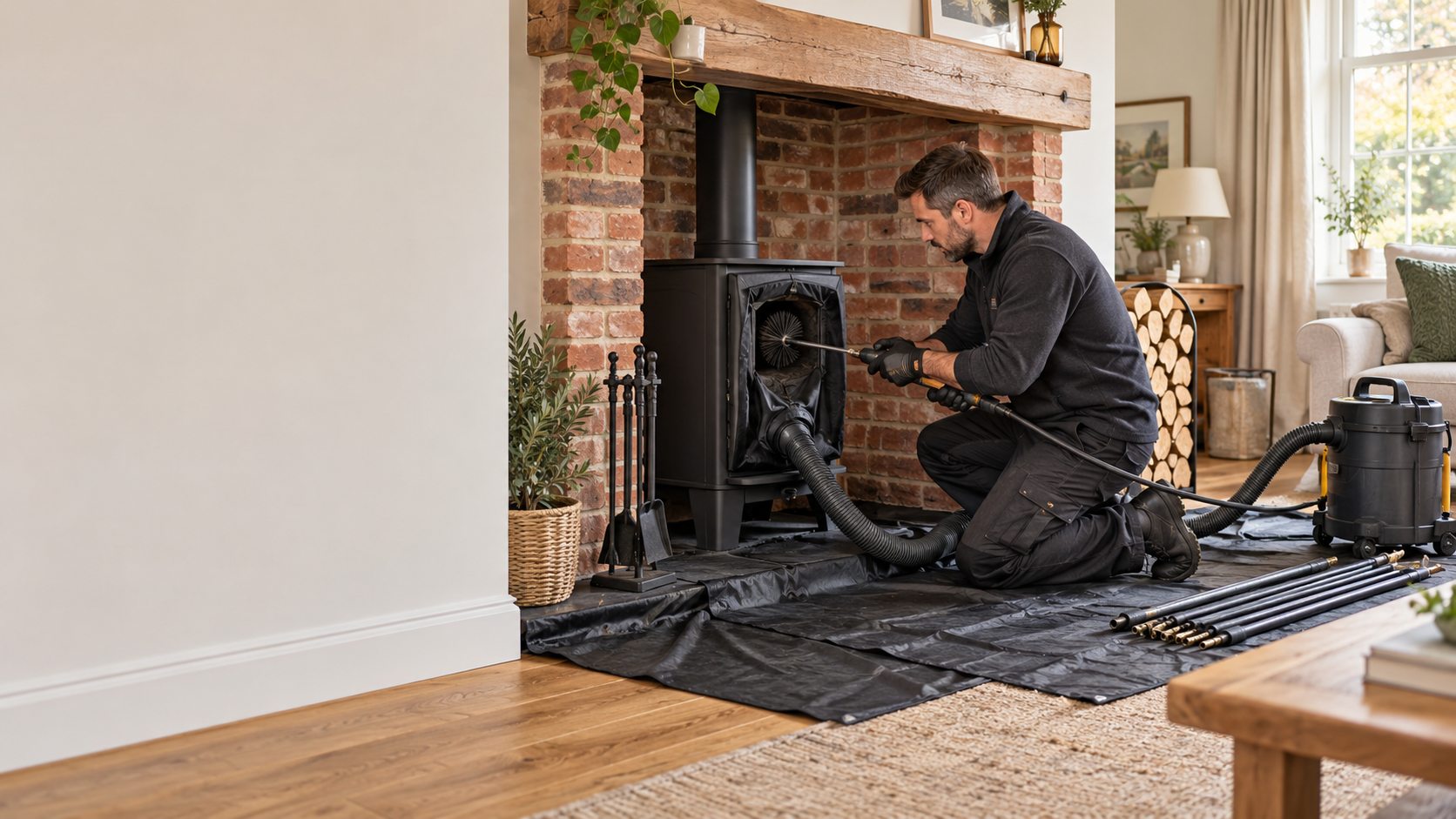
The sweeping method will depend on the chimney design, appliance, and type of deposits present. Brushes or rotary equipment can be used to loosen soot and other material while dust-control methods help keep the room clean.
For properties around the Midlands, Midlands Sweeps may be associated with a range of chimney services, but the requirements of every home should be assessed individually.
When Further Inspection May Be Useful
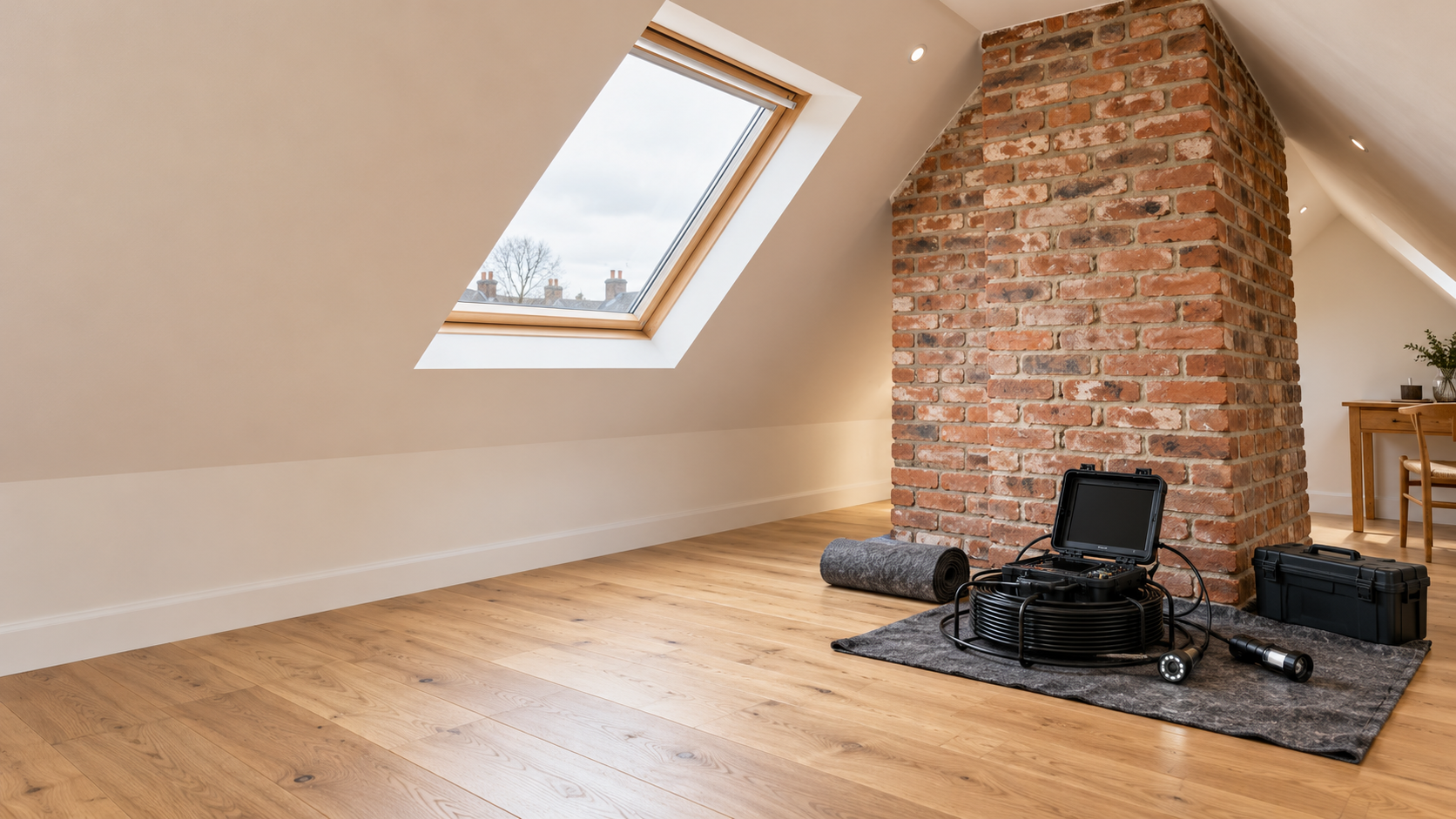
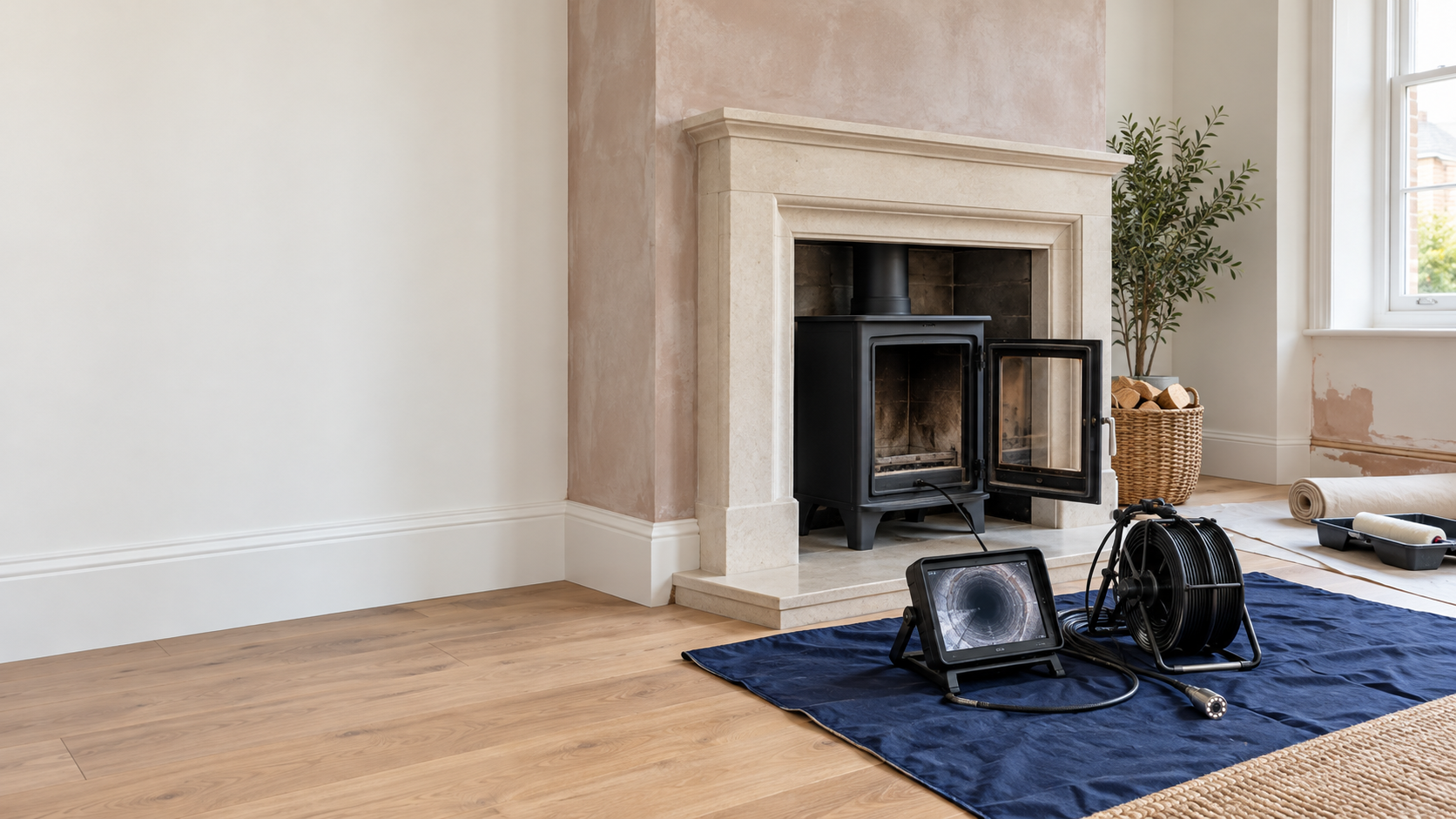
A standard sweeping appointment cannot always show the complete condition of a flue. If the sweep finds unusual debris, signs of deterioration, or a suspected obstruction, a CCTV and drone inspection may help provide more information.
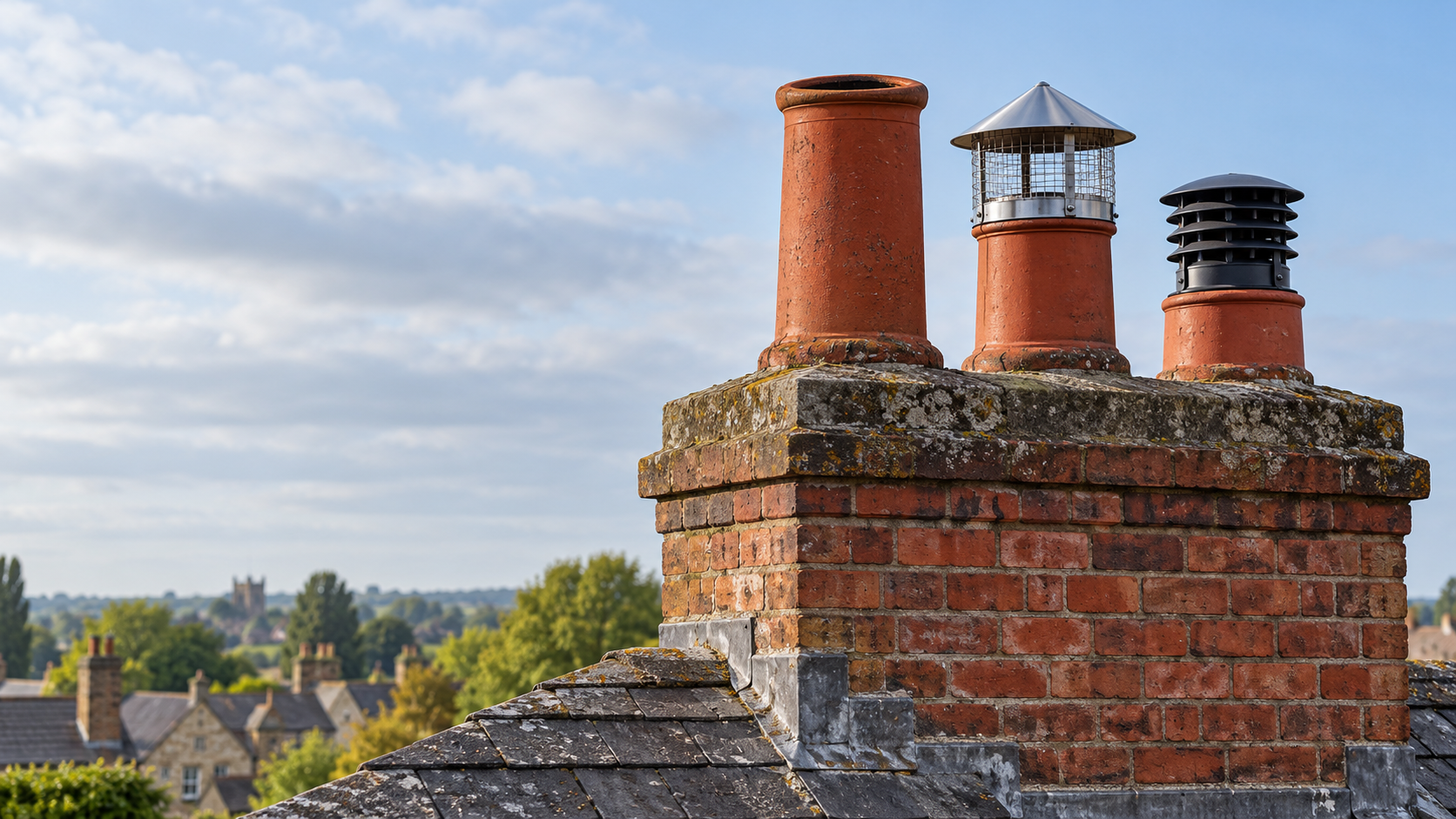
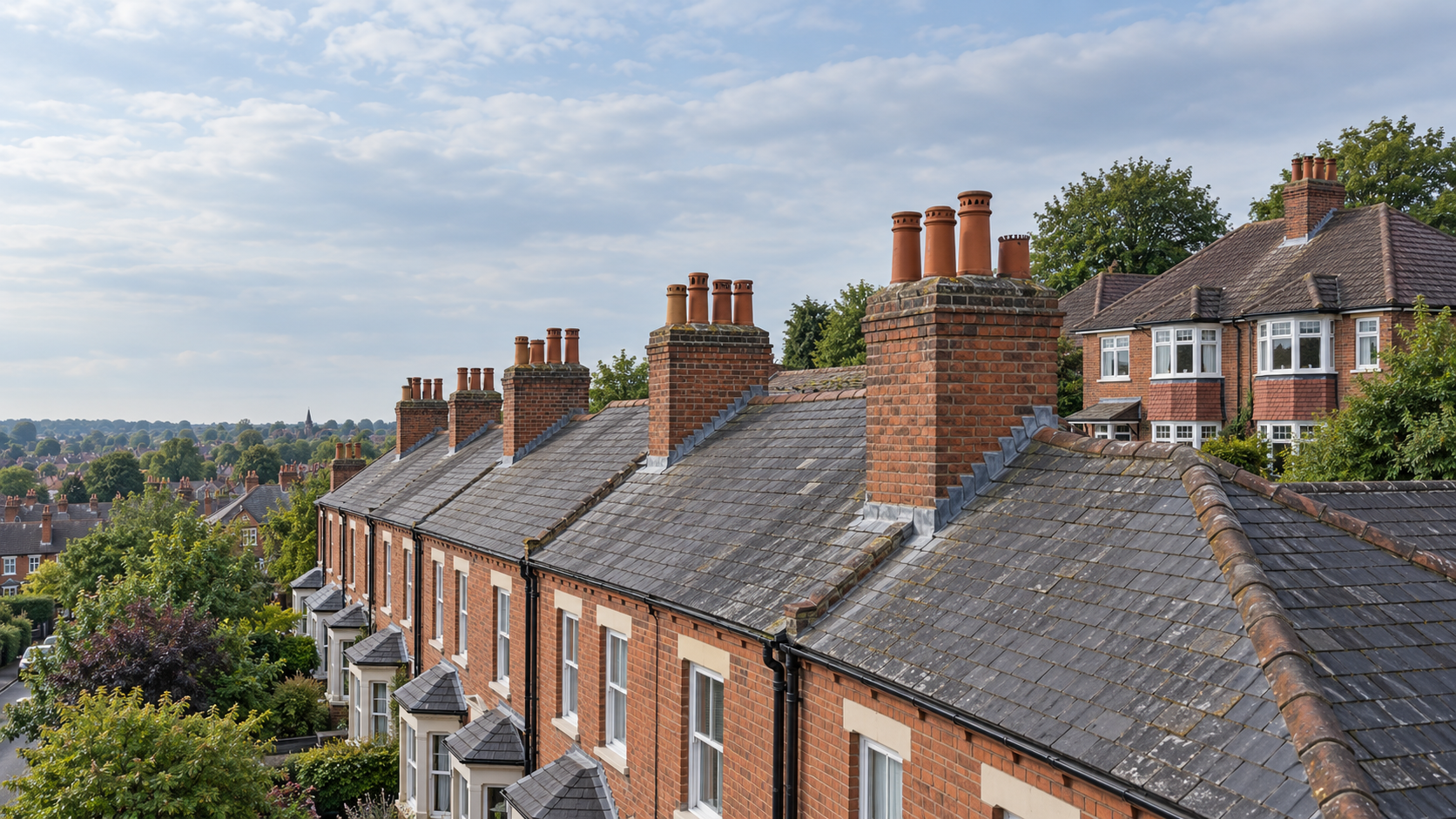
A chimney camera can examine internal areas that cannot be seen from the fireplace. Meanwhile, a drone inspection and roof inspection can help identify external concerns such as cracked chimney pots, deteriorated mortar, damaged flashing, or vegetation around the stack.
These checks do not automatically mean that repairs are required. Their purpose is to collect clearer evidence before decisions are made.
Identifying Nests and Other Blockages
Leaves, masonry fragments, and nesting material can reduce airflow. When a nest is suspected, bird nest removal must be handled carefully because active nests, birds, and eggs may be legally protected.
The chimney should not be used while it is obstructed. Once removal can legally and safely take place, the flue should be checked to ensure that loose material has been cleared properly. A suitable chimney terminal or cowl may reduce the likelihood of future nesting, provided it is compatible with the appliance.
Discussing Liners and Stove Installations
An inspection may show that an existing liner is damaged, unsuitable, or absent. Flue liner installation should only be considered after the chimney and appliance requirements have been assessed. The correct liner specification depends on factors including fuel type, flue size, and appliance design.
Similarly, Log burner installation involves more than connecting a stove to a chimney. Ventilation, hearth dimensions, appliance output, and the route used by combustion gases all need careful consideration.
After the Chimney Has Been Swept
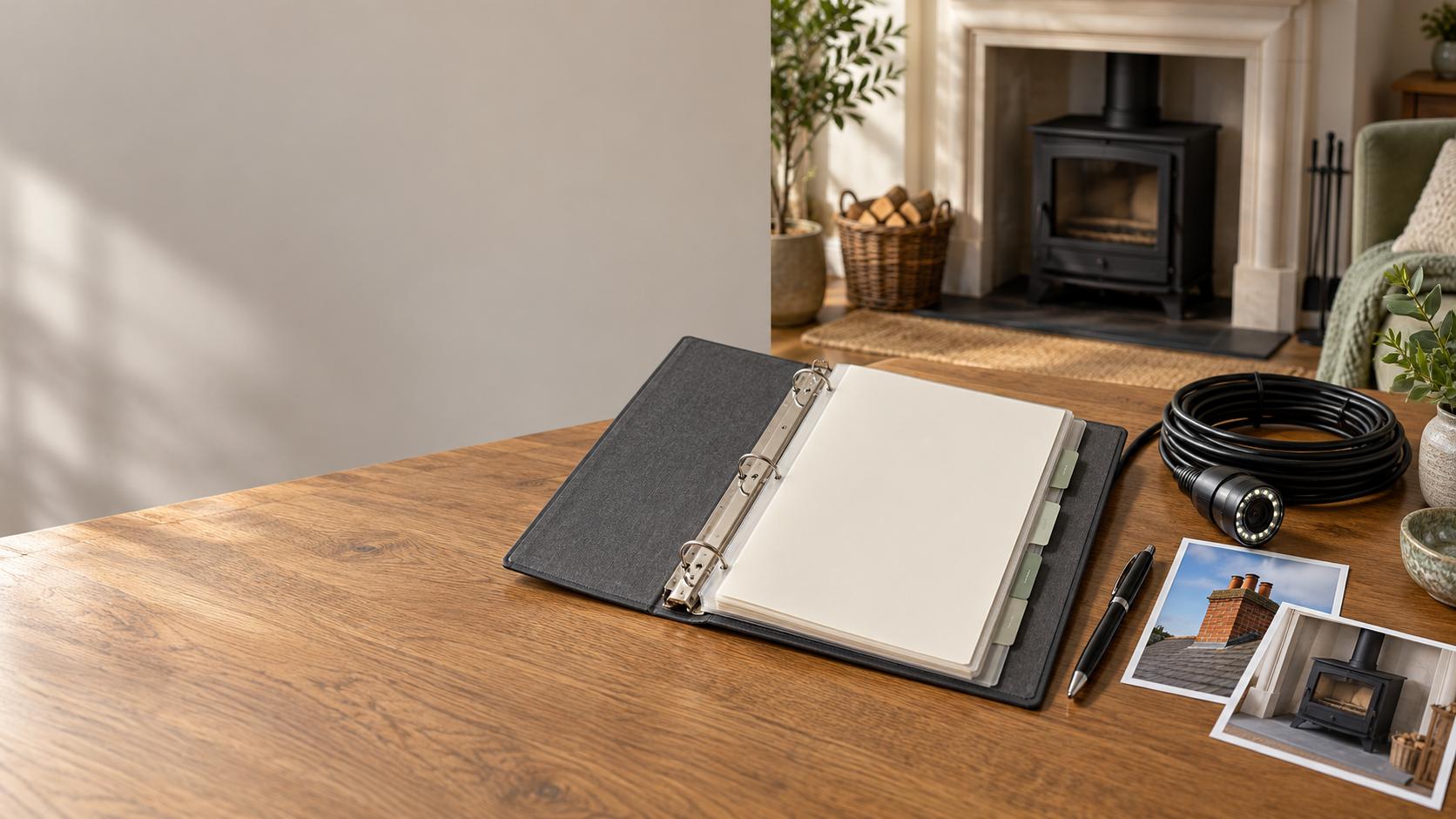
Once sweeping is complete, ask about any findings and recommended next steps. Keep the service record with other household documents, especially if the property has a frequently used stove or open fire.
Regular records can make it easier to track changes in soot levels, chimney condition, and appliance performance over time.
Conclusion
A chimney sweep visit combines cleaning with basic observation and practical advice. Preparing the area, explaining known problems, and understanding when further inspection may be necessary can make the appointment more useful. Regular attention also helps homeowners recognize potential concerns before they become more difficult to manage.
Frequently Asked Questions
Will chimney sweeping make the room dirty?
Professional equipment and protective coverings are used to contain soot, although clearing the immediate area beforehand is sensible.
Can a chimney be swept in summer?
Yes. Warmer months can be a convenient time because the fireplace is less likely to be in regular use.
Does every chimney need a camera inspection?
No. CCTV is generally considered when there is evidence of damage, an obstruction, or another issue that cannot be assessed through normal sweeping.