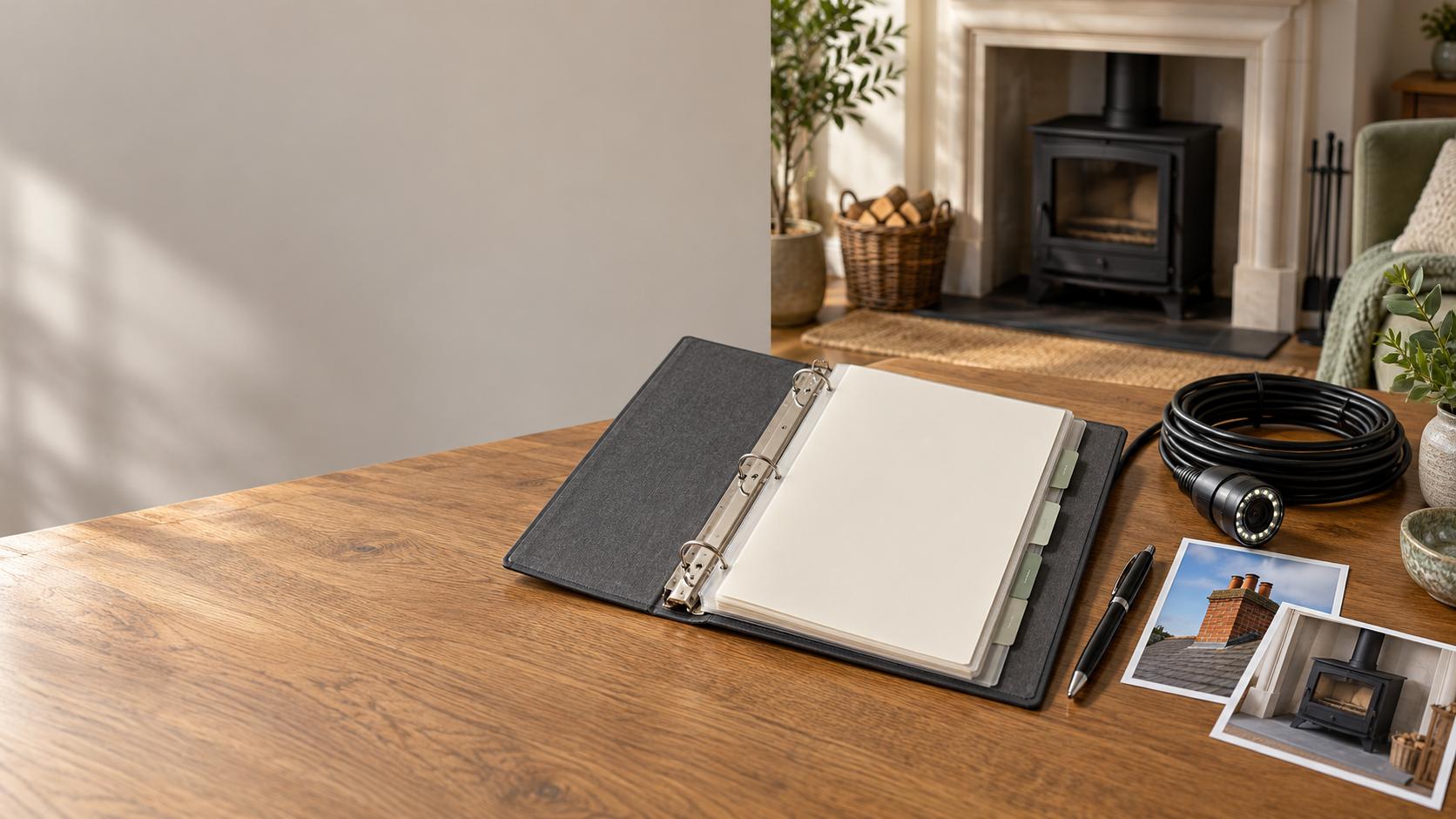
Most homeowners keep documents for boilers, electrical work, and major home improvements, but chimney maintenance records are often overlooked. A simple written history can show when the chimney was swept, what problems were found, and which alterations were completed.
These details may be useful when arranging future maintenance, investigating a recurring problem, or preparing to sell the property.
What Should a Chimney Record Include?
A chimney maintenance record does not need to be complicated. It can be a physical folder or a digital file containing important dates, invoices, photographs, and inspection reports.
Useful information may include:
- Dates of sweeping appointments
- The fuel and appliance being used
- Notes about soot or tar buildup
- Details of repairs and replacements
- Internal inspection images
- External roof photographs
- Installation certificates and appliance instructions
- Dates when the chimney was not in use
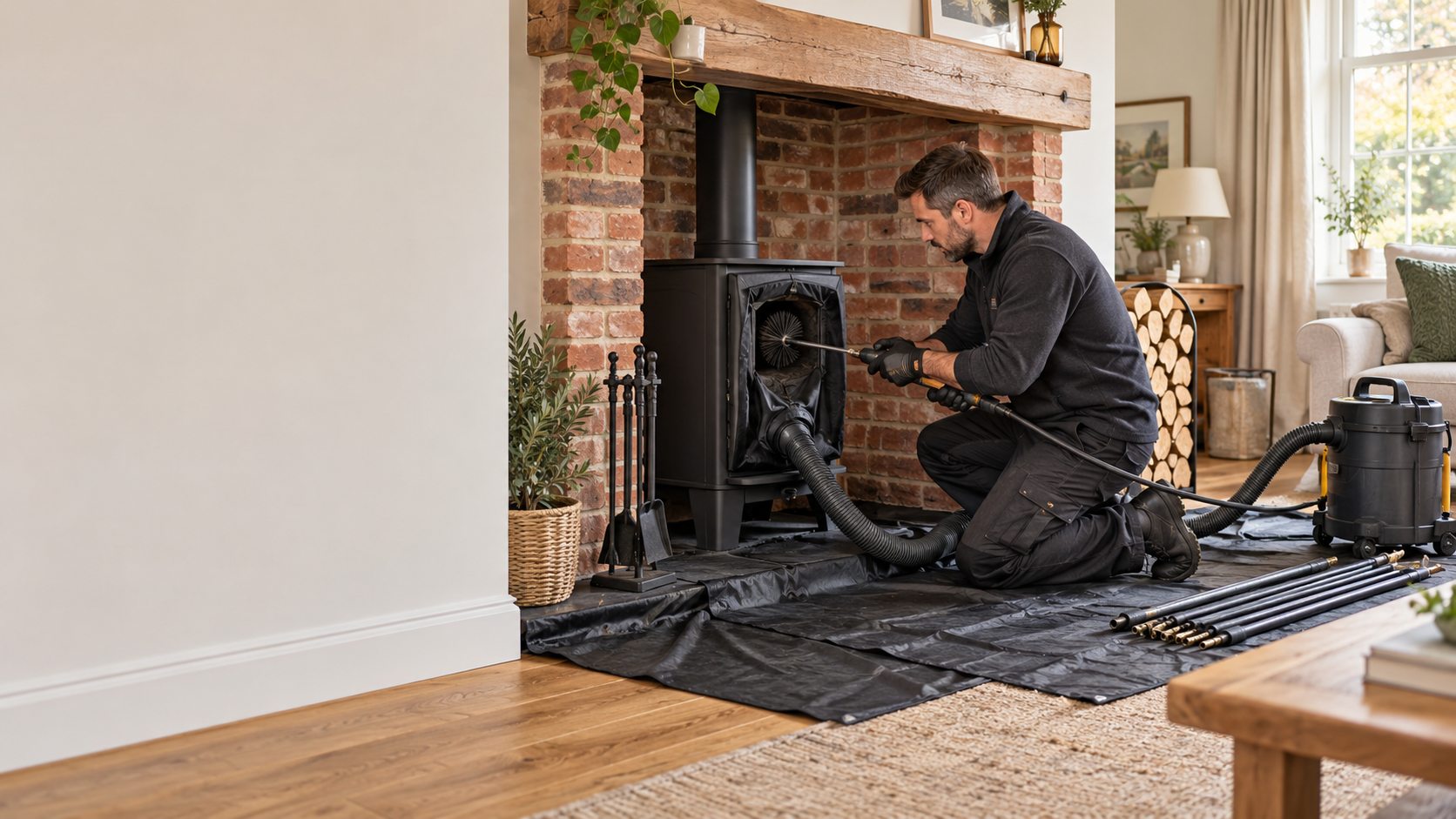
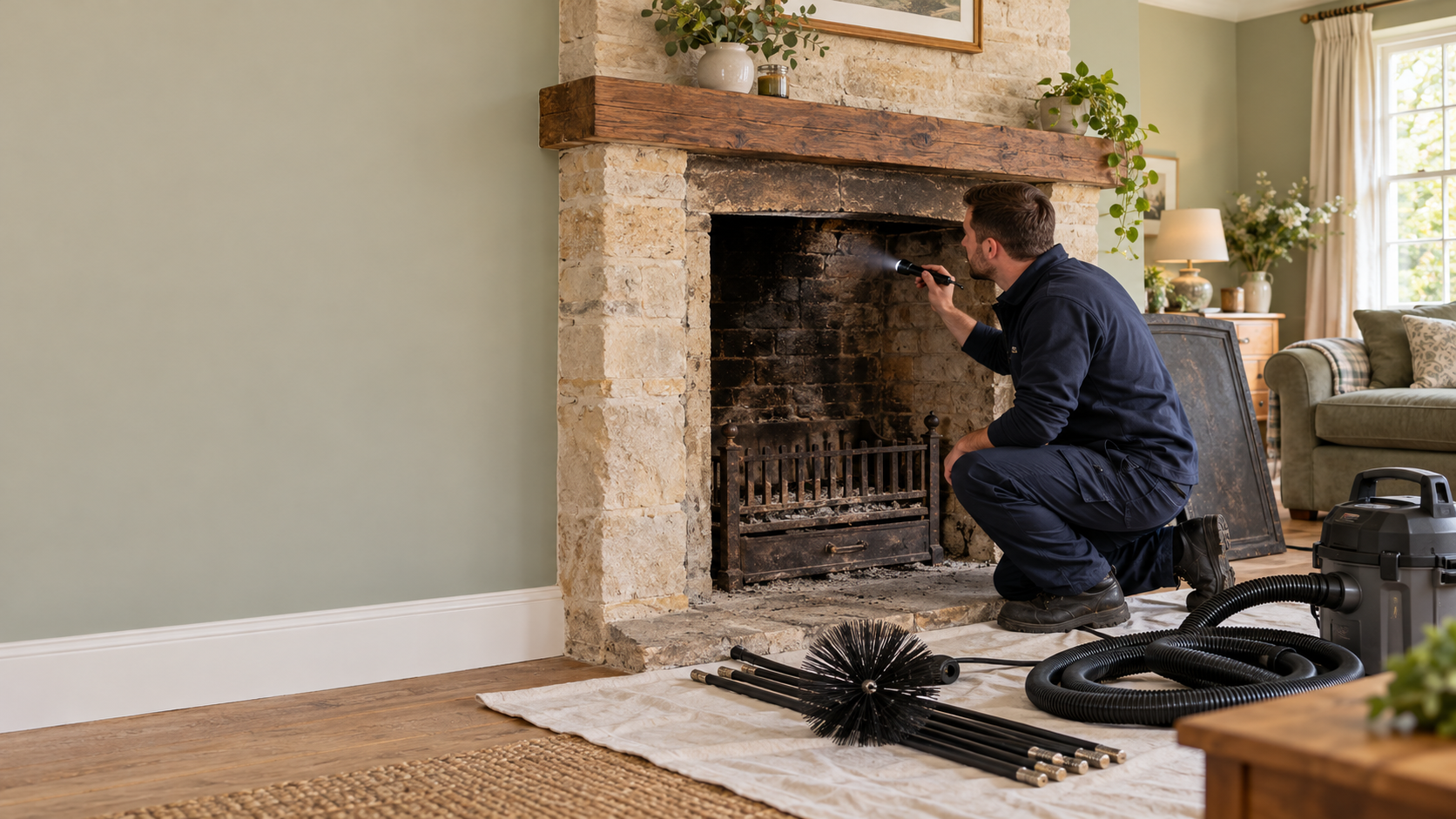
After each Chimney Sweep appointment, record any observations about the condition of the flue. If heavier deposits are found than during the previous visit, it may suggest that the fuel, burning habits, or appliance performance has changed.
Recording Changes to the Appliance
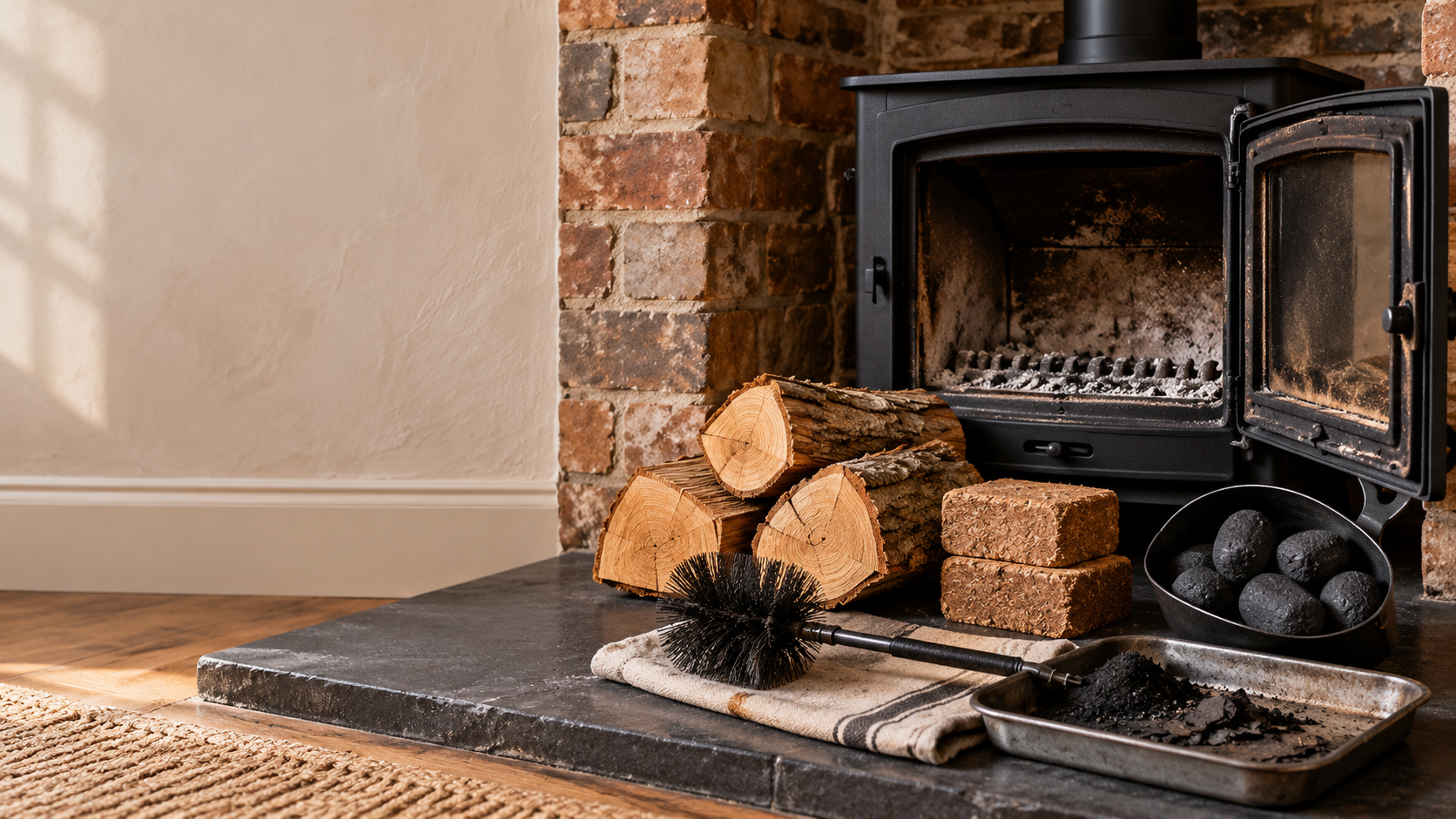
Whenever a fireplace or stove is replaced, the maintenance history should be updated. A Log burner installation may involve changes to the hearth, ventilation, connecting pipe, or flue system.
Keep the appliance model, instructions, and relevant installation documents together. This information can help future professionals understand how the stove connects to the chimney and what fuel it is designed to burn.
If the property changes ownership, the documents may also help the next homeowner use and maintain the appliance correctly.
Keeping Details About the Flue Liner
A liner is hidden inside the chimney, which means its age, material, and condition may not be obvious later. If flue liner installation is completed, record the installation date, liner specification, and appliance it serves.
Photographs taken during the work may provide useful supporting information. They can show the route of the liner and the condition of accessible chimney areas before they were covered.
A maintenance record cannot confirm that a liner remains in good condition, but it can help an inspector understand what was installed and when.
Saving Internal and External Inspection Images
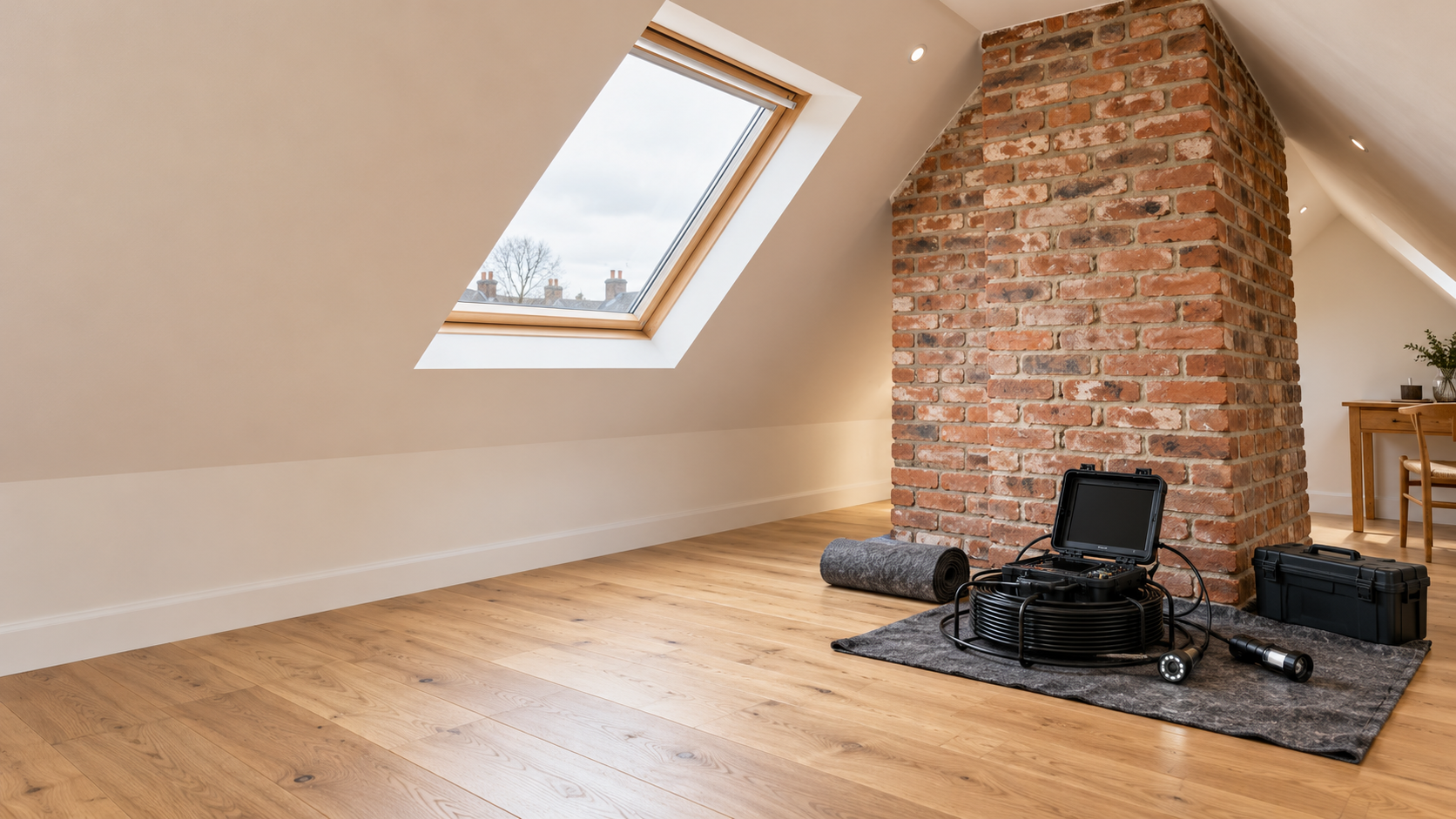
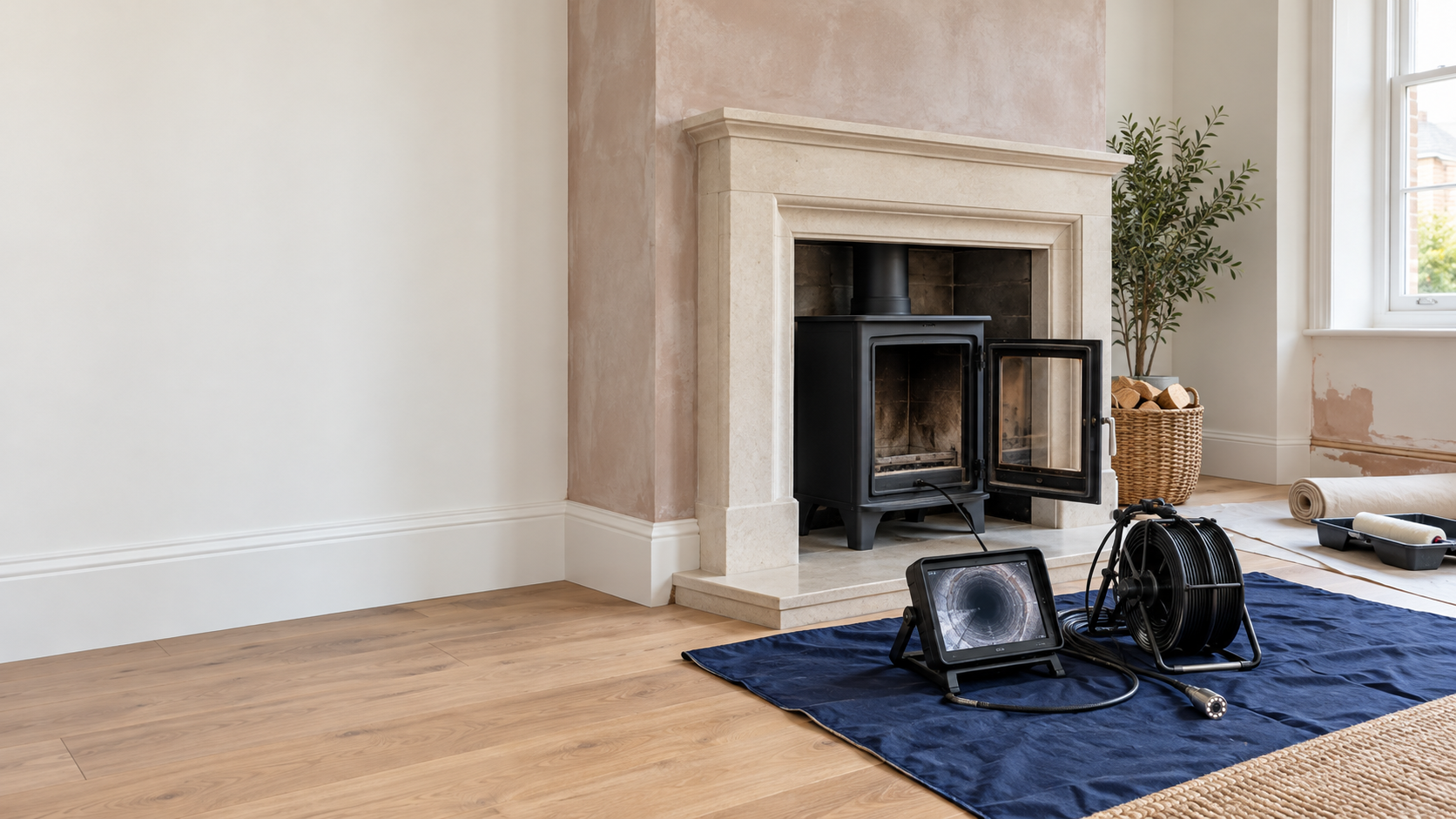
Images make it easier to compare the condition of a chimney over time. A CCTV and drone inspection can create a visual record of areas that cannot normally be seen.
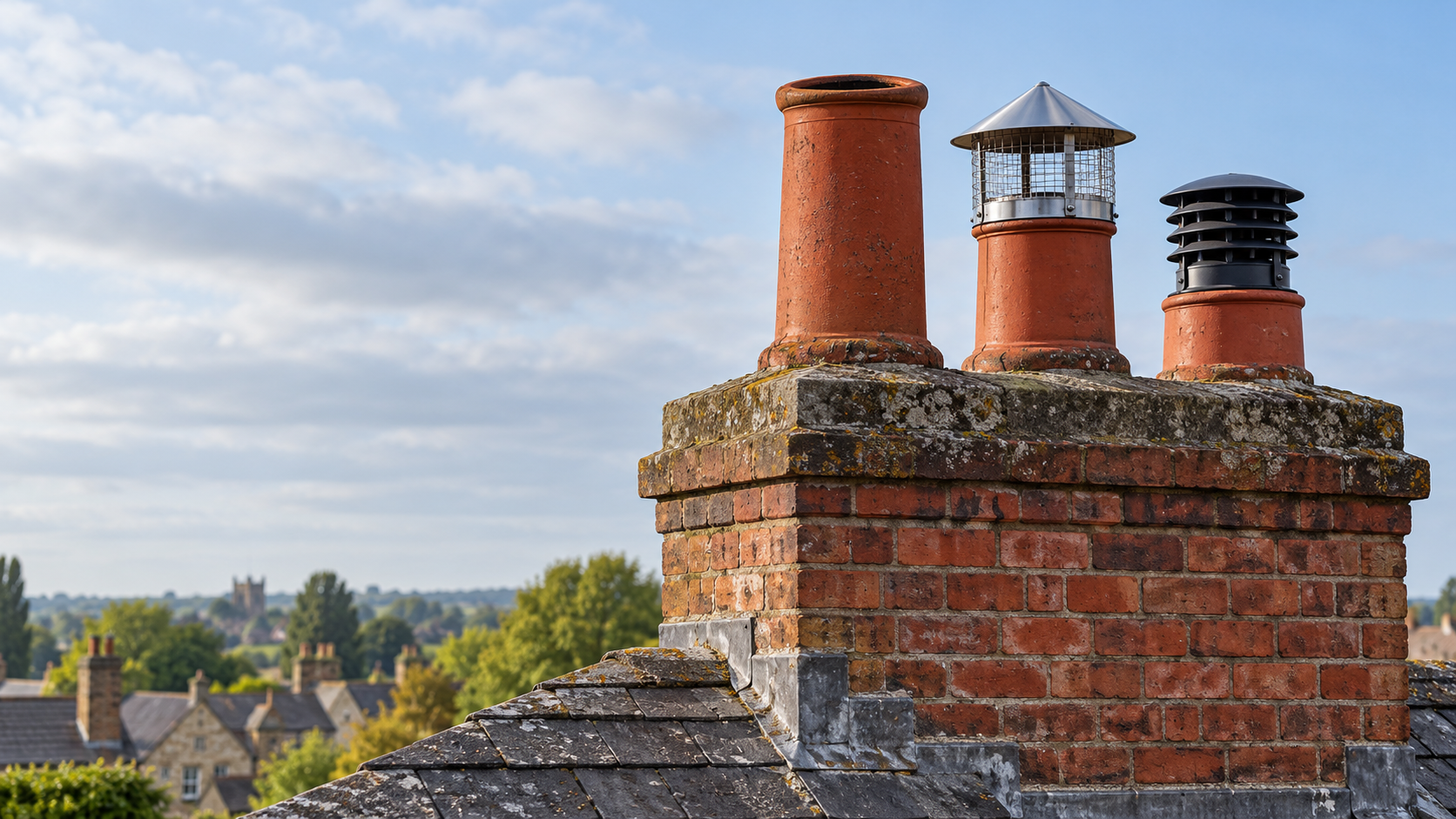
Internal camera footage may show joints, liners, obstructions, and deposits inside the flue. A drone inspection and roof inspection can document the chimney pot, mortar, flashing, and nearby roof covering.
If another inspection is completed in the future, the older images may help identify changes. For example, a small crack may have widened, vegetation may have appeared, or mortar may have deteriorated further.
Documenting Nests and Other Blockages
Chimney blockages can return, particularly when an open pot remains accessible to birds. After bird nest removal, note where the material was found, when it was cleared, and whether a suitable bird guard or cowl was fitted.
Active nests, birds, and eggs can be legally protected, so records should also show that the situation was checked before any work took place. If similar noises or debris appear in a later season, the previous notes may help explain the likely cause.
Using Records to Plan Maintenance
A maintenance history makes it easier to identify patterns. If sweeping produces similar amounts of soot each year, the current schedule may be working well. If the amount increases suddenly, further investigation may be useful.
Records can also prevent unnecessary work. Previous reports might confirm that a liner was installed recently or that an external defect has already been assessed.
Midlands Sweeps can contribute to this history through sweeping and inspection documentation, but homeowners should keep all chimney-related information together rather than relying on memory.
Why Records Matter When Selling a Home
Potential buyers may ask when a chimney was last swept, whether the stove was installed correctly or if repairs have been completed. An organized file can provide clearer answers.
Records do not replace a current professional assessment, but they can show that the chimney and appliance have received regular attention. They may also help the buyer plan future inspections and maintenance.
Conclusion
A chimney maintenance record provides a useful history of sweeping, inspections, repairs, and appliance changes. Keeping invoices, photographs, and professional notes together can make future decisions easier and help identify changes in the chimney’s condition.
A few minutes spent updating the record after each appointment can preserve information that may remain valuable for many years.
Frequently Asked Questions
How long should chimney records be kept?
Keep them for as long as you own the property, particularly documents relating to installations, liners, and structural repairs.
Are photographs useful without a written report?
Yes, but dated photographs are more valuable when they include notes explaining the location and reason for the inspection.
Do maintenance records replace a new inspection?
No. They provide background information, but the current condition of the chimney may still need to be assessed.