
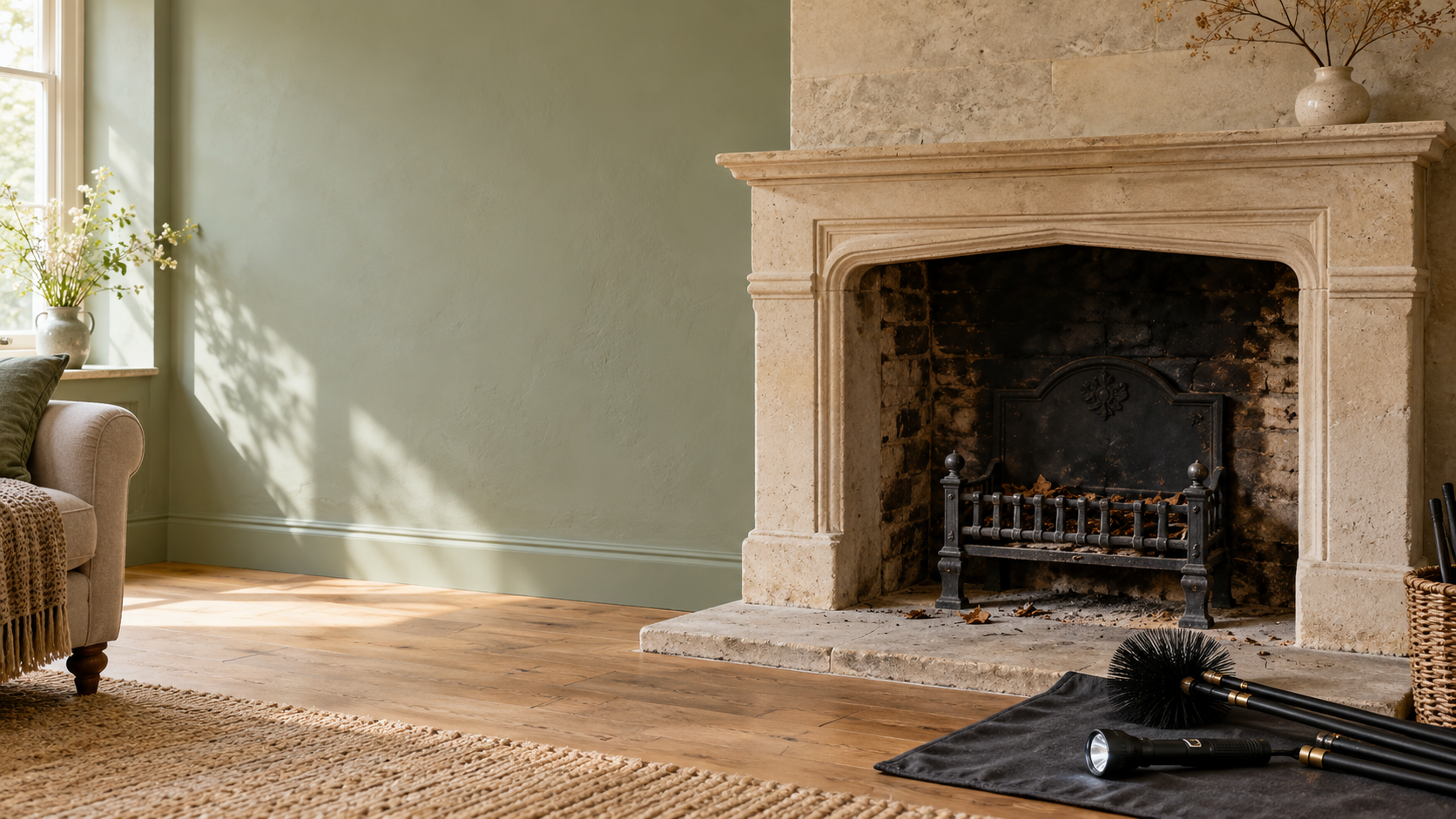
A chimney that is used only occasionally may appear to require little maintenance. However, long periods without a fire do not protect a chimney from moisture, nesting birds, falling debris, or deterioration. In some cases, an unused or rarely used flue can develop hidden problems because there are few obvious warning signs.
Regular checks help homeowners understand the condition of the chimney before lighting the first fire of the season.
What Happens When a Chimney Is Left Unused?
A chimney remains exposed to changing weather throughout the year. Rain can enter through a damaged pot, cap, or surrounding masonry, while wind may carry leaves and small pieces of debris into the flue.
Without the warmth created by regular use, moisture may remain inside for longer. This can contribute to damp smells, staining, or deterioration of internal materials. Old soot deposits may also absorb moisture and produce an unpleasant odor in the room.
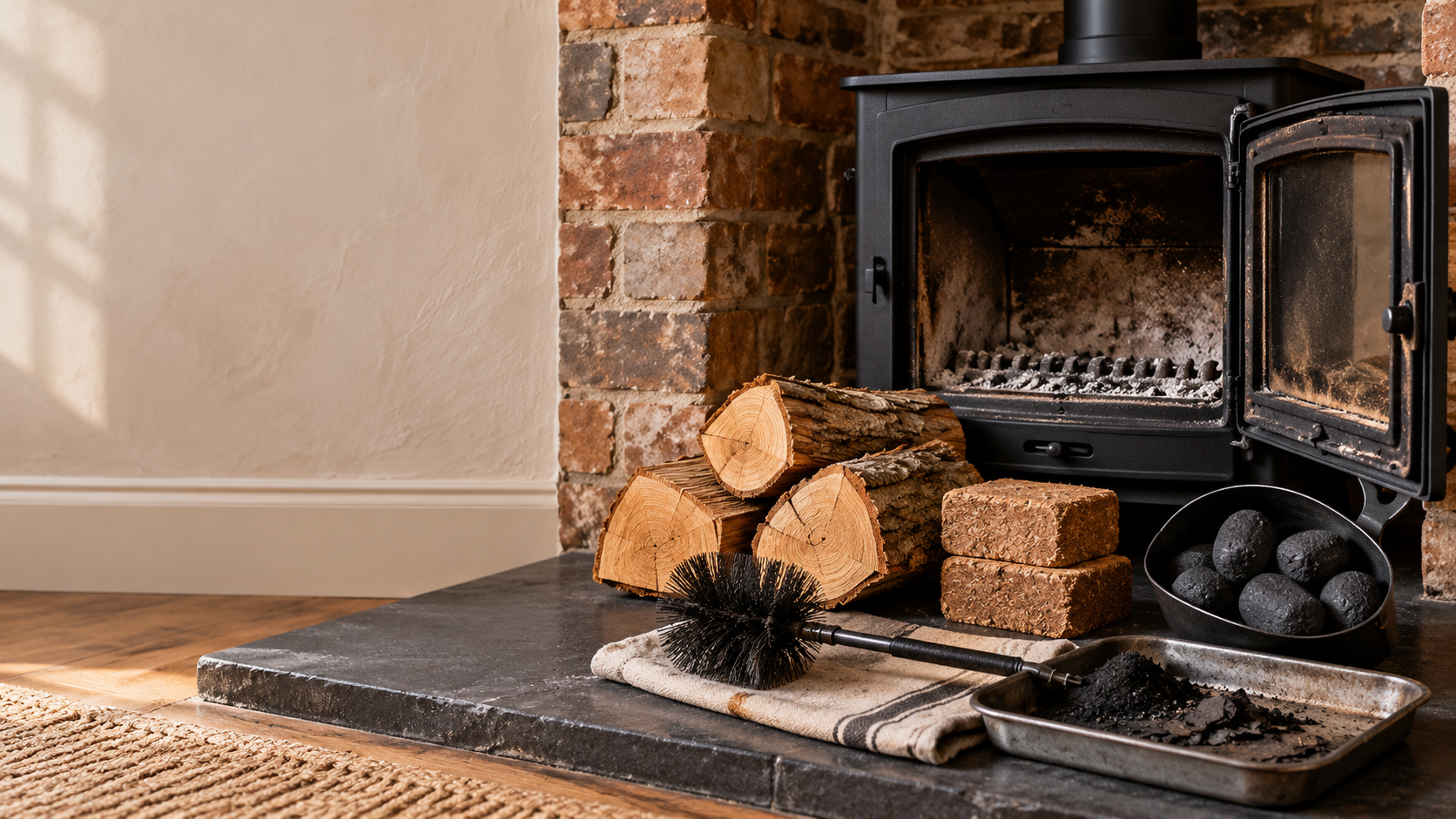
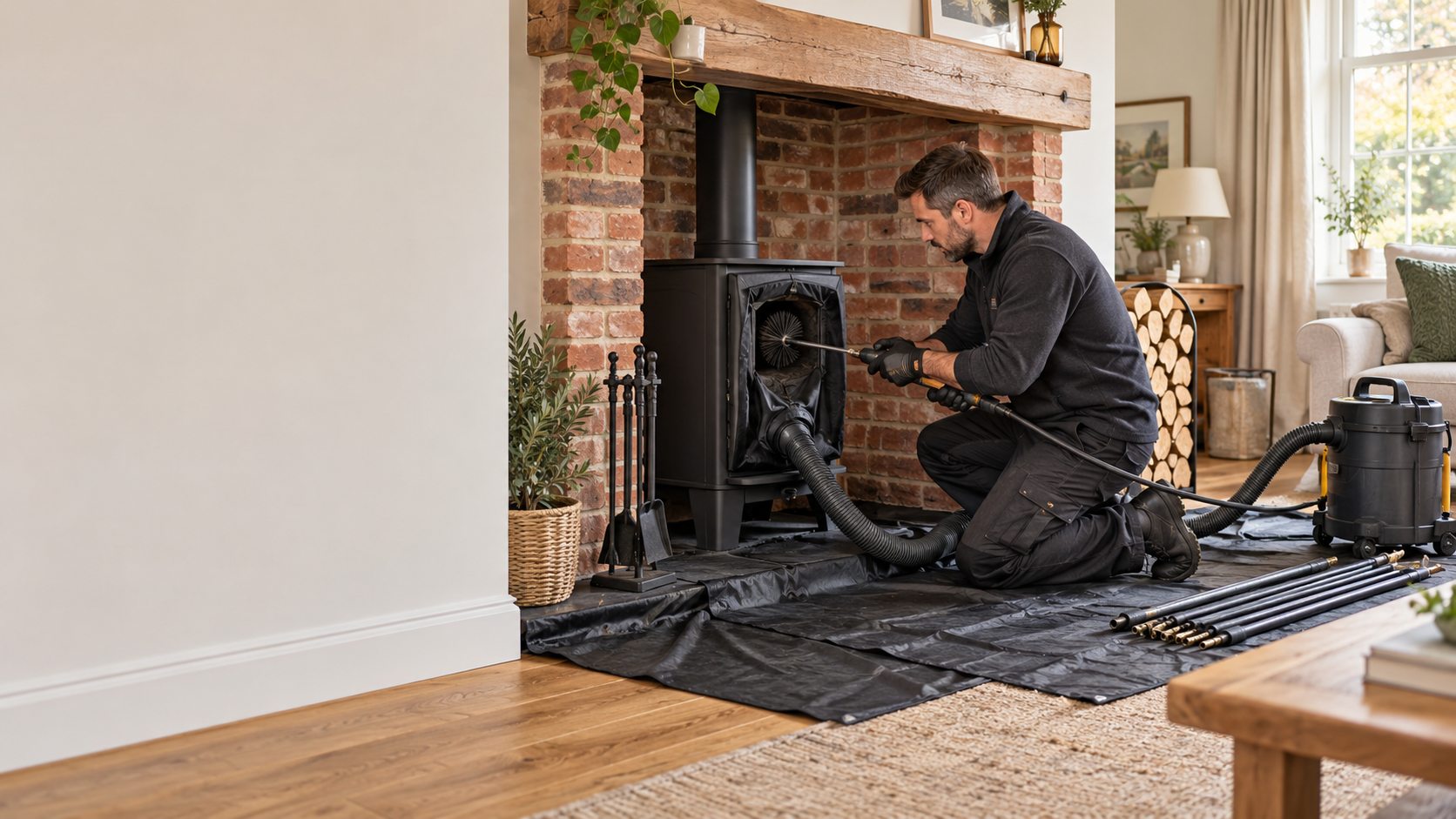
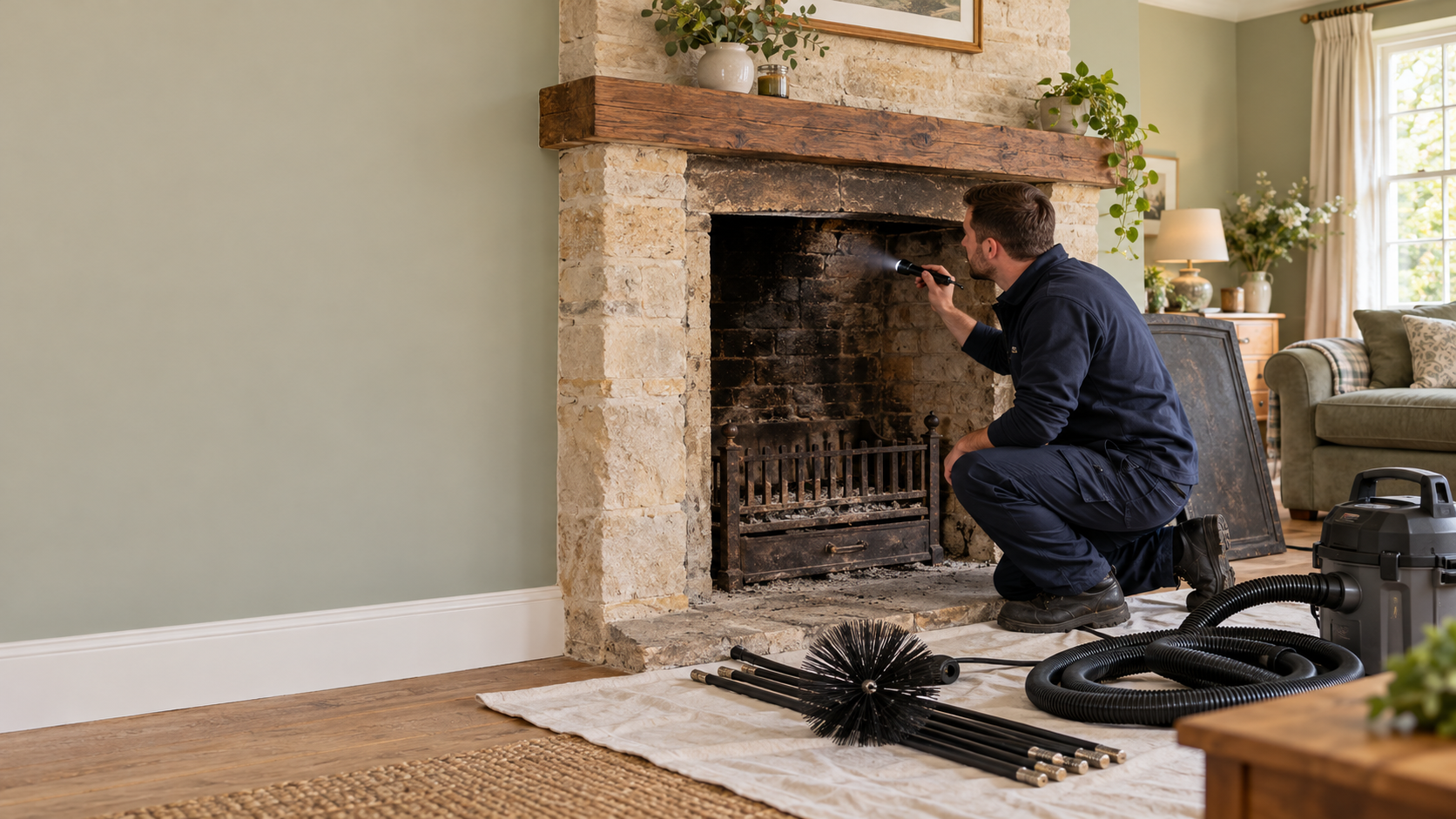
Arranging a Chimney Sweep before bringing the fireplace back into use can remove loose material and identify signs that further assessment may be necessary.
Birds Can Block an Inactive Flue
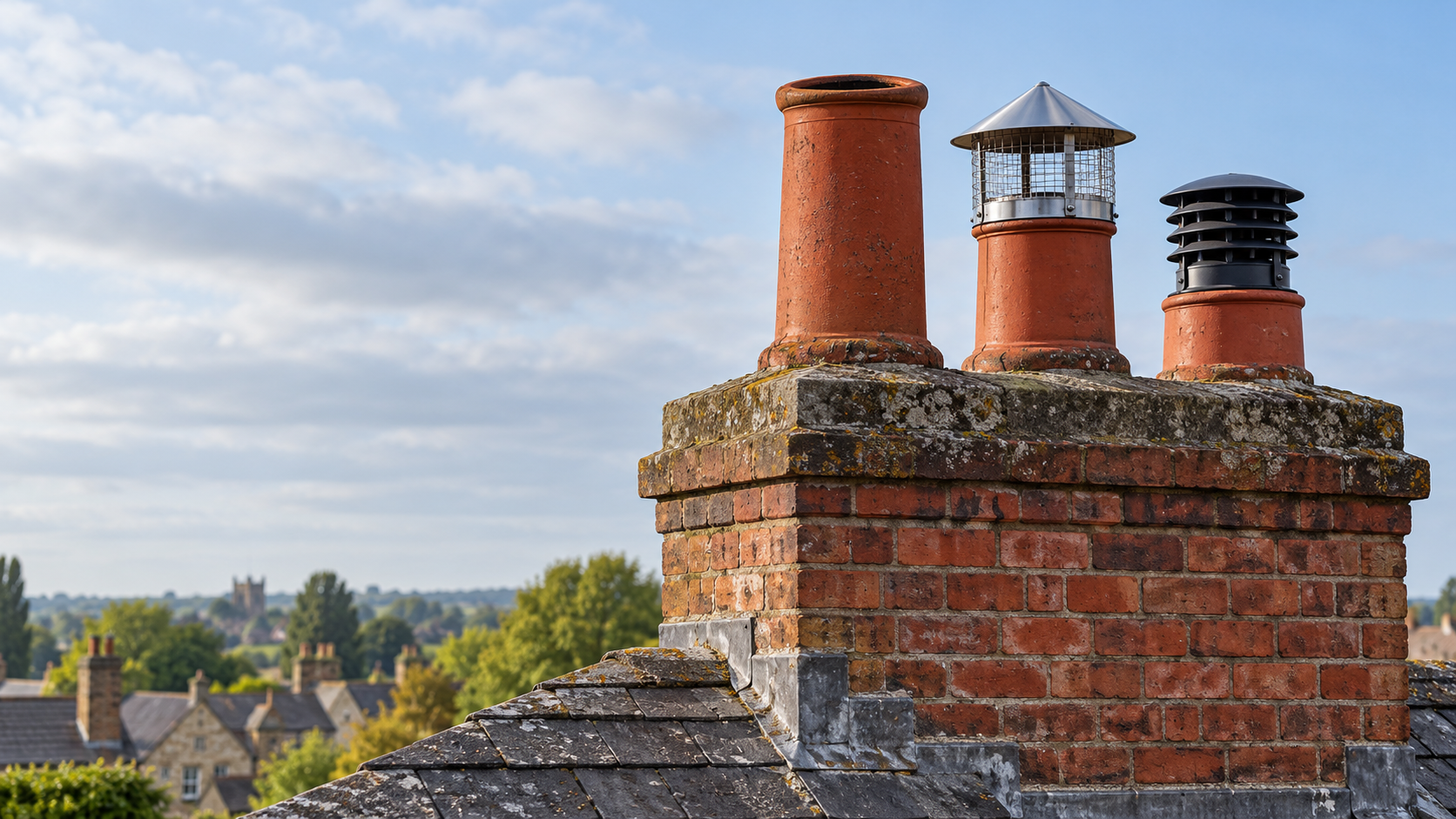
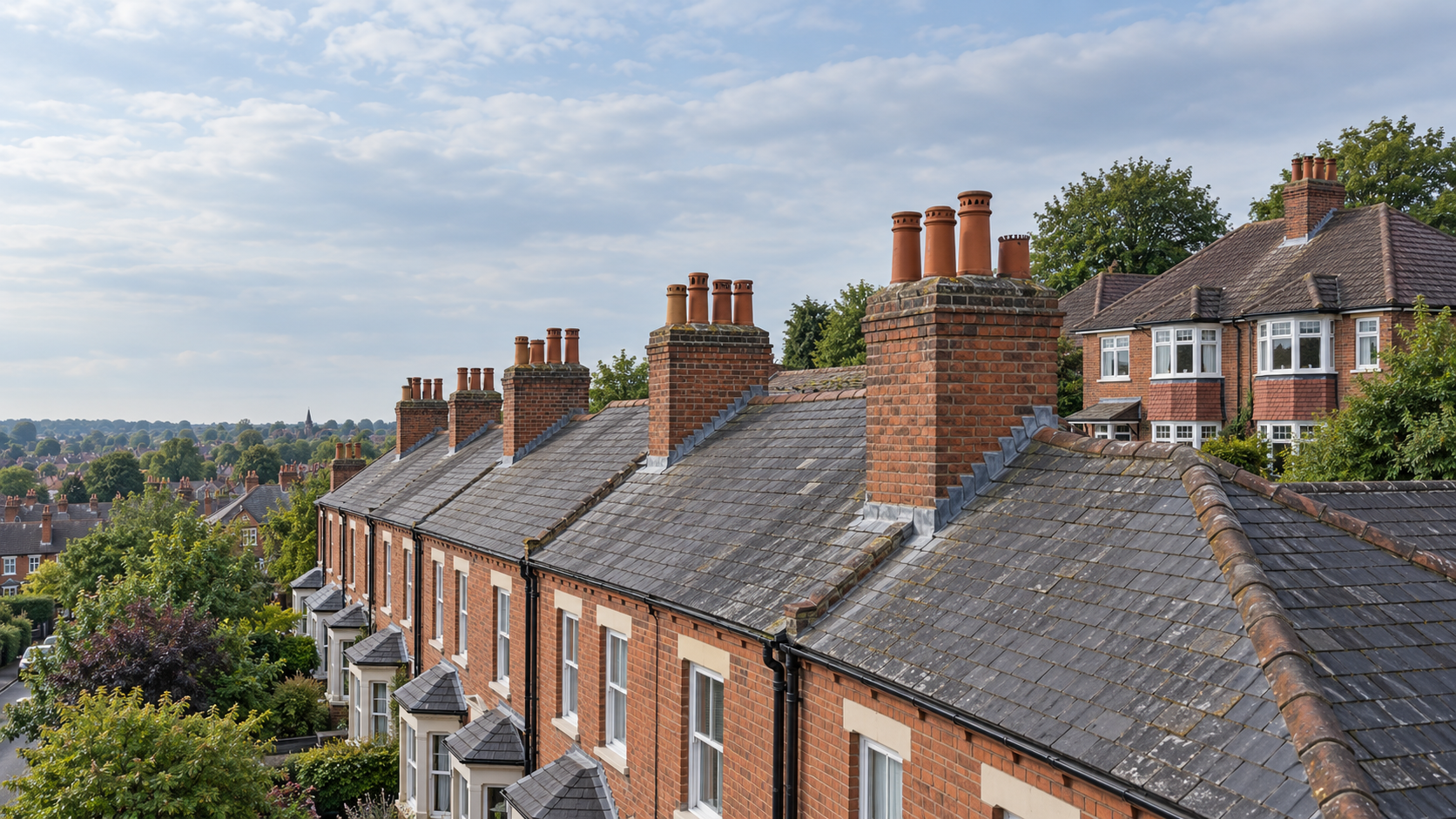
Quiet chimney pots can provide attractive nesting places for birds. Twigs, feathers, and other materials may create a partial or complete blockage that prevents smoke and gases from leaving properly.
Professional bird nest removal must be planned carefully because active nests, eggs, and wild birds can be legally protected. A chimney should not be used when a nest is suspected. Once removal can legally take place, the flue may need to be swept and examined before a fire is lit.
A suitable cowl can sometimes help prevent future nesting, but it must be appropriate for the chimney and appliance.
Checking the Parts That Cannot Be Seen
A fireplace opening reveals only a small section of the chimney. Internal cracks, old repairs, obstructions, and damaged liners may remain hidden.
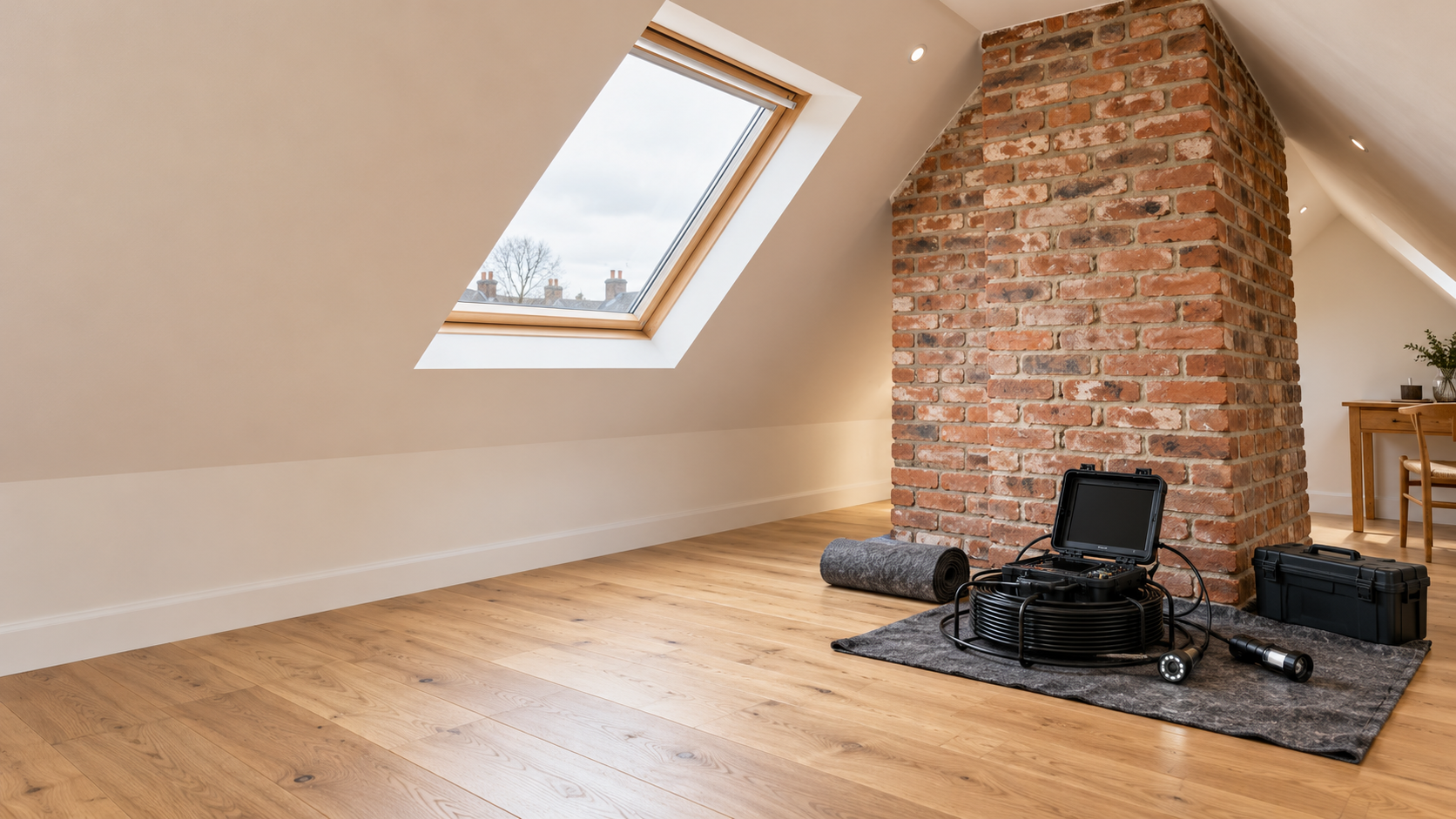
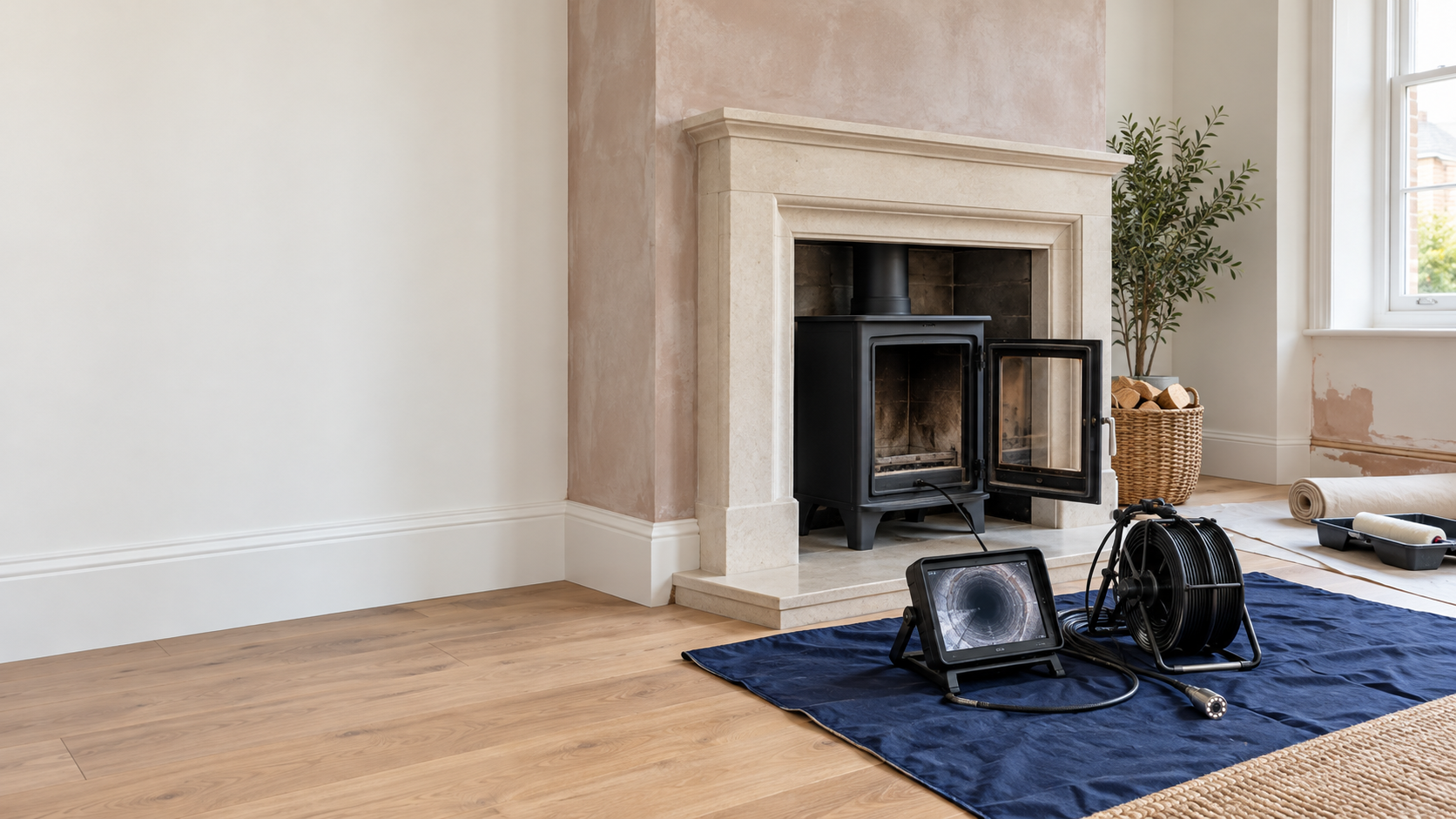
A CCTV and drone inspection can provide a clearer view of areas that are difficult to assess from ground level. A camera can examine the inside of the flue, while a drone inspection and roof inspection may identify external issues involving the chimney pot, stack, mortar joints, or flashing.
These inspection methods are especially useful when the chimney has not been used for several years or when the property’s maintenance history is uncertain.
Does an Old Chimney Need a New Liner?
Not every unused chimney requires a new liner. However, the existing flue must be suitable for the intended appliance and fuel.
A professional assessment may recommend flue liner installation if the current lining is damaged, missing, or unsuitable. The liner type and diameter should be selected according to the appliance, chimney arrangement, and fuel rather than chosen as a general solution.
Reusing a Chimney for a Log Burner
Homeowners sometimes decide to bring an old fireplace back into service by adding a wood-burning stove. A safe Log burner installation requires more than fitting the appliance inside the opening.
The chimney route, ventilation, hearth, stove output, and condition of the flue should all be considered. Old debris must be cleared, and the system should be checked before the stove is connected and used.
A Sensible Maintenance Routine
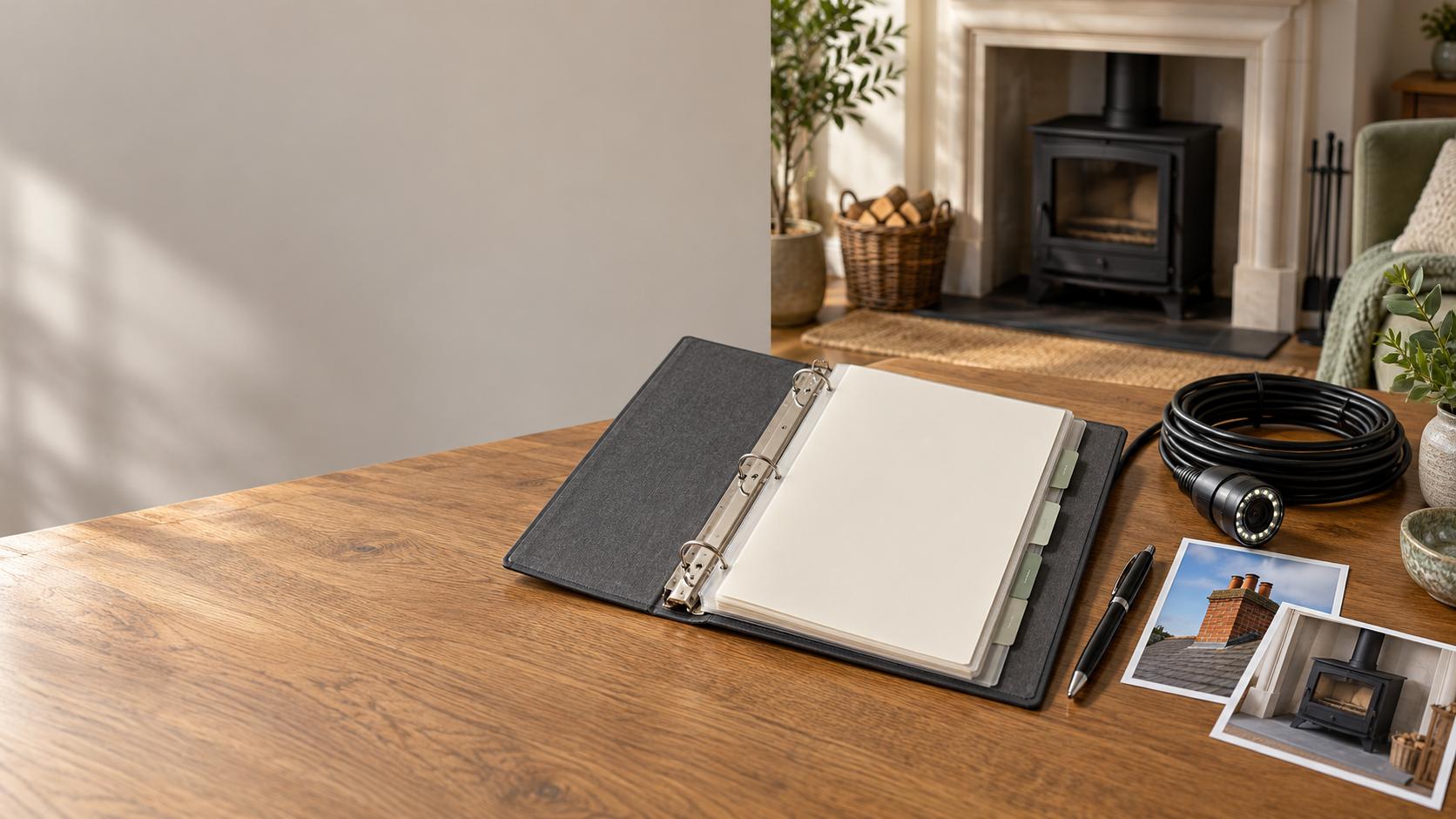
Even when a fire is used only a few times each winter, it is helpful to keep a record of sweeping, inspections, and repairs. Note any smells, damp patches, unusual noises, or fallen material.
Midlands Sweeps can form part of a planned maintenance approach, but the correct schedule should reflect the chimney’s condition, fuel type and pattern of use.
Conclusion
A rarely used chimney is not automatically a problem-free chimney. Weather, moisture, nesting birds, and aging materials can all affect it while it stands unused. Sweeping and inspection before lighting a fire can help identify concerns and ensure that the system is suitable for use.
Frequently Asked Questions
Does an unused chimney still need sweeping?
It may still contain old soot, nesting material, or fallen debris, so an assessment is advisable before reuse.
What causes smells from an unused chimney?
Moist soot, poor ventilation, debris, and nesting material can all contribute to unpleasant smells.
Can I light a small fire to test an old chimney?
No. The chimney should be checked first because a small fire can still produce smoke and combustion gases.