
The material that collects inside a chimney is influenced by more than how often a fireplace or stove is used. The fuel, moisture level, appliance settings, and condition of the flue can all affect the type and amount of residue produced.
Understanding these differences can help homeowners use their heating appliances more carefully and recognize when a professional Chimney Sweep may be required.
Soot From Coal and Solid Fuels
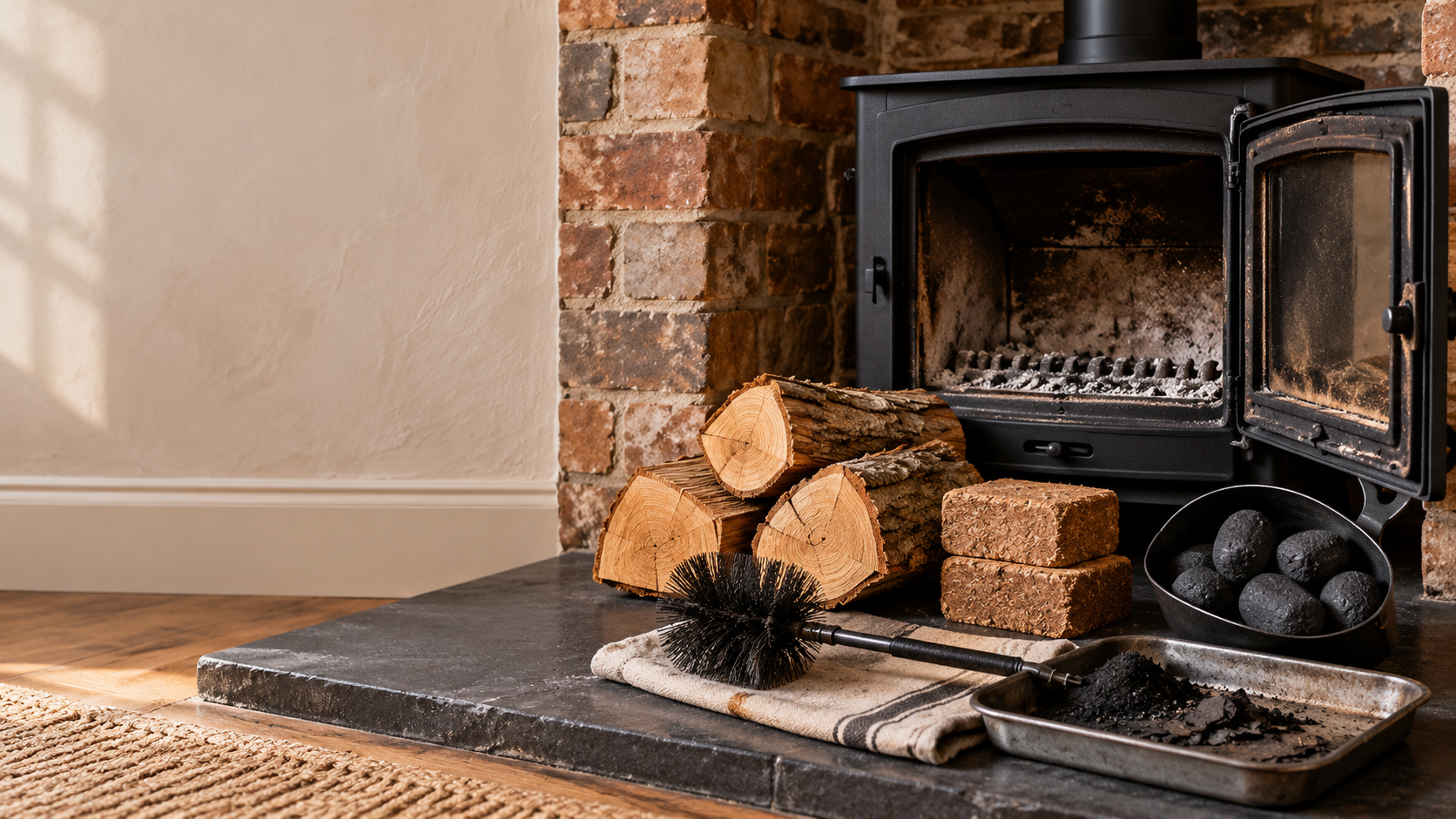
Coal and other solid fuels can create fine soot that settles along the inside of a chimney. The amount produced depends on the fuel type, appliance efficiency, and available airflow.
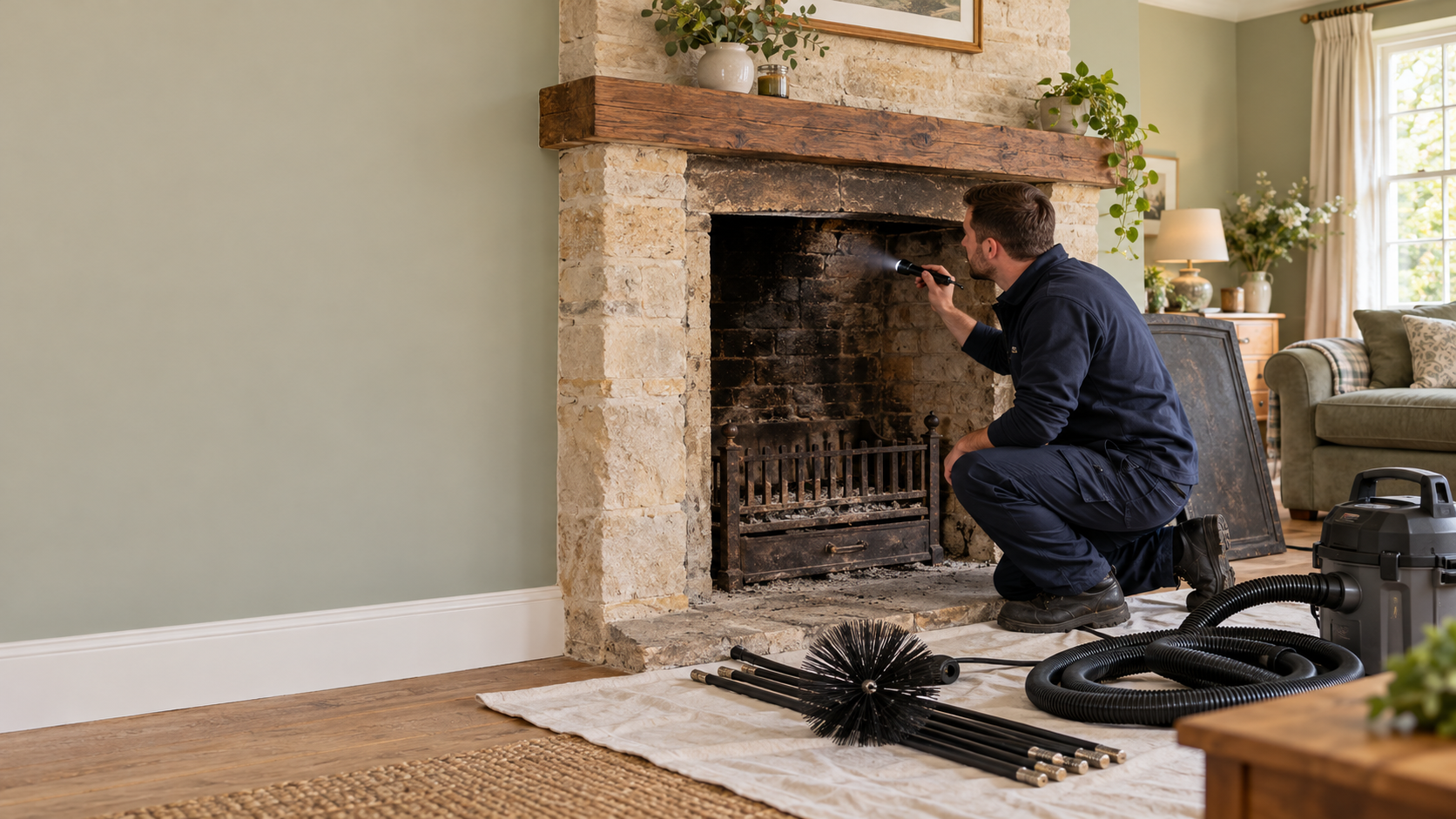
Heavy deposits may narrow the flue and affect the movement of combustion gases. Soot can also fall into the fireplace or collect around access points. Regular sweeping helps remove this material before it becomes excessive.
Homeowners should only burn fuels that are suitable for their appliance. Using an incompatible fuel can affect performance and may contribute to unwanted deposits.
Tar and Creosote From Wood
Burning wood can produce tar-like deposits, often described as creosote. These may appear as dry flakes, sticky residue, or a hard, glazed coating inside the chimney.
Damp or unseasoned wood is more likely to burn at a lower temperature and create additional smoke. When that smoke cools inside the flue, some of its vapors can condense on the internal surfaces.
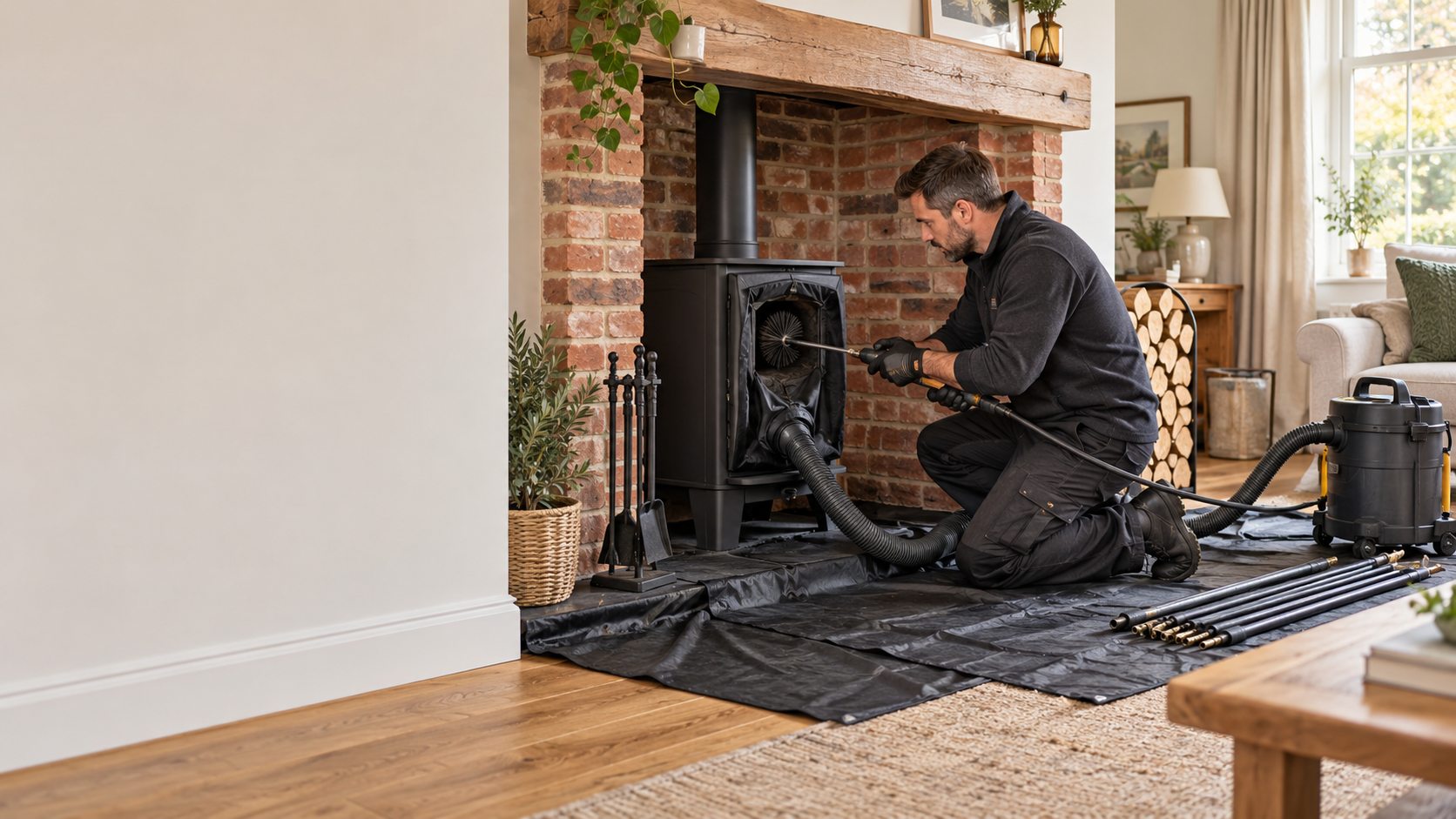
Restricted airflow and repeatedly operating a stove at a very low setting can also encourage deposits. Using properly seasoned fuel and following the appliance instructions can support cleaner combustion, although regular chimney care is still necessary.
Why Appliance Condition Matters
Even suitable fuel may burn poorly if the appliance is damaged, incorrectly adjusted, or receiving insufficient air. Worn door seals, blocked air controls, and an unsuitable flue arrangement can all influence combustion.
A planned Log burner installation should consider the stove output, ventilation, hearth, and chimney route. The appliance must work as part of a complete system rather than as an isolated feature in the room.
If the chimney is unsuitable or deteriorated, flue liner installation may be recommended after an appropriate assessment. The liner must match the appliance, fuel, and dimensions of the chimney.
Recognizing Unusual Chimney Deposits
Different residues can provide clues about what is happening inside the system. Large amounts of soot may suggest incomplete combustion or overdue maintenance. Sticky or glazed deposits may indicate that wood is being burned at unsuitable temperatures.
Pieces of mortar, liner material, or masonry require a different kind of attention. They could point to deterioration rather than ordinary fuel residue.
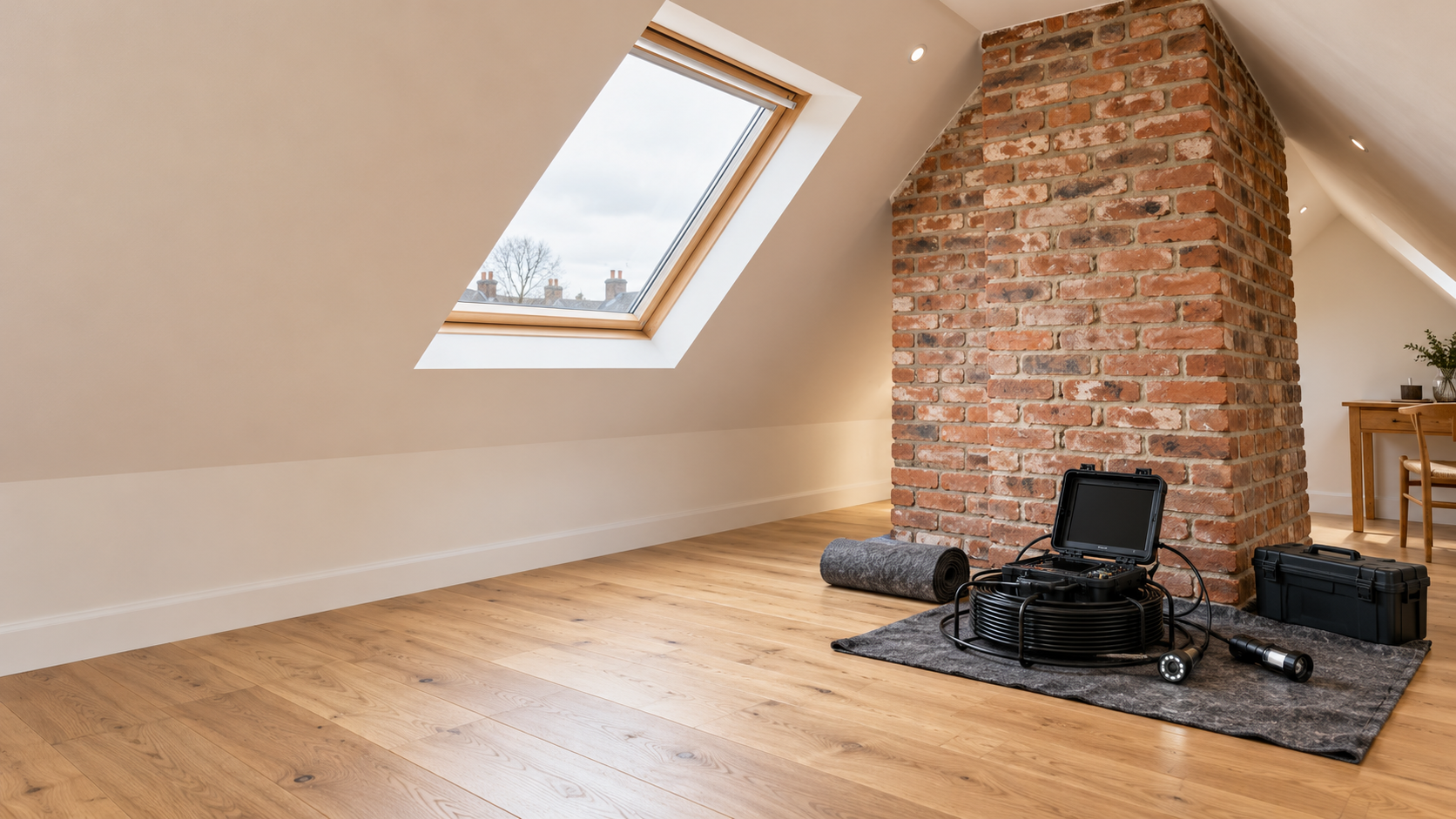
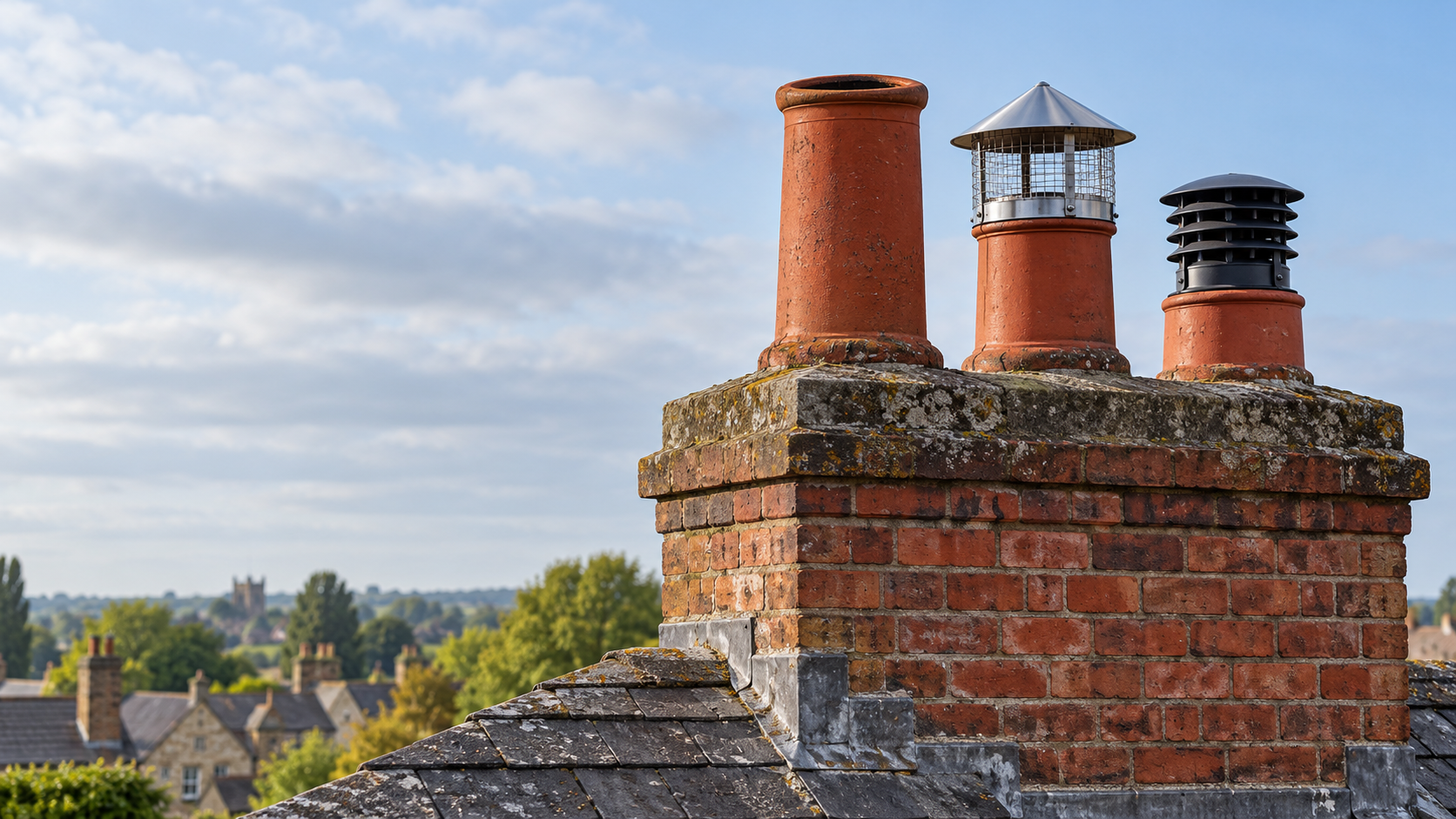
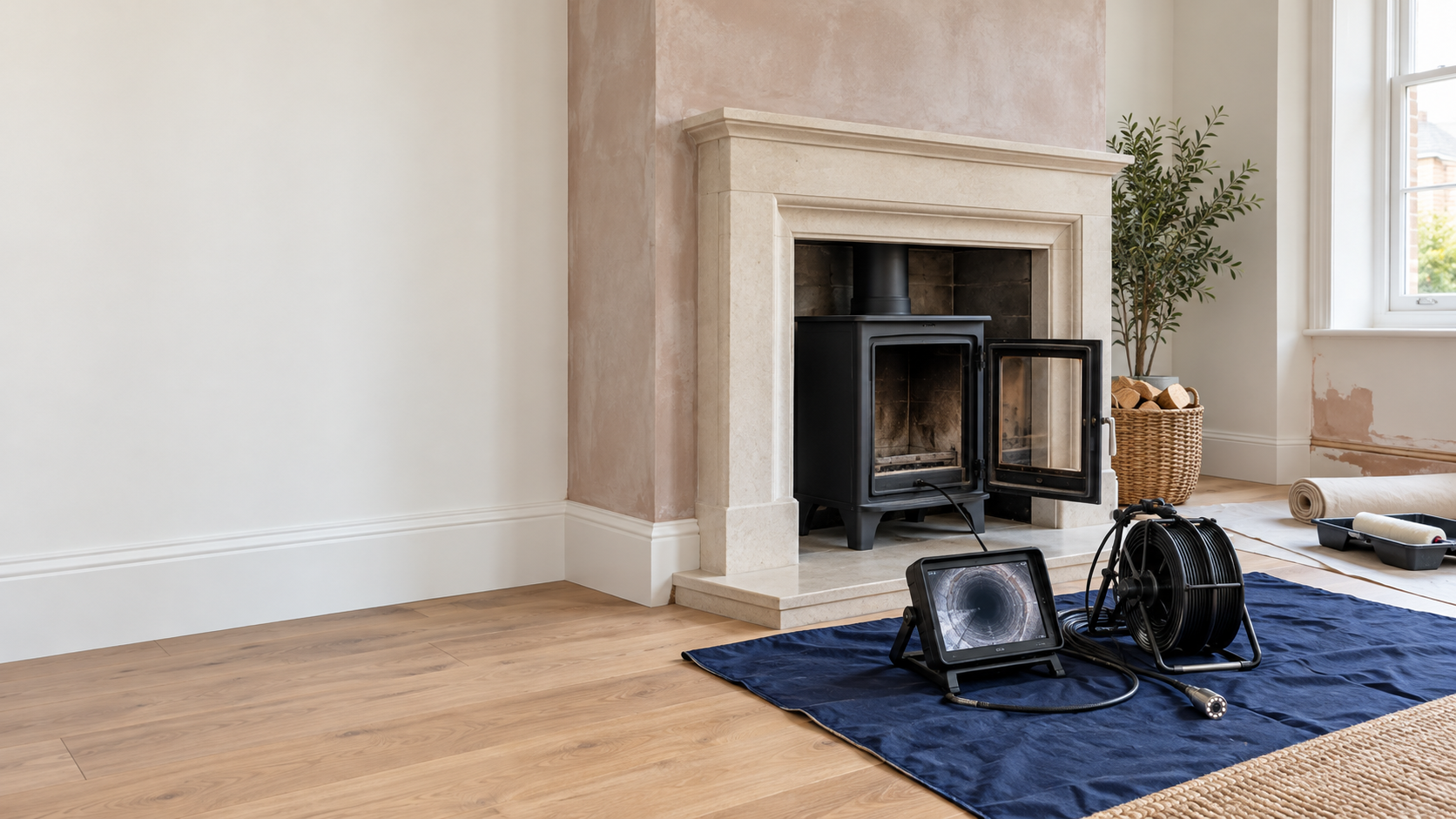
In these situations, a CCTV and drone inspection can help examine areas that are otherwise difficult to view. Internal camera footage may reveal restrictions or damage, while a drone inspection and roof inspection can assess the chimney pot, stack, flashing, and surrounding roof.
Deposits Caused by Blockages
Not everything found inside a chimney comes from fuel. Leaves, twigs, feathers, and nesting materials can enter through an open chimney pot. These materials may restrict airflow and mix with soot, making the blockage more difficult to identify from below.
Professional bird nest removal may be necessary, but active nests, eggs, and wild birds can be legally protected. The chimney should be assessed before any material is disturbed, and work should only take place when it is lawful and appropriate.
Keeping Useful Maintenance Records
Recording the date of each sweep, the fuel normally used, and any unusual findings can help identify patterns. If deposits become heavier despite similar use, there may have been a change in fuel quality, appliance performance, or chimney condition.
Midlands Sweeps can be included in a household’s wider chimney-maintenance planning, but every recommendation should be based on the individual appliance, property, and pattern of use.
Conclusion
Different fuels create different chimney deposits, and their appearance can reveal useful information about combustion and airflow. Suitable fuel, correct appliance use, regular sweeping, and timely inspection all contribute to a better-maintained chimney system.
Frequently Asked Questions
Does dry wood produce no chimney deposits?
No. Properly seasoned wood generally burns more effectively, but it can still produce soot and other residues.
Can chimney sweeping remove glazed creosote?
Some hardened deposits may require specialist assessment or treatment beyond routine sweeping.
Should I change fuel if soot builds up quickly?
Do not make changes without checking the appliance instructions. Rapid buildup may also indicate an airflow, maintenance, or flue-related problem.