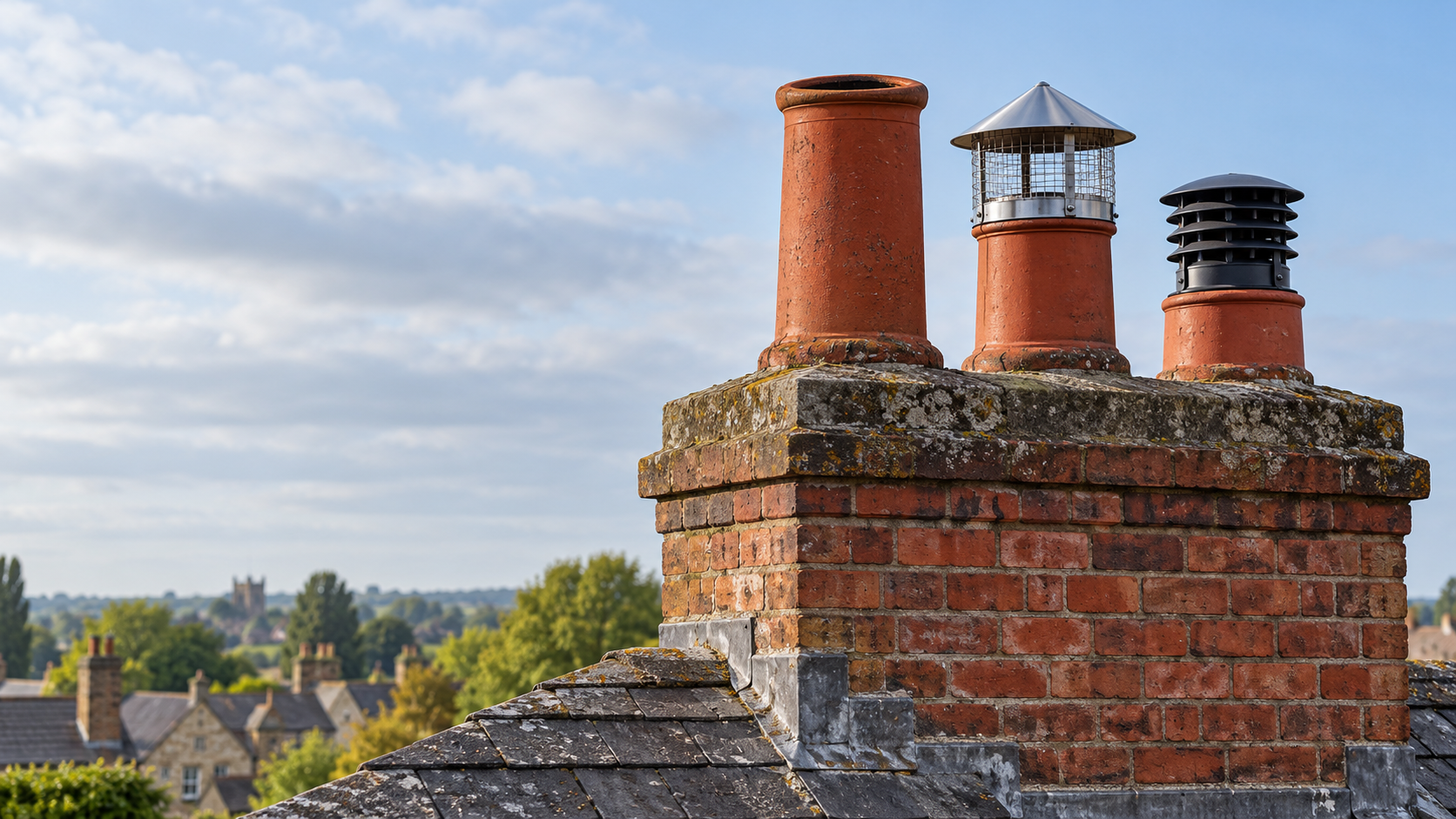
The top of a chimney is exposed to rain, wind, birds, and changing temperatures throughout the year. Although chimney pots and cowls may appear to be simple roof fittings, they can influence ventilation, weather protection, and the movement of combustion gases.
Choosing or replacing a chimney terminal requires careful consideration. An unsuitable fitting may restrict airflow or fail to work correctly with the connected fireplace or stove.
What Does a Chimney Pot Do?
A chimney pot extends the flue above the chimney stack. Its height and shape can help combustion gases disperse while keeping the flue opening clear of the surrounding masonry.
Traditional clay pots are common in homes throughout the UK. Over time, they can crack because of weather exposure, frost, or movement in the chimney stack. A damaged or unstable pot should be assessed because loose pieces may fall onto the roof or enter the flue.
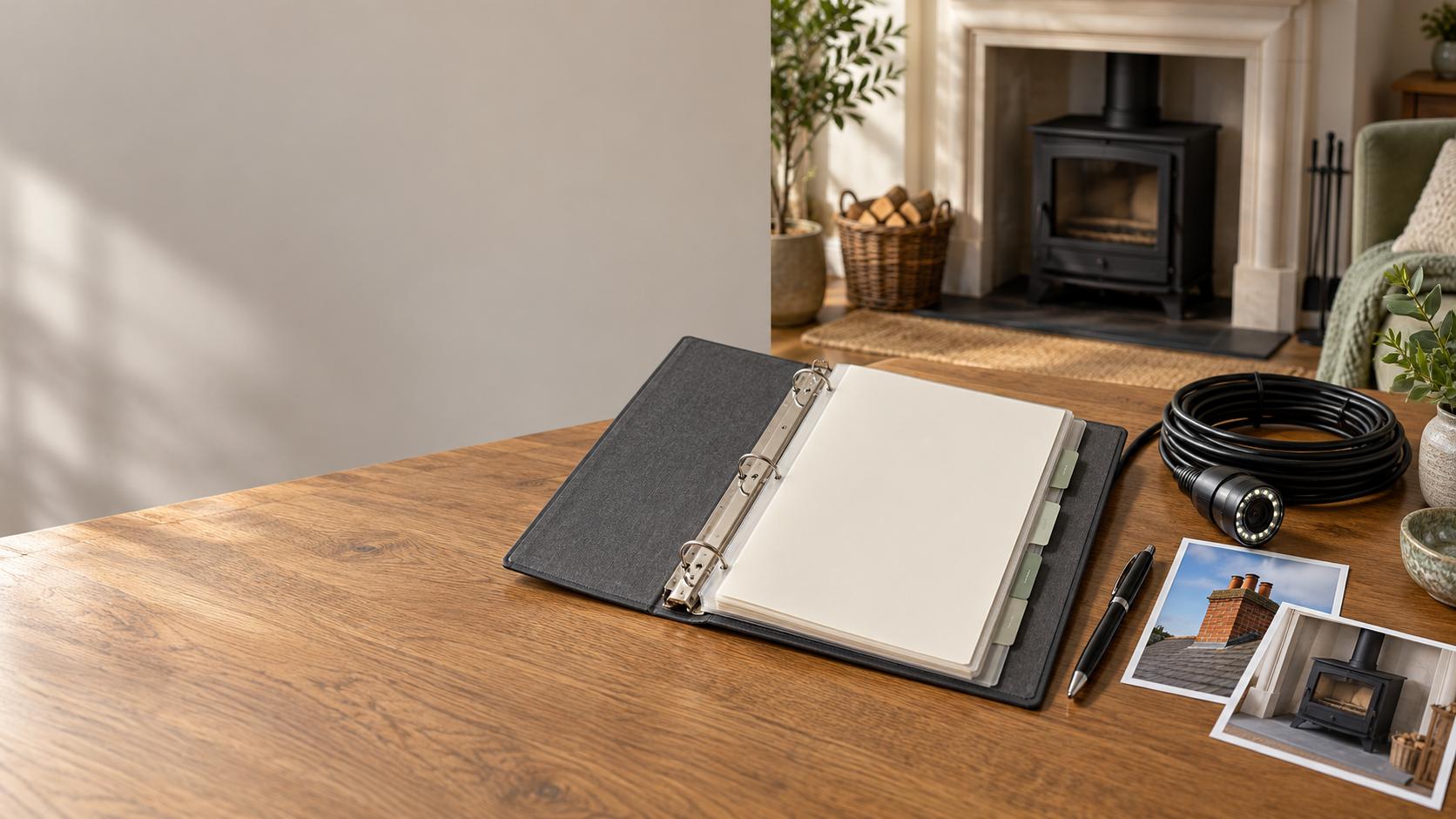
A drone inspection and roof inspection can provide useful views of the pot, surrounding mortar, and upper chimney stack. This is particularly helpful when the chimney cannot be seen clearly from ground level.
Understanding Chimney Cowls
A cowl is fitted to the top of a chimney pot or flue. Different designs serve different purposes. Some help reduce rain entry, while others are intended to discourage birds or improve performance in certain wind conditions.
Cowls are not universal. A model suitable for an unused chimney may not be appropriate for a working fireplace, gas appliance, or wood-burning stove. The fitting must allow combustion gases to escape without creating unnecessary resistance.
Before installing a cowl, the appliance, fuel, and flue arrangement should be checked. It is also important to confirm that the problem is actually being caused at the chimney top rather than elsewhere in the system.
Preventing Birds From Entering the Flue
Open chimney pots can provide sheltered nesting spaces. Twigs and other materials may restrict airflow, create unpleasant smells, and prevent the fireplace from operating properly.
A bird guard may reduce the chance of future nesting, but it should only be installed after the chimney has been confirmed as clear. If a nest is already present, professional bird nest removal may be required. Active nests, eggs, and birds can be legally protected, so the timing and method of removal must be considered carefully.
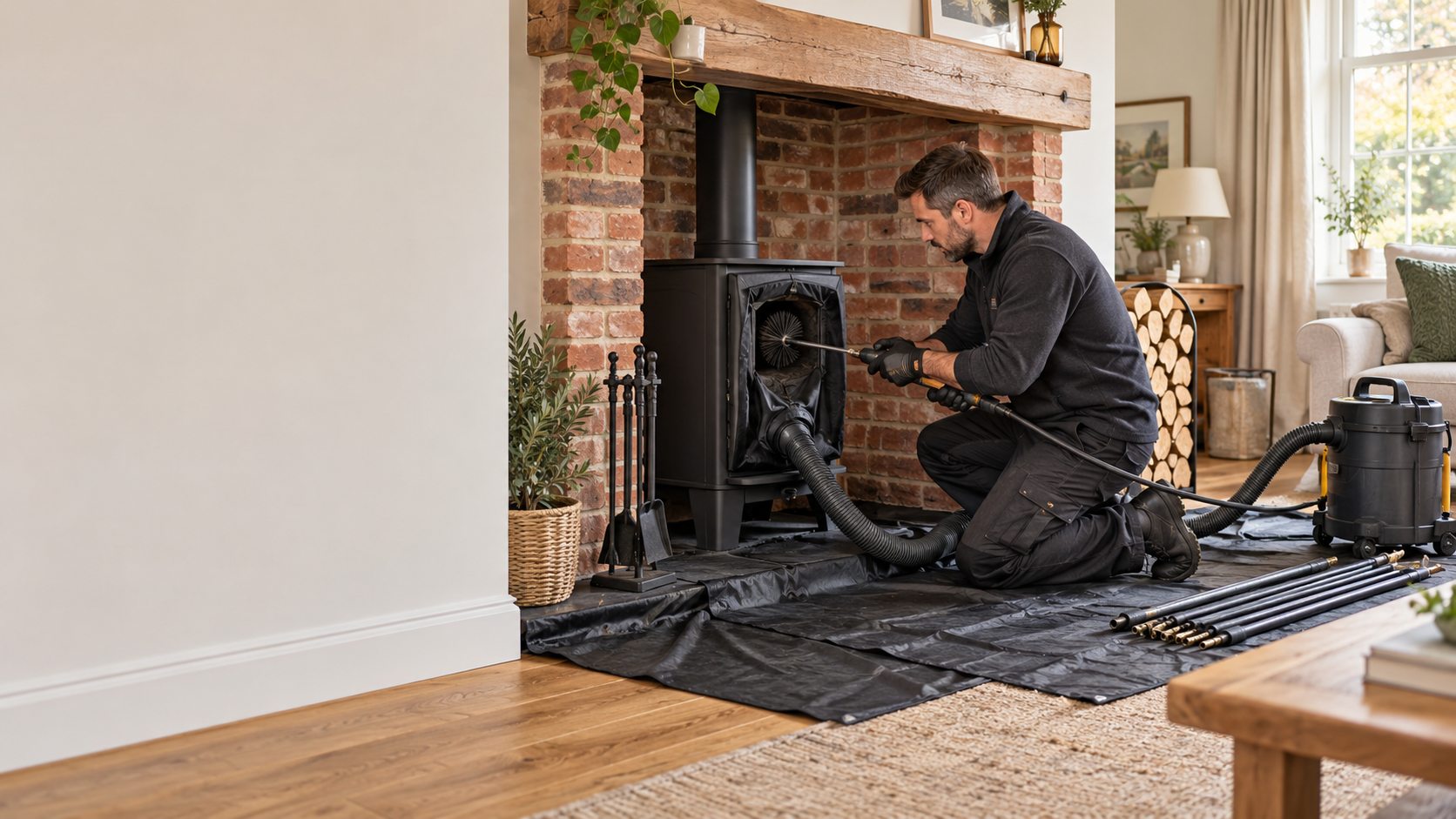
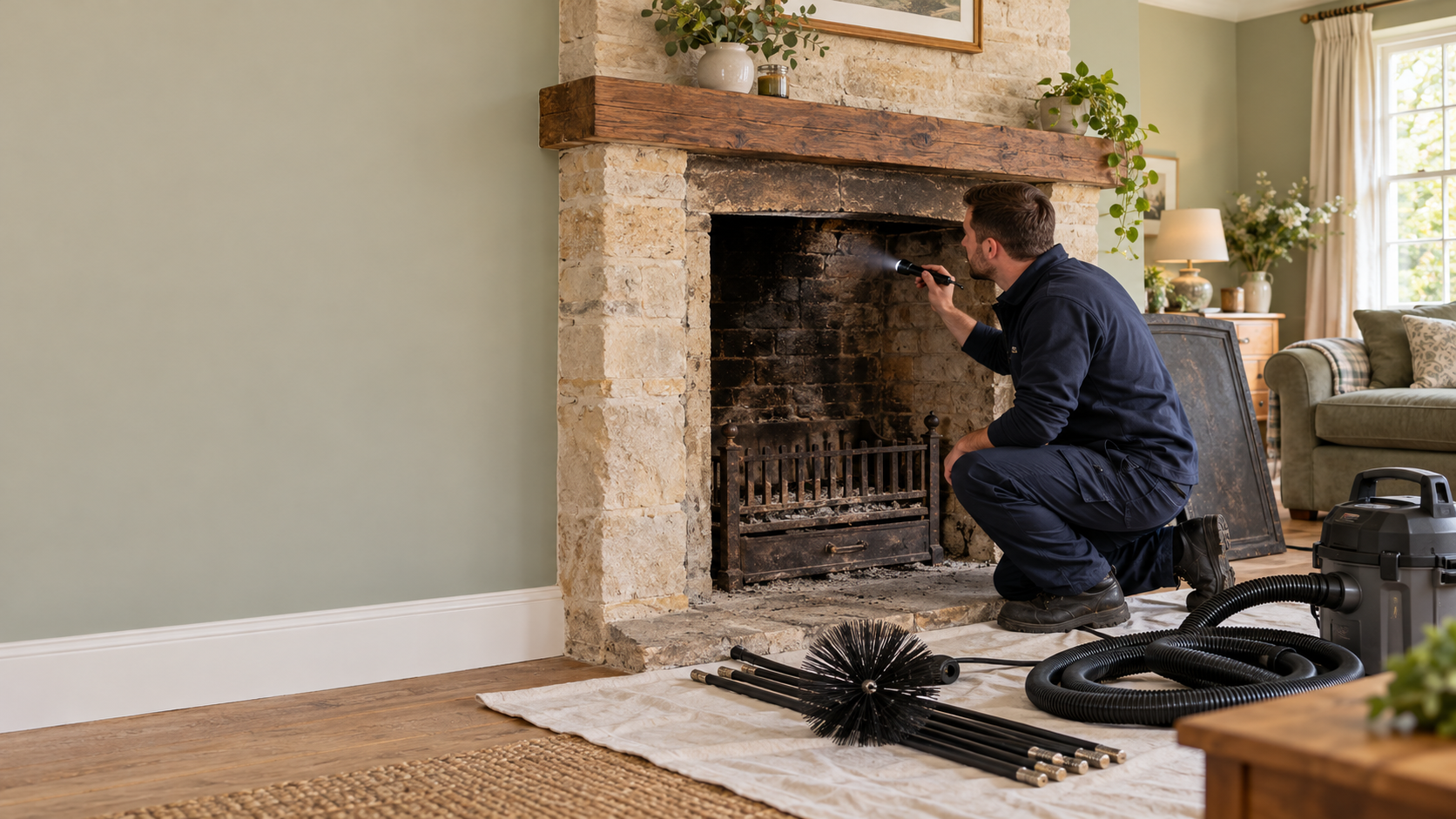
After the obstruction is cleared, a Chimney Sweep can remove remaining material and check whether soot or debris is still affecting the flue.
Recognizing Problems Below the Chimney Pot
Replacing a damaged pot or cowl may not solve problems located deeper inside the chimney. Cracked liners, internal obstructions, and deteriorated mortar joints cannot normally be confirmed through an external view alone.
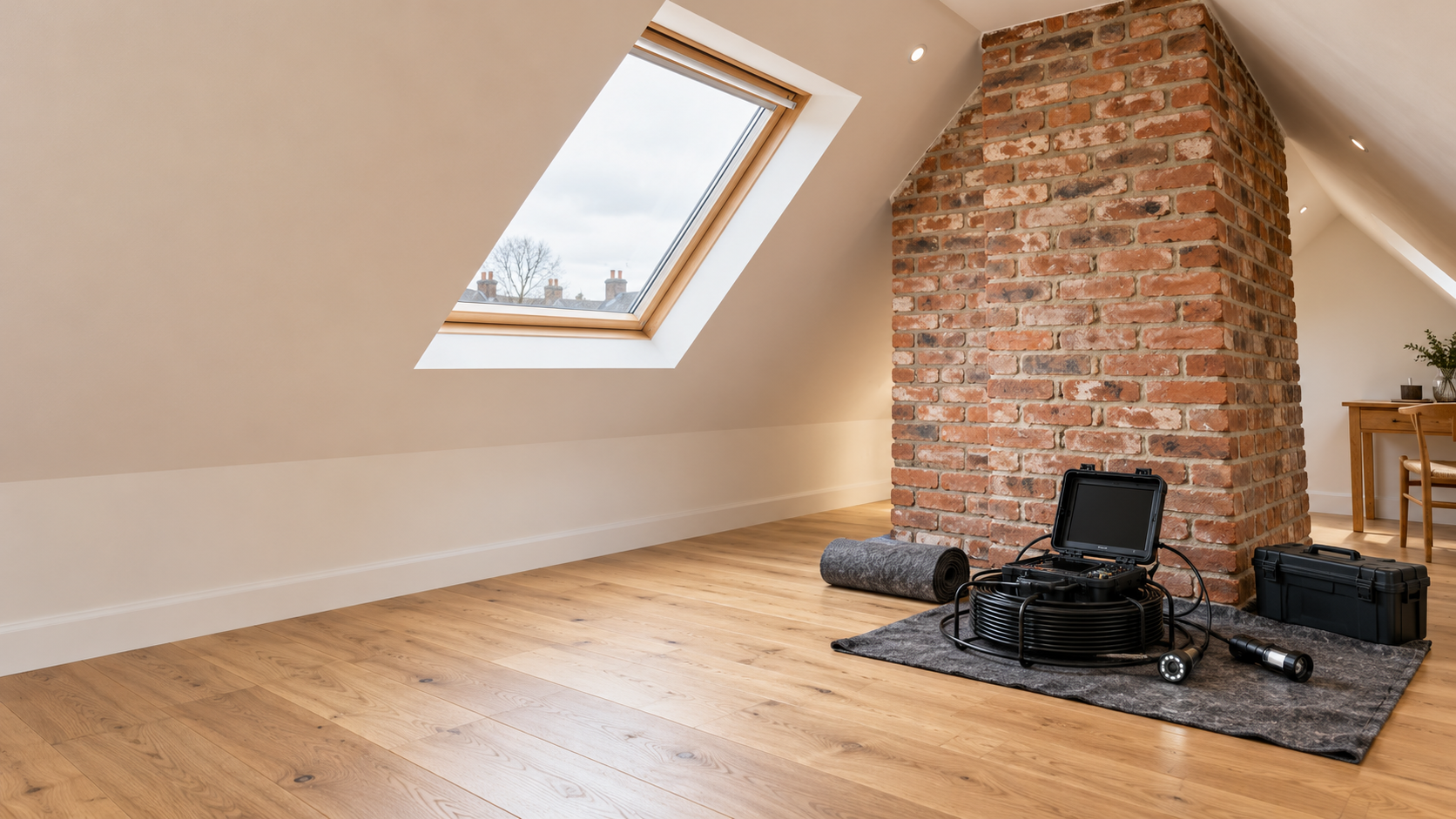
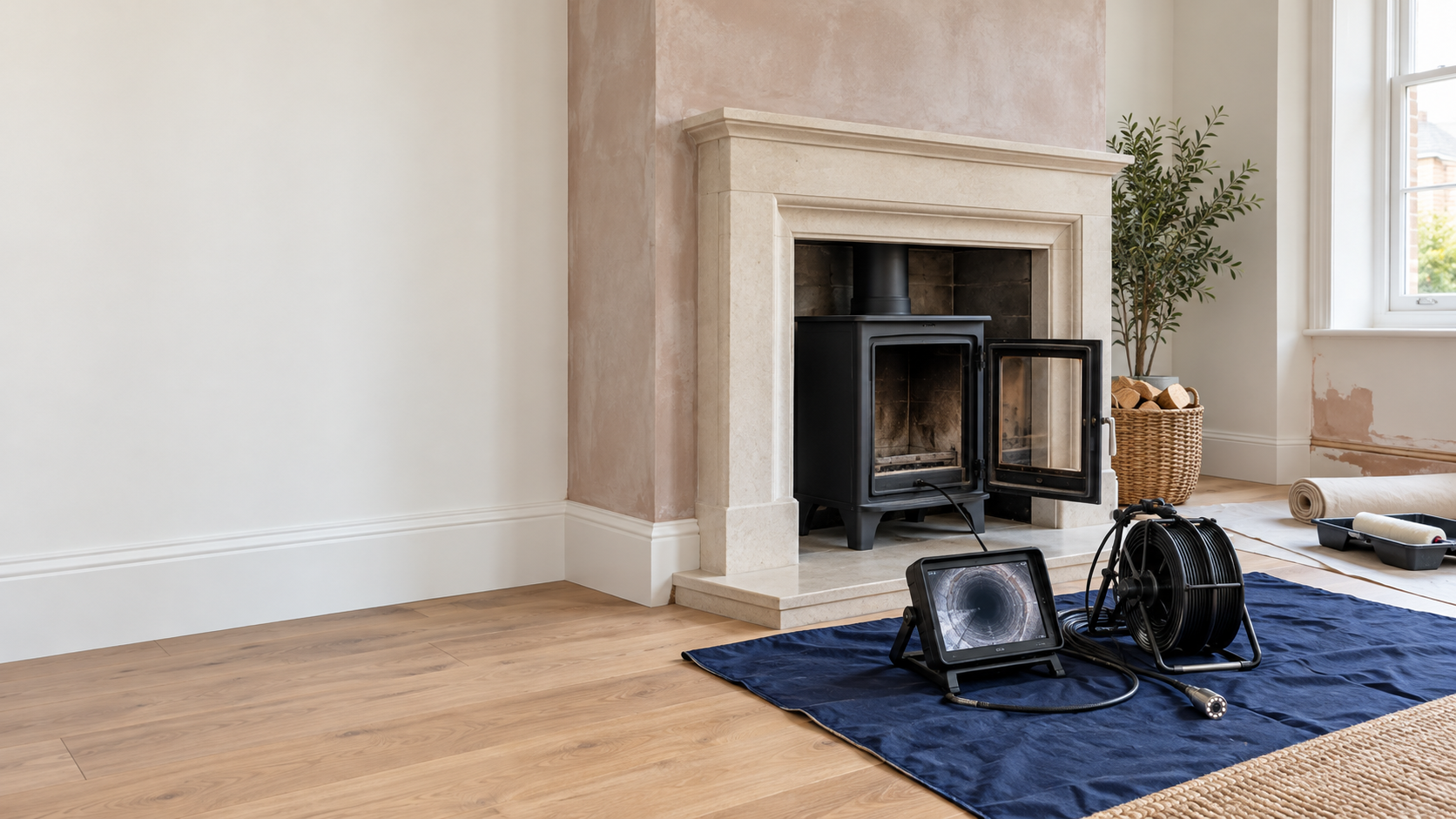
A CCTV and drone inspection combines internal and external evidence. Camera footage can help examine the flue, while aerial images show the condition of the stack, pot, flashing, and roof.
If the internal passage is unsuitable for the connected appliance, flue liner installation may be considered. This decision should follow an assessment because the liner must match the chimney dimensions, appliance, and intended fuel.
Cowls and Wood-Burning Stoves
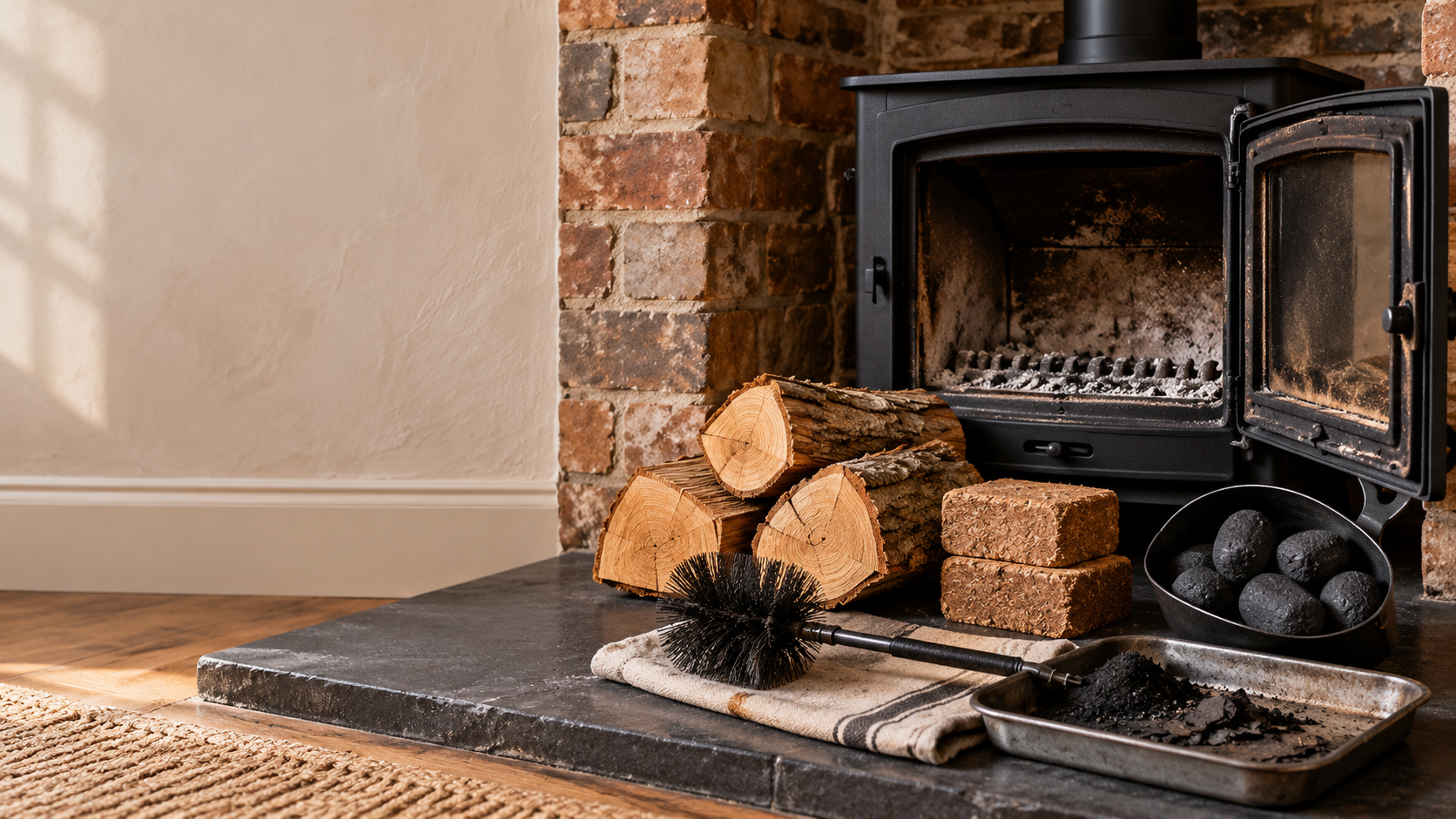
The chimney terminal forms part of the complete stove system. During a Log burner installation, the installer should consider the flue route, ventilation, and terminal arrangement alongside the hearth and appliance output.
A cowl that restricts the outlet may affect draught, while an exposed terminal may allow rain or birds to enter. The correct choice depends on the property and installation rather than appearance alone.
Routine Checks and Maintenance
Homeowners should look for leaning pots, missing cowls, damaged mortar, and visible vegetation around the stack. After strong winds or severe weather, changes may be easier to notice.
Midlands Sweeps can support broader chimney-maintenance planning, but any recommendation should reflect the specific condition and use of the system.
Conclusion
Chimney pots, cowls, and terminals help protect the flue and support the safe movement of combustion gases. Their design must suit the appliance and fuel. Regular observation, sweeping, and targeted inspection can help identify damage or unsuitable fittings before they cause further problems.
Frequently Asked Questions
Does every chimney need a cowl?
No. The need and suitable design depend on the chimney, appliance, and reason for fitting one.
Can a cowl stop all rain from entering?
A suitable cowl can reduce rain entry, but it cannot repair damaged pots, mortar, or flashing.
Can I fit a bird guard to a working chimney?
Only use a product designed for the connected appliance and fuel. Professional assessment is recommended.