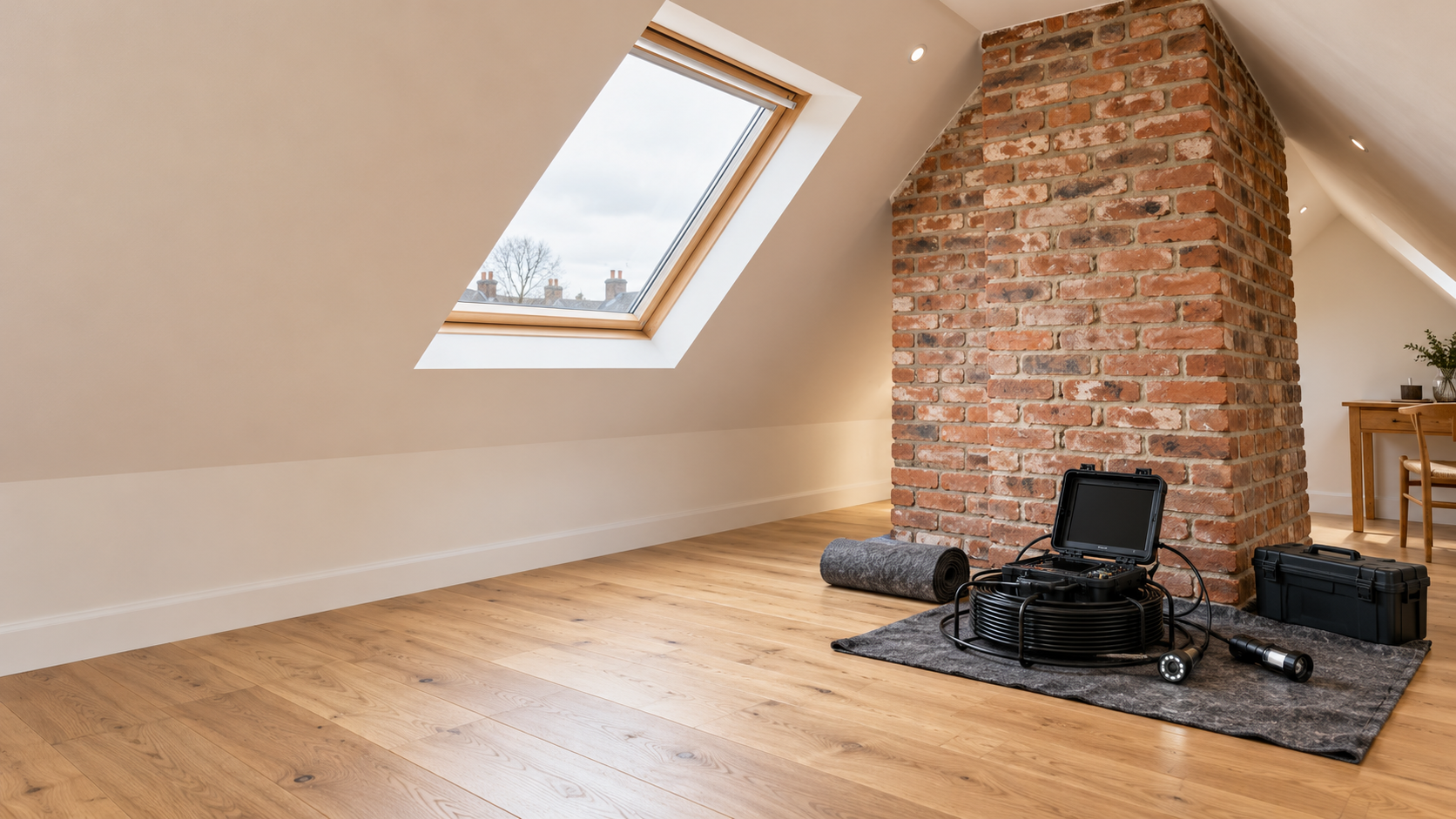
A loft conversion can create valuable living space, but changes at roof level may affect an existing chimney. New walls, insulation, roof windows, and altered ventilation can change access to the stack or hide parts of the flue that were previously visible.
For homes with an open fire or wood-burning stove, the chimney should be considered during the planning stage rather than after construction is complete.
Why the Chimney Matters During Planning
A chimney may pass through the loft before reaching the roof. Even when the structure appears to occupy useful floor space, removing or modifying part of it can affect the sections above and below.
Before alterations begin, homeowners should confirm whether the chimney is active, redundant, or shared with another property. A chimney breast that is no longer used in one room may still serve an appliance elsewhere in the building.
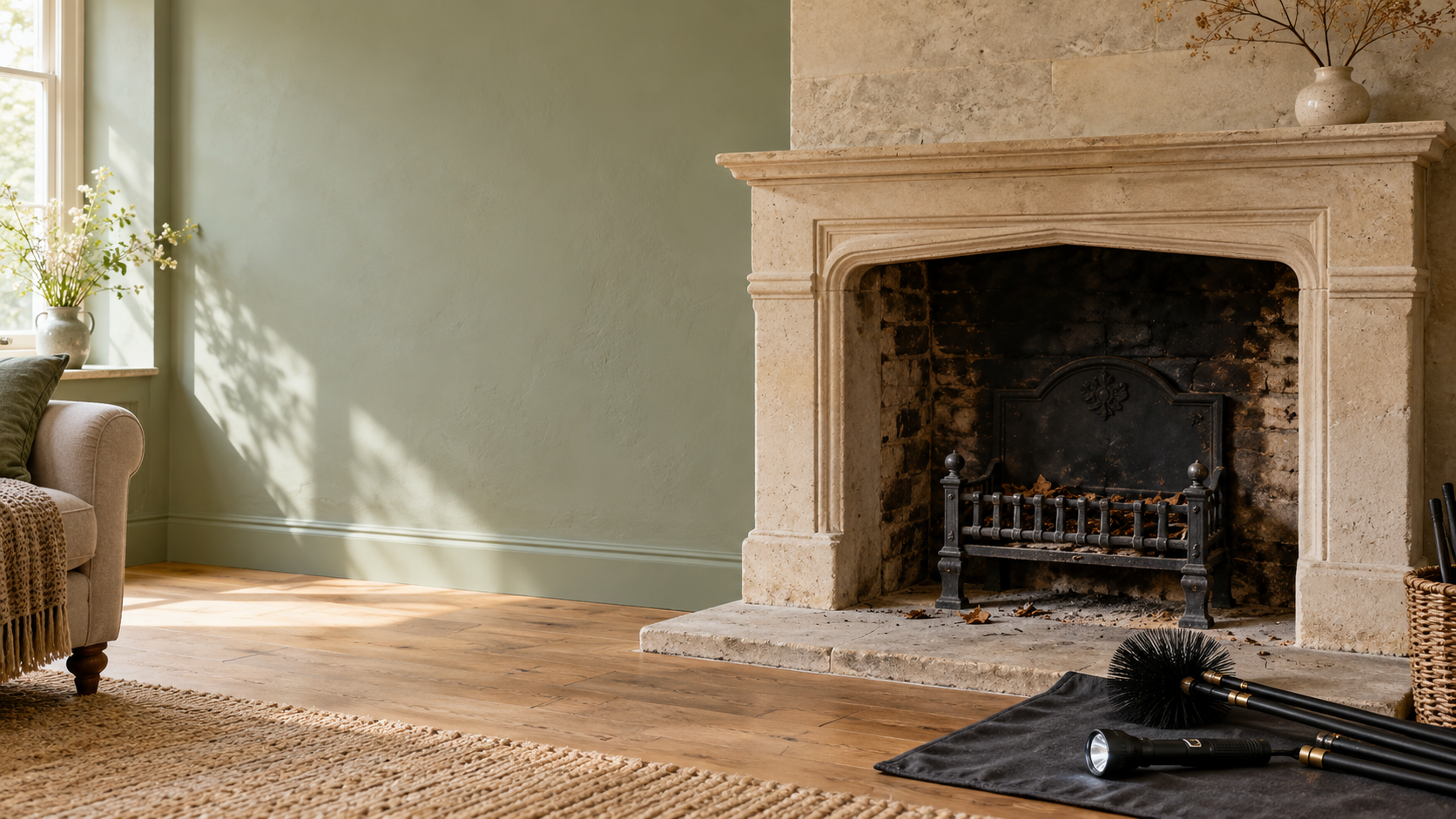
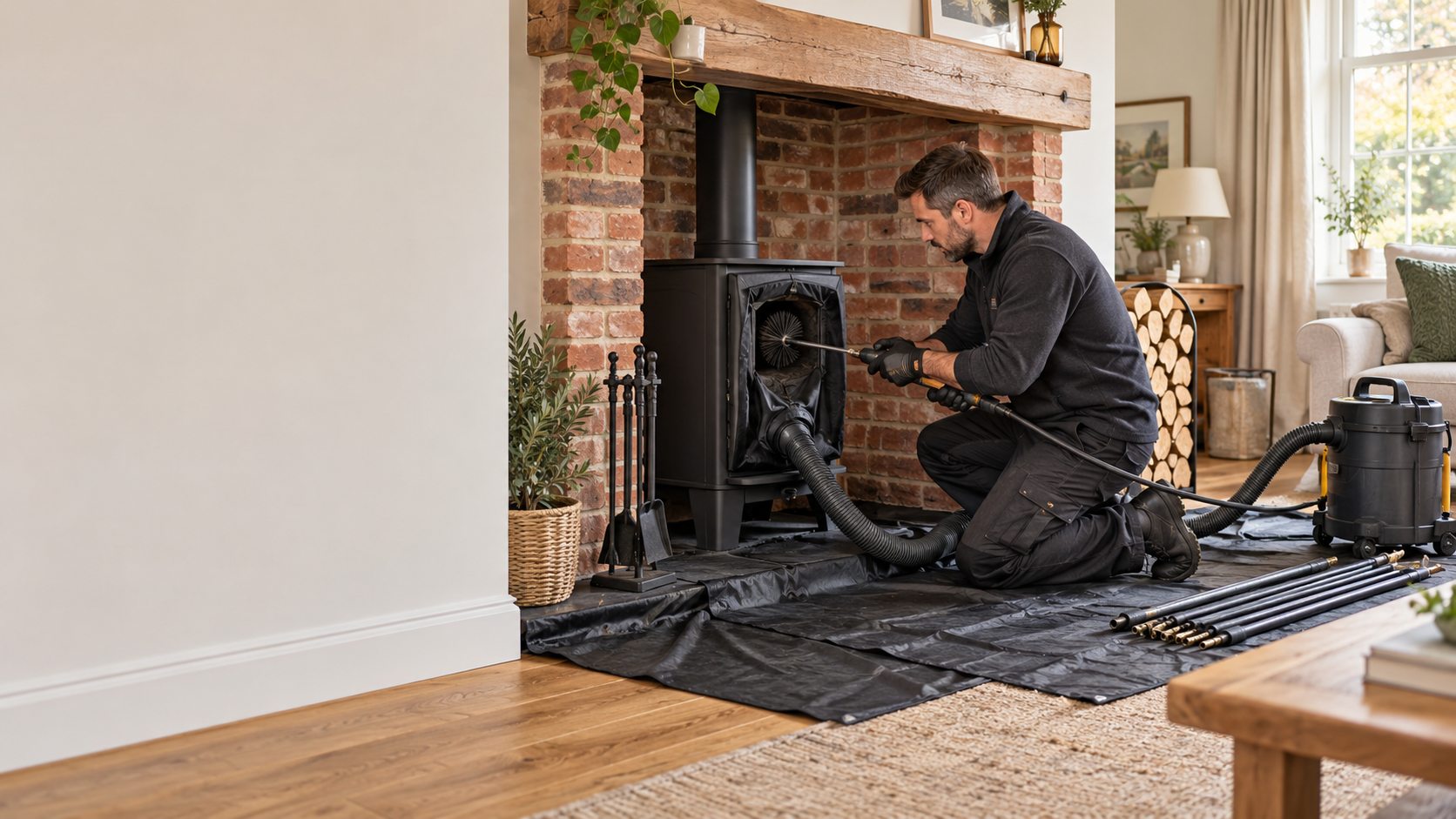
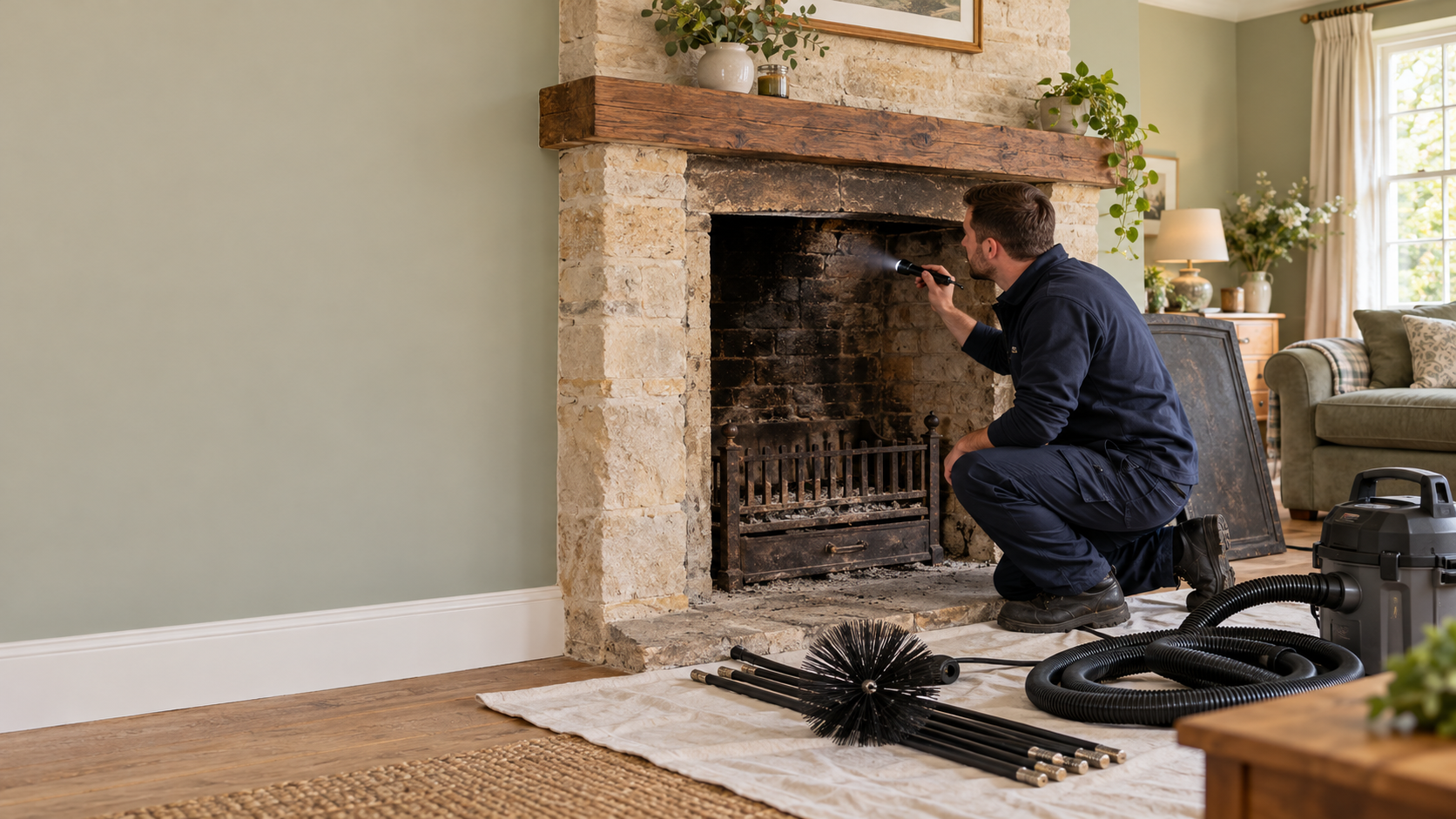
A qualified professional should assess any proposed structural changes. A Chimney Sweep can examine the accessible flue and identify soot, blockages, or other signs that the chimney is still in use.
Keeping Safe Access to the Chimney
A loft conversion may change access to chimney components, sweeping points, and connecting pipes. New cupboards, walls, or fitted furniture should not prevent future inspection and maintenance.
Access is particularly important when a stove is connected to the chimney. Routine sweeping should remain practical without damaging finished surfaces or removing permanent fittings.
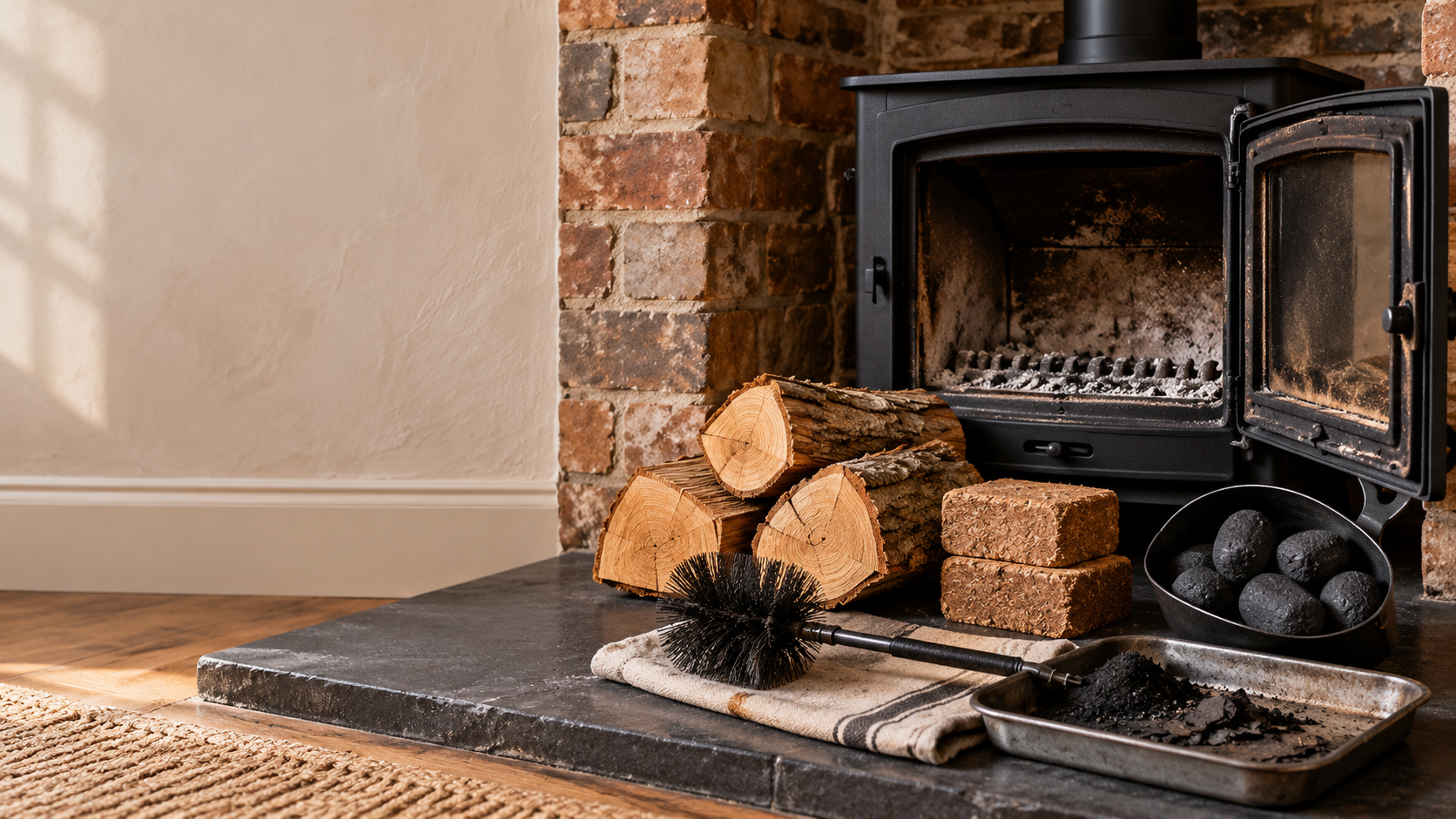
If a Log burner installation is being planned as part of the renovation, the appliance position, ventilation, hearth, and entire flue route should be considered before internal construction is completed.
Insulation and Heat Around the Flue
Modern loft conversions normally include additional insulation. However, combustible materials should not be placed carelessly against a working chimney or flue system.
The appropriate clearance depends on the construction and components being used. Insulation, timber, electrical wiring, and storage areas should be planned with the chimney in mind. Enclosing a flue without suitable access may also make later problems harder to investigate.
Where an old chimney is being reused, flue liner installation may be considered after an inspection. A liner should be selected according to the appliance, fuel, and chimney arrangement rather than simply fitted because other renovation work is underway.
Checking External Roof Alterations
Dormers, roof windows, and extensions can change airflow around a chimney stack. Scaffolding and building work may also damage pots, mortar joints, or flashing if the area is not protected.
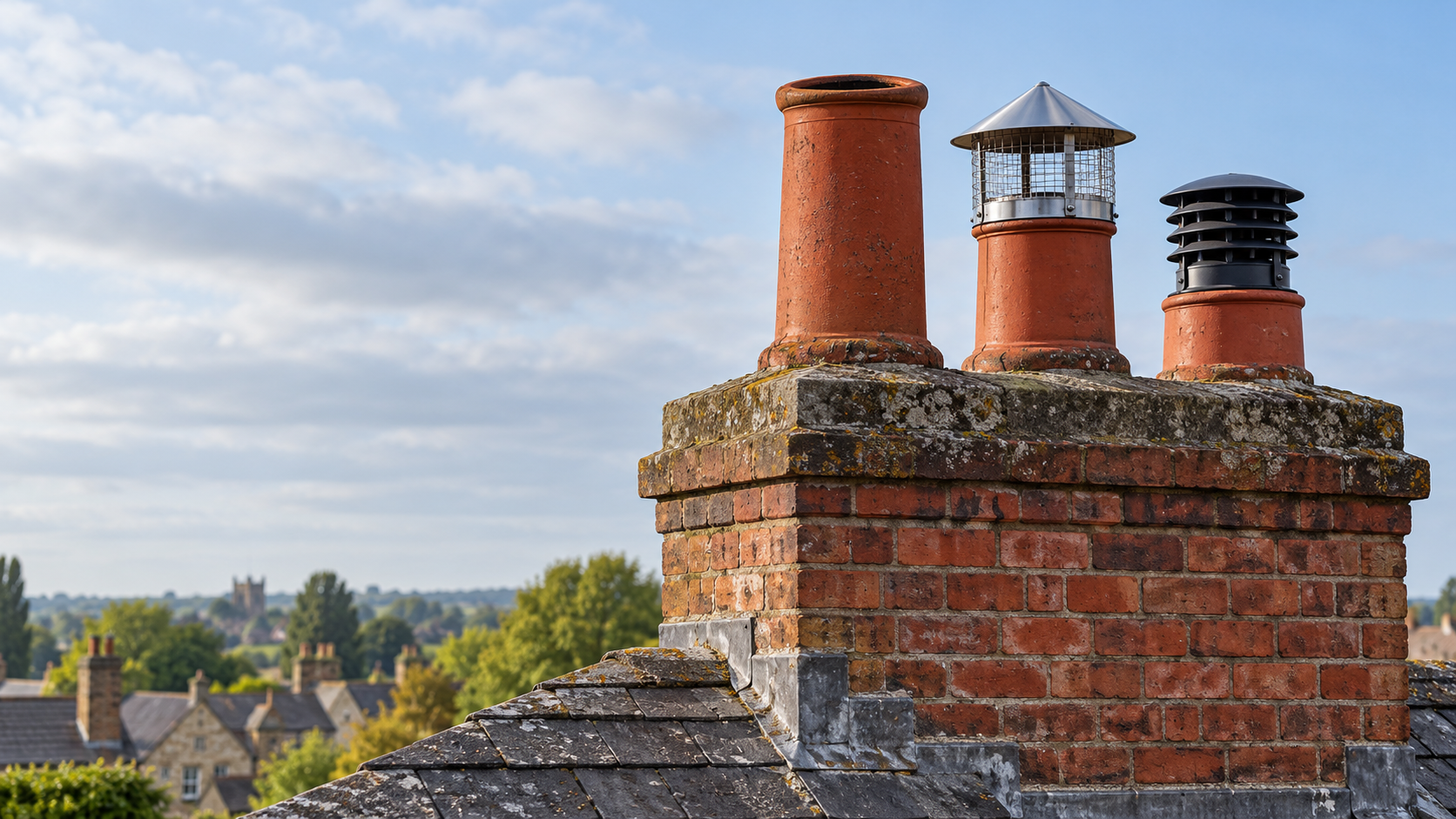
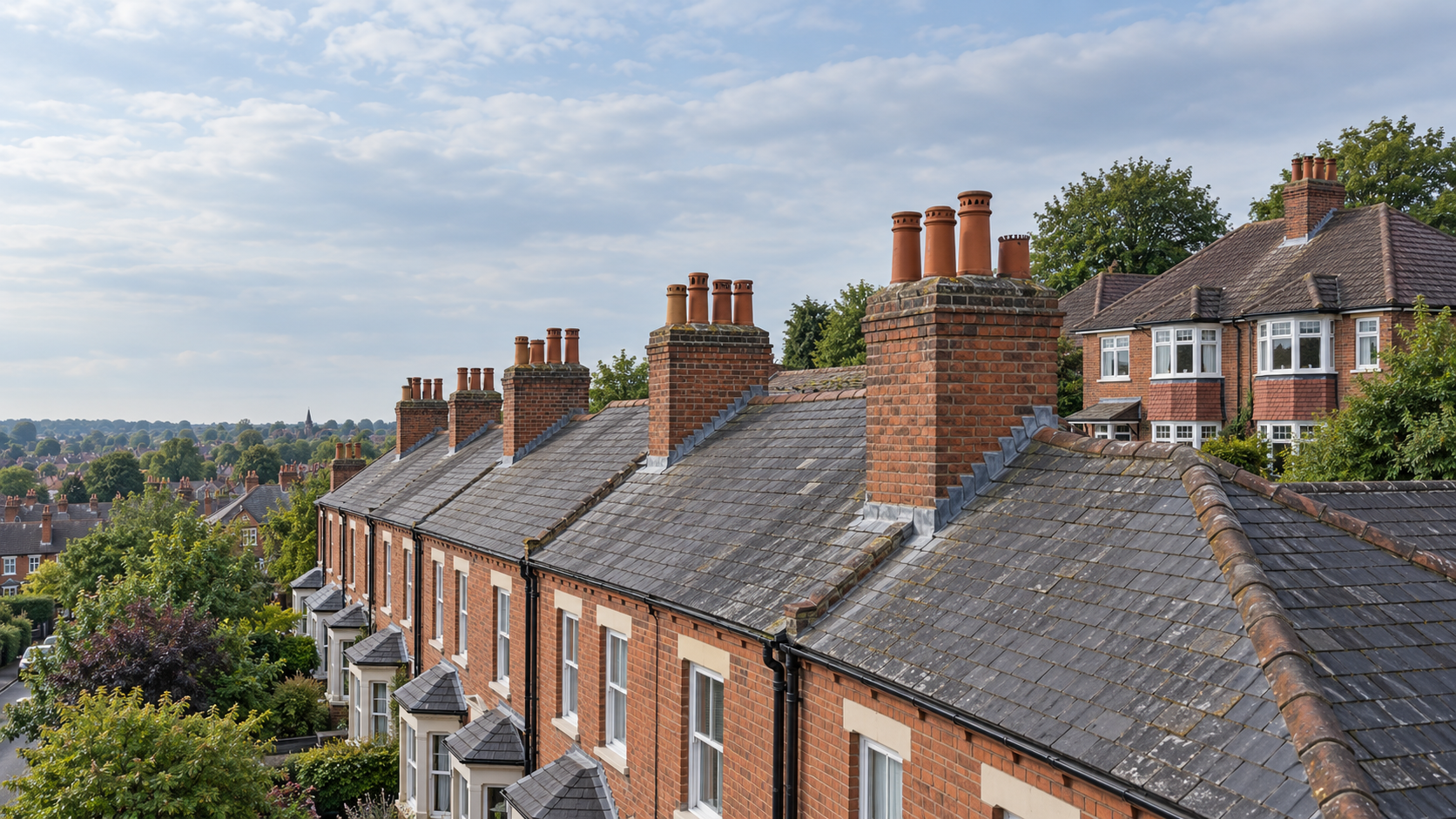
A drone inspection and roof inspection can document the condition of the chimney before work begins. Comparing those images with a later inspection may help identify movement, accidental damage, or changes to the surrounding roof.
External inspection is also useful when scaffolding has been removed and close access is no longer available.
Looking Inside the Flue
Not every issue can be seen from the roof. Construction dust, pieces of mortar, and other debris may fall into an open chimney during renovation work.
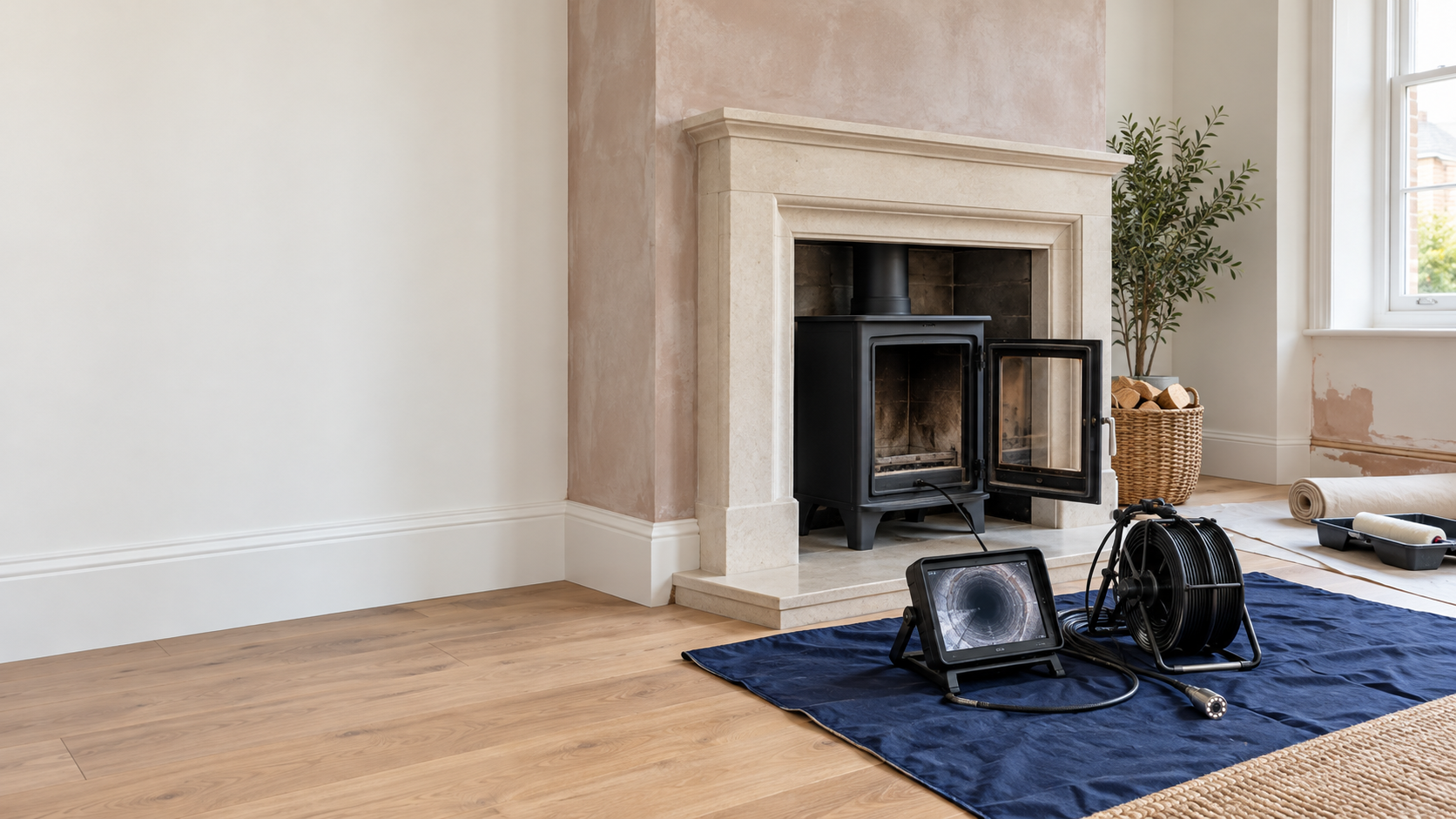
A CCTV and drone inspection can provide information about both internal and external areas. Camera footage may reveal obstructions, damaged joints, or changes to a liner, while aerial images show the stack and roof.
If birds have entered an exposed chimney during construction, bird nest removal may be necessary. Active nests, eggs, and wild birds can be legally protected, so removal should only take place when it is lawful and appropriate.
Checking the Chimney After Work Is Finished
Before using the fireplace or stove again, arrange for the chimney to be checked and swept. Confirm that ventilation has not been blocked and that new building materials have not restricted access or affected the flue route.
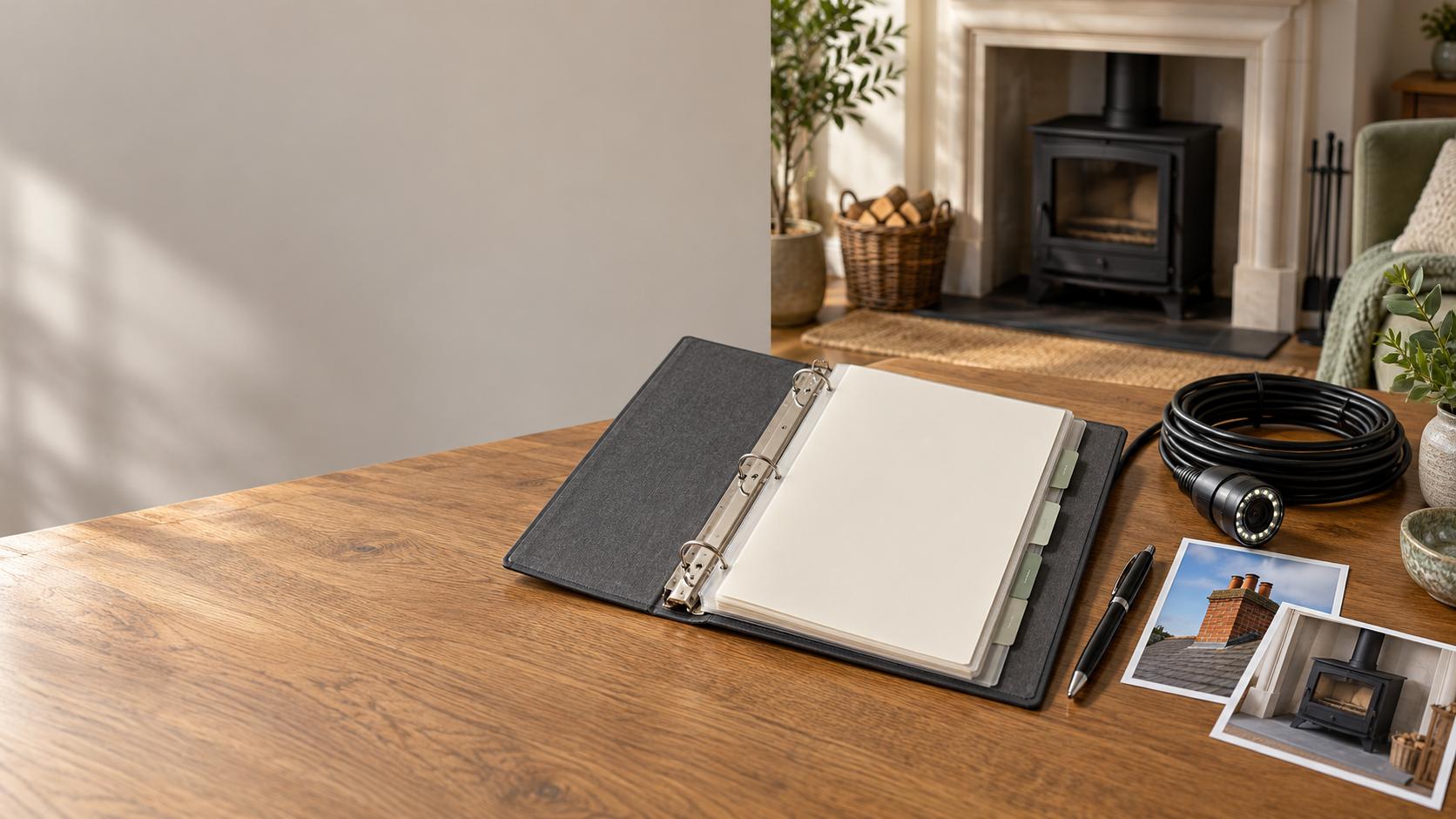
Keeping photographs, inspection findings, and renovation records together can make future maintenance easier. Midlands Sweeps can be included in this process, but recommendations should always reflect the individual property and appliance.
Conclusion
A loft conversion can affect chimney access, ventilation, structural support, and the surrounding roof. Considering these issues before construction begins can prevent avoidable complications. A final sweep and inspection can then help confirm that the chimney is clear and suitable before it returns to use.
Frequently Asked Questions
Can a chimney breast be removed during a loft conversion?
It may be possible, but structural, legal, and appliance-related requirements must be assessed before any work begins.
Should a chimney be swept after building work?
Yes, particularly if dust or debris may have entered the flue during construction.
Can roof alterations affect chimney draught?
They can change airflow around the chimney, although poor draught may also have other causes that require investigation.