

Terraced and semi-detached homes often appear to share one large chimney stack. However, the stack may contain several separate flues serving different fireplaces or properties. This arrangement can make chimney maintenance less straightforward than it first appears.
A problem visible on one side of the stack may affect only one flue, while damaged masonry or flashing can concern the entire structure. Understanding the difference helps homeowners arrange the right inspection and avoid assumptions about which part of the chimney belongs to their property.
One Stack Can Contain Several Flues
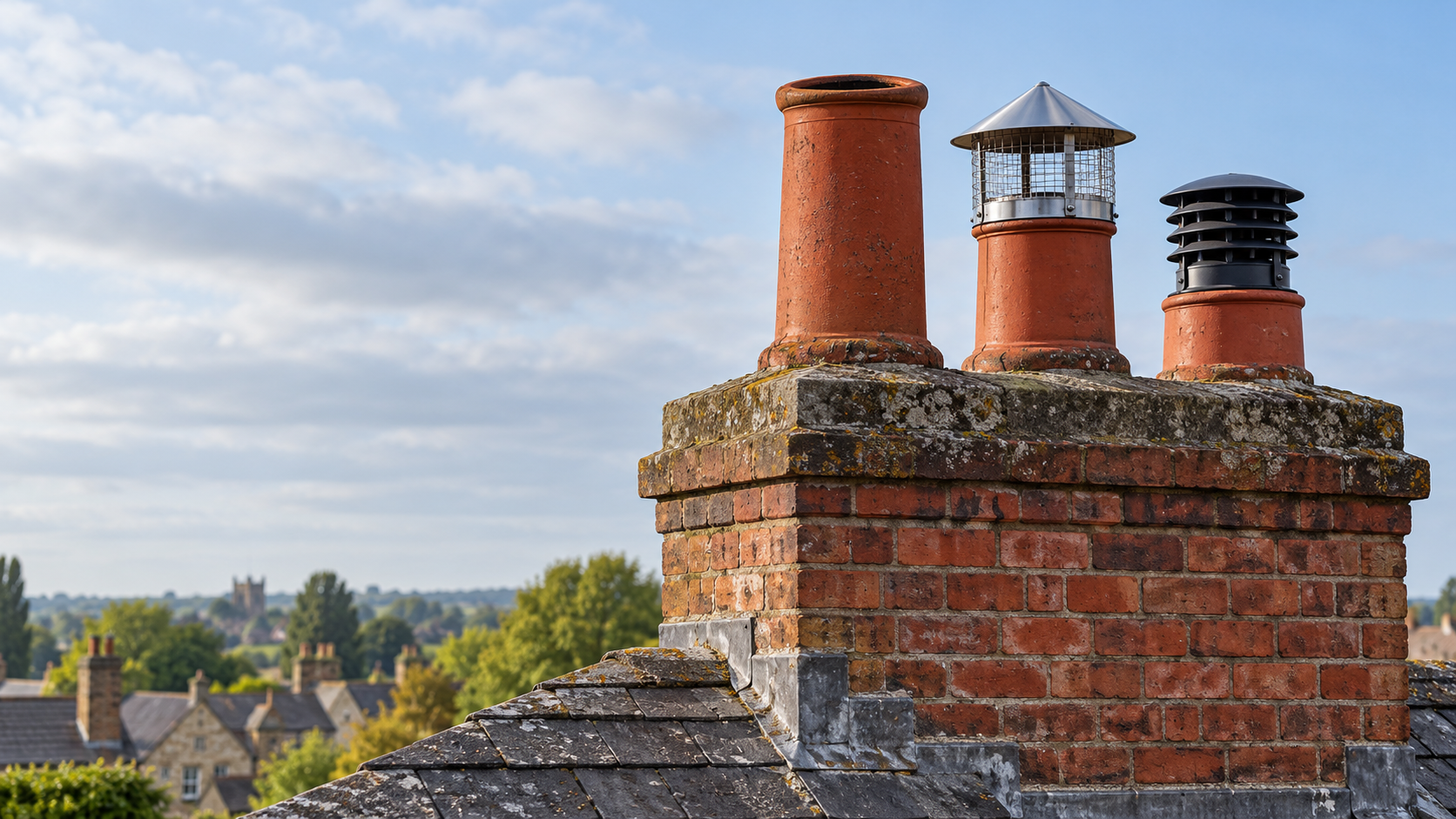
A chimney stack is the exterior structure visible above the roof. Inside it, several flues may run alongside one another. Each flue should provide a separate route for smoke and combustion gases from a particular fireplace or appliance.
In an older terrace, one stack may serve fireplaces in bedrooms and living rooms across neighbouring properties. Some flues may remain active, while others have been blocked, ventilated,, or left unused.
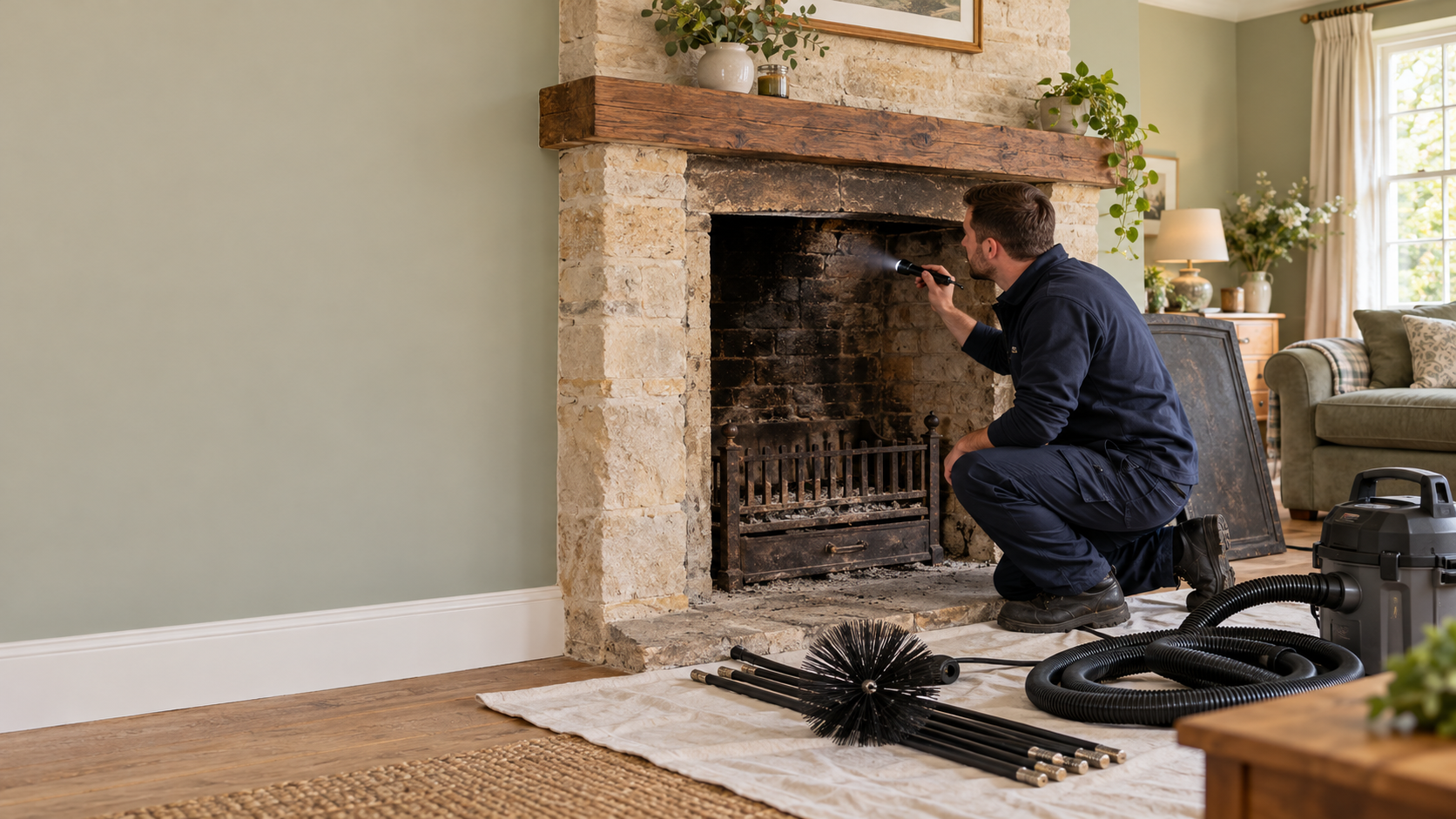
A professional chimney sweep should identify the correct fireplace and flue before beginning work.
Previous Alterations Can Cause Confusion
Older homes may have undergone decades of changes. Fireplaces may have been removed, chimney breasts altered, and openings covered during renovation.
A sealed fireplace does not always mean the flue has been properly closed or ventilated. Likewise, an old stove connection may not show where the flue travels or whether it remains in suitable condition.
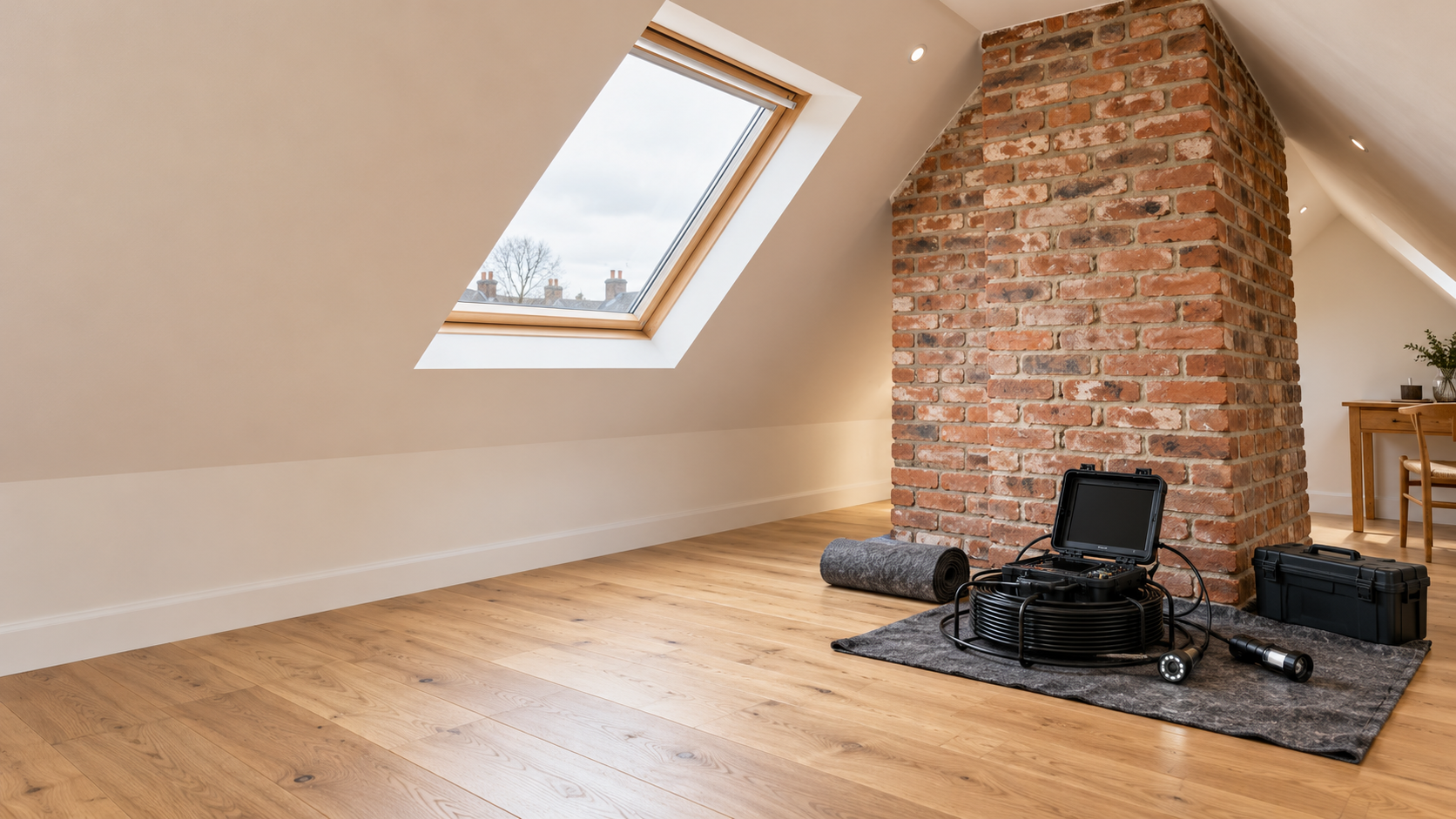
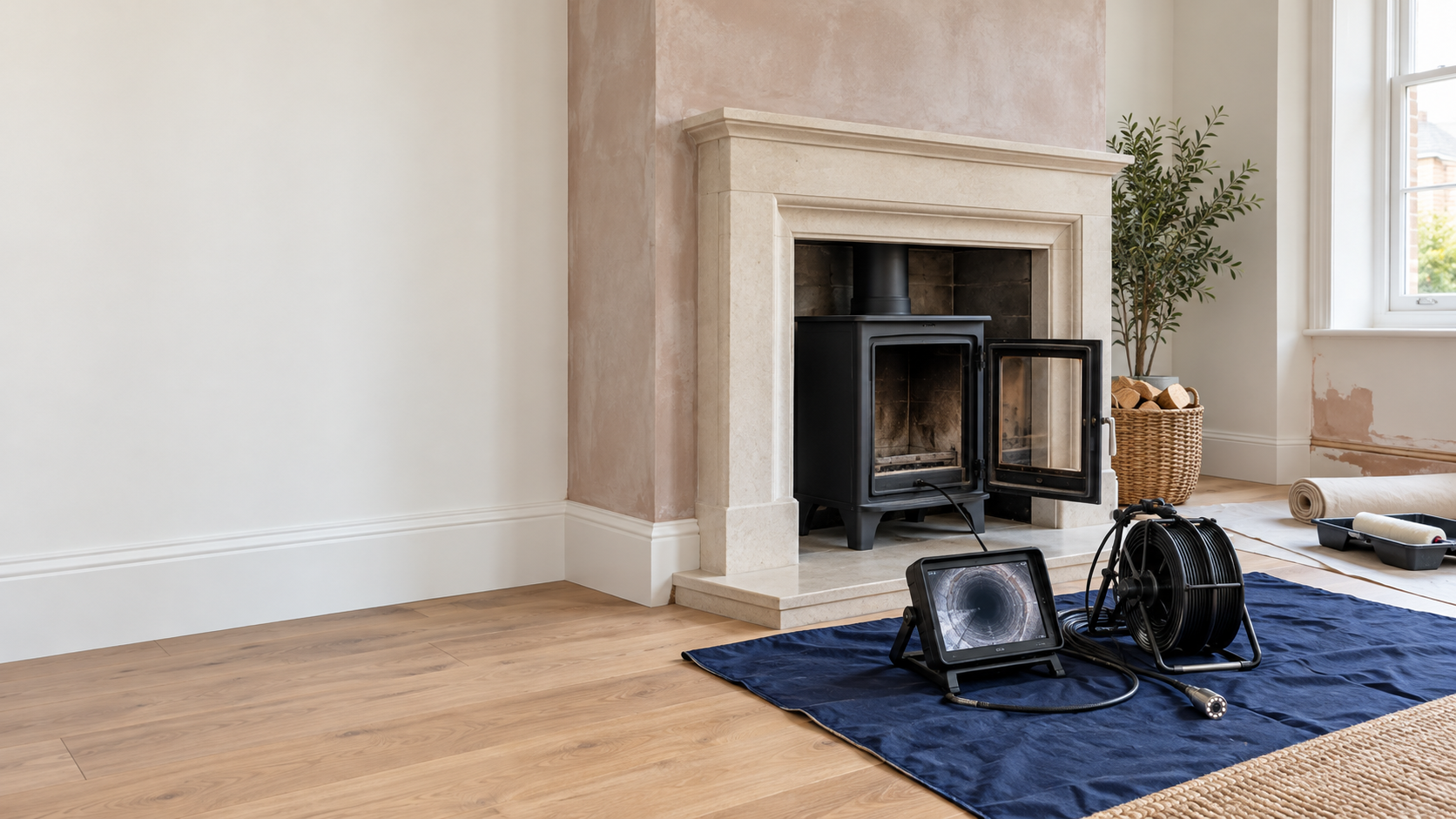
A CCTV and drone inspection can help examine the internal route and the exterior stack. CCTV footage may reveal hidden changes, while drone images provide a wider view of the pots, masonry, and roof.
Exterior Damage May Affect More Than One Home
Cracked mortar, damaged pots, and failed flashing can allow water to enter a shared stack. Damp may then appear in more than one room or property, depending on the location of the defect.
A drone inspection and roof inspection can help record the condition of the stack from different angles. Drone footage may identify visible concerns without immediately requiring scaffolding, while closer physical access may be needed to confirm the repair requirements.
Homeowners should communicate with neighbors when a suspected defect involves a shared structure or access to adjoining property.
Each Active Flue Needs Individual Attention
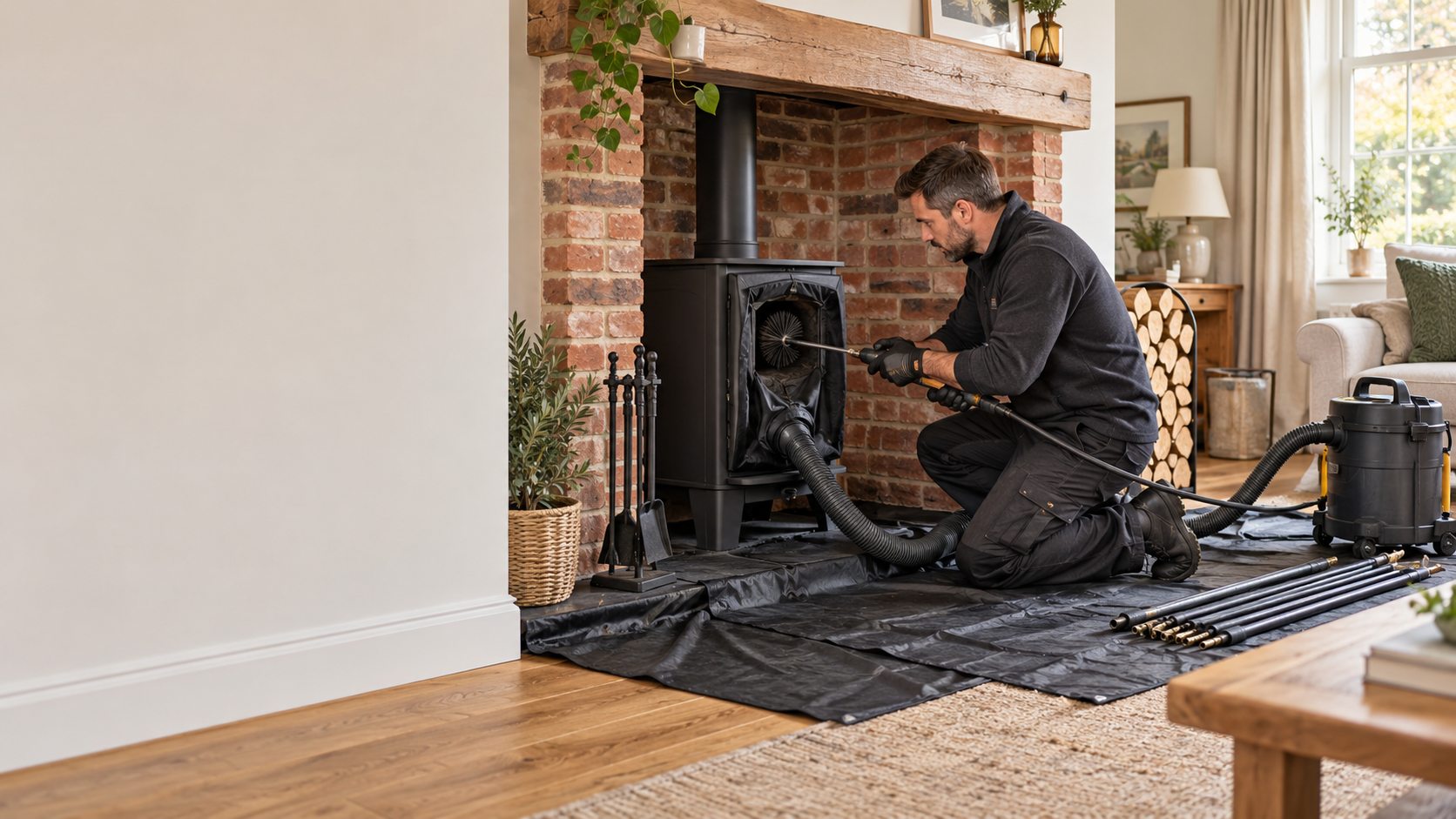
Having one flue swept does not clean the others inside the same stack. Each active fireplace or stove has its own route and maintenance needs.
The frequency of sweeping depends on the appliance, fuel, and level of use. If a neighbor maintains their chimney, this does not confirm that another flue is clear or safe.
Maintenance records should identify the appliance and flue that were actually inspected or swept.
Planning a New Stove in a Shared Stack
A Log burner installation in a terraced or semi-detached home requires careful assessment of the chosen flue. The installer needs to consider the chimney route, hearth, ventilation, clearances, and appliance output.
The presence of a neighboring stove does not mean the other flue is suitable for the same type of installation. Internal dimensions and condition can differ, even within one stack.
Noise, access, and roof work should also be planned considerately where neighboring homes are close together.
When a Liner May Be Required
Older flues may contain deteriorated joints, unsuitable dimensions, or previous alterations. Flue liner installation may be considered when fitting a new appliance or when testing reveals a specific need.
A separate liner is normally required for the individual flue being used. Its type and diameter must suit the appliance, fuel, and chimney arrangement.
The condition of nearby flues should not be used to judge whether the selected flue needs lining.
Birds May Enter One Pot but Block Another Area
A shared stack may have several pots positioned close together. Birds can choose one opening for nesting, making it difficult to identify the affected flue from ground level.
Bird nest removal must be handled carefully because active nests may be legally protected. The flue should be correctly identified before work begins, and removal should only take place when lawful and appropriate.
Any proposed cowl should suit the specific flue and should not interfere with neighbouring chimney pots.
Keep Clear Records
Photographs, diagrams, and inspection reports can help clarify which flue belongs to each fireplace. This information is useful for future maintenance and conversations with neighbors.
Midlands Sweeps covers services including sweeping, inspections, flue liners, stove installation, and nest clearance. Whatever provider is used, homeowners should request documentation that clearly identifies the inspected flue.
Conclusion
A shared-looking chimney stack may contain several completely separate flues. Internal blockages, liners, and sweeping needs usually relate to an individual flue, while external masonry and flashing problems may involve the wider structure.
Correct identification is the first step. Clear records, appropriate inspections, and communication between neighbors can make chimney maintenance easier to manage.
Frequently Asked Questions
Does one chimney sweep clean the whole stack?
No. Sweeping normally addresses one specific flue connected to a particular fireplace or appliance.
Can neighboring fireplaces share the same flue?
They should not be assumed to share one. A specialist inspection can help identify the individual flue routes.
Who is responsible for repairs to a shared chimney stack?
Responsibility depends on property ownership and legal arrangements. Homeowners may need to check their deeds or seek professional advice.