Older homes often attract buyers with their fireplaces, chimney breasts, and traditional character. However, a chimney that looks attractive from inside the room may have hidden problems above the ceiling or within the flue.
A general property survey may identify visible concerns, but it does not always provide a detailed assessment of the complete chimney system. Arranging suitable checks before relying on a fireplace can help a buyer understand its condition and plan future work.
Find Out When the Chimney Was Last Used
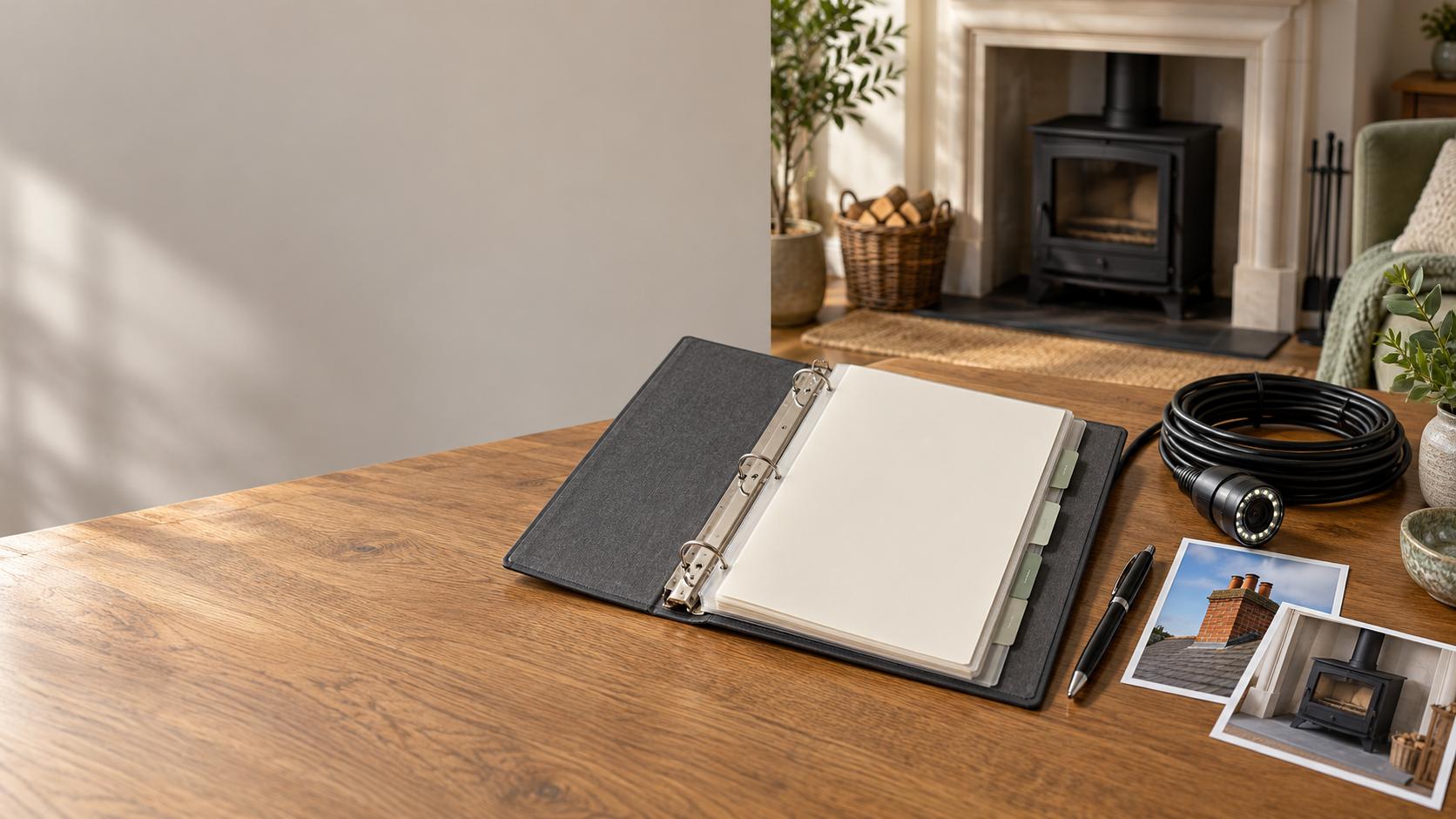
Ask the seller when the fireplace or stove was last used and whether it received regular maintenance. Previous sweeping certificates, installation records, and repair invoices may provide useful background.
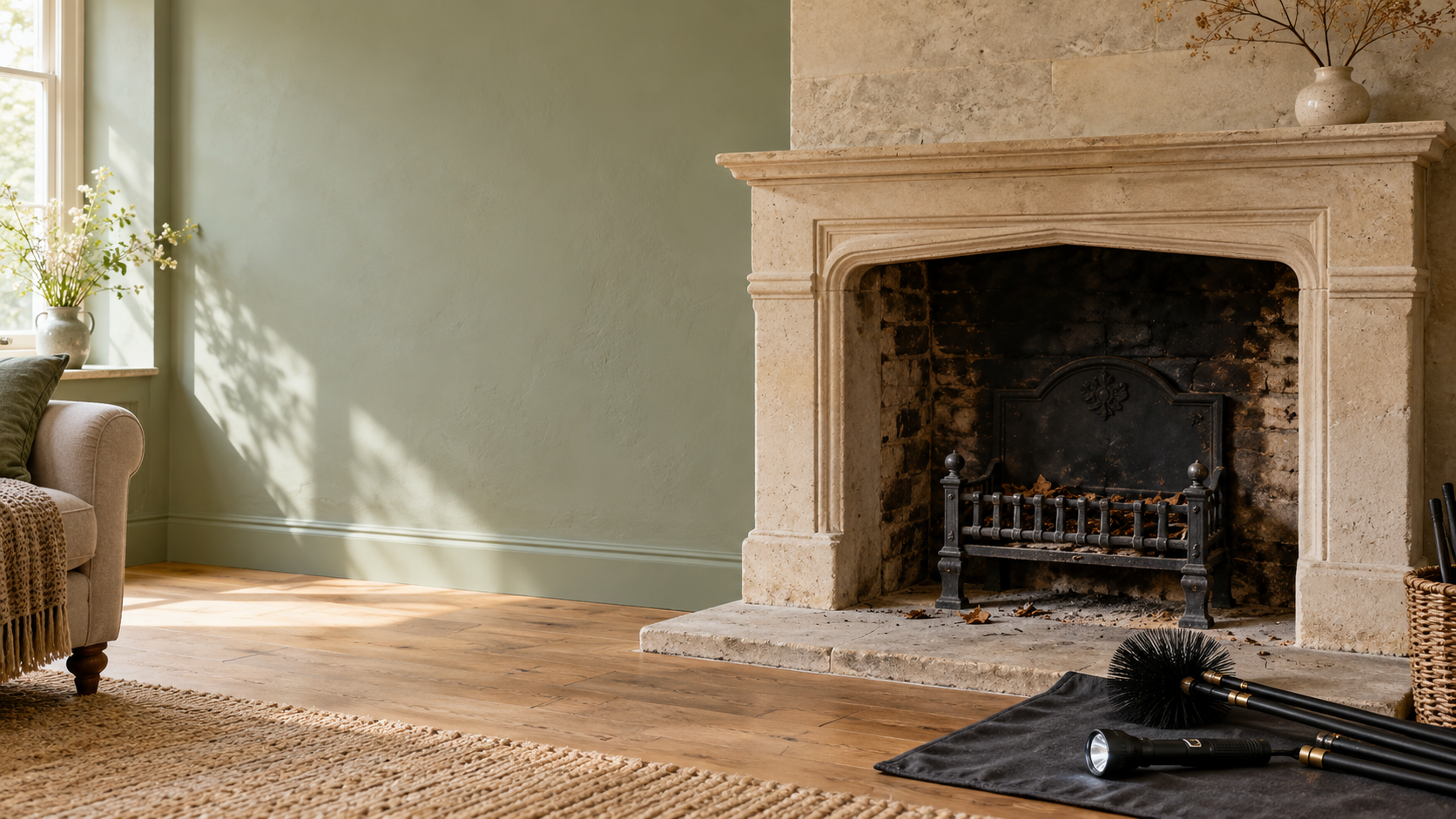
A chimney that has remained unused for years should not automatically be considered safe. Debris, damp, damaged mortar, and nesting material may have developed while it was inactive.
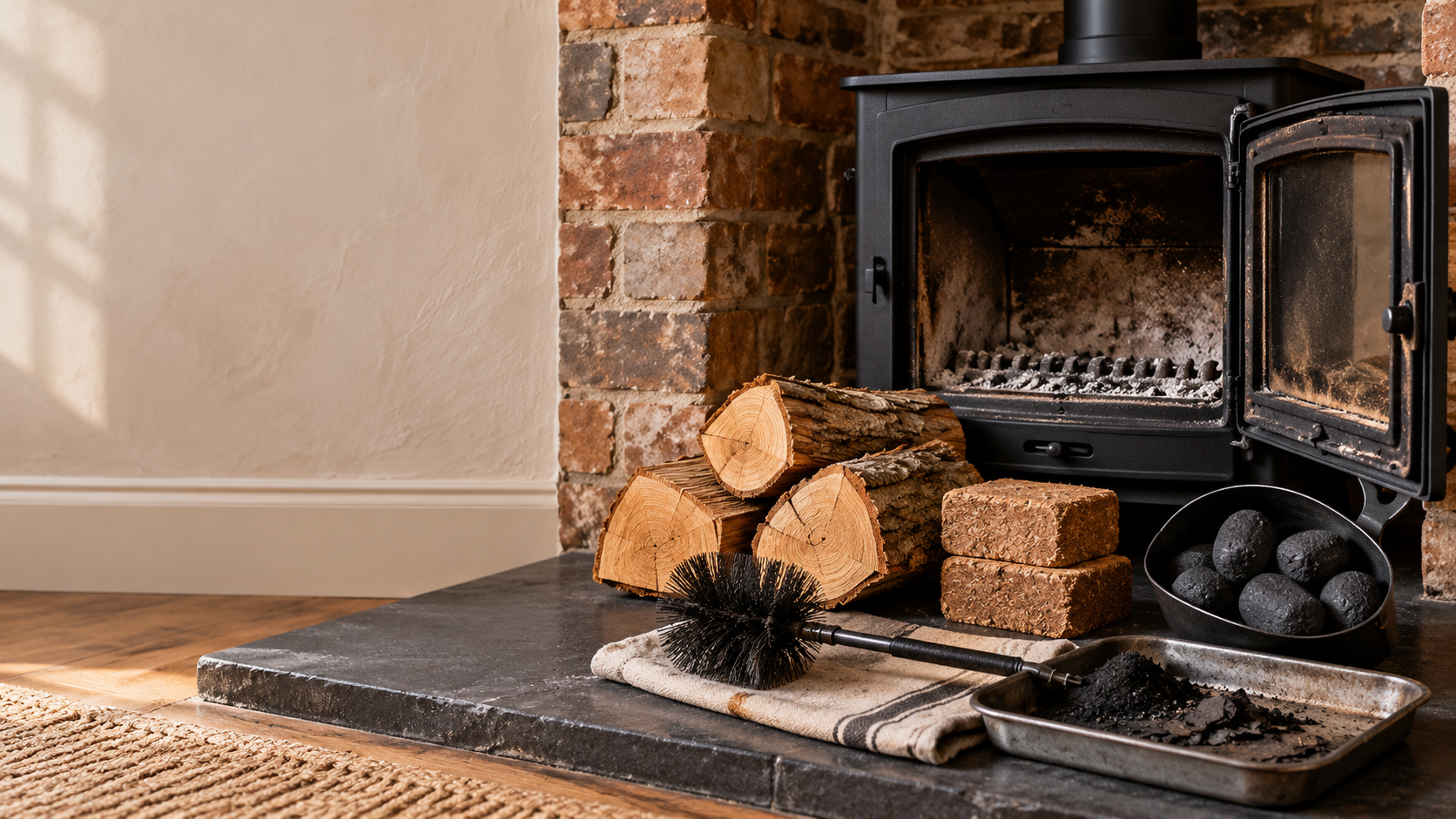
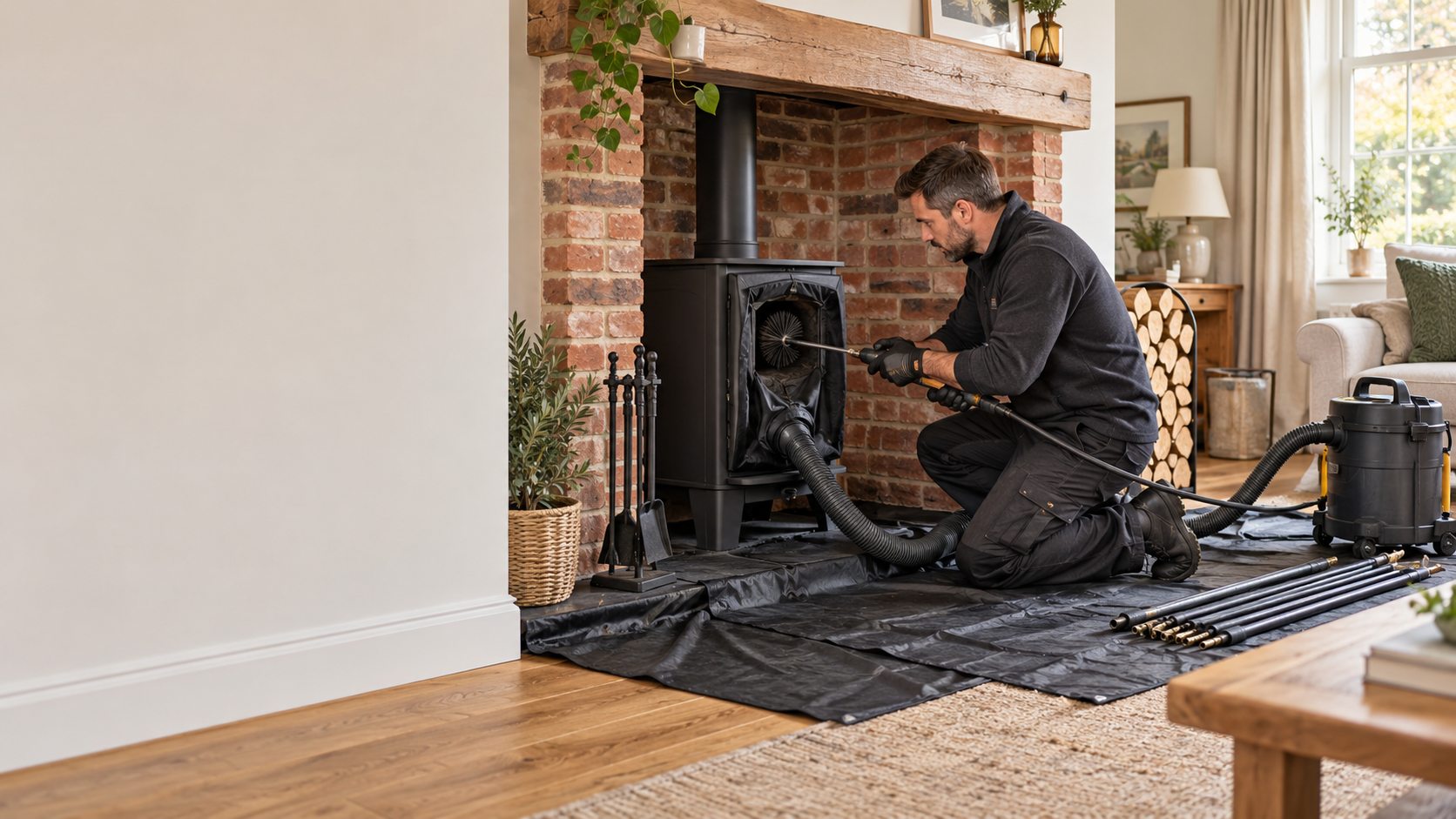
A professional chimney sweep can remove suitable deposits and look for warning signs before the system returns to regular use.
Check the Exterior From Ground Level
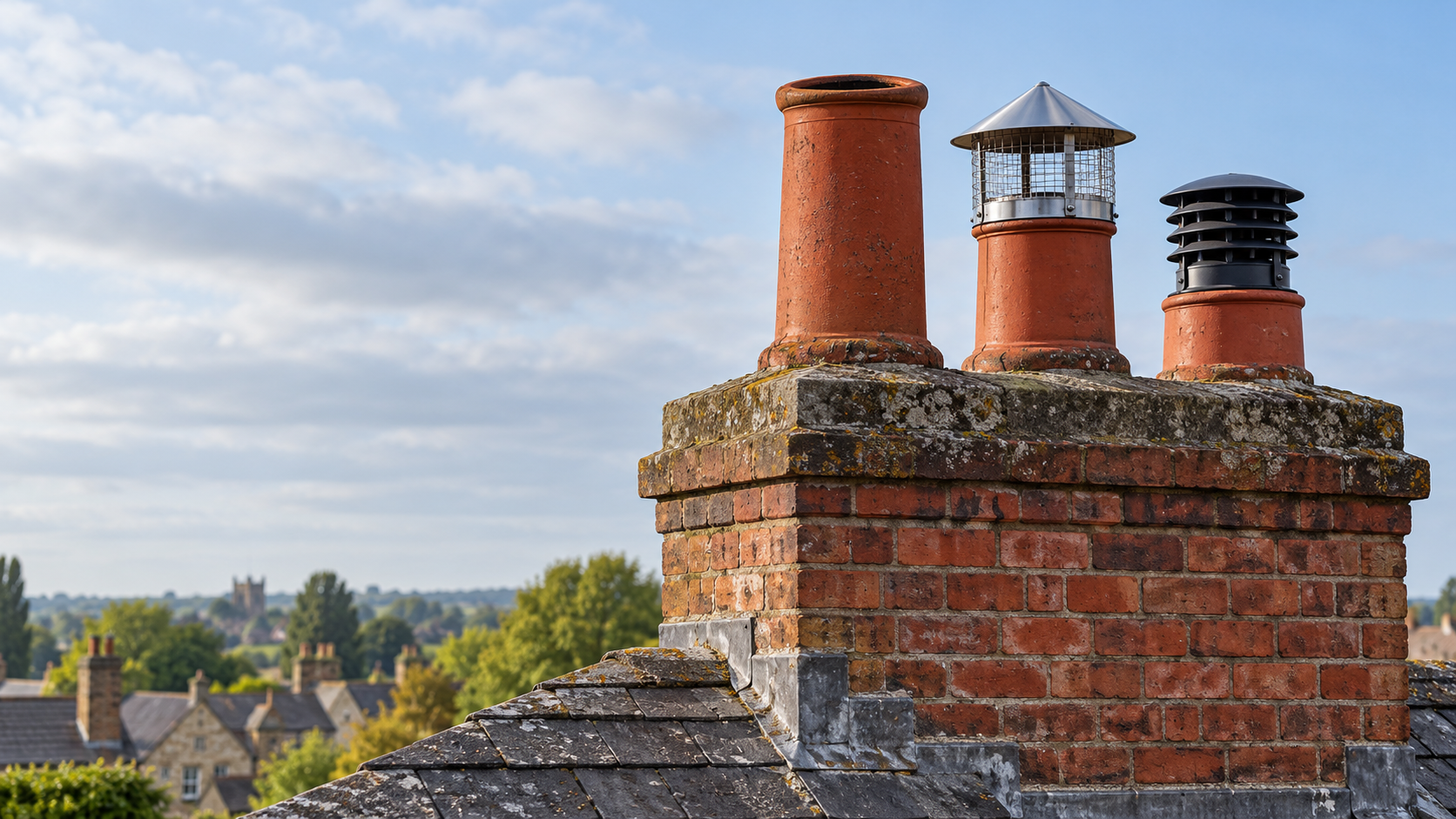
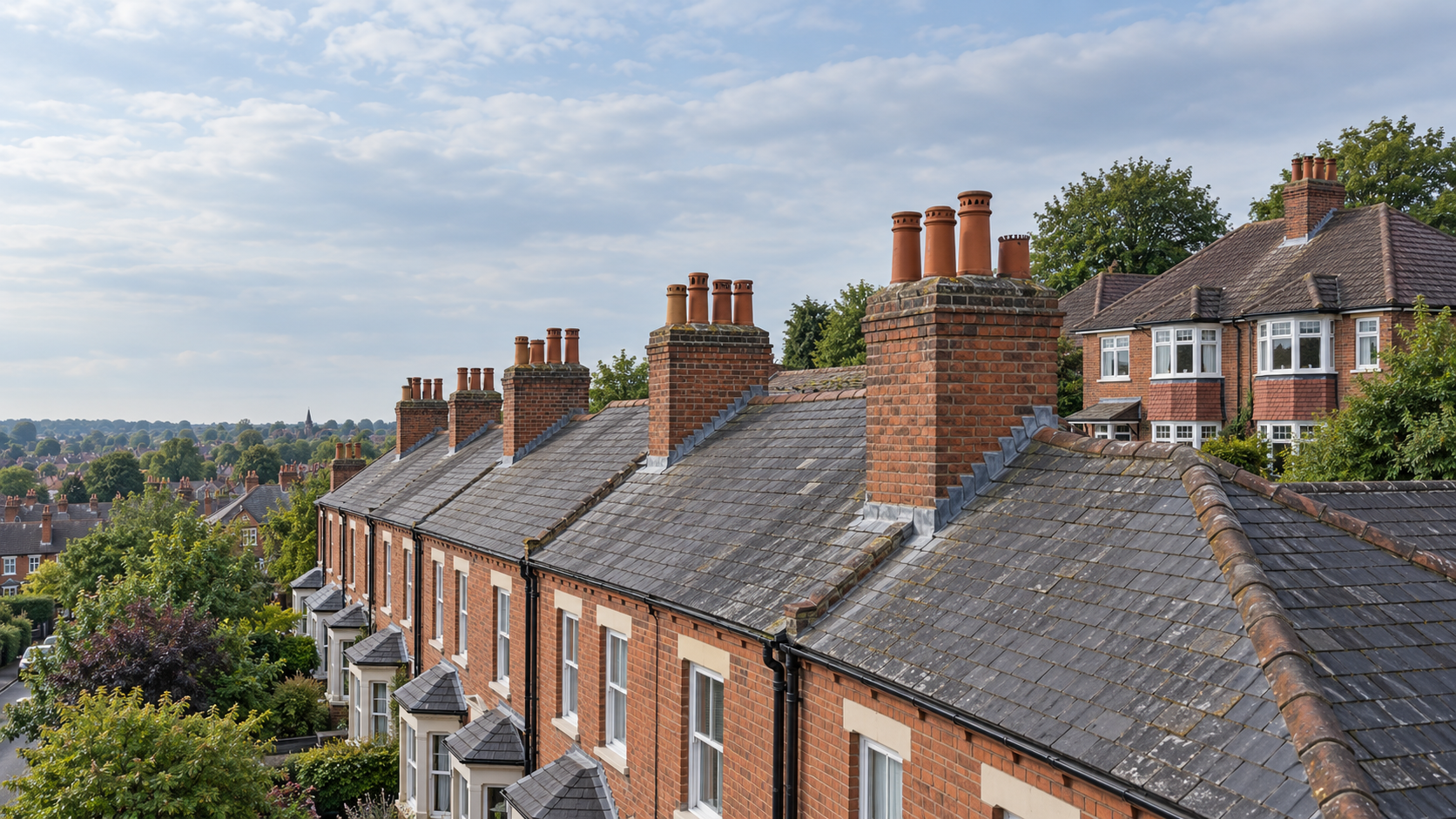
Some chimney defects can be visible from outside the property. Buyers may notice leaning pots, missing mortar, and plants growing from the stack or staining near the roofline.
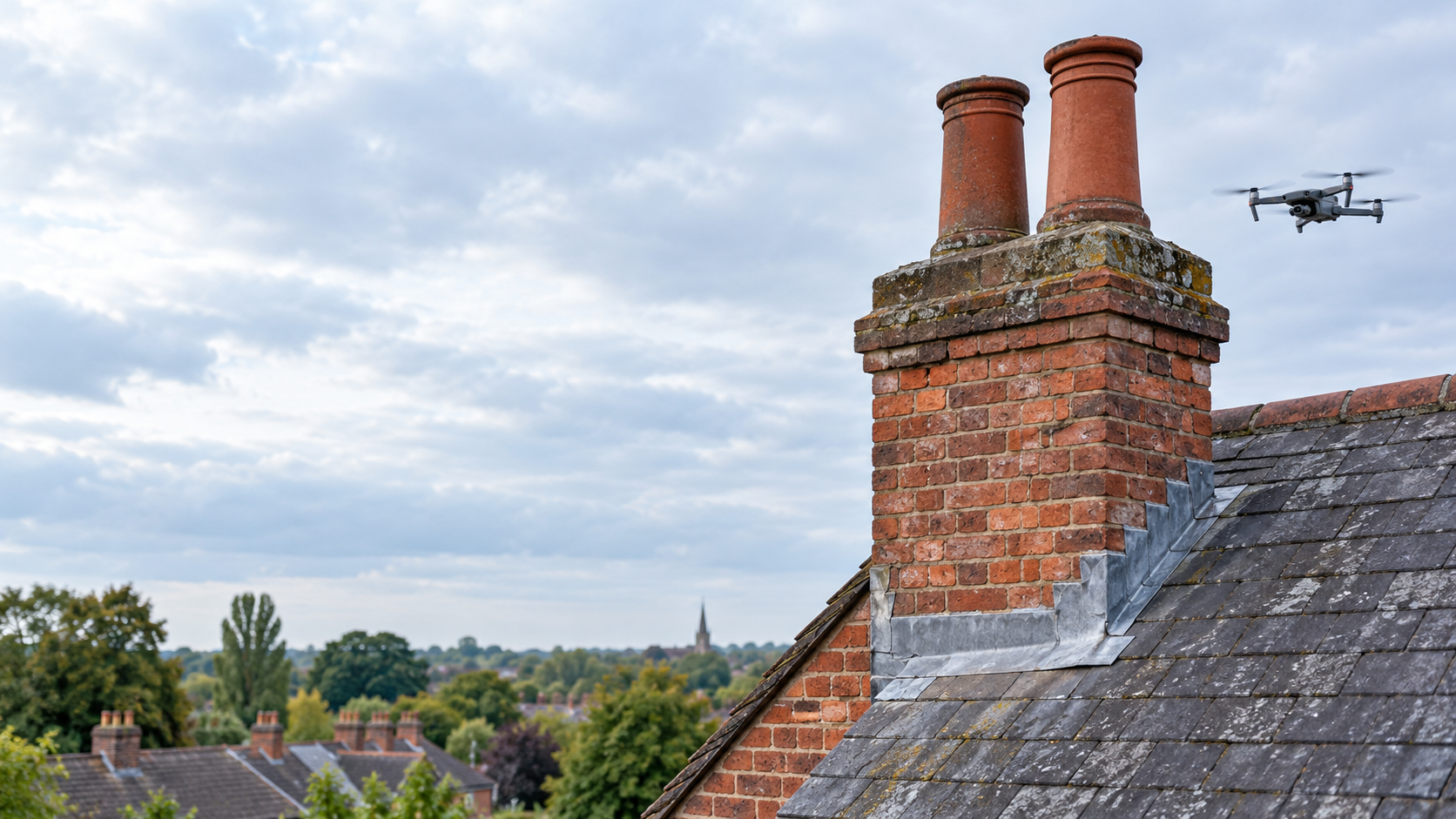
Binoculars can help with a basic ground-level check, but climbing onto the roof without suitable equipment is unsafe. A drone inspection and roof inspection can provide clearer images of hard-to-reach areas.
A drone may reveal damaged flashing, cracked chimney pots, or deteriorated masonry. A closer roof inspection may still be required when the images suggest defects that need physical assessment.
Look Inside the Flue
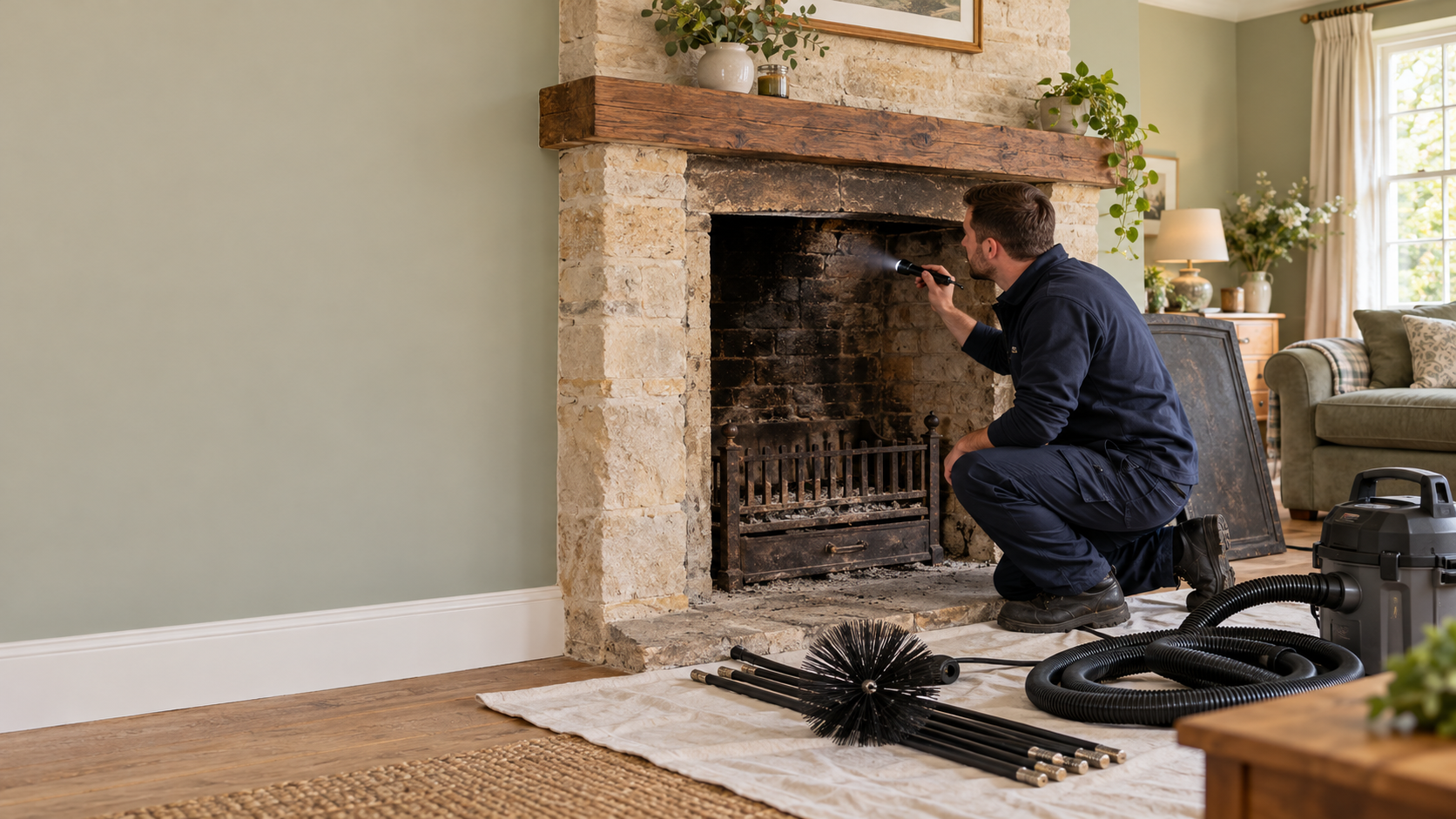
The interior of a chimney may contain damage that cannot be seen from the fireplace opening. Loose masonry, heavy deposits, and partial blockages can affect airflow.
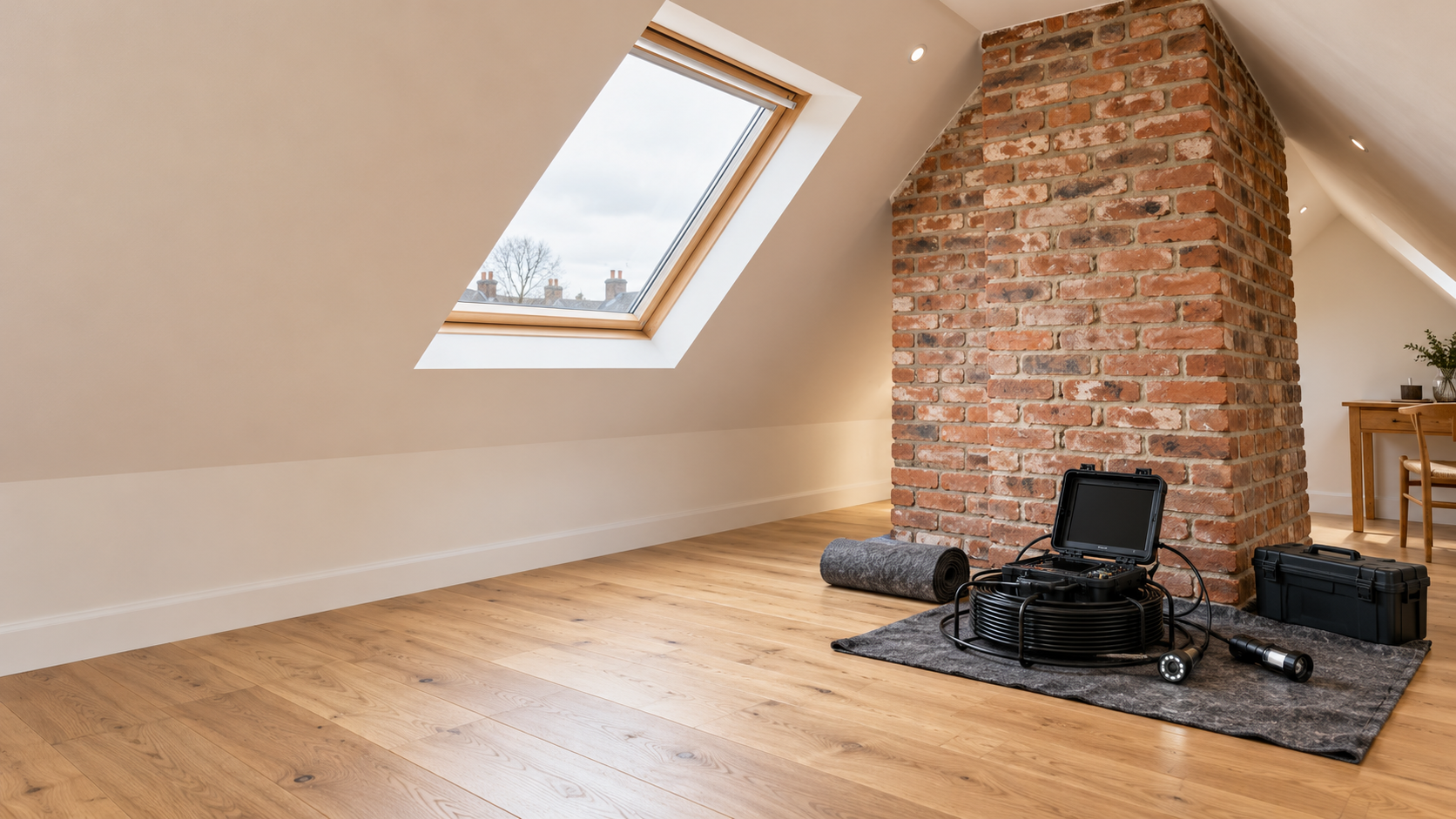
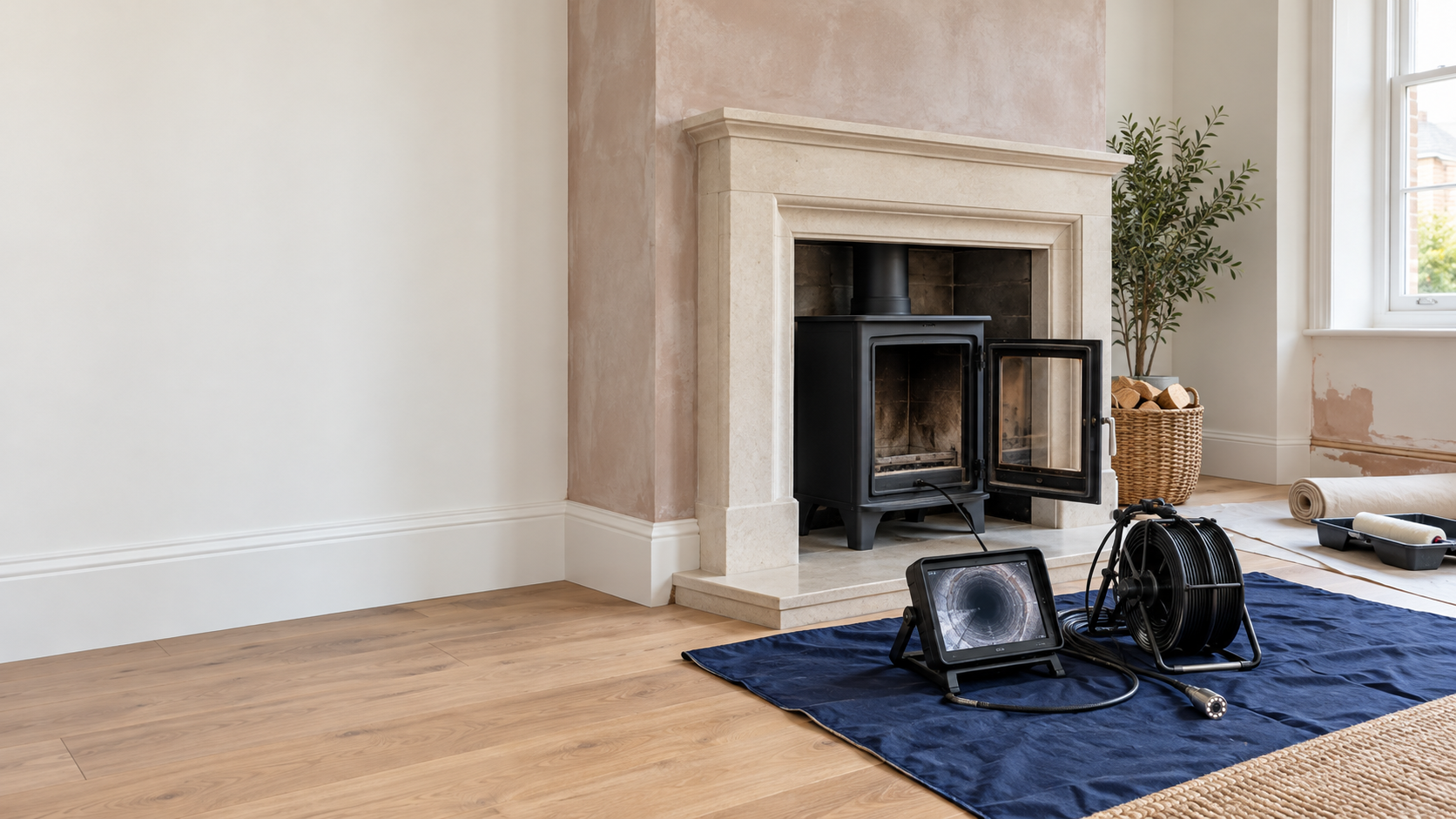
A CCTV and drone inspection combines internal and external information. CCTV equipment can record parts of the flue, while drone footage can show the stack, pot, and surrounding roof.
These inspections serve different purposes. Neither automatically confirms that the chimney is suitable for use, but together they can help determine which checks or repairs may be needed next.
Ask Whether the Chimney Has a Liner
Some older chimneys were built without the type of liner expected for a modern stove. Existing liners can also deteriorate or become unsuitable for a new appliance.
Flue liner installation may be considered when fitting a stove or when testing identifies leakage or damage. However, a liner should not be selected based only on the age of the property.
Its material and diameter must be appropriate for the appliance, fuel, and chimney arrangement. A qualified assessment is therefore necessary before any installation decision is made.
Check for Signs of Nesting
Open chimney pots can attract birds. Twigs may fall into the fireplace, while feathers, insects, or unusual smells can suggest nesting material inside the flue.
Bird nest removal should be approached carefully because active wild bird nests may be legally protected. The situation should be checked before any material is disturbed, and work should only take place when it is lawful and appropriate.
Once an inactive nest has been properly removed, a suitable cowl may help reduce future nesting without restricting ventilation.
Plan Carefully for a New Stove
A visible fireplace opening does not mean the chimney is immediately ready for a log burner installation. The hearth, flue, ventilation, and available space must suit the proposed appliance.
The stove output should also match the room. Choosing an appliance that is too large may produce uncomfortable heat and encourage inefficient use.
Any planned installation should account for the chimney’s actual condition rather than relying on its appearance.
Include Findings in the Property Budget
A chimney issue does not necessarily mean that an older property should be avoided. It does mean that the buyer should understand the likely work and cost before proceeding.
Findings may range from routine sweeping to masonry repairs, nest clearance, lining, or a more detailed inspection. Recording these items can help buyers prioritize work after completion.
Midlands Sweeps provides services related to sweeping, inspections, stove installation, liners, and blockages. Regardless of the provider selected, buyers should request clear findings and understand what each inspection covers.
Conclusion
A chimney can be an appealing feature in an older home, but its condition is not always visible from the room below. Reviewing maintenance records, inspecting the exterior and assessing the flue can help identify hidden concerns.
Buyers should avoid using an unfamiliar fireplace or stove until it has been properly checked. Early investigation provides clearer information for budgeting, maintenance, and future heating plans.
Frequently Asked Questions
Is a property survey enough to assess a chimney?
A survey may identify visible defects, but specialist internal or external inspection may be needed for a more detailed assessment.
Can an unused chimney still contain soot?
Yes. Old deposits can remain inside the flue, while additional debris or nesting material may collect during periods of disuse.
Should I light a fire to test the chimney?
No. An unfamiliar chimney should be inspected before use, especially when its maintenance history and internal condition are unknown.