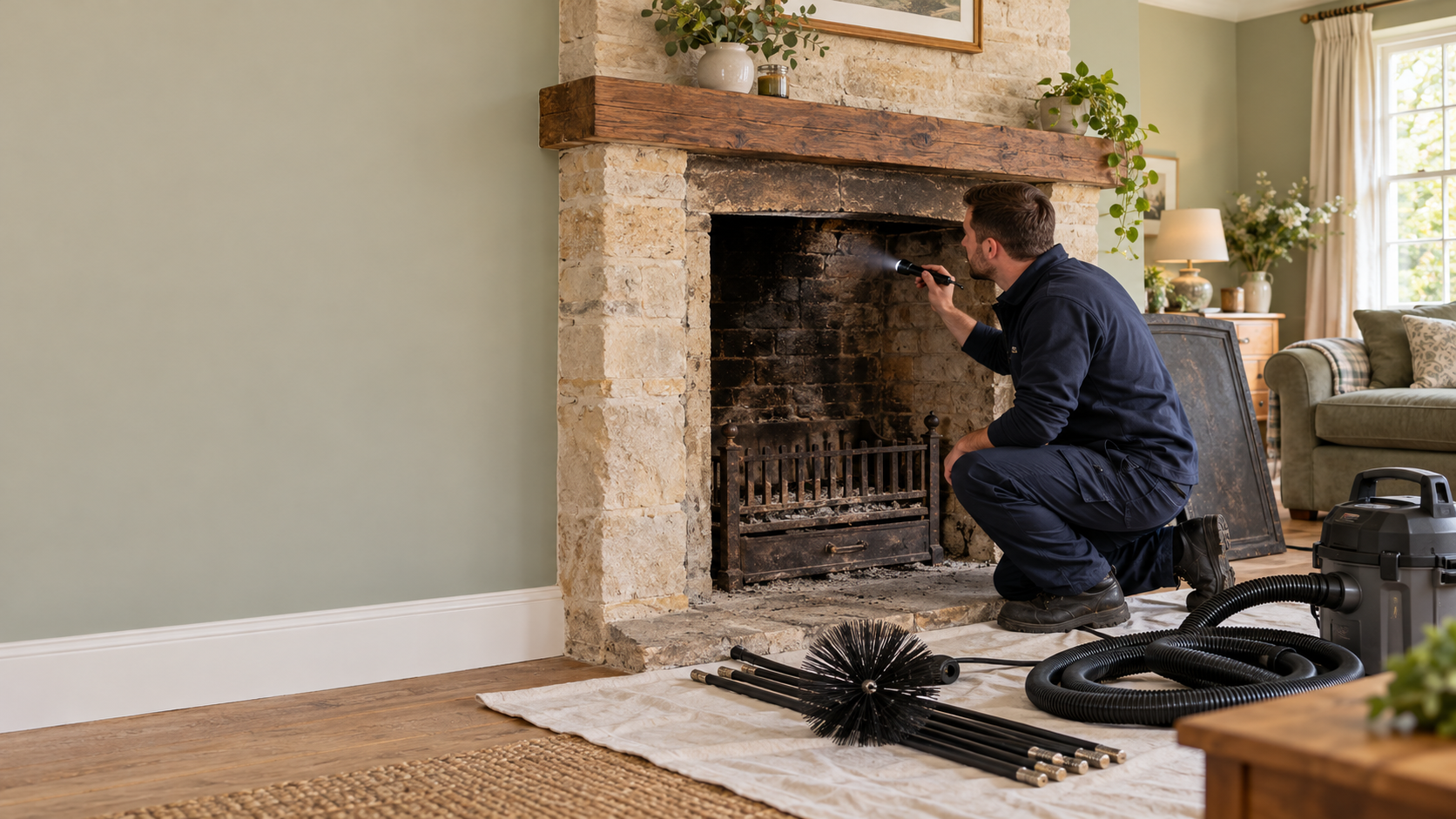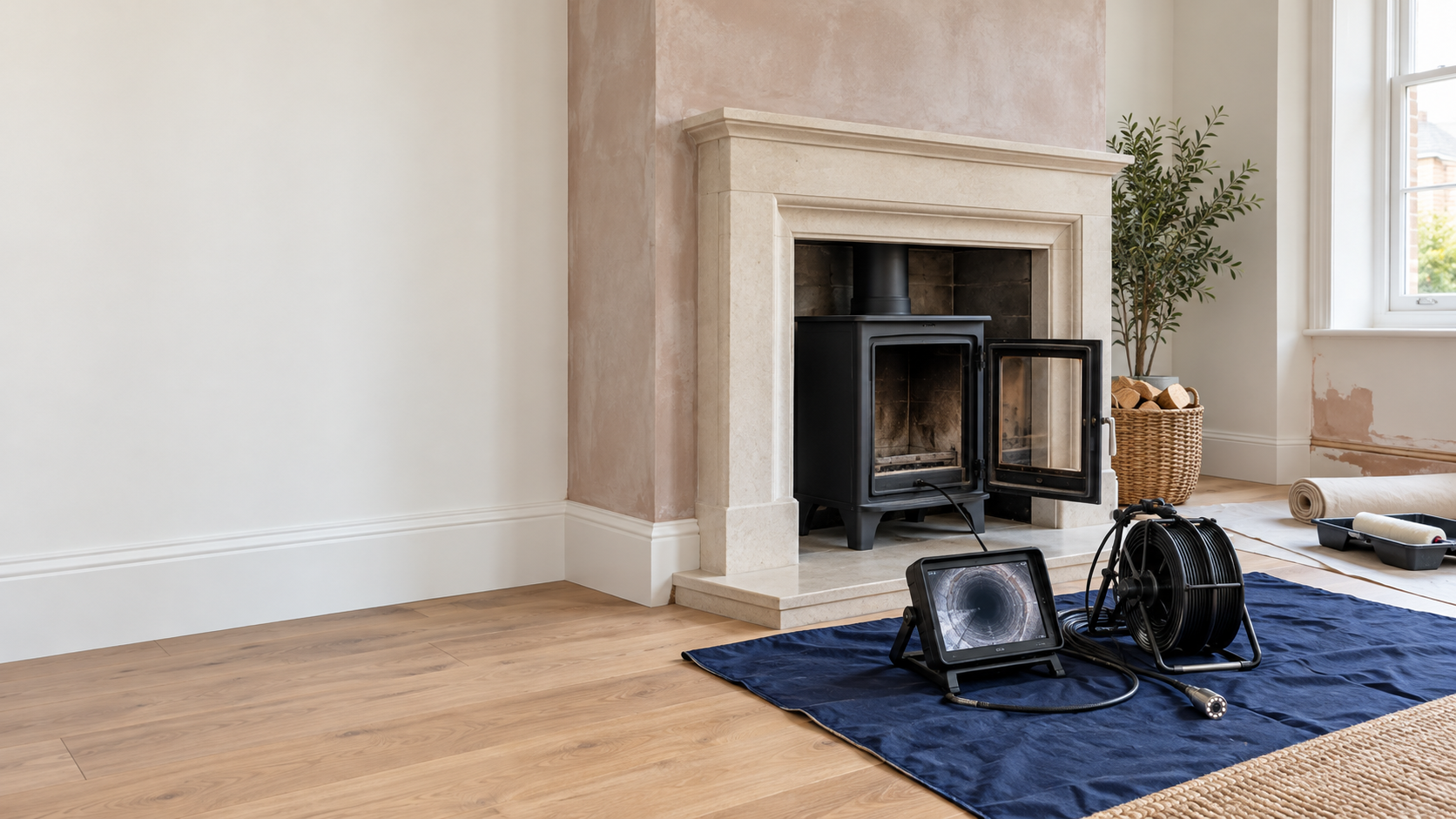


A crack near a chimney breast does not always indicate a serious structural problem, but it should not be ignored. Some cracks develop as plaster dries or a building naturally settles, while others may relate to heat, moisture, movement, or changes made to the chimney.
Understanding where the crack appears and whether it is changing can help homeowners decide when a closer inspection is appropriate.
Small Cracks in Plaster
Fine hairline cracks are common in plaster, particularly in older properties. They may appear where different materials meet or after decorating, heating changes, or minor building movement.
A small crack that remains stable may only affect the surface finish. However, repeated cracking in the same area could suggest movement behind the plaster. Photographing the crack and monitoring it over several weeks can help determine whether it is becoming wider or longer.
Heat Can Affect Surrounding Materials
Fireplaces and stoves create substantial heat. If the materials around an appliance are unsuitable or have been installed too close to the heat source, cracks may develop in plaster, render, or decorative finishes.
A safe log burner installation should consider the hearth, ventilation, clearances, and heat-resistant materials surrounding the appliance. Cracking that appears after a new stove has been fitted should be assessed rather than simply covered with filler.
Homeowners should also stop using the appliance if the crack is accompanied by smoke leakage, unusual smells, or excessive heat on nearby surfaces.
Moisture May Be the Underlying Cause
Water entering around chimney flashing, damaged mortar, or a cracked chimney pot can travel down through the structure. Damp patches, staining, peeling paint, and crumbling plaster may appear around the chimney breast.
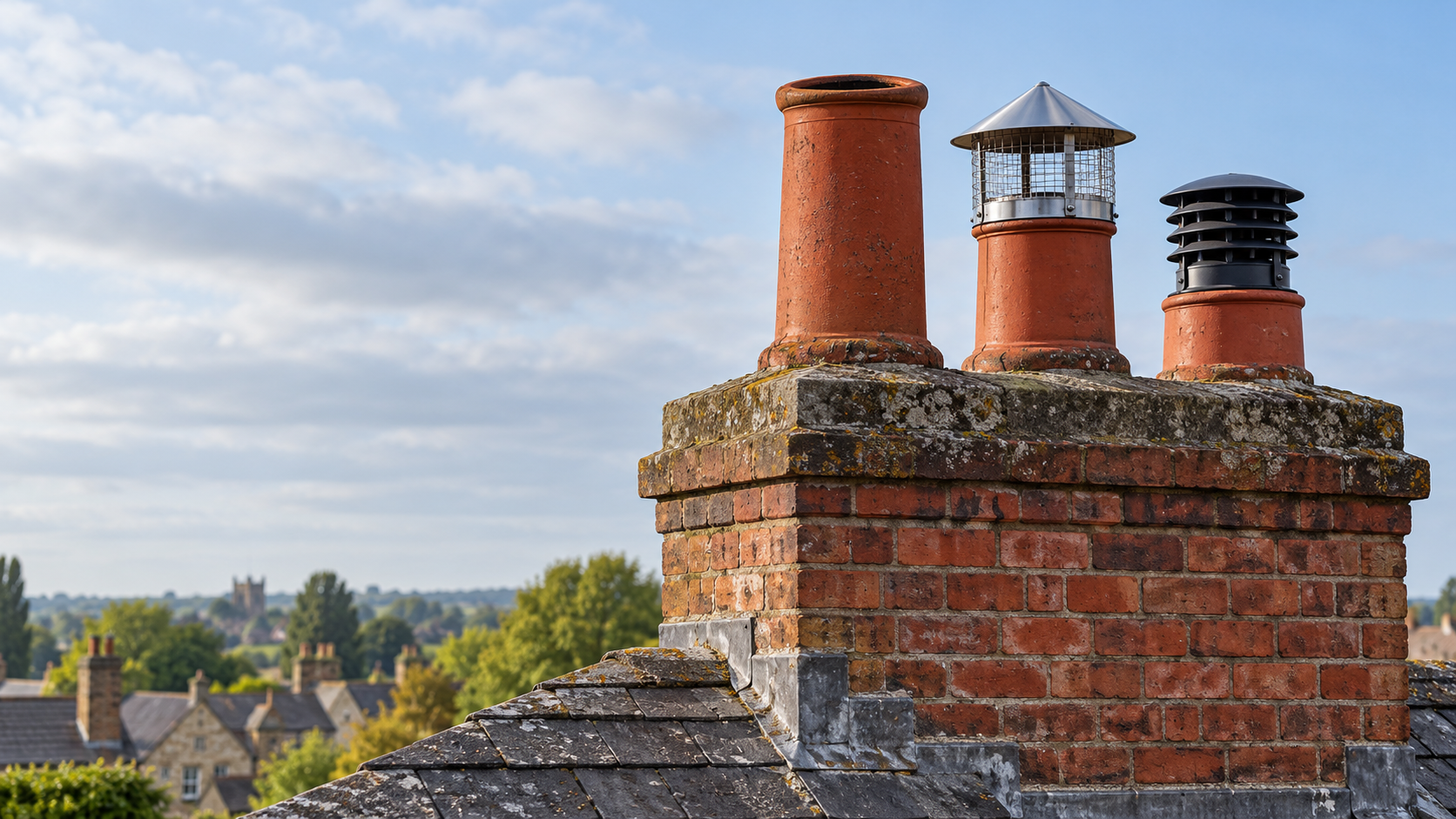
A drone inspection and roof inspection can help identify visible defects around the chimney stack, flashing, and roof covering. A drone provides useful external images, while a closer physical examination may be required to confirm the cause and extent of damage.
Repairing internal decoration without dealing with the source of moisture is unlikely to provide a lasting solution.
Internal Flue Problems Can Be Hidden
Some defects cannot be seen from inside the room or from ground level. Deteriorated mortar joints, damaged liners, and internal blockages may require a more detailed assessment.
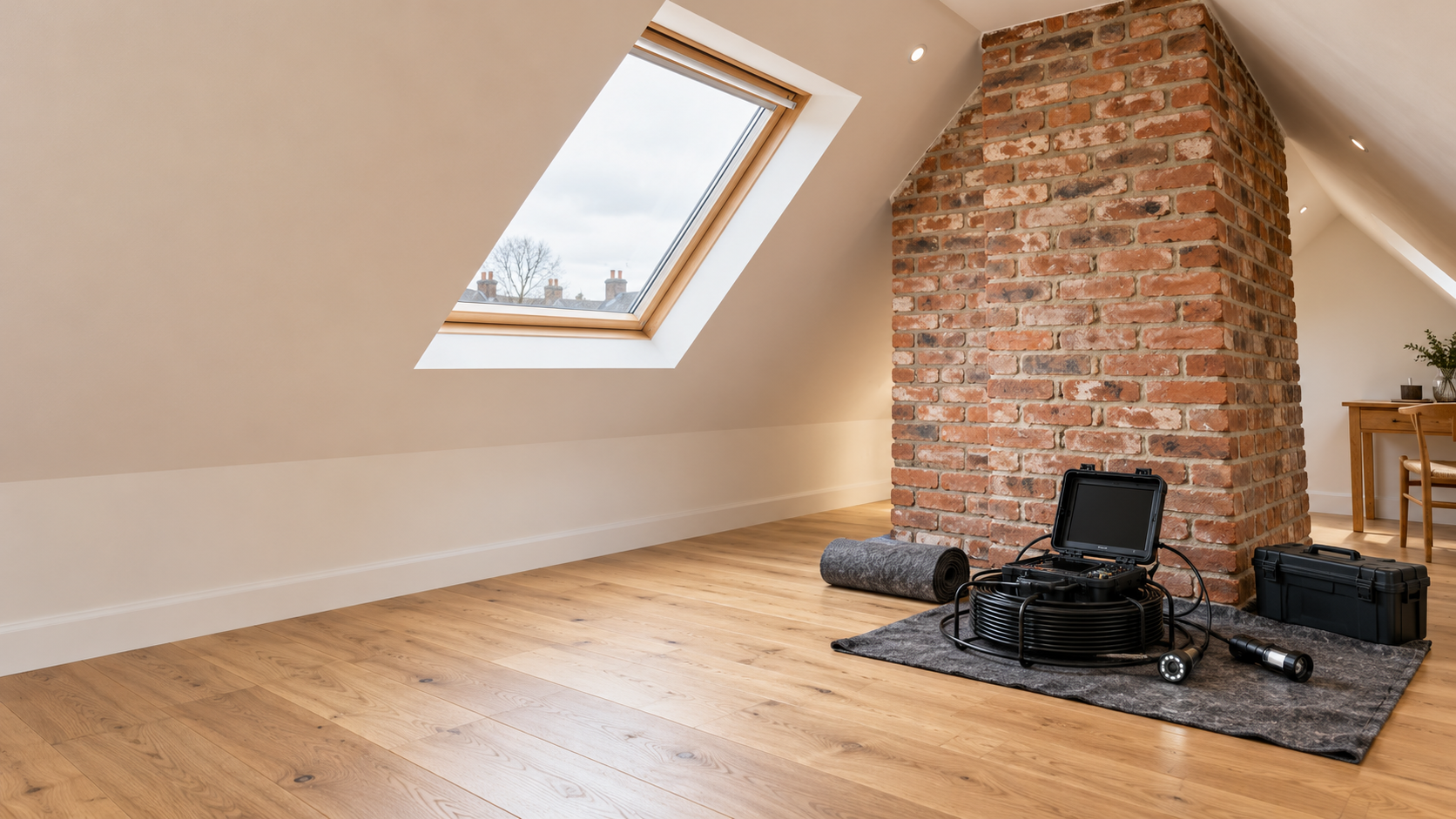
A CCTV and drone inspection can provide information about both the internal flue and the external chimney. CCTV footage may reveal cracks, obstructions, or deterioration inside the flue, while drone images can show the condition of difficult-to-reach roof areas.
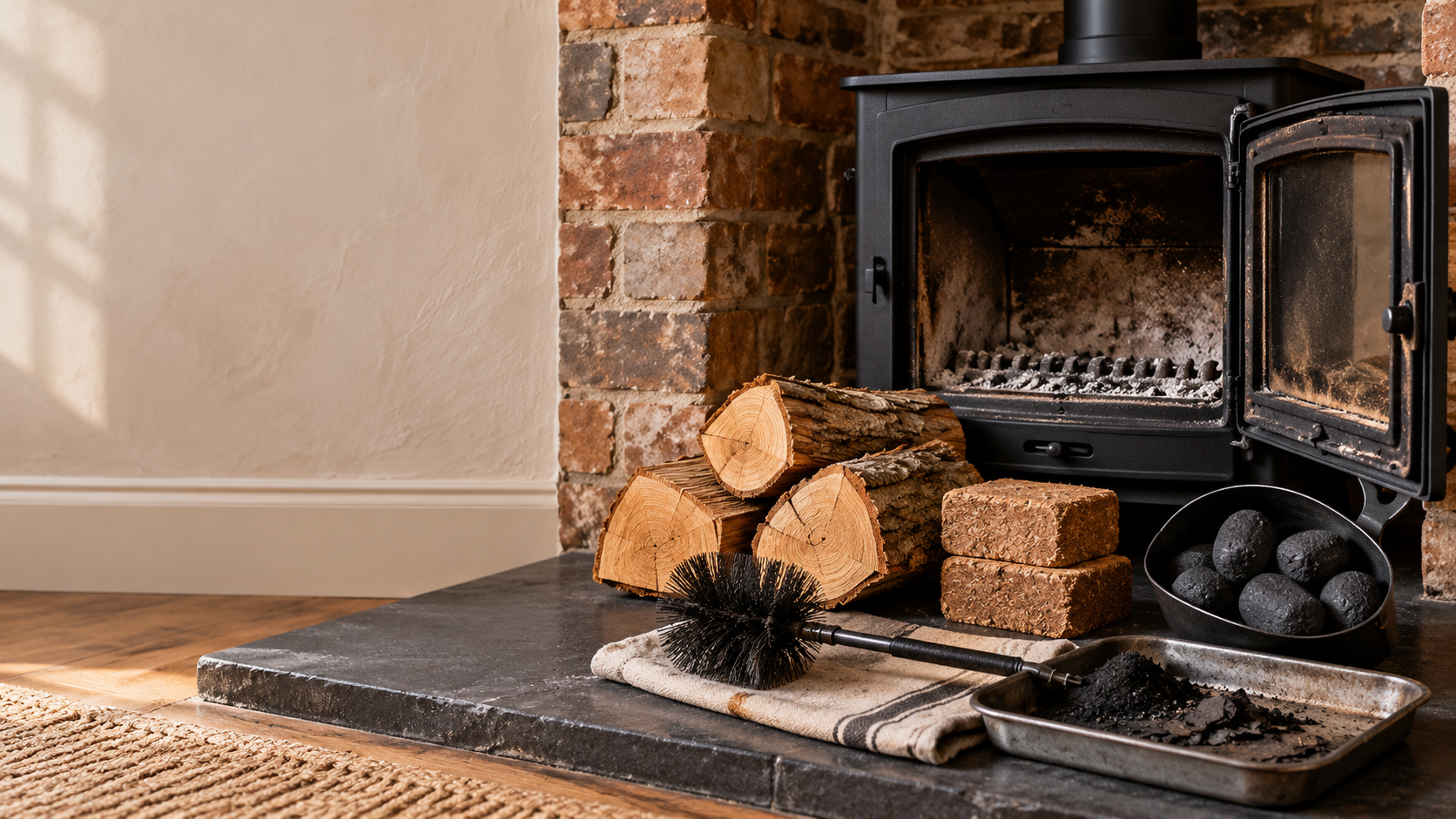
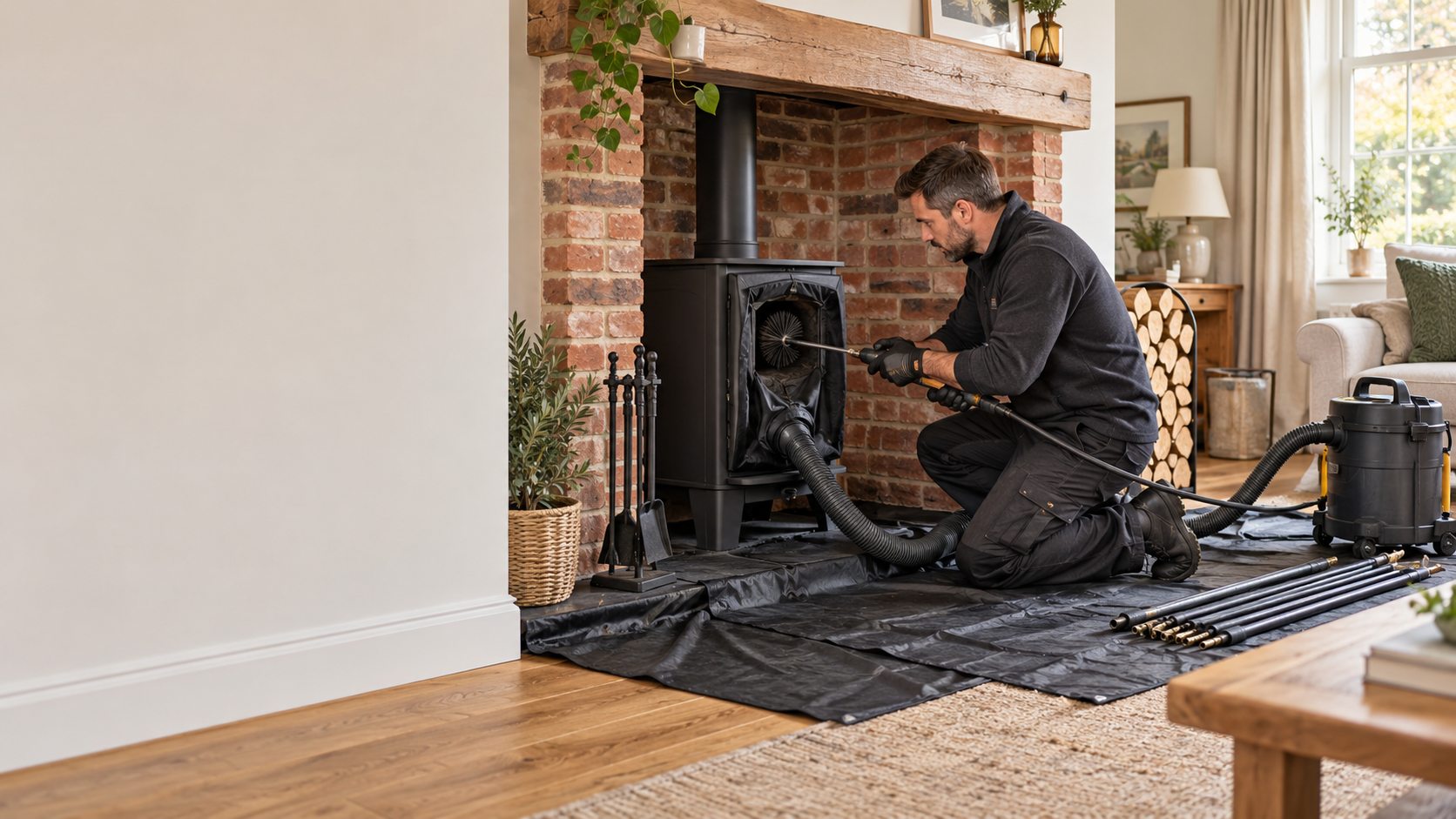
Regular work by a chimney sweep can remove soot and loose deposits, but sweeping alone does not repair structural damage.
When a Flue Liner May Be Considered
A damaged or unsuitable flue can affect how combustion gases travel through the chimney. Flue liner installation may be recommended when the existing flue is deteriorated or incompatible with an appliance.
The correct decision depends on the chimney, fuel type, and appliance. A liner should not be installed simply to hide an unidentified defect. The condition of the chimney should be assessed first so the underlying issue can be understood.
Blockages and Bird Activity
Birds may carry twigs into an open chimney pot, creating partial or complete obstructions. Nesting material can restrict airflow, retain moisture, and contribute to unpleasant smells.
Professional bird nest removal must only take place when legally permitted. Active nests, birds, and eggs may be protected. After an inactive nest has been cleared, an appropriate cowl may help reduce the risk of future nesting.
Midlands Sweeps can be considered for chimney maintenance and inspection services, but any significant or widening crack may also require assessment by a suitably qualified building professional or structural engineer.
Conclusion
Cracks around a chimney breast can result from surface movement, heat, moisture, or deterioration within the chimney. The location, width, and progression of the crack all matter. Monitoring minor cracks and arranging an inspection when warning signs appear can help homeowners identify the cause before carrying out cosmetic repairs.
Frequently Asked Questions
Is every chimney breast crack dangerous?
No. Some are minor surface cracks, but widening, deep, or recurring cracks should be professionally assessed.
Can chimney sweeping repair a crack?
No. Sweeping removes soot and deposits, but masonry, liner, or structural defects require separate repairs.
When should I stop using the fireplace?
Stop using it if you notice smoke leakage, falling masonry, strong unusual smells, or rapid changes in a crack.