
Mature trees can make a garden more attractive, provide shade, and create privacy. However, branches growing close to a roof may also affect the condition and performance of a chimney. Falling leaves, nesting materials, moisture, and restricted airflow can all contribute to problems that are not always visible from ground level.
Understanding these risks can help homeowners recognize when a chimney sweep or a more detailed inspection may be needed.
Leaves and Debris Can Enter the Chimney
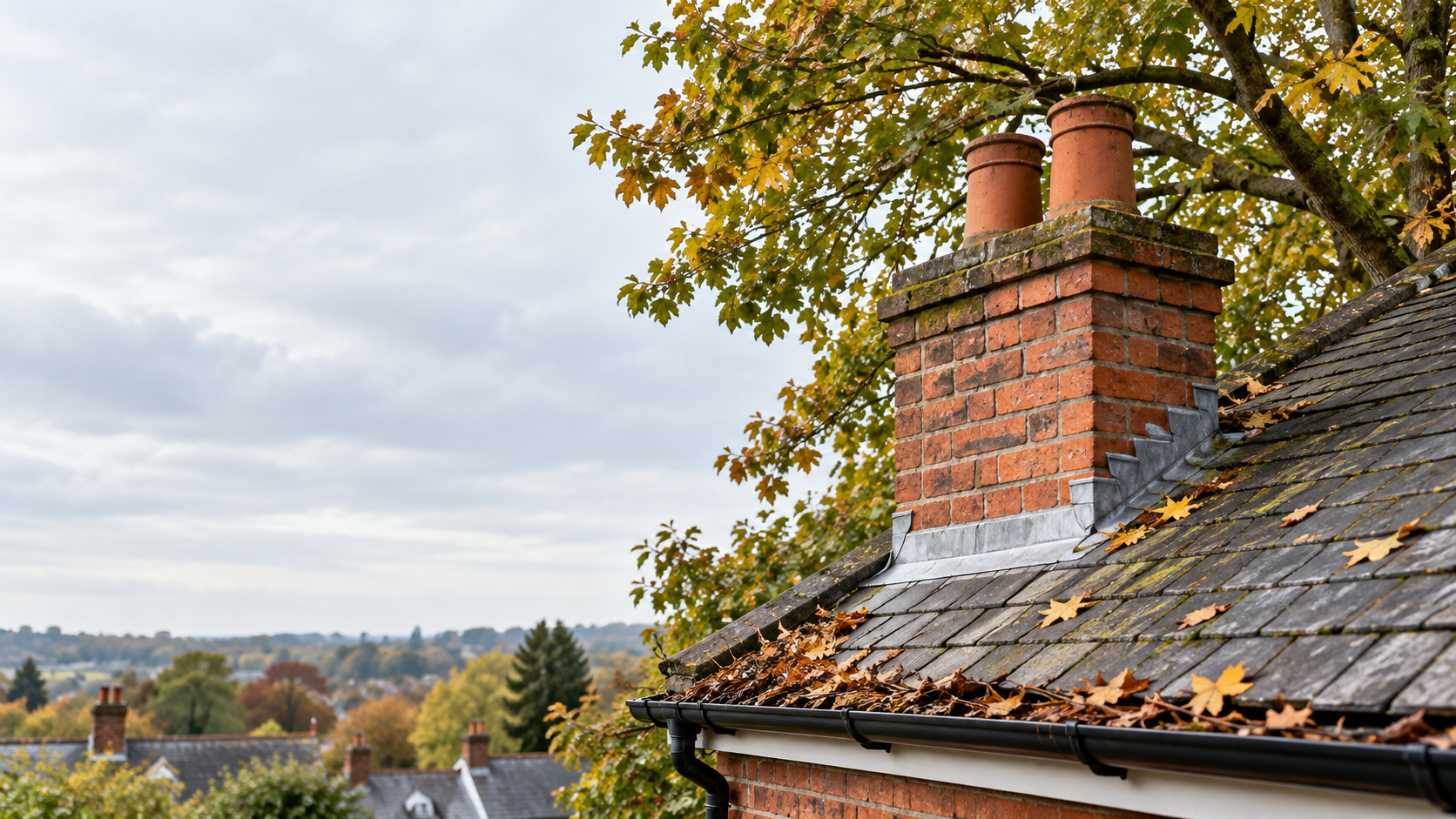
Leaves, twigs, and seeds can fall into an open chimney pot, particularly during autumn or after strong winds. This material may collect inside the flue and restrict the movement of smoke and combustion gases.
Organic debris can also retain moisture as it breaks down. This may contribute to unpleasant smells, staining, or deterioration inside the chimney. If debris is visible around the fireplace or the appliance is drawing poorly, the flue should be checked before further use.
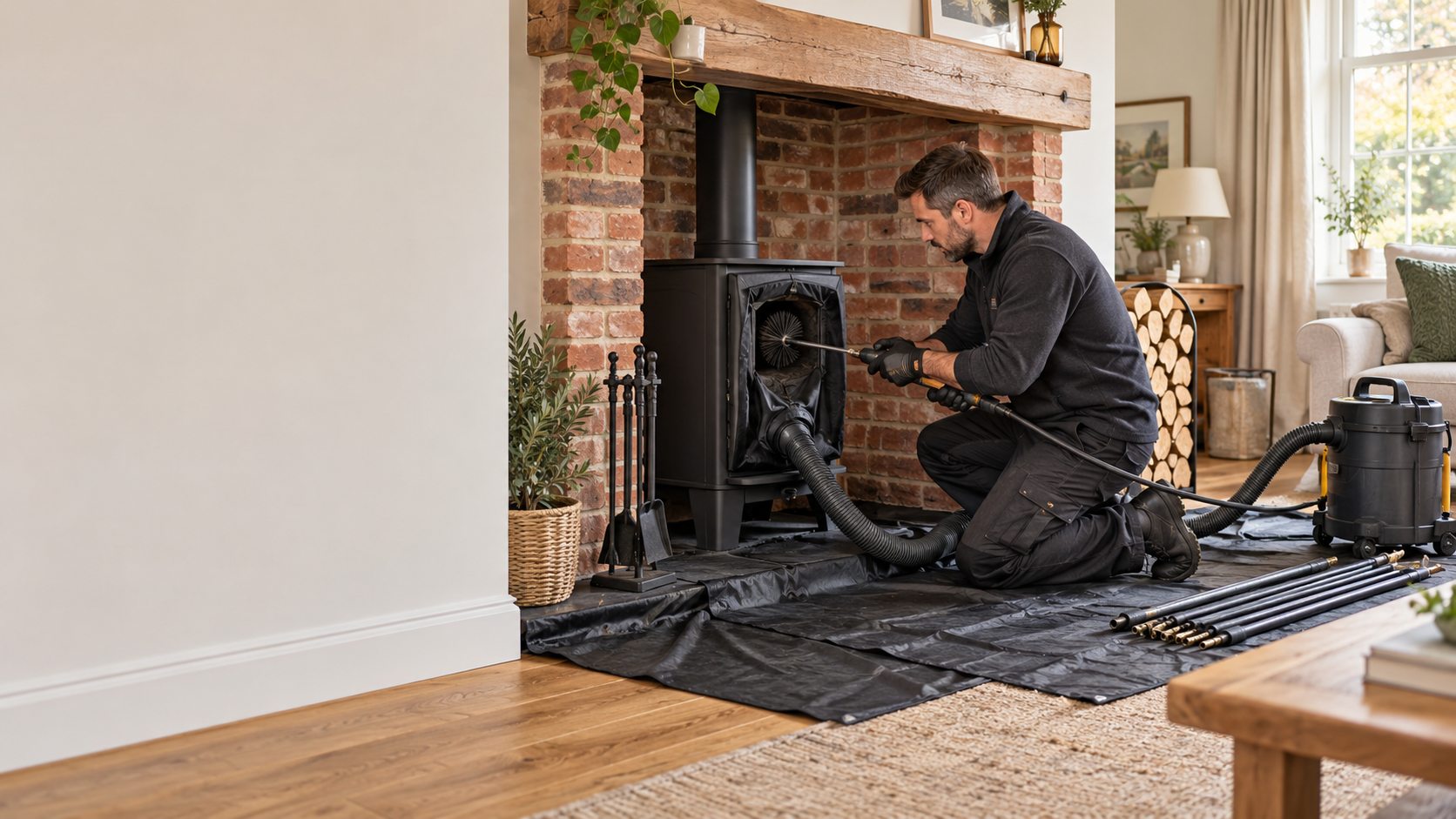
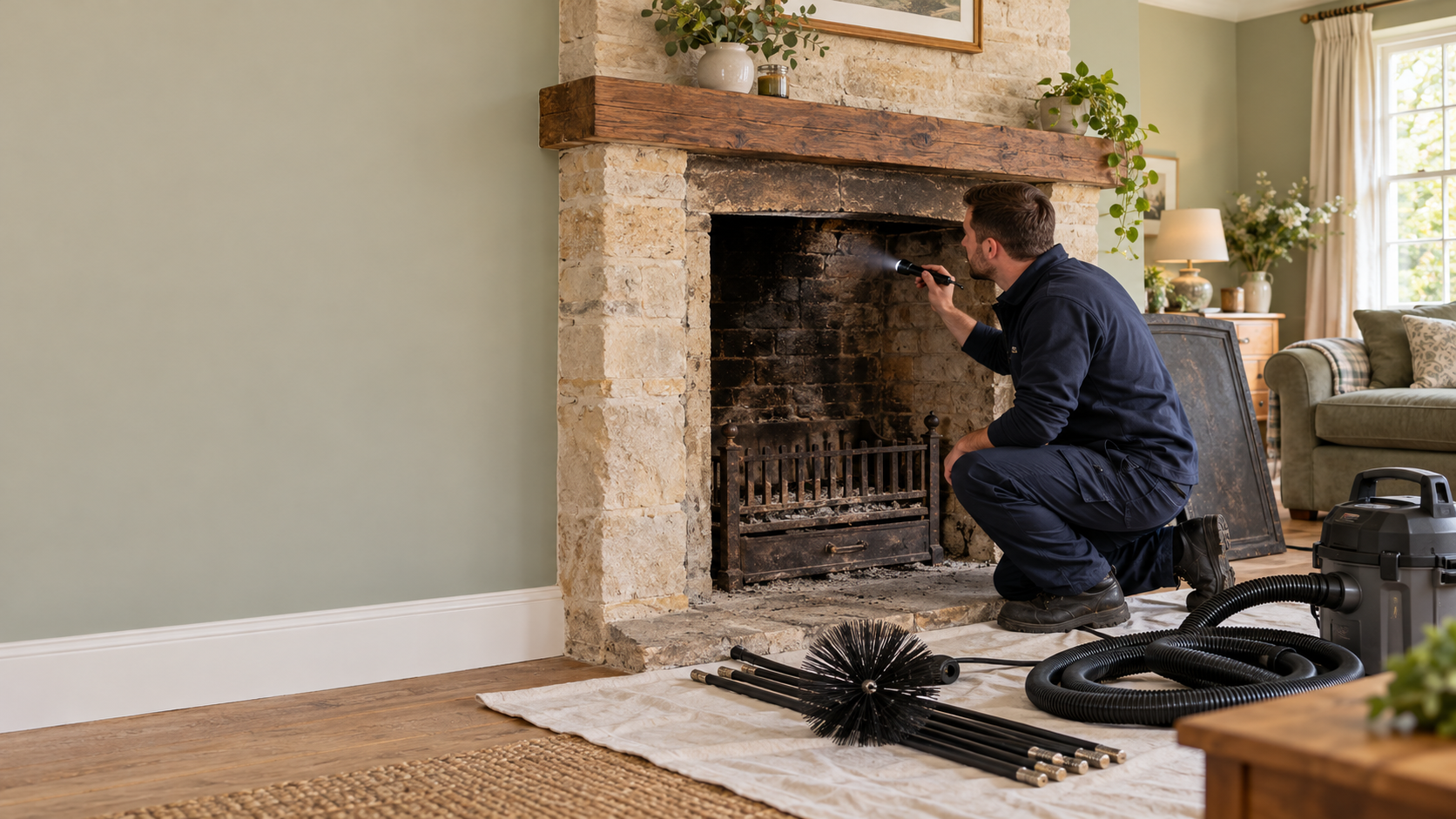
Regular sweeping can remove loose deposits, but a larger or compacted obstruction may require additional investigation.
Trees Can Encourage Bird Activity
Branches near a chimney provide birds with convenient resting and nesting points. Some species may then carry twigs and other materials into an open chimney pot.
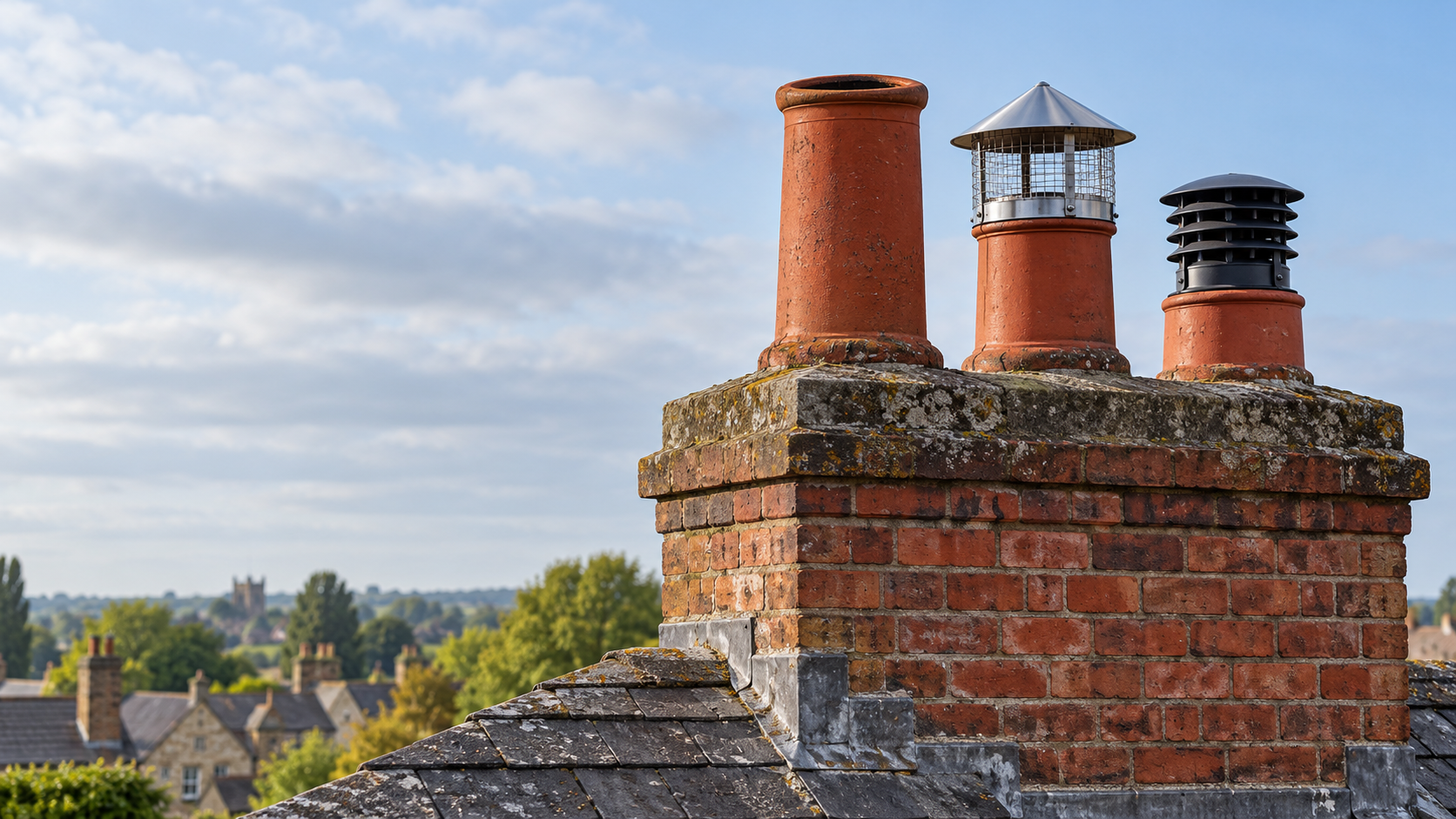
Professional bird nest removal should only take place after confirming that the nest is inactive and that the work complies with wildlife law. Active nests, eggs, and nesting birds may be legally protected. Once removal is permitted and completed, an appropriate chimney cowl may reduce the likelihood of the problem returning.
Any cowl must suit the fuel, appliance, and flue arrangement. An unsuitable design may restrict ventilation rather than improve it.
Overhanging Branches Can Damage the Roof
Branches that touch or fall onto a property may damage roof tiles, chimney pots, flashing, and mortar joints. Smaller impacts may create cracks that are difficult to see from the ground but allow rainwater to enter over time.
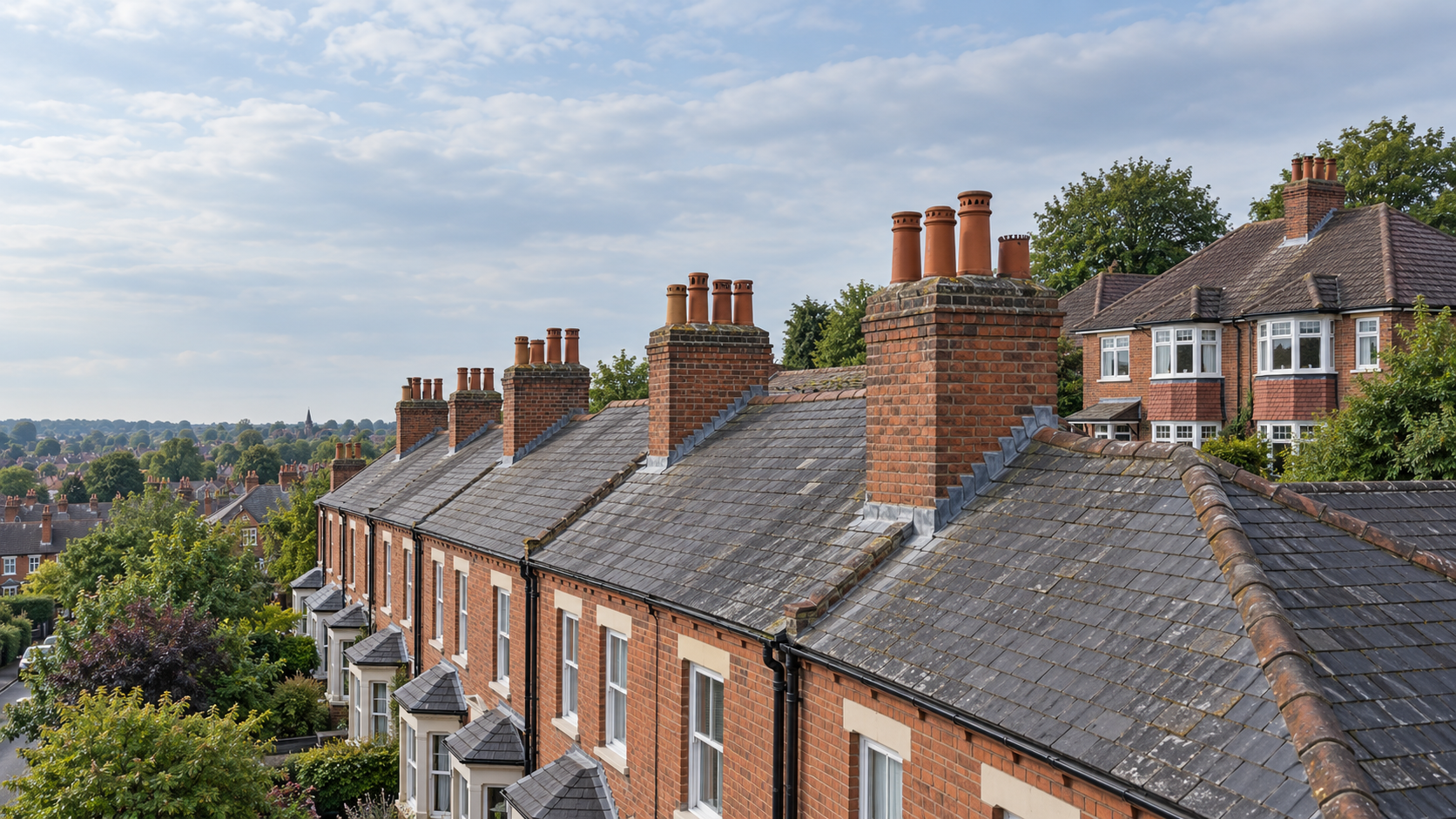
A drone inspection and roof inspection can help identify broken tiles, displaced flashing, damaged chimney masonry, and overgrown vegetation. Drone images provide a useful overview of difficult-to-reach areas, while a closer physical inspection may still be required to confirm the condition of individual components.
Homeowners should also look for damp patches near the chimney breast, loose masonry, and pieces of mortar appearing around the property.
Trees May Influence Chimney Draught
Tall trees close to a building can affect how wind moves around the roof. In some situations, turbulent air may disrupt chimney draught and cause smoke to enter the room instead of leaving through the chimney pot.
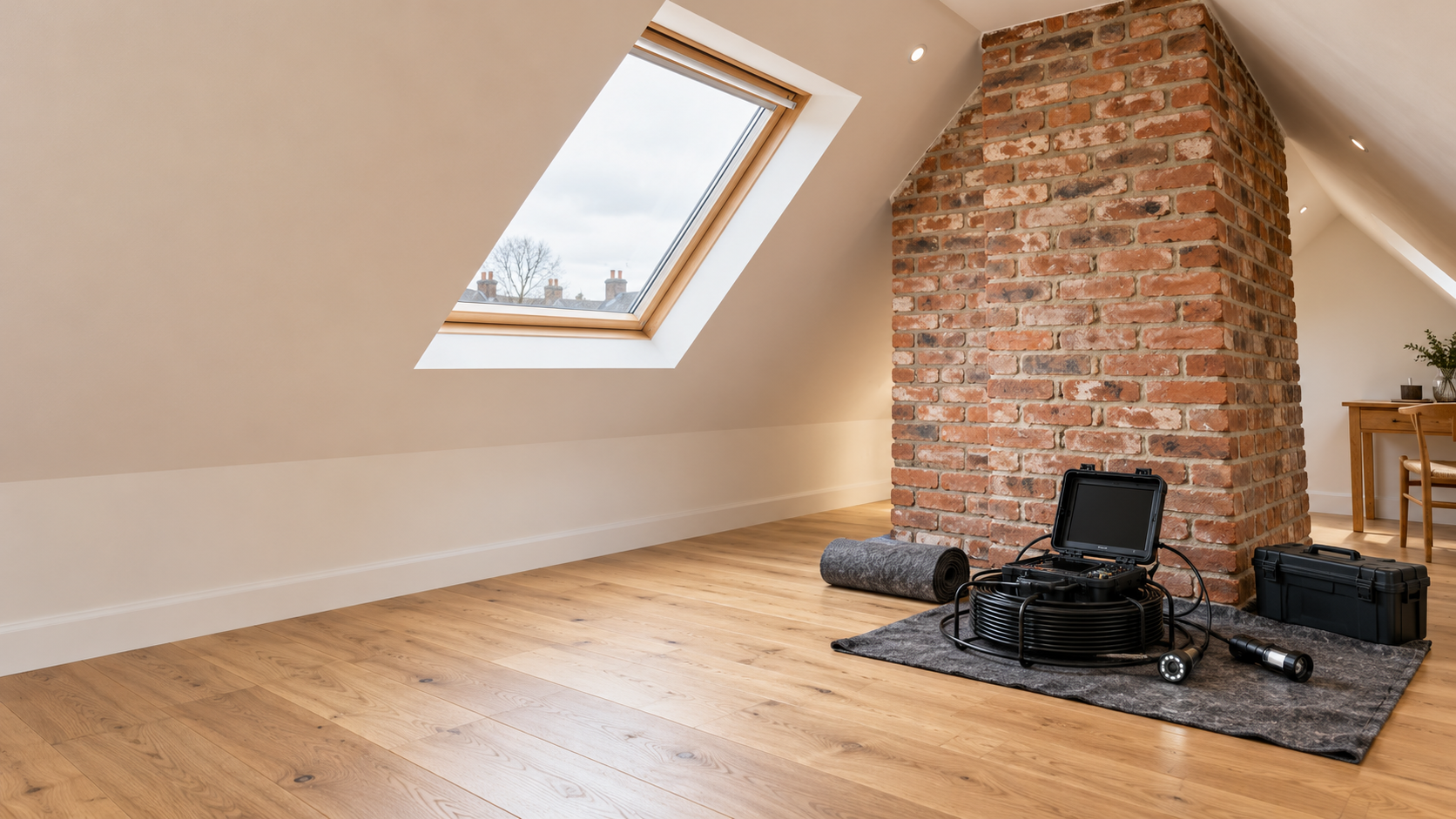
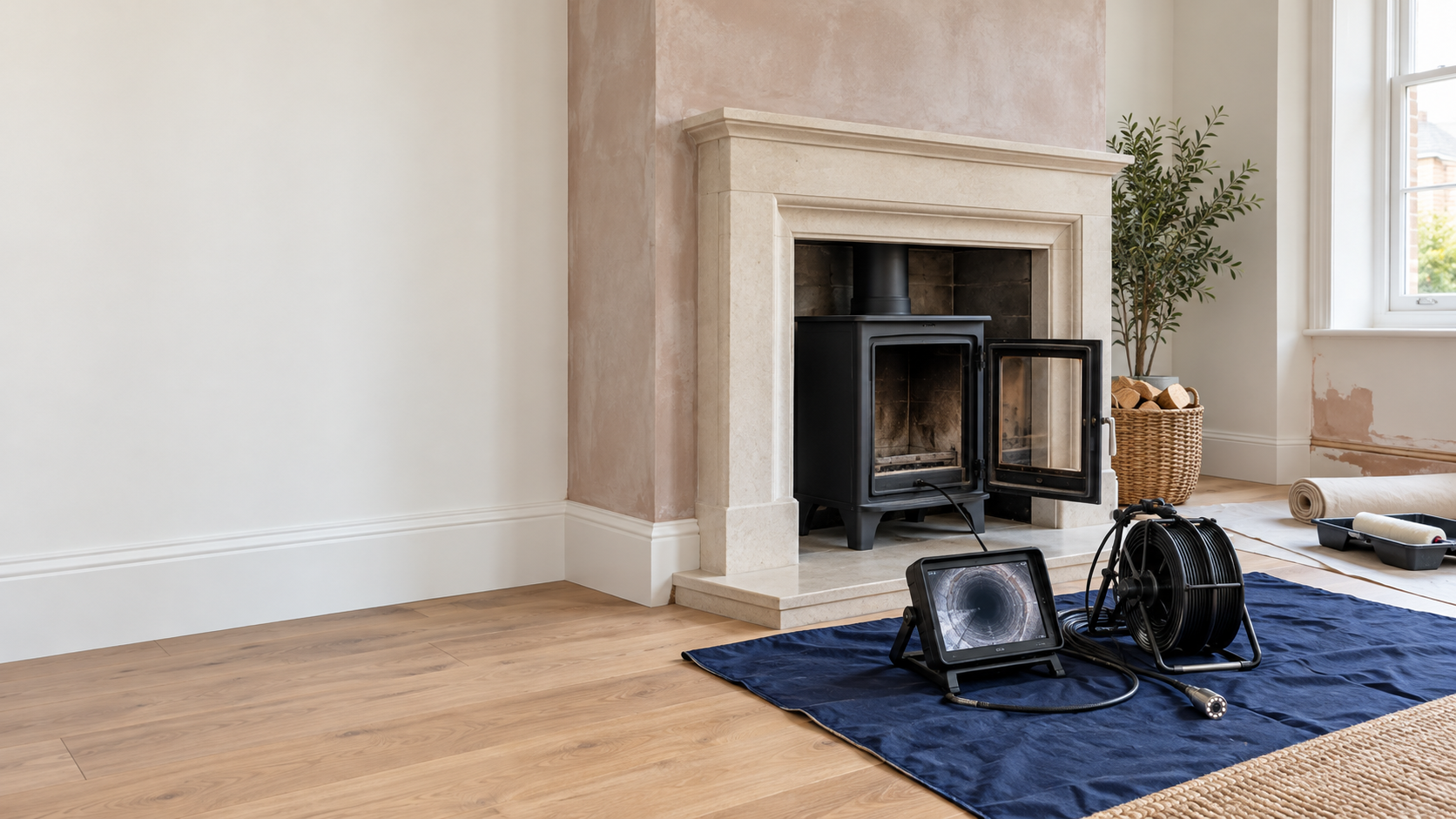
Draft problems can have several causes, including insufficient ventilation, a cold flue, an obstruction, or an unsuitable chimney height. CCTV and drone inspection can provide information about both the internal flue and the external chimney structure, helping to narrow down the cause.
The appliance should not continue to be used if smoke regularly enters the room.
Check the Flue Before Installing a Stove
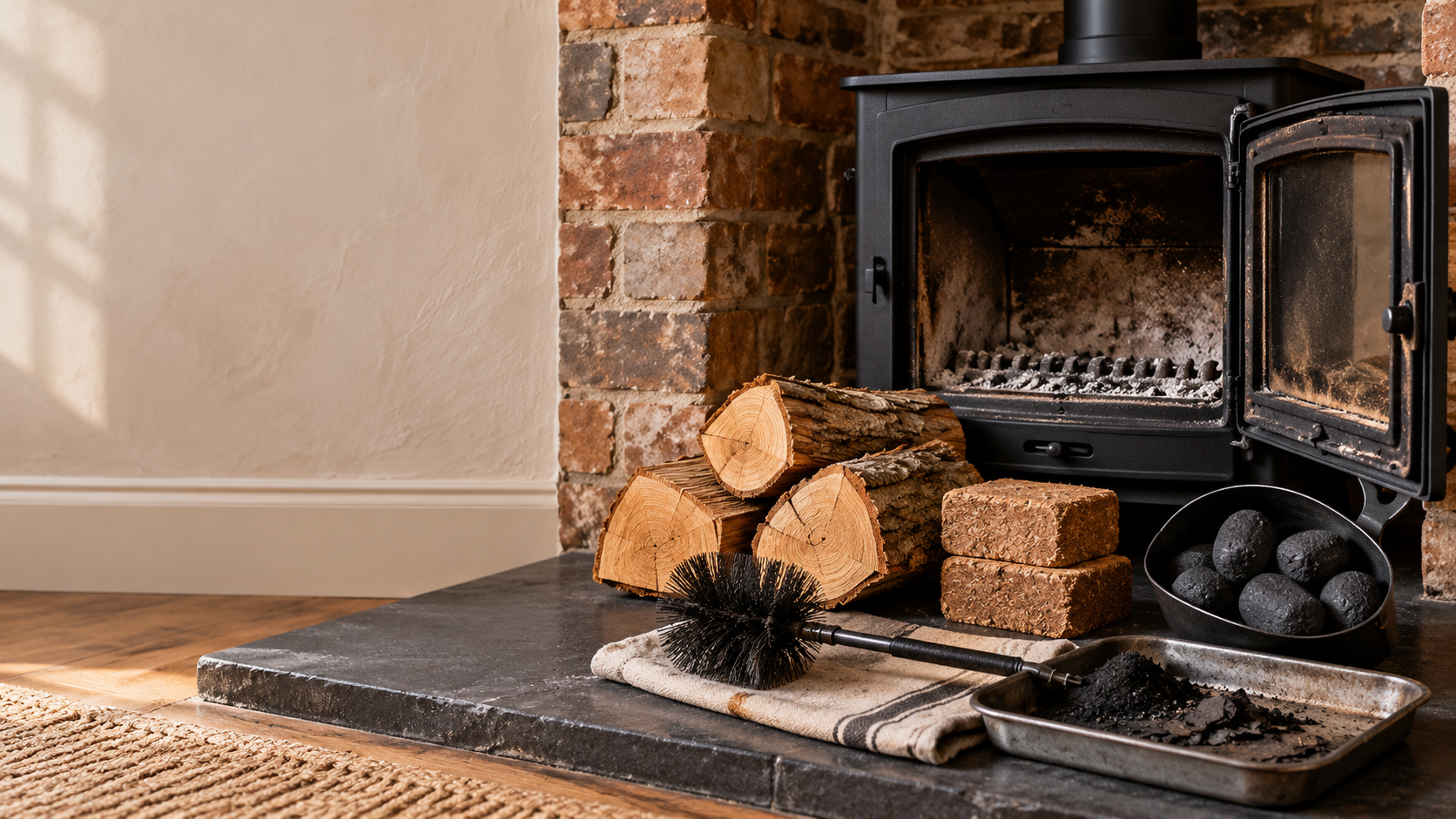
Before a log burner installation, the existing chimney should be assessed for blockages, damage, and suitability. Properties surrounded by trees may be more likely to contain leaves, nesting material, or moisture related deterioration.
A flue liner installation may be recommended when the existing flue is unsuitable or damaged, but it should not be treated as a solution to every chimney problem. The correct liner depends on the appliance, fuel, and chimney design.
Midlands Sweeps may be considered for chimney related assessments and maintenance, although homeowners should always discuss the condition of their property and any nearby environmental factors with a qualified professional.
Conclusion
Trees do not automatically cause chimney problems, but their location and condition can create additional maintenance needs. Leaves, branches, bird activity, and altered airflow may all affect the chimney or roof. Regular observation, suitable sweeping, and timely inspections can help identify these issues before they become more serious.
Frequently Asked Questions
Should branches be allowed to touch a chimney?
No. Branches rubbing against masonry or roof materials may cause damage, particularly during strong winds.
Can leaves completely block a chimney?
Yes. Leaves can combine with twigs, soot, and moisture to form a significant obstruction.
Can a drone inspect the inside of a chimney?
A standard roof drone generally examines external areas. Internal flue conditions are usually assessed using specialist CCTV equipment.