
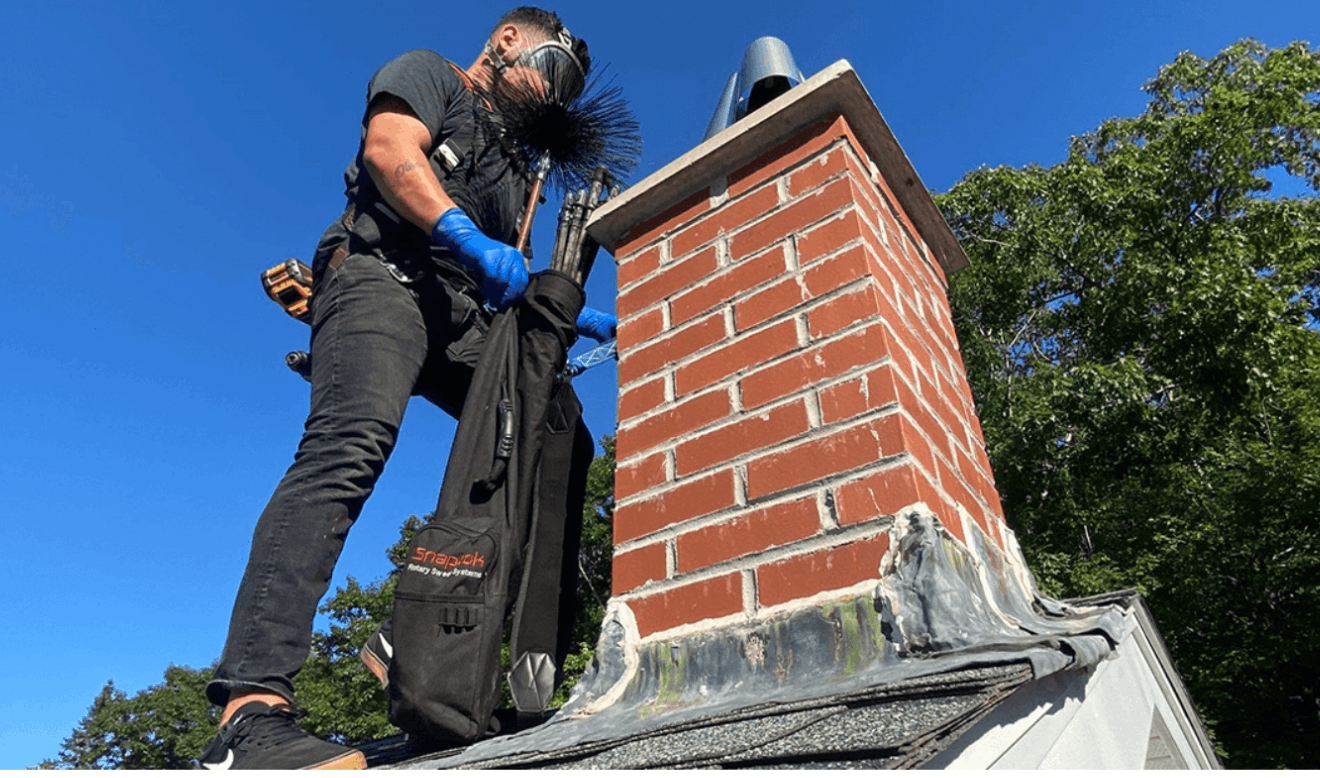
How Often Should a Chimney Be Swept?
In the UK, most chimneys should be swept at least once a year, but the exact frequency depends on the type of fuel you burn and how often you use your fireplace, stove, or appliance.
As a general guide:
Fuel Type Recommended Sweeping Frequency
Wood-burning stove or fireplace Quarterly when in use
Smokeless fuel At least once a year
Bituminous coal At least twice a year
Oil appliance Once a year
Gas appliance Once a year if the flue is designed for sweeping
If you use your chimney heavily during winter, burn wood regularly, or use mixed fuels, you may need more frequent sweeping.
Why Regular Chimney Sweeping Matters
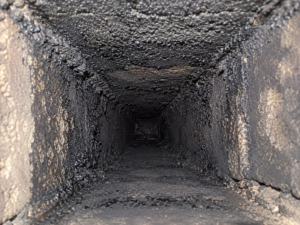
A chimney is designed to safely remove smoke, gases, and combustion by-products from your home. Over time, soot, tar, creosote, ash, and debris can build up inside the flue.
If the chimney is not cleaned regularly, this build-up can increase the risk of:
Chimney fires
Poor appliance performance
Smoke entering the room
Blocked flues
Carbon monoxide risks
Damage to the chimney lining
Regular sweeping helps keep your chimney safe, efficient, and suitable for regular use.
How Often Should You Sweep a Wood-Burning Stove Chimney?
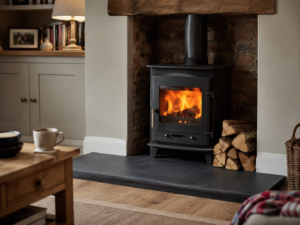
If you burn wood, your chimney should usually be swept quarterly when in use.
Wood produces soot and creosote, especially if it is not fully seasoned or has a high moisture content. Burning wet or poor-quality wood can lead to faster build-up inside the flue.
For regular wood-burning stove users, a good schedule is:
Once before the heating season starts
Once during heavy winter use
Once after the main heating season
More often if advised by your chimney sweep
This is especially important for homes that rely on a wood burner as a main source of heat.
How Often Should You Sweep a Chimney Burning Smokeless Fuel?
For smokeless fuel, your chimney should usually be swept at least once a year.
Smokeless fuel tends to create less soot than traditional coal or wet wood, but it can still leave deposits inside the flue. Annual sweeping helps prevent blockages and keeps the appliance working safely.
The best time to book a sweep is usually before autumn or early winter, before you start using the fire regularly again.
How Often Should You Sweep a Coal Chimney?
If you burn bituminous coal, your chimney should normally be swept at least twice a year.
Coal can create heavier soot deposits, so regular maintenance is important. If you use your fireplace frequently throughout winter, your sweep may recommend additional cleaning.
Do Gas and Oil Chimneys Need Sweeping?
Yes, gas and oil appliance flues may still need inspection and sweeping.
Gas and oil appliances do not create soot in the same way as solid fuel appliances, but flues can still become blocked by debris, nesting material, or structural issues. If you have a gas appliance, any gas-related work must be carried out by a Gas Safe registered engineer.
Best Time of Year to Sweep a Chimney?
The best time to sweep your chimney is usually:
Before the heating season starts
After a long period of non-use
After the main winter season if the chimney has been used heavily
Many UK homeowners book chimney sweeping in late summer or early autumn so the fireplace or stove is ready before colder weather arrives.
Signs Your Chimney Needs Sweeping
You should book a chimney sweep if you notice:
Smoke blowing back into the room
A strong smoky smell
Poor fire performance
Soot falling into the fireplace
Black staining around the appliance
Difficulty lighting or maintaining a fire
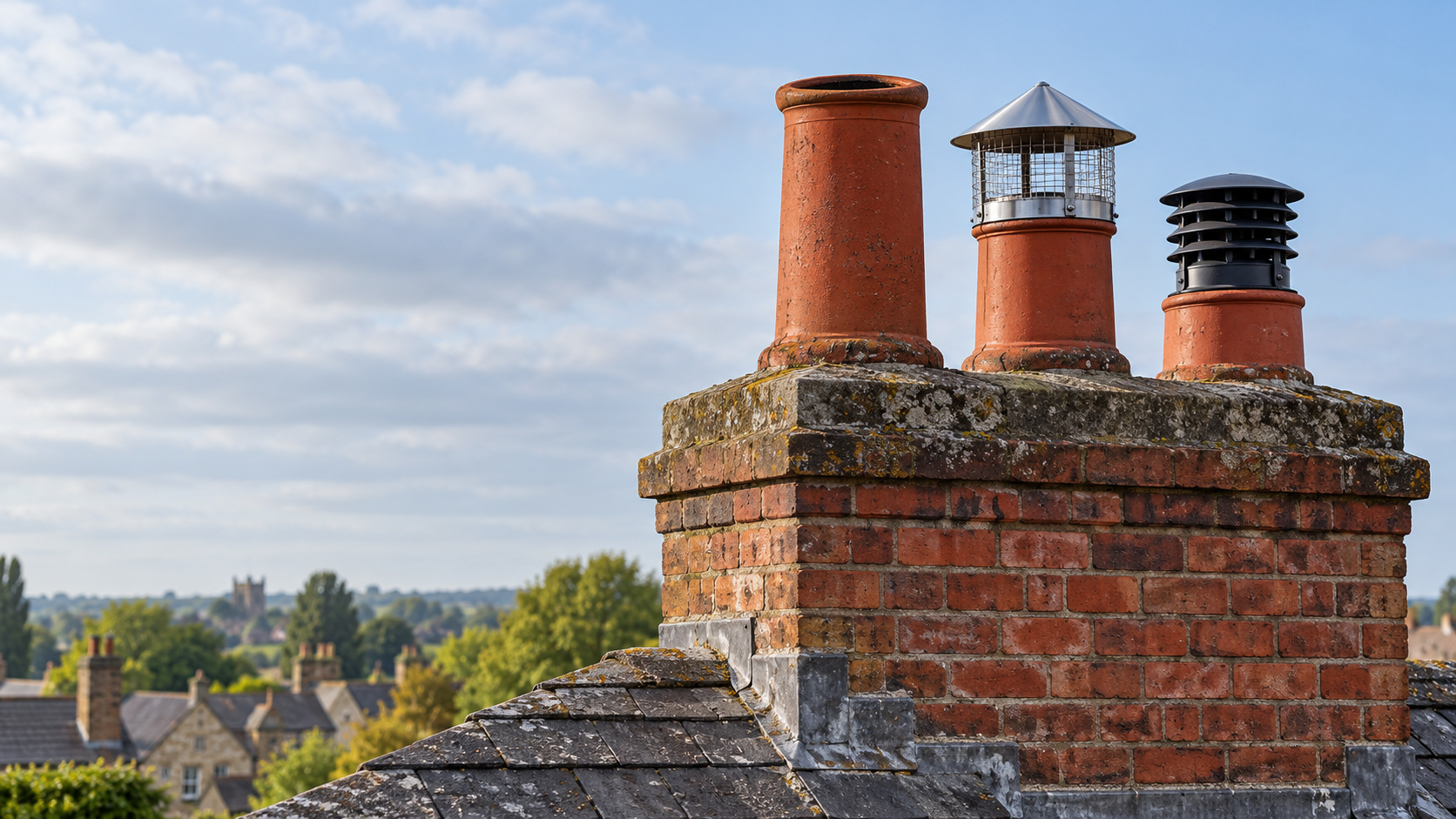
Birds, twigs, or debris in the chimney
Unusual noises from the flue
Even if there are no obvious signs, your chimney may still need cleaning as part of regular maintenance.
Should Landlords Sweep Chimneys?
If you rent out a property with a working fireplace, stove, or chimney, it is important to make sure it is safe and properly maintained.
Landlords should check their legal responsibilities, tenancy agreement, and insurance requirements. In many cases, regular chimney sweeping and proof of maintenance may be required for safety and insurance purposes.
Do You Need a Chimney Sweeping Certificate?
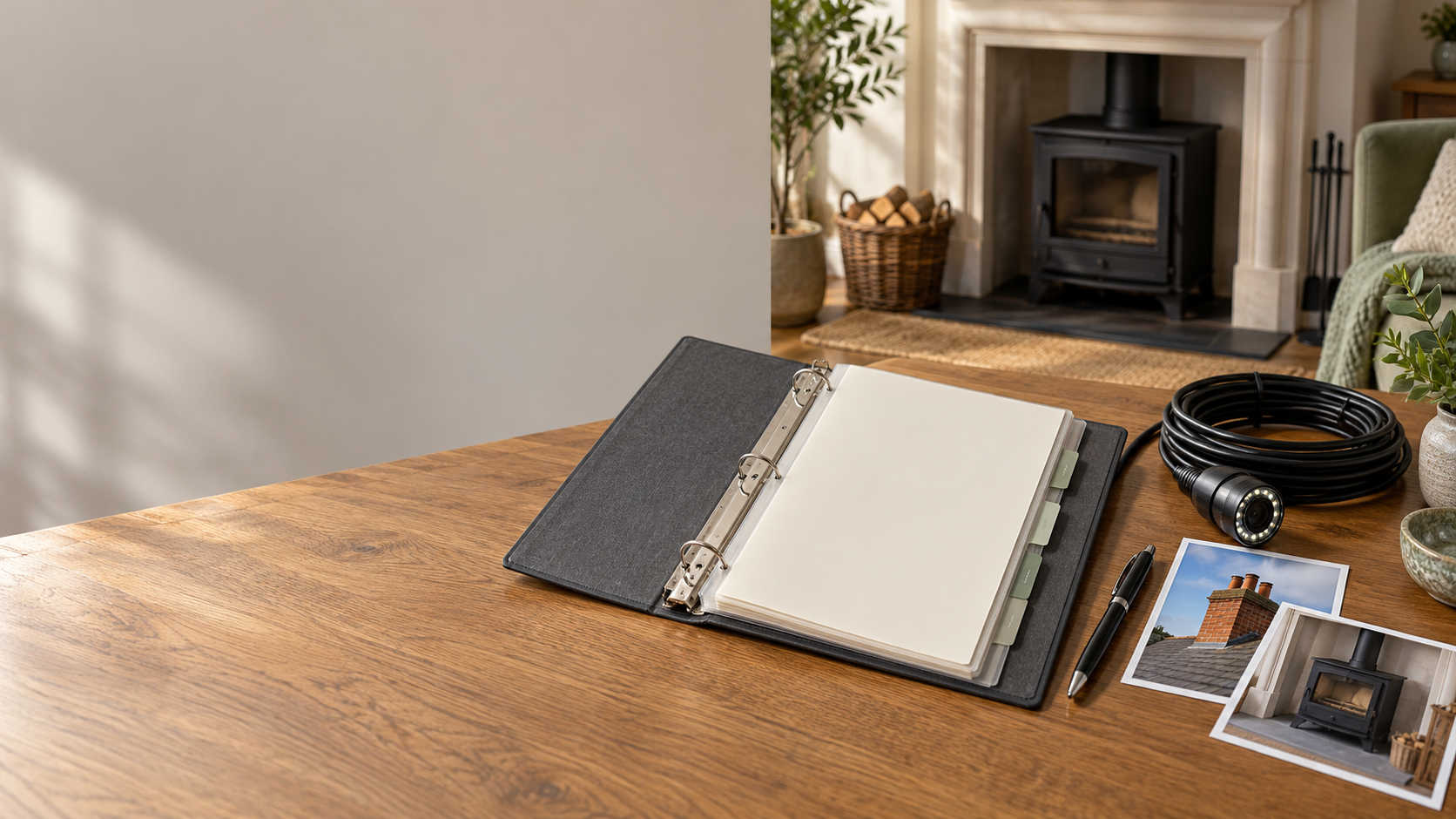
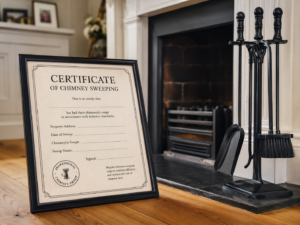
After a professional sweep, you may receive a certificate or record of sweeping.
This can be useful for:
Home insurance records
Landlord documentation
Property maintenance history
Proof of professional chimney care
Some insurance providers may ask for evidence that the chimney has been maintained, so it is sensible to keep your sweep certificate safely.
Can You Sweep a Chimney Yourself?
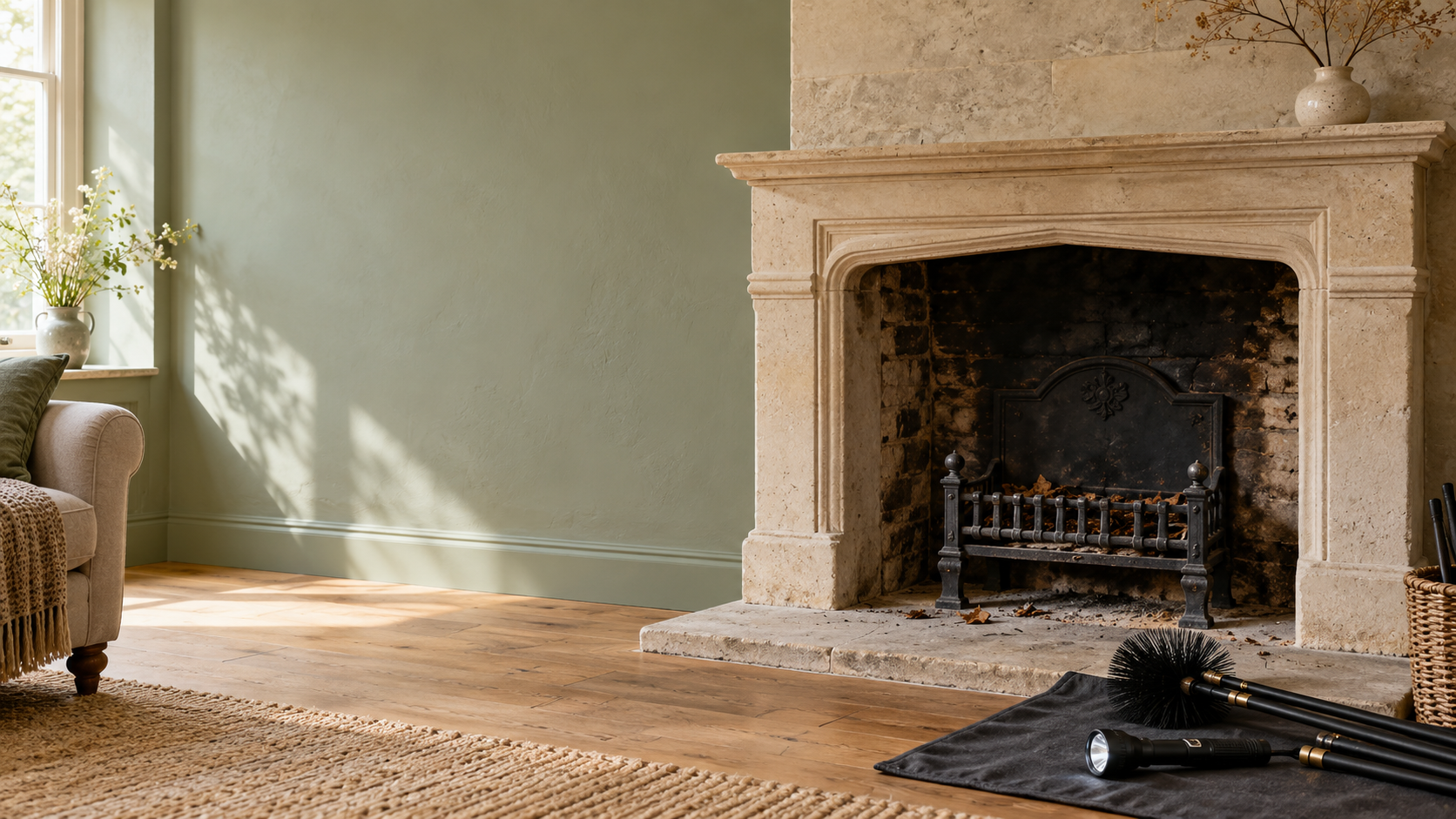
Basic fireplace cleaning can help keep your hearth tidy, but a proper chimney sweep should be carried out by a trained professional.
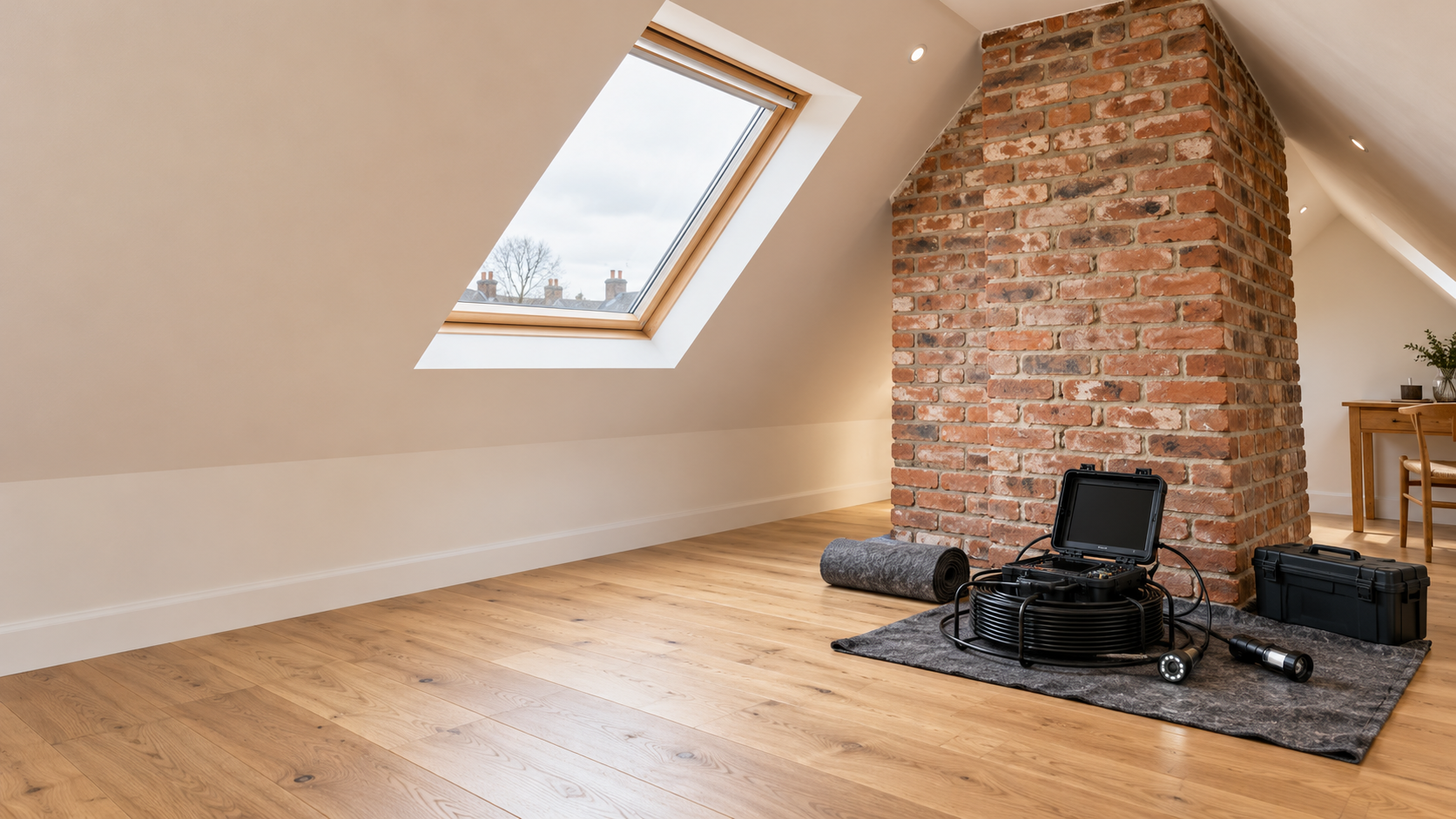
A professional chimney sweep has the right tools to clean the flue properly and can also identify signs of damage, blockages, poor ventilation, or unsafe use.
Vacuuming the fireplace is not the same as sweeping the chimney.
Final Answer: How Often Should You Sweep a Chimney in the UK?
In the UK, you should sweep your chimney based on the fuel you use:
Wood: quarterly when in use
Smokeless fuel: at least once a year
Coal: at least twice a year
Oil: once a year
Gas: once a year if suitable for sweeping
For most homeowners, at least one professional chimney sweep per year is the minimum. If you use your stove or fireplace regularly, especially with wood or coal, you should book more frequent sweeping to reduce fire risks and keep your chimney working safely.
Need a Professional Chimney Sweep?
If your chimney has not been swept recently, now is the right time to book an inspection and clean. A professional chimney sweep can help keep your fireplace safe, efficient, and ready for use throughout the colder months.
Book your chimney sweep today and keep your home safe this winter.