Booking a professional chimney sweep is an important part of maintaining a wood-burning stove, multi-fuel burner or traditional fireplace. However, many homeowners are unsure whether they need to do anything before the chimney sweep arrives.
The good news is that preparing your home for a professional chimney sweep appointment is relatively straightforward. A few simple steps can help the technician work safely, protect your belongings and complete the chimney cleaning process with minimal disruption.
Whether you’re arranging chimney sweeping in Swadlincote, Burton on Trent, Derby or surrounding areas, knowing what to expect can make your appointment much easier.
This guide explains how to prepare your fireplace, organise the working area and ensure your home is ready for a professional chimney sweeping service.
Why Should You Prepare Before a Chimney Sweep Appointment?
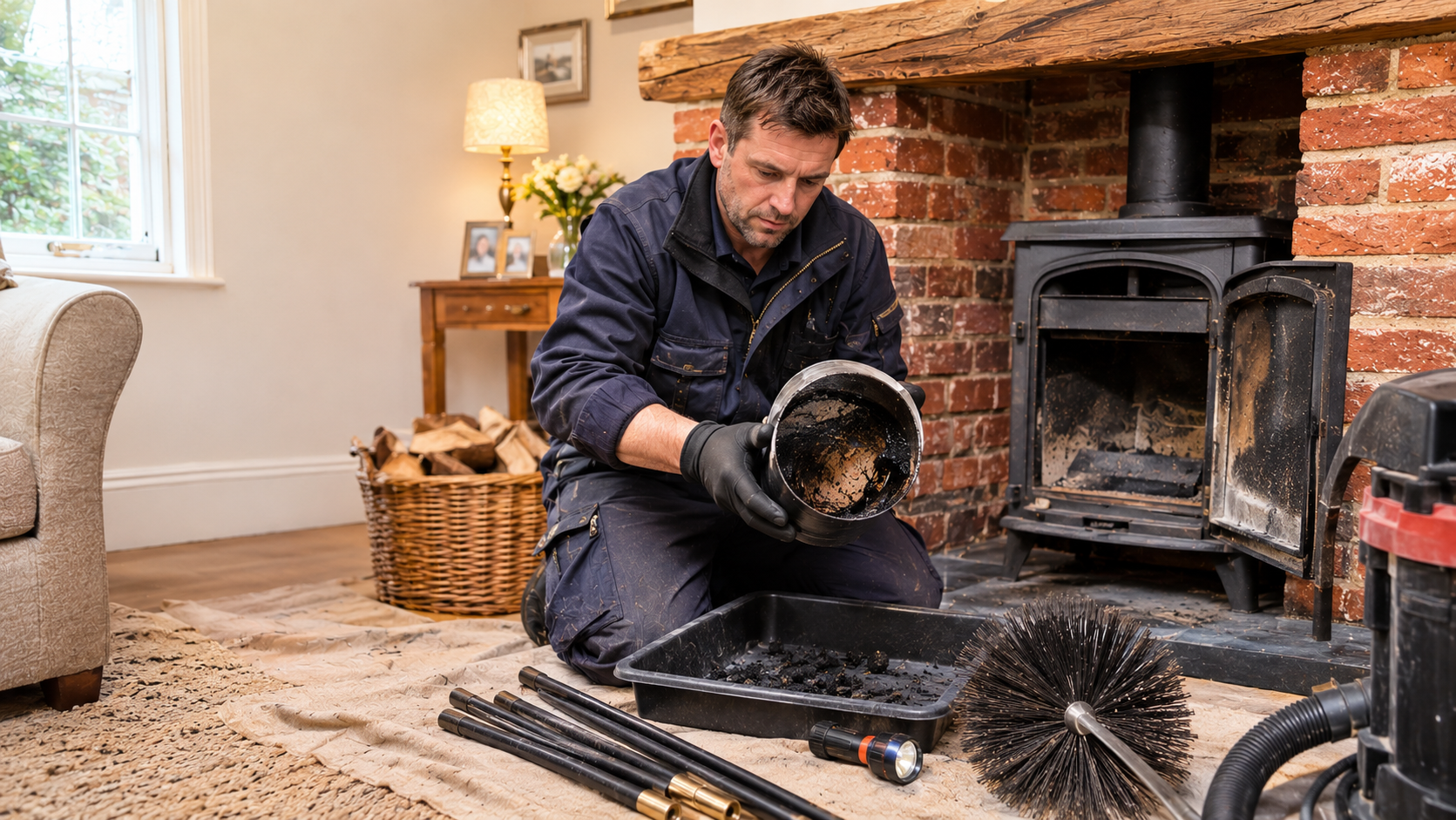
Chimney sweeping involves removing soot, combustion deposits and debris from inside a chimney or flue liner.
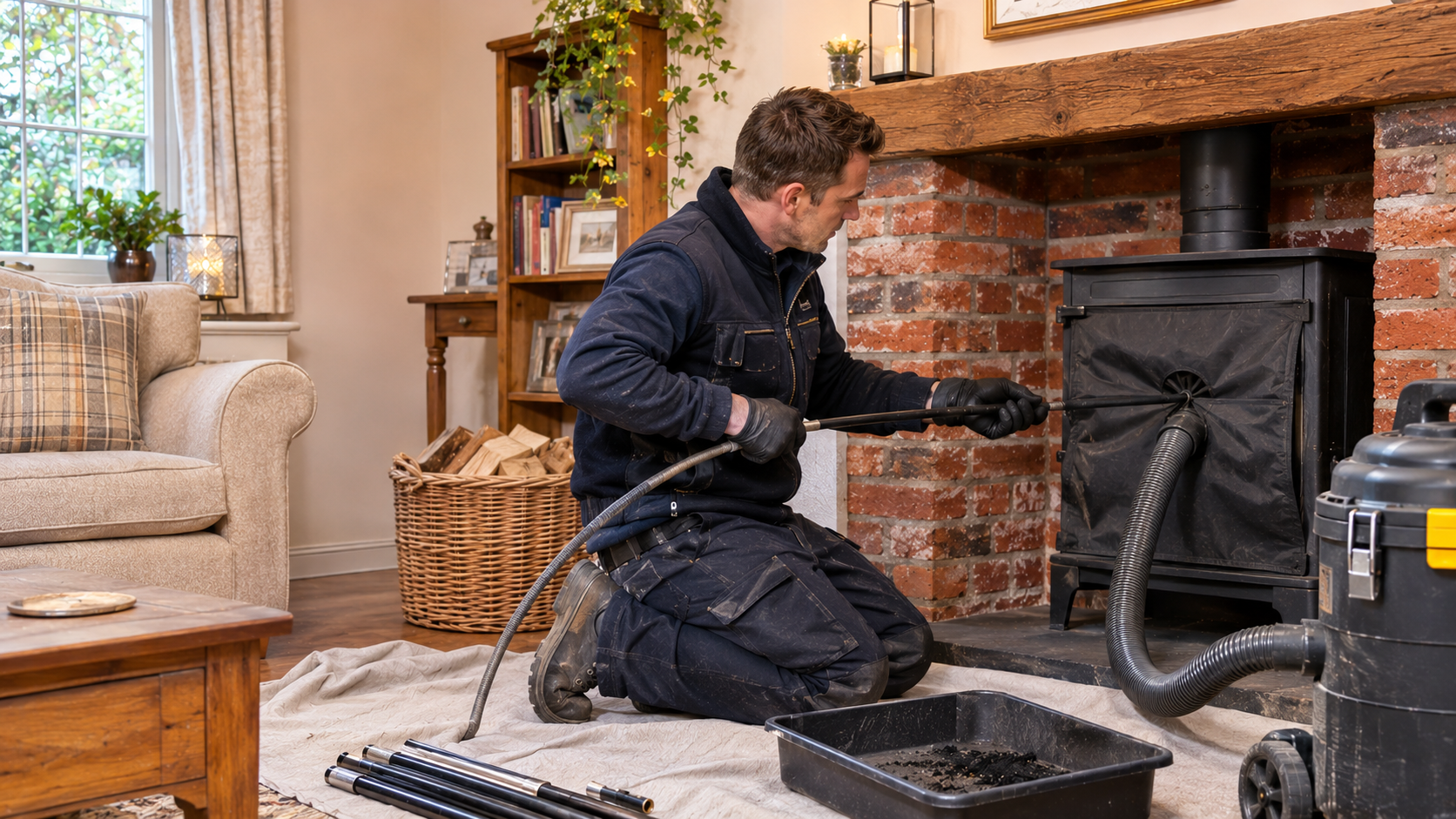
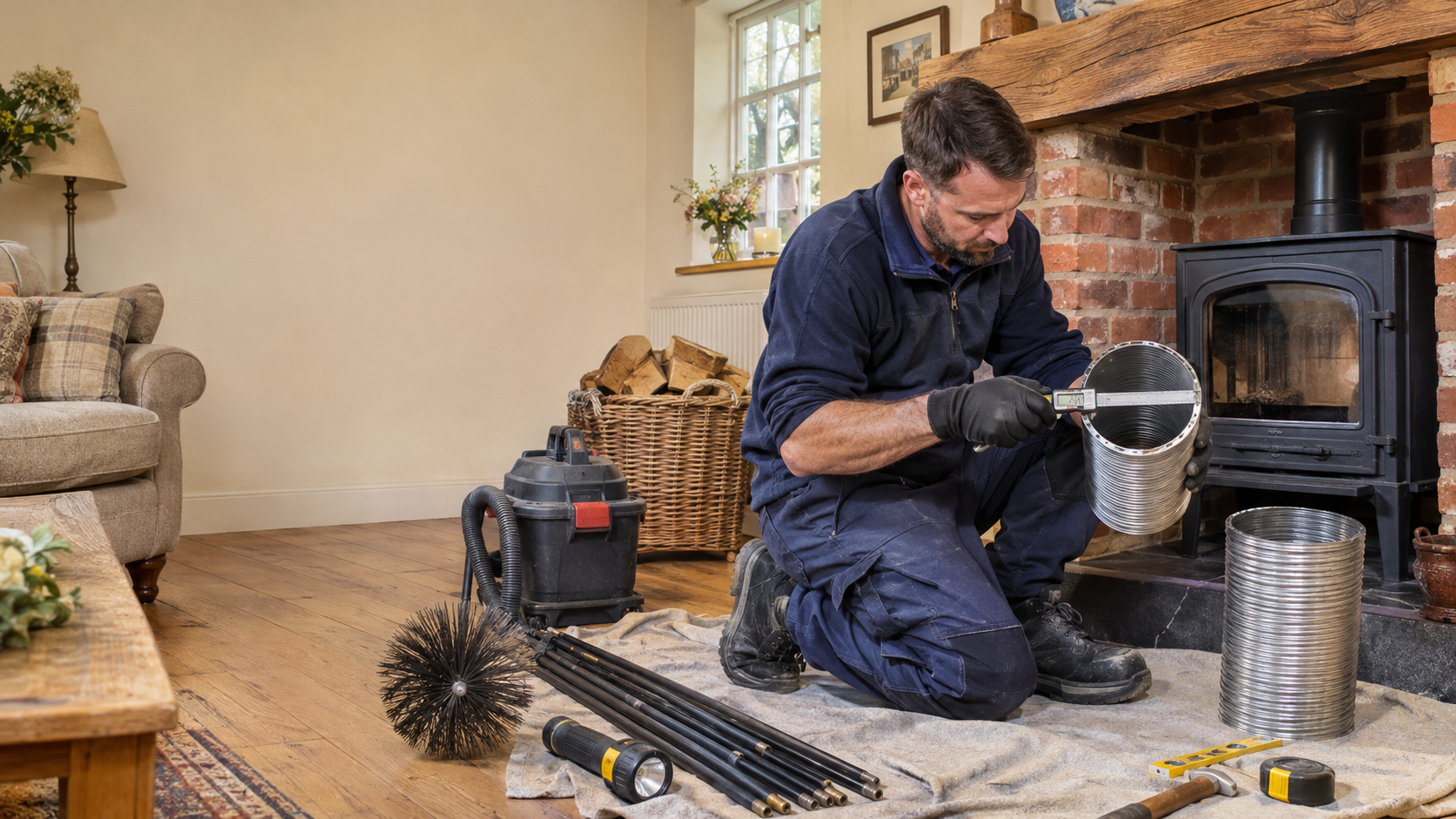
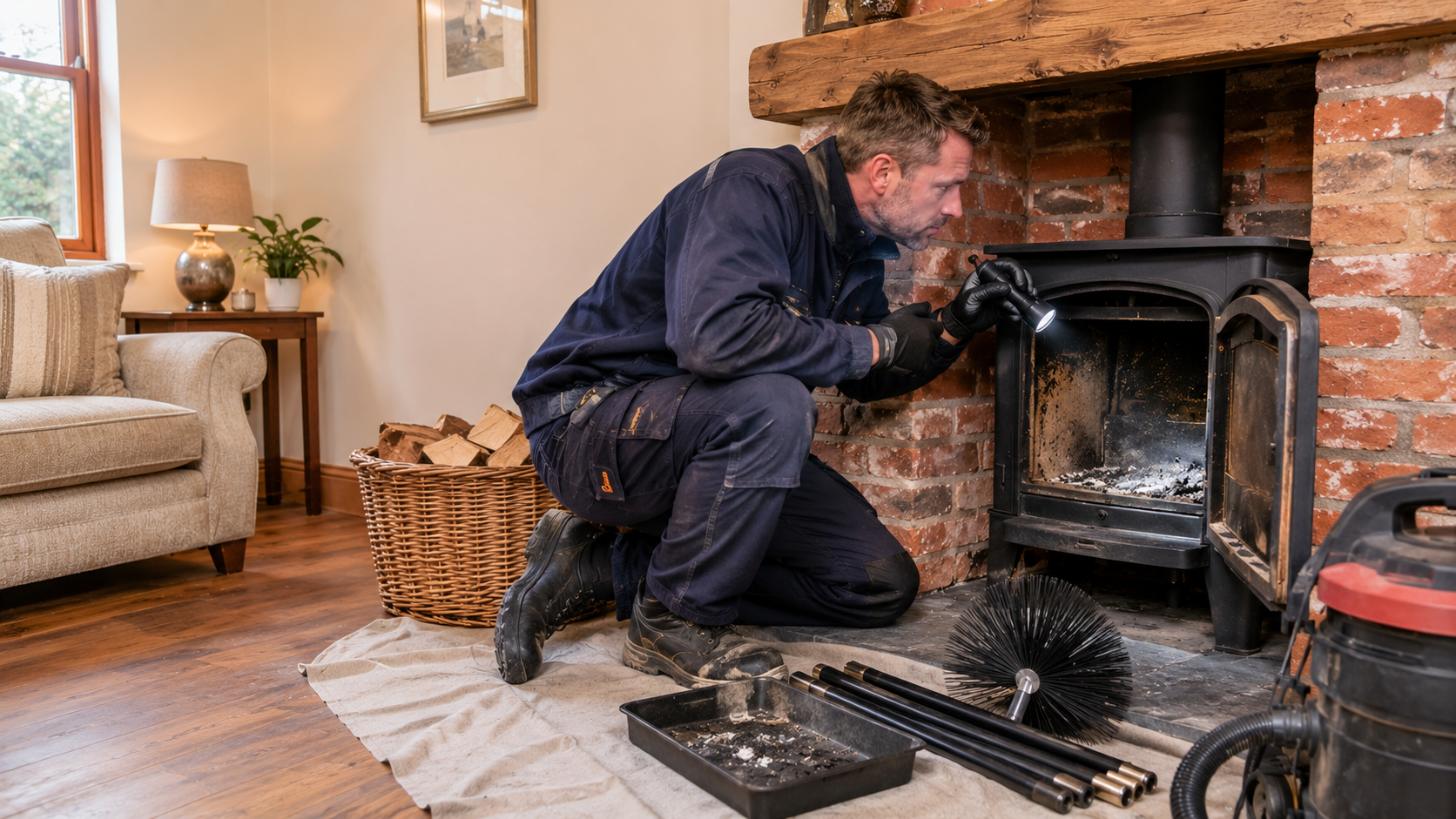
Professional chimney sweeps use specialist equipment, including brushes, sweeping rods, dust sheets and suitable vacuum systems. They need safe access to the fireplace or stove and sufficient room to position their equipment.
Preparing the surrounding area before the appointment helps to:
- Give the technician clear access to the chimney.
- Reduce the possibility of soot reaching nearby belongings.
- Protect ornaments, furniture and fragile household items.
- Avoid unnecessary delays during the appointment.
- Allow the chimney sweep to focus on cleaning and assessing the flue.
A little preparation can make the experience more convenient for both the homeowner and the professional carrying out the work.
1. Stop Using Your Fireplace or Wood Burner Before the Appointment
One of the most important things to do before a chimney sweeping appointment is to ensure your fireplace or stove has completely cooled down.
A chimney sweep cannot safely work with hot ashes, burning fuel or an excessively warm appliance.
Many professionals recommend avoiding the use of your fireplace or stove for at least 24 hours before the appointment. However, you should always follow the specific cooling instructions provided by your chimney sweeping company.
The required cooling period may depend on the type of appliance and how recently it was used.
If you have a wood-burning stove, allow the fire to burn out naturally well before the scheduled appointment.
Never attempt to accelerate cooling by pouring water onto hot stove components, and do not handle ashes that may still contain live embers.
Important: If your appliance is still warm on the day of the appointment, inform your chimney sweep before work begins.
2. Clear the Area Around Your Fireplace
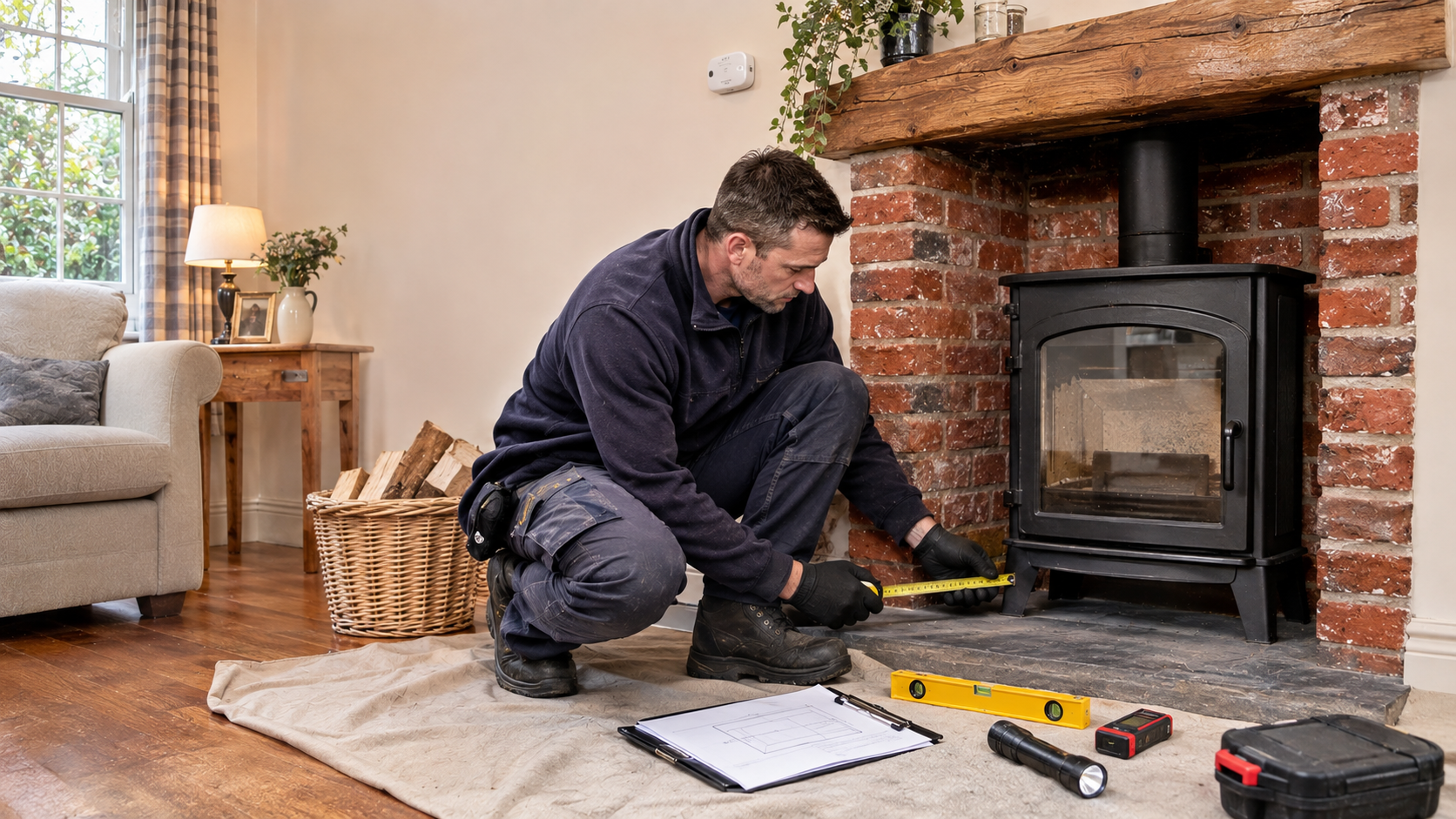
Professional chimney sweeping requires a reasonable amount of working space.
Before your appointment, remove unnecessary items from the hearth and the immediate area surrounding the fireplace.
This may include:
- Decorative ornaments and picture frames.
- Firewood baskets and fireplace accessories.
- Small tables and movable furniture.
- Rugs or mats close to the hearth.
- Candles, plants and fragile decorations.
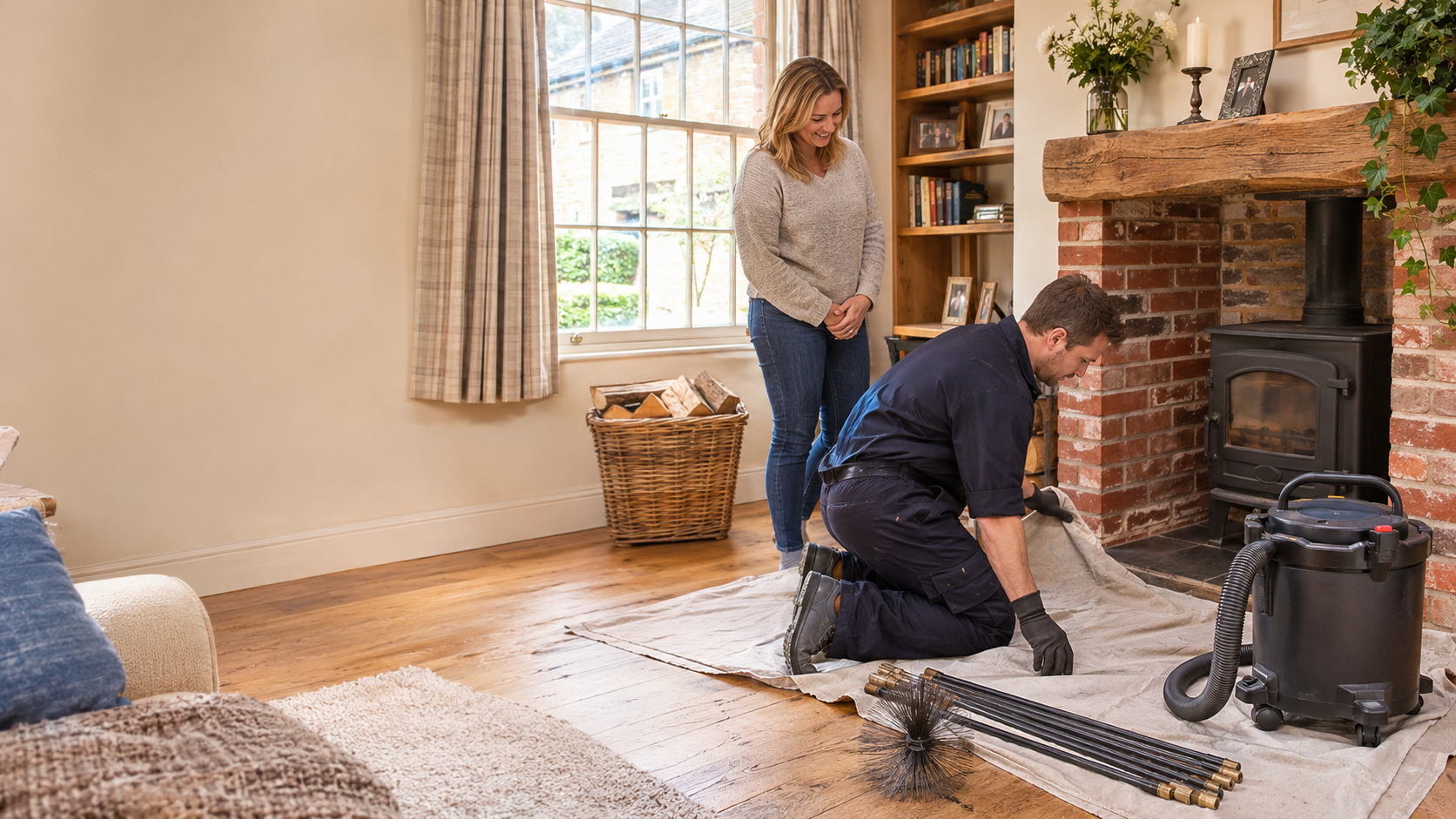
Providing enough space allows the technician to position protective coverings, cleaning tools and vacuum equipment.
If your fireplace is surrounded by large furniture that cannot be moved, explain this when arranging the appointment.
You do not need to empty the entire room. The aim is simply to create a practical, accessible working area.
3. Protect Nearby Furniture and Personal Belongings
Modern professional chimney sweeps use dust-control methods to minimise soot escaping into the room.
At Midlands Sweeps, protecting the customer’s home is an important part of the chimney sweeping service.
Professional equipment and suitable protective coverings help keep the working area clean throughout the appointment.
However, homeowners can take a few additional precautions.
Move delicate ornaments away from the fireplace, protect valuable fabrics where practical and consider covering nearby light-coloured furnishings.
It is particularly helpful to remove items that would be difficult to clean if they came into contact with soot.
Although professional chimney sweeping is designed to minimise mess, no technician can guarantee that every appointment will be completely dust-free, especially where a chimney is heavily soiled or blocked.
4. Make Sure the Chimney Sweep Can Access Your Home Easily
Chimney sweeps often carry several pieces of specialist equipment, including vacuum systems, sweeping rods, brushes and protective materials.
A clear route from the entrance to the fireplace helps the technician transport these items safely.
Before the appointment, check that hallways, doorways and the route to your fireplace are free from unnecessary obstacles.
If parking is restricted near your property, consider informing the chimney sweeping company in advance.
For certain specialist services, the technician may also need access to additional areas of the property.
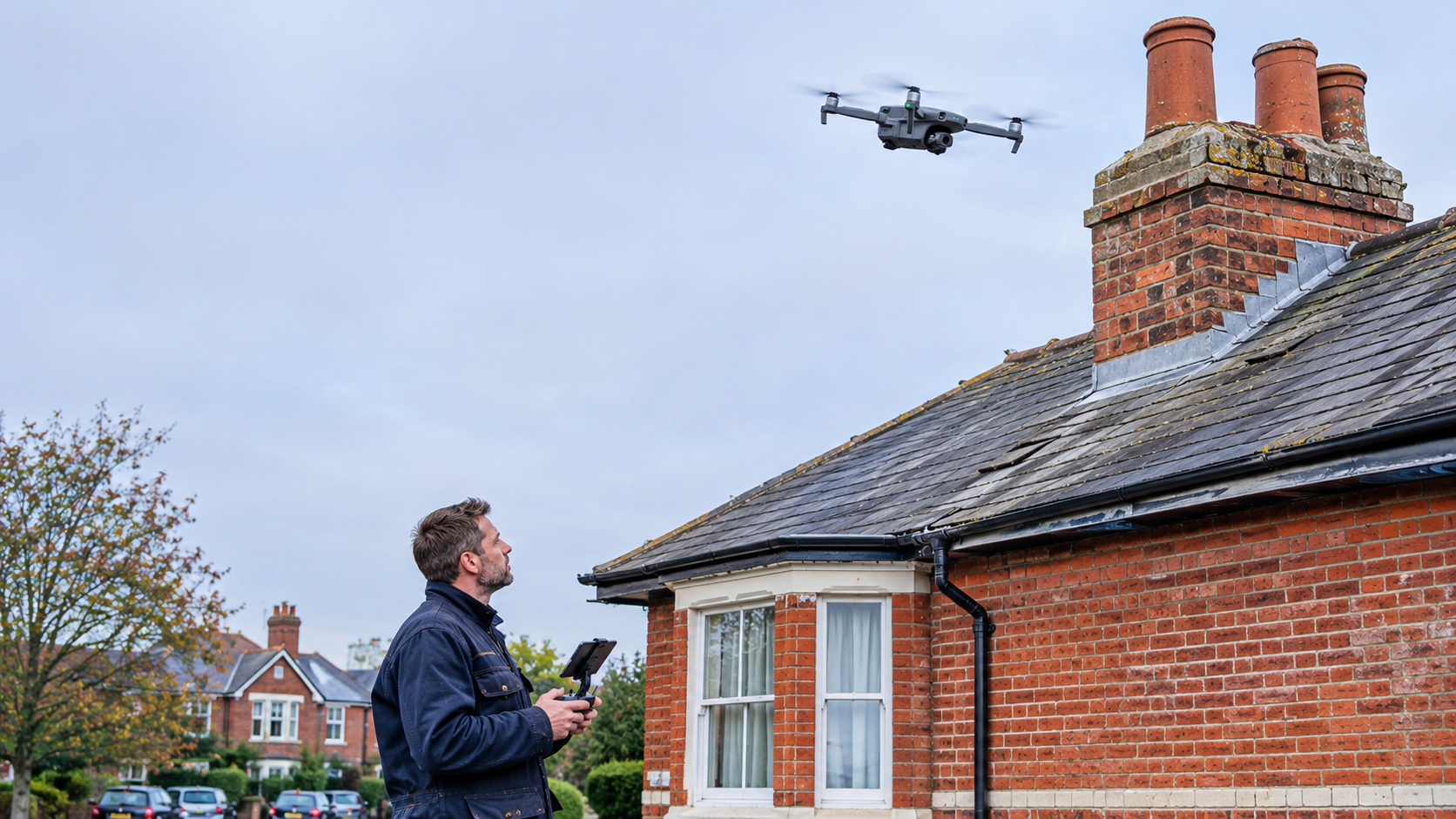
For example, a detailed chimney inspection might involve accessing suitable inspection openings, loft areas or external sections of the chimney.
You should not climb onto the roof or attempt to access the chimney stack yourself.
5. Check Whether You Need to Remove Ash From the Fireplace
Homeowners frequently ask whether they should clean their fireplace before the chimney sweep arrives.
The answer depends on the appliance and the company’s instructions.
Some chimney sweeps prefer customers to remove loose, completely cooled ash and unburnt fuel before the appointment. Others prefer to assess and prepare the appliance themselves.
If you are uncertain, ask your sweep what they would like you to do.
Never remove ash that is still warm, as hidden embers can remain hot long after a fire appears to have gone out.
You should also avoid dismantling internal stove components, removing baffle plates or disconnecting flue connections unless a competent professional has specifically instructed you to do so.
A routine wood burner chimney sweep should involve suitable preparation by the technician before the flue is cleaned.
6. Keep Children and Pets Away From the Working Area
Chimney sweeping equipment can include long flexible rods, electrical cables and other tools that require a clear working environment.
Young children and pets may be curious about the activity around the fireplace.
For everyone’s safety, arrange for pets to remain in another room and keep children away from the immediate working area during the appointment.
This allows the professional chimney sweep to concentrate on the cleaning process without unnecessary interruptions.
It also reduces the chance of equipment being disturbed while it is in use.
7. Make a Note of Any Chimney Problems You’ve Noticed
Before your chimney sweep arrives, think about whether you have experienced any unusual problems with your fireplace or stove.
Even minor observations can help the technician understand the condition of the chimney system.
Useful information to share includes:
- Smoke occasionally entering the room.
- Unusual soot or tar-like smells.
- Difficulties lighting or maintaining a fire.
- Poor chimney draught.
- Debris falling into the fireplace.
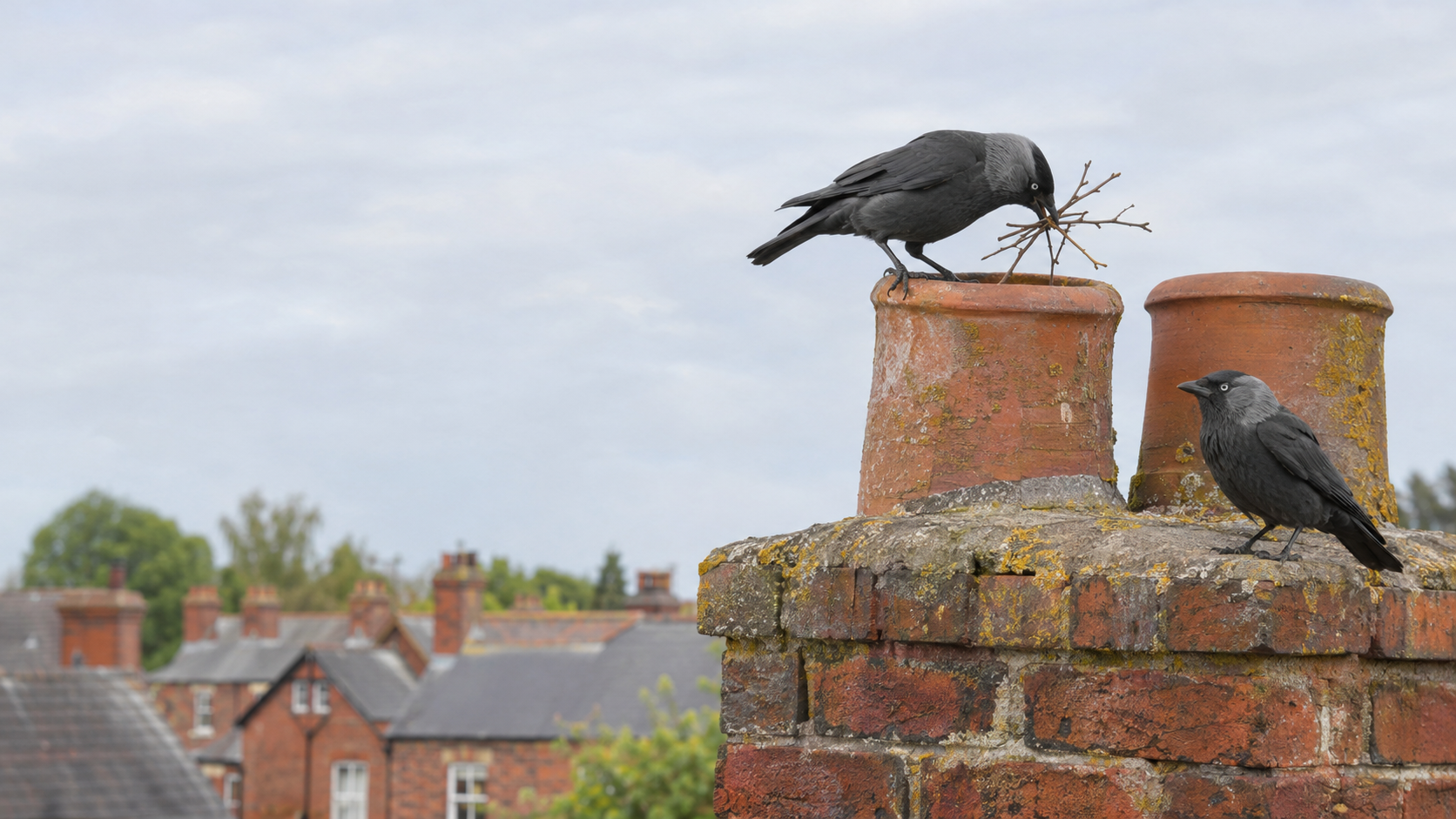
- Evidence of birds entering the chimney.
- Water staining around the chimney breast.
- Unusual noises or changes in stove performance.
If you have experienced persistent smoke problems or suspect a chimney blockage, avoid using the appliance until it has been professionally assessed.
A routine chimney sweep may identify some warning signs, but hidden defects can require additional inspection.
For more detailed investigations, Midlands Sweeps also provides specialist chimney inspection services.
8. Have Information About Your Stove or Fireplace Ready
If you own a modern wood-burning stove or multi-fuel burner, it can be helpful to know the appliance’s manufacturer and model.
Some appliances have specific maintenance requirements, and certain flue liners require particular sweeping tools.
Having the manufacturer’s instructions available can help the technician understand the installation.
You may also want to mention when the chimney was last swept and whether any repairs or modifications have been carried out.
For homeowners who have recently moved into a property, the previous maintenance history may be unknown.
If that is the case, explain this before the appointment so the chimney sweep can advise whether additional checks might be appropriate.
9. Understand What Happens During Professional Chimney Sweeping
Knowing what to expect can make your appointment feel much more straightforward.
A typical professional chimney cleaning service involves preparing the working area, protecting surrounding surfaces and accessing the chimney or flue.
The technician then uses suitable sweeping equipment to remove accumulated soot, loose deposits and debris.
Depending on the appliance and the agreed service, the sweep may also perform accessible visual checks and appropriate operational assessments.
After the cleaning, the technician should explain any important findings and provide relevant documentation.
A chimney sweeping certificate records the work carried out but does not automatically confirm that every part of the chimney or installation is free from defects.
If additional concerns are identified, further inspection or repairs may be recommended.
10. Ask Questions Before the Appointment Ends
A chimney sweeping visit is also an opportunity to understand your fireplace or stove better.
Before the technician leaves, consider asking about the condition of the chimney, whether significant deposits were found and when the next sweep should be scheduled.
You can also ask whether your wood-burning stove requires separate servicing.
HETAS recommends sweeping chimneys at least twice a year when burning wood and at least once a year when using smokeless fuels. The appropriate schedule can vary depending on the appliance, fuel and frequency of use.
Discussing your heating habits with a professional can help you establish a suitable maintenance routine.
Quick Chimney Sweep Preparation Checklist
If you have a professional chimney sweep booked, use this checklist before the technician arrives:
-
Stop using your fireplace or stove early enough for it to become completely cold.
-
Remove ornaments and unnecessary items from the hearth.
-
Create sufficient working space around the fireplace.
-
Move or cover delicate furniture and belongings.
-
Provide clear access from the entrance to the fireplace.
-
Follow your sweep’s instructions regarding ashes and unburnt fuel.
-
Arrange for pets and children to remain away from the working area.
-
Make a note of unusual chimney smells, smoke problems or other concerns.
-
Have appliance details or previous maintenance records available if possible.
-
Confirm the appointment time and any special access requirements.
These simple preparations can help make the chimney sweeping process smoother and more convenient.
Frequently Asked Questions About Preparing for a Chimney Sweep
How long before a chimney sweep should I stop using my fireplace?
Many chimney sweeps recommend allowing at least 24 hours without use, but you should follow your technician’s specific instructions. The fireplace, flue and ash must be completely cool before work begins.
Do I need to move furniture before chimney sweeping?
You should remove furniture and belongings that obstruct the immediate working area. It is usually unnecessary to move every item in the room.
Should I clean my wood-burning stove before the sweep arrives?
You do not normally need to dismantle or thoroughly clean your stove. Ask your chimney sweep whether they want you to remove completely cooled ashes or leave the appliance as it is.
Will chimney sweeping make my house dirty?
Professional chimney sweeps use protective sheets and suitable dust-control equipment to minimise mess. However, some soot or dust can occasionally escape, particularly where a flue is heavily blocked.
Do I need to be home during the chimney sweeping appointment?
Someone should normally be available to provide access, discuss any chimney concerns and receive the technician’s findings. Confirm the company’s appointment requirements when booking.
How often should I arrange professional chimney sweeping?
The frequency depends on your fuel, appliance and usage. Wood-burning chimneys generally require more frequent sweeping than those used with smokeless fuels. Follow appropriate industry guidance and your technician’s recommendations.
Book a Professional Chimney Sweep With Midlands Sweeps
Preparing your home for a chimney sweep appointment does not need to be complicated.
Allowing your fireplace to cool, clearing the working area and sharing any concerns about your chimney can make the service easier and more effective.
At Midlands Sweeps, we provide professional chimney sweeping and flue liner cleaning for homeowners throughout Swadlincote, Burton on Trent, Derby, Ashby-de-la-Zouch, Coalville and surrounding areas.
As a veteran-owned, fully insured business and registered member of the National Association of Chimney Sweeps, we focus on professional workmanship, careful cleaning and respect for your home.
Whether you need routine chimney maintenance, wood burner flue cleaning or advice about an existing chimney problem, our team can help you arrange the appropriate service.
Ready to book your next chimney sweep?
Phone: +44 782 483 0604
Email: midlandsweeps@gmail.com
Website: www.midlandsweeps.com
Our Services: Professional Chimney Sweeping
Midlands Sweeps — professional chimney care, with attention to your home and safety.