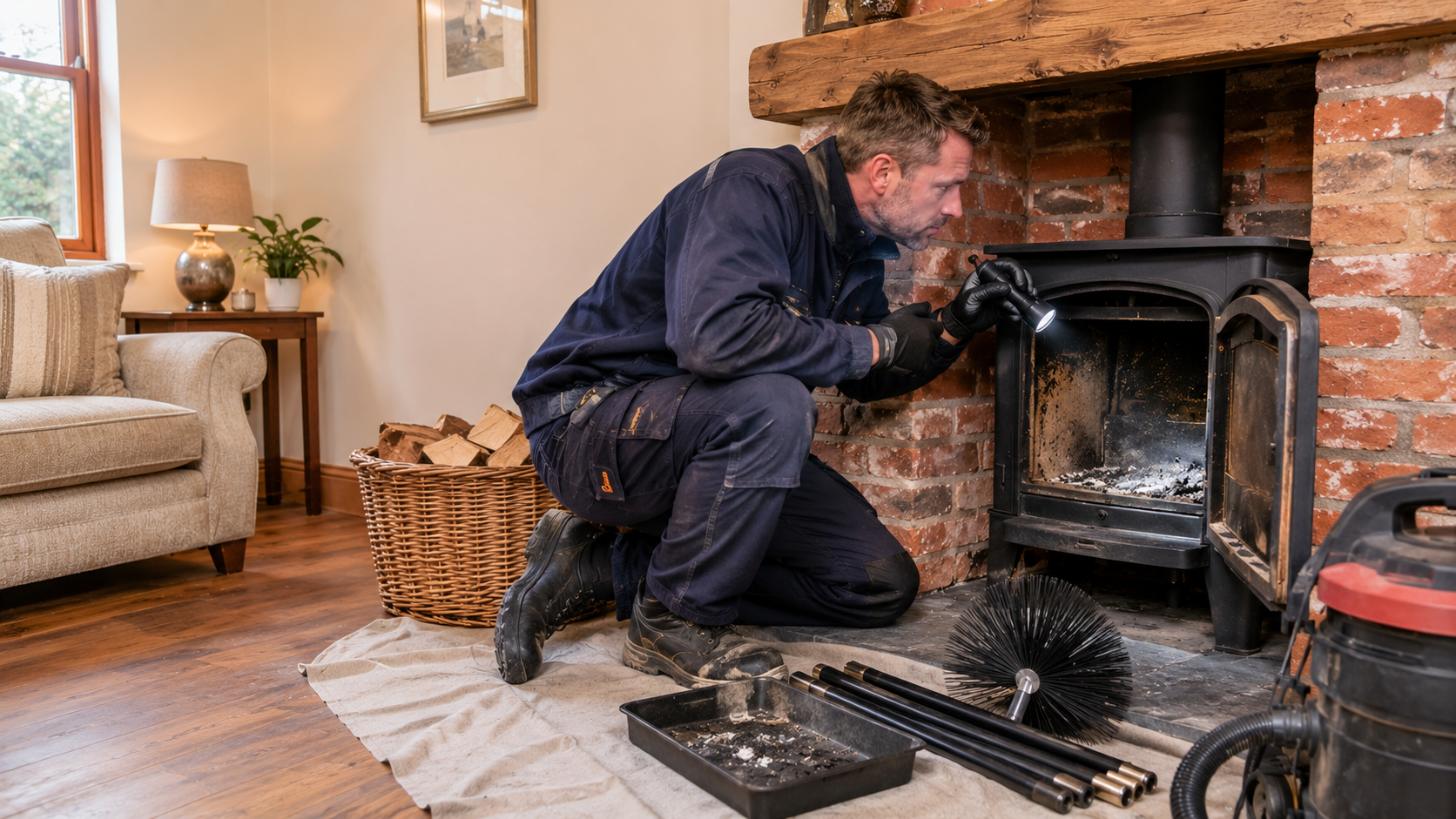
A fireplace or wood-burning stove can make your home feel warm and comfortable, particularly during the colder months. However, a fireplace that appears to be working normally can sometimes develop problems that affect its safety.
Smoke entering the room, unusual noises, damaged stove components and debris falling down the chimney are all warning signs homeowners should take seriously.
Some problems develop gradually, while others can become dangerous very quickly.
Knowing when to stop using your fireplace can help reduce the risk of chimney fires, carbon monoxide exposure and further damage to your heating system.
In this guide, Midlands Sweeps explains ten important fireplace warning signs, what they may indicate and when professional chimney sweeping or inspection is necessary.
Why Fireplace Warning Signs Should Never Be Ignored
A functioning fireplace relies on several components working together.
The appliance must burn fuel correctly, sufficient combustion air must be available and the chimney must carry smoke and combustion gases safely outside.
Problems with any part of this system can affect how the fireplace operates.
For example, accumulated soot can contribute to chimney fires, while a blocked or damaged flue may prevent harmful combustion gases from escaping.
Not every unusual smell or change in burning behaviour means there is an immediate emergency. However, certain symptoms should prompt you to stop using the fireplace until a competent professional has investigated the cause.
Important: If you suspect an active chimney fire or your carbon monoxide alarm sounds, leave the property and seek emergency assistance. Do not continue using the appliance or attempt to resolve the problem by lighting another fire.
1. Smoke Is Entering Your Living Room
One of the clearest signs of a potential fireplace problem is smoke coming back into your home instead of travelling up the chimney.
A properly functioning chimney should provide a suitable route for combustion gases to escape.
When smoke spills into the room, it may indicate a problem with the chimney draught, ventilation or flue.
Possible causes include:
- Excessive soot or creosote deposits.
- Bird nests or other chimney obstructions.
- Fallen masonry inside the flue.
- Inadequate combustion air.
- Unfavourable wind or downdraught conditions.
- Damaged or incorrectly installed chimney components.
Even if smoke only enters the room occasionally, the cause should be investigated.
What should you do?
Stop using the fireplace, avoid adding more fuel and ventilate the room if it is safe to do so. If smoke is heavy, the fire appears out of control or anyone feels unwell, evacuate and seek emergency assistance.
Do not relight the appliance until the problem has been assessed.
A professional chimney sweep may be able to remove deposits or obstructions, while more complicated draught problems may require further investigation.
2. Your Carbon Monoxide Alarm Activates
Carbon monoxide is a dangerous gas produced when carbon-containing fuels burn incompletely.
It has no colour, smell or taste, making it impossible to identify reliably without appropriate detection equipment.
Faulty appliances, inadequate ventilation and blocked flues can all contribute to carbon monoxide entering living spaces.
If your carbon monoxide alarm sounds, treat it as an emergency.
Take the following steps:
- Stop using fuel-burning appliances if you can do so immediately and safely.
- Leave the property and move into fresh air.
- Call emergency services if anyone is unwell, has collapsed or there is an immediate danger.
- Seek urgent medical advice if exposure is suspected.
- Do not return until emergency services or an appropriate professional advises that it is safe.
Possible symptoms of carbon monoxide poisoning include headaches, dizziness, nausea, unusual tiredness, confusion and breathlessness.
Symptoms that improve when you leave the property and return when you go back inside are particularly concerning.
Homeowners should have suitable carbon monoxide alarms installed and maintained according to current requirements.
However, an alarm does not replace regular chimney sweeping, appliance servicing or professional inspections.
3. You Hear Roaring, Rumbling or Unusual Noises From the Chimney
A chimney fire can produce unusual sounds, including a loud roaring or rushing noise.
In some cases, homeowners may also notice sparks, flames or unusually heavy smoke emerging from the chimney pot.
Chimney fires occur when combustible deposits, such as soot and creosote, ignite inside the flue.
These fires can generate intense heat and potentially damage chimney liners, masonry and surrounding building materials.
Some chimney fires are less obvious, so the absence of a loud noise does not guarantee that one is not occurring.
What should you do?
If you suspect a chimney fire, leave the building and call 999, asking for the fire and rescue service.
Do not pour water into the stove or chimney or attempt to extinguish the fire yourself.
The chimney and appliance must be professionally assessed after a suspected chimney fire before being used again, even if no damage is immediately visible.
4. Soot, Bricks or Debris Are Falling Into the Fireplace
Finding small amounts of ash inside a fireplace is normal after burning fuel.
However, material falling from above the firebox can indicate a problem inside the chimney.
Warning signs include:
- Large amounts of black soot falling into the hearth.
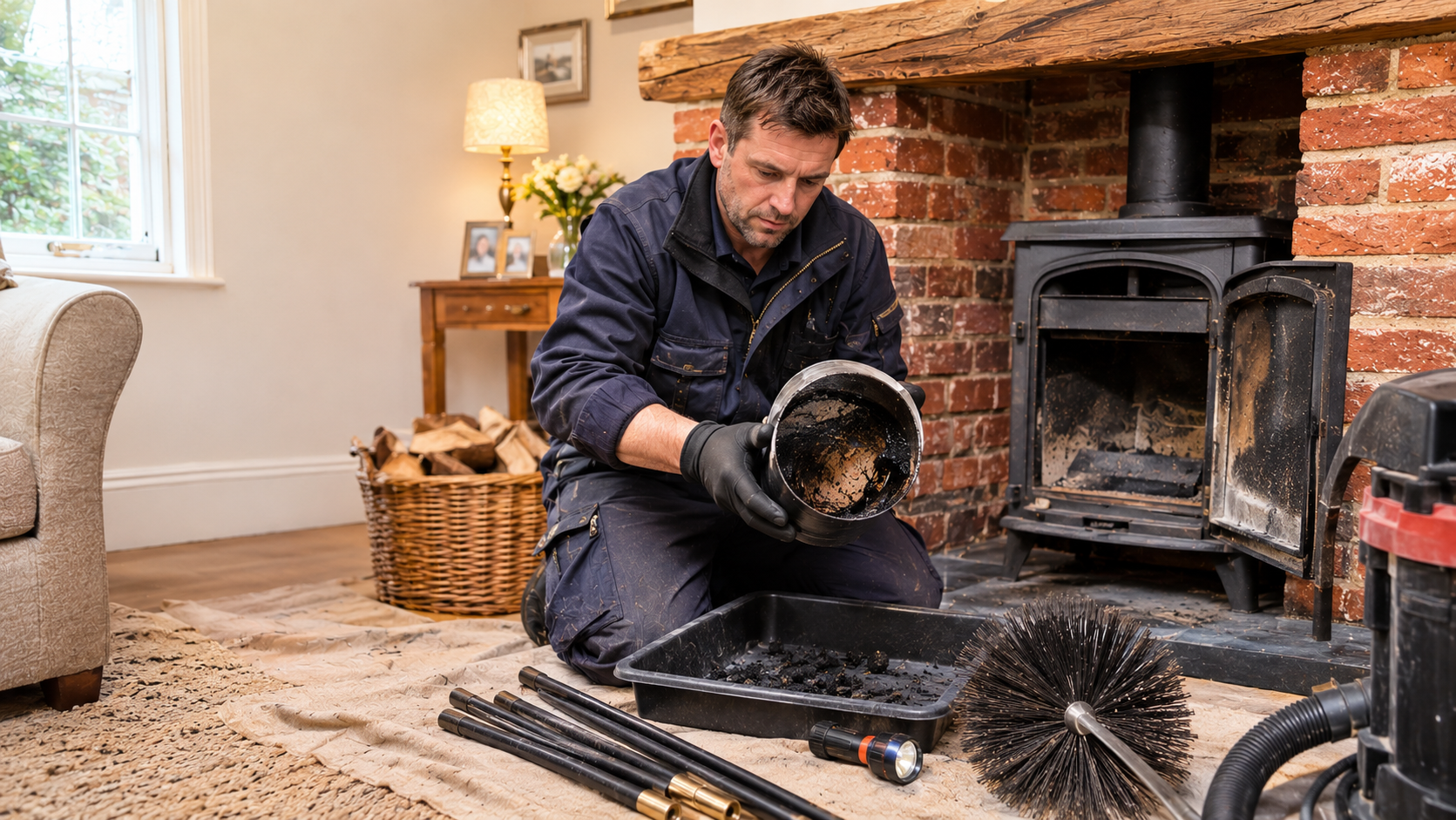
- Hard, dark flakes or tar-like deposits.
- Pieces of mortar or brick.
- Twigs, leaves or other nesting materials.
- Unexpected debris appearing after the fireplace has been cleaned.
Loose masonry may suggest that the internal chimney structure is deteriorating.
Bird nesting material can also accumulate inside flues and potentially obstruct them.
If you notice repeated or substantial debris falling from the chimney, stop using the fireplace until the cause is established.
Never attempt to burn away a suspected nest or blockage.
Professional chimney cleaning may remove loose deposits, while fallen masonry or suspected structural damage may require a detailed inspection.
5. Your Fireplace Produces Strong, Unusual Smells
Fireplaces can retain a mild smoky smell, particularly after use.
However, persistent or unusually strong odours may indicate a maintenance problem.
Pay attention to smells resembling:
- Heavy tar or creosote.
- Strong stale smoke.
- Damp soot.
- Burning material outside the normal firebox.
- Overheated metal or surrounding materials.
Tar-like smells may be associated with deposits inside the chimney.
Moisture can also interact with soot and old combustion residue, creating unpleasant odours.
A persistent burning smell outside the firebox is especially concerning and may indicate overheating or another dangerous condition.
If an unusual smell develops alongside smoke leakage, excessive heat or poor appliance performance, stop using the fireplace and arrange an assessment.
Remember that carbon monoxide itself has no smell, so the absence of an odour does not mean an appliance is safe.
6. Your Wood-Burning Stove Has Cracked Glass or Damaged Components
Wood-burning stoves are designed to withstand high operating temperatures, but their components can deteriorate over time.
Damage may develop through repeated heating, normal wear, incorrect operation or overfiring.
Potential warning signs include:
- Cracked or broken stove glass.
- Severely worn door rope seals.
- Warped baffle plates.
- Cracked stove body sections.
- Damaged internal firebricks.
- Loose or deteriorating flue connections.
- Air controls that no longer operate correctly.
A cracked glass panel or damaged stove body can affect the safe containment and operation of the fire.
Other defects may influence airflow and combustion.
If you notice significant damage, stop using the appliance until a competent stove technician has assessed it.
Do not attempt to repair damaged stove glass with household adhesives or unsuitable materials.
A professional stove service can help identify components requiring replacement.
7. Your Stove or Flue Pipe Becomes Unusually Hot
Wood-burning stoves naturally become very hot during operation.
However, there is a difference between normal operating temperatures and dangerous overheating.
Overfiring occurs when an appliance burns at temperatures beyond its intended operating conditions.
Possible signs include:
- Sections of the stove or flue pipe glowing red.
- Unusually intense heat.
- Roaring or whooshing sounds from the appliance.
- A fire that becomes difficult to control.
- Visible distortion or damage to stove components.
HETAS identifies excessive airflow, incorrect air-control operation and deteriorated seals among potential causes of overfiring.
Overheating can damage the stove and create risks for surrounding combustible materials.
If you suspect overfiring, do not add more fuel. Follow the appliance manufacturer’s emergency instructions only if safe to do so.
If you suspect a fire within the chimney or surrounding structure, evacuate and call 999.
The stove should be professionally checked before being used again if overheating has caused or may have caused damage.
8. Your Fire Suddenly Becomes Difficult to Light or Maintain
A fireplace that suddenly behaves differently from normal may be experiencing a combustion or draught problem.
For example, a log burner that previously lit easily may begin struggling to establish a flame.
You might notice:
- Logs repeatedly smouldering instead of burning properly.
- The fire going out unexpectedly.
- Unusually weak chimney draught.
- Excessive smoke during normal operation.
- Persistent difficulty maintaining a stable fire.
These symptoms can result from unsuitable fuel, insufficient combustion air or incorrect operating settings.
However, they may also be associated with chimney obstructions or other defects.
If normal operation cannot be restored using the manufacturer’s instructions and suitable fuel, stop using the appliance and arrange a professional assessment.
Do not repeatedly relight a fireplace when you suspect a blocked chimney.
9. You Notice Water Stains, Damp Patches or Chimney Damage
Water entering a chimney can cause problems beyond unpleasant damp patches.
Rainwater may enter through damaged flashing, deteriorating masonry, cracked chimney pots or other external defects.
Over time, moisture can contribute to corrosion, mortar deterioration and damage to internal chimney components.
Potential warning signs include:
- Damp patches around the chimney breast.
- Brown or yellow staining on nearby walls.
- Loose or crumbling mortar.
- Water appearing inside the fireplace.
- Visible cracks in the chimney structure.
- Pieces of masonry falling into the hearth.
Minor staining does not always mean the fireplace must remain unused, but active water entry, loose masonry or suspected flue damage should be investigated before further use.
If moisture is accompanied by visible structural deterioration or fallen debris, stop using the appliance until it has been assessed.
Older properties may require additional attention because traditional masonry chimneys can contain defects hidden from view.
10. You Suspect Birds or Animals Are Blocking the Chimney
Chimneys can provide sheltered spaces for nesting birds, particularly during spring and early summer.
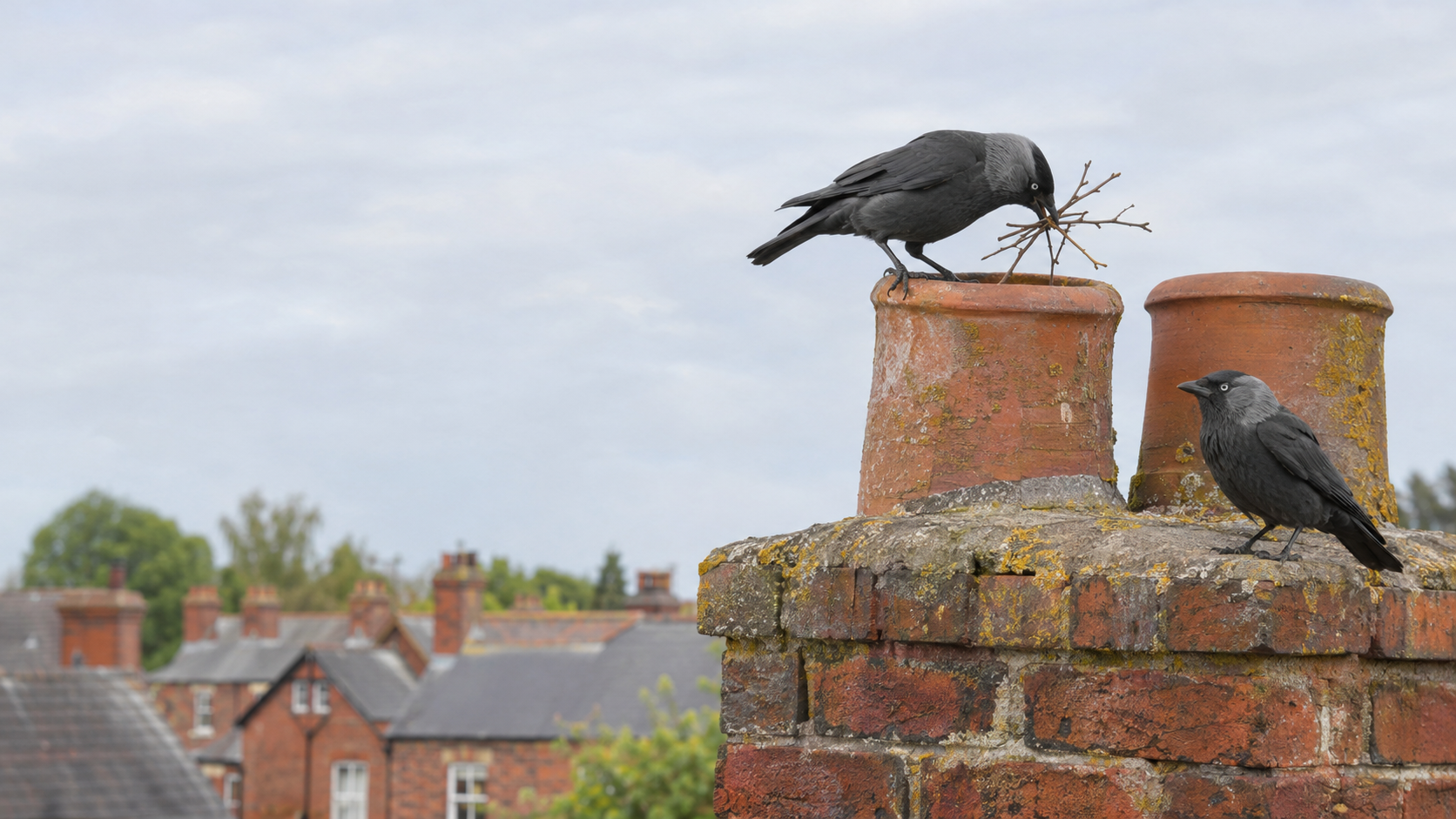
Jackdaws are known for building substantial nests using twigs and other materials.
If nesting material collects inside a chimney, it may partially or completely obstruct the flue.
Possible signs include:
- Scratching or fluttering sounds.
- Birds repeatedly entering the chimney pot.
- Twigs or feathers falling into the fireplace.
- Unusual smells coming from the flue.
- Sudden deterioration in chimney draught.
Never light a fire to remove nesting materials.
Apart from creating a fire risk, disturbing active nests may breach wildlife protection legislation.
If you suspect a bird nest, stop using the fireplace and arrange an assessment.
Midlands Sweeps provides bird nest removal services where removal is appropriate and lawful.
What Should You Do If Your Fireplace Shows Warning Signs?
The appropriate action depends on the severity of the problem.
| Warning sign | Recommended action | Carbon monoxide alarm sounds | Evacuate immediately and seek urgent assistance | Suspected chimney fire | Evacuate and call 999 | Smoke repeatedly entering the room | Stop using the appliance and arrange an inspection | Cracked stove glass or significant damage | Do not use until repaired and assessed | Fallen masonry or suspected blockage | Keep the fireplace unused until checked | Suspected bird nesting material | Do not light a fire; arrange professional advice | Persistent tar smells or excessive soot | Arrange chimney sweeping and assessment | Damp staining without other symptoms | Investigate promptly; avoid use if damage or water entry is suspected |
|---|
The safest approach is to avoid relighting a fireplace when you have reason to believe the appliance or chimney may be defective.
When Is a Chimney Sweep Not Enough?
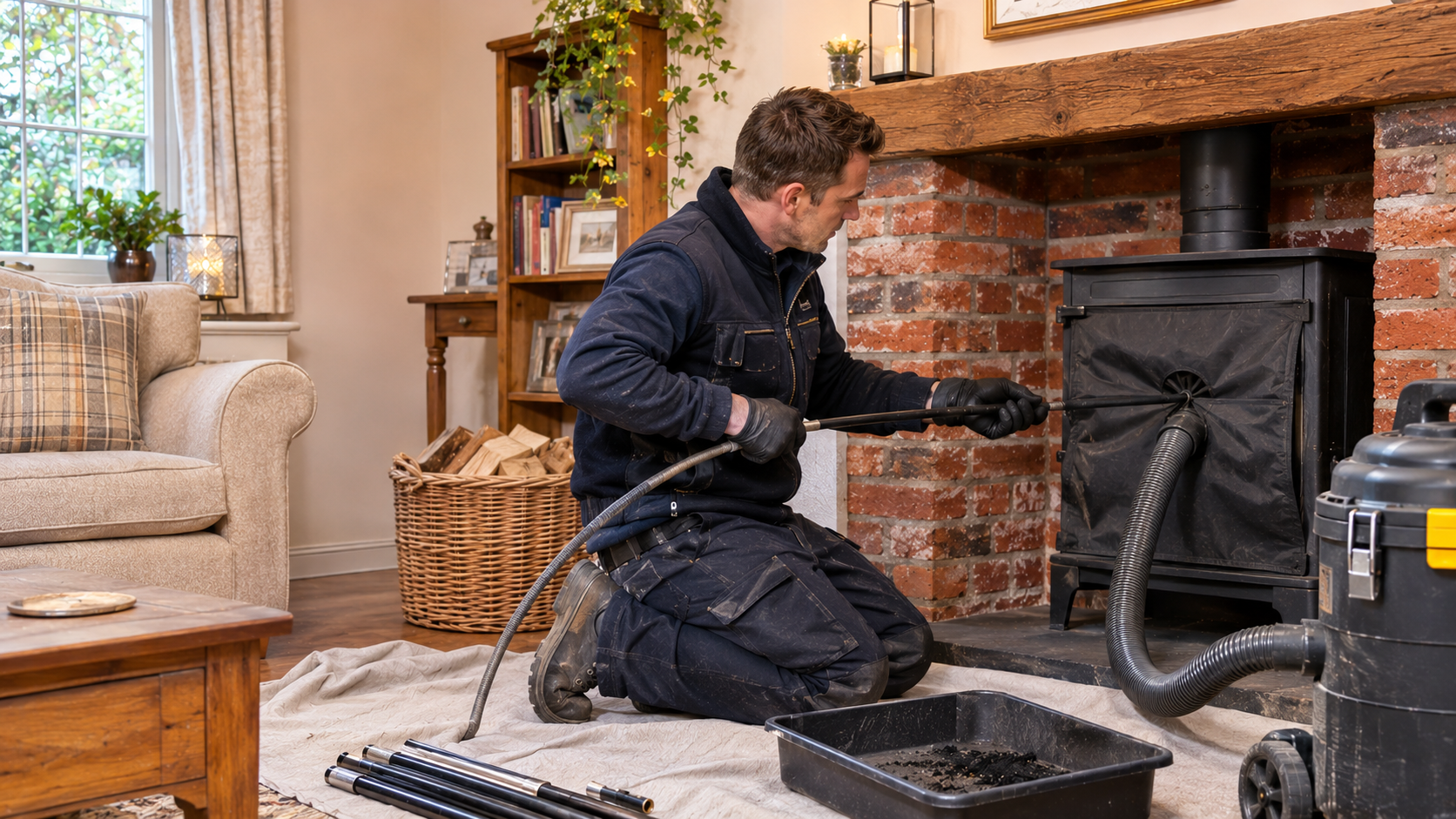
Routine chimney sweeping removes accumulated soot, loose deposits and suitable removable debris.
However, not every fireplace problem can be resolved through cleaning alone.
For example, a chimney may require additional investigation if:
- Smoke continues entering the room after sweeping.
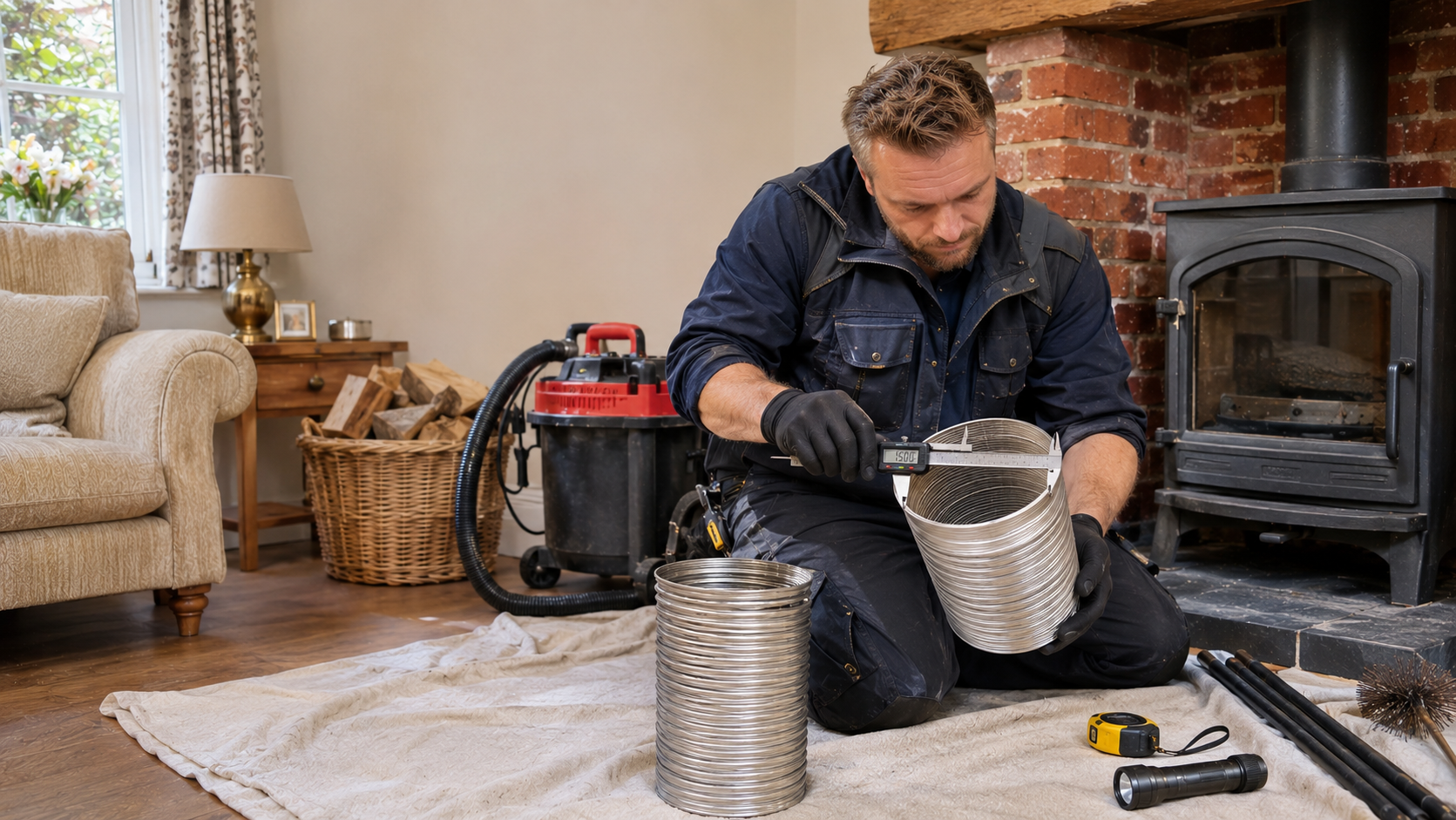
- The flue liner is suspected to be damaged.
- Loose masonry is found.
- A chimney fire has occurred.
- Structural cracks are visible.
- Heavy tar deposits cannot be removed through routine sweeping.
- Previous chimney modifications are unknown.
In these situations, a CCTV chimney inspection can help investigate inaccessible internal sections of the flue.
Specialist testing or structural assessment may also be needed.
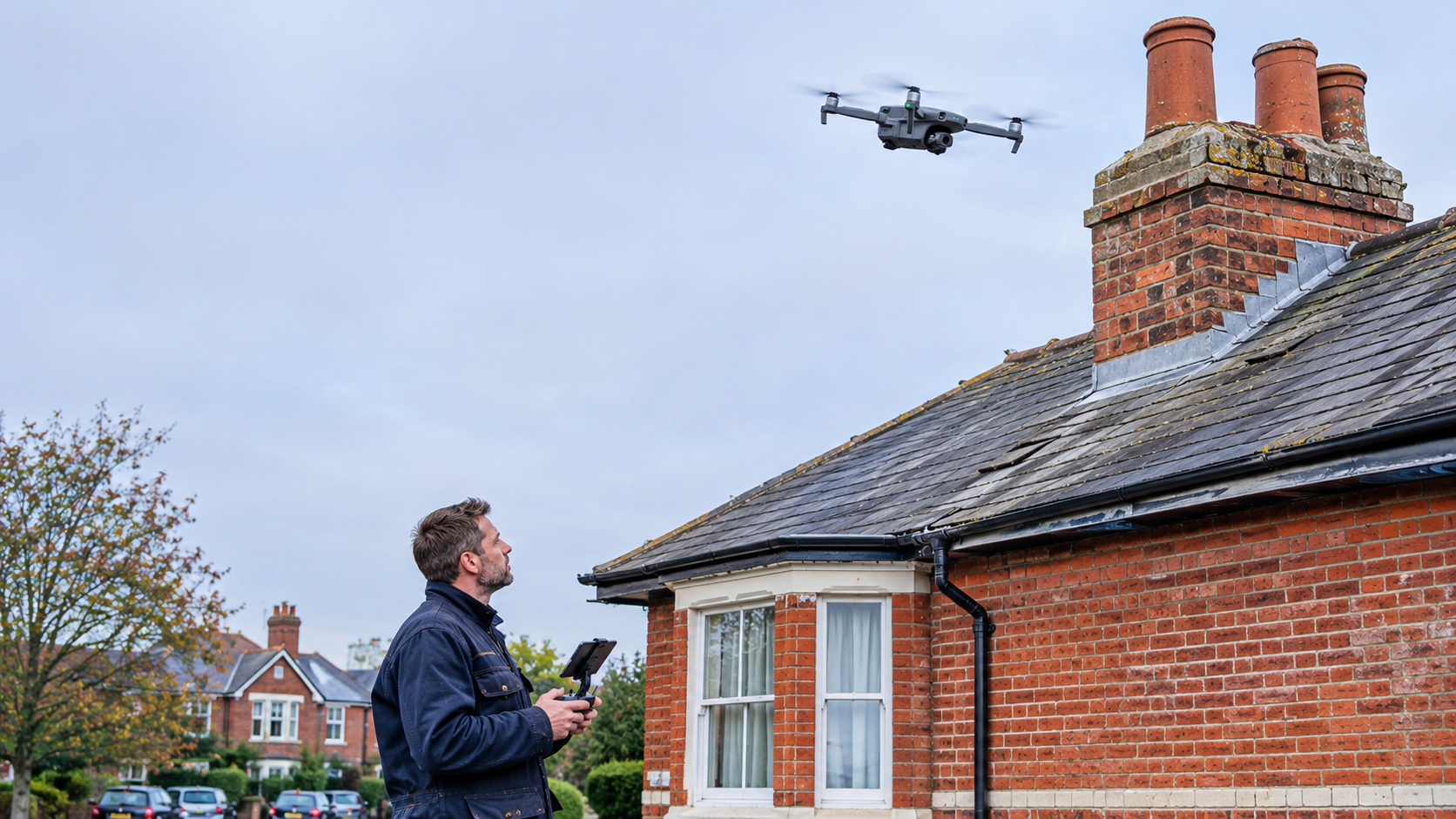
Midlands Sweeps provides CCTV and drone chimney inspections to help identify hidden defects, obstructions and chimney maintenance concerns.
How to Reduce the Risk of Fireplace Problems
Although not every issue is preventable, routine maintenance and correct appliance operation can help reduce common risks.
Arrange regular chimney sweeping. The required frequency depends on your fuel, appliance and level of use.
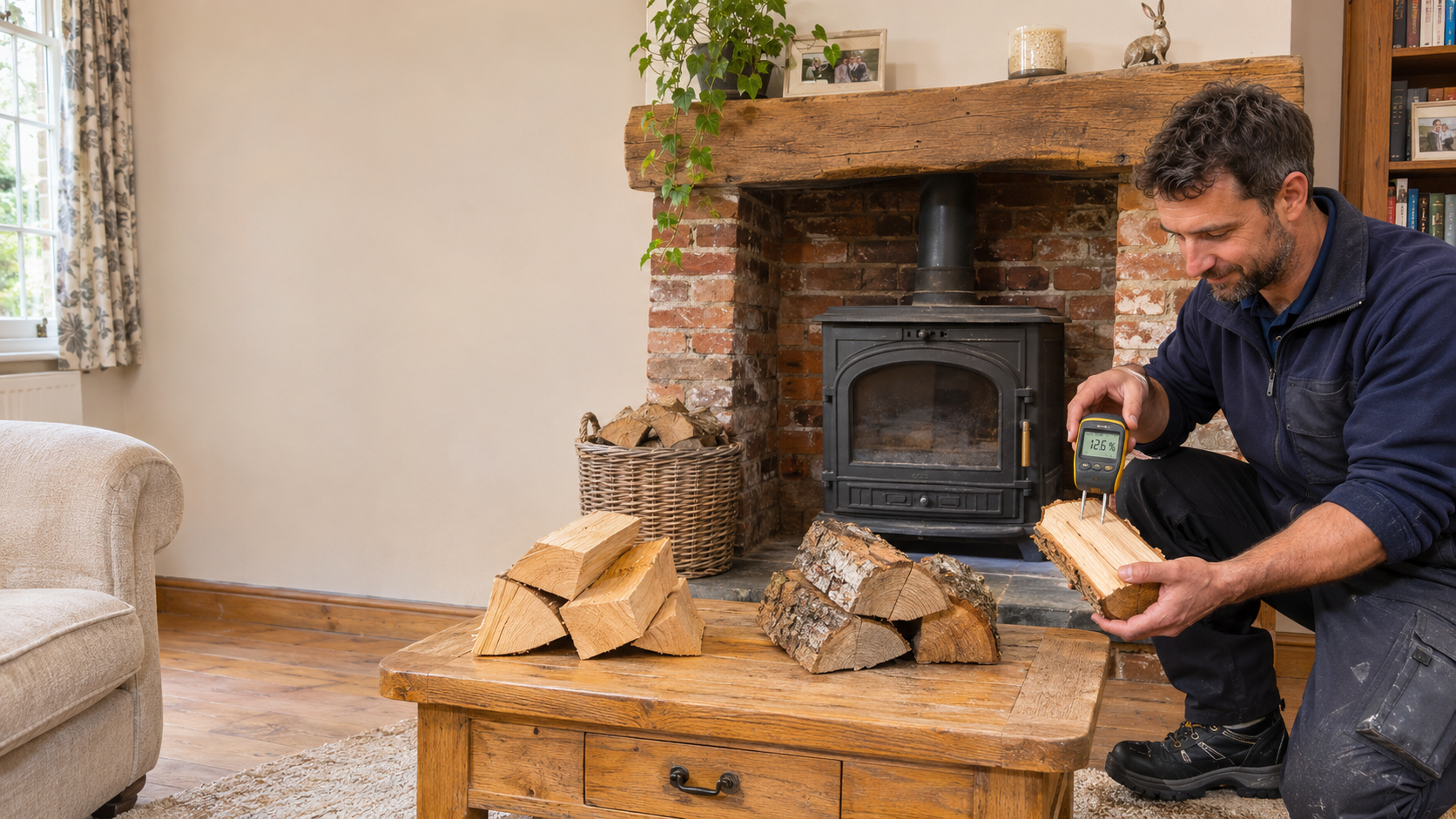
Burn suitable, dry firewood. For wood-burning appliances, use logs with a moisture content of 20% or less.
Follow the stove manufacturer’s instructions. Operate air controls correctly and avoid prolonged smouldering or overfiring.
Maintain carbon monoxide alarms. Install suitable alarms and test them according to manufacturer guidance.
Keep ventilation clear. Never block permanent combustion-air vents.
Arrange appliance servicing. Have worn seals, damaged baffles and other stove components assessed at appropriate intervals.
Investigate unusual symptoms. Do not assume that recurring smoke, debris or overheating will resolve itself.
Regular maintenance can help identify developing problems before they become more serious.
Frequently Asked Questions About Unsafe Fireplaces
How do I know if my fireplace is unsafe to use?
Warning signs include smoke entering the room, damaged appliance components, falling chimney debris, unusual overheating and suspected flue blockages. A carbon monoxide alarm or suspected chimney fire requires immediate emergency action.
Is it dangerous if smoke comes back into my living room?
Yes, smoke entering the room can expose occupants to harmful combustion products and indicate a ventilation or chimney problem. Stop using the fireplace and have the cause investigated.
Can I use my log burner if the glass is cracked?
No. Cracked stove glass should be replaced with the correct approved component before the appliance is used again.
Does a strong chimney smell mean there is a blockage?
Not necessarily. Strong smells may be caused by soot, creosote, moisture or changes in airflow. However, persistent or unusual odours should be investigated, particularly when accompanied by smoke problems.
What should I do after a chimney fire?
Call the fire and rescue service if the fire is ongoing or suspected. Even after the incident has ended, do not use the chimney until it and the connected appliance have been professionally inspected for damage.
Can a chimney sweep tell me whether my fireplace is safe?
A professional chimney sweep can identify some visible defects, deposits and obstructions. However, routine sweeping is not the same as a comprehensive chimney safety assessment. Additional inspection or specialist testing may be required.
Should I use a fireplace that has not been checked for several years?
If a chimney has been unused for a long period or its maintenance history is unknown, arrange an appropriate inspection and sweep before relighting it.
Professional Chimney Sweeping and Fireplace Inspections With Midlands Sweeps
Recognising fireplace warning signs is an important part of protecting your home.
Whether you’re dealing with unusual smoke, chimney debris, deteriorating components or recurring soot deposits, knowing when to stop using your fireplace can help prevent problems from becoming more serious.
At Midlands Sweeps, we provide professional chimney sweeping, flue liner cleaning and specialist chimney inspection services across Swadlincote, Burton on Trent, Derby, Ashby-de-la-Zouch, Coalville and surrounding areas.
As a veteran-owned, fully insured business and registered member of the National Association of Chimney Sweeps, we are committed to professional chimney care and careful workmanship.
If you have noticed signs of a chimney problem, contact our team to discuss the appropriate inspection or maintenance service.
Please remember: If you suspect an active fire or carbon monoxide emergency, contact the emergency services rather than waiting for a routine chimney sweeping appointment.
Arrange a professional chimney inspection or sweeping appointment with Midlands Sweeps.
Phone: +44 782 483 0604
Email: midlandsweeps@gmail.com
Website: www.midlandsweeps.com
Chimney Sweeping Services: Professional Chimney Sweep
Book an Appointment: Contact Midlands Sweeps
Midlands Sweeps — professional chimney care to help keep your home safe and your fireplace well maintained.