
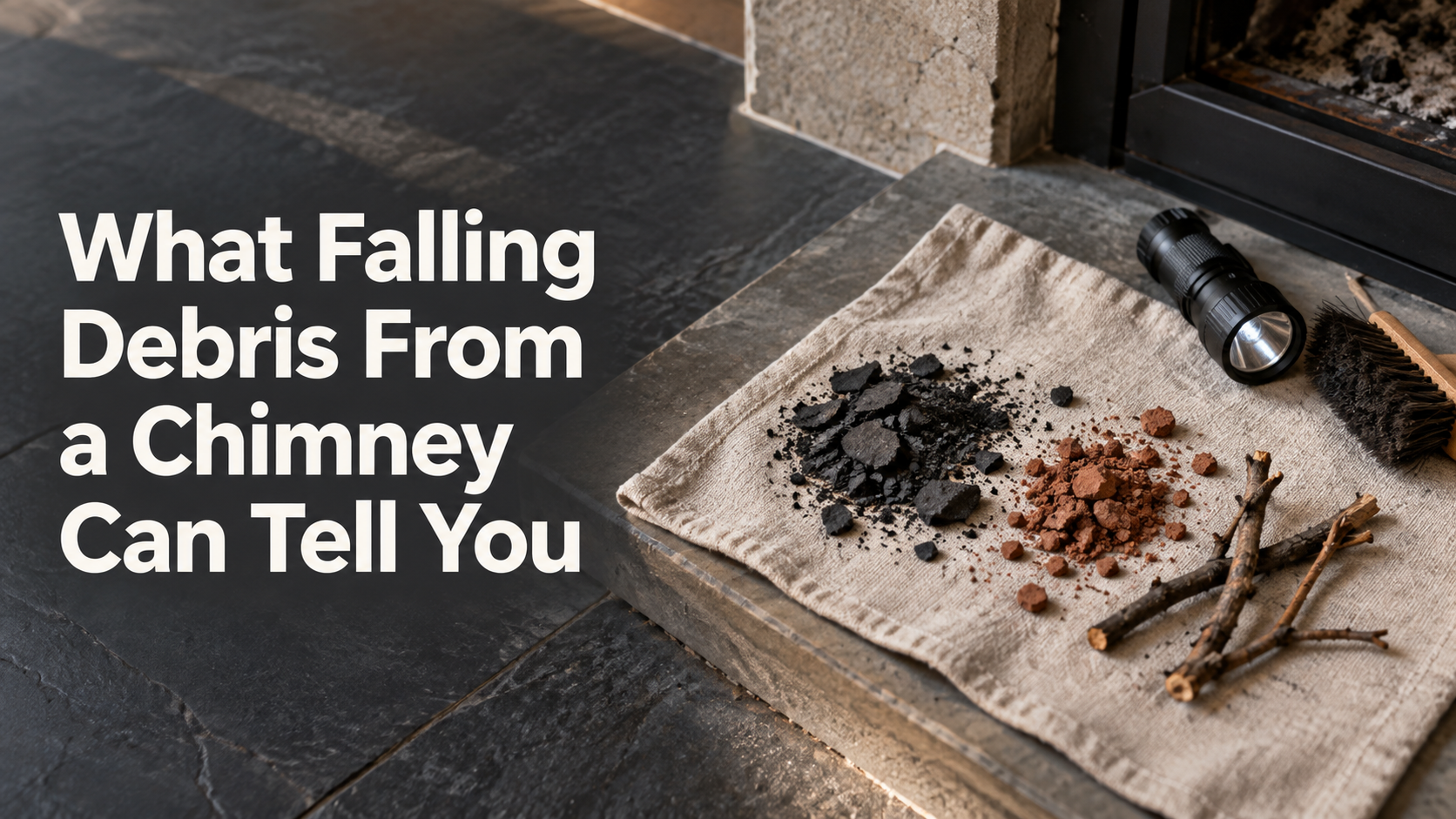
Small pieces of soot, mortar, or nesting material occasionally falling into a fireplace may seem like a minor housekeeping problem. However, chimney debris can sometimes provide useful clues about what is happening inside the flue or at roof level.
The color, texture, and frequency of the material can help indicate whether the chimney simply needs cleaning or requires a more detailed inspection.
Loose Soot and Tar Deposits
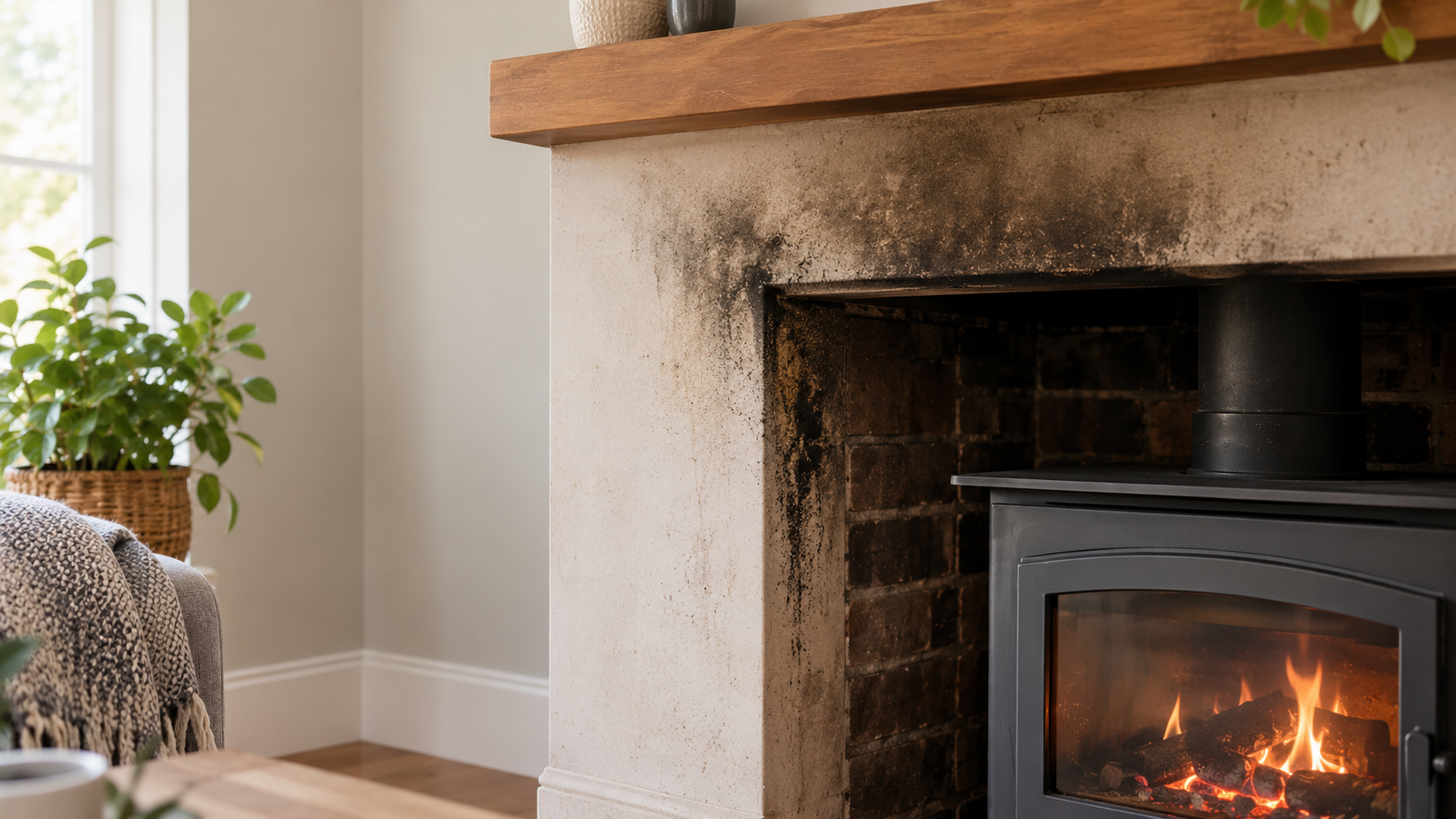
Black, powdery debris is often loose soot produced by burning fuel. As deposits build inside a chimney, some may fall naturally into the fireplace or stove. Larger flakes can be associated with heavier deposits that have dried and separated from the flue walls.
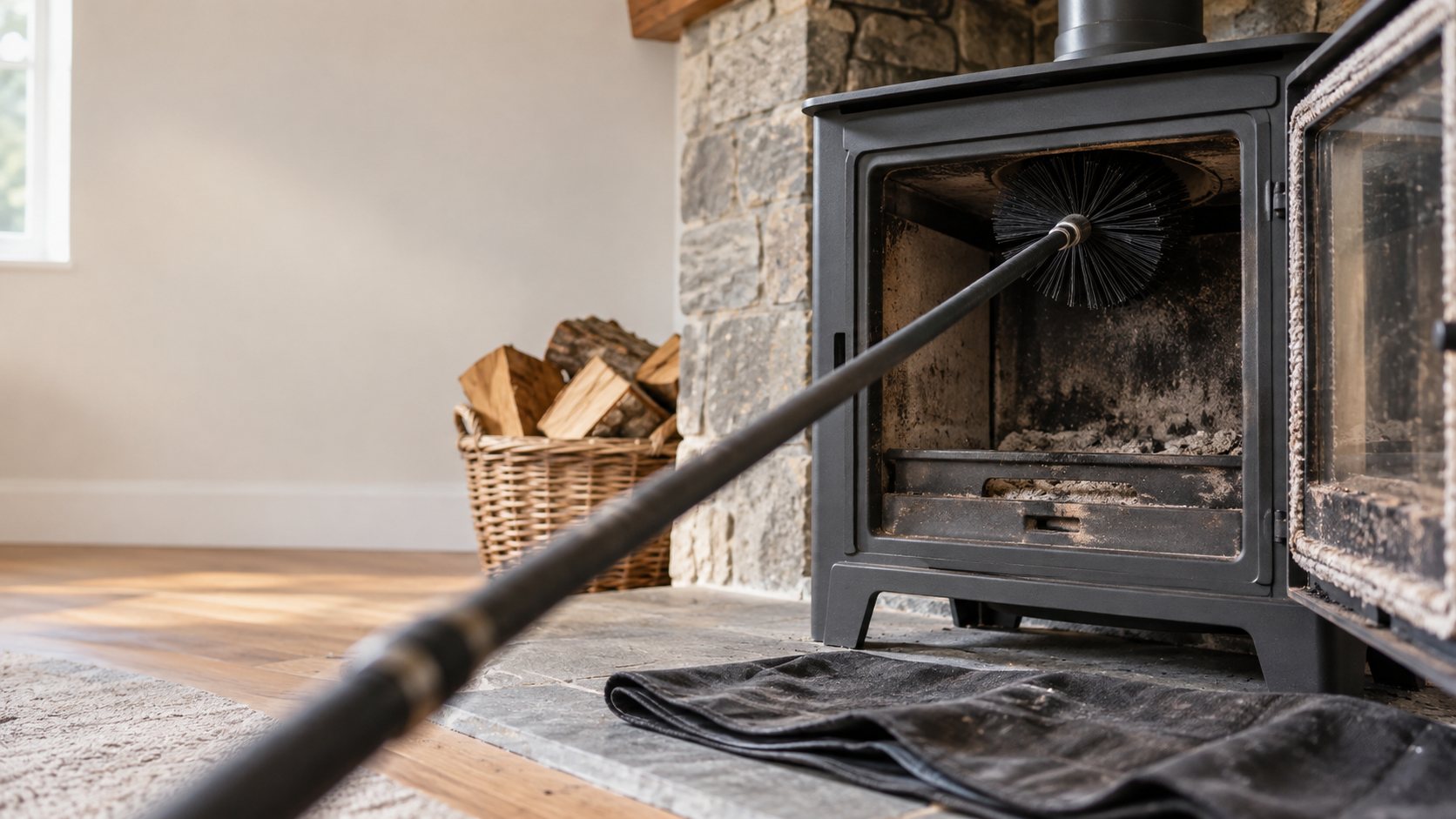
A professional chimney sweep can remove accumulated soot using suitable brushes and equipment. Regular sweeping supports airflow and reduces the amount of combustible material inside the chimney. The correct sweeping schedule depends on the appliance, fuel, and frequency of use.
Crumbling Mortar and Masonry
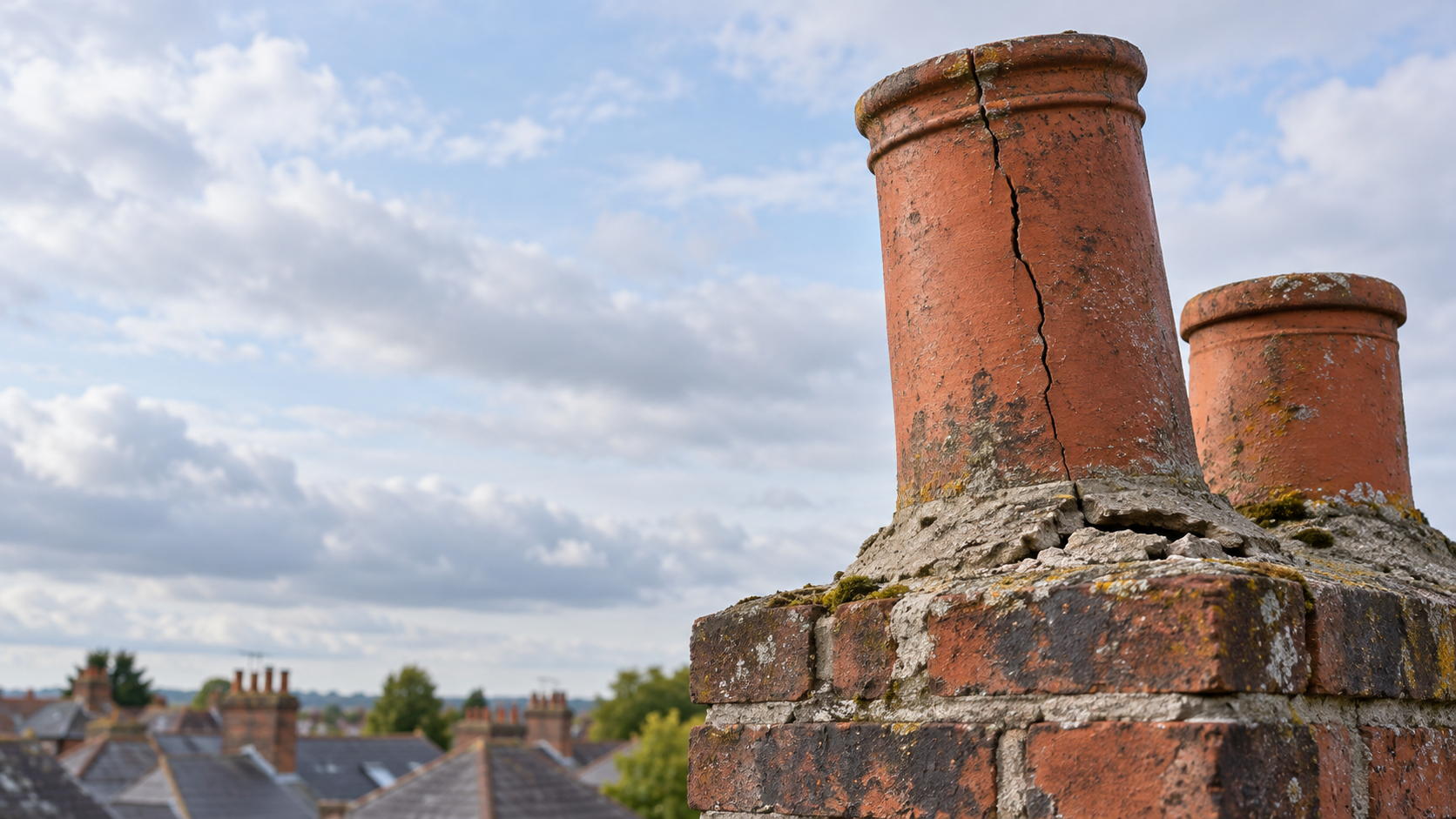
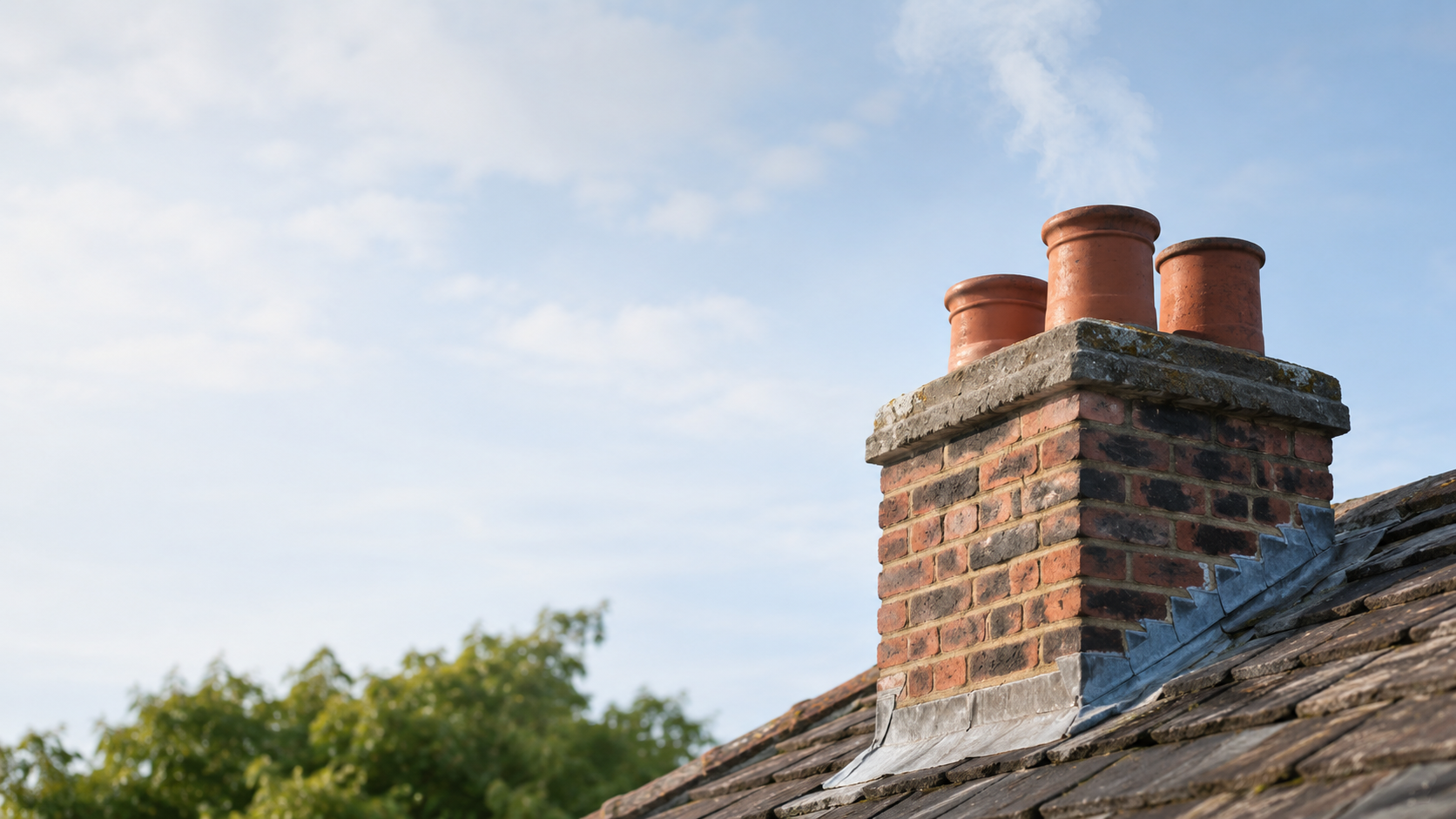
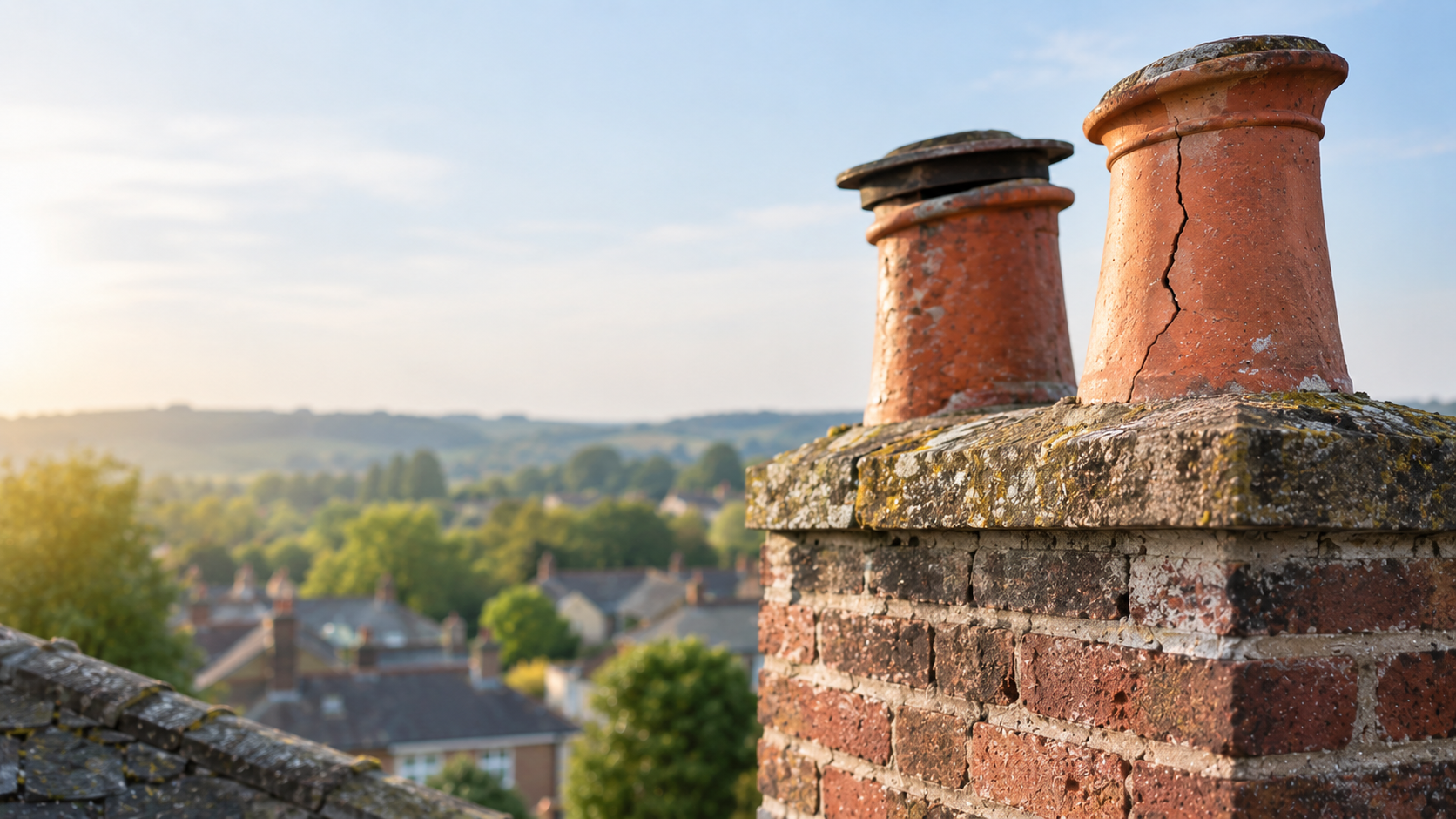
Grey or sandy fragments may come from deteriorating mortar joints, chimney bricks, or the flaunching around the chimney pot. Age, moisture, and repeated temperature changes can gradually weaken these materials.
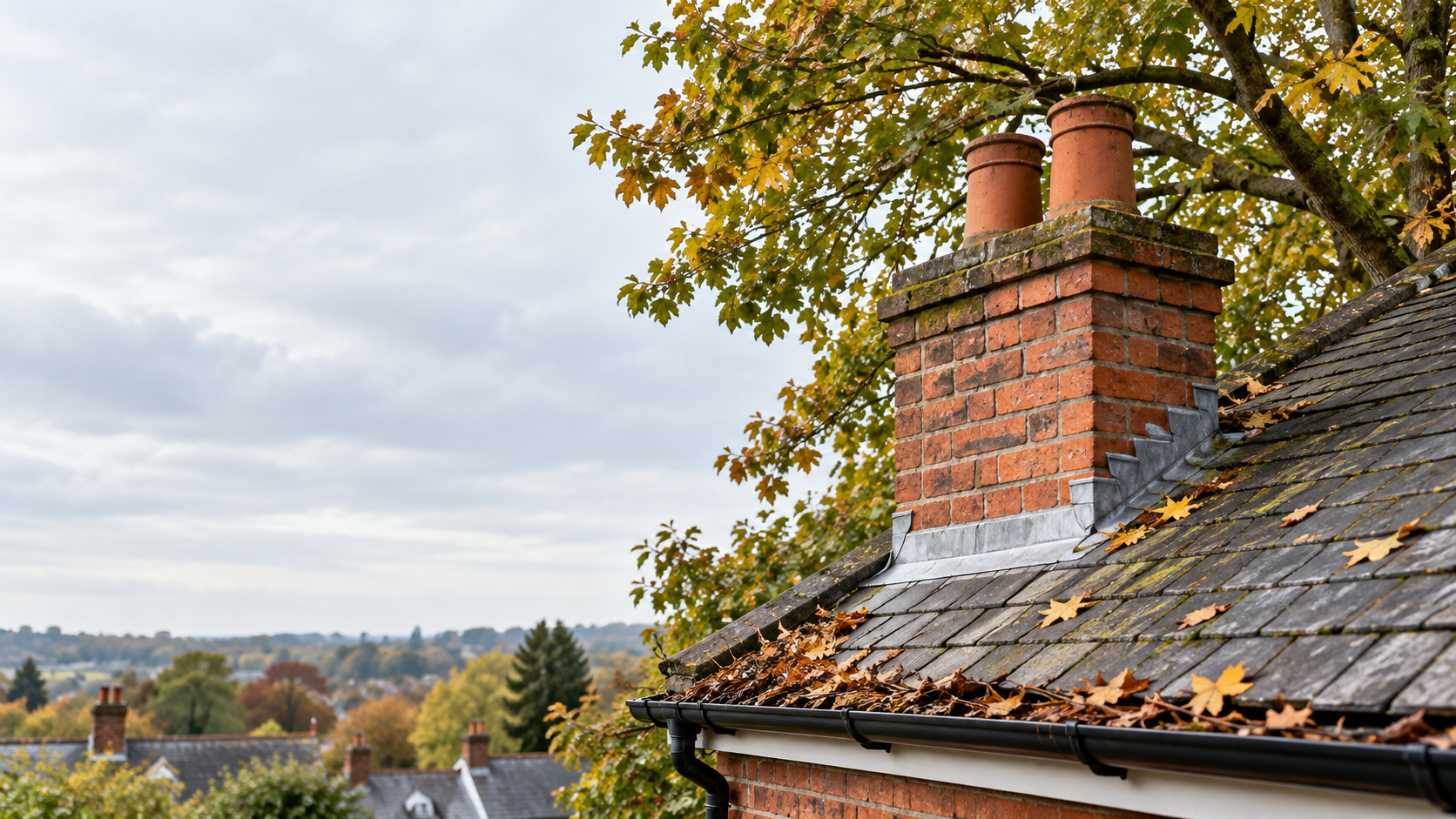
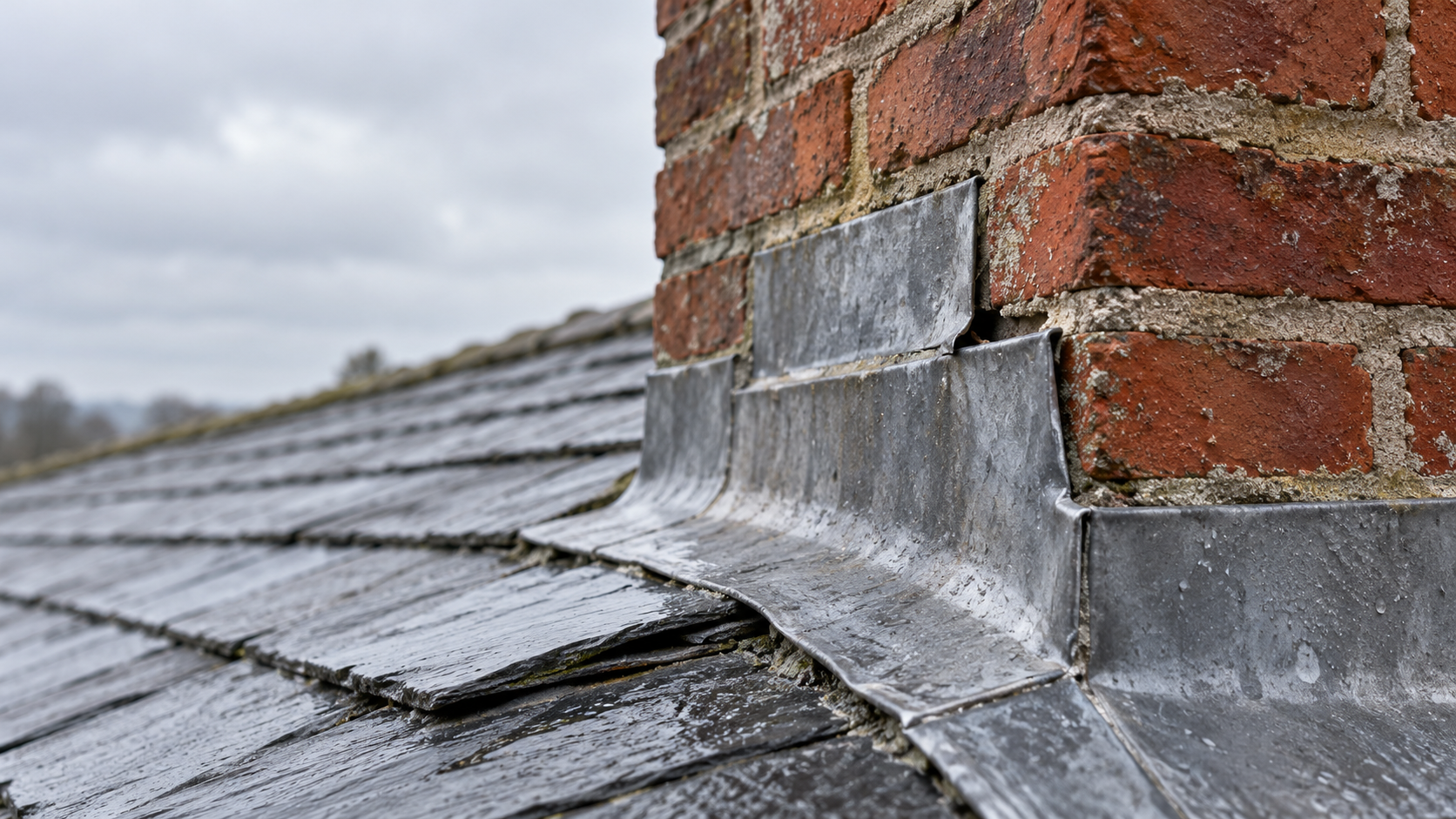
A drone inspection and roof inspection can provide a clearer view of the chimney stack, pots, flashing, and nearby roof surfaces. A drone is helpful for an initial overview, but a close physical examination may still be required before repairs are planned.
Signs of a Damaged Flue
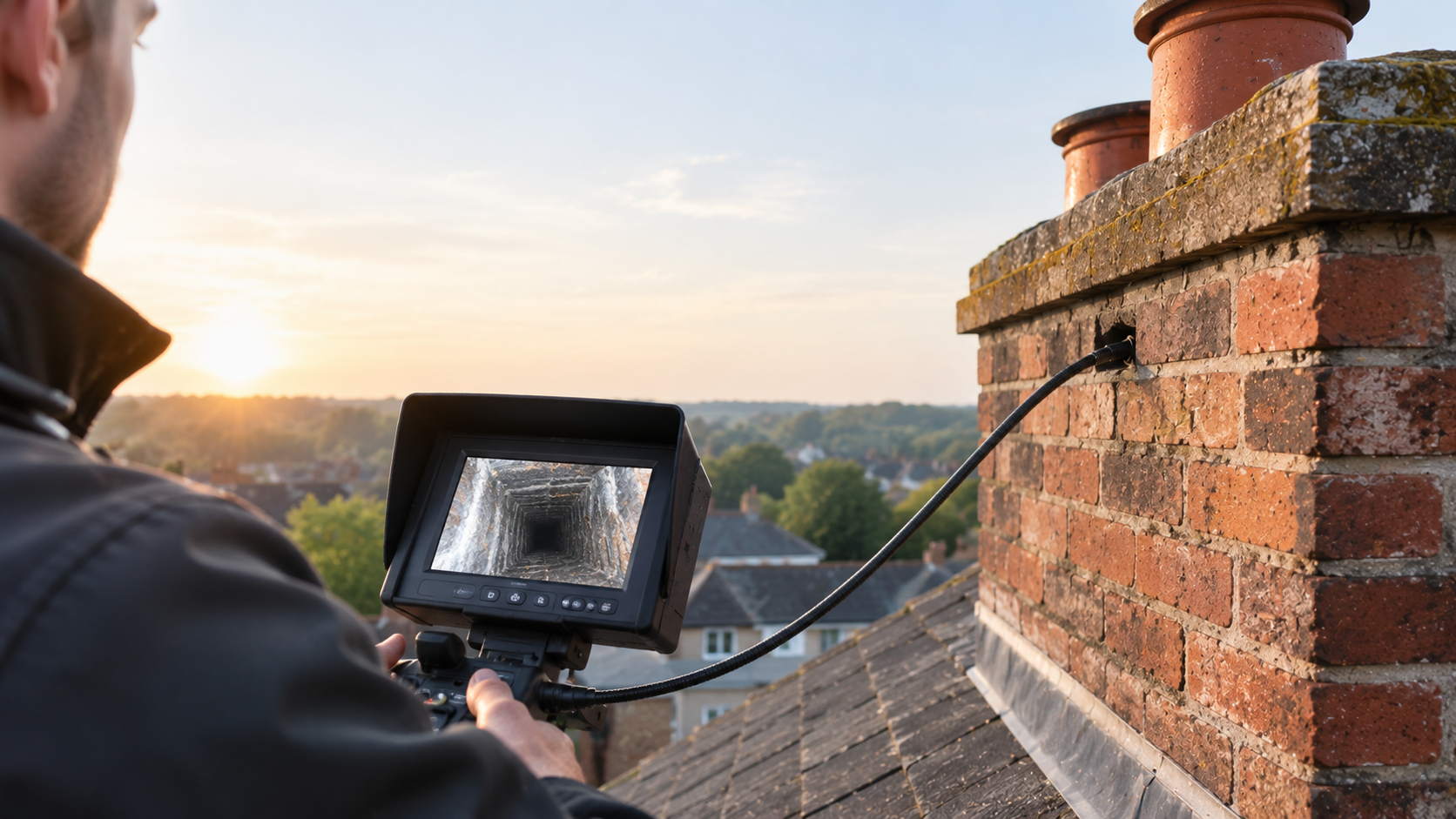
Pieces of liner, clay, or unusual fragments inside the fireplace may indicate deterioration within the flue. Damage cannot always be confirmed from fallen debris alone, so an internal camera examination may be useful.
Combining CCTV and drone inspection allows the internal passage and external chimney to be viewed separately. This can help locate cracks, gaps, obstructions, and other areas that may need attention.
If the flue is no longer suitable for the connected appliance, flue liner installation may be considered. The liner must be correctly sized and compatible with the appliance and fuel. It should only be selected after the chimney has been properly assessed.
Twigs, Feathers, and Nesting Material
Twigs, feathers or dried grass falling into a fireplace may suggest that birds have entered the chimney. A nest can restrict the movement of smoke and combustion gases, making the appliance unsafe to use.
Bird nest removal must be handled with care. Active nests, eggs, and wild birds may be legally protected, so removal should only take place after the situation has been checked and at an appropriate time. Once the chimney is clear, a suitable cowl may help reduce the chance of future nesting while maintaining ventilation.
Debris After Installing a Stove
Some loose material may appear after building work or appliance changes. Before a log burner installation, the chimney should be inspected to confirm that it is structurally suitable, clear, and correctly ventilated.
The hearth, flue route, and available ventilation must also match the chosen appliance. Debris that continues to fall after installation should not be ignored, particularly when it is accompanied by smoke leakage, poor performance, or unusual smells.
When to Arrange an Inspection
Occasional fine soot may simply indicate that sweeping is due. However, repeated masonry fragments, liner pieces, nesting material, or increasing amounts of debris require further investigation.
Midlands Sweeps can examine the fireplace, flue, and visible external chimney areas to help identify where the material is coming from. Until the cause is understood, avoid using the appliance if there is any possibility of a blockage or structural problem.
Conclusion
Falling chimney debris can range from ordinary soot to evidence of damaged masonry, a deteriorating liner, or a bird nest. Paying attention to the material and arranging the appropriate checks can help homeowners understand the condition of the chimney before the problem becomes more serious.
Frequently Asked Questions
Is falling soot always a serious problem?
Not always. Small amounts may indicate that sweeping is due, but repeated or heavy deposits should be assessed.
Can fallen mortar mean the chimney is unsafe?
It may indicate deterioration, although an inspection is needed to establish its location and extent.
Should I use my stove if twigs fall into it?
No. Twigs may indicate a nest or blockage, so the chimney should be checked before the stove is used again