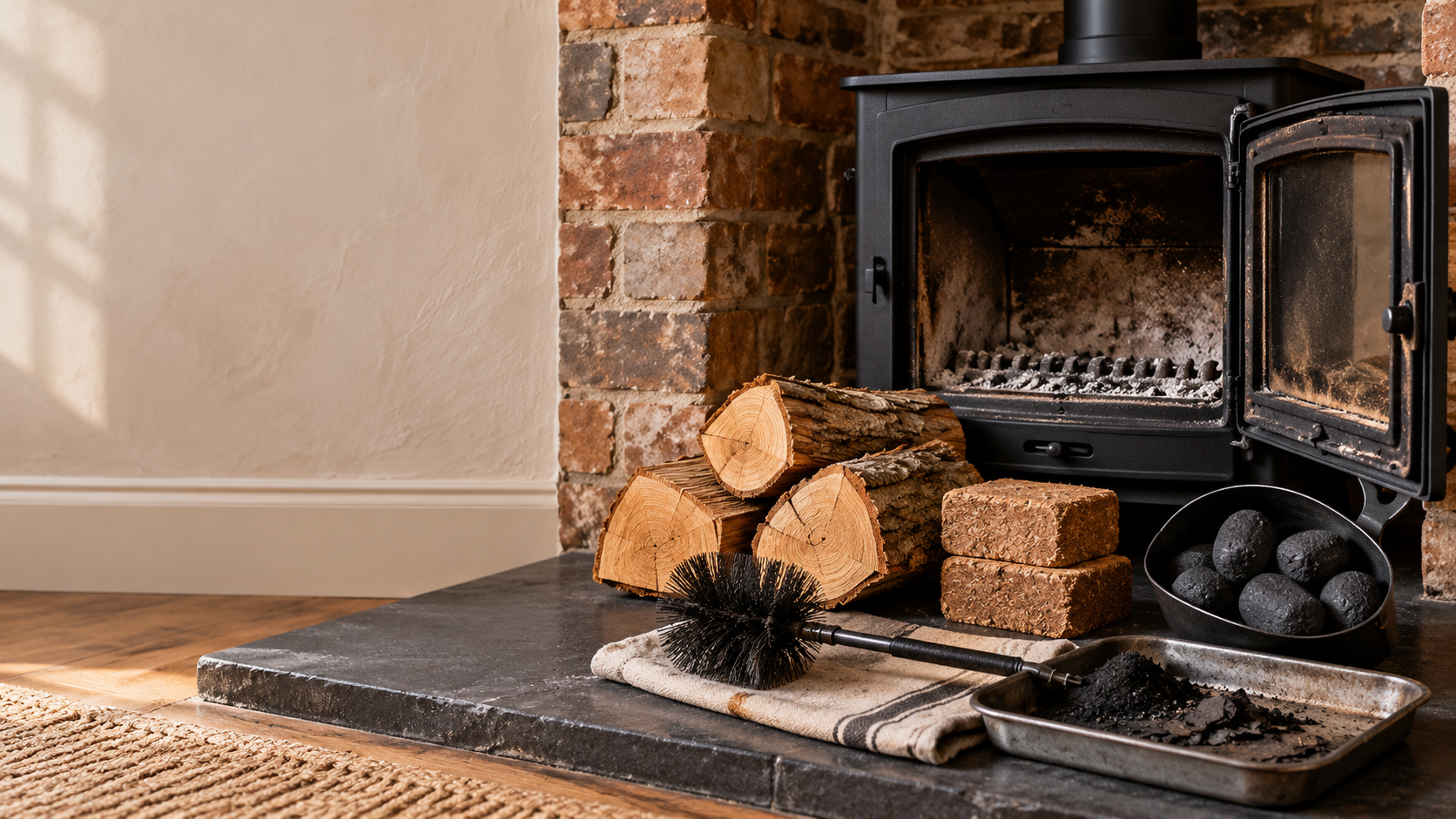
A chimney may look clear from the fireplace, yet still contain hidden gaps, leaks, or faults. Sweeping removes soot and loose deposits, but it does not always confirm whether the flue is safely containing smoke. In some circumstances, a chimney smoke test can provide useful information about the condition and performance of the system.
Smoke testing should be completed using the appropriate method and interpreted alongside other inspections. It is not a substitute for every type of chimney assessment.
What Does a Chimney Smoke Test Involve?
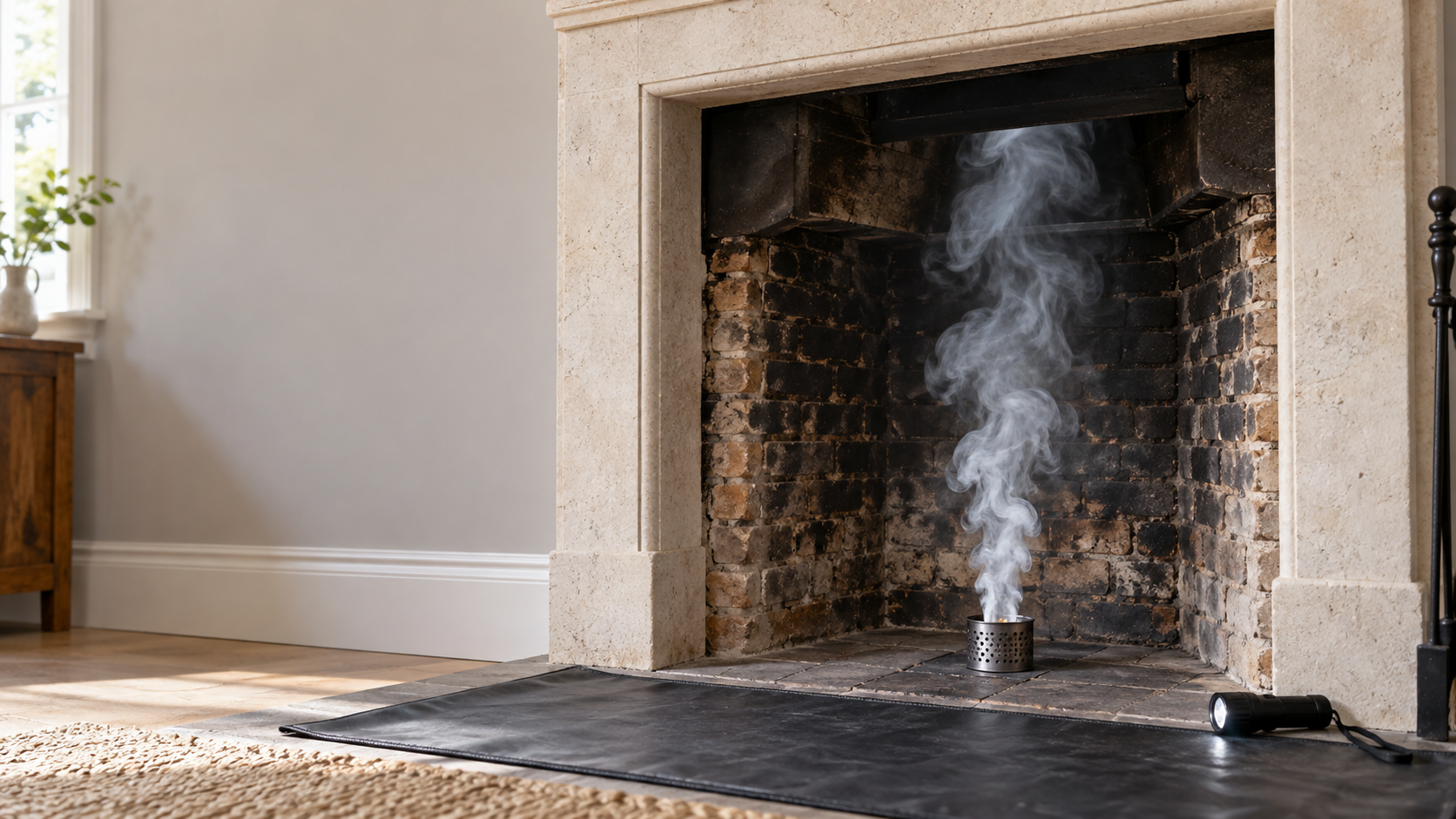
A chimney smoke test uses controlled smoke to examine how air and gases move through the flue. Depending on the type of test, it may help confirm that the chimney draws correctly or reveal smoke escaping through joints, cracks, and neighboring flues.
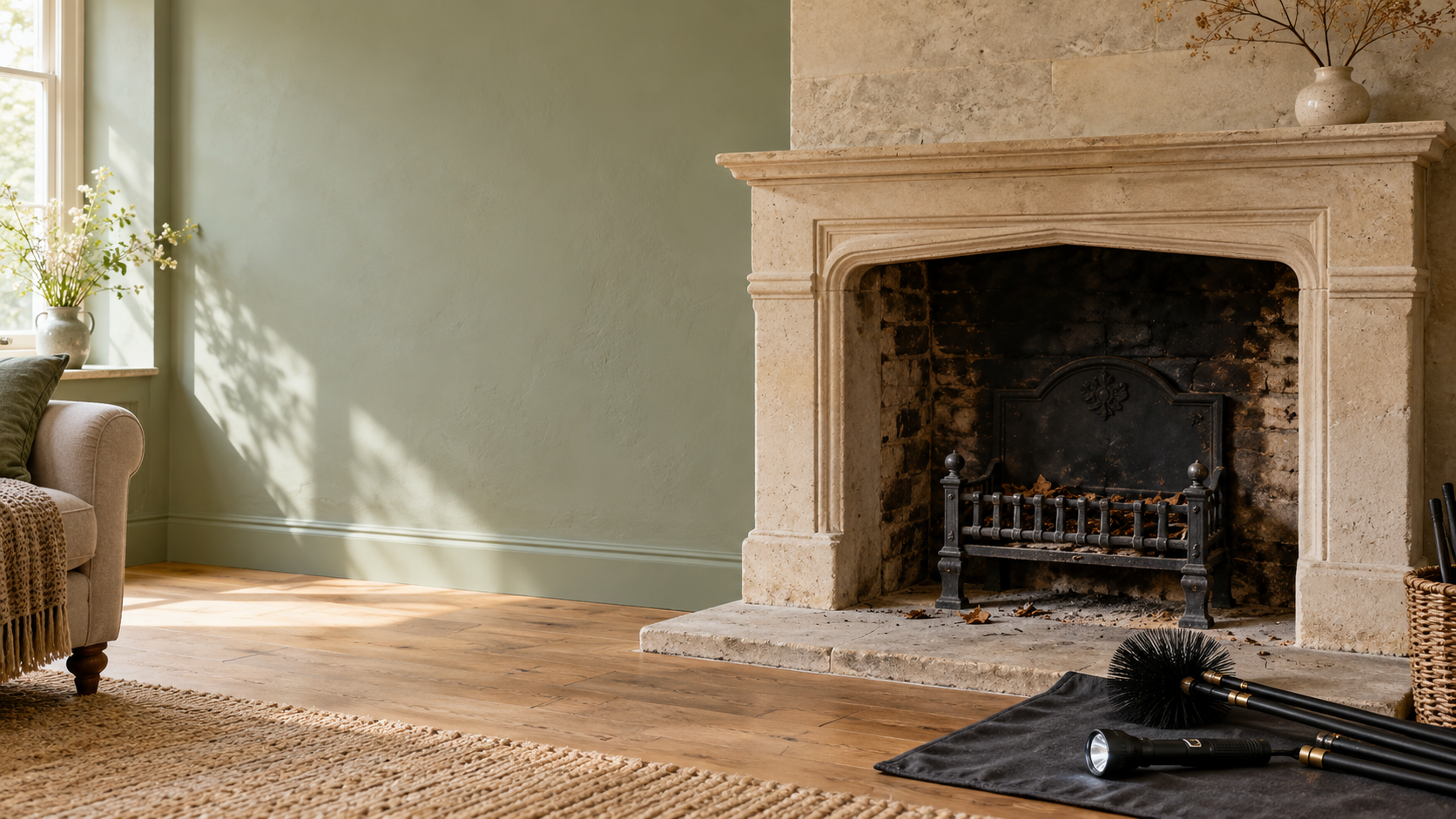
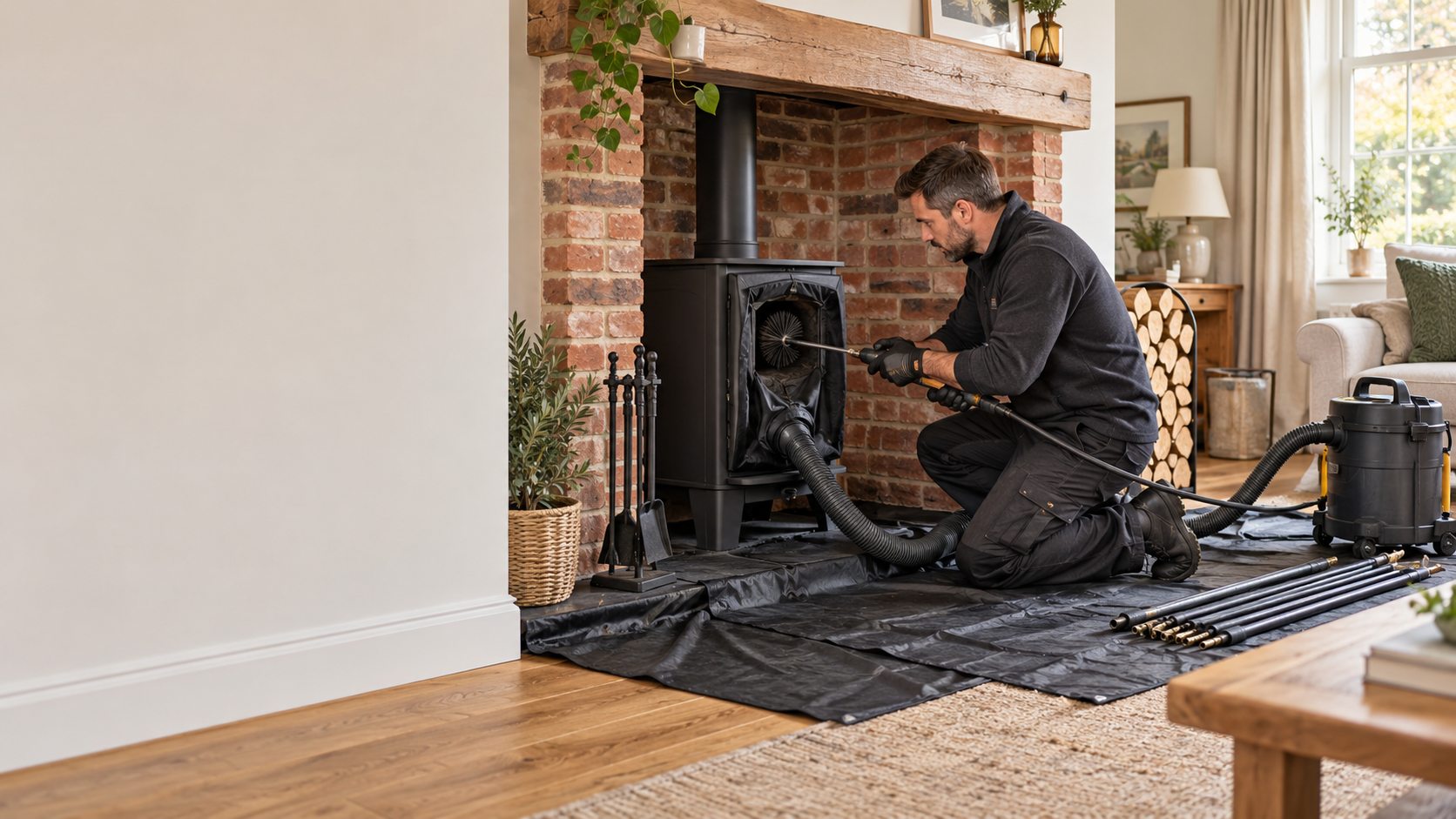
Before testing, a chimney sweep may need to clear soot and obstructions from the chimney. A blocked flue could affect the result and prevent the smoke from travelling through the full system.
Doors, windows, vents, and connected appliances may also need to be considered so the test reflects the actual chimney arrangement.
Why Might a Smoke Test Be Recommended?
A smoke test may be considered when a fireplace produces poor draught, when smoke enters a room, or when leakage is suspected. It may also be useful after chimney repairs, before reconnecting an appliance or while investigating staining and smells.
Older chimneys can contain damaged mortar joints or changes made during previous building work. Smoke may escape into roof spaces, upstairs rooms, or an adjacent flue without being immediately visible at the fireplace.
The appropriate test depends on the property and reason for the inspection. Homeowners should not attempt to create a test using burning paper, household smoke products, or other uncontrolled materials.
How CCTV Supports the Investigation
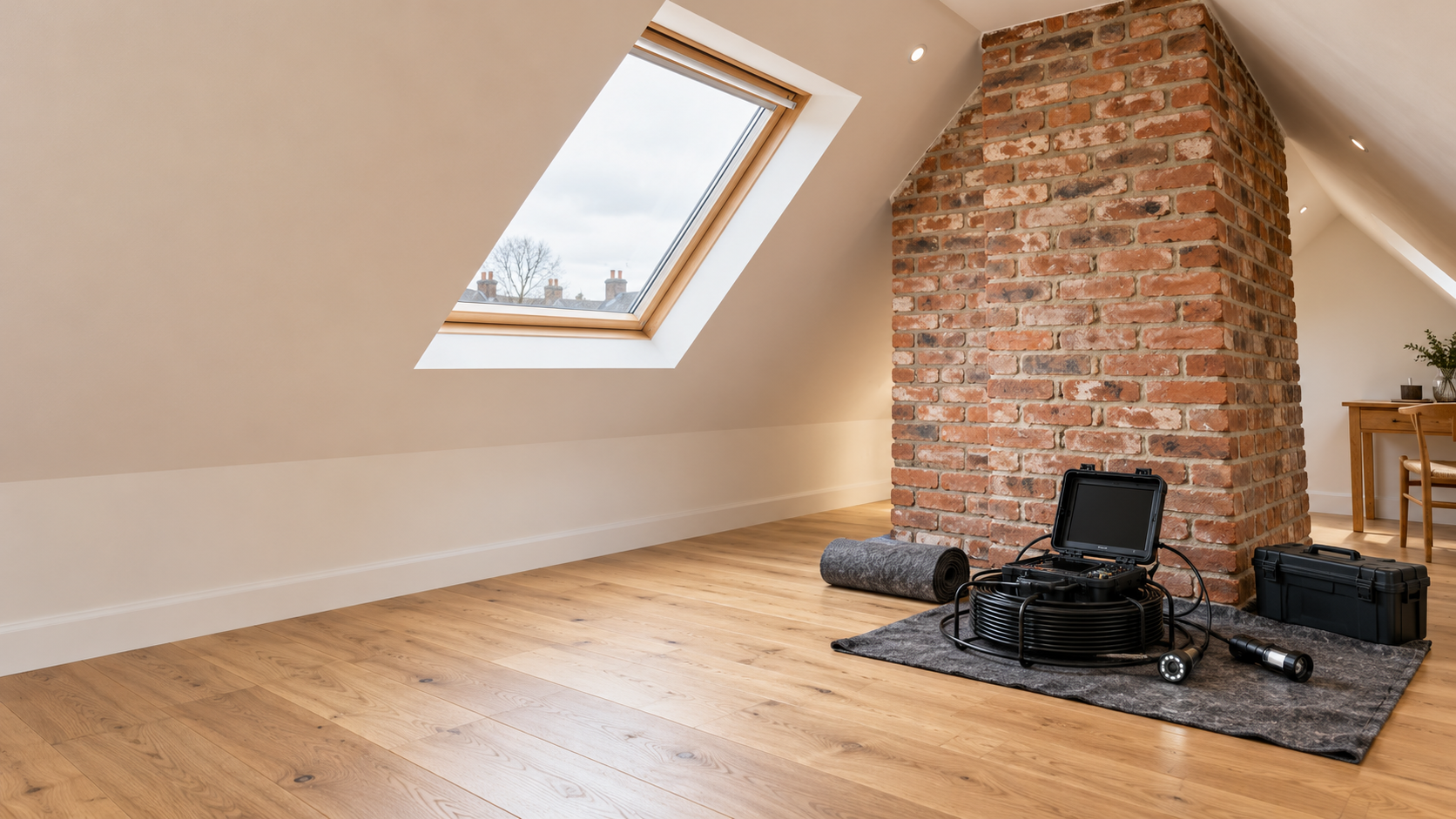
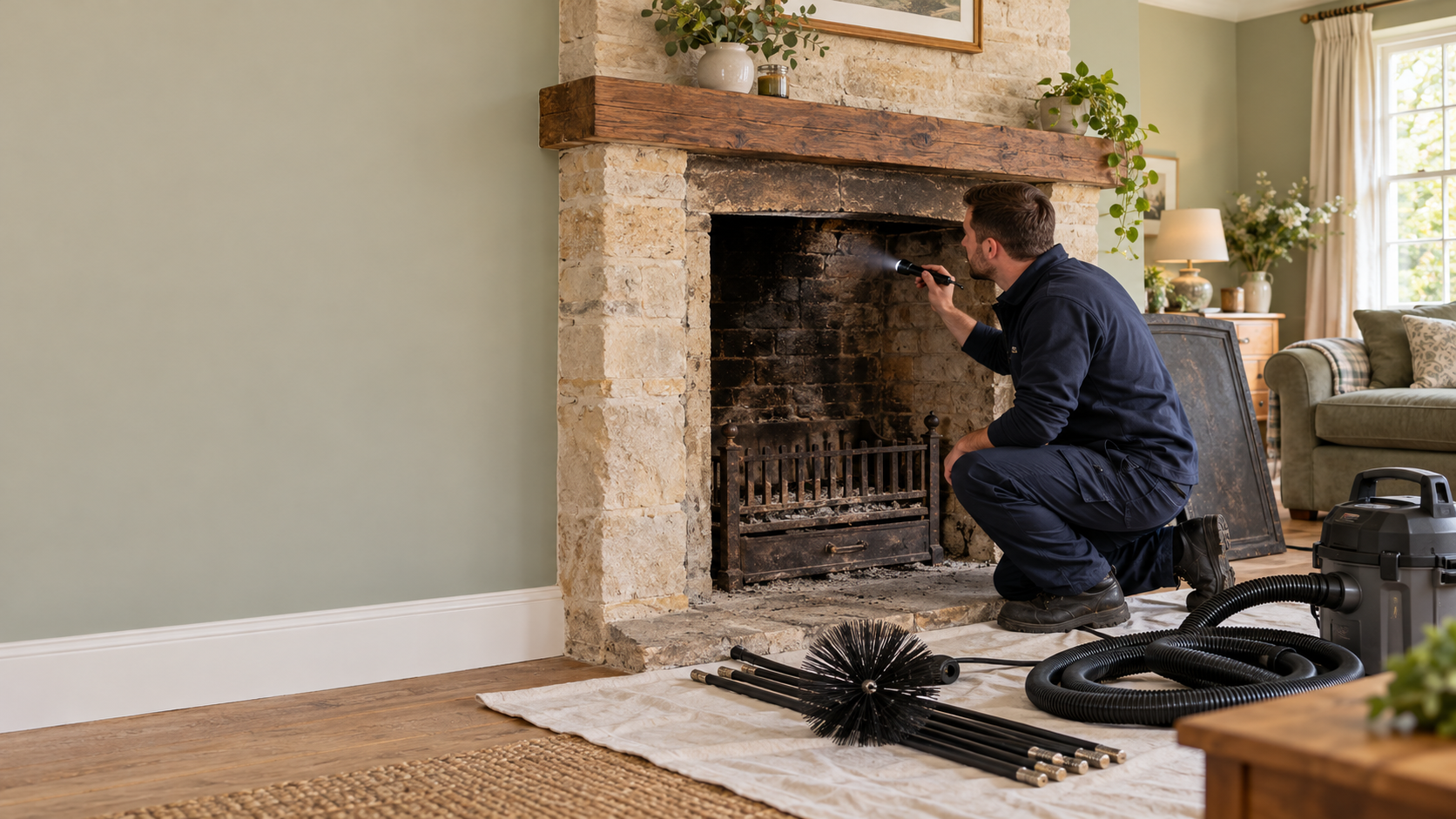
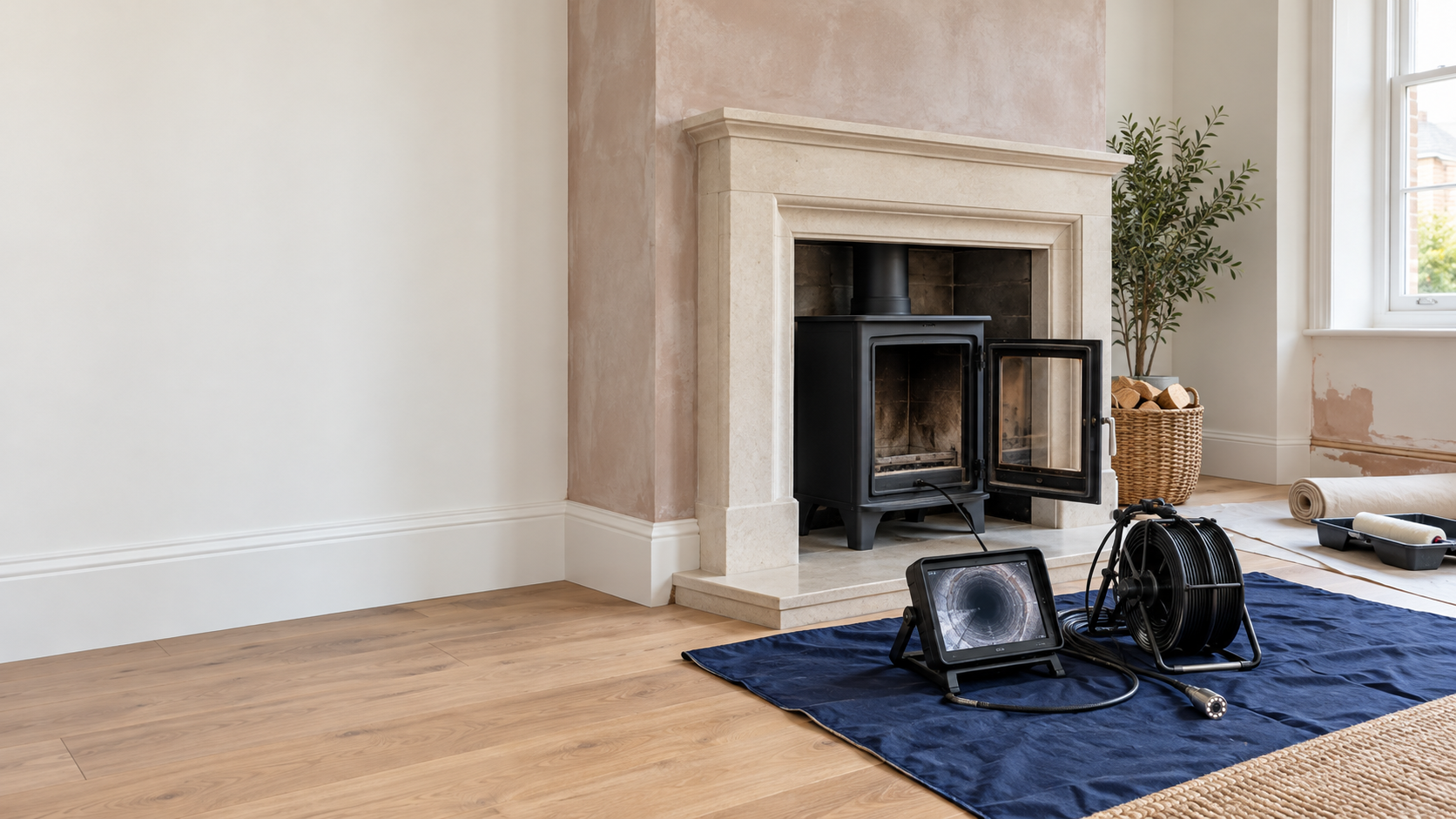
A smoke test may indicate that a problem exists, but it does not always show its precise location. An internal camera can provide a closer view of the flue’s condition.
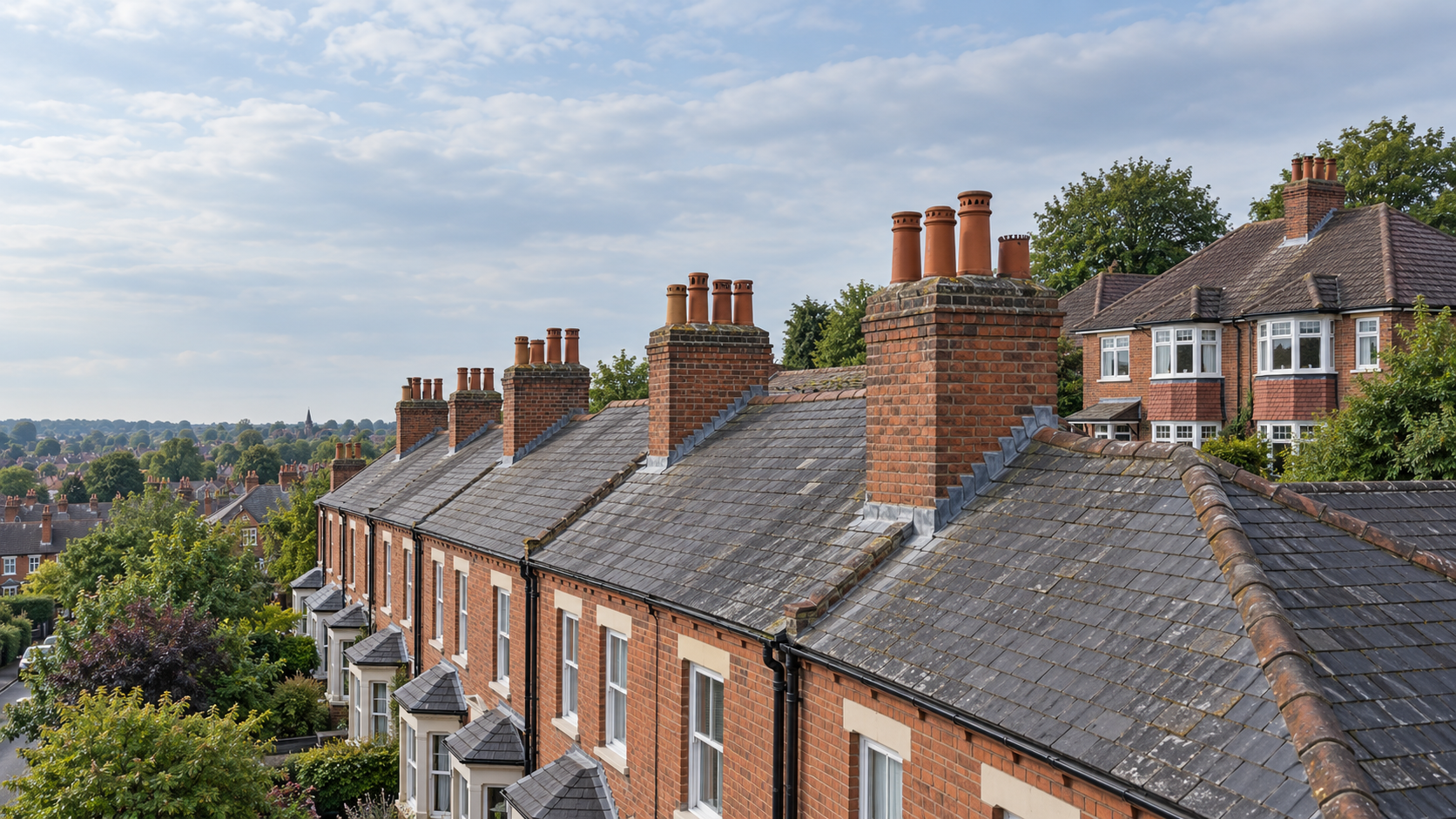
CCTV and drone inspection can help examine different parts of the chimney system. CCTV may reveal damaged liners, deteriorated joints, and internal obstructions. A drone can record the external chimney stack, pots, flashing, and surrounding roof area.
Combining several forms of evidence can provide a clearer picture than relying on one test alone.
External Defects Also Matter
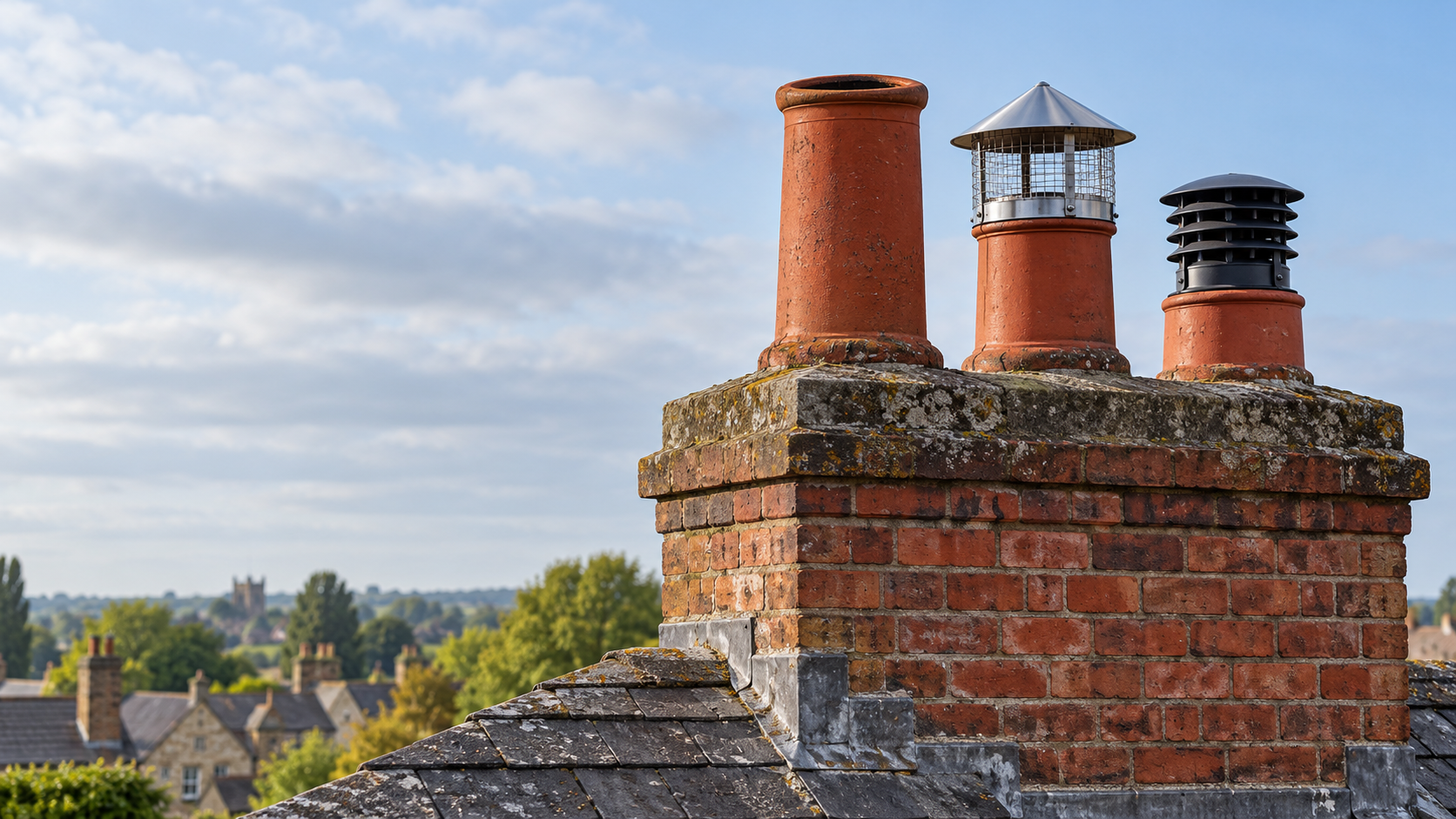
Problems inside a chimney may be connected to external damage. Cracked chimney pots, missing mortar, and damaged flashing can allow moisture to enter the structure.
A drone inspection and roof inspection may be useful when the chimney stack is difficult to view safely from the ground. Drone footage provides an overview, while a close roof inspection may still be needed to confirm damage or plan repairs.
Testing should therefore consider the chimney as a complete system, from the fireplace opening to the chimney pot.
Smoke Testing Before Stove Work
Before a log burner installation, the existing chimney should be assessed for suitability. This may involve sweeping, visual checks, measurements, CCTV, and smoke testing, depending on its condition.
If the flue is damaged or unsuitable, flue liner installation may be considered. The liner type and diameter must match the appliance, fuel, and chimney design. A liner should not be selected until the existing system and proposed installation have been properly assessed.
Check for Nests and Other Obstructions
Bird nests can prevent smoke from travelling safely through a chimney. Signs may include twigs falling into the fireplace, bird sounds, poor airflow, and unpleasant smells.
Professional bird nest removal must only take place when legally permitted. Active nests, eggs, and birds may be protected. After an inactive nest has been removed, the chimney may need to be swept and inspected before it returns to use.
Midlands Sweeps can be considered for sweeping and chimney assessment work, although the checks required will depend on the appliance, property, and symptoms being investigated.
Conclusion
A chimney smoke test can help assess draught and identify possible leakage, but it works best as part of a broader inspection. Sweeping, CCTV footage, and external roof checks may all contribute important information. If smoke enters a room or leakage is suspected, stop using the appliance until the cause has been identified.
Frequently Asked Questions
Is a smoke test the same as chimney sweeping?
No. Sweeping removes deposits, while smoke testing examines airflow or possible leakage.
Can a smoke test locate an exact crack?
Not always. It may reveal that smoke is escaping, but CCTV or further investigation may be required to locate the defect.
Should every chimney receive a smoke test?
Not necessarily. The need for testing depends on the chimney’s condition, history, appliance, and any reported problems.