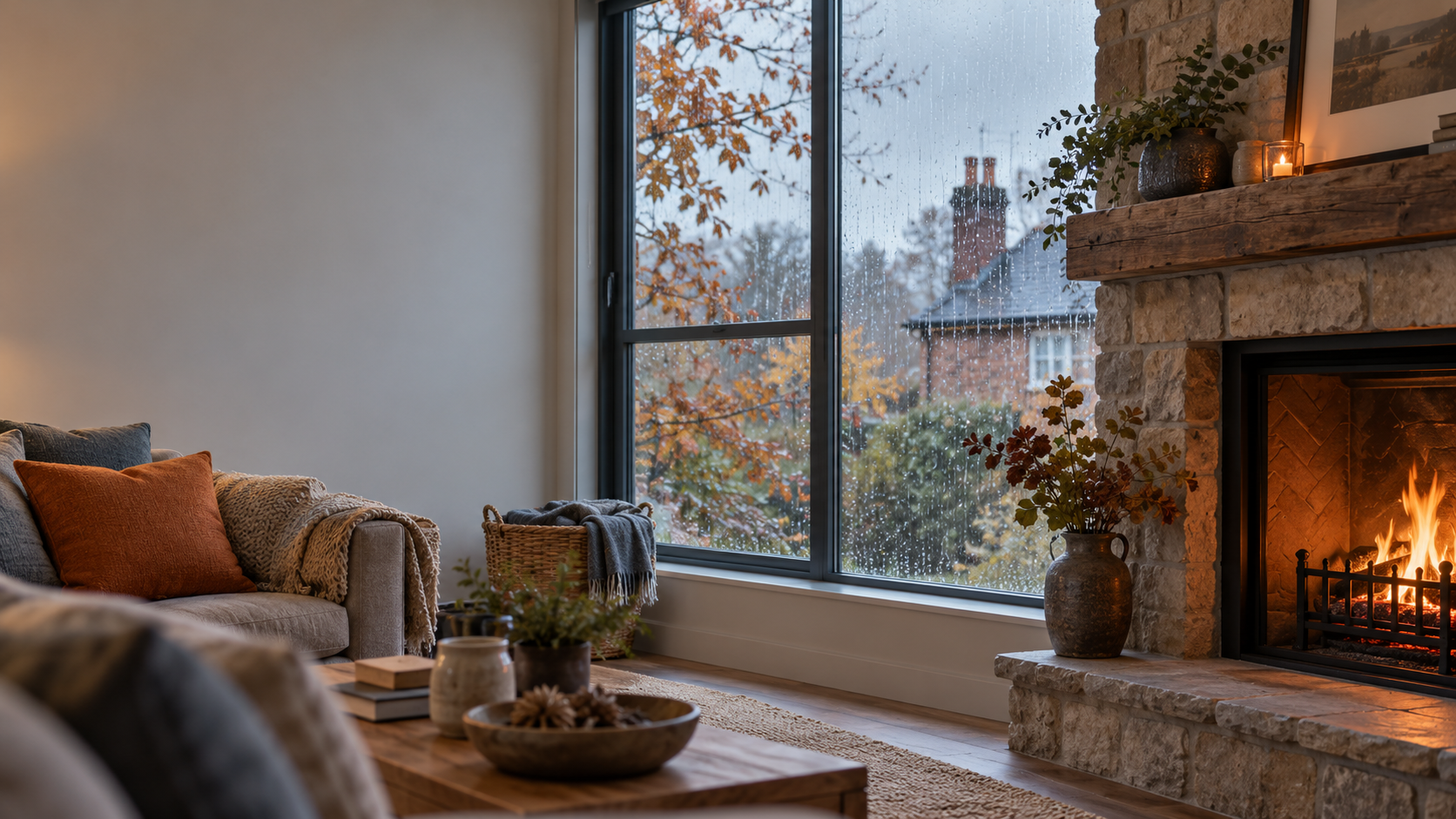


A fireplace or stove may remain unused throughout spring and summer. When colder weather returns, it can be tempting to light a fire immediately. However, several changes may have occurred while the chimney was inactive.
Soot may have loosened, birds may have entered the chimney, and weather may have affected external masonry. A few sensible checks can help identify problems before the first fire of the season.
Look Around the Fireplace
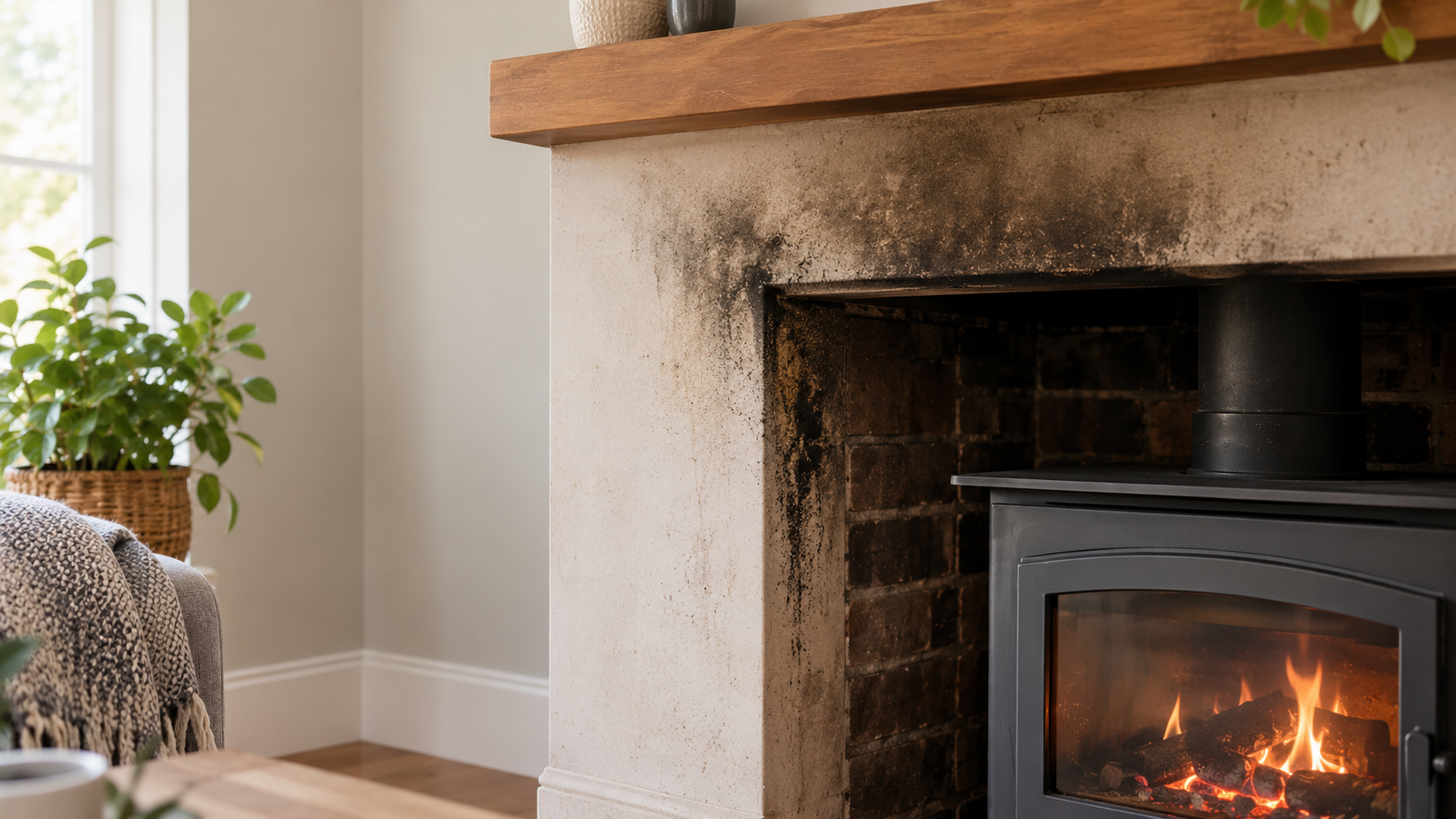
Begin by examining the fireplace, stove, and surrounding wall. Watch for fallen debris, dark staining, damp patches, cracked materials, or unusual smells. These signs do not always indicate a serious defect, but they should not be ignored.
Check that the hearth remains clear and that no combustible items have been placed close to the appliance during warmer months. If the stove has removable parts, follow the manufacturer’s instructions when inspecting or cleaning them.
Arrange a Chimney Sweep
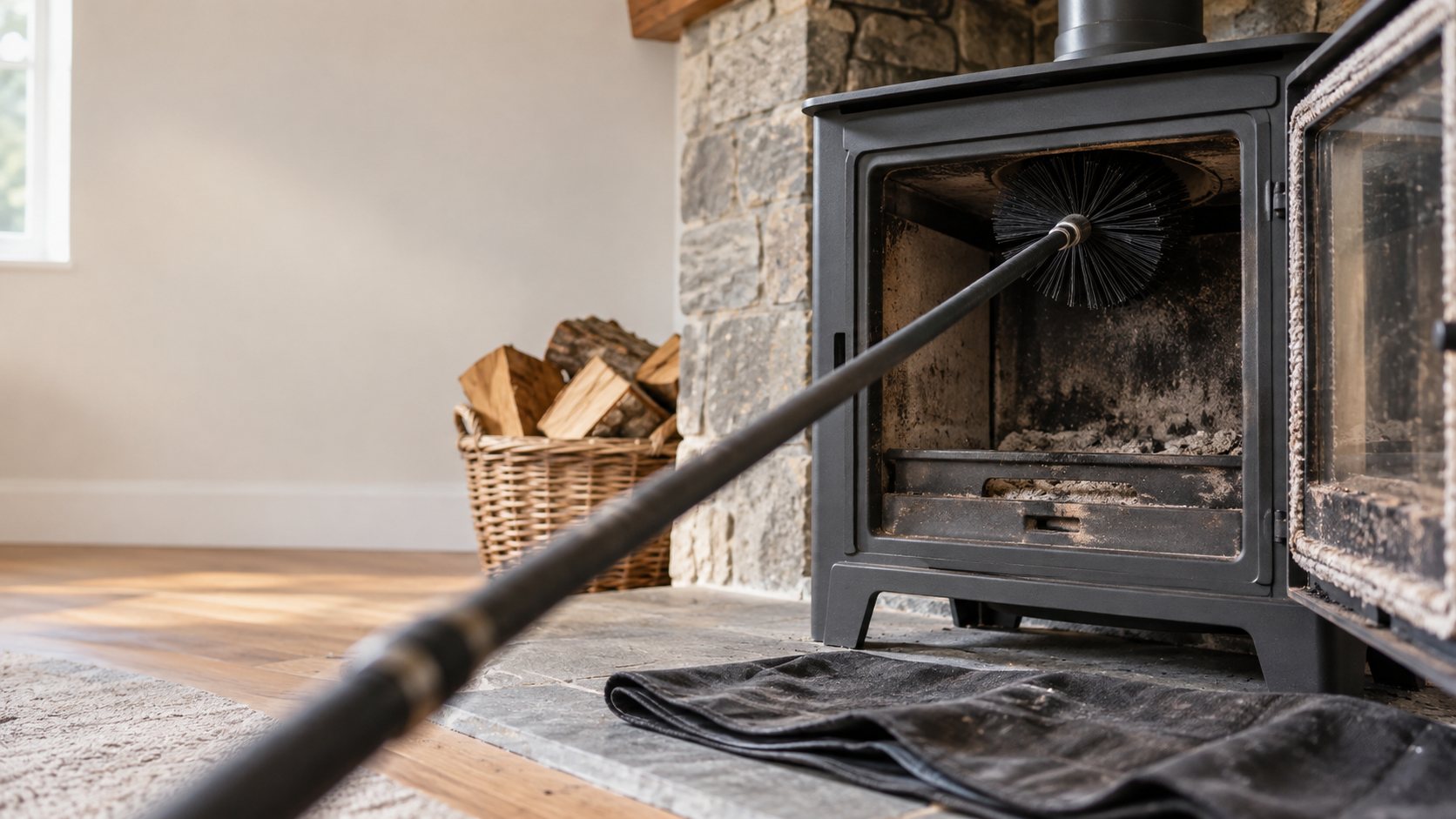
An unused chimney may still contain soot left from the previous burning season. Deposits can absorb moisture, produce unpleasant smells, and restrict the flue.
A professional chimney sweep can remove soot and loose material while checking for signs of a blockage. The frequency of sweeping depends on the appliance, fuel, and level of use, so the correct schedule can vary between households.
Sweeping before regular winter use is often more practical than waiting until smoke, debris, or poor performance becomes noticeable.
Check for Bird Activity
Birds may enter open chimney pots and build nests while the appliance is not in use. Twigs, grass, and feathers can create a partial or complete obstruction.
If nesting material is suspected, do not light a fire to clear it. Bird nest removal must be approached carefully because active nests, eggs, and wild birds may be legally protected. The situation should be assessed before any work is carried out.
After an old nest has been removed at an appropriate time, a suitable bird guard may help reduce future entry without restricting ventilation.
Examine the Internal Flue
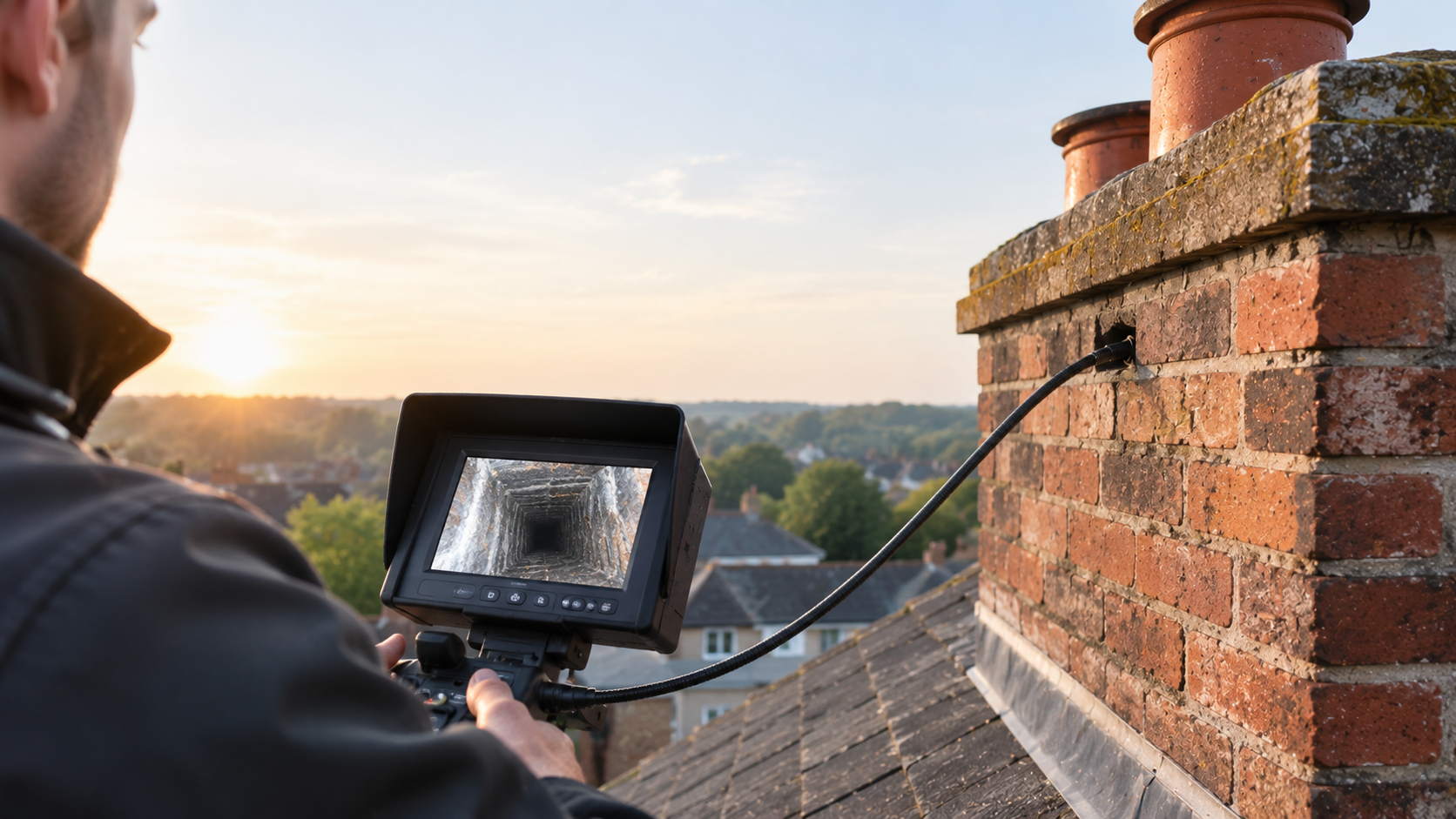
Not every flue problem can be seen from the fireplace. Cracks, gaps, damaged liners, and hidden obstructions may require an internal camera assessment.
A CCTV and drone inspection can provide information about both the inside of the flue and the external chimney. CCTV footage may reveal internal defects, while drone images help record the condition of roof-level components.
If significant damage is identified, flue liner installation may be considered. The liner must suit the chimney, appliance, and fuel rather than being selected as a general solution for every property.
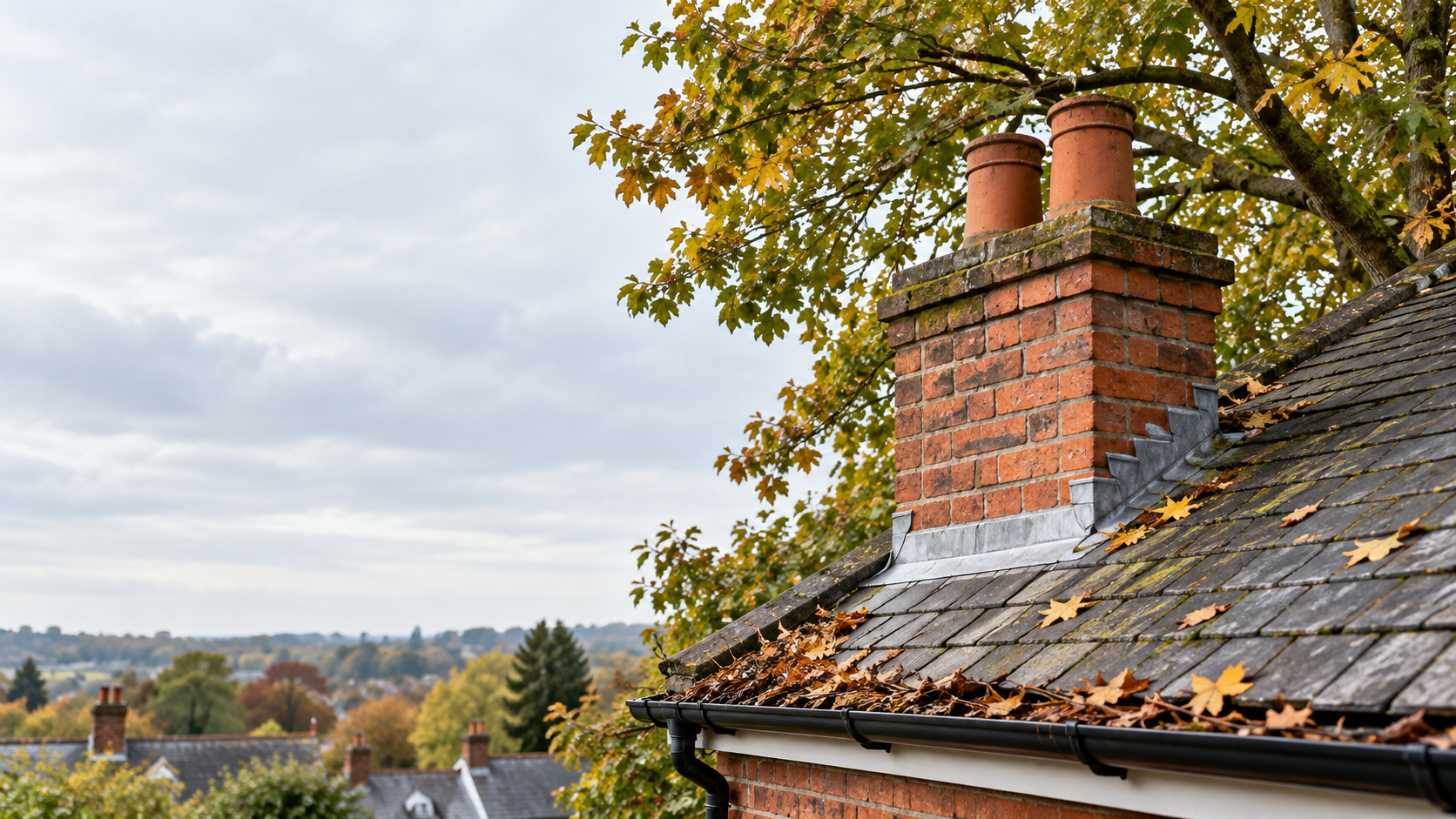
Inspect the Chimney Above the Roof
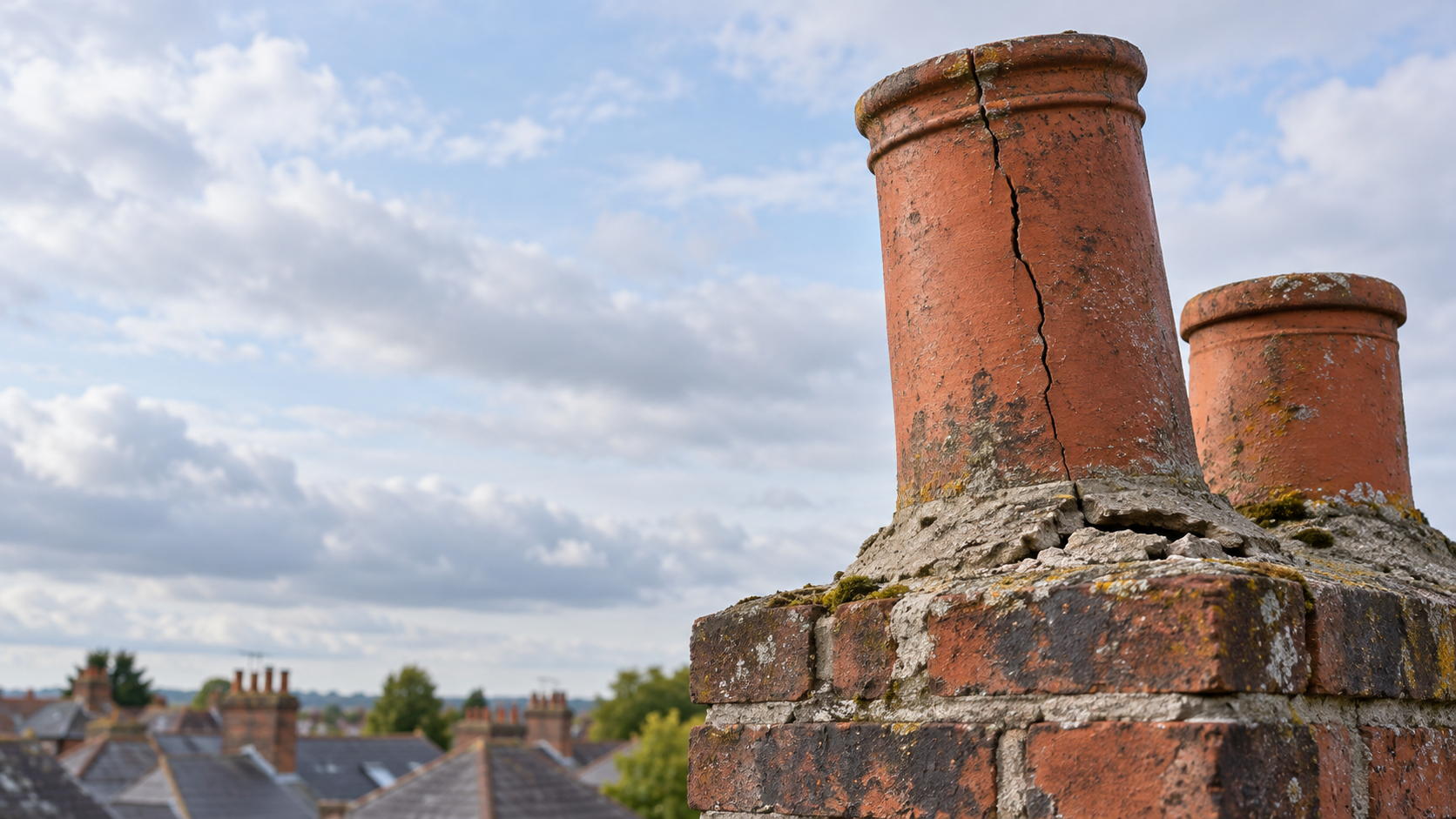
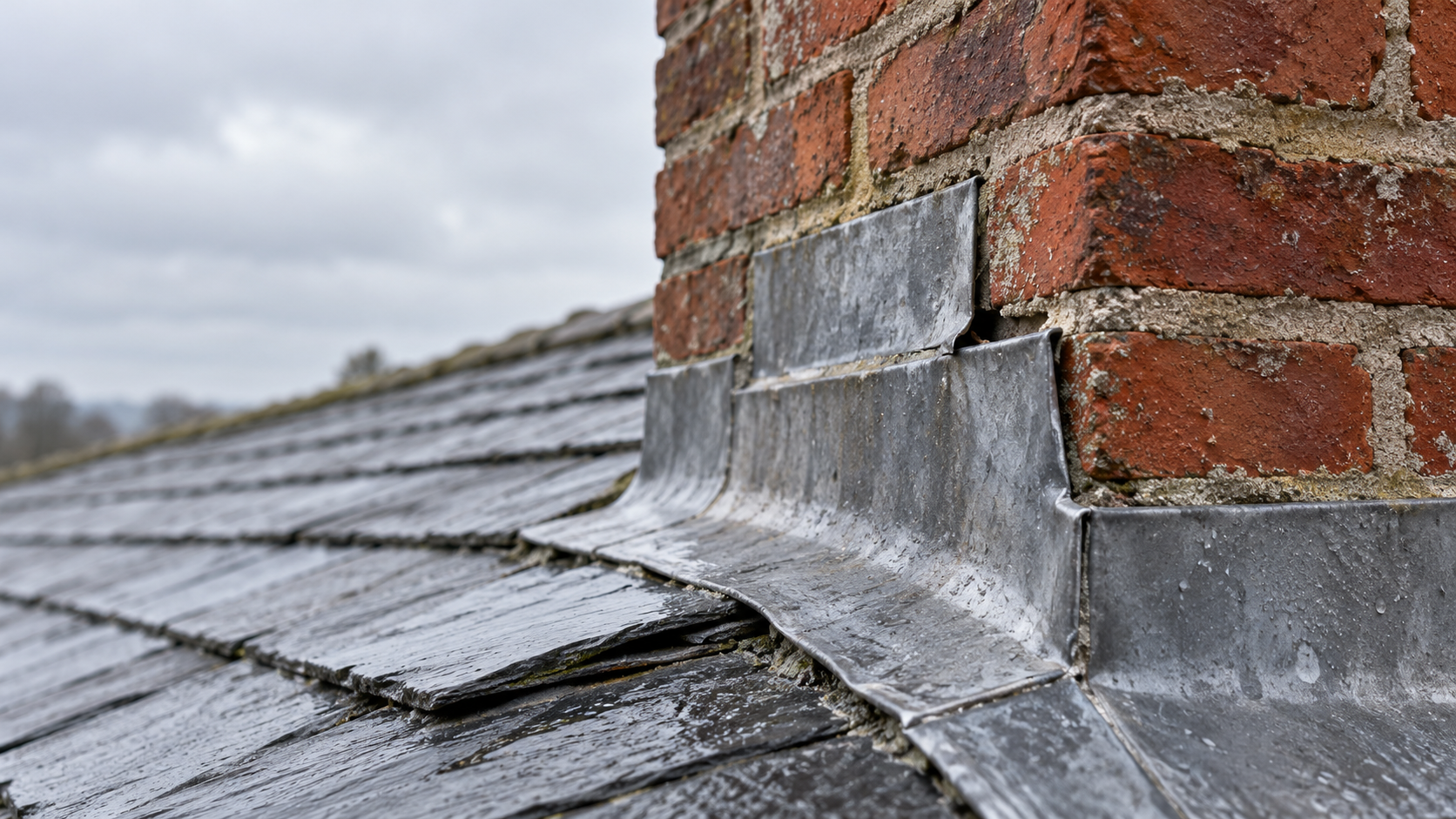
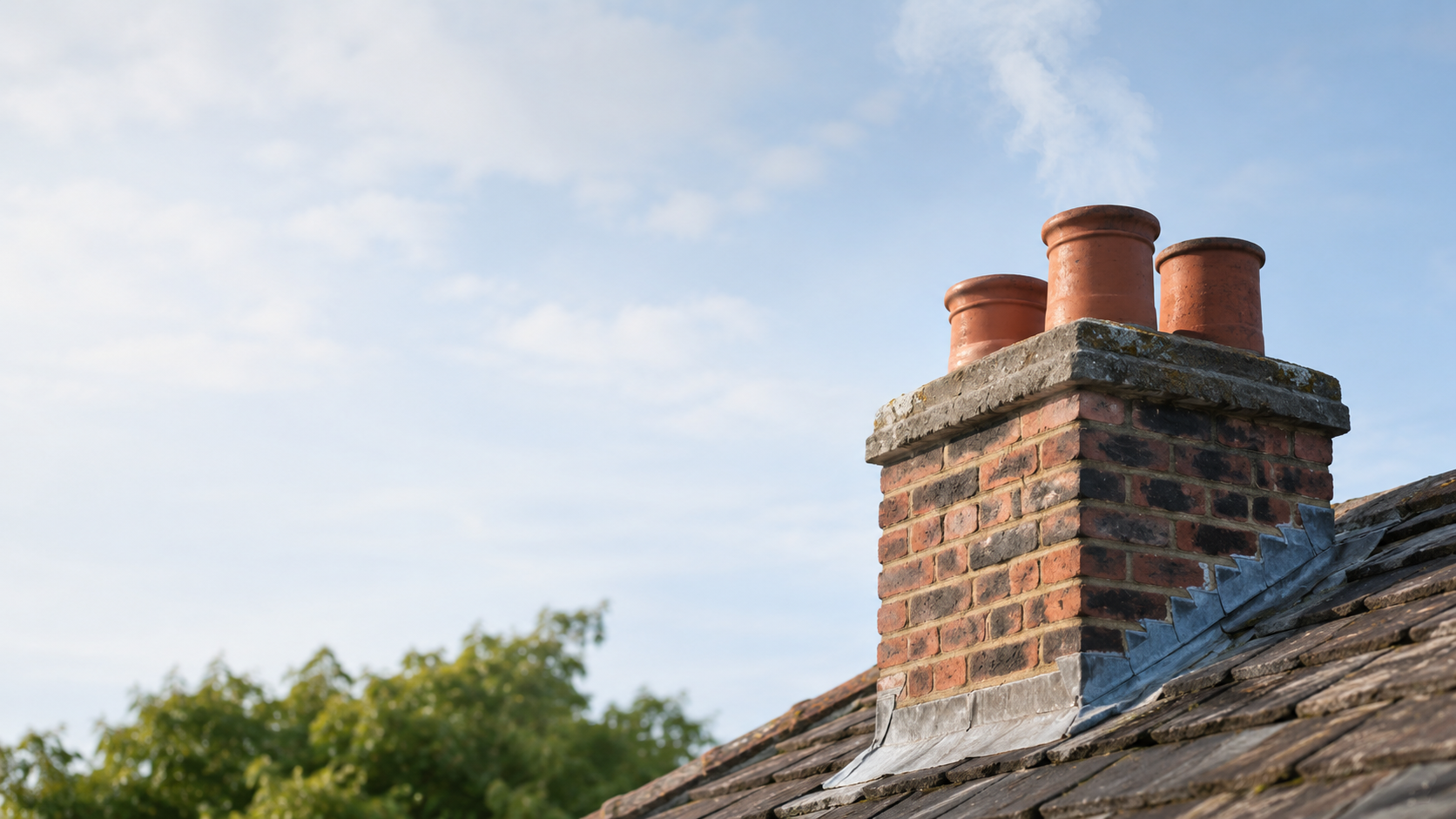
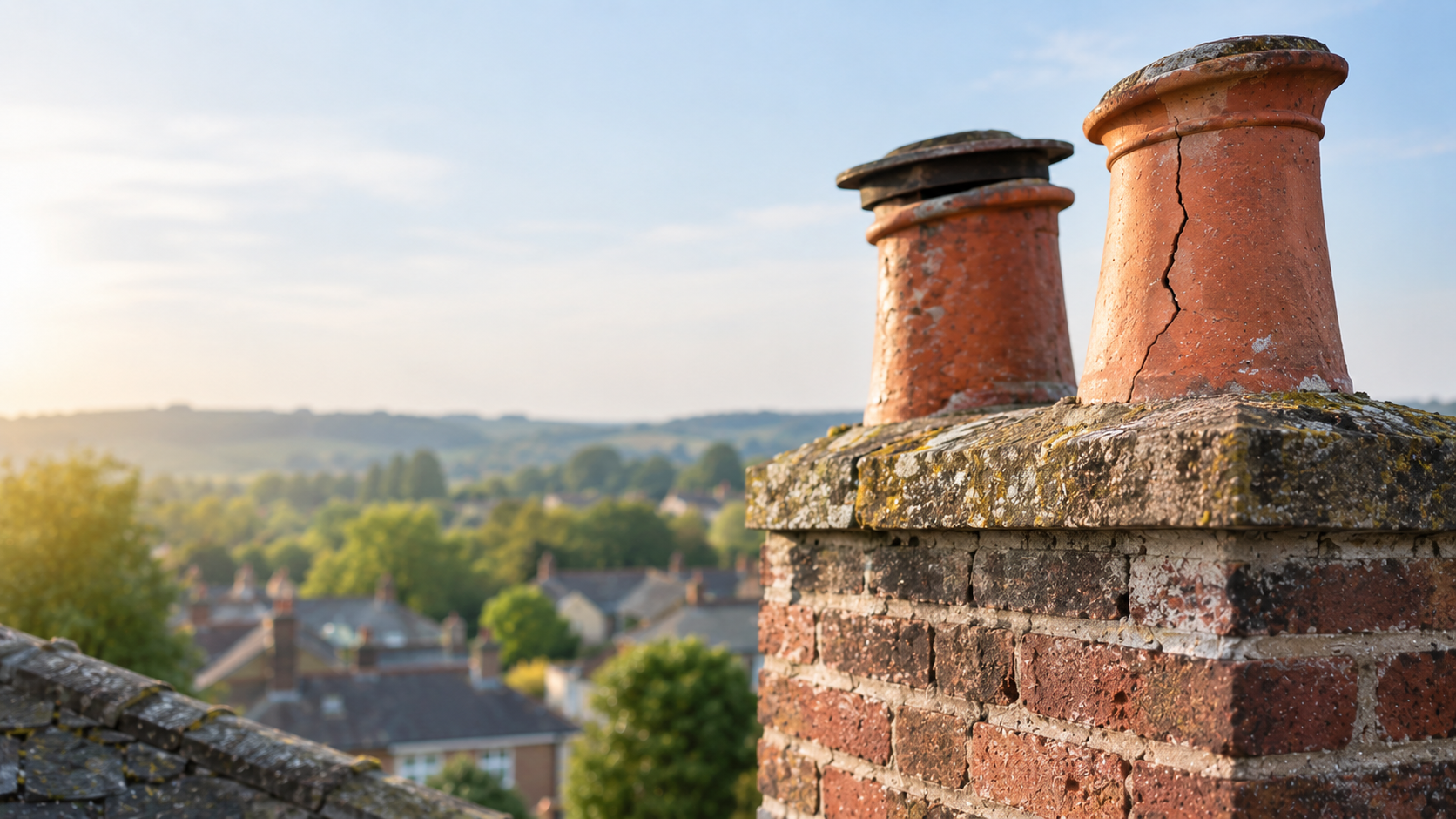
Wind, rain, and temperature changes can affect chimney pots, cowls, mortar joints, and flashing. Problems at roof level may allow moisture to enter or cause loose materials to fall into the flue.
A drone inspection and roof inspection can help identify visible cracks, missing mortar, damaged cowls, or changes around the chimney stack. Drone footage is useful for an initial overview, but a closer physical inspection may be needed when repairs are required.
Check a Stove Before Reuse
Door seals, glass, firebricks, and air controls should be checked before a stove is lit. Damaged parts may affect how the appliance burns and how combustion gases are contained.
Properties considering a new log burner installation should have the chimney, hearth, ventilation, and flue route assessed first. The appliance output should also suit the size and heating needs of the room.
Midlands Sweeps can examine these different parts of the chimney system and explain any issues found before seasonal use begins.
Start With a Small Fire
Once the chimney and appliance have been checked and considered safe, begin with a small fire. Watch how the smoke moves and check for unusual smells or smoke entering the room.
Stop using the appliance if it does not draw correctly or if a carbon monoxide alarm activates.
Conclusion
A fireplace that has been unused for several months should not automatically be assumed ready for winter. Sweeping, blockage checks, and inspection of both the flue and chimney stack can reveal changes that occurred during the warmer seasons. Preparing early helps homeowners begin using their fireplace or stove with a clearer understanding of its condition.
Frequently Asked Questions
Can a chimney become blocked when it is not being used?
Yes. Birds, leaves, debris, and fallen masonry may enter an inactive chimney.
Should a chimney be swept before the first winter fire?
It may be advisable, especially if it was not swept after the previous burning season.
What should I do if the fireplace smells damp?
Avoid using it until the cause has been assessed, as moisture may come from soot, condensation, or external damage.