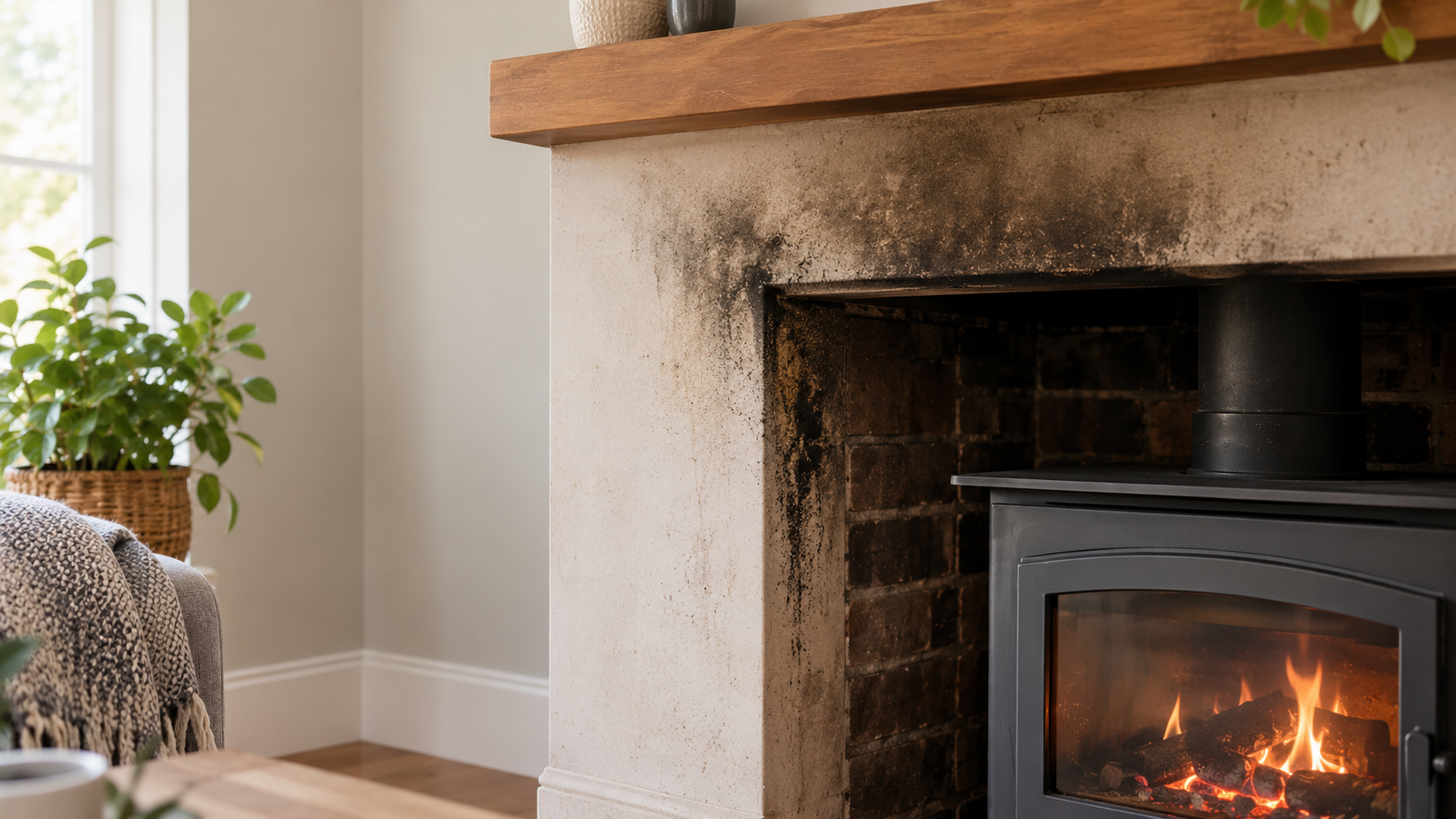

A chimney may look simple from the outside, but several hidden parts influence how safely and efficiently it works. Soot deposits, damaged mortar, blocked flues, and deteriorated liners are not always visible from the fireplace. A professional inspection helps homeowners understand the condition of the complete system and decide whether cleaning, monitoring, or repair is needed.
The Initial Fireplace Assessment
A professional chimney sweep will normally begin by examining the fireplace or stove area. This includes checking the appliance, hearth, ventilation, and visible sections of the flue. The technician may also ask how often the appliance is used, which fuel is burned, and whether any unusual problems have occurred.
Smoke entering the room, unpleasant smells, falling debris, and poor fire performance can all suggest that further investigation is needed. Sharing these details can help the sweep focus on possible causes.
Preparing the Room for Sweeping
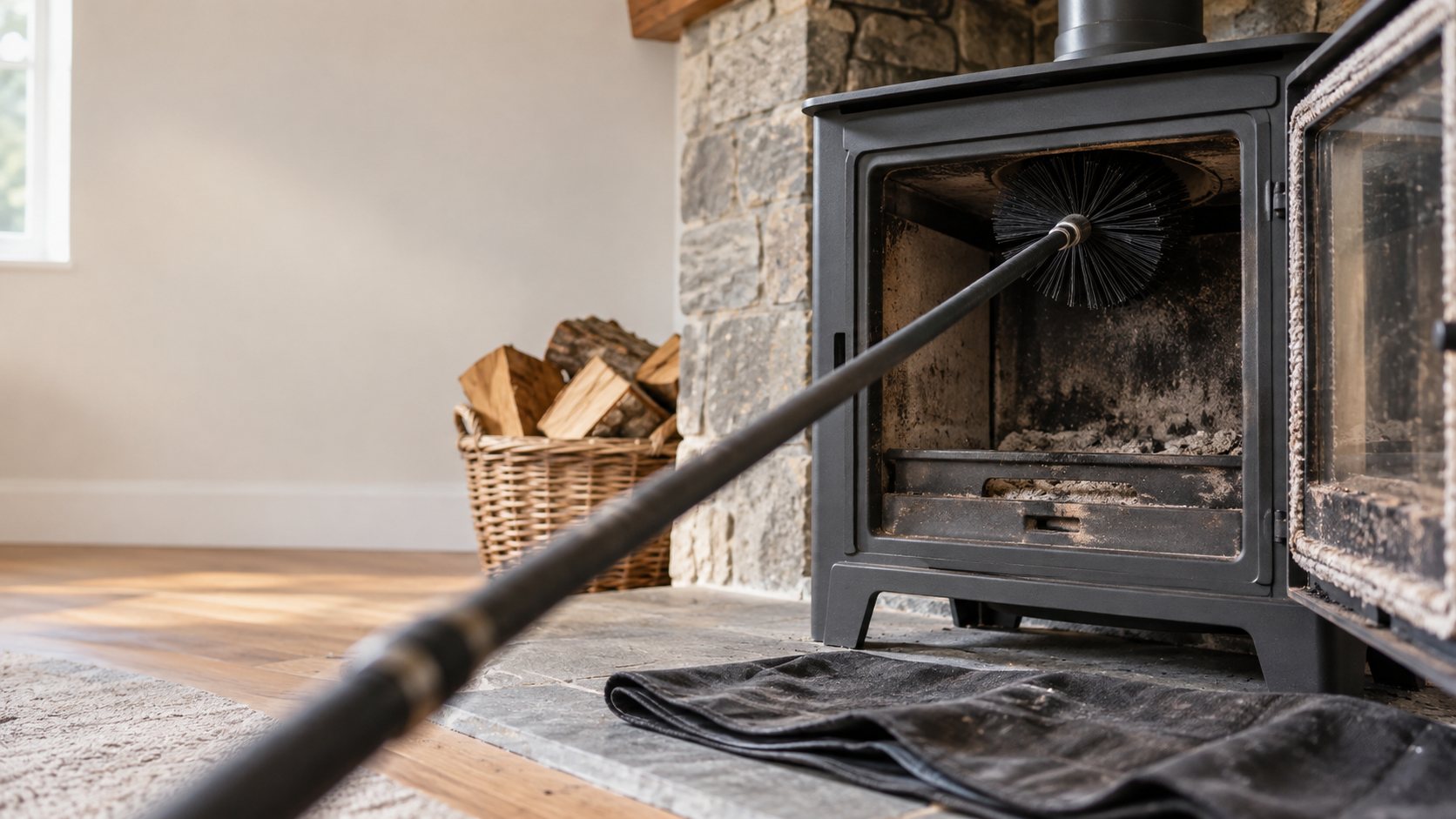
Before sweeping starts, the area around the fireplace should be protected. Suitable sheets and dust control equipment help prevent soot from spreading through the room. The fireplace opening may also be sealed while specialist rods and brushes are used to clean the chimney.
A routine sweep removes soot and loose deposits, but it does not automatically solve structural problems. If the sweep notices cracks, unusual debris, or signs of deterioration, an additional inspection may be recommended.
Looking Inside the Flue
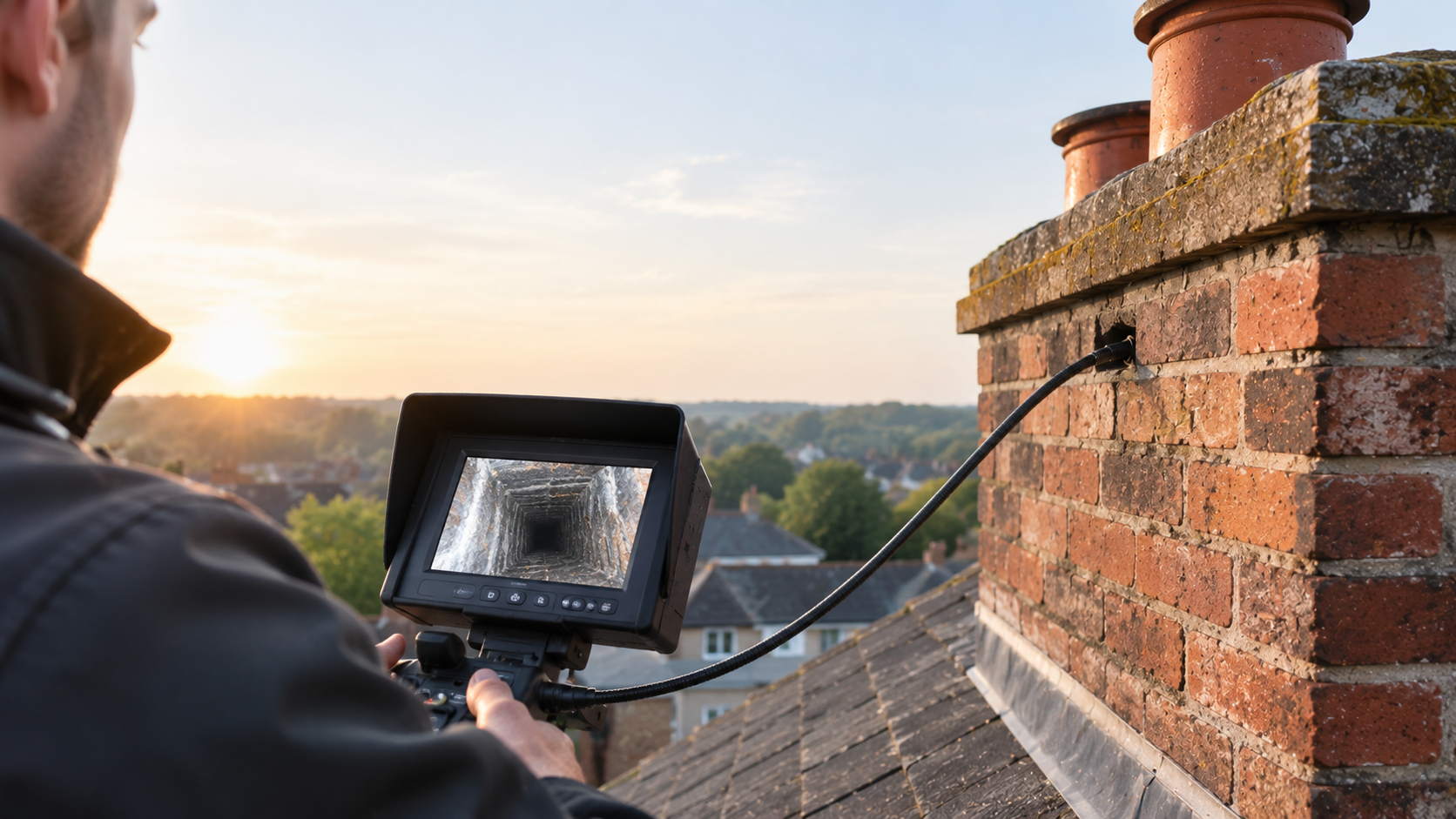
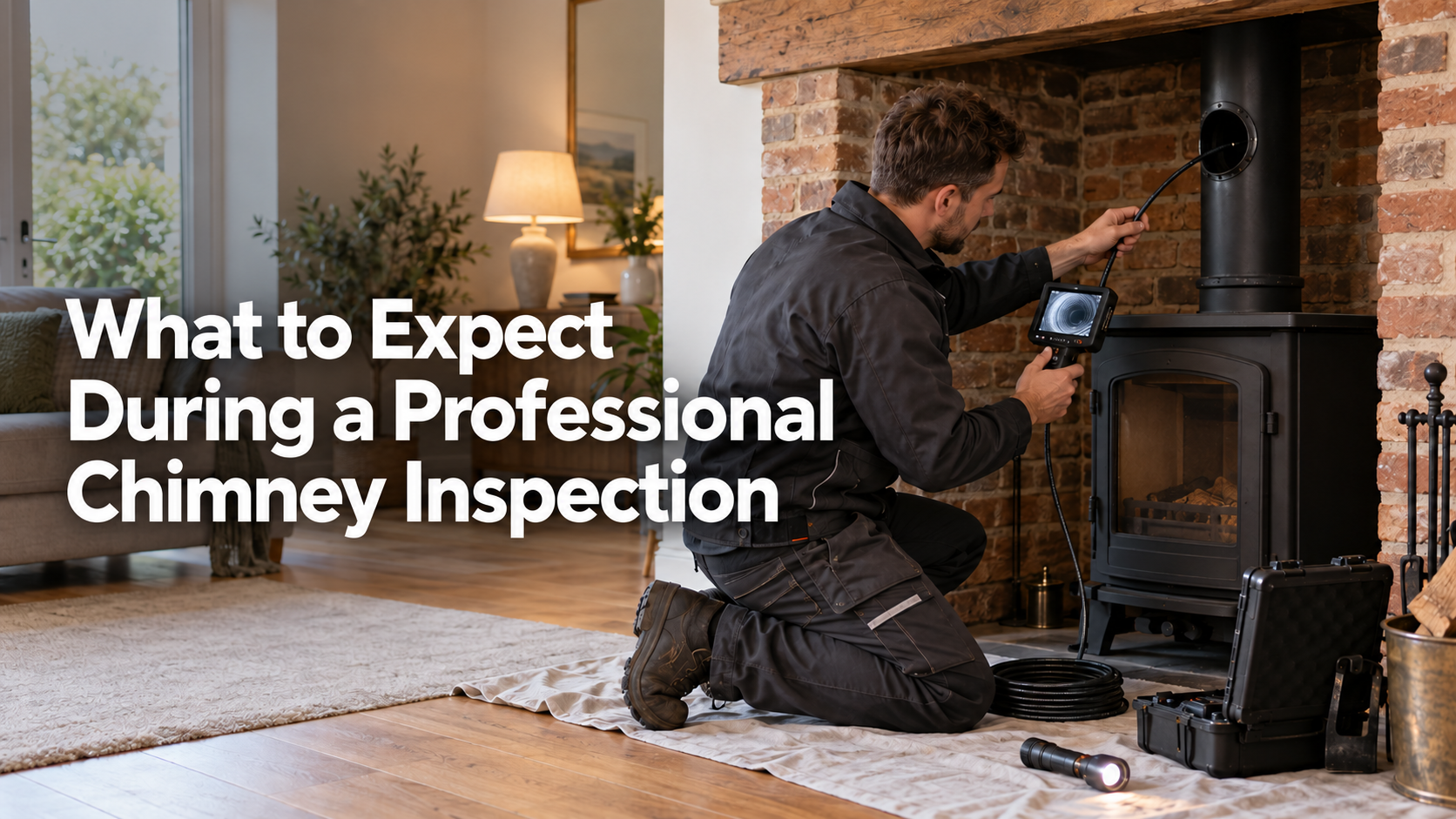
A CCTV inspection provides a closer view of areas that cannot be seen from the fireplace. A small camera is passed through the flue to look for cracks, gaps, obstructions, or damage to an existing liner.
Combining CCTV and drone inspection can provide information about both the internal flue and the external chimney. The results may help determine whether maintenance is required or whether the chimney can continue to be used in its current condition.
Checking the Chimney From Outside
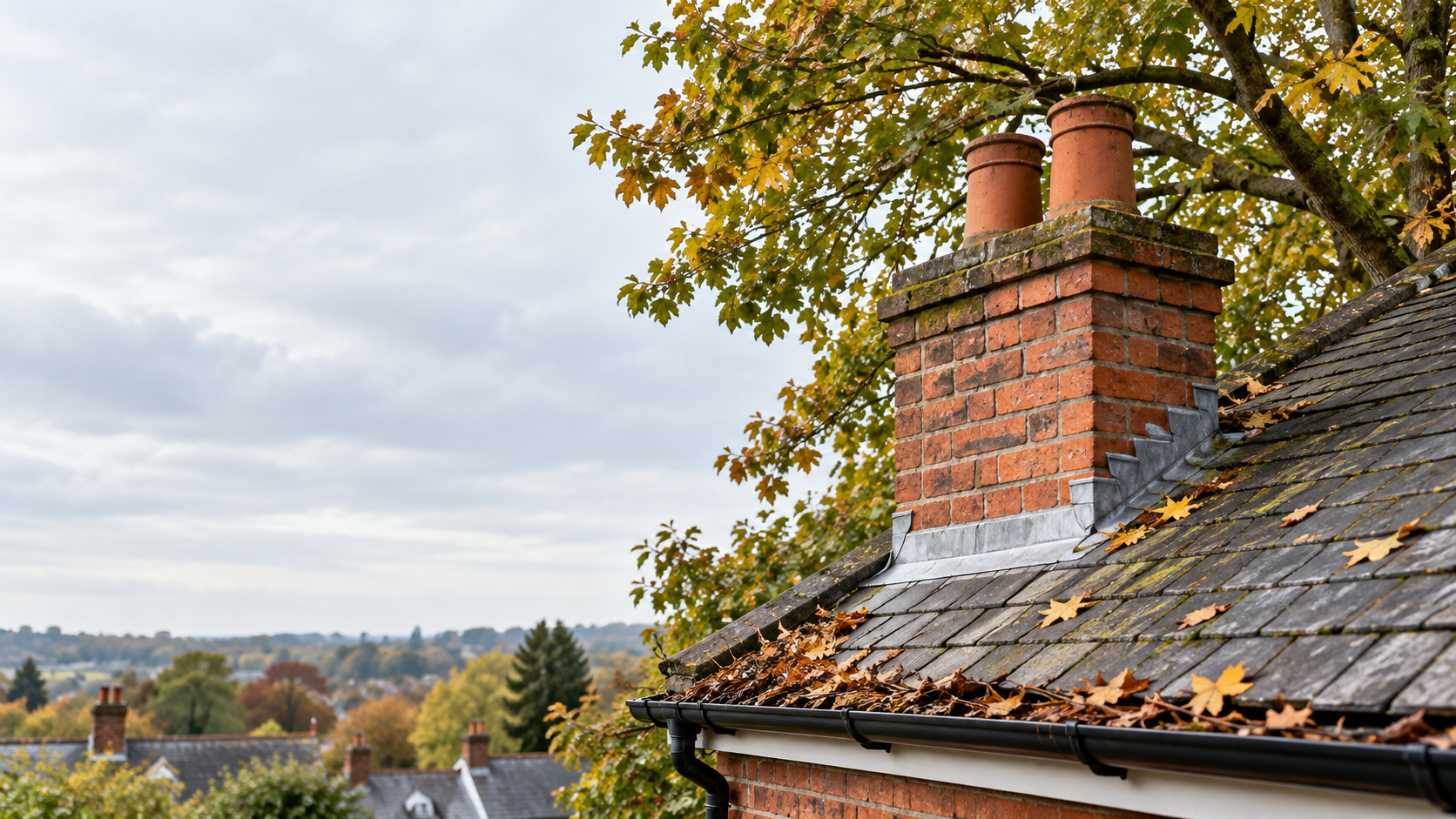
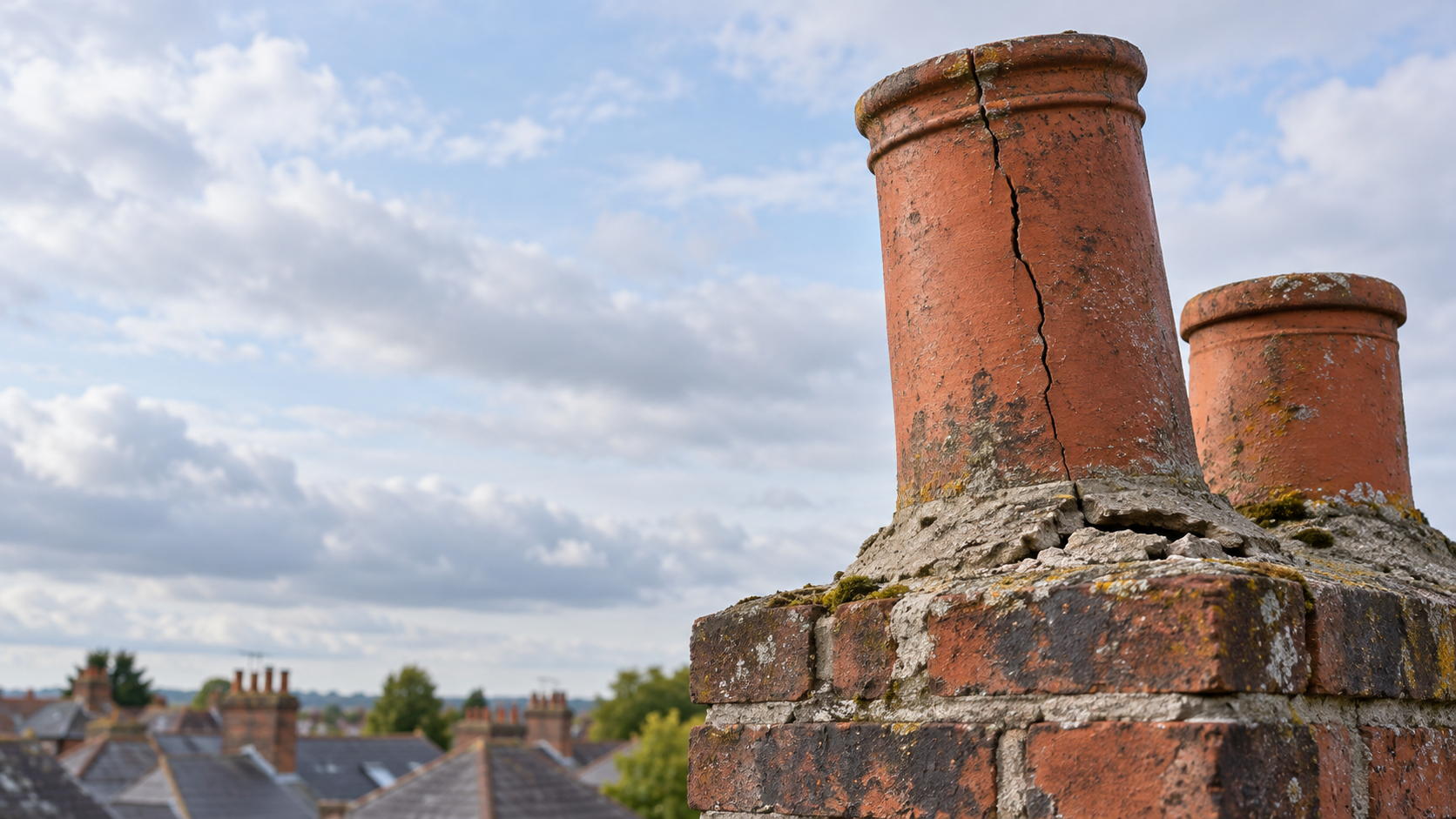
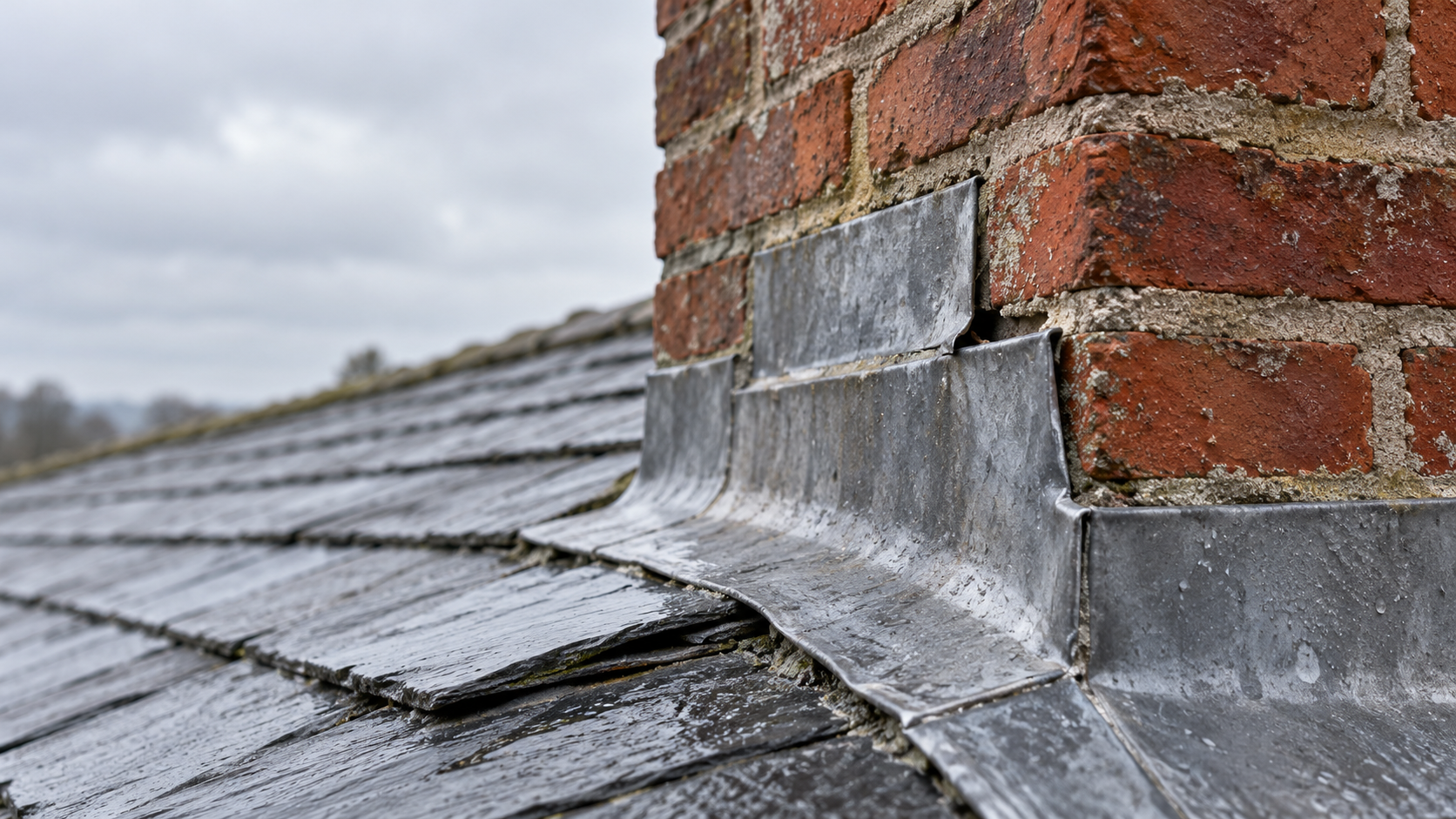
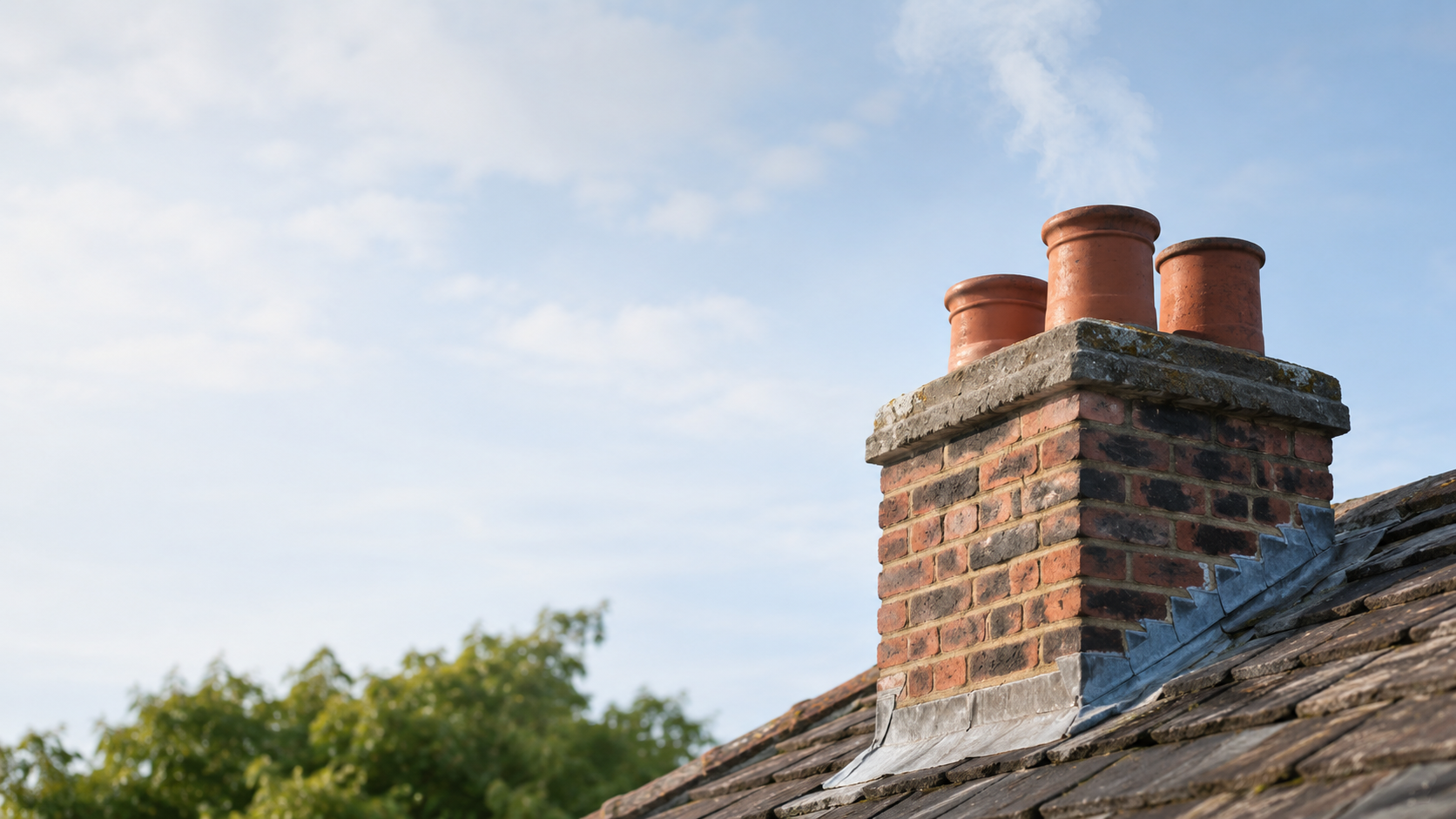
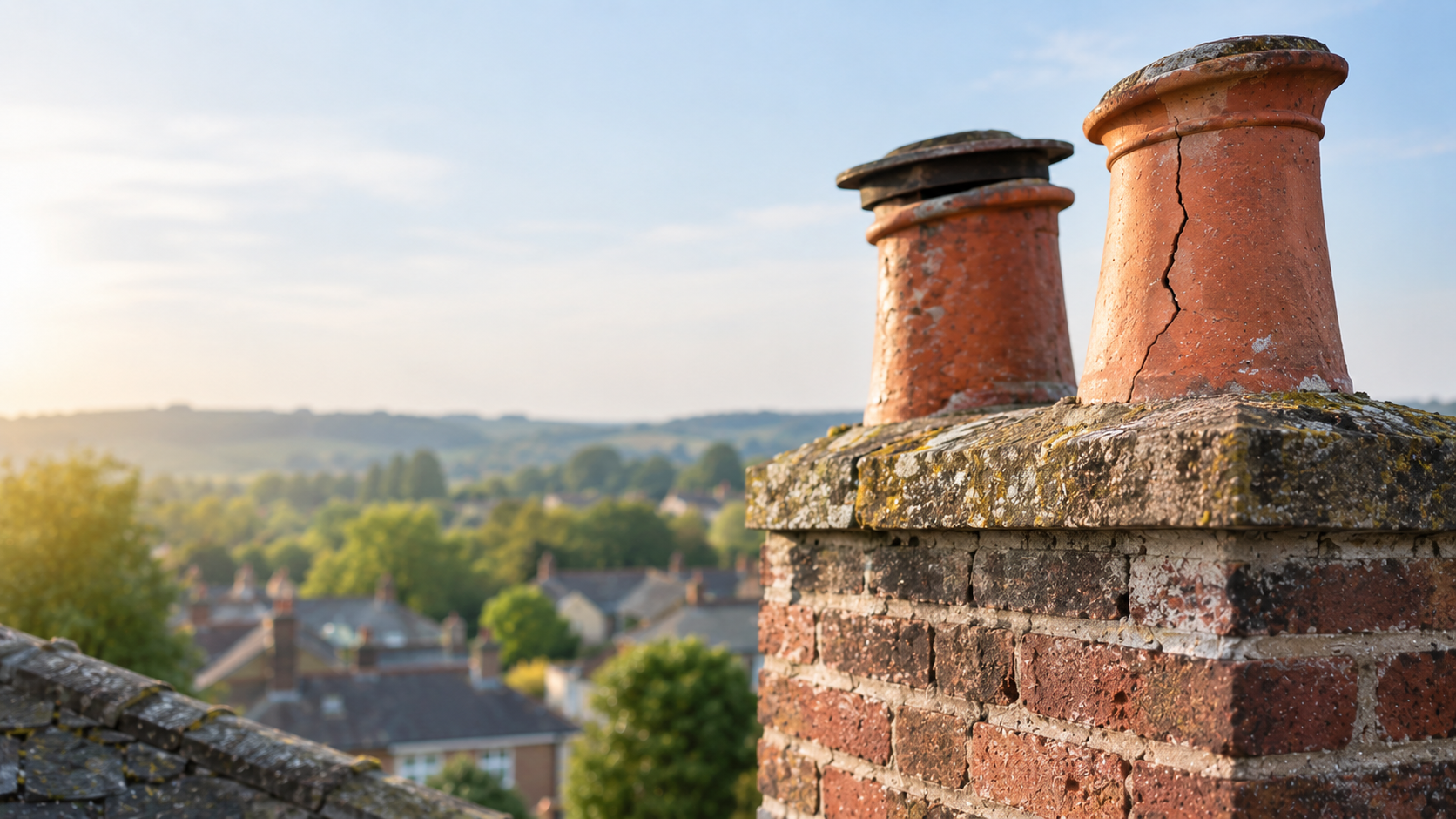
The external condition of a chimney is equally important. Weather can gradually affect chimney pots, mortar joints, flashing, and surrounding roof materials. A drone inspection and roof inspection may identify damaged masonry, loose components, or vegetation in difficult-to-reach areas.
Drone images provide a useful overview without immediately requiring ladders or scaffolding. However, a close physical inspection may still be needed when damage requires detailed assessment or repair.
When Additional Work May Be Required
Some inspections reveal issues that cannot be corrected through sweeping alone. Flue liner installation may be considered when the existing passage is damaged, unsuitable, or unable to contain combustion gases properly. The liner must match the appliance, fuel, and chimney dimensions.
Homeowners planning a log burner installation should arrange an assessment before choosing an appliance. The chimney, ventilation, hearth, and flue route must all be suitable for the proposed stove.
A blockage may also be caused by nesting material. Bird nest removal must be handled carefully because active nests, eggs and wild birds may be legally protected. The chimney should not be used until the blockage has been safely assessed and removed at an appropriate time.
Understanding the Inspection Findings
After the appointment, the homeowner should receive a clear explanation of what was found. Midlands Sweeps may identify routine maintenance needs, potential repairs, or areas that should be monitored. Photographs or camera footage can make hidden issues easier to understand.
Conclusion
A chimney inspection considers more than visible soot. It may include sweeping, internal camera work, and external checks to build a clearer picture of the system’s condition. Regular attention can help identify blockages, wear, and structural concerns before they develop into more serious problems.
Frequently Asked Questions
Does every chimney inspection require a camera?
No. CCTV is generally used when hidden damage, a blockage, or a liner problem is suspected.
Can a chimney be used immediately after sweeping?
Usually, but only if no safety concerns or unresolved blockages are found.
How should I prepare for an appointment?
Allow access to the fireplace, remove nearby valuables, and avoid using the appliance beforehand.