As temperatures begin to fall across Derby, many homeowners look forward to lighting their wood-burning stoves and enjoying the warmth of an open fireplace. However, before using a chimney that has been sitting unused for months, there is one important maintenance task worth prioritising: checking that the chimney is clean and in suitable condition for use.
A chimney can develop problems without showing obvious signs from inside the living room. Soot deposits, bird nesting materials, damaged flue liners and weather-related deterioration can all affect how safely and effectively a fireplace operates.
Arranging a chimney inspection in Derby before winter can help identify potential concerns before your stove or open fire becomes part of your regular heating routine.
In this guide, we explain why seasonal chimney checks matter, what homeowners should look out for and how professional chimney sweeping can help prepare your fireplace for colder weather.
Why Winter Preparation Matters for Your Chimney
During autumn and winter, fireplaces and log burners often experience their busiest periods of use.
A chimney that has not been inspected or swept for several months may contain deposits from the previous heating season. Even chimneys that have not been used recently can develop problems caused by birds, fallen debris or deteriorating masonry.
When a fire is lit, the chimney must provide a suitable route for smoke and combustion gases to escape.
If that route becomes obstructed, smoke can spill into the room, the appliance may struggle to operate correctly and potentially dangerous conditions can develop.
For homeowners across Derby and surrounding parts of Derbyshire, arranging professional chimney cleaning before winter is a practical way to address accumulated deposits and investigate potential blockages.
1. Soot and Creosote Can Accumulate Inside the Flue
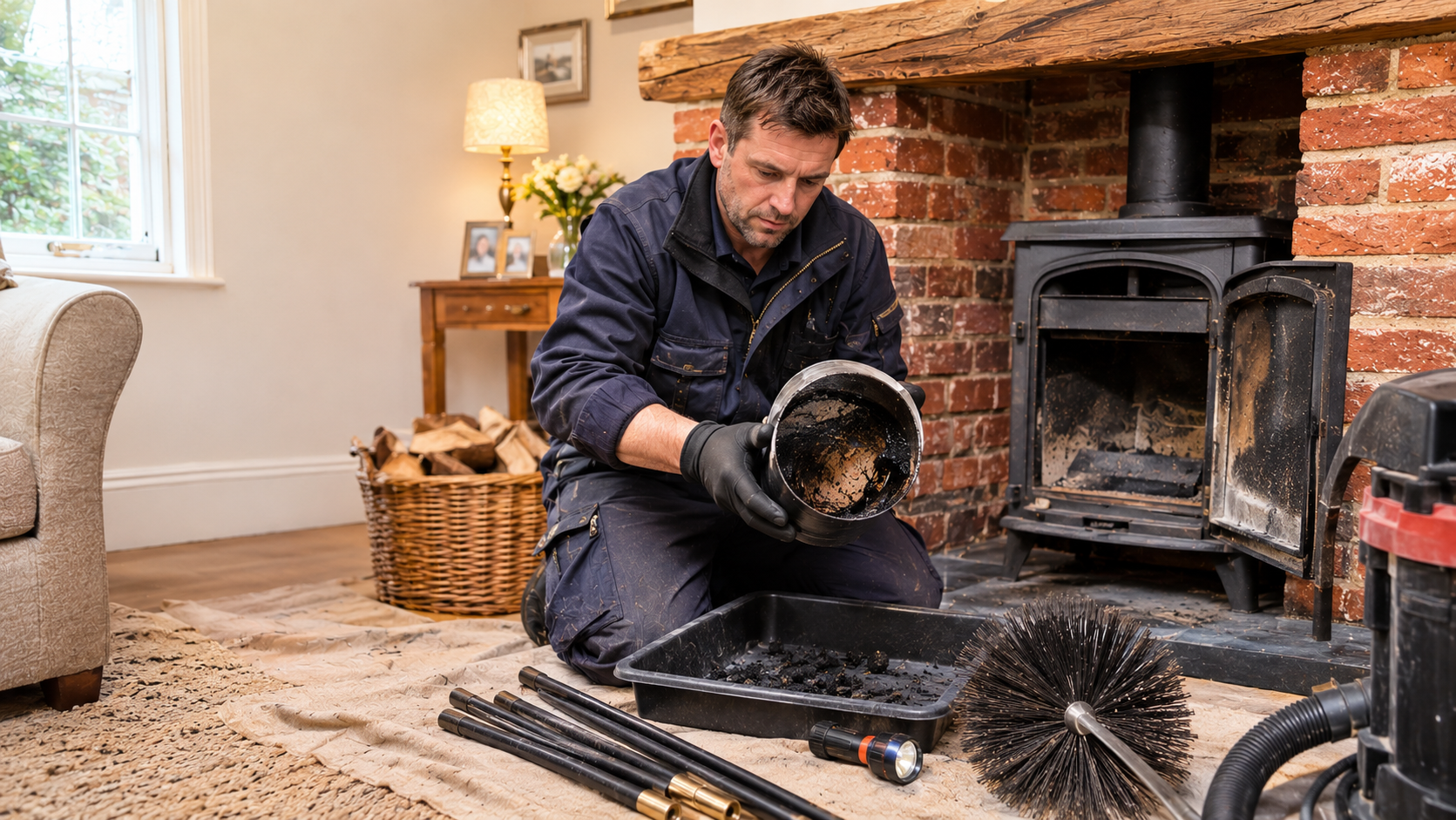
Every time you use a wood-burning stove or traditional fireplace, combustion produces soot and other residues.
Some deposits attach to the internal surfaces of the chimney. Depending on fuel quality, combustion conditions and appliance use, sticky tar-like substances such as creosote may also accumulate.
These deposits can be combustible, increasing the risk of a chimney fire.
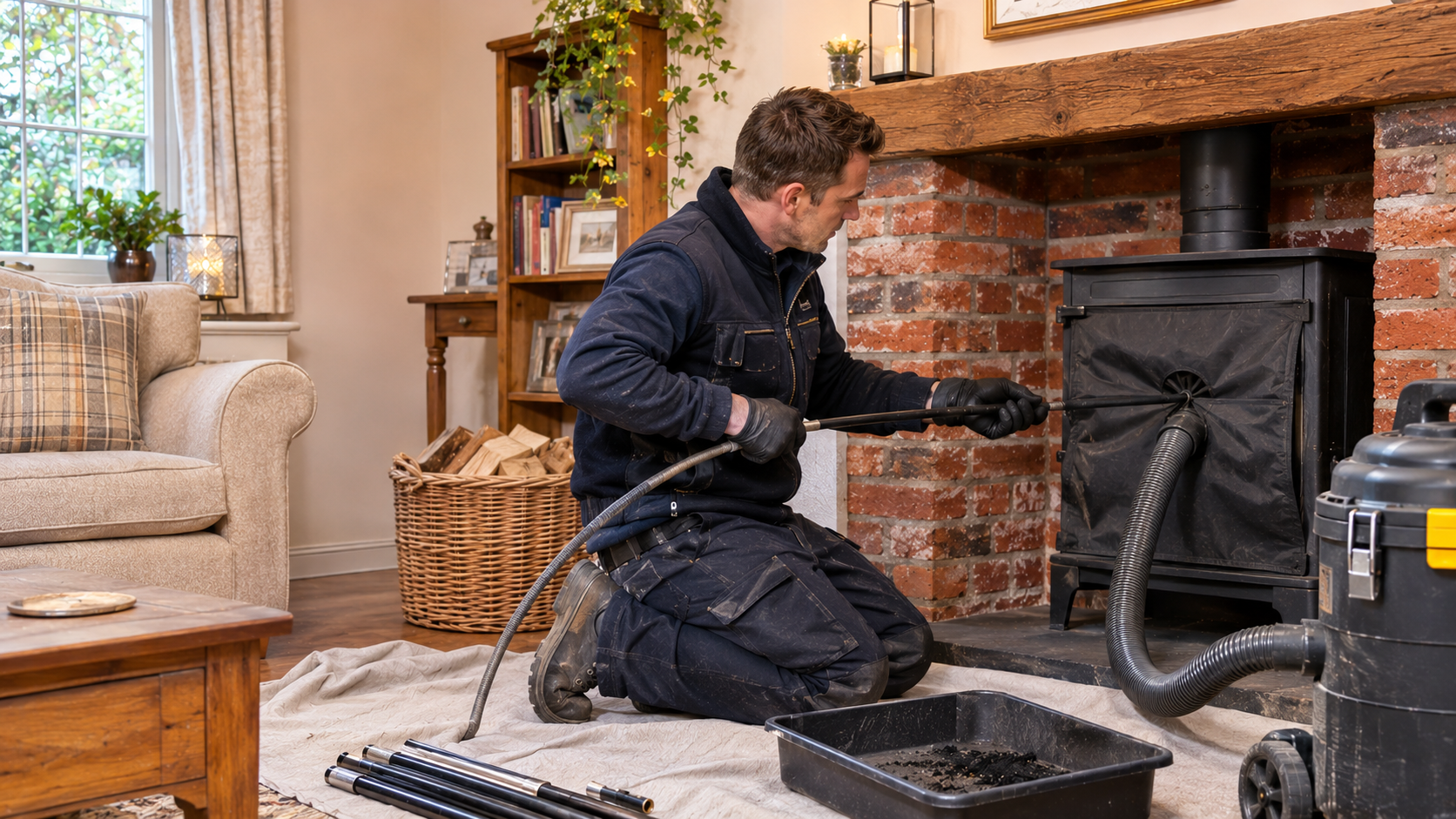
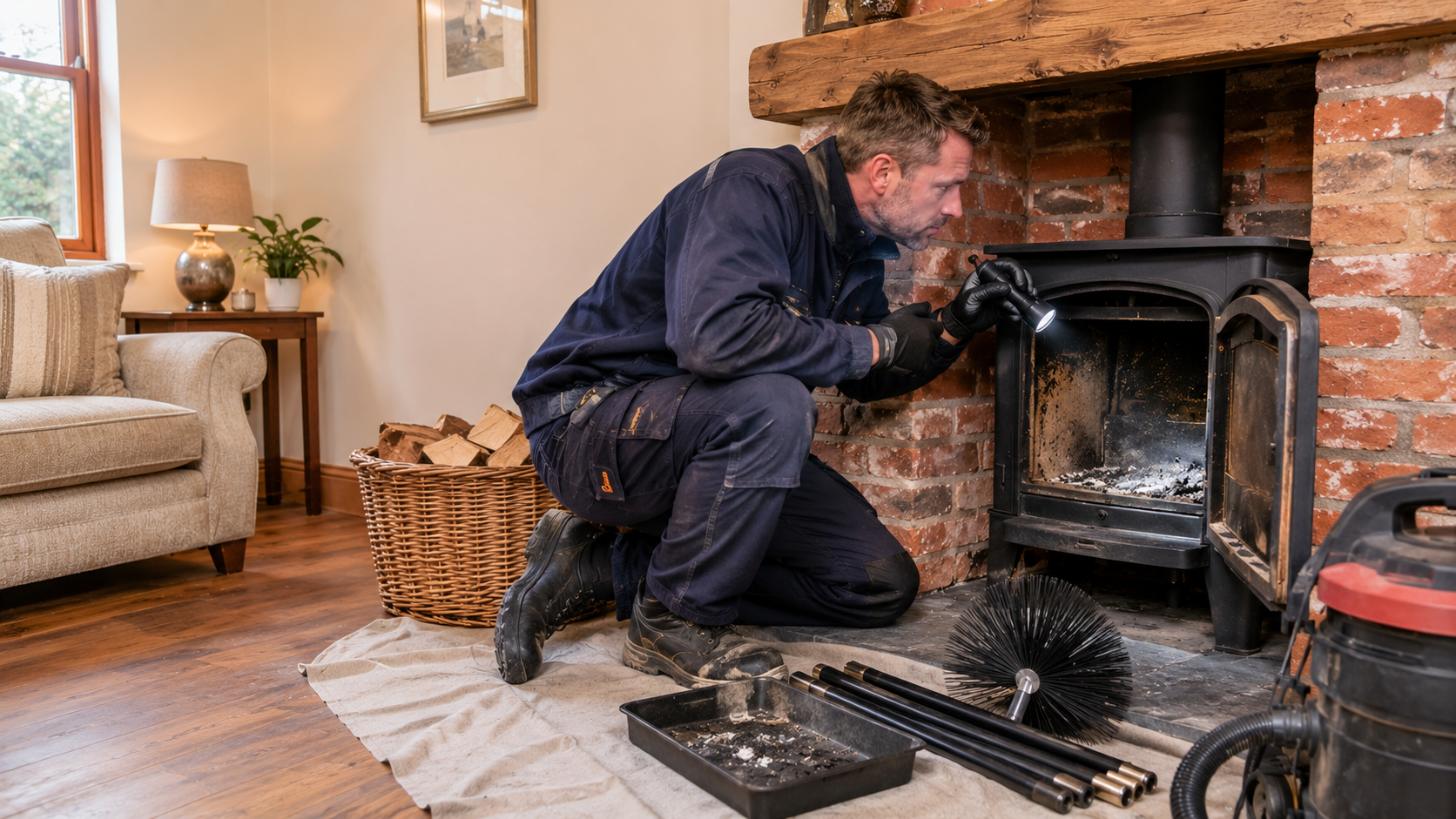
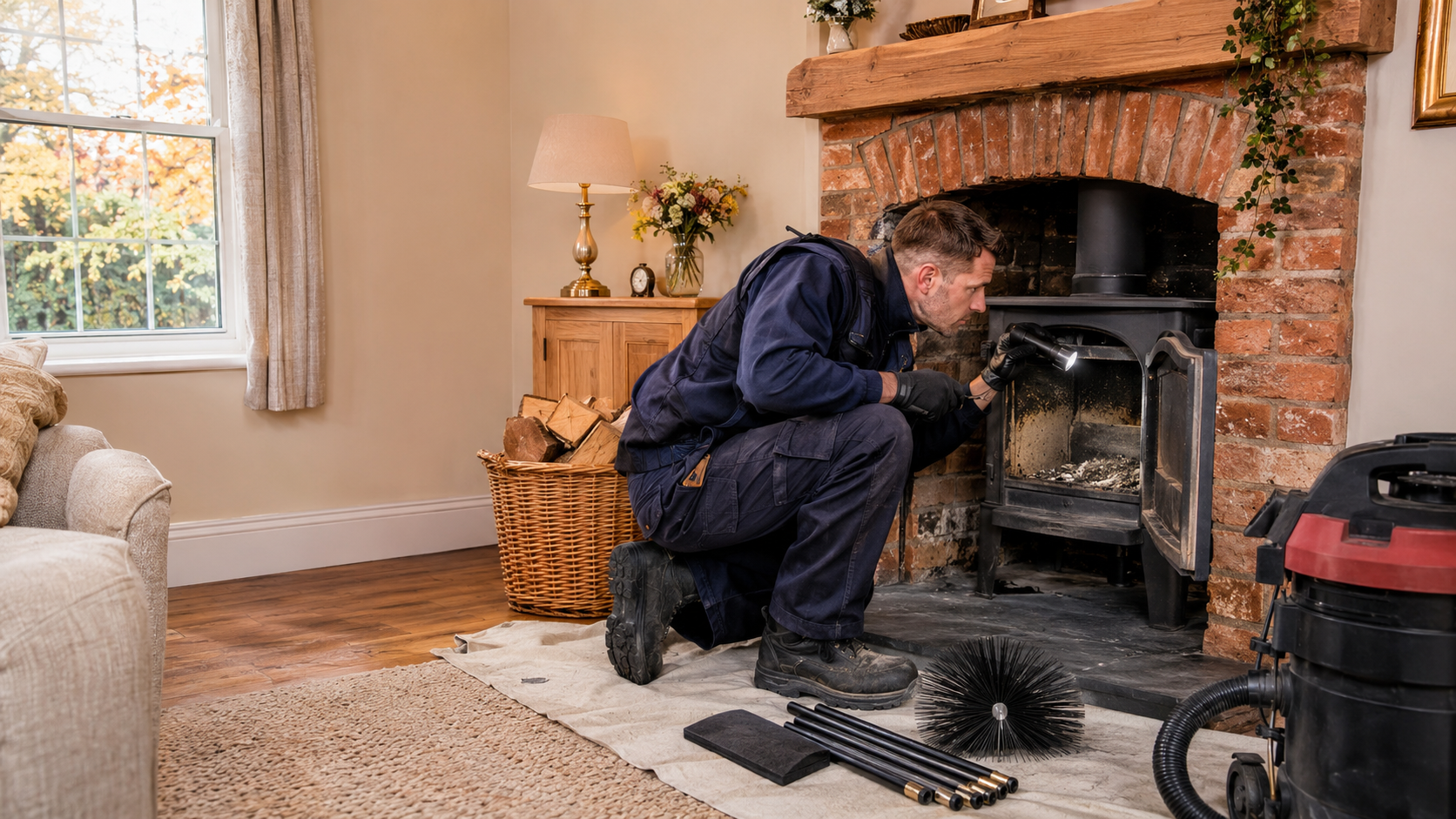
A professional chimney sweep in Derby uses appropriate equipment to remove soot and other removable deposits from the chimney or flue liner.
Regular sweeping helps maintain a clear passage for combustion gases and reduces the buildup of materials that could contribute to chimney fires.
Stubborn glazed deposits may require specialist treatment rather than routine sweeping alone.
2. Bird Nests and Debris May Block an Unused Chimney
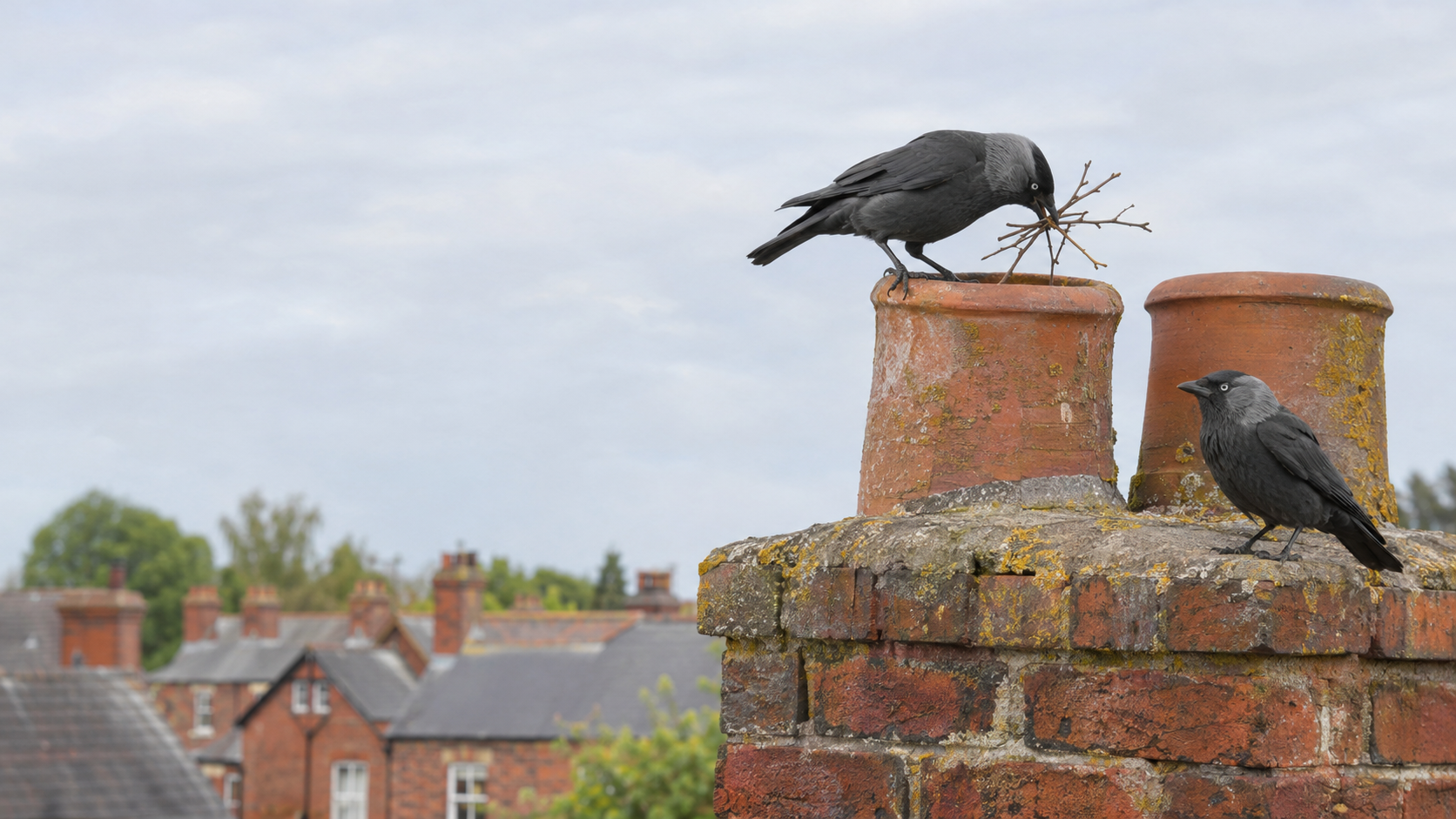
Chimneys can provide attractive sheltered spaces for nesting birds, particularly when a fireplace is unused during warmer months.
Twigs, leaves, nesting materials and loose masonry can collect inside the flue.
These obstructions may restrict airflow or, in severe cases, prevent smoke from escaping properly.
Before using your fireplace for the first time in winter, pay attention to unusual debris appearing in the hearth or evidence of bird activity around the chimney pot.
If you suspect a blockage, avoid lighting a fire until the chimney has been professionally assessed.
A specialist can identify the obstruction and recommend the appropriate removal method. Active bird nests may be legally protected, so any removal must comply with wildlife legislation.
Midlands Sweeps offers bird nest removal services for affected chimney systems.
3. Winter Weather Can Expose Existing Chimney Damage
A chimney stack is constantly exposed to wind, rain and changing temperatures.
Over time, these conditions can contribute to deterioration around mortar joints, chimney pots, flashing and other exposed components.
Cracks or gaps may allow rainwater to enter the structure, while loose masonry can create additional maintenance concerns.
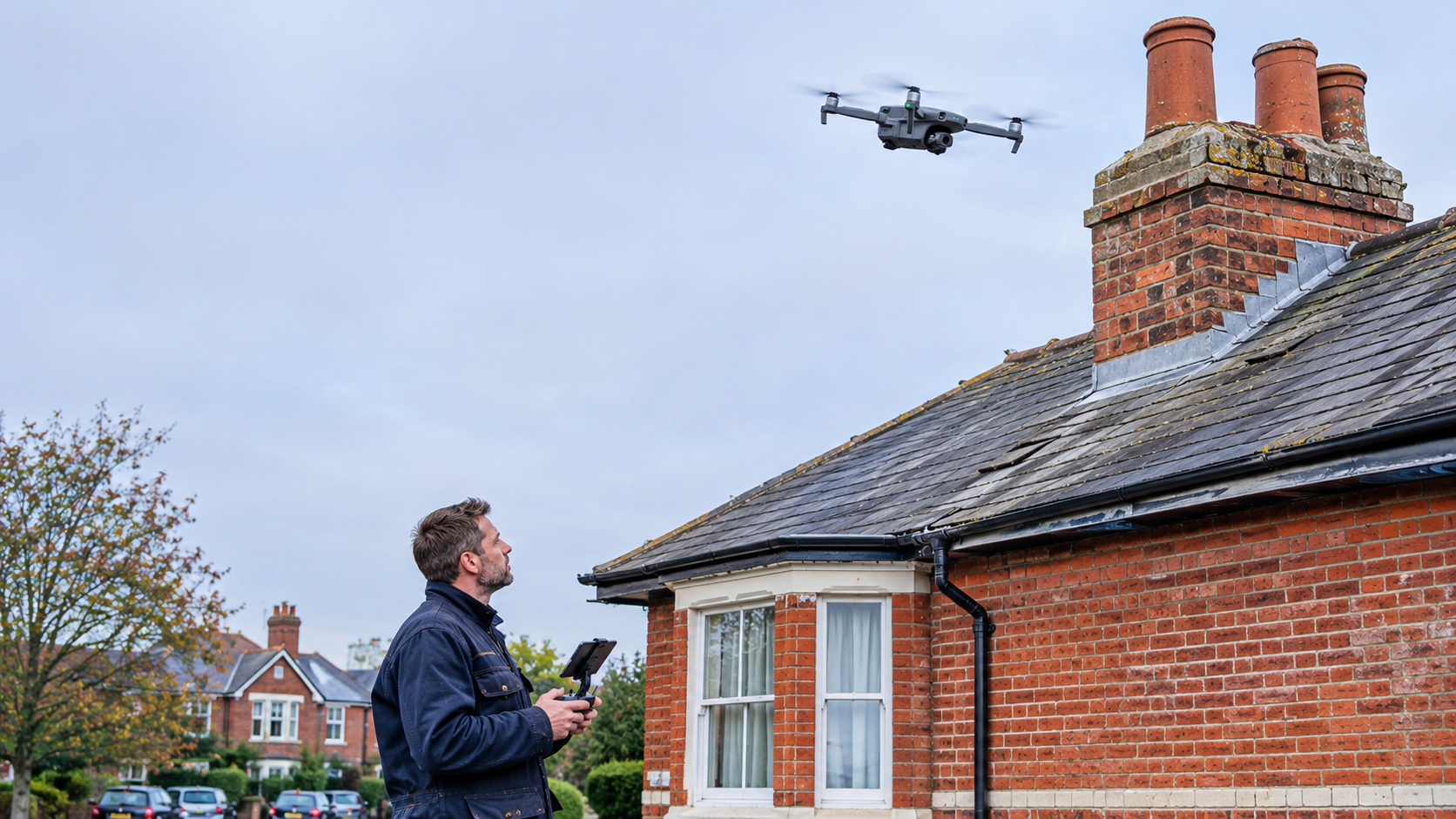
Homeowners can make a basic visual assessment from a safe position at ground level.
Look for obvious signs such as damaged chimney pots, loose material or visible staining around the chimney breast.
Never climb onto a roof or attempt to inspect inaccessible chimney components without the appropriate professional equipment.
If you suspect damage, a specialist chimney or roof inspection in Derby can help determine whether further work is needed.
4. A Blocked Chimney Can Create Carbon Monoxide Risks
Carbon monoxide is a colourless, odourless gas produced when carbon-containing fuels burn incompletely.
Problems with combustion, ventilation or the escape of flue gases can allow dangerous gases to enter the home.
A blocked or defective chimney can therefore present a serious safety concern.
Before winter, check that your carbon monoxide alarm is correctly positioned and working according to the manufacturer’s instructions.
An appropriate alarm is a vital safety precaution, but it does not replace professional chimney maintenance.
If smoke enters the room, you notice unusual appliance behaviour or suspect a flue problem, stop using the appliance and arrange an assessment.
If a carbon monoxide alarm sounds, follow its emergency instructions, leave the affected area and seek appropriate emergency assistance.
Professional chimney sweeping and suitable inspections help identify certain potential problems, but no routine sweep can guarantee that an entire heating installation is free from defects.
5. Your Log Burner May Need Maintenance Before Heavy Use
Wood-burning stoves require attention beyond sweeping the chimney.
Before the main heating season, it is useful to consider the condition of the appliance itself.
Components such as door seals, firebricks, baffle plates and air controls can deteriorate with regular use.
Worn seals or damaged internal components may affect combustion and heating performance.
A professional log burner maintenance service in Derby can assess relevant appliance components and identify items that may need adjustment or replacement.
Chimney sweeping and stove servicing are separate activities, so it is important to confirm what is included when booking.
Maintaining both the appliance and its flue helps support proper operation throughout the colder months.
6. Older Derby Properties May Need Additional Chimney Checks
Derby has a mixture of traditional terraced houses, period properties and modern homes.
Older buildings may have masonry chimney systems that have been modified or repaired several times over the years.
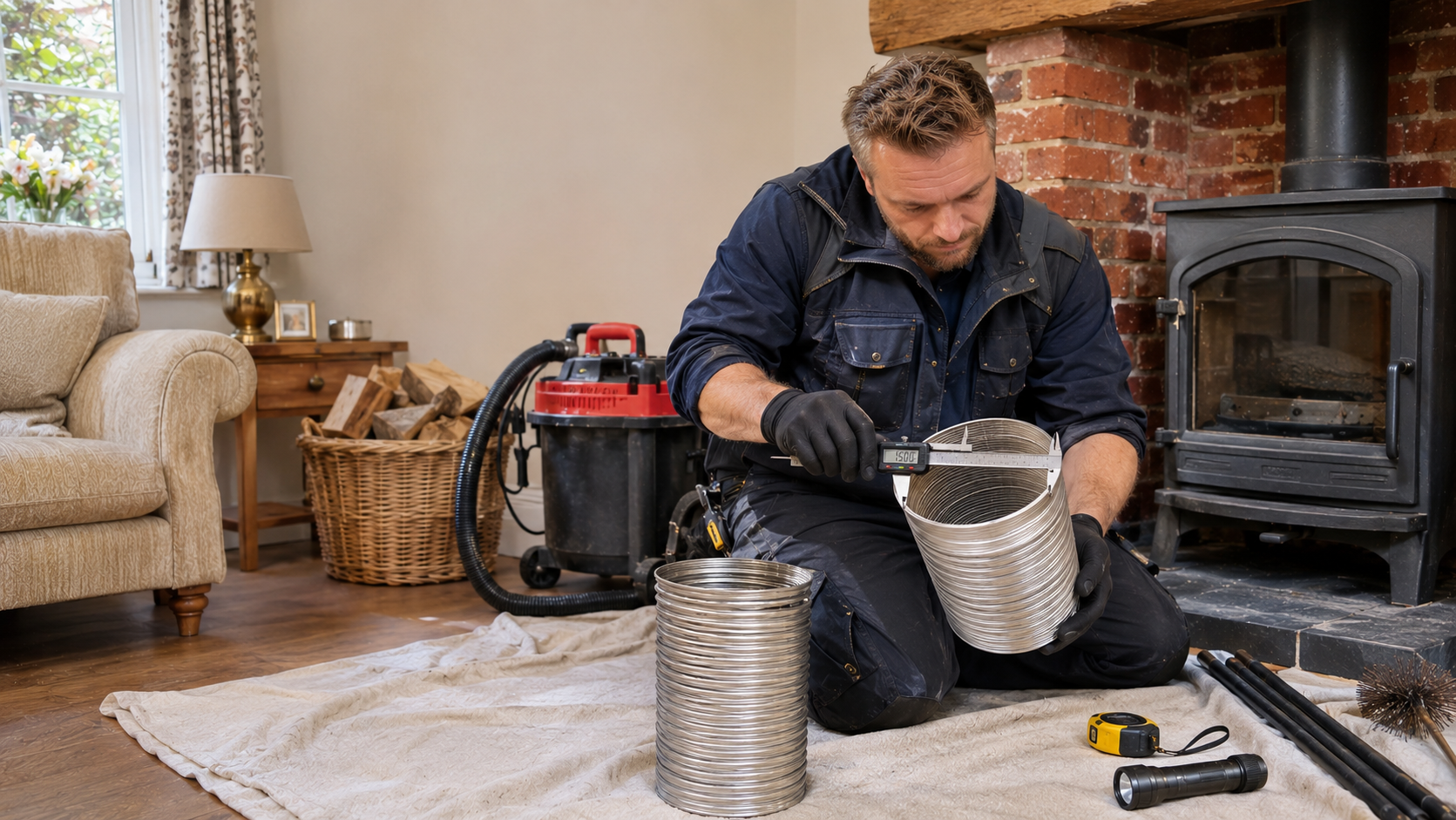
A fireplace originally designed for an open fire might later have been connected to a wood-burning stove or fitted with a flexible metal flue liner.
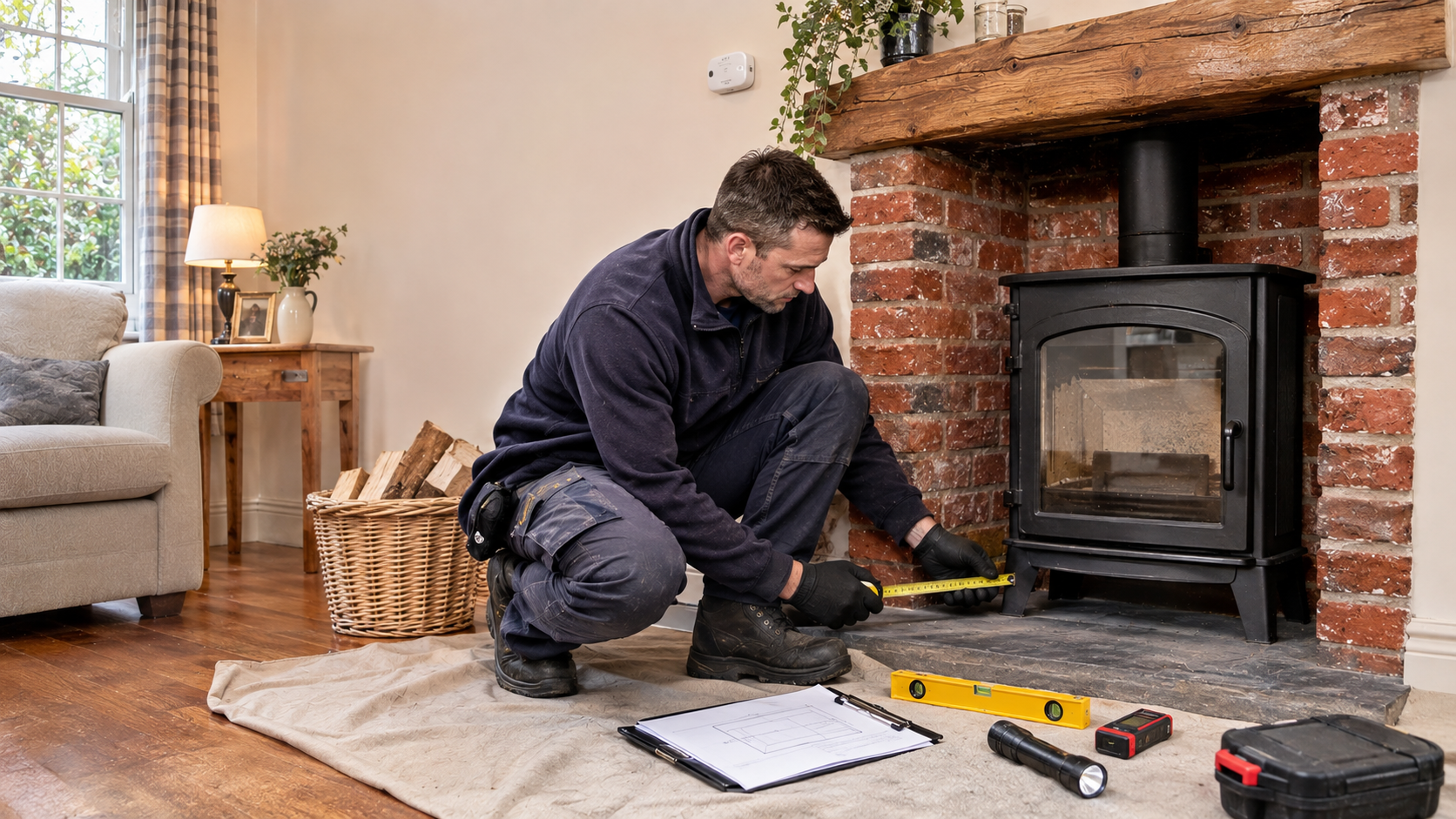
If the installation history is unclear, an ordinary visual assessment may not reveal all potential defects.
In these situations, a CCTV chimney inspection can provide a more detailed view of inaccessible areas inside the chimney.
Specialist camera equipment can help identify damaged masonry, deteriorating liners and hidden obstructions.
Midlands Sweeps provides CCTV chimney inspections for installations requiring closer investigation.
7. When Should Derby Homeowners Arrange Chimney Sweeping?
The correct sweeping frequency depends on the fuel burned, the appliance and how often the fire is used.
According to HETAS guidance:
- Chimneys used for burning wood should generally be swept at least twice a year.
- Chimneys used for smokeless fuels should generally be swept at least once a year.
- More frequent sweeping may be appropriate depending on appliance use and other conditions.
One of the recommended times for chimney sweeping is immediately before the heating season.
For households that burn wood frequently, a second sweep after the busiest period of use can help maintain the chimney.
Rather than waiting until smoke or unusual smells become noticeable, establish a regular maintenance schedule suited to your appliance.
A Practical Pre-Winter Chimney Checklist for Derby Homeowners
Before lighting your first fire of the colder season, work through the following preparations:
- Check your maintenance history: Find out when the chimney was last professionally swept.
- Look for visible warning signs: Check for loose debris, staining, moisture marks or other unusual conditions around the fireplace.
- Check your carbon monoxide alarm: Follow the manufacturer’s instructions for testing and maintenance.
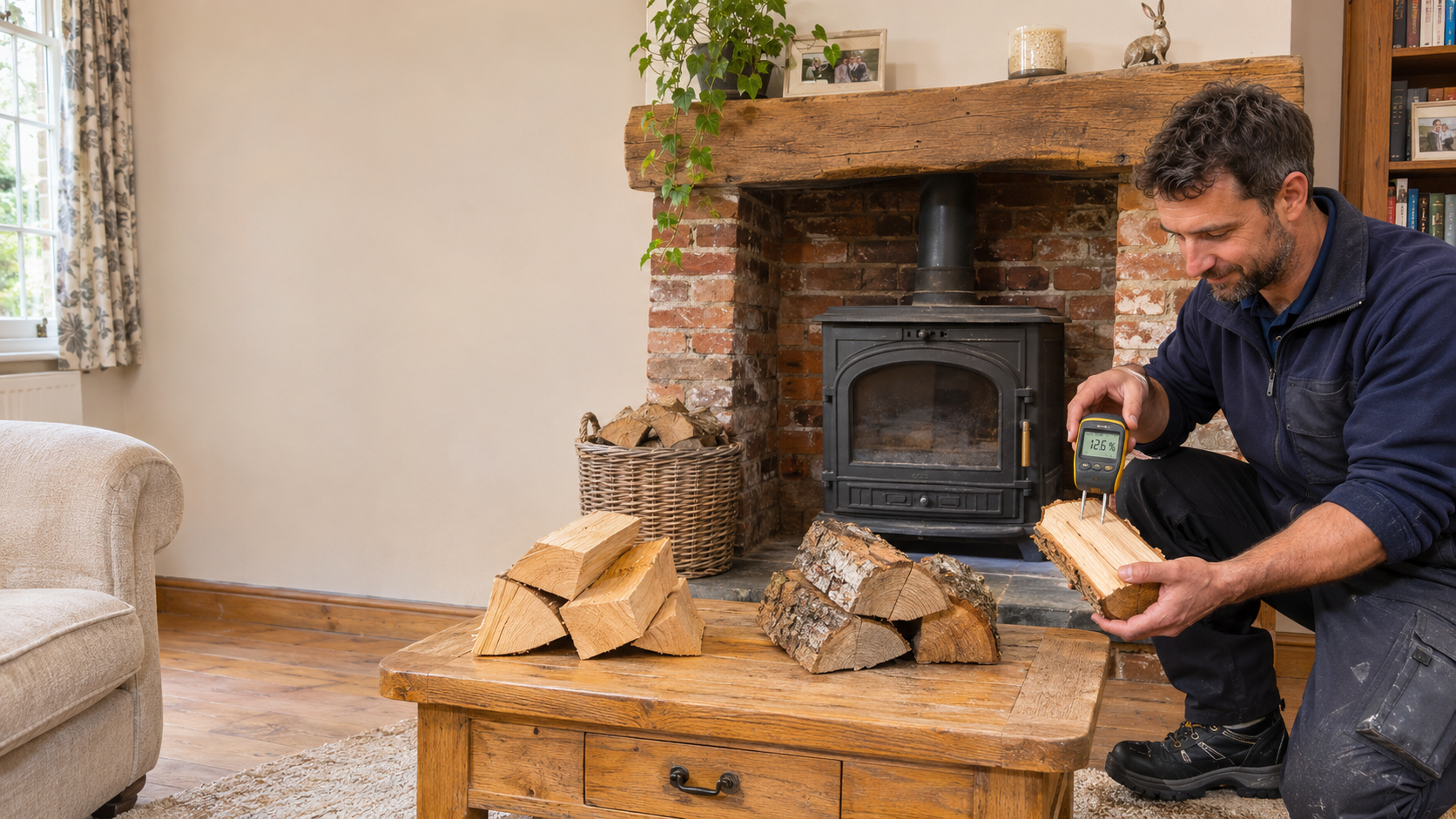
- Review your stove’s condition: Look for obvious damage to door seals, firebricks and other accessible components when the appliance is completely cold.
- Arrange professional sweeping: Have accumulated soot and debris removed using appropriate equipment.
- Ask about additional inspections: If the chimney has been unused for years, has persistent draught problems or has suspected damage, discuss further testing with a specialist.
This checklist can help you prepare for winter, but it does not replace a professional inspection where one is necessary.
Why Choose a Local Chimney Sweep in Derby?
A local chimney sweeping company can help homeowners maintain fireplaces and stoves before the colder months increase demand for chimney services.
Midlands Sweeps is a veteran-owned business offering professional chimney sweeping, flue liner services and specialist chimney inspections in Derby and surrounding areas.
Whether you have a traditional open fireplace, a modern wood-burning stove or a multi-fuel appliance, selecting the right maintenance service is important.
For more information about local coverage and available services, visit the Midlands Sweeps Derby service page.
Frequently Asked Questions About Winter Chimney Maintenance
Should I sweep my chimney before winter even if I barely used it?
If your chimney has been unused for a long period or its maintenance history is uncertain, arranging a sweep and appropriate assessment before use is sensible. Debris and nesting materials can accumulate even when a fireplace is not used.
What happens if I use a blocked chimney?
A blocked chimney can prevent smoke and combustion gases from escaping correctly. This can lead to smoke entering the room, poor appliance performance and potentially dangerous conditions.
Does chimney sweeping improve the performance of a wood burner?
Removing soot and obstructions can help maintain suitable airflow and chimney draught. However, appliance condition, fuel quality and installation design also affect stove performance.
Is a chimney sweep the same as a chimney inspection?
No. Sweeping removes deposits and debris, while an inspection evaluates the condition of the chimney or flue. Some basic checks may be included in a sweep, but detailed CCTV surveys or structural assessments are separate services.
Can I clean my chimney myself before winter?
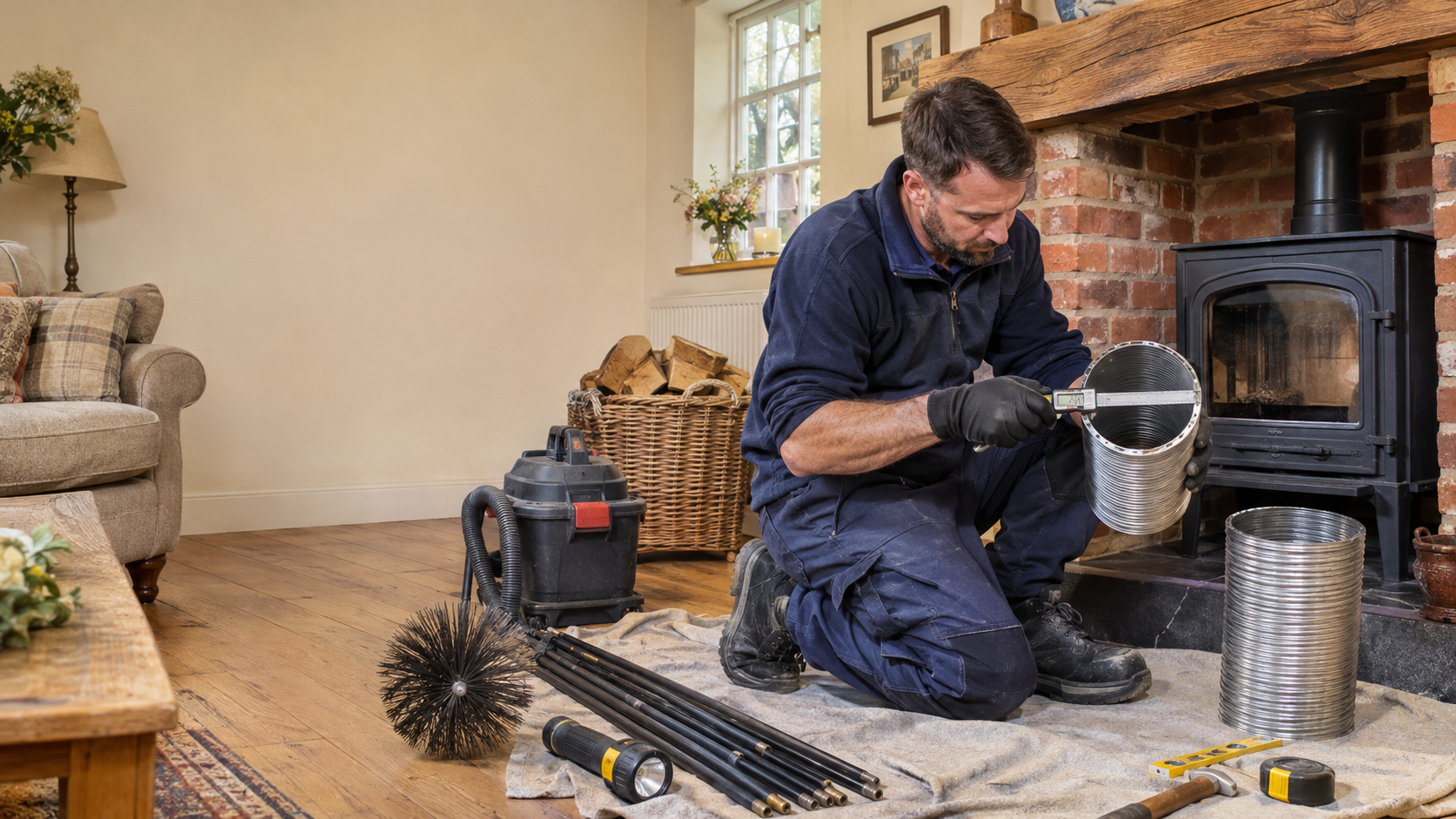
Basic fireplace cleaning does not replace professional chimney sweeping. Suitable rods, brushes, access arrangements and technical knowledge are needed to clean a flue appropriately without damaging the chimney system.
Book Your Pre-Winter Chimney Sweep in Derby With Midlands Sweeps
Preparing your chimney before winter is a practical way to reduce preventable maintenance problems and help keep your fireplace or log burner functioning correctly.
From clearing soot deposits to identifying potential obstructions or damaged components, professional chimney care helps you prepare for the colder months.
At Midlands Sweeps, we provide chimney sweeping, flue cleaning and specialist inspection services for homeowners in Derby and surrounding areas of Derbyshire.
If your chimney has not been swept recently or you have concerns about its condition, contact our team to discuss the most appropriate service.
Book your chimney sweep in Derby and prepare your fireplace for winter.
Phone: +44 782 483 0604
Email: midlandsweeps@gmail.com
Website: www.midlandsweeps.com
Book an appointment: Contact Midlands Sweeps
Midlands Sweeps — professional chimney care for Derby homeowners.