Have you ever wondered why one chimney seems to stay relatively clean while another develops thick soot deposits after just a few months of use?
Even when two households have similar wood-burning stoves or traditional fireplaces, the amount of soot collecting inside their chimneys can be surprisingly different.
The reason is that chimney soot buildup depends on more than how often you light a fire. The moisture content of your firewood, the way your stove operates, chimney temperature, airflow and the condition of the flue can all influence how quickly deposits develop.
Understanding these factors can help you reduce unnecessary soot accumulation, improve combustion and recognise when professional chimney maintenance is necessary.
In this guide, Midlands Sweeps explains why some chimneys collect more soot than others, what different deposits may indicate and how to maintain a cleaner chimney.
What Causes Soot to Form Inside a Chimney?
Soot is a dark, powdery material produced when carbon-containing fuels burn incompletely.
When wood or other solid fuels burn, they release gases, smoke particles and combustion by-products. Some of these materials travel up the chimney with the rising exhaust gases.
If combustion is incomplete, additional particles and unburned compounds can enter the flue.
As these gases move through the chimney, some particles settle on the internal surfaces. Vapours may also condense as they cool, producing tar-like deposits.
Over time, these substances can build up along the chimney walls.
A small amount of residue can occur even when a stove is operated correctly. However, unusually heavy deposits may indicate that the appliance or chimney is not operating under suitable conditions.
1. Wet Firewood Produces More Smoke and Deposits
One of the most significant reasons some chimneys collect excessive soot is the use of damp or poorly seasoned firewood.
When wood contains too much moisture, a portion of the fire’s energy is spent evaporating water rather than producing useful heat.
This can lower combustion temperatures and increase the production of smoke and unburned compounds.
As the smoke travels through the chimney, deposits can accumulate on the flue walls.
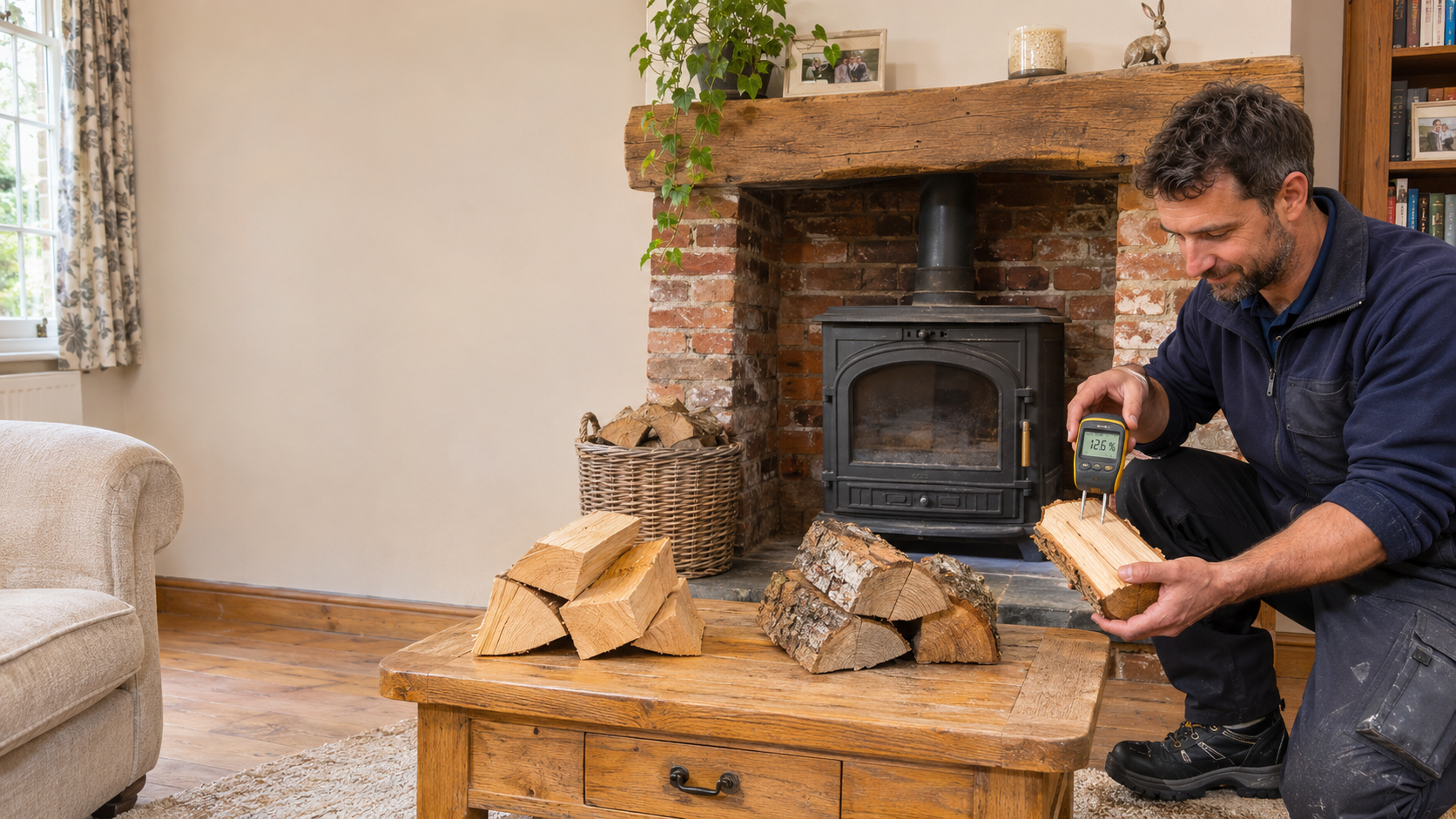
HETAS recommends burning wood with a moisture content of 20% or less.
To help reduce soot caused by damp fuel:
- Choose properly seasoned or kiln-dried firewood.
- Look for Ready to Burn certified logs.
- Store firewood somewhere dry and well ventilated.
- Keep logs protected from rain and ground moisture.
- Consider using a moisture meter to check firewood before burning.
Using suitable, dry firewood helps support more complete combustion, although it does not eliminate the need for regular chimney sweeping.
2. Restricted Airflow Can Increase Soot Production
Wood-burning stoves require an appropriate supply of oxygen for combustion.
Most modern stoves have adjustable air controls that allow the user to regulate the burning process.
However, some homeowners close these controls too far because they want the fire to burn more slowly and use less fuel.
When insufficient oxygen reaches the fire, combustion may become incomplete.
This can lead to increased smoke, blackened stove glass and heavier deposits inside the chimney.
Following the stove manufacturer’s instructions for lighting, refuelling and adjusting airflow can help prevent these problems.
Avoid deliberately keeping a wood-burning stove smouldering for extended periods.
Equally, excessive airflow can cause overfiring and appliance damage, so the goal is not simply to leave every air vent fully open.
Correct operation means maintaining the combustion conditions recommended for your particular appliance.
3. Cooler Chimneys May Collect More Tar and Creosote
Chimney temperature also affects how deposits accumulate.
As hot combustion gases rise through the flue, they gradually lose heat.
If the internal chimney surfaces are relatively cool, certain vapours in wood smoke can condense on them.
These condensed materials may form sticky tar-like deposits commonly described as creosote.
Several conditions can contribute to cooler flue temperatures, including:
- Poorly insulated chimney systems.
- Long sections of exposed or external flue.
- Prolonged low-temperature burning.
- Oversized chimneys or unsuitable flue arrangements.
- Damp fuel producing cooler combustion.
A properly designed and installed flue system helps maintain appropriate operating conditions.
However, chimney design should never be modified without professional assessment.
If heavy tar deposits repeatedly appear after sweeping, the cause may require further investigation rather than simply more frequent cleaning.
4. An Oversized Log Burner Can Contribute to Soot Buildup
Many homeowners assume that a larger wood-burning stove will provide better heating.
However, choosing a stove that produces more heat than the room requires can encourage inefficient burning habits.
For example, if a powerful stove makes a small living room uncomfortably hot, the homeowner may reduce the air supply excessively.
Operating the stove at very low combustion rates can increase smoke and deposits.
This is one reason choosing the correct appliance output matters.
A properly sized stove should be capable of providing comfortable warmth while operating within its recommended conditions.
If you’re considering replacing an existing appliance, professional advice can help determine the appropriate stove size and whether your chimney is suitable.
5. Chimney Shape and Internal Condition Make a Difference
Not every chimney has the same internal design.
Some properties contain relatively straight flues, while others have bends, offsets or older masonry surfaces.
The shape and condition of a chimney can affect the movement and cooling of combustion gases, potentially influencing where deposits collect.
Older chimneys may contain uneven brickwork, deteriorating mortar or rough internal surfaces.
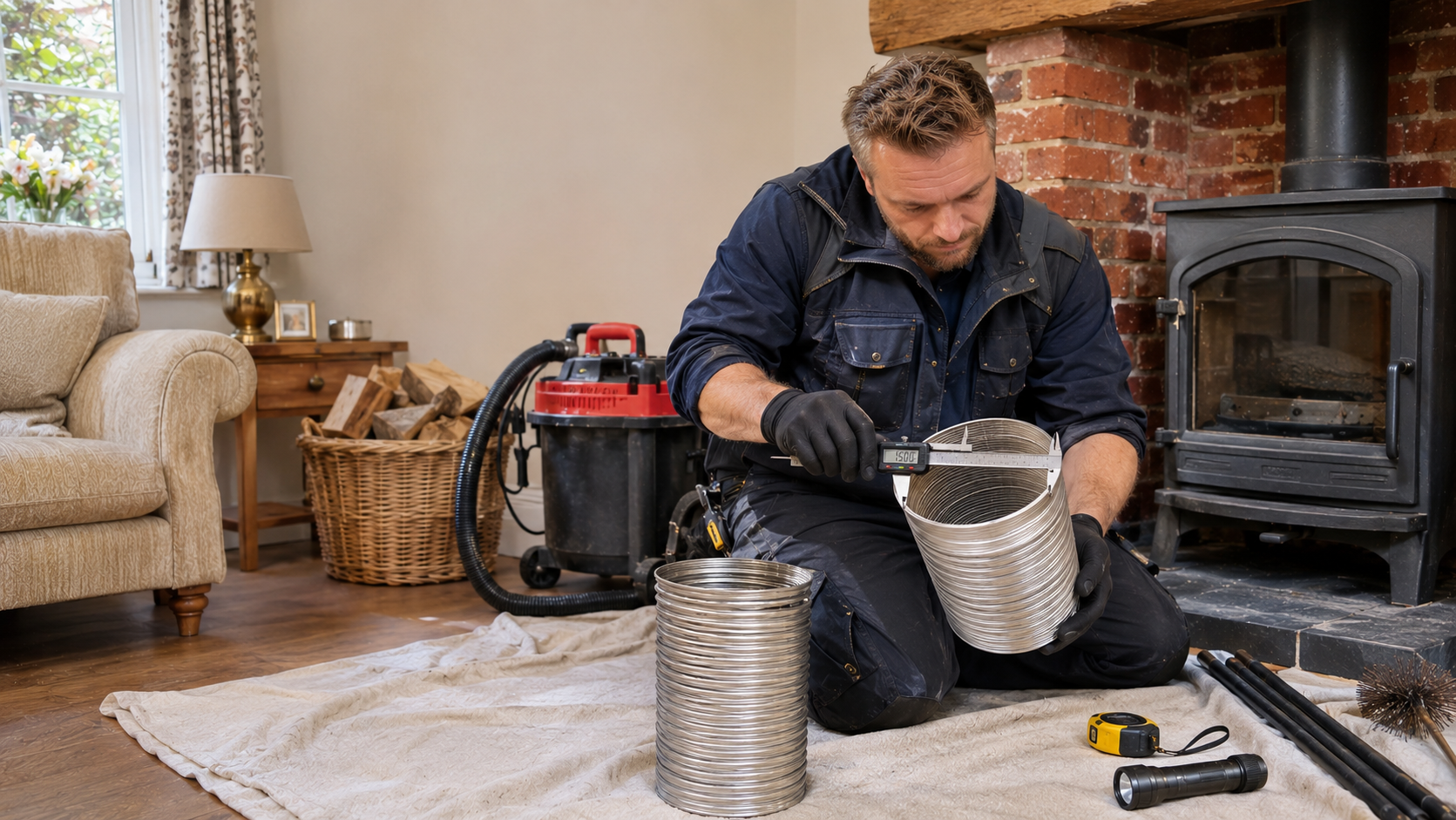
Modern stainless-steel flue liners have a different construction, but they can still collect soot and require sweeping.
If a chimney repeatedly develops unusual deposits, a professional assessment may help establish whether the flue design, condition or connection to the appliance is contributing to the problem.
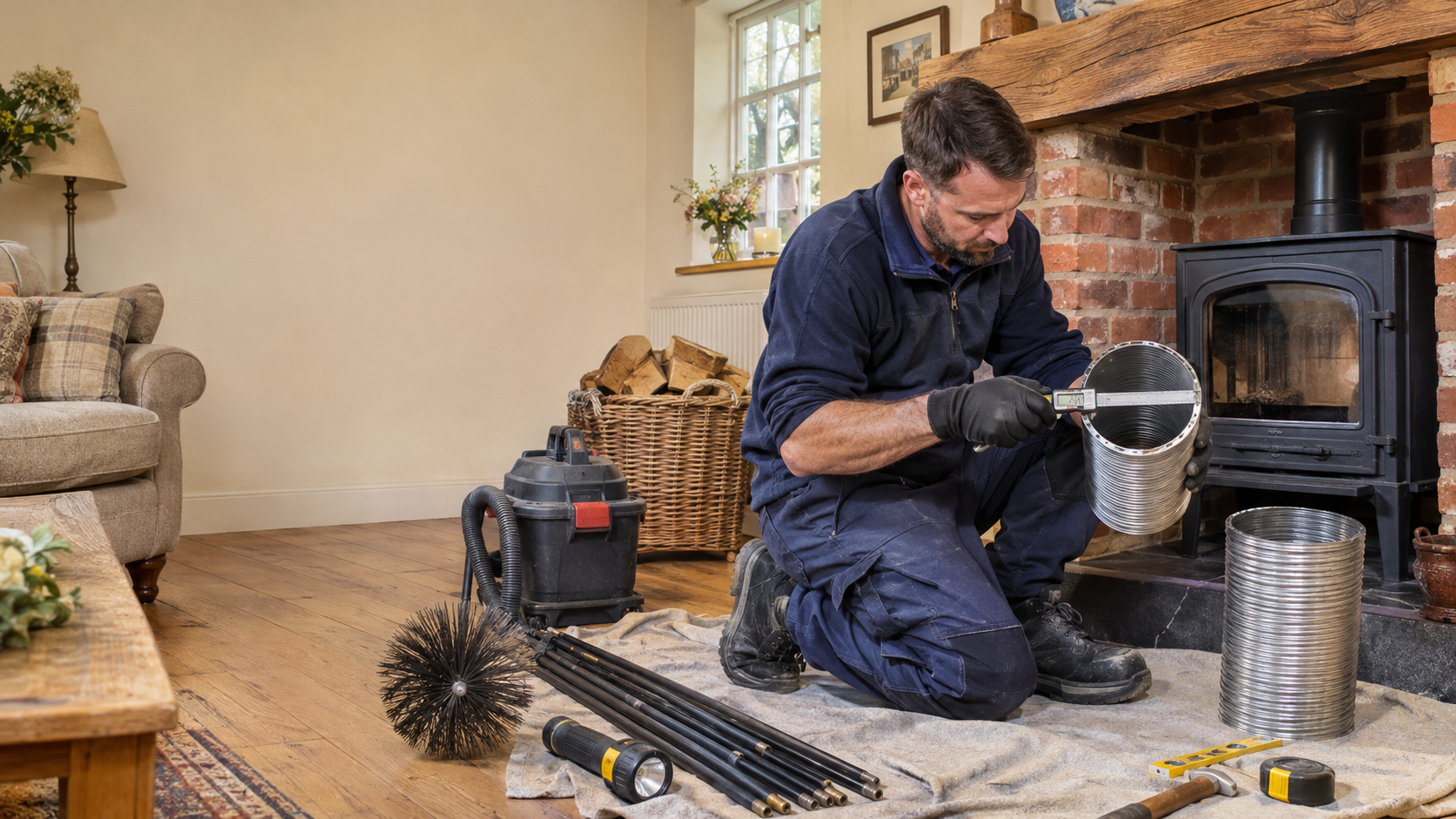
A CCTV chimney inspection can be useful when hidden deterioration, damaged liners or internal obstructions are suspected.
6. Poor Chimney Draught Can Affect Combustion
Chimney draught is the movement of combustion gases through the flue and out of the property.
A suitable draught helps the appliance receive combustion air and directs exhaust gases away from the living space.
However, draught can be affected by chimney dimensions, external weather conditions, ventilation, appliance design and obstructions.
If the chimney is not operating correctly, the stove may struggle to maintain proper combustion.
Possible symptoms include difficulty lighting the fire, smoke entering the room and unusual soot deposits.
A restricted chimney may also create a cycle in which soot buildup affects airflow, making combustion conditions worse.
If smoke enters your home or you suspect a blocked flue, stop using the appliance until it has been assessed by a competent professional.
7. Different Fuels Leave Different Combustion Residues
The fuel you burn influences the type and amount of material collecting inside your chimney.
Wood produces a mixture of soot and other combustion by-products, including substances that can form creosote.
Suitable manufactured smokeless fuels can leave different types of residues, including fine soot and ash.
The important consideration is using fuel approved for your specific appliance.
Burning household rubbish, treated timber, painted wood or unsuitable materials can release harmful pollutants and create additional maintenance problems.
Always follow the appliance manufacturer’s fuel recommendations and applicable local smoke control requirements.
Understanding Different Types of Chimney Deposits
Not all black material inside a chimney is identical.
A professional chimney sweep may encounter different deposits depending on the fuel, combustion conditions and chimney system.
| Deposit | Typical appearance | What it may indicate |
|---|---|---|
| Dry soot | Fine, black, powdery material | Normal combustion residue or incomplete combustion |
| Flaky creosote | Dark, brittle flakes | Condensed wood-smoke deposits |
| Sticky tar | Thick, dark, sometimes shiny residue | Condensation of smoke compounds, often associated with cooler burning conditions |
| Glazed creosote | Hard, shiny, dark coating | More stubborn accumulated deposits that may require specialist cleaning |
The appearance of a deposit alone cannot establish its exact cause.
Some forms of creosote are particularly difficult to remove through routine chimney sweeping.
If substantial tar or glazed deposits are found, your chimney sweep should explain whether further treatment or investigation is necessary.
How Can You Tell If Your Chimney Is Collecting Too Much Soot?
Homeowners cannot easily inspect the entire chimney without specialist equipment.
However, certain signs may suggest that soot accumulation or poor combustion needs attention.
Black Stove Glass After Every Fire
A small amount of soot on log burner glass can be normal. However, heavy blackening after nearly every fire may indicate issues with fuel moisture, airflow or combustion.
Soot Falling Into the Fireplace
Loose soot or dark flakes falling into the firebox can indicate deposits inside the chimney.
Unexpected debris should be investigated, particularly when the fireplace has not been swept recently.
Persistent Tar-Like Smells
Strong, unusual smells around a fireplace may be associated with accumulated deposits, moisture or other chimney problems.
These symptoms should not be ignored.
Smoke Entering the Living Room
Smoke spilling into the home can indicate a draught problem, obstruction or another fault.
Stop using the appliance until the cause has been professionally assessed.
Increasing Difficulty Maintaining a Fire
If your stove begins operating differently despite using suitable dry fuel, maintenance issues or chimney draught problems may need investigation.
These warning signs do not automatically mean your chimney contains excessive soot, but they provide good reasons to arrange an appropriate assessment.
Practical Ways to Reduce Chimney Soot Buildup
Although every solid-fuel chimney needs regular maintenance, homeowners can reduce unnecessary deposits by developing better burning habits.
Use dry, suitable fuel. Choose firewood with a moisture content of 20% or less and avoid burning household waste or inappropriate materials.
Operate the stove correctly. Follow the manufacturer’s instructions for air controls, lighting and refuelling.
Avoid prolonged smouldering. Allow the appliance to operate within its recommended combustion conditions rather than deliberately starving the fire of oxygen.
Maintain the appliance. Arrange appropriate stove servicing to identify worn door seals, damaged baffle plates or malfunctioning air controls.
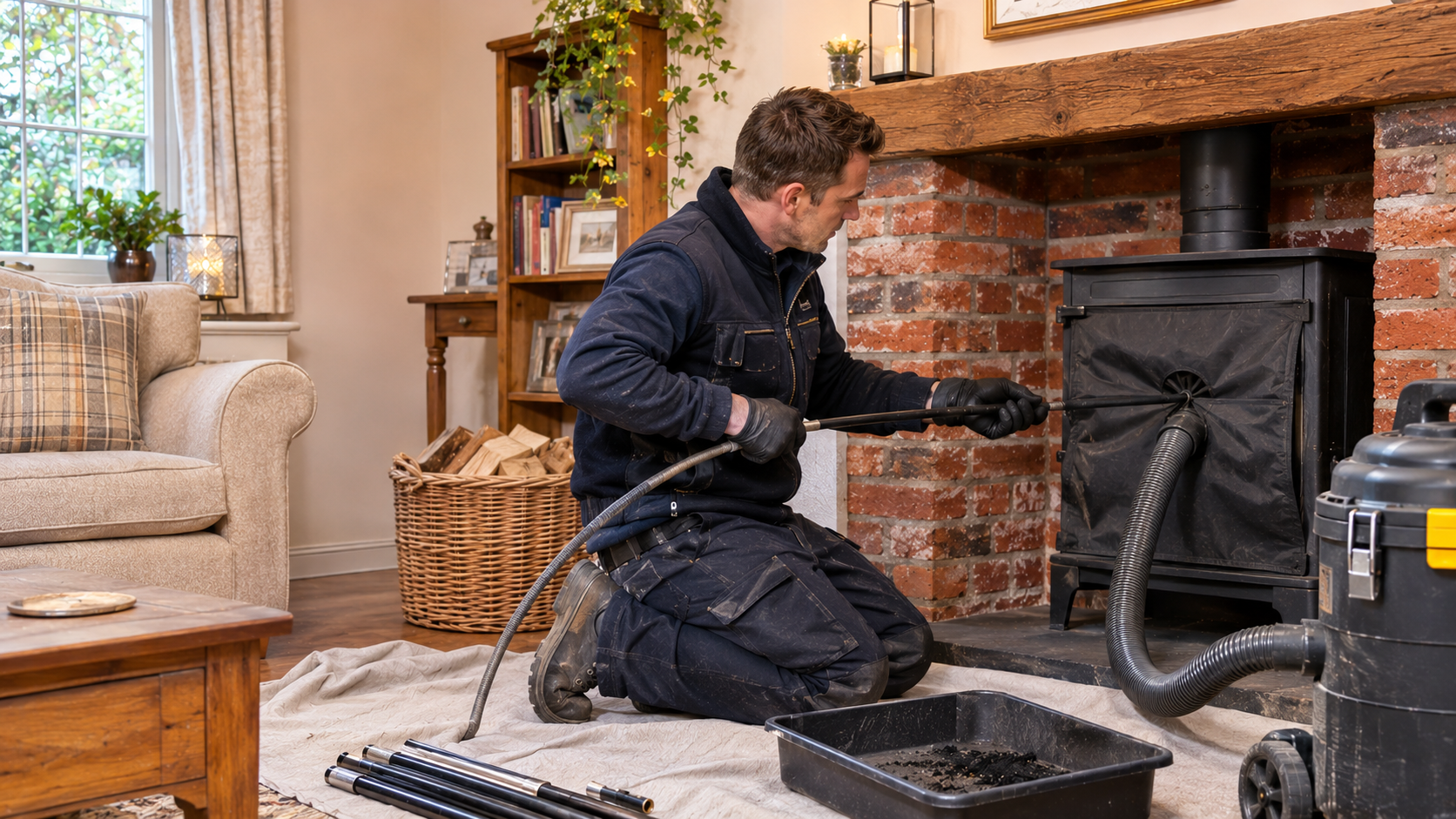
Keep the chimney swept. Professional sweeping removes combustible deposits and helps maintain a clear flue passage.
Investigate recurring problems. If heavy deposits return unusually quickly, ask a professional to consider the fuel, appliance, ventilation and chimney condition.
These practices can help reduce excessive soot formation and support more reliable stove operation.
How Often Should a Chimney Be Swept?
The appropriate frequency depends on the fuel used, appliance type and pattern of operation.
HETAS generally recommends:
- Wood-burning appliances: At least twice a year.
- Smokeless-fuel appliances: At least once a year.
- Heavily used installations: Additional sweeping where required by conditions, manufacturer guidance or professional assessment.
For wood-burning systems, sweeping before the heating season and again after the period of heaviest use is often appropriate.
Some installations may require more frequent cleaning.
A professional chimney sweep can help establish a schedule based on the actual deposits being removed and how the appliance is used.
When Does Excessive Soot Require a Professional Chimney Inspection?
Regular sweeping is designed to remove accumulated deposits, but it does not necessarily resolve the underlying reason for excessive soot production.
If deposits return unusually quickly, a professional may need to investigate the entire installation.
Depending on the circumstances, this could involve checking the condition of the chimney, examining accessible appliance components or investigating the suitability of the flue.
A CCTV chimney inspection can help identify hidden problems such as damaged liners, deteriorating masonry and internal blockages.
Midlands Sweeps provides professional CCTV chimney inspection services where more detailed investigation is appropriate.
Frequently Asked Questions About Chimney Soot
Why does my chimney get so dirty so quickly?
Excessive soot can result from damp firewood, restricted combustion air, low burning temperatures, poor draught or chimney design. If deposits return unusually quickly after sweeping, arrange an assessment to identify the cause.
Does burning dry wood prevent chimney soot?
Dry wood generally supports cleaner combustion than damp wood, but it does not prevent all soot formation. Regular chimney sweeping remains necessary.
Is chimney soot dangerous?
Accumulated soot and creosote can increase the risk of chimney fires and contribute to restricted flue passages. Significant deposits should be professionally removed.
Can an old chimney collect more soot than a modern one?
It can, depending on its internal condition, design and operating temperatures. However, chimney age alone does not determine soot accumulation, and modern lined chimneys also require sweeping.
Does black log burner glass mean my chimney is blocked?
Not necessarily. Blackened glass is often associated with combustion conditions, fuel moisture or airflow settings. However, persistent blackening combined with smoke problems or poor draught warrants professional investigation.
Will a chimney sweeping log burn away soot?
No. Chimney-cleaning logs and chemical products are not substitutes for proper mechanical sweeping. Do not deliberately create a hot fire to burn deposits out of a chimney, as this can cause a dangerous chimney fire.
Professional Chimney Sweeping With Midlands Sweeps
Different chimneys collect soot at different rates because every heating system operates under its own conditions.
Fuel quality, stove settings, chimney design and maintenance history all influence how quickly deposits accumulate.
Understanding these differences can help homeowners make better decisions about their fireplaces and wood-burning stoves.
At Midlands Sweeps, we provide professional chimney sweeping, flue liner cleaning and related chimney inspection services throughout Swadlincote, Burton on Trent, Derby, Ashby-de-la-Zouch, Coalville and surrounding areas.
As a veteran-owned, fully insured business and registered member of the National Association of Chimney Sweeps, we focus on careful chimney maintenance and professional service.
If your chimney is collecting excessive soot, has not been swept recently or is showing signs of poor draught, our team can help you determine the appropriate next steps.
Arrange your next professional chimney sweep with Midlands Sweeps today.
Phone: +44 782 483 0604
Email: midlandsweeps@gmail.com
Website: www.midlandsweeps.com
Chimney Sweeping Services: Professional Chimney Sweep
Book an Appointment: Contact Midlands Sweeps
Midlands Sweeps — professional chimney care for cleaner, well-maintained flues.